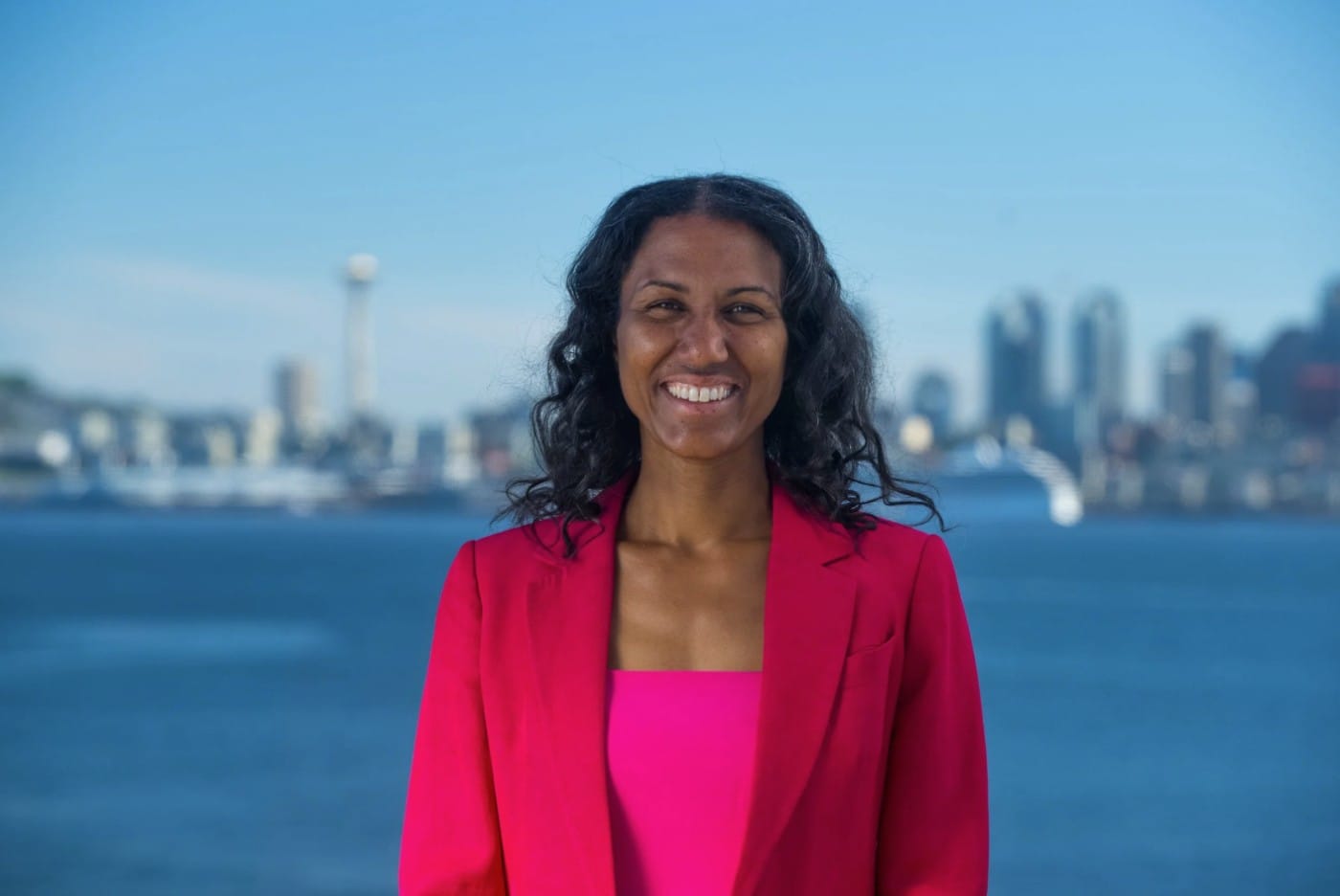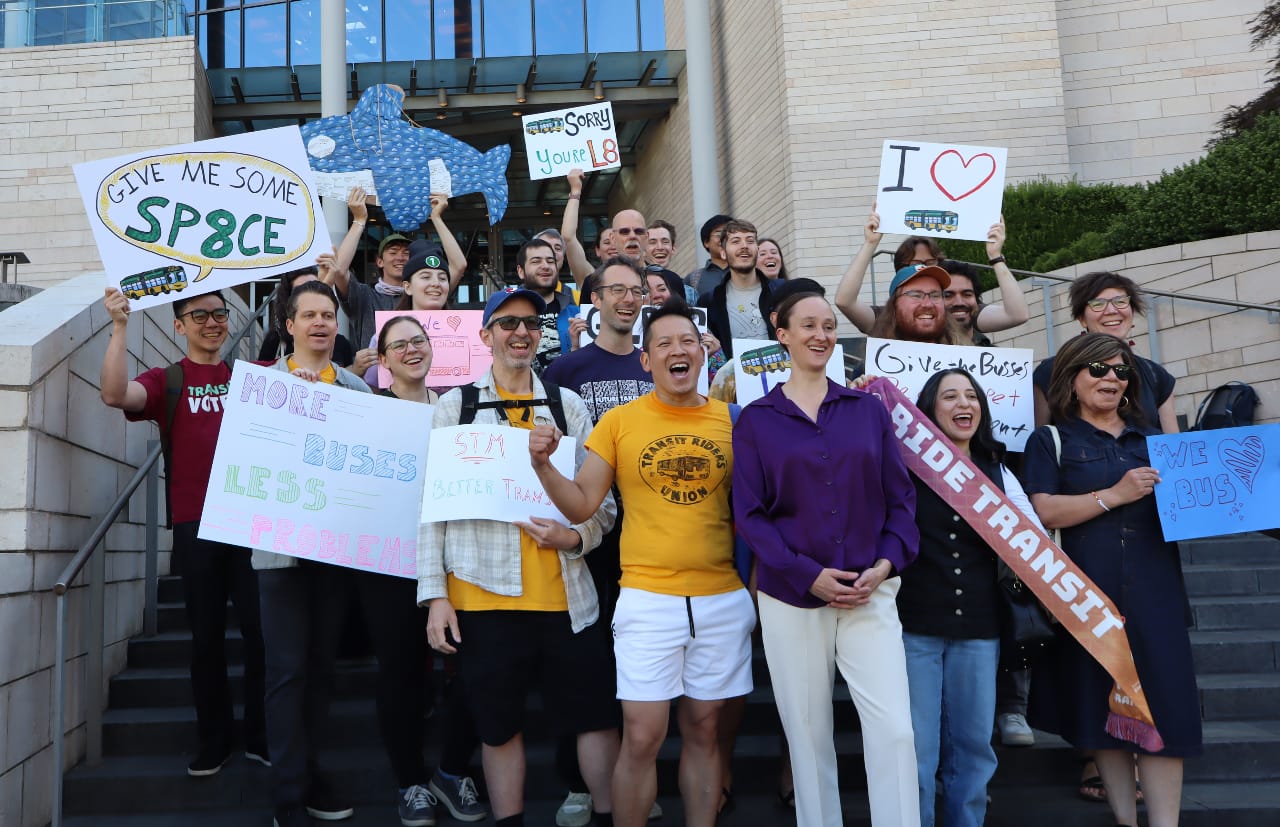
The Seattle City Council is starting to consider amendments to the proposed renewal of the Seattle Transit Measure (STM) before it's sent to voters. Ahead of a Council hearing Thursday, Mayor Katie Wilson appeared at a rally on the steps of city hall to advocate for her proposal.
The 0.15% sales tax bump Wilson put forward would double the existing 0.15% STM that has been in place since 2020, with the primary goal of boosting direct City subsidies to King County Metro for local bus service. Under the proposal, 176,000 annual service hours enabled by City funding today would be ramped up to approximately 280,000 – a 60% increase – allowing bus frequency increases on 10-15 routes citywide.
Officials from the City and Metro have articulated a focus on reducing waits on nights and weekends, when most routes see infrequent service.
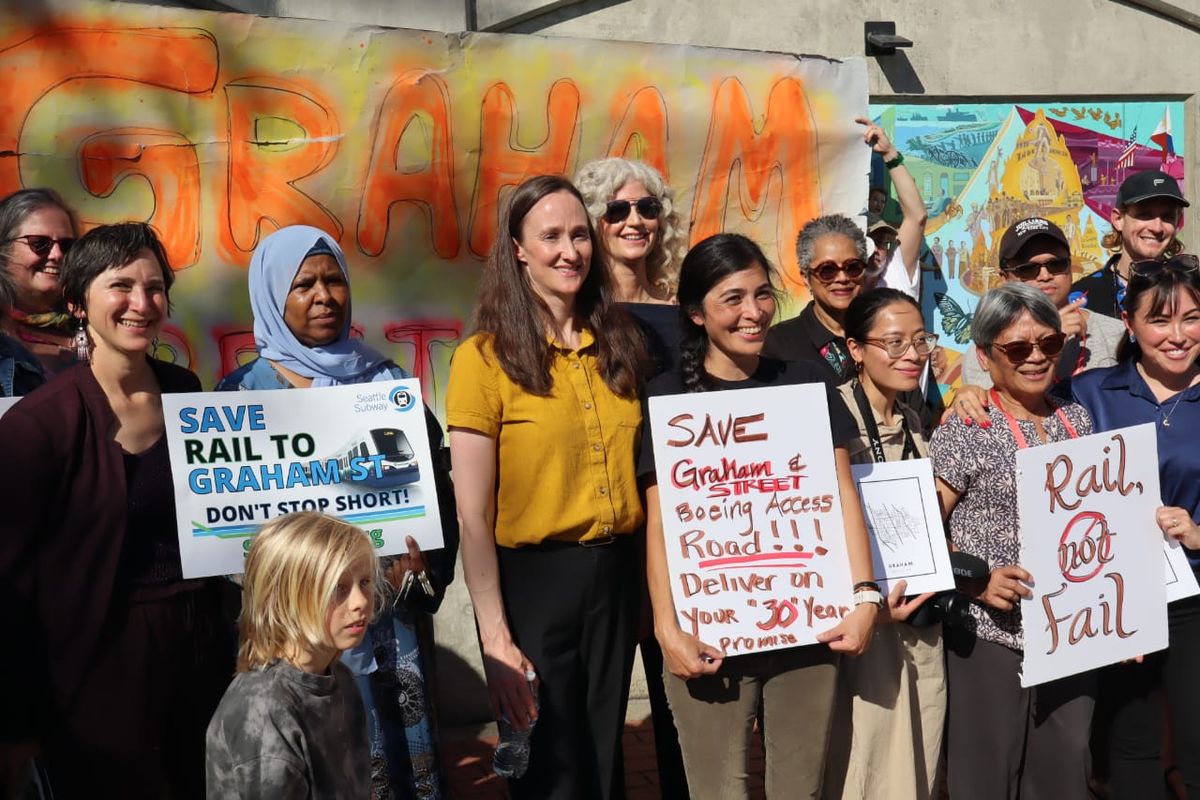
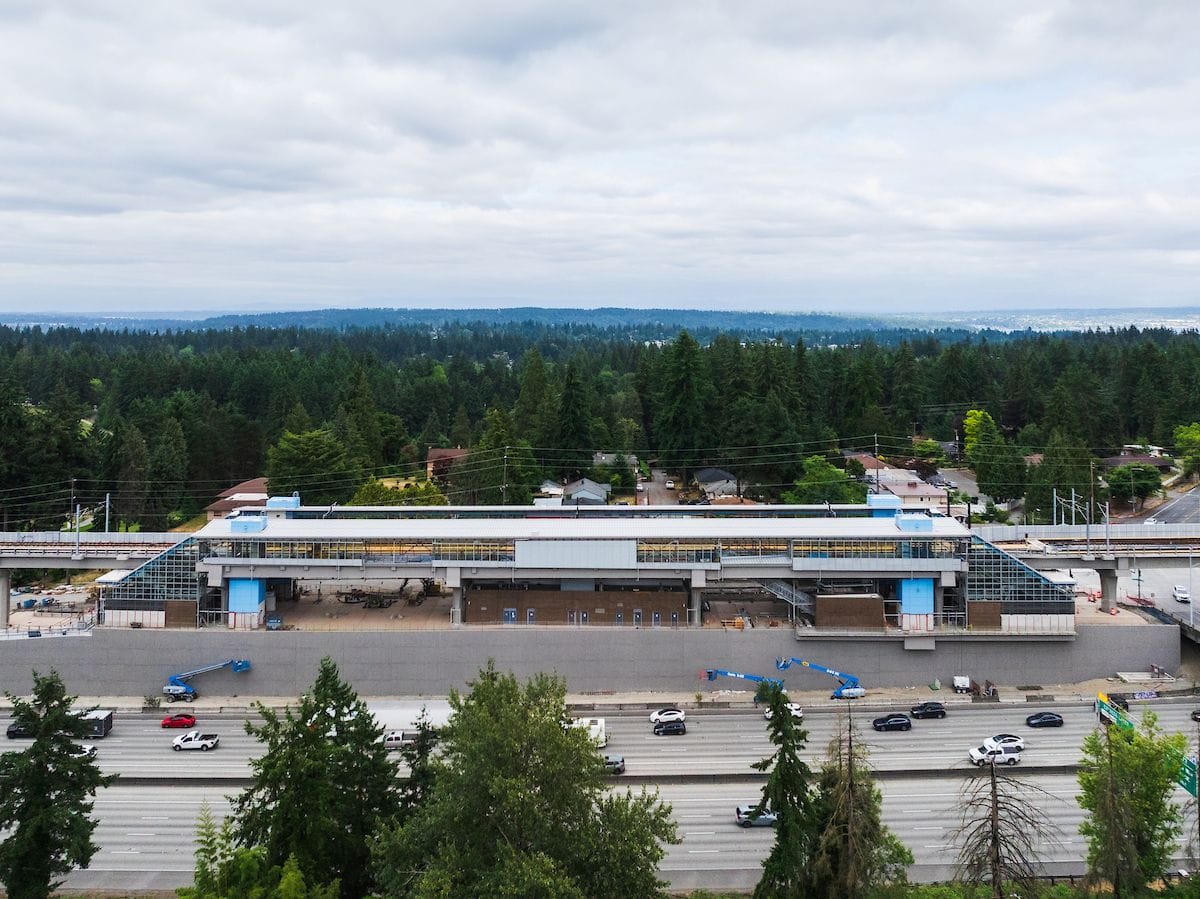
The renewal would also fund a significant expansion of an existing low-income ORCA card benefit program, the continued operation of Seattle's two streetcar lines, and dollars intended to support the Sound Transit 3 expansion plan, including a potential city contribution to the construction of Graham Street station.
Despite rumors that some councilmembers might try to lower the overall proposed sales tax rate, that particular fight now looks unlikely. The battles over the coming weeks appear focused around potential shifts in the measure's planned spending, rather than cutting the rate.
Since Wilson's proposal pushed the 2020 measure toward greater focus on Metro bus service, there are few other places to shift funding from. Amendments to fund councilmember priorities are likely to target dollars that would otherwise get bus trips added to schedules.
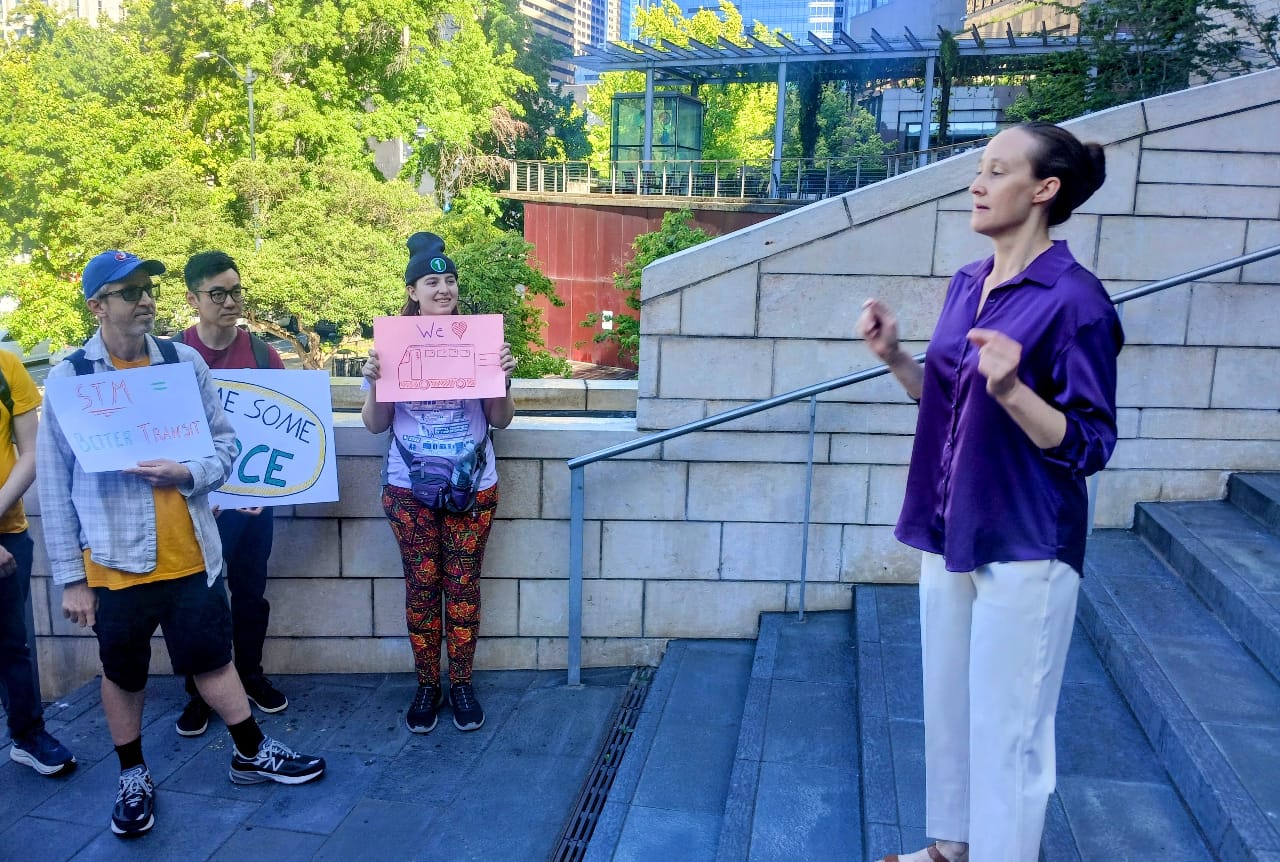
In her remarks, Wilson called out what she saw as a double standard between recent sales tax increases at the city and county level and this proposal. Last year, both the City and King County adopted a 0.1% sales tax increase to fund public safety investments after being authorized to do so by the state legislature, and just last week King County Councilmembers voted to add to that with a 0.1% sales tax largely funding county roads in unincorporated areas.
"You can propose a sales tax for public safety, and no one blinks an eye. You can propose a sales tax for roads, and no one blinks an eye. But when a progressive mayor proposes a sales tax for public transit, all of a sudden some people are very concerned about taxes," Wilson said. "What's more regressive than a sales tax? It's cuts to public transit. What's regressive is not being able to count on the bus that gets you to your low-wage job every morning. What is regressive is having to wait half an hour for the bus that's going to get you home to your kids every evening. What is regressive is, instead of paying $2 or $3 more in sales tax, having to pay $1,000 a month to own and drive a car."
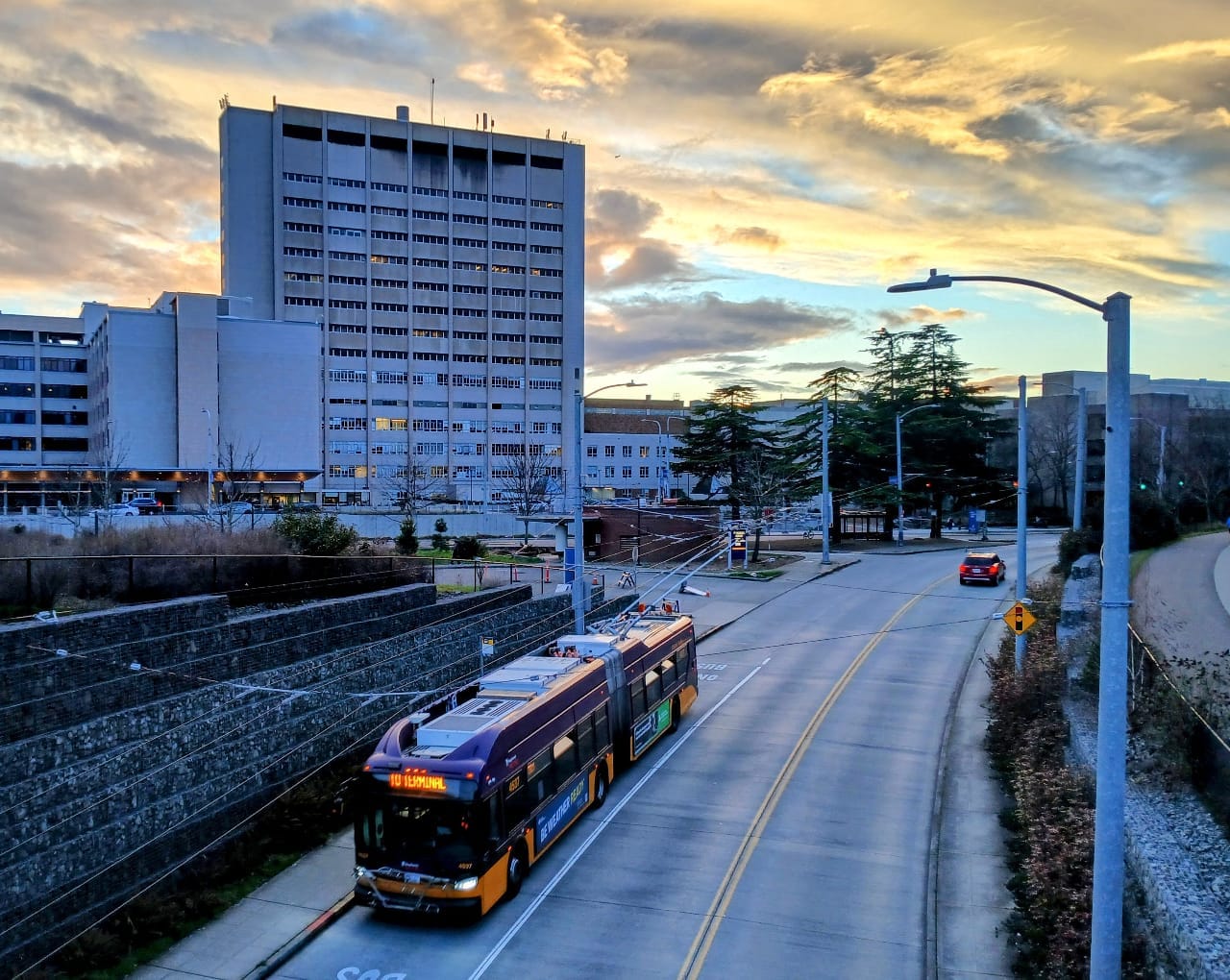
If the measure were kept at the current 0.15% rate, that move would actually mean the City would have to scale back its investments in King County Metro service, thanks to inflation and the fact that the reserves on the current STM are close to being exhausted. It would take a 0.223% renewal just to hold investments constant – around half of the increase being proposed here.
"I am excited about this measure, because it is going to mean more frequent transit on so many lines throughout the city," Wilson said. "It is going to mean thousands more households across Seattle will be able to use public transit as their primary mode of transportation. It is going to give people choices."
Later that morning, councilmembers gave initial signals around how they might attempt to amend the package, ahead of an amendment deadline scheduled for next week.
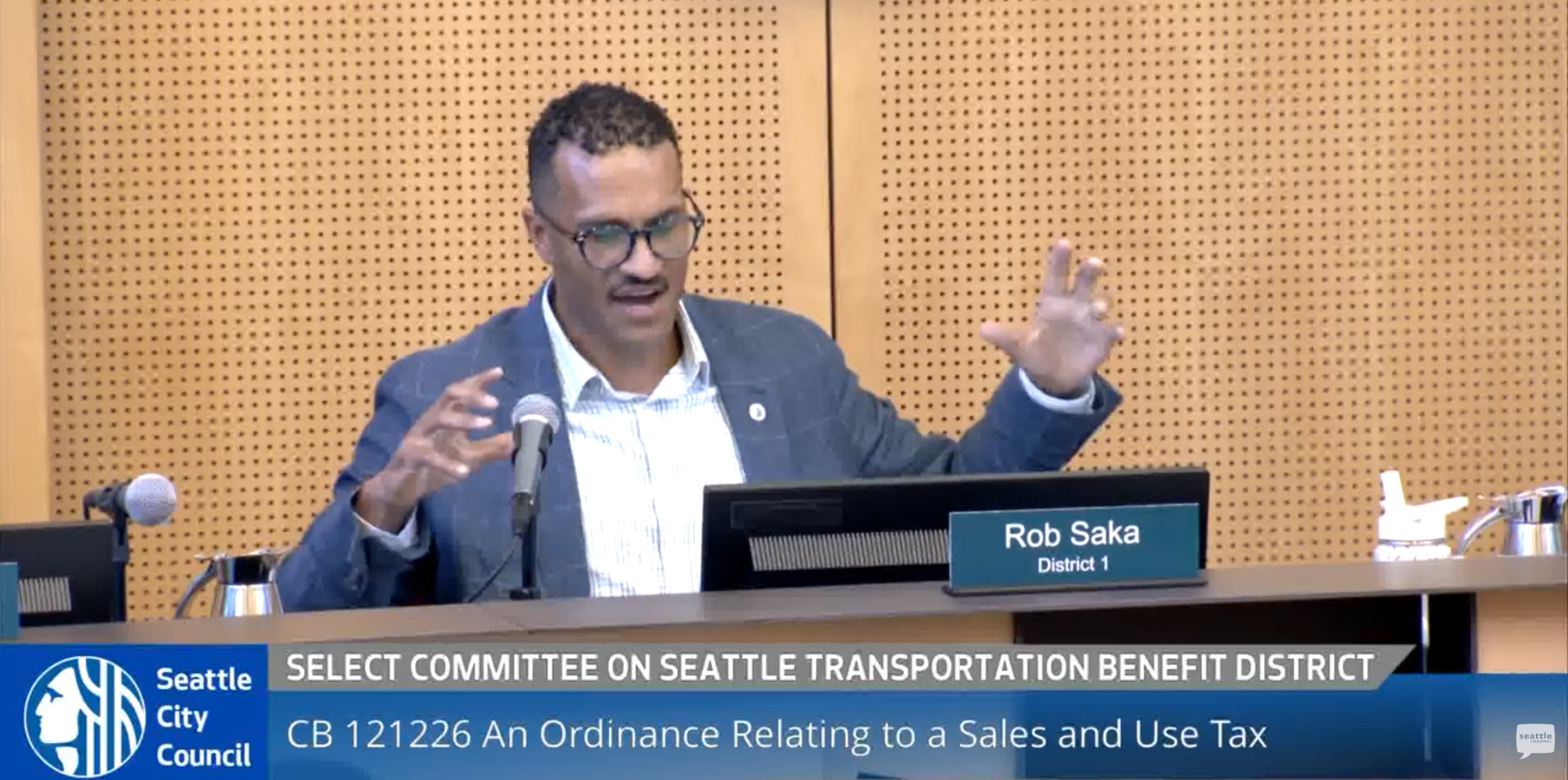
Councilmember Rob Saka, leading the process as chair of the Transportation Committee, already negotiated with the Mayor's Office to increase the amount of dollars intended for physical transit and accessibility infrastructure from $3.5 million per year to $5 million by the time the measure was introduced at council. Saka framed that increase as being focused on improving the entire travel experience as a city transit rider, including walking trips on either end.
Saka had long indicated he'd like to see the STM become a source of new sidewalk funding, but Seattle transportation advocacy groups have been fairly united in not wanting to see the measure stray too far from its core purpose of providing bus service.
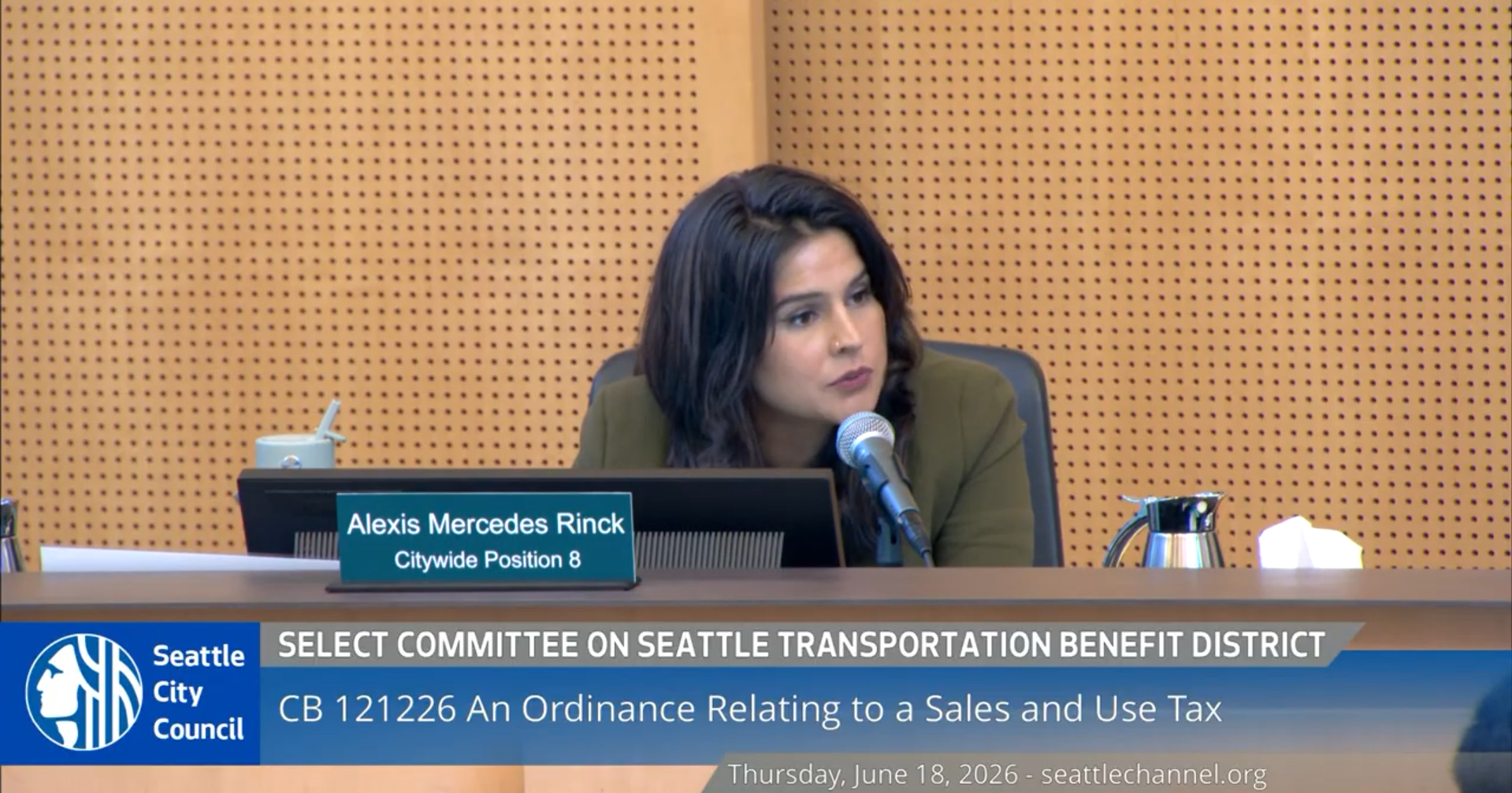
Both Alexis Mercedes Rinck and Dionne Foster, the city's two at-large councilmembers, zeroed in on that shift of funding, clearly wary of giving up the service hours those dollars represent. Rinck, who was late to the meeting due to the fact that she had been visiting striking workers at the Hilton Embassy Suites hotel nearby in Pioneer Square, noted that the current STM funds late night service that hospitality workers use to get to and from work on non-traditional working hours.
"My priority is to make sure we are delivering as much additional bus service as possible, because those workers deserve to go home at night without waiting in the dark for a long time hoping their bus will come," Rinck said.
Pushback on that $1.5 million increase visibly upset Saka, who referenced the need to ramp up (no pun intended) city spending on ADA-accessible curb ramps. A 2017 consent decree laid out a bare minimum number of ramps that the city needs to construct every year, a bar that is consistently cleared with a lot of room to spare.
The 2024 Seattle Transportation Levy, which Saka also helped to craft, set aside $30 million just for standalone curb ramp construction, with millions of additional dollars for ramps embedded in other transportation projects like arterial repavings.
"This capital bucket ain't just about sidewalks, or new sidewalks," Saka said. "That's one specific possible implementation. It's about protecting our neighbors with disabilities, making sure we have accessible pedestrian rights-of-way, which is exactly the subject matter of the Reynoldson consent decree."
Meanwhile, Bob Kettle, the chair of Council's Public Safety Committee, suggested that the city should spend more on safety and security investments on Metro buses and streetcars. Last year, Saka amended the current STM to incorporate that type of spending, but the proposed renewal drops that language. With Metro dramatically expanding its security staff over recent years using its own funding, every dollar Seattle spends on service currently sees around 7-9% allocated to security and safety investments.
"The service needs to be safe," Kettle said, asserting that ridership declines during the pandemic were caused, at least in part, due to decisions like a pullback on fare enforcement. "There was a lot of decisions made during Covid by the County, by the City, that really impacted the service of our public transit, that really impacted the safety on our system."
Dan Strauss is pushing for the STM renewal to prompt a different approach when it comes to delivering bus service to Ballard, in the wake of a vote at the Sound Transit vote that has thrown light rail's arrival in the neighborhood into apparent limbo. Strauss has consistently referenced the fact that Metro converted the Route 17X to Sunset Hill into a peak-only route, leaving the all-day routes that directly connect Downtown and the heart of Ballard (like the Route 40 and D Line) all circuitous "milk run" routes.
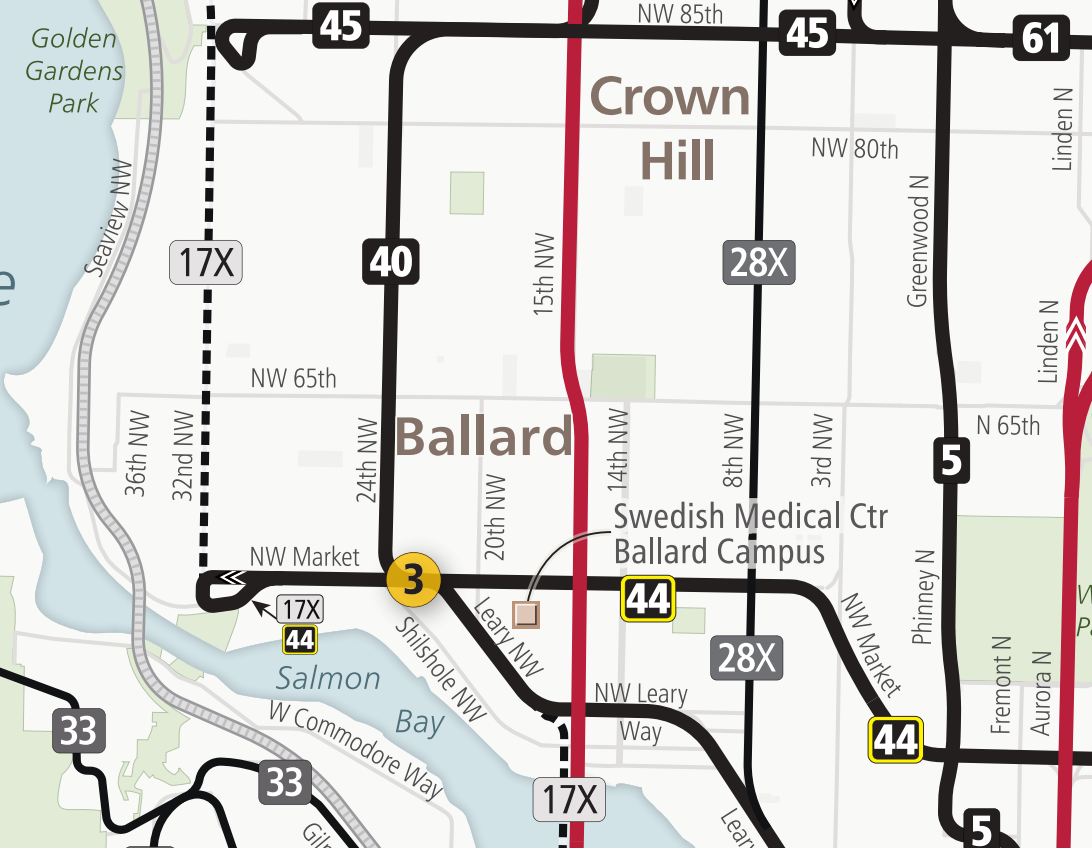
"The closest to Ballard that the most frequent transit gets is Leary and 15th, which is in an industrial zone. It's not near housing, it's not near the center of Ballard," Strauss said. "And this is not about my neighborhood. This is about our Comprehensive Plan. If we are focusing job and housing growth in a part of our city, our transit needs to do that as well."
Strauss went on to claim that when Route 17 isn't running, it takes longer to bus from Seattle City Hall to his home in Ballard than it would to take a 34-mile bus ride to downtown Tacoma on Sound Transit's express Route 590 bus. With the 590 scheduled to take more than an hour to Tacoma, it's not clear that's true on a consistent basis, but traffic jam delays on Route 40 and the D Line have been known to be severe. Route 40 is scheduled to take about 45 minutes from city hall to the heart of Ballard, and new intermittent bus lanes may slightly improve that, though unreliability issues may continue to dog the route, especially at peak commute times.
It's not clear what type of amendment Strauss might craft to push the measure in the direction that he'd like to see it go, given the fact that's Seattle's criteria for selecting STM investments currently prioritizes all-day routes and getting as many corridors as possible up to 15-minute all-day service or better.
Another potential source of amendments could target the measure's 10-year renewal timeline, the maximum allowed under state law. Going for a six-year renewal again like the 2020 measure would put the STM on the same ballot as the next city transportation levy, a move no one would be happy with, but an eight-year renewal could end up being on the table if councilmembers find the 10-year timeframe too ambitious.
The next meeting of the Council's Select Committee on Seattle Transportation Benefit District is scheduled for Monday, July 6, with an all-day public hearing scheduled for July 13. The final committee vote to wrap up the package is set for July 16.
 Ryan Packer
 Ryan Packer