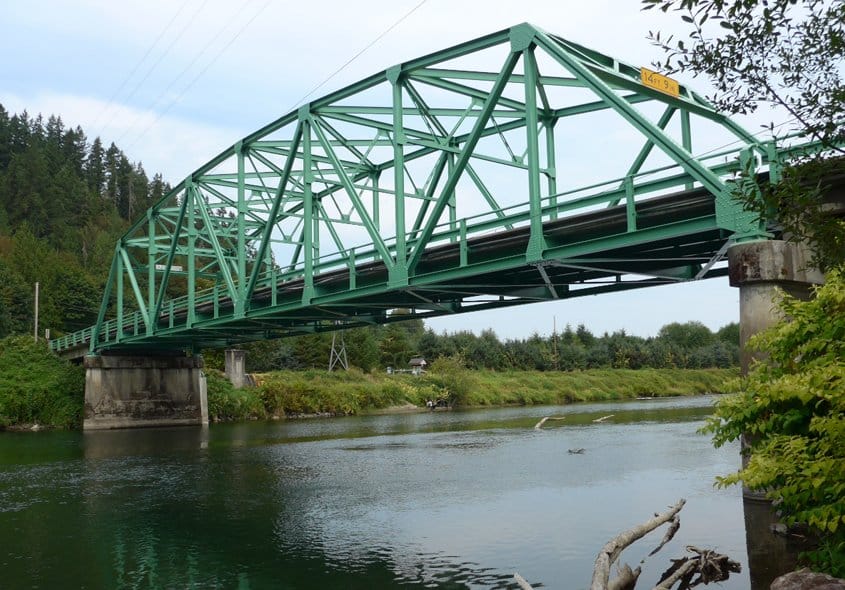
Members of the King County Council tapped into a long-dormant source of funding to provide a lifeline for the county's road services division on Friday, teeing up a 0.1% sales tax hike that will take effect on January 1. The new funding stream will provide around $90 million per year for road maintenance and safety upgrades in East King County, but also in areas like White Center, Skyway, and Vashon Island.
The final vote was a thin 5-4, a testament to broad reluctance to the idea of turning to additional sales tax increases to fund public investments as Seattle's sales tax rate climbs toward 11% with many other cities not far behind.
Even more so than cities, the state legislature provides counties with a limited number of tools to manage their own infrastructure. Furthermore, the Growth Management Act represents a policy choice to direct growth out of unincorporated areas and into cities, diminishing that tax base.
The funding source in this case came via the King County Transportation District, a special purpose government that was established in 2014 to provide a framework for a countywide transit funding measure that voters ultimately rejected. By keeping the increase to 0.1%, the county avoided the need for a public vote. And because the measure was approved by a board of supervisors that's distinct from the county council – made up of all nine county councilmembers – there is no opportunity for Executive Girmay Zahilay to sign or veto the increase.
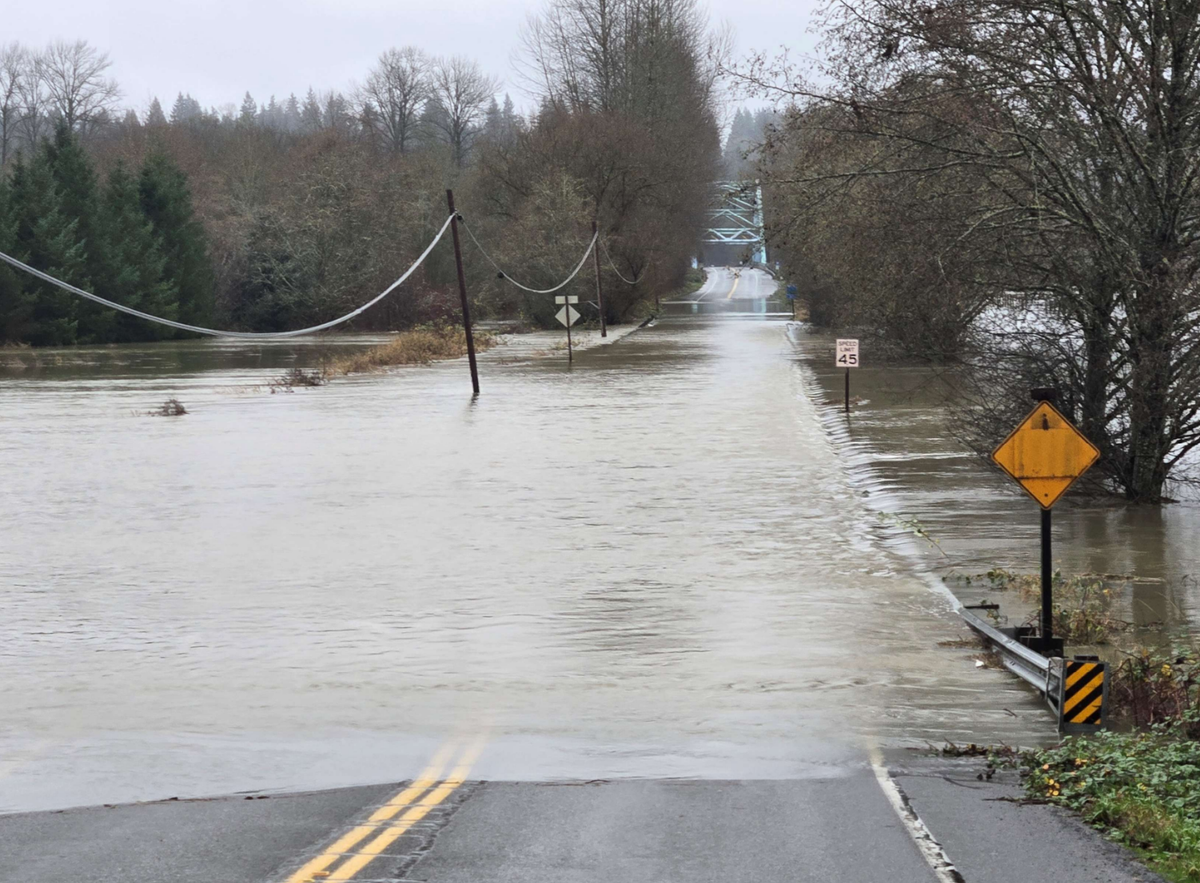
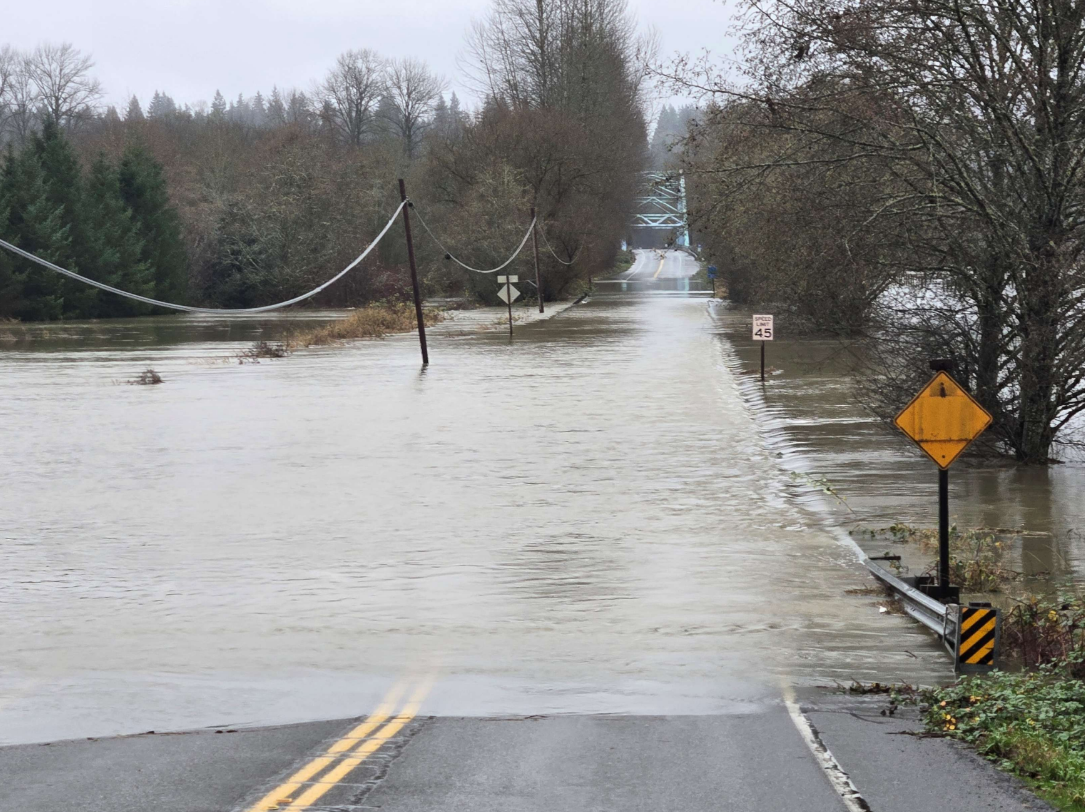
Tasked with maintaining around 1,500 miles of roadways through unincorporated areas, the county's roads division was on shaky financial footing even before last December's severe flooding, which put more than $10 million in emergency repairs at the top of the county's to-do list. Friday's vote provides the division with its biggest dedicated funding source in decades.
At the same time, it also sends a slice of the new funding to King County's 39 cities. 12.5% of the revenue will get passed along based on population size, after an initial $10,000 minimum for every jurisdiction.
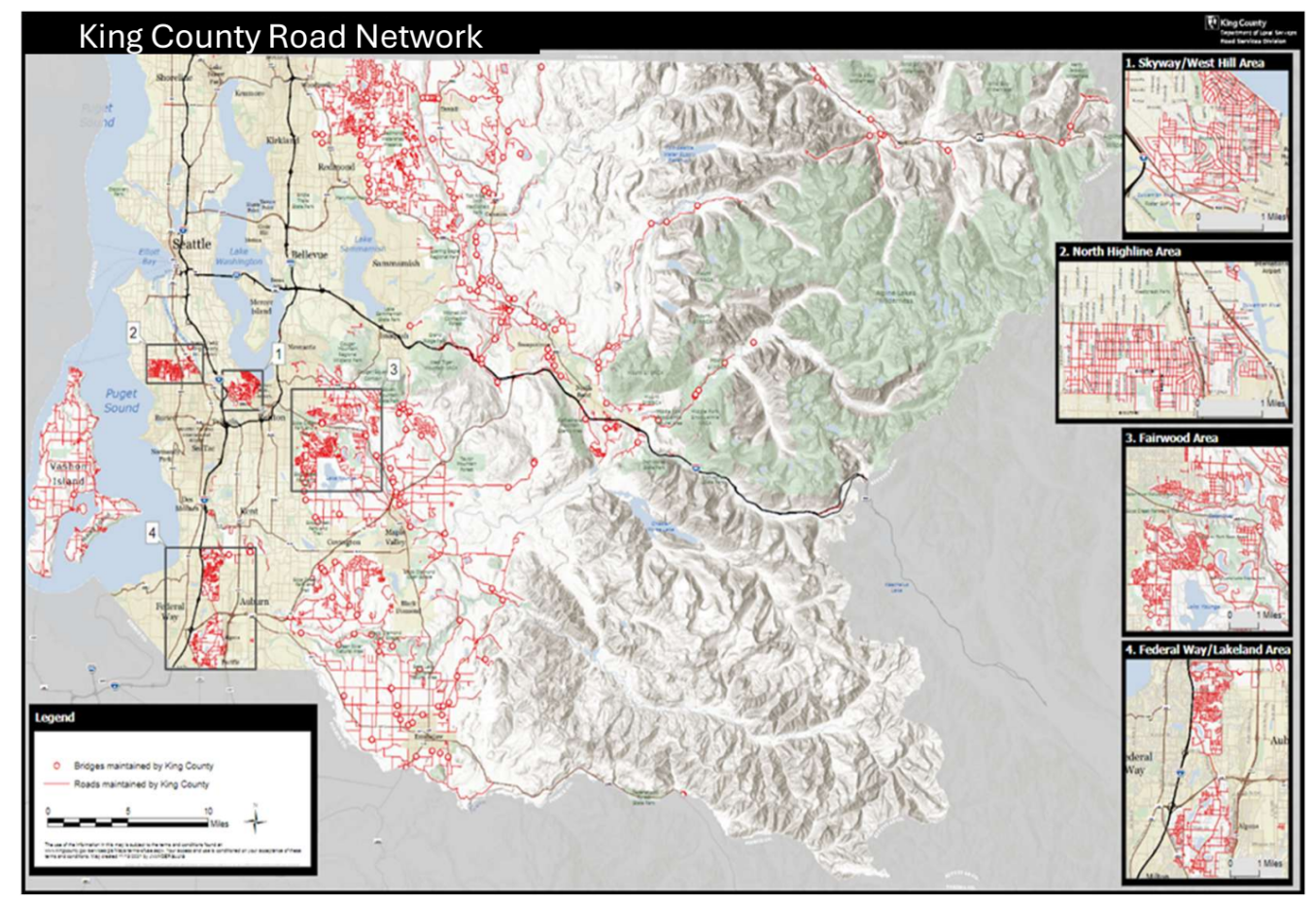
The pass-through ultimately proved to be the most contentious element of the proposal. A lack of agreement among councilmembers causing a delay past a mid-April deadline that would have put the sales tax increase into place in mid-2026.
With so much of the revenue generated going to places far from King County city dwellers, local elected officials argued they should get some portion of those dollars, in the same way that the 2025 county parks levy included a pass-through program for local park projects.
The Sound Cities Association (SCA), a lobbying group made up of representatives of all of King County's cities – except for Seattle and Bothell – has been one of the biggest advocates for a pass-through in this package. Last year, the group opposed the idea of tapping into the transportation district when the measure had been set to split revenue equally between roads and transit, contributing to the stall out of that proposal.
This year, SCA pivoted to advocating for a slice of the pie, and what started out as a 25% pass-through was ultimately cut in half.
District 5 Councilmember Steffanie Fain's proposal to cap Seattle's participation in such a pass-through at 15% – despite residents of King County's largest city making up 38% of its incorporated population – was ultimately defeated by a 5-4 vote. Eastsiders Claudia Balducci and Reagan Dunn joined with Seattle representatives Jorge Barón, Rhonda Lewis and Teresa Mosqueda to strike that cap, with Rod Dembowski voting to keep it in place.
The idea of arbitrarily capping Seattle's participation in the pass-through has generated significant controversy, with City leaders calling the proposal unacceptable. Paired with the $10,000 minimum allotment, Seattle's per-capita share of new revenue would have ended up being much smaller than every other city in the county.
"Don’t send Seattle’s tax dollars to Medina or Clyde Hill!" read a press release sent out by Councilmember Eddie Lin the day before the vote, in the wake of a letter opposing the move authored by Alexis Mercedes Rinck and approved by eight councilmembers earlier in the week.
"Carving out one jurisdiction and treating the residents of that jurisdiction differently than every other one sets a concerning precedent in my view," Barón said in putting forward the motion to remove the cap. "Everybody that I heard from my district and from Seattle was supportive of us paying our fair share, we want to do our fair share, we realized that that is important, but what we don't think is helpful is for us to be pitted against each other."
In touting the idea of bolstering the county's roads spending, Teresa Mosqueda, who represents West Seattle, Burien, White Center, and Vashon Island, touted the ability for the county to accelerate safety and accessibility investments in areas under its control. Currently, King County Roads only spends around $150,000 per year on upgrades in compliance with the Americans with Disabilities Act (ADA), compared to a need of $551 million.
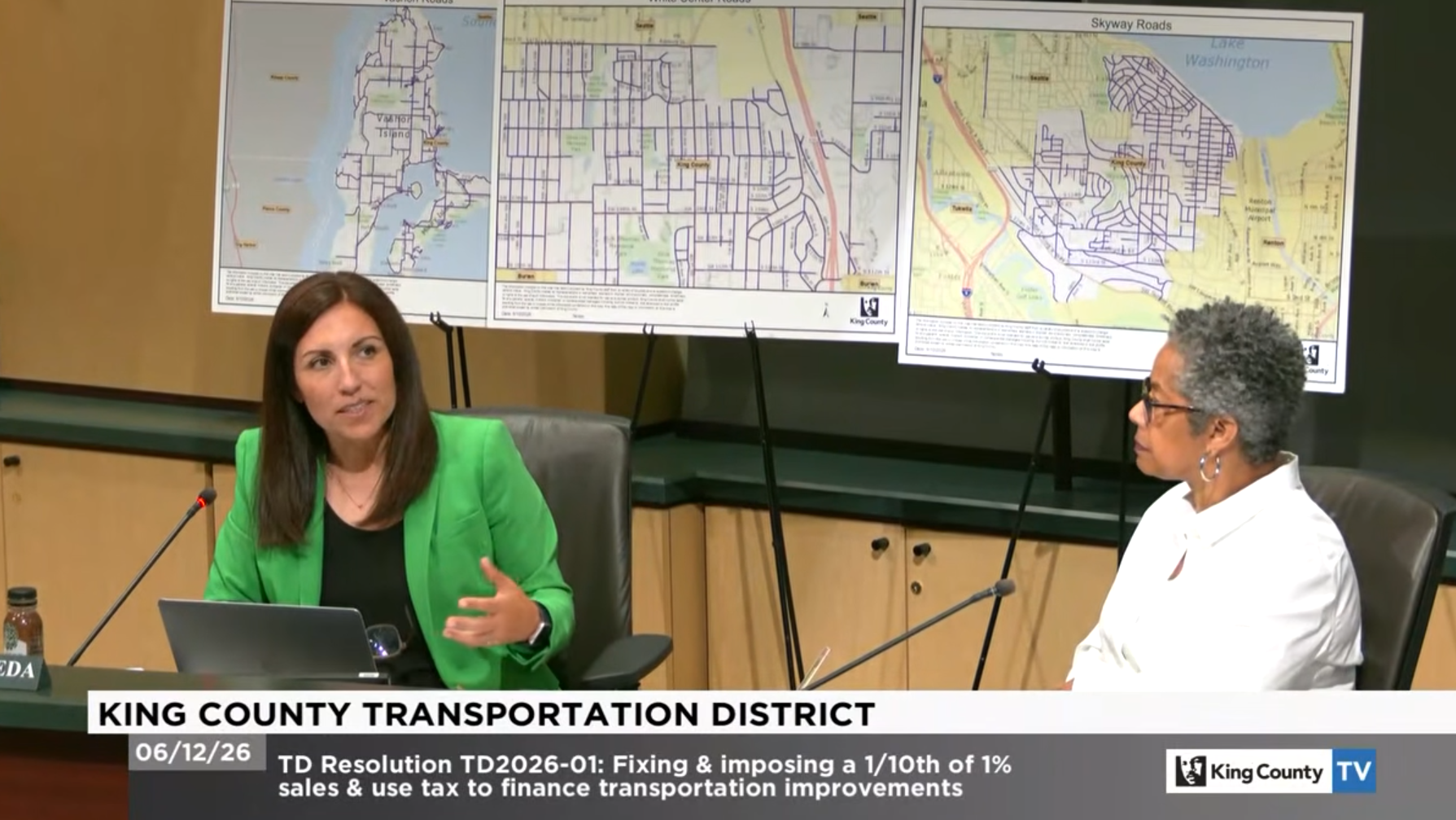
"We are striving here to bring back dollars to some of our regions that have long been backburnered and to invest in our communities that are also in desperate need of road improvement in sidewalks and bike lanes," Mosqueda said. "This is an opportunity not only for us to invest in roads, but to invest in the safe infrastructure that's needed for those who are driving their own vehicles, riding on a bus, pedaling through our community on their bikes, or walking, or rolling on the sidewalk. This is about creating safe opportunities for people to get from point A to point B countywide."
Balducci, who steered the process to get to this point as the board's chair, noted a visit earlier this year with fellow Councilmember Sarah Perry to visit Perry's district, which stretches from Redmond to Skykomish.
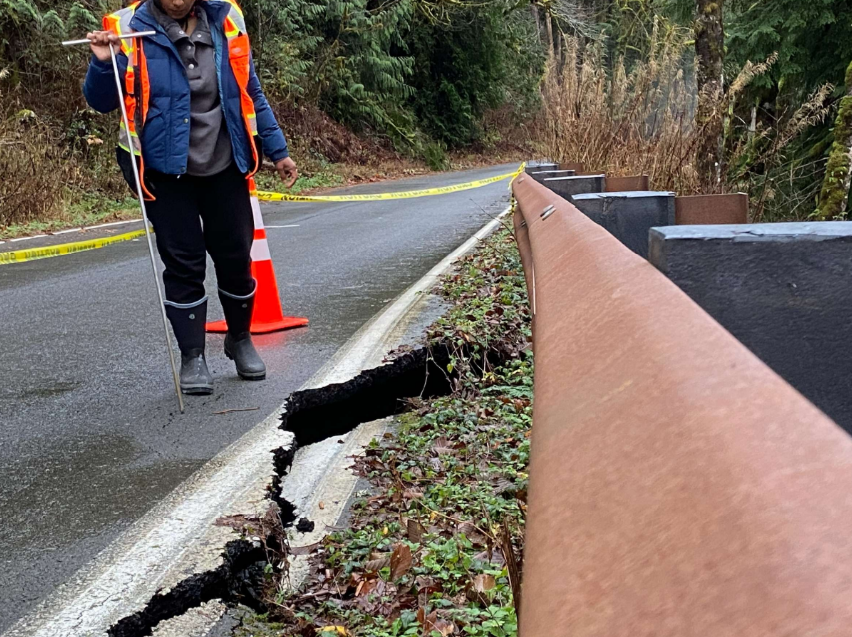
"We went and visited roads out in Eastern King County that were closed after the flood that will not be reopened. There's no plan to reopen them. Roads that are not critical pathways are closing due to damage that we do not have the money to fix," Balducci said. "Urban islands here in Skyway, in White Center, Vashon Island, they're critical roads. We'll fix them with what money we have, but eventually, and not far into the future, without a new infusion of resources, those roads will no longer be maintained, even to the low standards that they are maintained to today. It's not safe, it's not good service, and by taking this hard vote today, we take a big step, not a full step, but a big step in the right direction to start to turn, turn that service around."
Rod Dembowski, who last year partnered with Perry on a measure to use the same authority, but split the proceeds between roads and King County Metro, was one of the four votes against the overall measure, along with Fain, Dunn, and Pete von Reichbauer.
"We're now here on an all-roads measure. That is not balanced to me, when measured up against the — at some point – limit we should impose on ourselves from imposing additional regressive sales taxes on the poorest in our community and those with the least amount of resources," Dembowski said. "To me this proposal goes too far in one direction, especially given the funding source, which is a regressive sales tax."
By utilizing this 0.1% in sales tax authority, the county still leaves 0.2% on the table for transportation funding down the line that would have to be approved at the ballot box. That additional authority has been eyed for a countywide transit funding measure, a revenue stream that could put King County Metro on more stable footing over the long term. On its current trajectory, Washington's largest transit agency faces a fiscal cliff early in the 2030s as expenses continue to outpace revenues, despite moves to delay planned fleet electrification work that have slightly pushed out that cliff.
Though there was some initial interest in seeing Seattle and King County come together to present a unified transit funding measure this year to replace the expiring Seattle Transit Measure, that ultimately did not materialize.
Seattle Mayor Katie Wilson's renewal of the Seattle Transit Measure is now in front of the city council, with voters likely to consider a 0.15% increase in the city's sales tax rate to fund nearly 300,000 Metro service hours per year over the next decade among other programs. If voters do sign onto that proposal, Seattle's sales tax rate will reach 10.8%.
But with few tools available for King County to fund its unincorporated roads, this 0.1% represents a significant infusion of resources into a neglected part of county government that has been asked to do more with less for decades.
"We have to invest in our roads, because if we allow them to fall apart, we will have to pay so much more to recreate them, and it will be so much more for all of our residents," Perry said. "We do have 250,000 people, just 11% of the population, that cannot pay for the million trips a day on those 1,500 miles of road, 50% of which are from people within the cities. We have an obligation to hold this together. We can do better, and I want to see us work together with our federal delegation, with our state delegation, with each other, and have a commitment to make sure everybody can thrive, and that people don't become islands."
 Ryan Packer
 Ryan Packer
 Ryan Packer