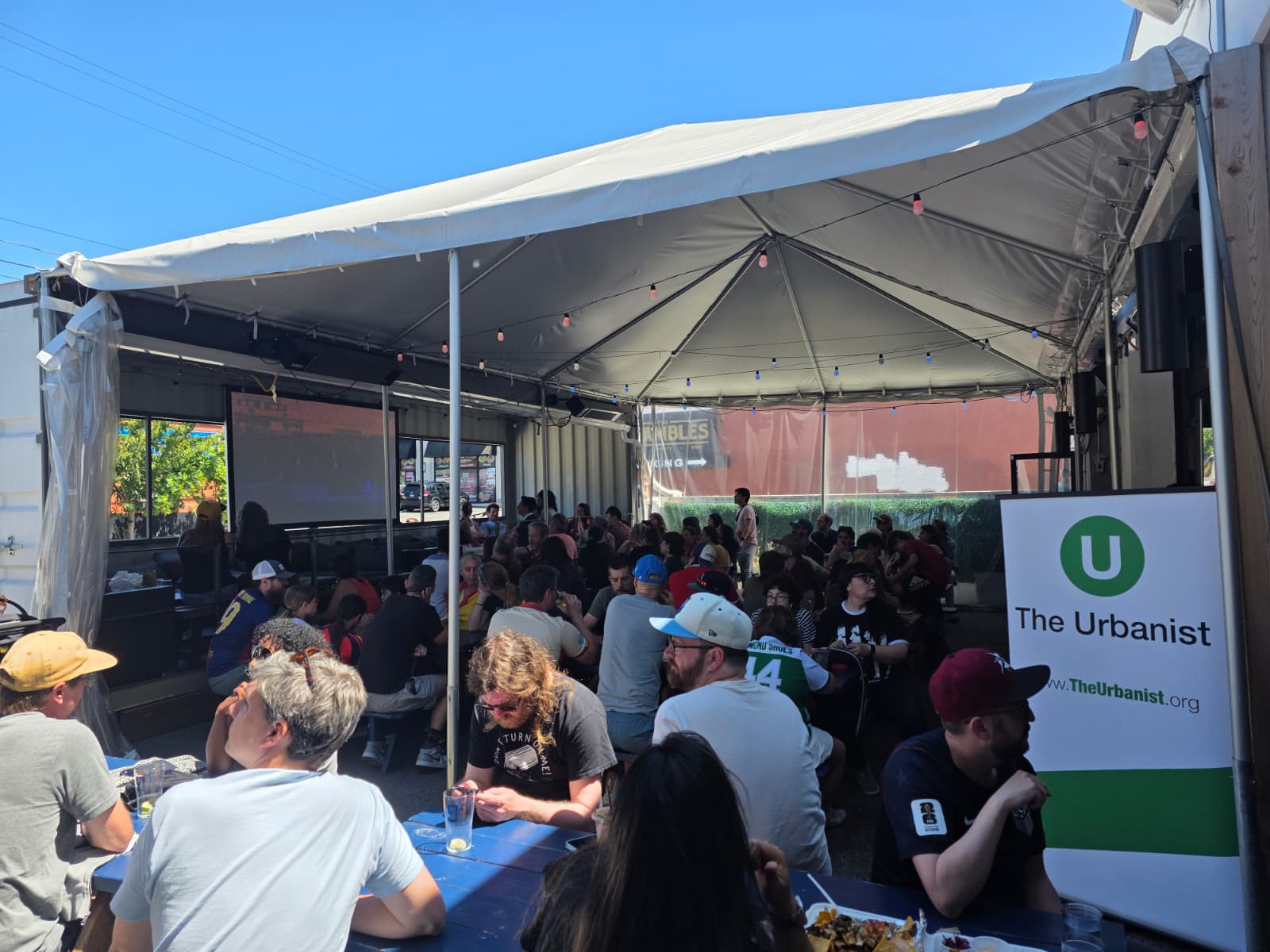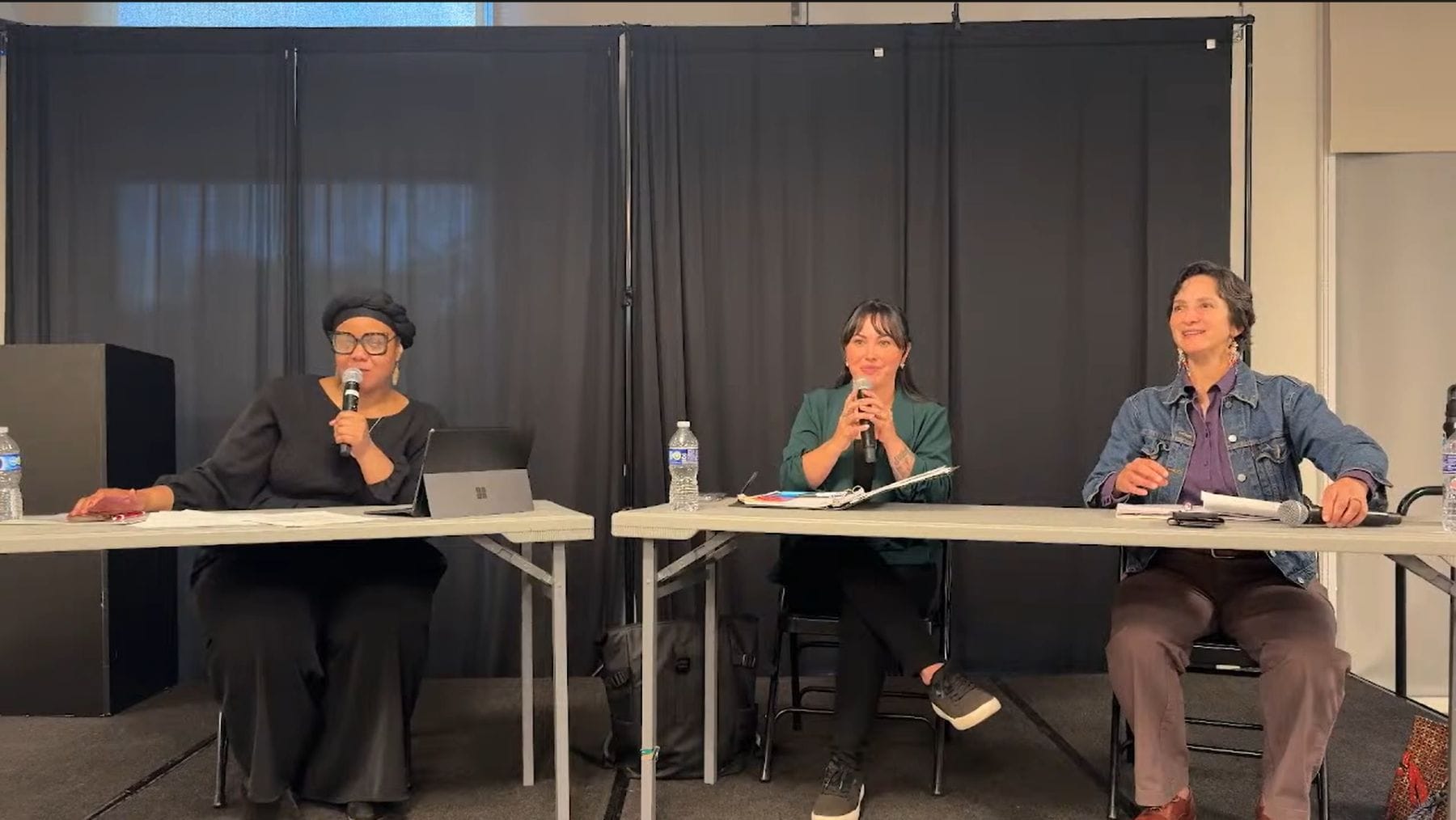
On June 10, the two leading candidates in the King County Council District 2 race squared off at a forum at Beacon Hill's Centilia Cultural Center hosted by The Urbanist, Tech4Housing, Tech4Taxes, and GotGreen. Crystal Fincher, a political consultant, KVRU radio station owner and the host of the Hacks and Wonks podcast, and board member at The Urbanist, moderated the forum.
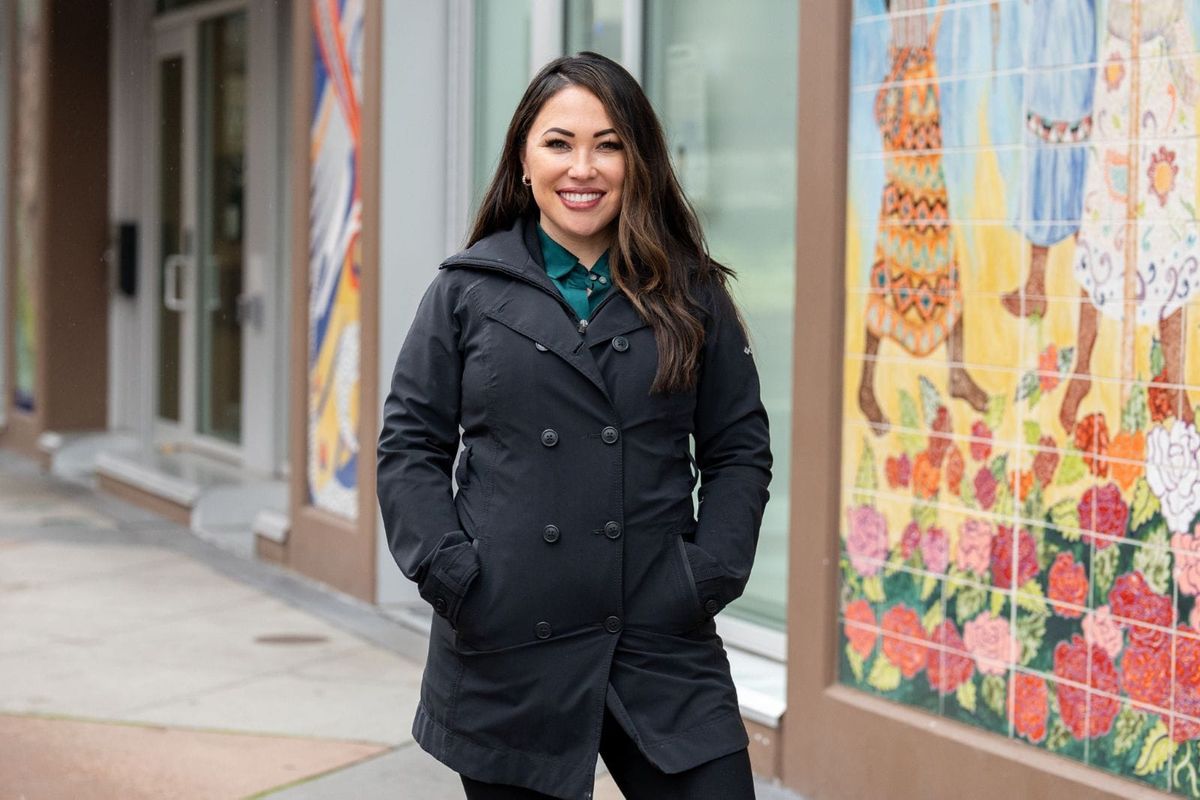
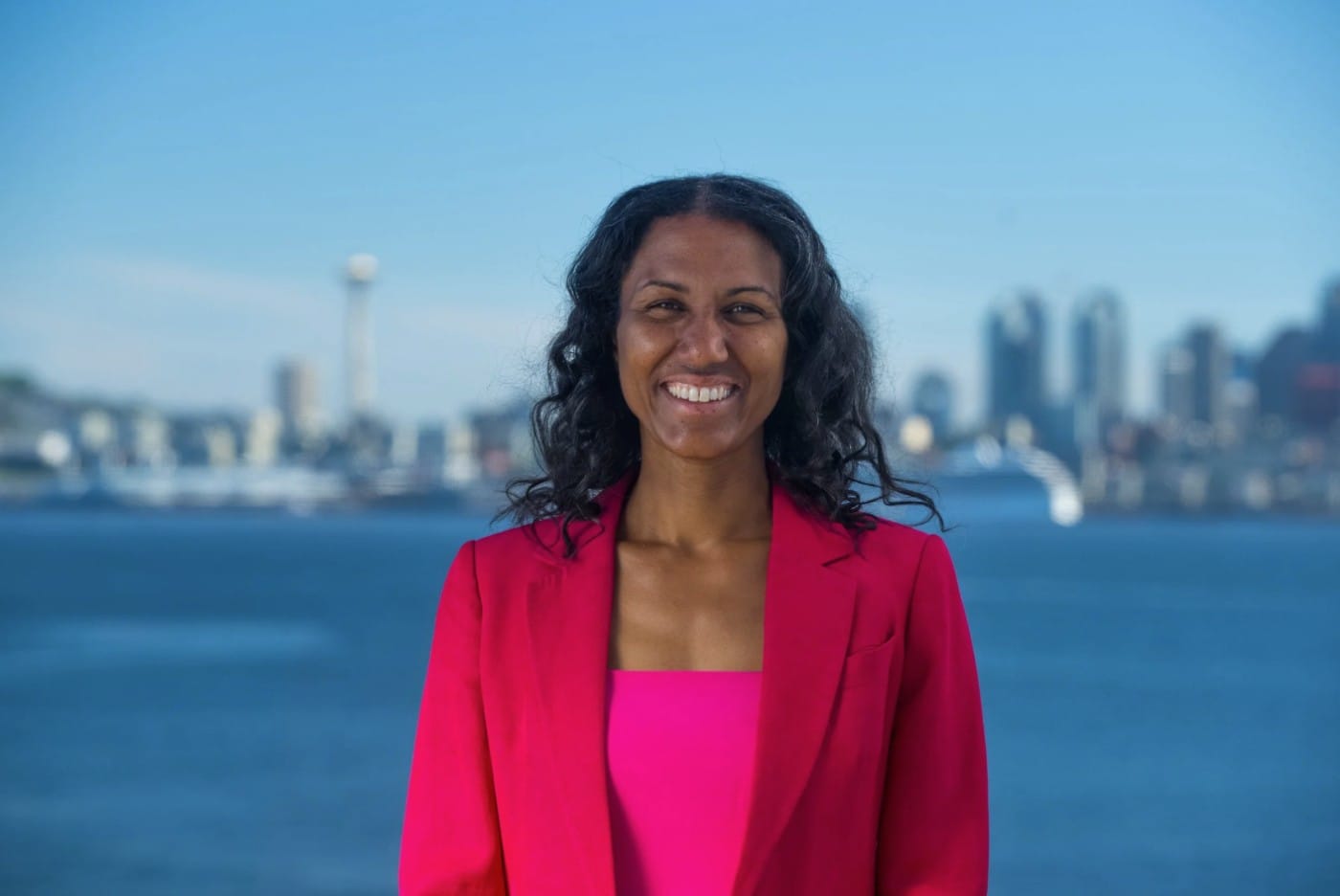
The District 2 race is hotly contested with State Senator Rebecca Saldaña and Seattle Port Commission President Toshiko Hasegawa both vying for the open seat that has no incumbent running for reelection. Both candidates are running in the progressive lane in a heavily left-leaning district, and they painted many similar positions.
Both candidates stressed their organizer roots. Both support expanding affordable housing and transit and ramping up anti-displacement measures to keep communities of color from getting pushed out of D2 neighborhoods. Both espoused values around protecting immigrants and promoting environmental justice. Both of their personal narratives centered around trailblazing fathers overcoming racism and oppression.
For Hasegawa's Japanese-American family, that was surviving the internment camps during World War II and fighting to rebuild their livelihoods after. Toshiko's father Bob Hasegawa went on to become a Teamsters union organizer and a long-time state senator, where he still serves the 11th Legislative District.
"This is the neighborhood where my grandparents set down roots when they were released from American concentration camps," Hasegawa said. "This is the place where they built their life, where they raised my father and his siblings. That's where he raised my sister and I, and now I'm the mom. I have a five-year-old and a two-year-old, and they both attend school right here at El Centro de la Raza."
Saldaña's Mexican-American family grappled with the mistreatment of farmworkers and racism against Latinos.
"Both of us have amazing dads, and have amazing moms as well," Saldaña said. "But my dad's experience as an undocumented immigrant growing up in southern segregated Texas, picking cotton, and then after the harvest being sent back to Mexico – feeling a lot of rage, and really, it wasn't until he came up here, following the crops in Oregon, that he had an opportunity to feel like he was treated as a human being. It was eventually a job, a factory job, a union job in Georgetown [...] where his factory is one of the most polluting, but it also was recycling glass, and it is how we first learned about the importance of conservation, and it allowed us to have a strong foundation."
However, a few interesting points of divergence also emerged at the forum, particularly around their approaches to funding housing at the county level.
Check out the stream for the entire event, which also featured a forum on the King County Assessor race. (Tech4Housing / The Urbanist)
District 2 is currently represented by an appointed interim officeholder after former officeholder Girmay Zahilay won election as King County Executive last year, vacating the seat. Zahilay nominated his chief of staff Rhonda Lewis to serve the remainder of his term, and she was confirmed by the County Council.
Zahilay has endorsed Hasegawa in the race, as has former Governor Jay Inslee, but Saldaña also boasts a number of high-profile endorsements, including dozens of unions and current colleagues at the state legislature. The pair of candidates have cleaved traditional progressive factions in two, and in fact some have endorsed both candidates, including King County Councilmember Teresa Mosqueda and Rep. Shaun Scott (D - Seattle, 43rd Legislative District).
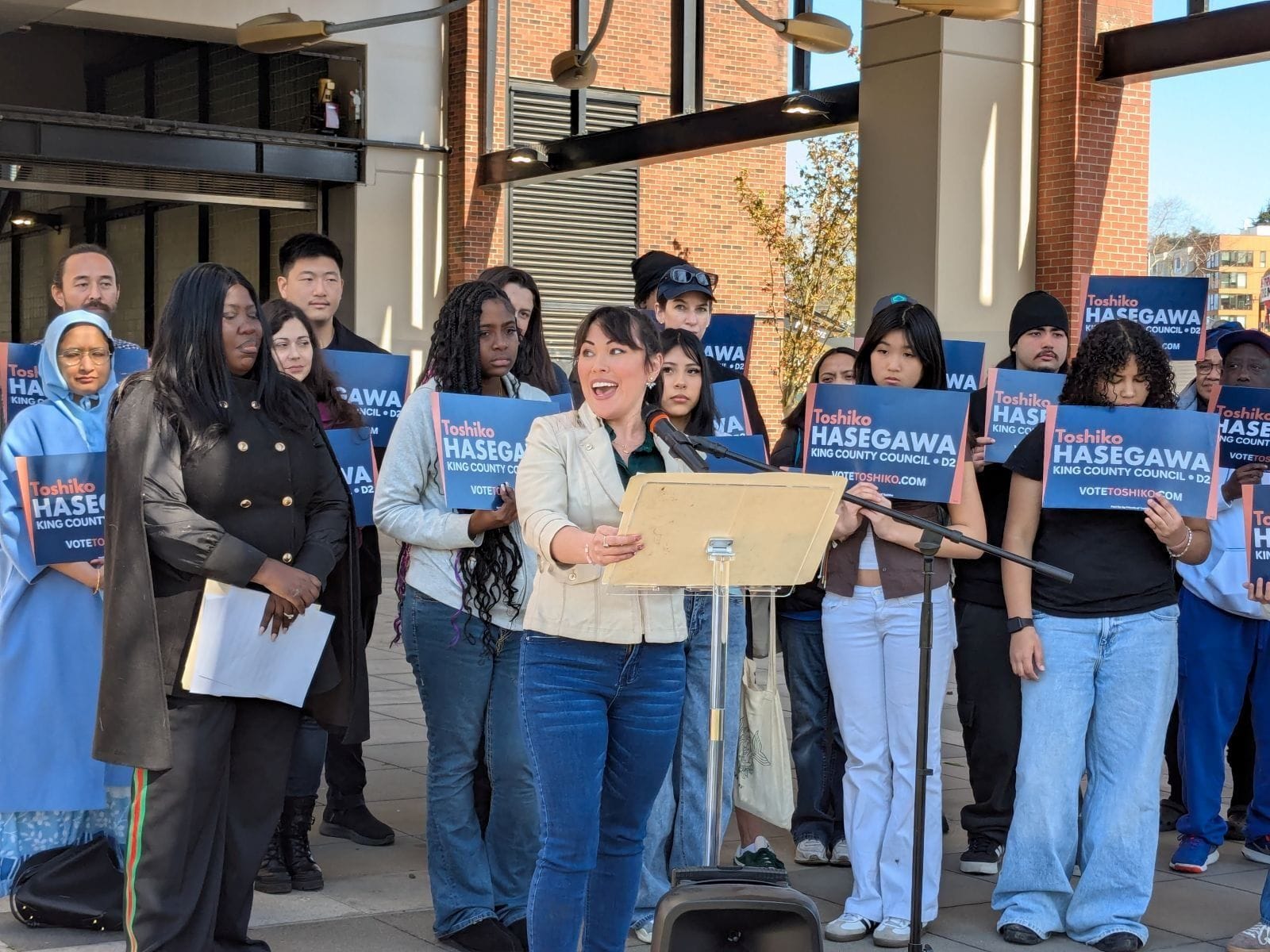
Saldaña has sought to make legislative experience an issue. She has served in the state legislature since winning an open seat appointment in 2016, filling the void left when Pramila Jayapal won a seat in the U.S. Congress. Meanwhile, Hasegawa first took elected office in 2022, after winning a Seattle Port Commission seat – though she did serve in Governor Jay Inslee's cabinet for six years, following a 2018 appointment to Washington State Commission on Asian and Pacific American Affairs.
In answering a question about how to handle the potential annexation of the unincorporated Bryn Mawr-Skyway area into a neighboring city, Saldaña leaned heavily on her longer record in elected office, as well as insinuating she is more proven when it comes to standing up to corporate interests.
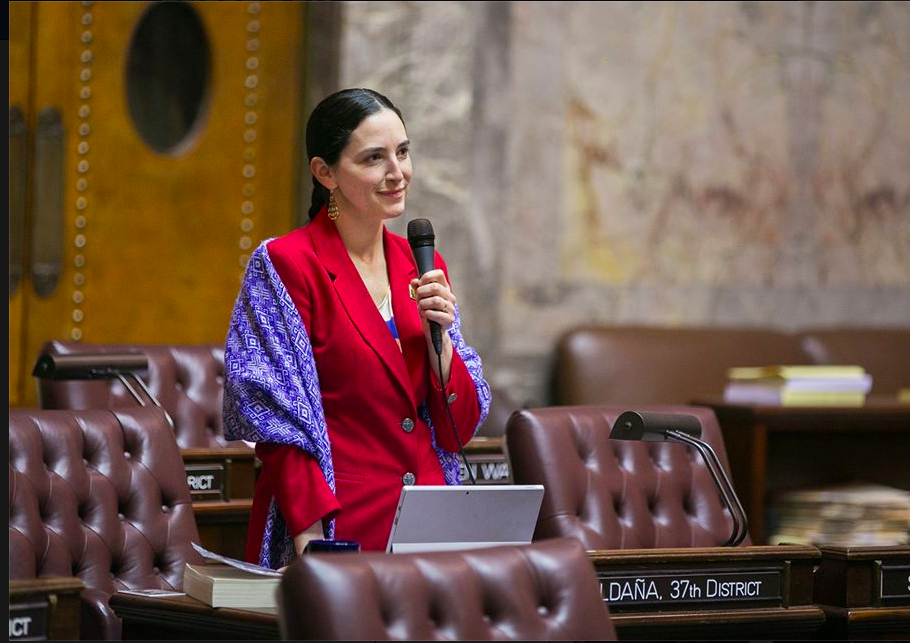
"I'm the one with a decade of experience of building deep relationships with the current legislators there that are the decision makers, and I have been," Saldaña said. "So, I think that's why it's really important, if we're thinking about annexation and cost and services where the state has to be such a big player, having someone that has legislated that has stood up to the corporate interests, like the master builders, like realtors, like land owners, and landlords, to be able to say we're going to prioritize affordability, we're going to prioritize toward climate, we're going to prioritize delivering for the residents of Washington, not just the big corporate interests."
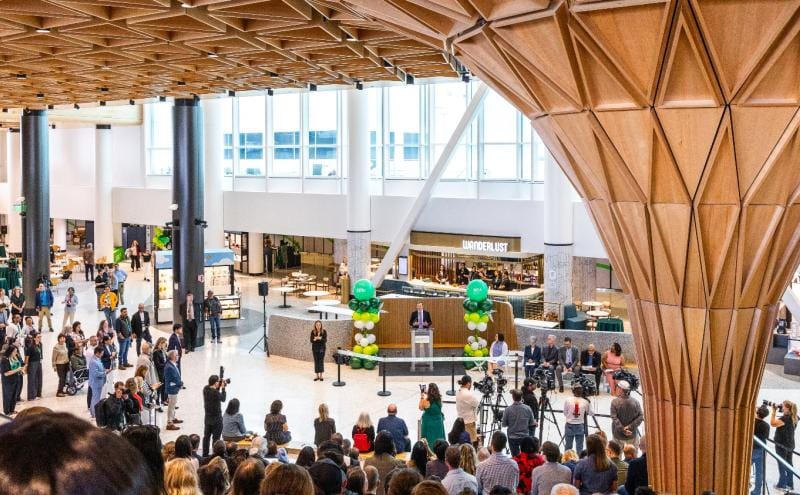
In contrast, Hasegawa stressed that her experience at the Port of Seattle proved she knew how to oversee big budgets, and pointed to the recent Concourse C expansion as a successfully delivered megaproject built to high standards for environmental sustainability.
"Just today, we celebrated the grand opening of redesigned Concourse C expansion. This was the first product that I got to oversee from top to bottom, making sure that it was staying on time, on budget," Hasegawa said. "And it is going to be the Port of Seattle's first platinum certified LEED program. It is absolutely within King County's reach to be able to do new development [sustainably]."
One area where the candidates differed is around Zahilay's workforce housing initiative. Hasegawa said she supports a county levy to fund social housing, whereas Saldaña was "reticent," preferring to wait for more progressive revenue options to emerge.
Zahilay announced his billion-dollar housing bond idea with fanfare in 2024, right as he was ramping up his County Executive campaign. However, a feasibility report indicated it would need a new dedicated revenue source to avoid being a liability to basic County services, and Zahilay tabled the idea.
"I believe that we need to act with urgency," Hasegawa said. "And a lot of these funding mechanisms that we identify now, we do recognize their regressive nature. However, I've seen the people of this district time and again raise their hand to say that when it is for a worthy cause, that they're willing to pay their taxes for it. So, I would support this, and I think that there are ways that we can see this through."
Hasegawa said the Seattle Social Housing Developer should be a shining example, pointing to the public developer's recently-announced first building acquisition after winning a major new progressive revenue stream via a high-earners compensation tax approved at the ballot box.
"Let's all just take a moment here, because Prop 1A proves that it can be done," Hasegawa said. "It has exceeded expectations, right. And we just celebrated the first opening of a social housing complex down over by Pike Place Market."
In contrast, Saldaña kept the idea of a County housing bond and the County taking a more direct role in social housing development more at arm's length.
"If we're going to do this, we need progressive revenue," Saldaña said. "The benefit of the millionaires tax is that it also, when we start collecting on it, will make our state capital budget much more robust and allow the state to be a better partner with us in doing this. And so thinking more about a state level PDA that will allow us to do the land banking, that will allow us to do predevelopment and get things set up, so that we can scale housing across our region, because right now the challenge of King County when we do this is that we will have to partner with our cities."
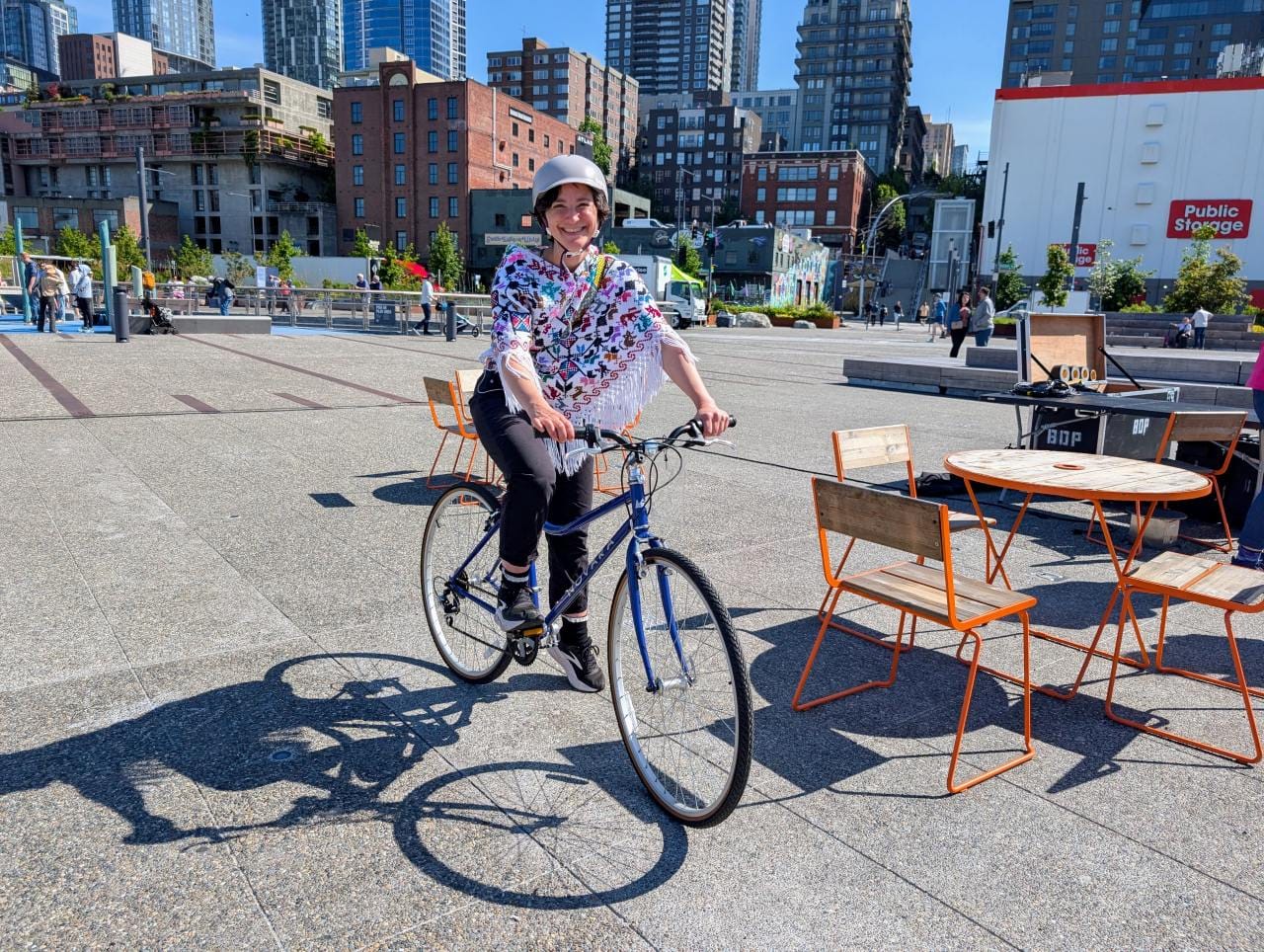
Saldaña appeared to rule out doing a countywide property tax levy to fund social housing, preferring more progressive revenue options which the County does not yet have the authority to use.
"So, I like the idea, but I'm very reticent of supporting it, because the county does not have the taxing authority," Saldaña said.
Saldaña also appeared skeptical of King County's pass-through measure in its brand new sales-tax funded roads boost.
"Right now we're talking about roads," Saldaña said. "Fine. It should be small. It should be very focused on our urban areas, and actually improving safety, mobility, connectivity. They actually should not just be giving cities new money. They have to deliver and make sure that they're actually helping the overall system be better."
Two days after the forum, King County councilmembers narrowly approved the sales tax hike, but voted to stripped out the provision capping Seattle's share of the city pass-through funding. The pass-through mechanism funnels 12.5% of revenue to local cities, with the lion's share still dedicated to County roads in rural and incorporated areas.
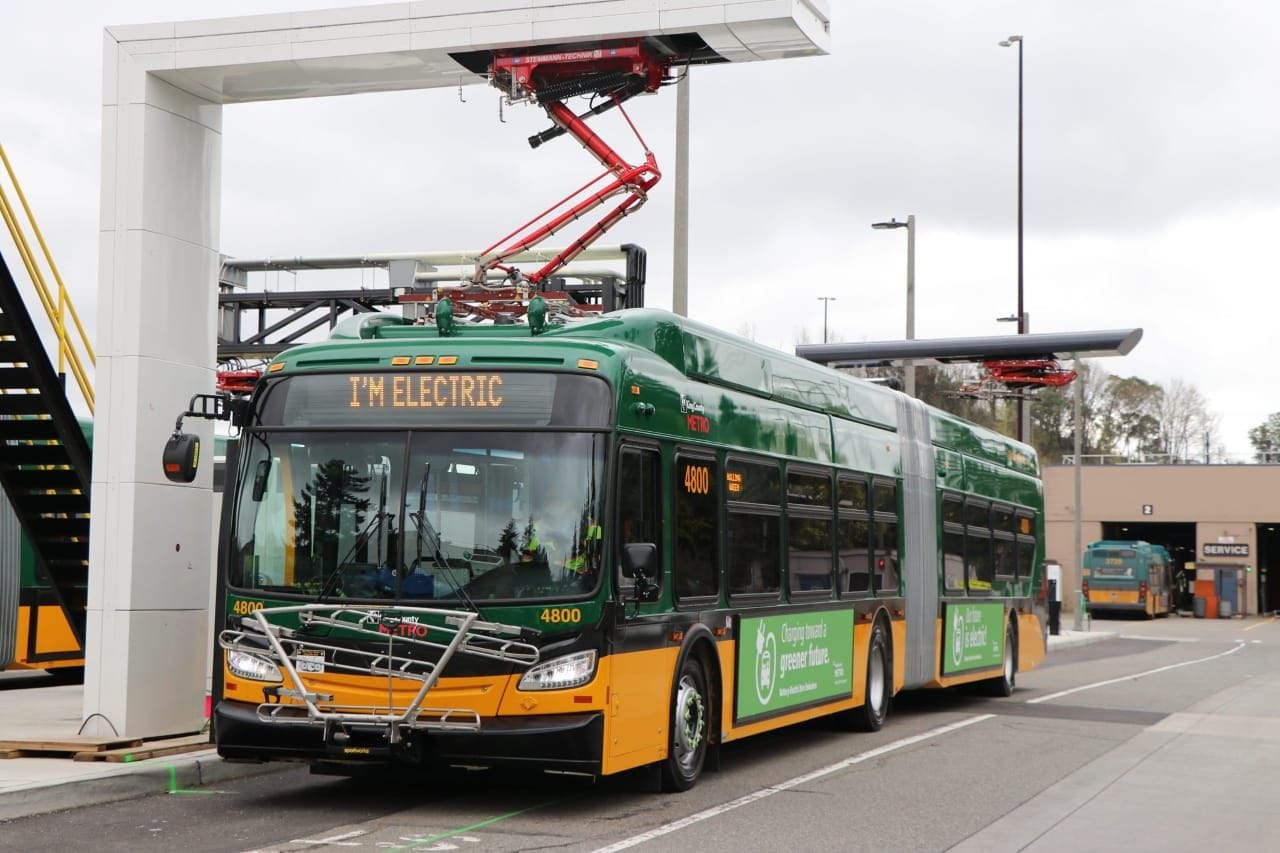
Both candidates agreed King County Metro should prioritize growing and maintaining service levels. Hasegawa was clear fleet electrification goals should come second to service growth, if the County is forced to choose.
"We need to make sure that we are maintaining service, because when we eliminate service, we are exacerbating inequities, and that will happen at a compounding rate," Hasegawa said. "Electrification is a very noble goal. It's one that I support, and it's one that I would want to chase down, once we have a friendlier federal administration. But you have seen how they have categorically stripped all sustainability items and anything that involves the term environmental justice or equity from funding from the federal government, except for sustainable aviation tools, and so until we know that we have better partnerships, we have to make sure that we're taking care of our communities. King County is in the red, and we're asked to do more with less tools."
Saldaña's answer was less clear about if she would deprioritize bus electrification, but she did back a countywide transit levy, like the County has been kicking around but neglecting to put on the ballot for the last seven years.
"We know that [a countywide] transit levy is the right place to go," Saldaña said. "This is a place where it's really important within Washington, to make sure the state is becoming a partner, where for the first time we have grants that are going to local counties and to transit. So that is something that we need to leverage, is to make sure that we're taking every one of those dollars in the state and every one of those dollars from the feds to make sure that we're keeping things going."
Endorsements from The Urbanist's elections committee are poised to come out in mid-July, just as Puget Sound residents receive their ballots ahead of the August 4 election, along with full questionnaire responses from all candidates who participated in our process.
 Amy Sundberg
 Doug Trumm
 Doug Trumm