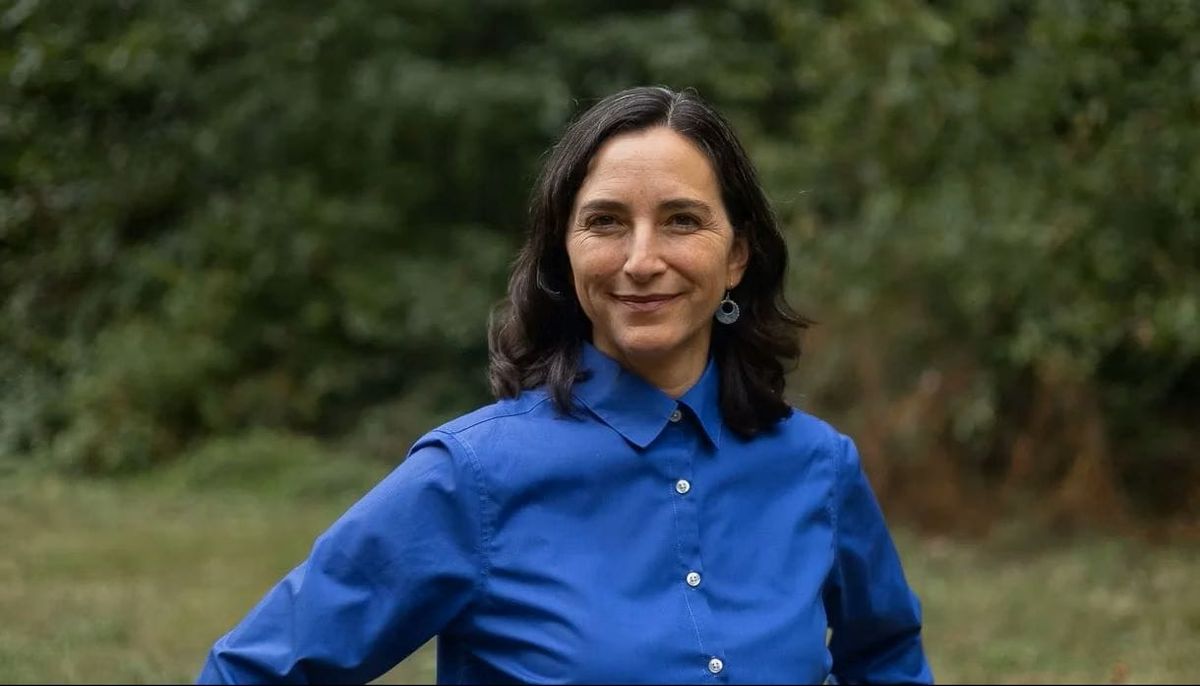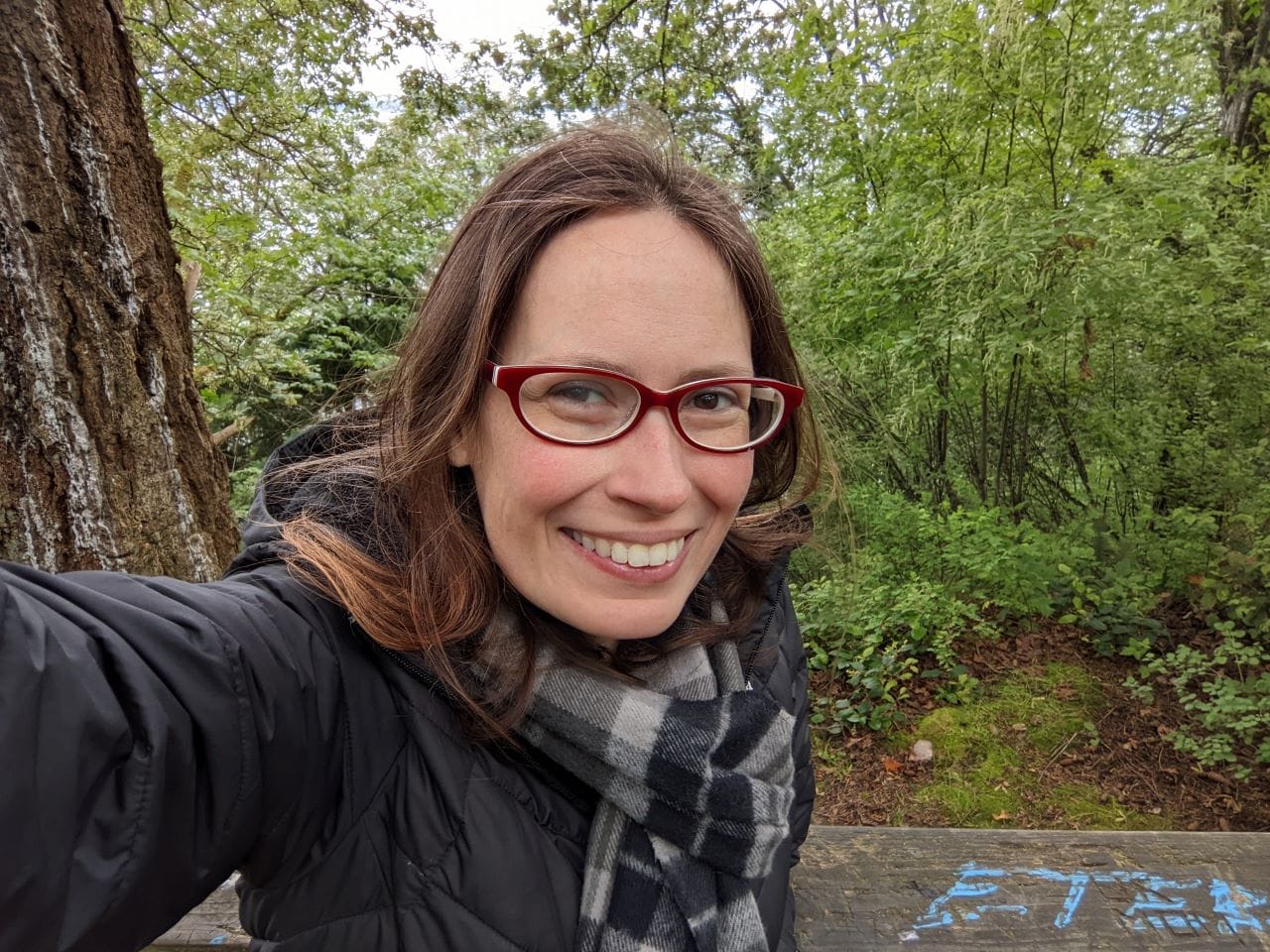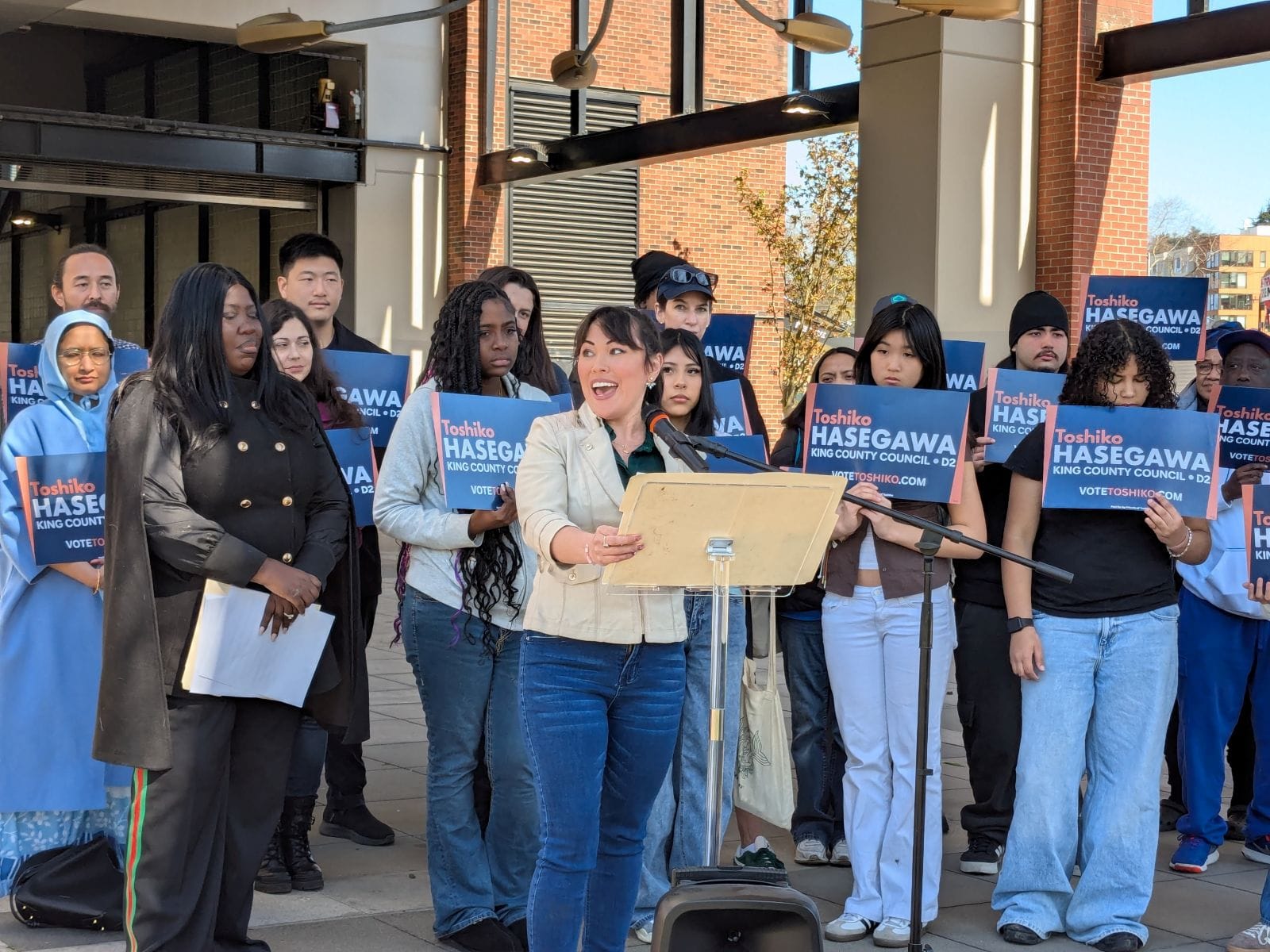
Last week, the two leading candidates for King County Council’s District 2 seat – Toshiko Hasegawa and Rebecca Saldaña – released dueling public safety platforms that shared some significant points of consensus.
In their announcements, both D2 candidates expressed support for preventing violence rather than merely responding to it and spoke about breaking the cycle of poverty. Both want to expand LEAD-model diversion programs, strengthen gun violence prevention efforts, and invest more in youth programming. Both are interested in more rehabilitative models for incarceration, including more investment in re-entry programs.
In a battle between two candidates with bona fide progressive credentials, the devil can be in the details.
Hasegawa claims to be the “only candidate with a career-long specialization in navigating and reforming the criminal legal system,” according to a press release. She served on the Joint Legislative Task Force on Deadly Force in Community Policing in 2016 and as the Communications Manager for King County’s Office of Law Enforcement Oversight from 2017-2018, at the same time as she was earning a Masters in Criminal Justice at Seattle University.
At her current role as Commission President at the Port of Seattle, Hasegawa supported the policy directive saying that Port employees shouldn’t assist in civil immigration enforcement unless required by law that passed last year, as well as the order this year that nonpublic Port property won’t be used for civil immigration detention or enforcement support.
In her platform, Hasegawa suggests the idea of a “traffic safety for all” ordinance to instruct the King County Sheriff’s Office not to pull drivers over for non-moving violations like broken taillights and expired tabs. She also wants to institute reform around civil asset forfeiture in order to establish a local survivor services fund to better support victims.
Saldaña, on the other hand, spent several years working at Puget Sound Sage building grassroots movements to address racial inequities in housing, environmental justice, and public health.
For the past nine and a half years, Saldaña has served as the State Senator in the 37th Legislative District, racking up a lengthy progressive voting record, including being a stalwart champion for immigrant rights. Saldaña sponsored the Community Reinvestment Program, which directs resources into communities most impacted by past drug enforcement policies and mass incarceration to pay for upstream solutions like violence prevention and youth development programs.
Saldaña also served on the Washington Joint Legislative Task Force on Jail Standards formed in 2023, which led to her sponsorship of SB 5005, which would have created an independent jail oversight body in the governor’s office. This body would have created and enforced statewide jail standards. Saldana said having this bill stall was one of her motivations for running for King County Council.
“I was having a really hard time figuring out a pathway for… how do we get back to having jail standards for the state, which we had 40 plus years ago,” Saldana said. “And a big part of the problem is that we don't have leadership at the county level pushing to be a partner in that.”
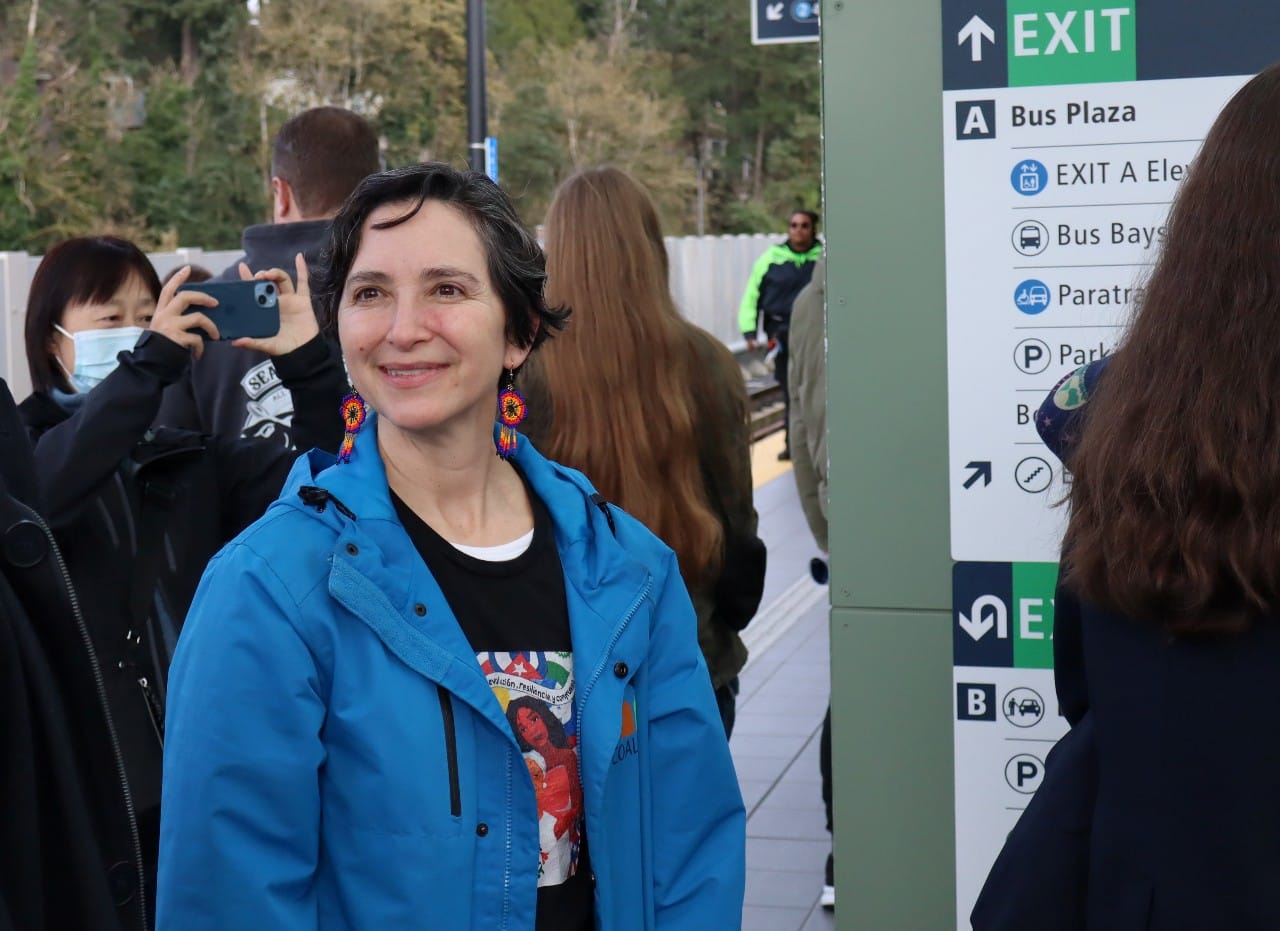
In her platform, Saldaña champions delivering faster and more effective crisis response, including expanding regional systems for cities to access, supporting the crisis care centers, and building community support. She’s also interested in building the behavioral health workforce through both training and providing better wages and working conditions.
Whether either are able to pull off reforms or not, the criminal legal system is a huge body of work for the King County Council; it represents 78% of King County General Fund appropriations, and county councilmembers wield both budgetary and oversight control over a wide range of public safety services. The bulk of this funding goes to traditional criminal legal services such as the County’s jail system run by the Department of Adult and Juvenile Detention (DAJD), the King County Sheriff’s Office and oversight body, the King County Prosecuting Attorney’s Office, the King County Superior Court, and the Department of Public Defense.
The question of jails and youth detention
Former King County Executive Dow Constantine made headlines in 2020 when he announced his intention to close the youth jail, the Judge Patricia H. Clark Children and Family Justice Center (CCFJC), by 2025. In 2024, Constantine said the County would miss that deadline, with 2028 suggested as the earliest possible closure date.
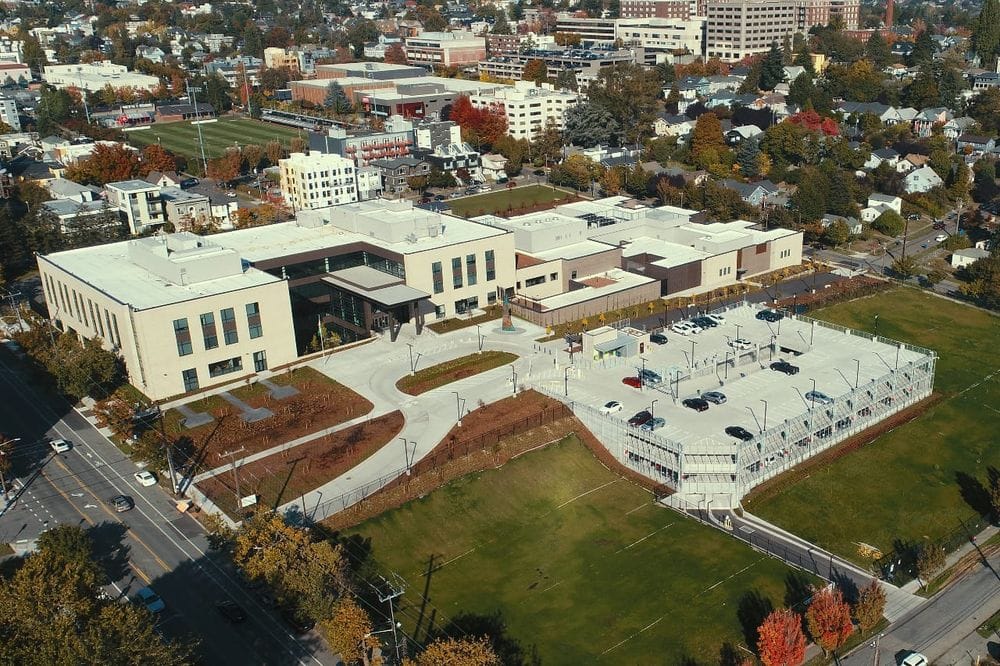
In August of 2024, the King County Council voted unanimously to keep the youth jail open permanently. Then-Councilmember Girmay Zahilay received criticism for his vote, given his 2019 campaign platform had included the promise to “dismantle our current youth prison model.”
Meanwhile, the King County Auditor’s Office published an audit in April of 2024 that found that youth are experiencing longer stays in detention, causing problems at the youth jail. “CCFJC secure detention is designed for short-term stays and the support provided there does not meet the educational, enrichment, and mental health needs of youth with long periods of detention,” the executive summary of the audit reads.
A follow-up report on the original audit was just published last week, which found that while some progress has been made, particularly on reducing time youth spent confined to their cells, more work was still needed. “While DAJD has taken early steps, DAJD acknowledges that much work remains to determine what programs are appropriate and feasible to provide at CCFJC, and to what extent services can be differentiated for youth with varying lengths of stay,” the report reads.
The Urbanist is a nonprofit newsroom powered by reader support. Become a member, get perks, and support local journalism.
Hasegawa has chosen to make the question of youth detention a cornerstone of her campaign.
“I want to underscore a core goal of this campaign, which is to achieve zero youth incarceration in King County,” Hasegawa said at a press conference last week. “Any child in a jail cell is a tragic government failure, and there is no more sound or strategic upstream investment than pouring into our kids. We must stand up programs that have been shown to reduce youth involvement in crime and set them towards that path to success. We must invest in leadership development, mentorship, and we must build out an extensive after-school program network, because we know that those reduce youth involvement in crime by 50%.”
While Saldaña said she doesn’t think children should be jailed, she rejected black and white thinking around the issue and didn’t offer a promise about zero youth incarceration.
“It's in relationship with people that have been incarcerated and with our communities that have been impacted by violence that we will find our way forward, that we’ll hopefully have that future where we do not incarcerate our children,” Saldaña said. “And keeping them in facilities, in juvenile facilities where there are supposed to be more resources and a stronger emphasis on rehabilitation, does create better outcomes for all of us.”
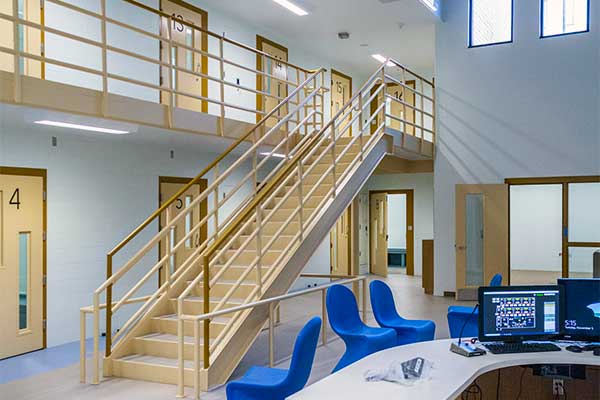
Hasegawa wants to approach corrections in general with a rehabilitative lens.
“I've talked with people inside as well, and some of the things that are missing inside that they deserve are access to culturally forming groups, which is proven to be a rehabilitative factor, is access to vaccinations and medical care that can help address the spread of disease, and then access to counseling, because so many people who have made it to that juncture in the legal system have very, very serious needs and very few tools to be able to answer to them,” Hasegawa said.
Hasegawa would like to see fewer people going through the criminal legal system, a result she says is possible through a combination of prevention, diversion, and offering multiple off-ramps.
“When you think about the criminal legal system, you have to think about all the pieces, from policing to police oversight to probation, courts and corrections, and we have ideas about how at every single step of this system, we can be a catalyst for change,” Hasegawa told The Urbanist. “When people encounter county government, whether it's through officers or crisis responders, this should be a turning point where they're set towards that better path for a brighter future that has dividends in returns for what folks will be going to be able to bring back to society as pro-social contributing members.”
Saldana agrees that a core part of improving the county’s jail conditions is sending fewer people there and focusing on prevention: building up a behavioral health care infrastructure, reducing gun violence, and investing in community violence intervention.
“A big part of it is making sure that people that should not be going into our jails are not going there in the first place,” Saldana said. “But the reality is also, we have people in our custody, and we have a responsibility to make sure that we are addressing real public safety, which is making sure people that are in our custody are having places for accountability, but also having places to actually be rehabilitated, to be supported, because everyone that comes into our jail, for the most part, are coming back into our communities, and are they coming back into our communities better or worse?”
Saldaña is interested in working with the state on implementing state-wide jail standards and considering a way to fund health care services within jails in a more sustainable way.
“The structure itself of the King County Jail in particular is not set up for the individuals that are being held nor the workers themselves to be able to get the support and have it be a safe and healthy workplace,” Saldaña said. “So a lot of it is to figure out how we eventually shut that jail down, but in the meantime, how are we trying to save lives while they're there?”
The County’s budget woes
Last fall, King County was able to bridge the $175 million deficit in the 2026-2027 budget by instituting a new state-allowed “public safety” sales tax increase. However, the County is anticipating a projected deficit of at least $90 million in the 2028-2029 biennium. That number could grow depending on factors, such as federal cuts and inflation rates.
This projected deficit means there will be no funds available to expand any of the upstream prevention services championed by both candidates unless they either find new revenue or cut other expenditures.
Hasegawa said the County should focus on the big picture goals for evidence-based programs instead of only focusing on the next few years.
“In an austerity year where the resources are slim, but the need is so great, I think that justifying an upstream investment into our youth specifically is noncontroversial,” Hasegawa said. She didn’t specify where this investment would come from.
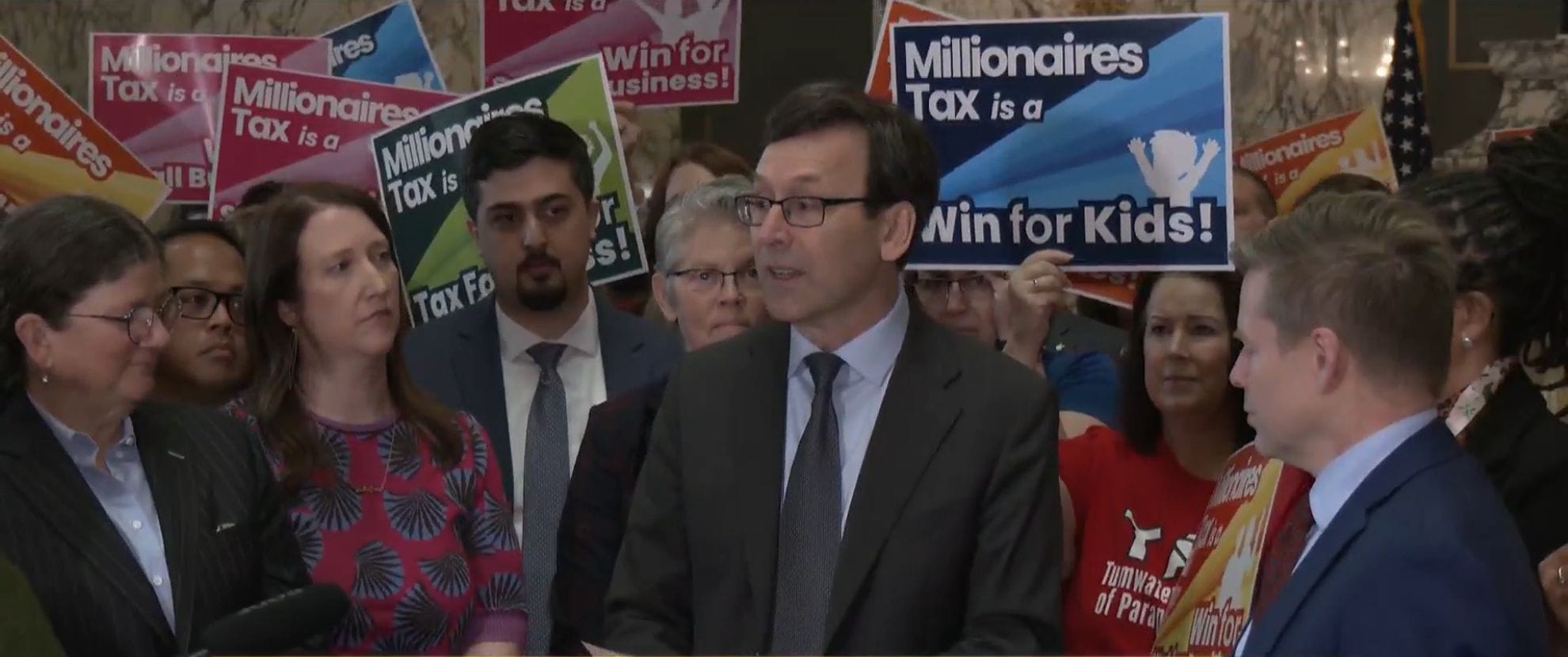
Saldaña spoke about her Community Reinvestment Act, which she hopes will receive more investment should the millionaires tax be defended (although the new tax isn’t expected to bring in any revenue until 2029). She also mentioned Governor Bob Ferguson’s $100 million grant program for hiring new police officers that passed last year; the grant money may also be used for other public safety uses such as emergency management planning, community outreach and assistance programs, alternative response programs, and mental health crisis response, although these uses aren’t prioritized to receive the grants.
Saldaña would also be willing to cut programs that aren’t working.
“I think part of it is looking at the current funding we have, and how do we apply a strong racial justice analysis on where that funding is going,” Saldana said. “Because there are some programs and projects that are not efficient, that are not our best use of resources, and so how do we do that analysis to see what are programs that we invest less in so that we can double down on the programs that we know that work?”
King County has thus far been unsuccessful in convincing legislators in Olympia to provide counties with more revenue options, such as lifting the 1% property tax revenue growth cap. Hasegawa published an op-ed at The Urbanist championing this policy, and Saldana thinks her experience as a state senator will help her get new revenue for King County across the finish line in the state legislature.
“I would be the only councilmember that has recent and real and deep relationships with the current legislature,” Saldana said. “Because what I have not seen is really effective strategy from the county to lobby the legislature to be able to actually get our revenue wins that we want. And I think that the way one does that is with community.”
Both candidates emphasized the importance of grassroots policymaking and getting community buy-in to develop their public safety platforms.
Cherryl Jackson-Williams, a community leader who was one of Executive Girmay Zahilay’s three finalists to become the temporary D2 councilmember replacing him, spoke at Hasegawa’s press conference.
“What makes me most proud to stand here is that this policy platform was not written behind closed doors,” Jackson-Williams said. “Toshiko Hasegawa spent time sitting with us in Skyway and with a lot of our community members from across the district. She listened to us and worked directly with our community advocates, our dreamers, our leaders, to build these solutions. And this is the type of leadership we need.”
Saldaña also spent several weeks engaging with community organizations and individuals and said she’s excited to engage with people on this and others of her policy platforms.
“Part of being an elected person is to bring the best ideas of community and help amplify and give them the push they need to actually become law,” Saldana said. “And that is how I'm approaching this policy platform.”
 Doug Trumm
 Doug Trumm