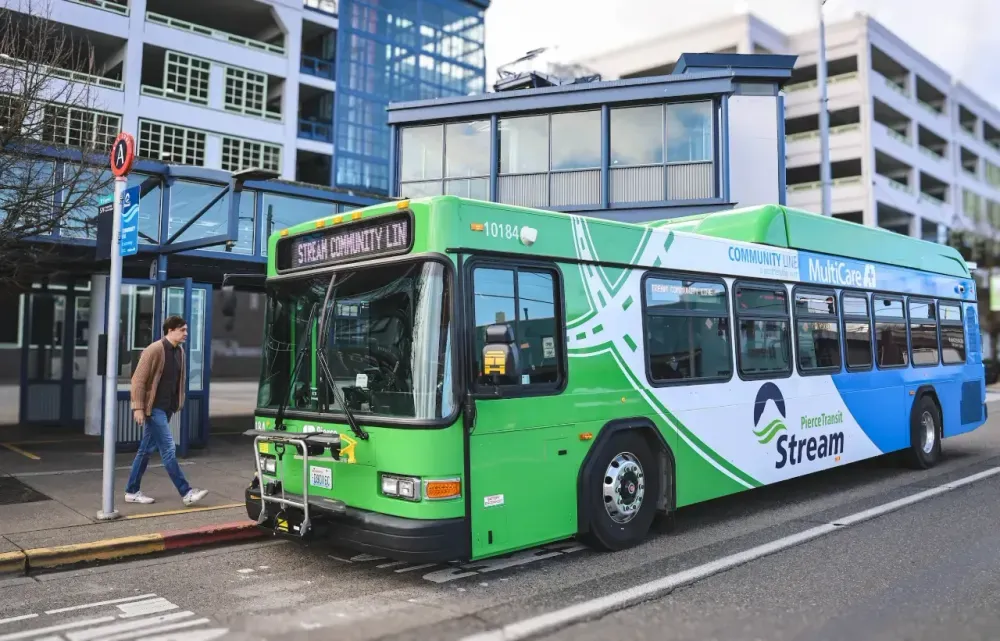
A new report detailing King County Metro's efforts to enforce fare payment on its buses has revealed that virtually no transit riders were receiving citations for not paying fares, months after the reboot of the fare enforcement program last spring. Just eight citations for nonpayment were issued between May and December of 2025 across King County, with all eight of those citations ultimately getting voided due to a lack of complete information.
That fare enforcement work occurred at a time when King County Metro estimated that 35% of riders were boarding buses without paying.
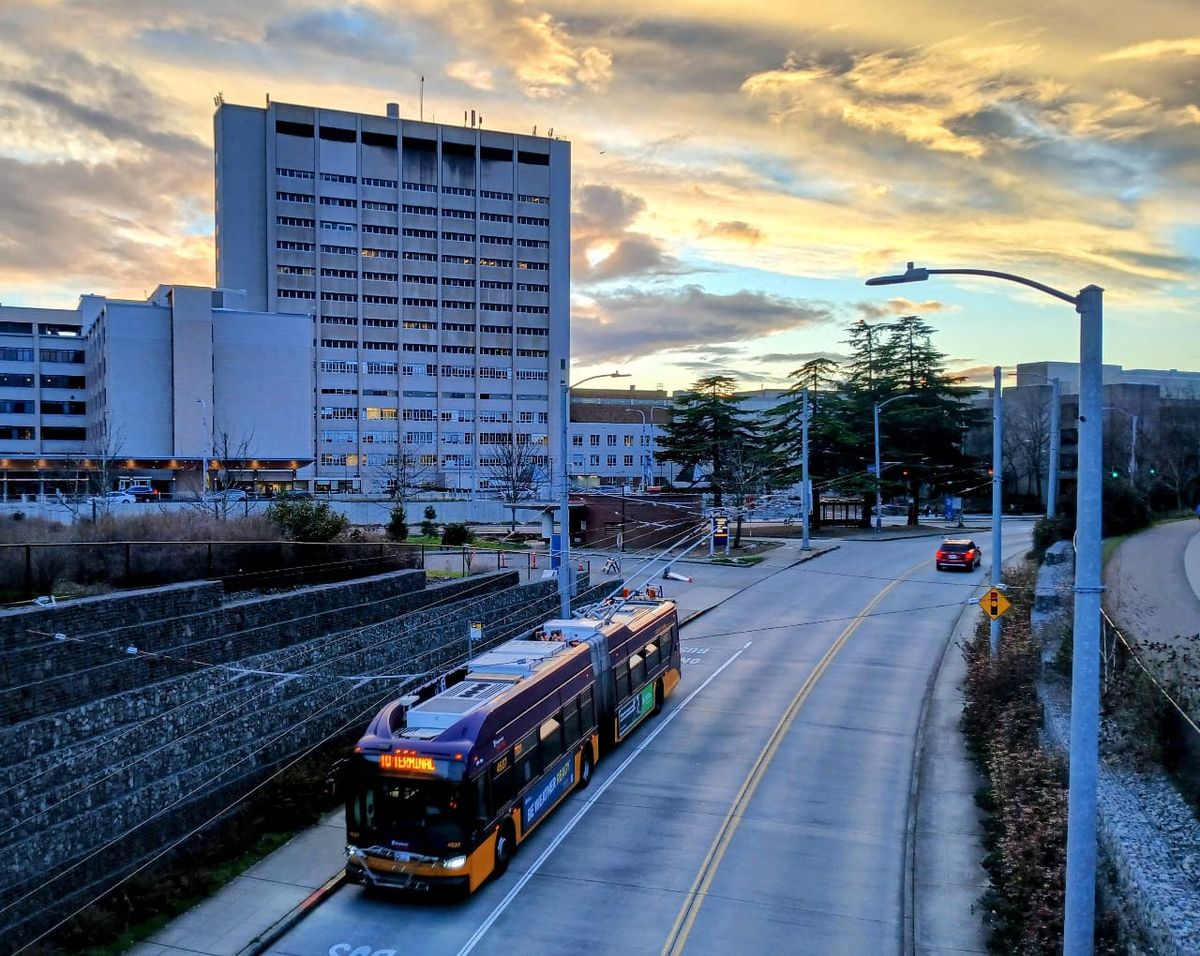
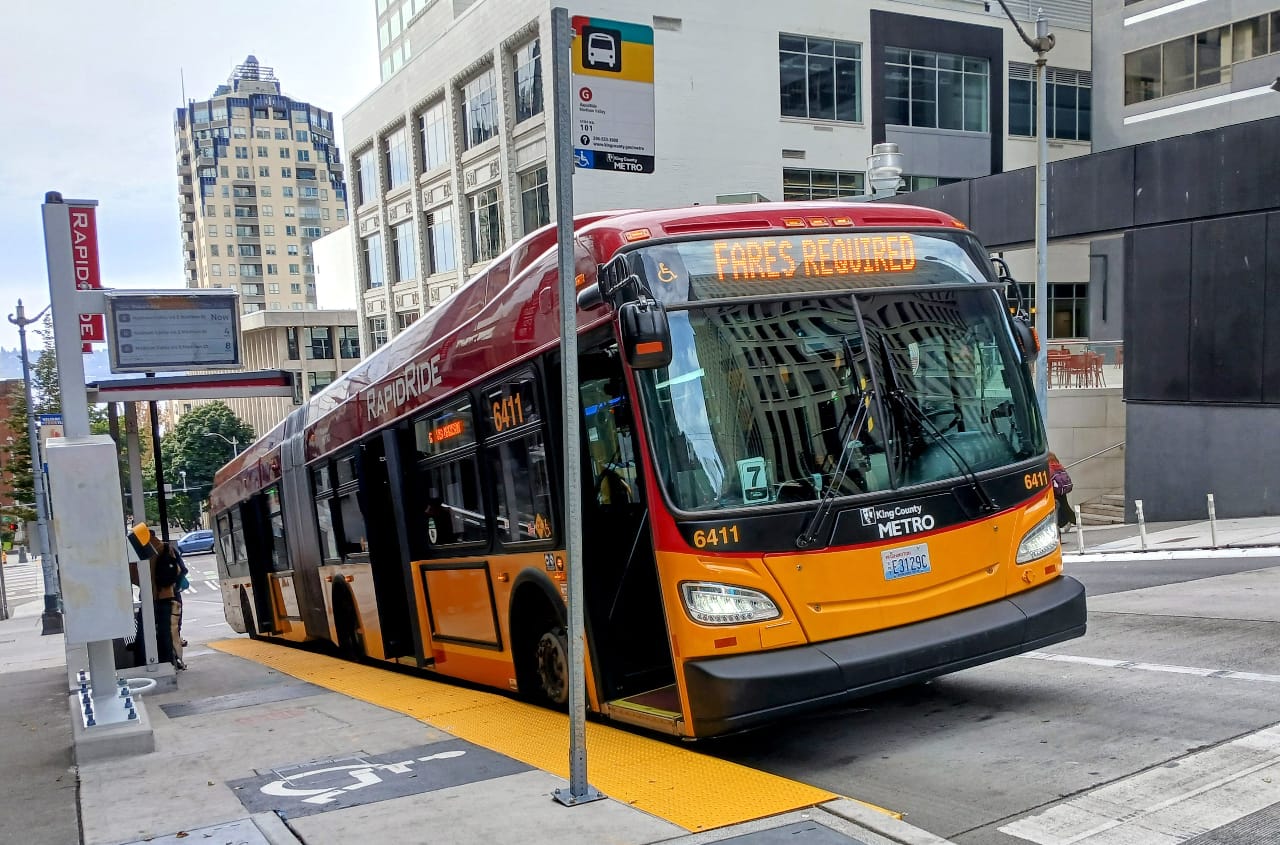
King County Metro's restart of fare enforcement last spring after a hiatus of over five years received significant attention, with headsigns on buses across the county flashing "fares required" for months. Following a two-month grace period starting in March, Metro's team of 30 fare enforcement officers officially started checking fares on May 31, with riders issued up to two warnings.
That team has continued to spend 1,200 hours on fare enforcement work every week, spread across a small number of high-use bus routes including most of the RapidRide network, and the Route 7, 36, 40, and 106.
Those 30 fare checkers are part of a broader Metro security team that also consists of 260 transit security officers who do not spend their time checking fares.
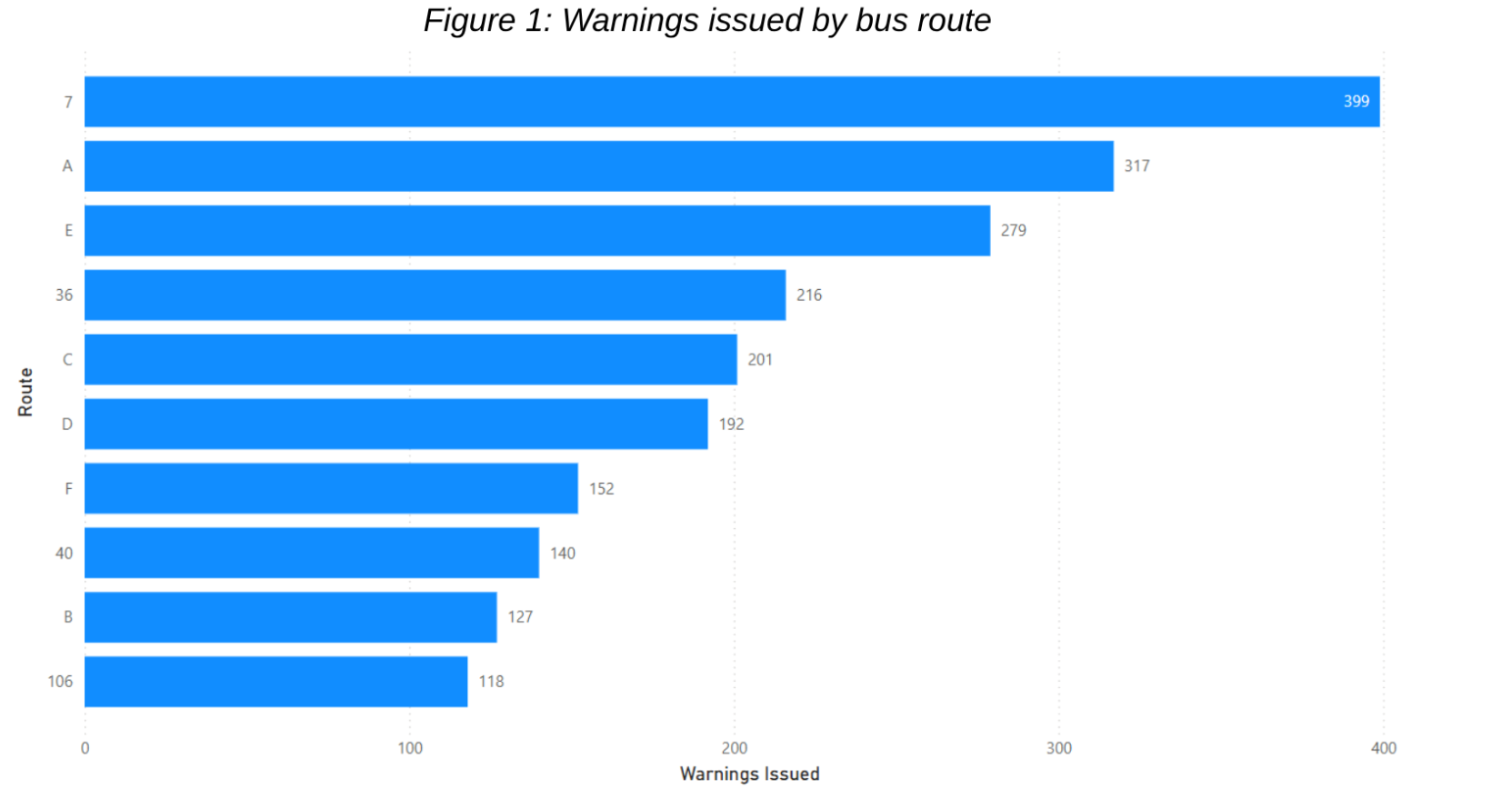
The fare enforcement team issued just under 2,200 warnings between May 31 and the end of the year, or around 10 per day. But only seven riders ended up receiving a citation, with one rider cited twice. Due to "unreliable methods of communication," including a lack of phone number or an unspecific address, those citations were left unresolved, per the report, a fact that puts the actual number of issued citations at zero.
A citation for fare evasion in Seattle used to involve a potential trip to superior court, but a 2018 audit that found a disparate racial impact from that fare enforcement structure. As a result, the county council approved reforms shifting Metro away from punitive measures.
Under the new system, a rider issued a citation can pay a $20 fine within 30 days (escalating to $40 if paid after 30 days but before 90 days), load $20 onto an ORCA card, enroll in a low-income fare program, or perform two hours of community service. If any of those options aren't ideal, they can appeal to a "Fare Adjudication Program Manager" or request an alternative resolution.
While Metro's fare enforcement program clearly prioritizes education over penalties when it comes to getting riders to pay fares, the negligible citation rate does raise questions about whether the program is actually succeeding at its goals. This year, Metro has budgeted $3.1 million for the fare enforcement team, out of $24.3 million set aside for contracted security and a separate $27.6 million for Metro Transit Police, officers who work for the King County Sheriff's Office.
Metro does credit the enforcement program, in part, with helping to decrease fare noncompliance by 1% systemwide over the second half of 2025 compared with the prior year. The agency also points to the fact that ORCA transit card utilization has grown faster on routes with fare enforcement officers, by 3% compared to 1% on other routes.
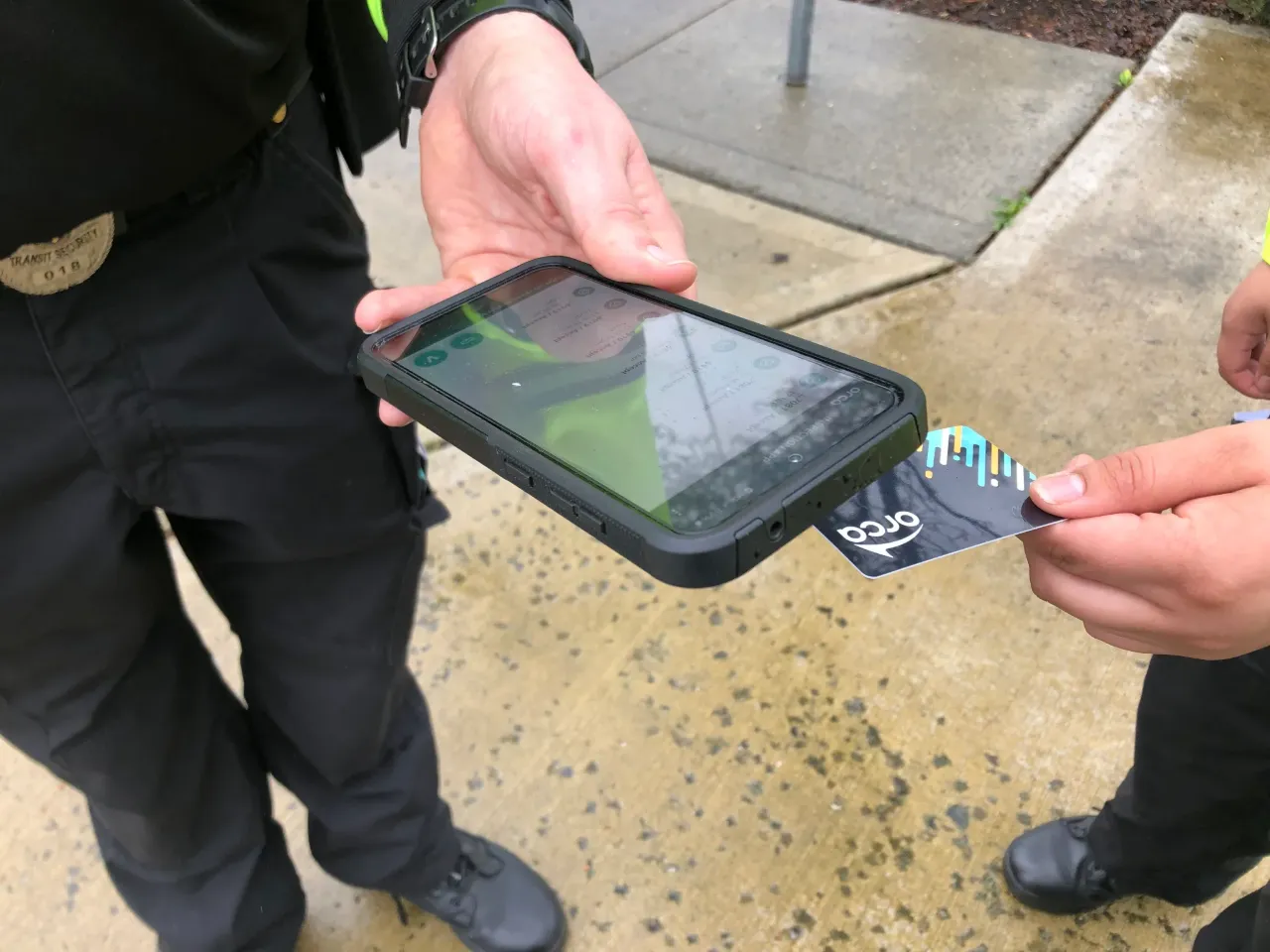
Metro spokesperson Jeff Switzer told The Urbanist that a citation rate doesn't show the full picture of the fare enforcement team's work.
"Fare Enforcement’s goal is to successfully connect individuals identified as 'fare evaders' to resources so they can ride right in the future. This type of impact is challenging to track, as it often requires multiple contacts before a rider is fully connected to assistance or begins consistently riding in compliance," Switzer said. "Fare enforcement is one part of a multi-pronged strategy to build a culture of ‘riding right’, connect all riders to fares that are affordable to them, and to help Metro fund service. The job of fare enforcement is to connect with riders who have not paid, educate them about the consequences of nonpayment in the future, and – most importantly – to make sure they understand Metro’s expectations and create access to fares that are affordable to them."
Sound Transit's fare enforcement program, built on a fare ambassador team that the agency stood up in 2021 as a pilot program, does see more citations issued than Metro. According to data from early last year, 1.5% of riders found non-compliant had progressed beyond the first and second warnings, though that excludes the 3.5% of riders who refused to provide identification during a fare check.
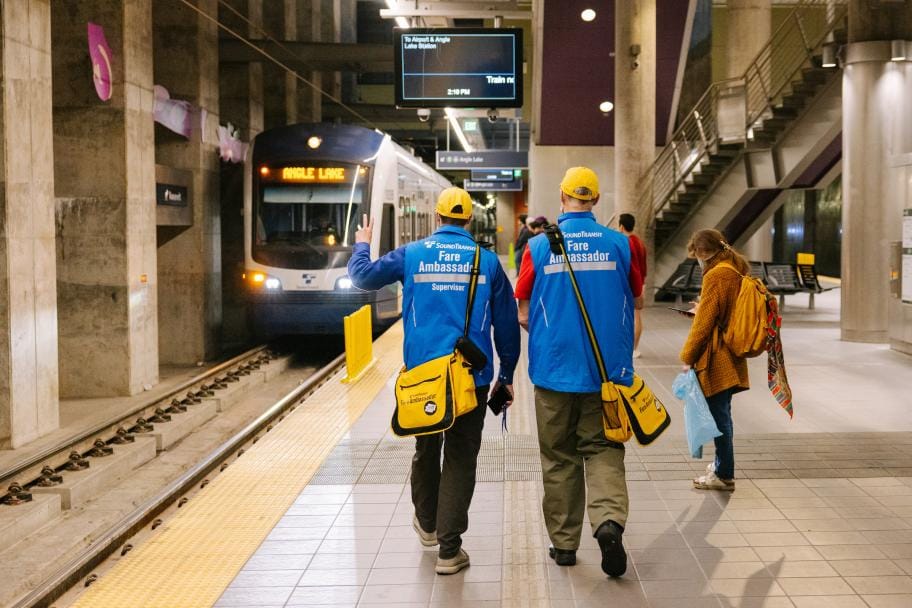
Meanwhile, Sound Transit is set to pilot the implementation of fare gates at some of its stations in the near future, in an attempt to increase fare revenue even further.
Fares are a small but not insubstantial revenue stream for Metro. The agency's farebox recovery rate – fare revenue as a share of operating costs – plunged from nearly 24% in 2019 to less than 9% in 2025. The sinking ratio stems from a variety of factors, including reduced ridership, increased rates of fare evasion, and rising operating costs. Even with a 25-cent fare increase last September, fares are expected to bring in $94 million in 2026, just 58% of the 2019 total.
All of this is happening against a backdrop of larger structural budget issues at Metro, with the agency spending more money than is coming in and eating into its reserves. Though recent adjustments to cancel planned fleet electrification work has improved the outlook, Metro is currently forecast to not meet its reserve requirements by 2031 and fully deplete its fund balance by 2033. Without a sustainable funding source like an additional stream of sales tax revenue, service cuts would likely be on the horizon.
Switzer confirmed that the fare enforcement team's approach has not changed since the restart of enforcement work last spring. Ultimately, it will be up to the King County Council to decide whether the current enforcement regime is producing the results needed to keep the system going.
"To make sure that Metro continues to prioritize Fare Enforcement Officer deployment on routes with high ridership and high rates of security incidents, it is important for the organization to establish a baseline understanding of data collected during this initial relaunch," Switzer said. "As fare enforcement hasn’t been operational since 2020, the landscape has changed and evolved. Community members gave a list of initial recommendations that supported and continued several of the changes made to fare enforcement operations in 2019 linked to the 2018 audit that showed inequitable distribution of warnings and citations to vulnerable populations. Metro has continued to build on these initial changes with the recommendations from community and will continue to deploy based on the needs for fare education and rider expectations."
 Ryan Packer