When part of the transportation system fails, can people can still reach jobs, schools, healthcare, food, transit, and emergency services?
Imagine that the road connecting your neighborhood to the rest of the city suddenly closes. Your usual bus must take a lengthy detour, traffic shifts onto residential streets, deliveries are delayed, and a trip that once took 20 minutes now requires an hour. If you do not own a car, use a wheelchair, work an inflexible shift, or depend on a particular transit connection, your options may become even more limited.
This is the kind of situation transportation resilience is intended to address.
Transportation resilience is commonly defined as the ability of a transportation system to anticipate, prepare for, withstand, respond to, recover from, and adapt to disruptions. Those disruptions can include earthquakes, flooding, landslides, wildfire, extreme heat, severe storms, infrastructure failures, power outages, cyberattacks, or major collisions. Some occur suddenly, while others emerge gradually as infrastructure ages or climate conditions change.
Although the term can sound technical, its central question is straightforward: When something goes wrong, can people still get where they need to go?
Resilience is more than stronger infrastructure
A resilient transportation system certainly needs bridges, roads, rail lines, retaining walls, drainage facilities, and transit infrastructure capable of withstanding hazards. Seismic retrofits can help bridges survive earthquakes. Larger culverts and improved drainage can reduce roadway flooding. Heat-resistant materials can help pavement and rail infrastructure perform during extreme temperatures.
Physical strength, however, is only one part of resilience. A bridge might be structurally sound, but the surrounding transportation system may still be vulnerable if that bridge is the only practical connection available. Conversely, an individual road may temporarily close without creating a regional crisis if travelers have safe, reliable, and accessible alternatives.
This distinction moves resilience planning from individual assets to transportation networks. Planners must consider not only whether a particular structure can withstand a disruption, but also how the broader system functions when one component becomes unavailable.
The West Seattle Bridge illustrates network vulnerability
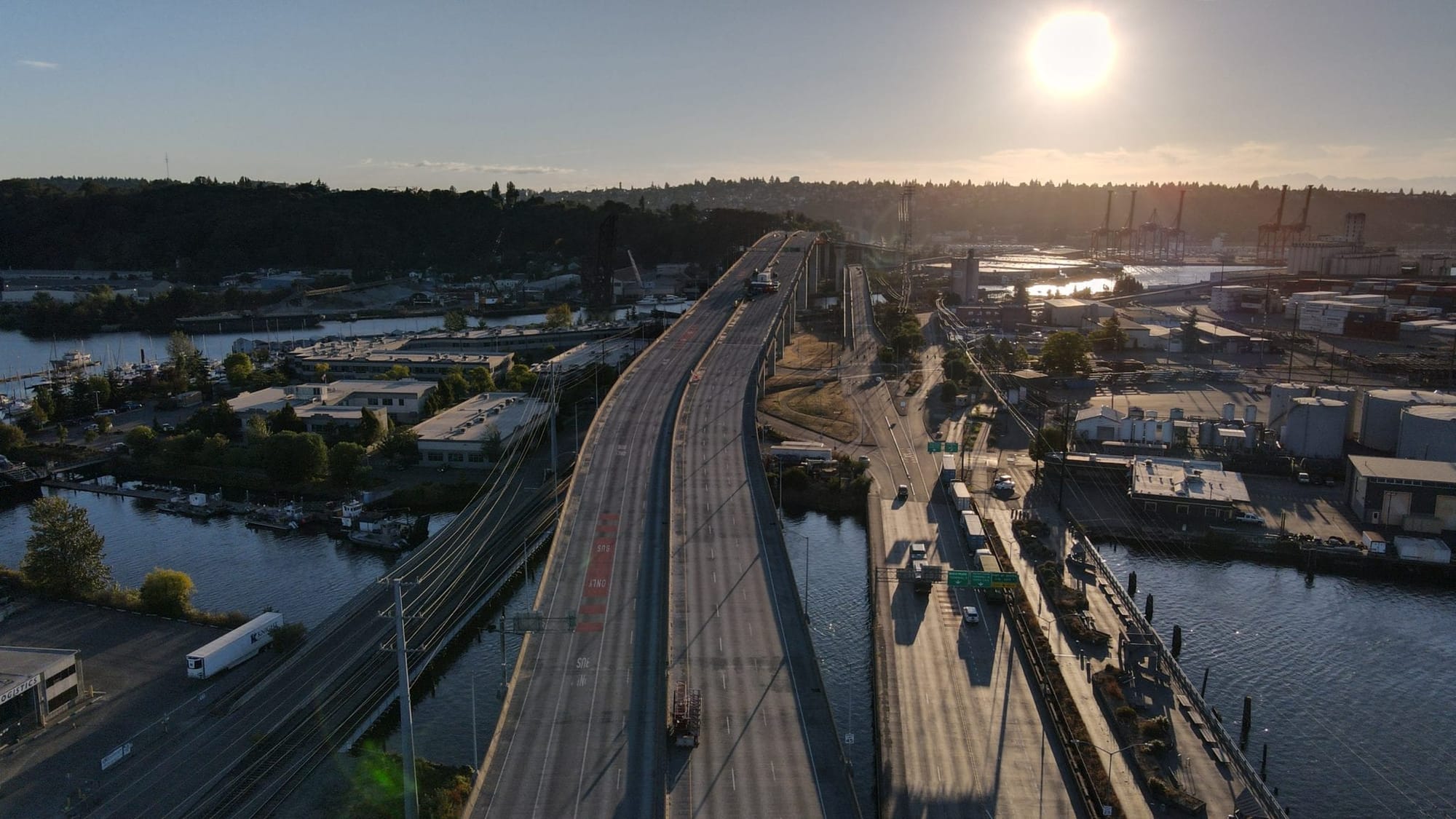
The sudden closure of the West Seattle High-Rise Bridge in March 2020 offers a vivid local example. Structural cracking forced the City to remove a major connection that had carried people between West Seattle and the rest of the city.
The closure did not physically isolate the peninsula, but it greatly reduced its transportation capacity. Traffic shifted to alternative routes, increasing volumes through communities near the Duwamish River. According to the Seattle Department of Transportation, traffic at some locations on the detour network more than doubled after the closure. The disruption affected freight, transit, emergency access, businesses, and daily travel.
The City’s Reconnect West Seattle implementation program responded with transit improvements, traffic management, bicycle and pedestrian projects, and changes along detour routes. These measures could not replace the bridge’s full capacity, but they illustrate a central resilience principle: recovery depends on having multiple ways to move people, not simply restoring automobile traffic.
The bridge closure was caused by structural deterioration rather than a natural disaster, but resilience planning applies in either case. A system that depends heavily on one critical connection remains vulnerable regardless of what causes that connection to fail.
Five qualities of a resilient transportation system
Transportation resilience becomes easier to understand when divided into five related qualities.
The first is resistance. Infrastructure should be designed, maintained, or strengthened to reduce the likelihood that a hazard will cause it to fail. Seismic bridge retrofits, stabilized slopes, fire-resistant materials, drainage improvements, and flood protection are all examples.
The second is redundancy. People should have more than one practical way to reach essential destinations. Redundancy might come from an alternative roadway, another bridge, a parallel transit route, a ferry connection, or a safe walking and bicycling network. An alternative that exists on a map but is unsafe, inaccessible, or regularly congested may offer little meaningful redundancy.
The third is response. Transportation agencies need systems for detecting problems, communicating with travelers, rerouting service, managing traffic, and prioritizing emergency access. Clear information can be as important as physical infrastructure during the first hours of a disruption.
The fourth is recovery. Agencies must be able to restore essential service quickly, even when permanent reconstruction takes much longer. Temporary bridges, emergency transit service, interim traffic controls, and rapid repairs can reduce the social and economic consequences of an extended closure.
The fifth is adaptation. After a disruption, planners should determine why the system was vulnerable and use that knowledge to improve future projects. Rebuilding an asset exactly as it existed may restore yesterday’s conditions while preserving tomorrow’s risk.
Transportation resilience is also about climate change
The Puget Sound region faces several climate-related transportation risks. King County’s 2025 Strategic Climate Action Plan anticipates hotter summers, rising sea levels, and more intense heavy-rain events. These changes can affect pavement, bridges, drainage systems, transit facilities, electrical equipment, coastal roads, and slopes.
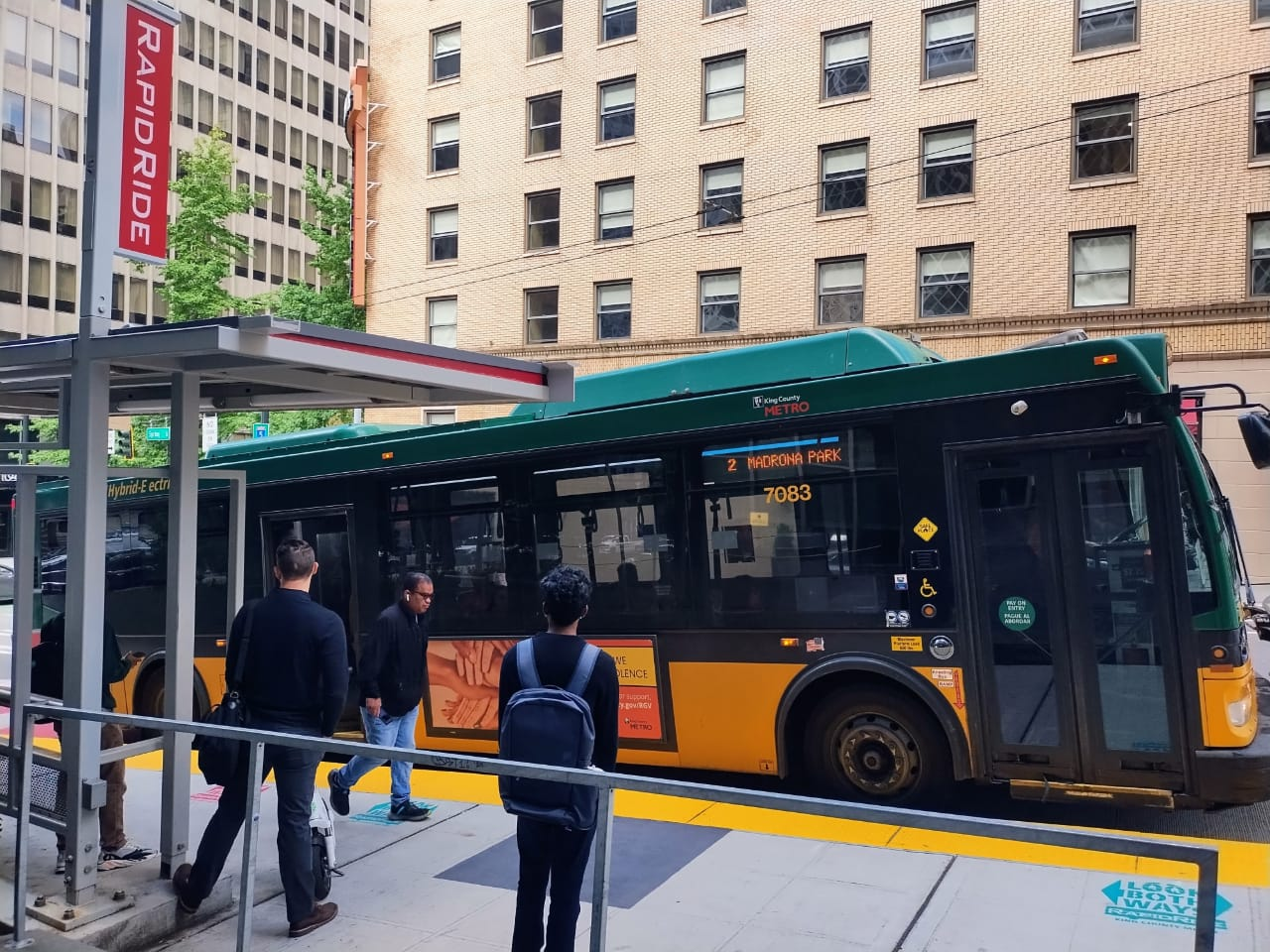
King County Metro identifies extreme heat, poor air quality, river flooding, surface flooding, coastal flooding, and sea-level rise among the conditions that can affect its riders, workers, bases, and service operations. A resilient transit system must therefore consider whether buses can reach their routes, whether maintenance facilities remain operational, whether electrical equipment can withstand higher temperatures, and whether riders have safe places to wait during heat or smoke events.
Climate resilience does not mean predicting the exact date or location of every future disruption. It means designing transportation decisions around a wider range of plausible conditions instead of assuming that historical weather patterns will remain unchanged.
Resilience and sustainability are related but different
Transportation resilience is sometimes confused with transportation sustainability. The concepts overlap, but they address different questions.
Sustainability asks how transportation can reduce environmental harm, resource consumption, and greenhouse-gas emissions over time. Resilience asks how transportation continues functioning when it experiences stress or disruption.
A system can support both goals. Frequent public transit, connected bicycle facilities, and safe walking routes can reduce emissions during normal conditions while providing alternatives when a roadway closes. Green stormwater infrastructure can manage rainfall, improve water quality, and reduce flooding. Compact, mixed-use neighborhoods can shorten trips while making essential destinations easier to reach during disruptions.
The relationship can also involve tradeoffs. An emergency detour may preserve access but increase traffic and pollution in a community already burdened by transportation impacts. A protective structure may reduce flood risk for a roadway while damaging habitat or transferring risk elsewhere. Resilience planning must therefore evaluate who receives protection, who experiences new burdens, and whether a proposed solution creates other long-term problems.
A detour is not equally useful to everyone
Equity is essential to transportation resilience because disruptions do not affect everyone in the same way. A person with a flexible schedule and multiple vehicles may adapt to a road closure relatively easily. A transit-dependent worker, caregiver, older adult, delivery driver, or person with a disability may face much greater consequences.
The quality of an alternative matters as much as its existence. A detour that adds 10 miles may be inconvenient for a driver but impossible for someone traveling by bicycle. A replacement bus may not solve the problem if its stop lacks an accessible pathway. Online travel information may not reach people without reliable internet access or people who need information in another language.
Resilience assessments should therefore ask which communities depend on a vulnerable connection, which destinations they need to reach, and which alternatives they can realistically use. This requires demographic and accessibility information, but it also requires direct engagement with the people who experience the transportation system.
How planners measure resilience
There is no single measurement that captures transportation resilience. Planners typically examine several indicators together.
They may assess how many people or essential destinations would lose access if a bridge or road closed. They may calculate how much additional time an alternative route would require, determine whether emergency vehicles could still reach an area, or estimate how quickly transit service could be restored. They may also examine infrastructure condition, exposure to hazards, availability of alternative modes, and the social vulnerability of affected communities.
The Federal Highway Administration describes resilience as the ability to prepare for changing conditions, withstand and respond to disruptions, and recover rapidly. Translating that concept into planning means connecting physical infrastructure analysis with questions of access, mobility, public safety, and recovery time.
Good resilience planning also evaluates results after projects are completed. If a drainage upgrade was intended to reduce roadway closures, agencies should track whether closures actually become less frequent. If a new transit connection was intended to provide redundancy, planners should determine whether people can use it during a disruption.
What transportation resilience looks like in everyday life
The most visible resilience investments may be large bridges, seawalls, or flood-control projects, but many useful measures are less dramatic. Maintaining sidewalks and curb ramps can preserve access during an emergency. Providing shade at transit stops can protect riders during extreme heat. Improving drainage can prevent a frequently flooded intersection from becoming impassable. Connecting bicycle routes can create an alternative when motor-vehicle capacity is constrained.
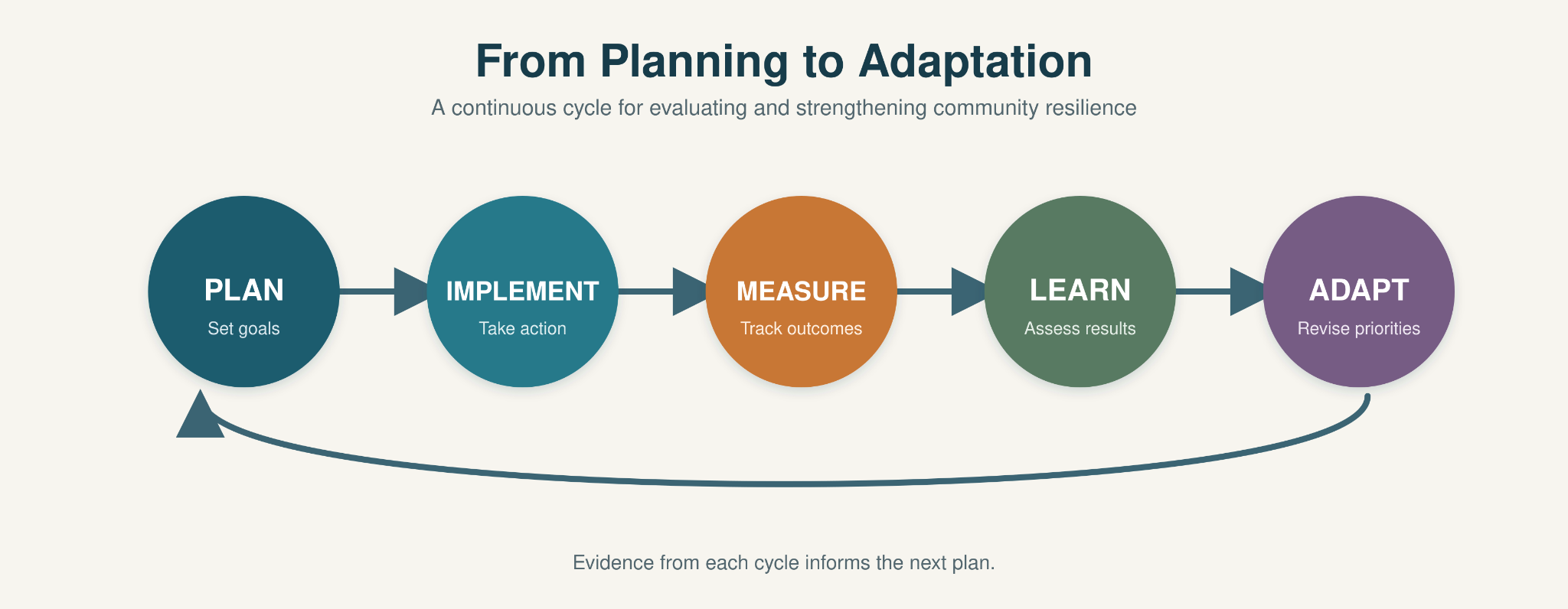
Transportation resilience is therefore not a separate concern reserved for disasters. It is part of routine decisions about maintenance, project prioritization, street design, transit operations, land use, and public communication.
A resilient city does not expect every road, bridge, or transit line to operate without interruption forever. Instead, it recognizes that disruptions will occur and prepares the transportation system to absorb them without cutting people off from the necessities of daily life.
The ultimate measure of resilience is not whether infrastructure remains untouched. It is whether communities remain connected, essential services remain reachable, and the transportation system learns and improves after conditions change.
Maulsri Jha, PhD, AICP, LEED GA is a transportation and climate-resilience planner whose work focuses on infrastructure vulnerability, mobility, environmental risk, and community access. Her doctoral research examined how communities can evaluate whether adopted climate-resilience plans produce measurable outcomes. She is also the creator of The Resilient City, a LinkedIn newsletter covering transportation, urban planning, street safety, transit access, and climate resilience.
 Syris Valentine