Just about everything that could break Democrats' way in 2026 Washington State House races did, but the state Senate was a different story. Senate Democrats failed to make gains after Carolina Mejia's three-point election night lead evaporated in later returns in the Legislative District 35 race.
As a result, they'll have no pickups in the Senate, but stay at a comfortable 30-19 edge. That's still three seats short of a 2/3 supermajority.
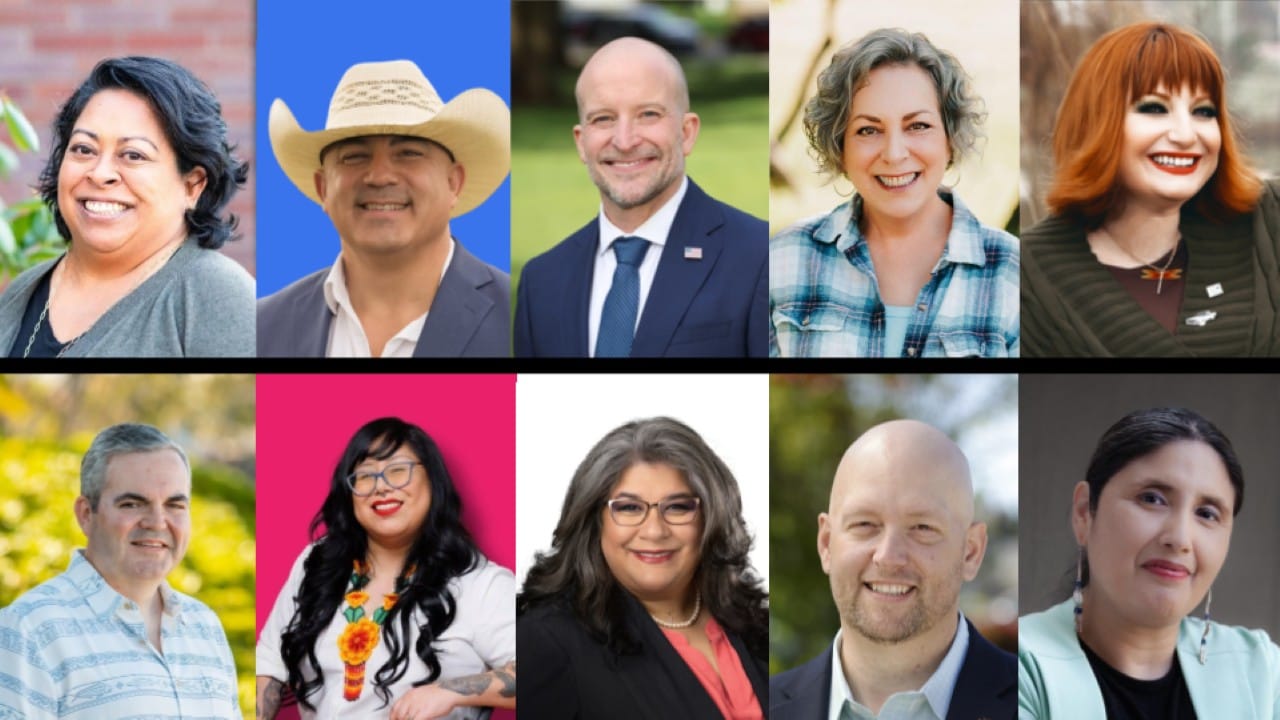
Thanks to 10 seats they have tentatively flipped from Republicans, Democrats' advantage in the state House will grow from 59-39 to 69-29. That works out to70% of seats, surpassing the 2/3 supermajority threshold, which makes overriding a governor's veto or passing a state constitutional amendment possible without Republican votes.
- LD12-1: Stacy Willoughby
- LD14-1: Chelsea Dimas
- LD14-2: Ezequiel Morfin
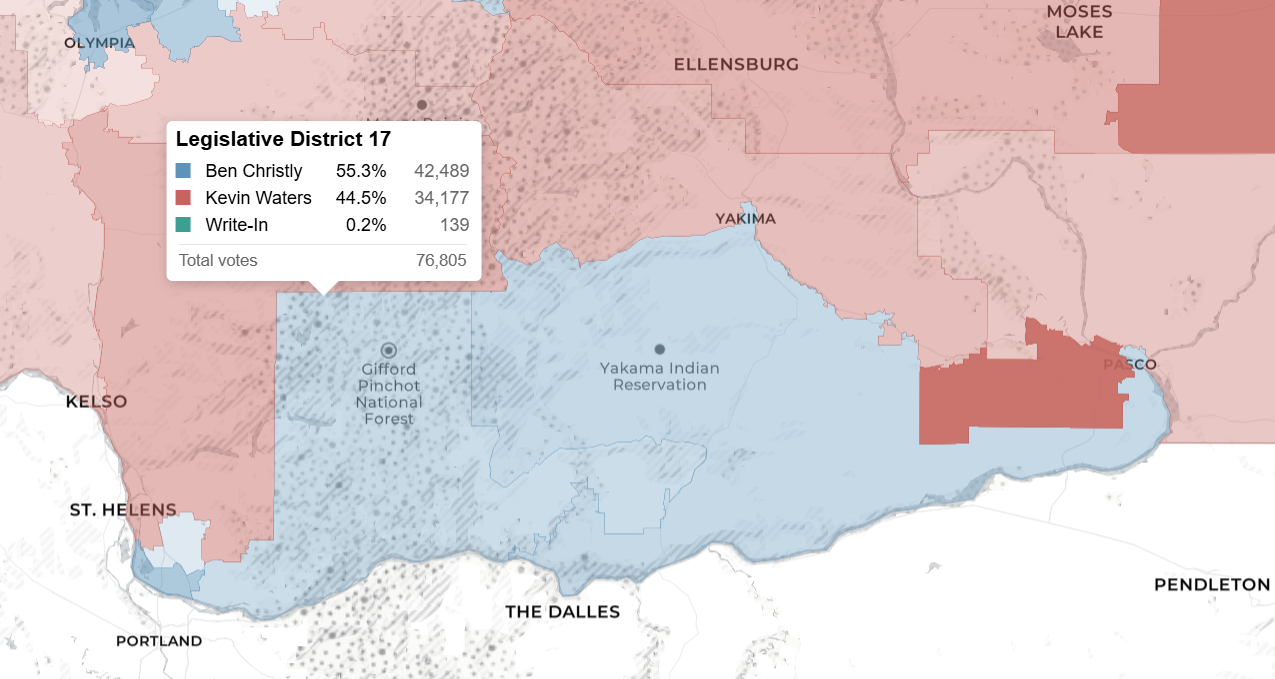
- LD17-1: Ben Christly
- LD17-2: Diana H. Perez
- LD18-1: Randi Knott
- LD18-2: Deken Letinich
- LD25-1: David Berg
- LD25-2: Jenn Marie Strickling
- LD26-2: Renee Hernandez Greenfield
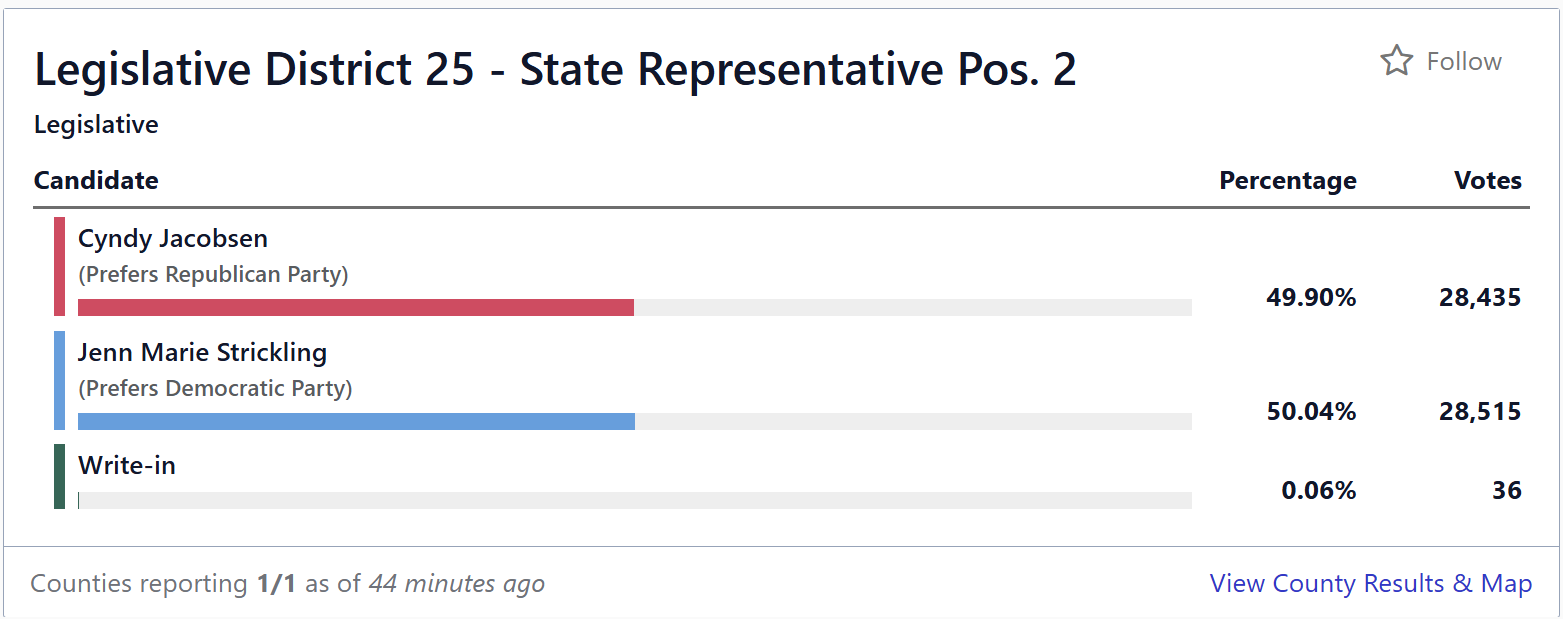
Jenn Marie Strickling was the last Democrat to surpass her challenger, passing incumbent Rep. Cyndy Jacobsen in the second week of counting. As of November 17, Strickling was leading by 80 votes, with very few votes remaining to count. Pierce County estimates just 10 remaining ballots to count countywide, as of Tuesday.
"We feel extremely confident these results will hold," Strickling told The Urbanist Tuesday. "The blue wave this year reached all the way into the 25th, but what we're seeing here is also the result of a grassroots effort that's been years in the making. It’s the product of neighbors coming together, building relationships, and refusing to give up on their community."
If the lead stays near 0.14 percentage points (below the one quarter of one percent threshold), this would be headed to a manual recount, which is unlikely to change the outcome.
Why Democrats were able to win 10 seats in the state House while gaining none was a bit a fluke of which senate seats were up for election this year. Since state senators get four-year terms, only half of the districts are up in each even-year election.
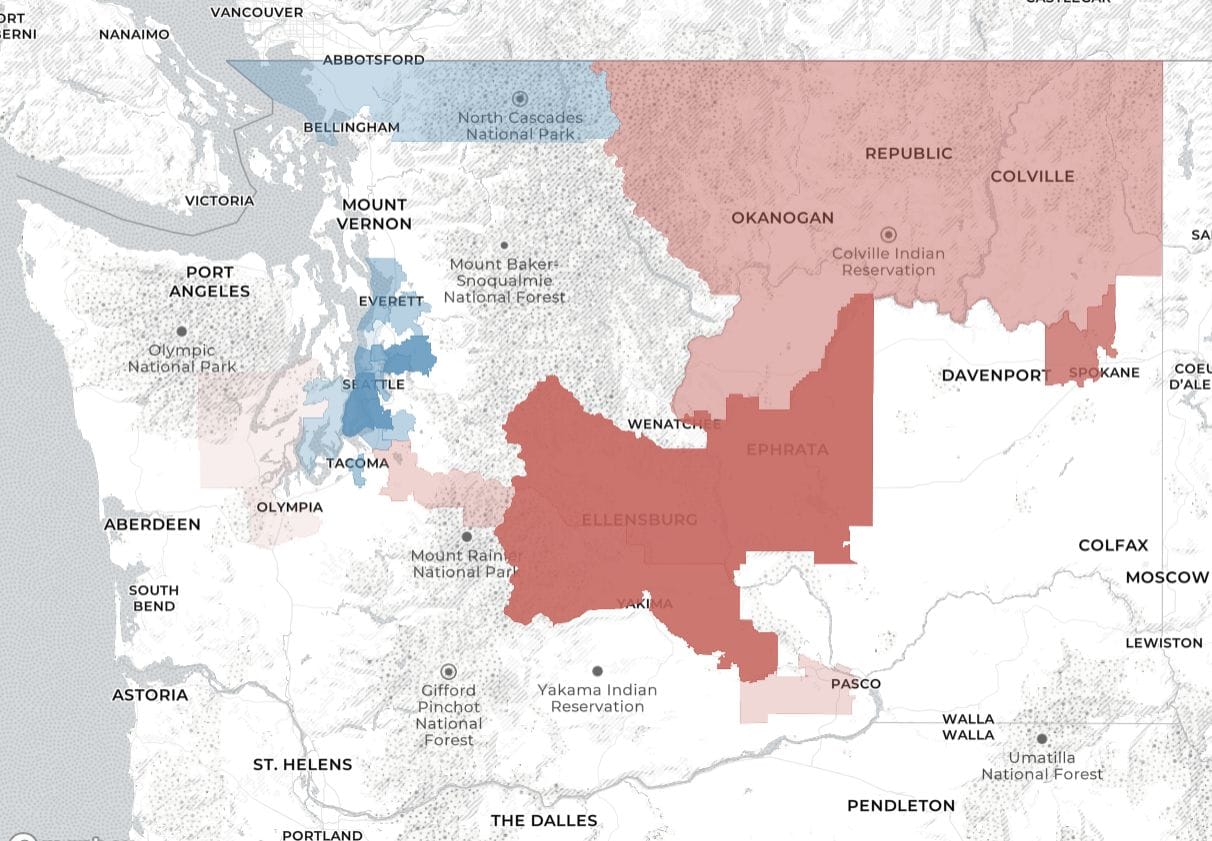
Democrats' biggest gains were achieved in Legislative District 14, 17, 18, and 25, where they flipped two house seats (barring Strickling's narrow lead reversing). In each of those districts no senate seats were up, but they will be in 2028.
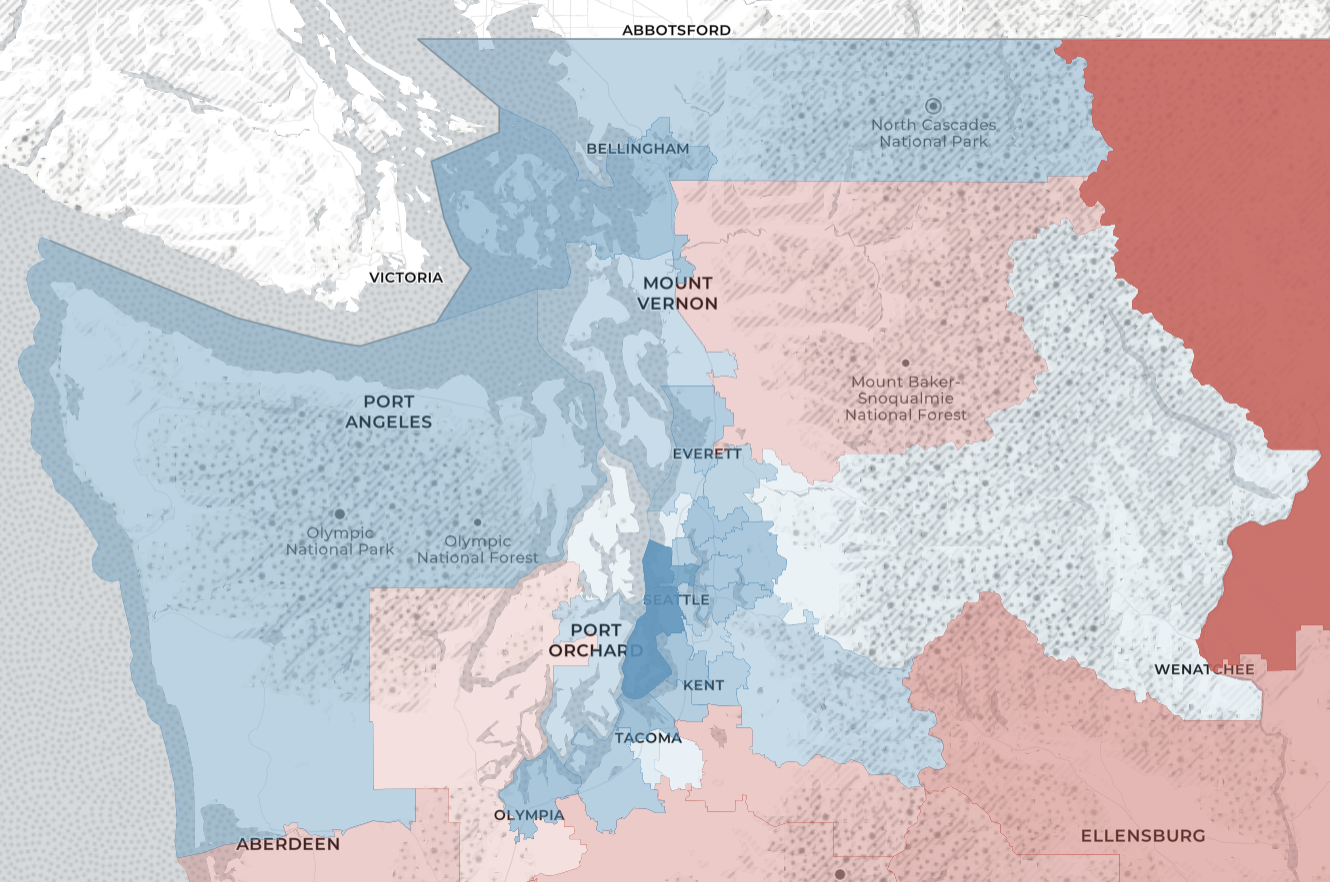
Vancouver Democrat Adrian Cortes already flipped the LD18 seat in 2024, which was an early sign that Clark County's political alignment was shifting. On the other hand, LD14, LD17, and LD25 Senate seats are held by Republicans and will be key pickup opportunities. The 2028 election will allow Democrats a chance to flip seats on the Senate side, and Republicans certainly will be pressed to hold them, given the steady erosion of their stronghold political territory.
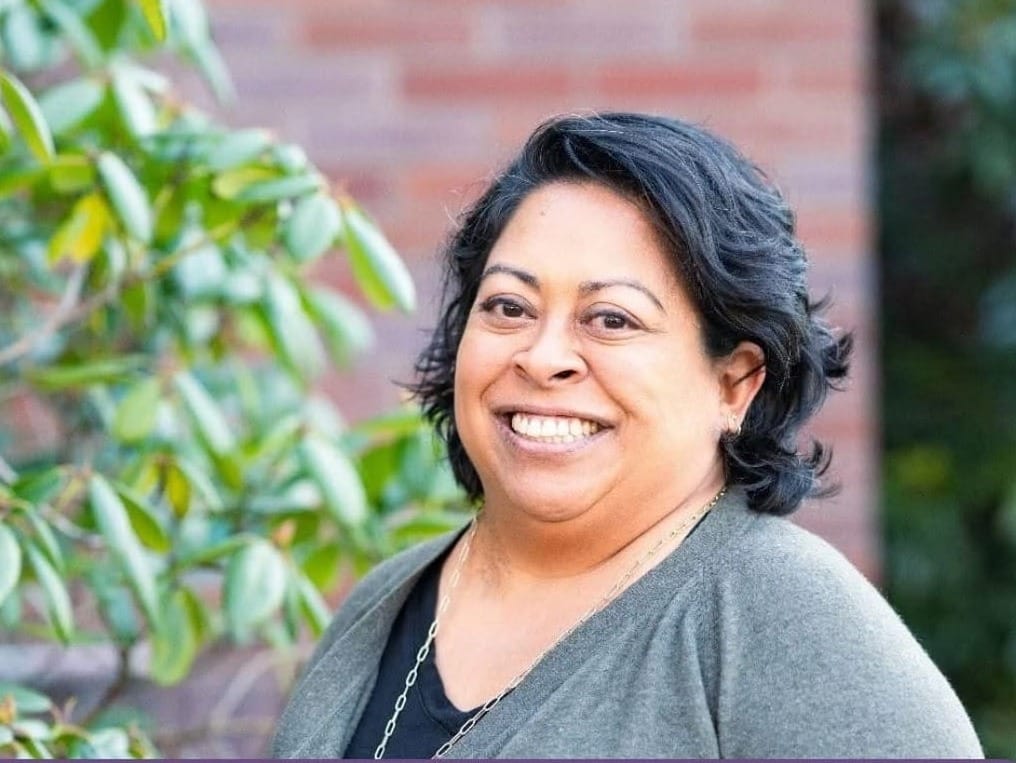
Willoughby's win also demonstrated that Democrats can win in LD12, providing another pickup opportunity. While the national mood played a big role, Democrats also smartly tailored attacks to their specific opponent in LD12, emphasizing Rep. Brian Burnett's personal ties to right-wing extremism. Opponents highlighted lawsuits against the sheriff’s office Burnett previously led and his ties to the ultra-conservative Grace City Church, which has aligned itself with Christian nationalism.
Former Republican strongholds like LD35 and LD39 also saw much closer races even as Republicans held on, suggesting they could be in play in another blue wave year, if that momentum continues.
Triumphant candidates point to focus on affordability
In shifting legislative districts, voters who were worried about the rising cost of housing, transportation, and other necessities appeared to give Democrats the edge. In addition to pointing to affordability, the incoming crop of candidates gave credit to campaigning hard, listening earnestly to voters, and pledging to boldly pursue solutions.
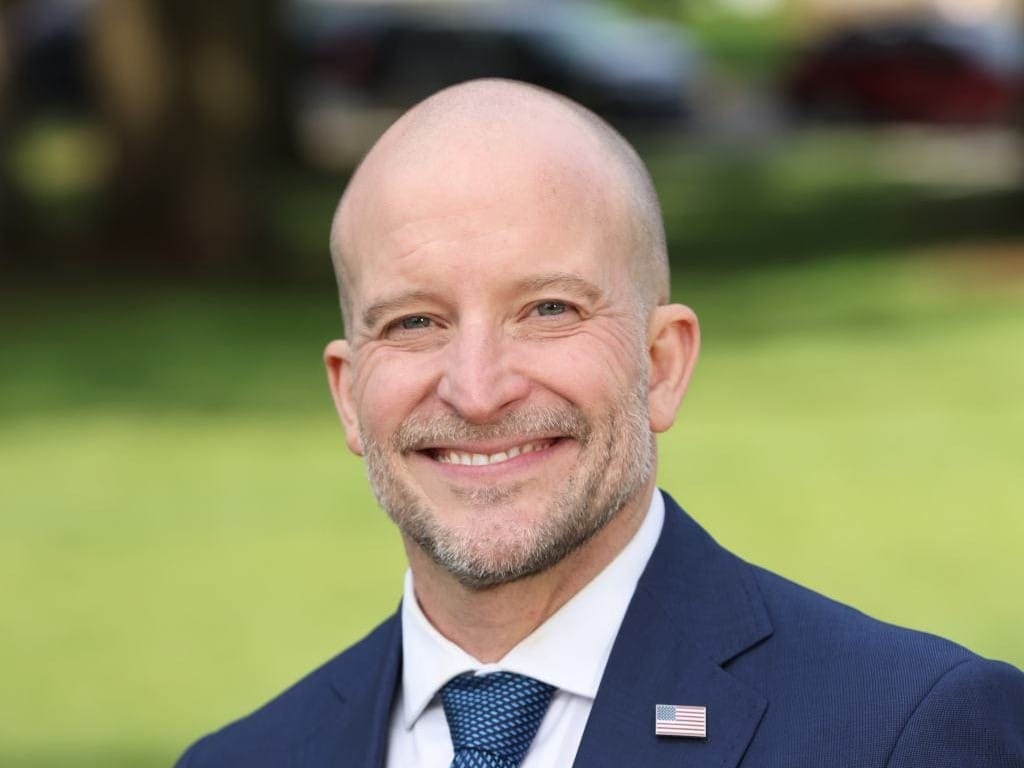
"I believe a significant part of our success came from showing up and having genuine conversations with people. We spent months knocking on doors, listening to concerns, and discussing the issues affecting families across the district," Christly told The Urbanist. "What I consistently heard was frustration over the rising cost of living, housing affordability, access to healthcare, and the challenges facing our schools and small businesses. Those concerns crossed political lines."
Campaigning hard, hitting the doors, and running as a slate appeared part of the recipe for success in LD25, too.
"This was a multi-year effort," Strickling said. "Together with my stellar running mate David Berg, our team made more than 26,000 door attempts and over 50,000 phone calls. Most of our support came from everyday people in a community that was hungry for change. Dark money PACs came after us, and we won anyway. At the doors we talked about rent, wages, schools and whether people's kids can afford to stay here. We built this infrastructure from the ground up, with grassroots support and community relationships that will be durable long into the future."
Like Christly, Strickling and Berg pointed to this restlessness in the electorate and desire for change.
"For me, this is personal," Strickling said. "I grew up in Orting. I've worked construction as a LiUNA laborer, built successful businesses, and organized with neighbors who were told nobody in power would listen. Folks here want a paycheck that covers the bills, a home they can afford to stay in, and a government that answers to them. That's what they voted for, and that's what I intend to fight for."
Along with living wages, Strickling pointed to housing as central to this fight.
"Keeping people in their homes comes first," Strickling said. "On the Pierce County Charter Review Commission I fought for protections for manufactured homeowners, many of them seniors and working families who did everything right and still faced losing homes they'd paid for. I'm taking that fight to Olympia for every homeowner and tenant in this district."
"I'm excited to bring a new kind of representation to the 25th LD," Berg told The Urbanist. "Voters want to be heard and want to be a part of finding solutions to the issues we're all facing. During the campaign I regularly heard from people who had never seen their legislators. Hearing their stories and continuing to engage with them will help me make better policies in Olympia."
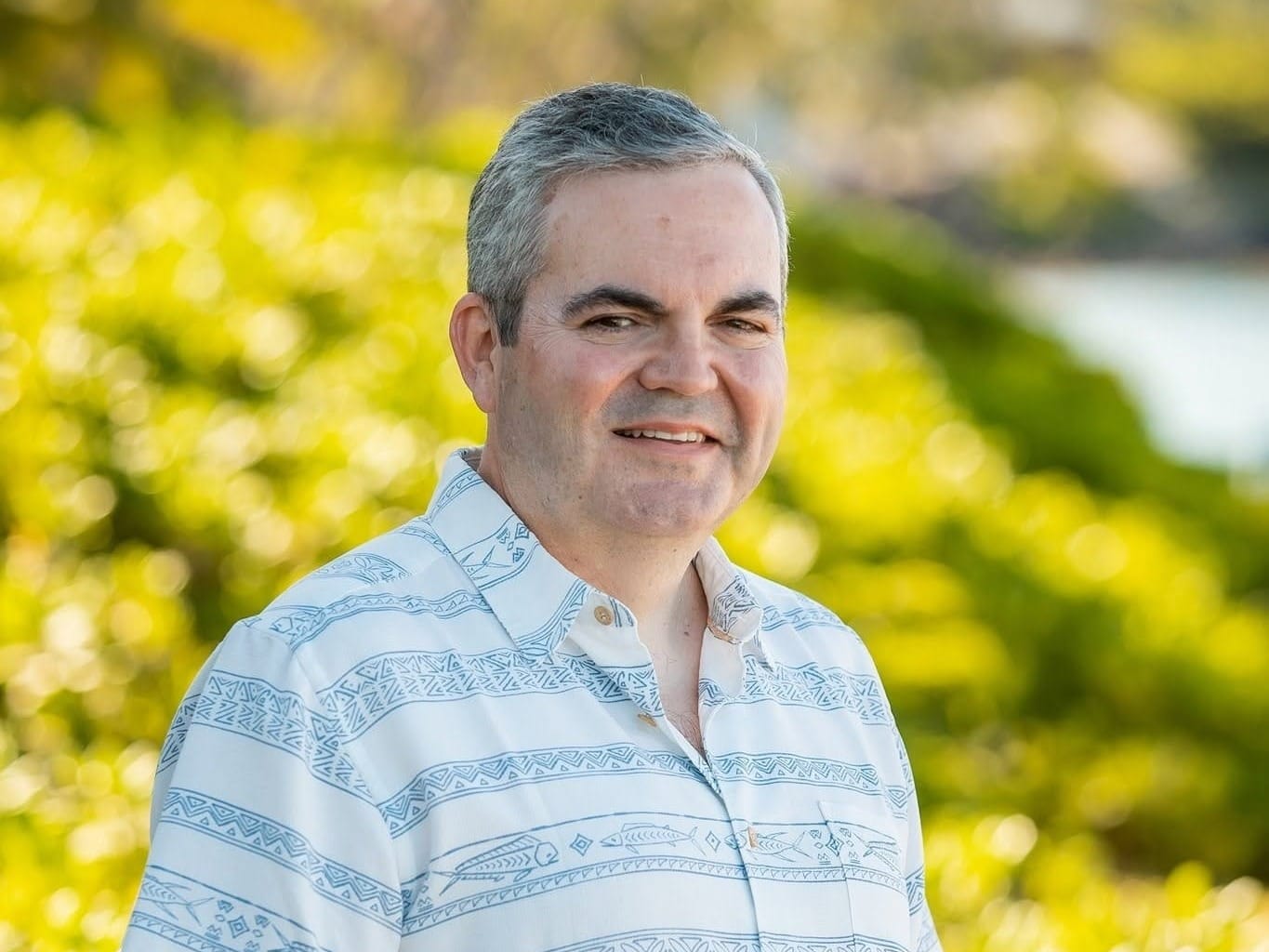
As a school board director, Berg said education would be a focus. Many successful candidates ran on fully funding schools and improving educational outcomes.
"I've been a long time advocate for public education and I'm looking forward to continuing that work. Voters also told me they are concerned about digital privacy and AI and the Legislature has an important role to play in addressing those concerns," Berg said. "I also heard repeatedly about affordability issues and utility costs. We can do more to help bring down rising costs and I'm excited to be a part of finding solutions for our families."
Likewise, the newly minted LD17 representative pointed to a determination to tackle affordability and strengthen the educational and health care systems.
"Affordability will be at the center of my work, particularly housing, healthcare, and the everyday costs affecting working families," Christly said. "I also want to focus on strengthening public education, supporting small businesses, expanding access to healthcare in our rural communities, and investing responsibly in infrastructure."
Like Berg, Christly pointed to a desire to transcend partisanship and work together across partisan lines.
"First and foremost, I'm incredibly grateful for the trust voters have placed in me," Christly told The Urbanist. "This election represents an opportunity to bring a different perspective to Olympia, one grounded in listening, practical problem-solving, and a willingness to work with people regardless of political affiliation. The 17th District is diverse, encompassing growing suburban communities, small towns, and rural areas, each with its own challenges. My responsibility now is to represent all of those communities, including the people who didn't vote for me."
What a supermajority makes possible
Democrats have a real shot at a supermajority. They have seats to spare in the state House, and four seats that they could flip in the Senate. If they hold their current seats and flip three, they will have a Senate supermajority to go with the House one.
A supermajority would be a huge chance to fundamentally shift state policy and institutions. For example, lawmakers would erase the highly dubious 1932 precedent the state Supreme Court set barring the progressive taxation of income, overruling state voters who had just passed an income tax. Other possibilities include enshrining reproductive rights or climate action in the state constitution, or paving the way for a land value tax.
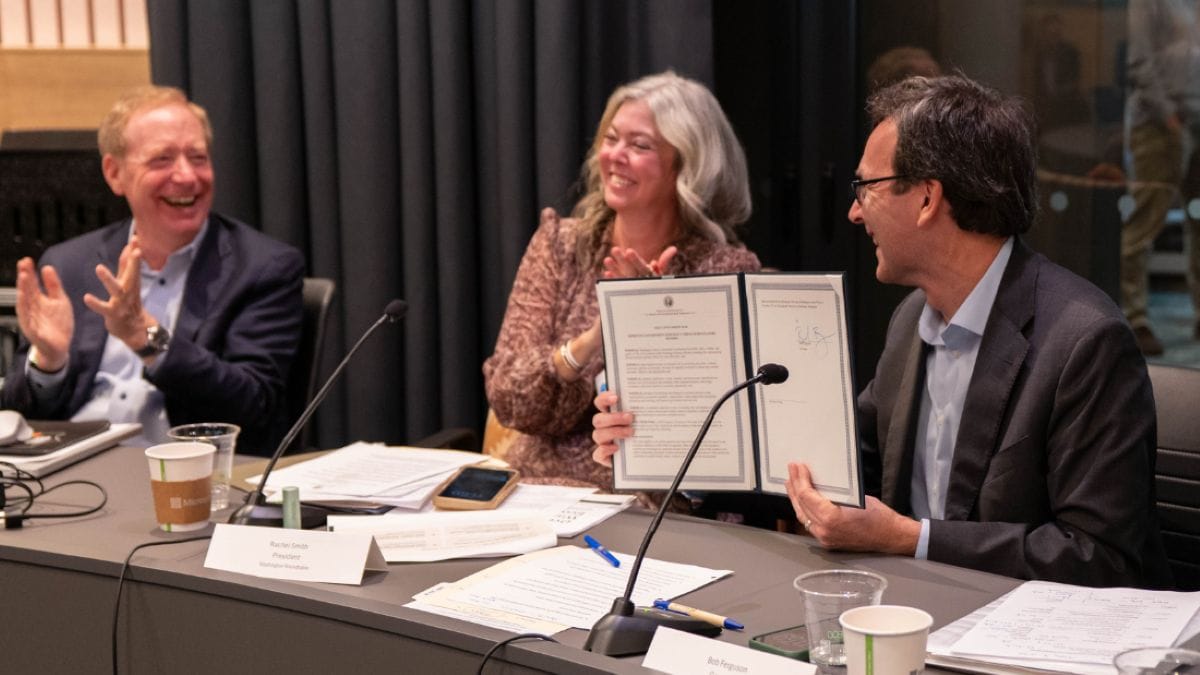
Short of a state constitution amendment, the ability to override a governor's veto could also give the Democratic caucus more leverage in negotiations with Governor Bob Ferguson, who has often used the threat of a veto to strongarm them and take more progressive policy ideas off the table.
While Ferguson's term is up in 2028, last month he reminded a room full of corporate leaders – some of whom has raised millions to begin running negative ads against the governor – that he plans on being governor for a long time. After Democrats ran the tables in the November election, Ferguson and the state's corporate elite quickly buried the hatchet, with the governor ordering a freeze on corporate regulations.
Strickling took a harder line than the governor in her comments to The Urbanist: "I want to put Big Tech in check so the biggest companies play by the same rules as our small businesses."
Progressive gain within Democratic caucus
Big business campaign spending in the state largely failed to bear fruit. Five of six races the Microsoft-backed Washington Needs to Compete political action committee (PAC) invested more than $1.7 million collectively went toward the more progressive candidate, rather than the conservative candidates the PAC was backing.
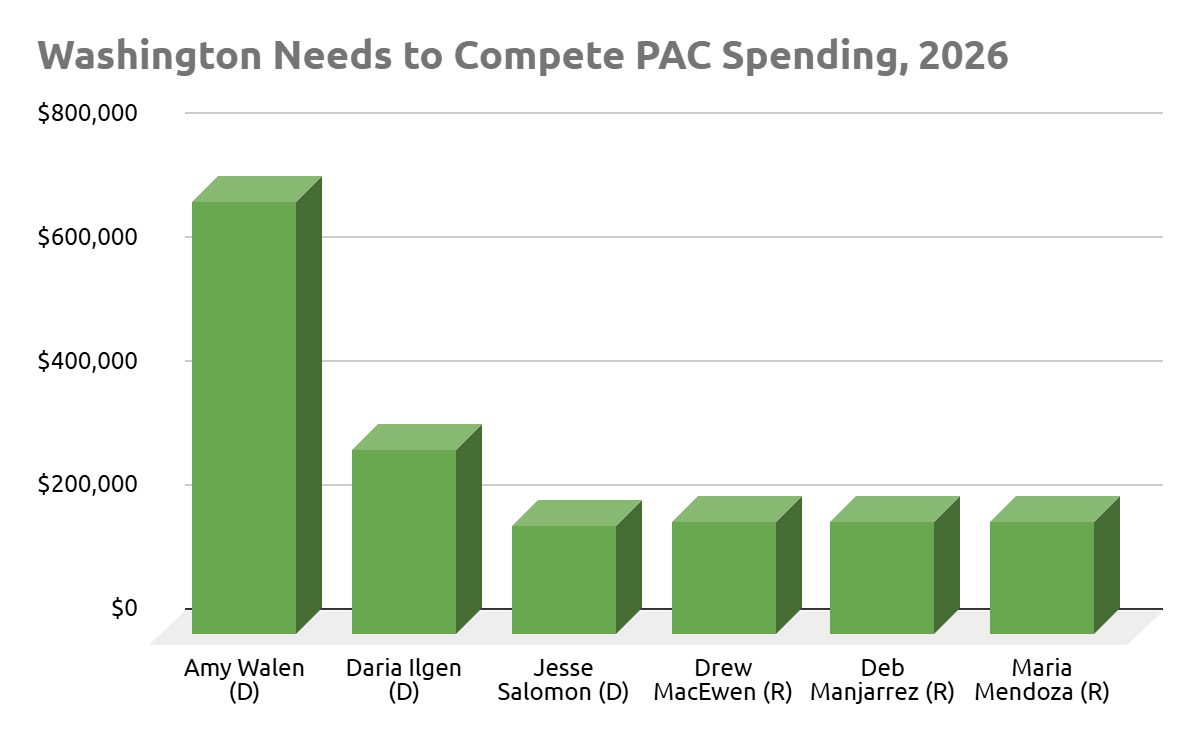
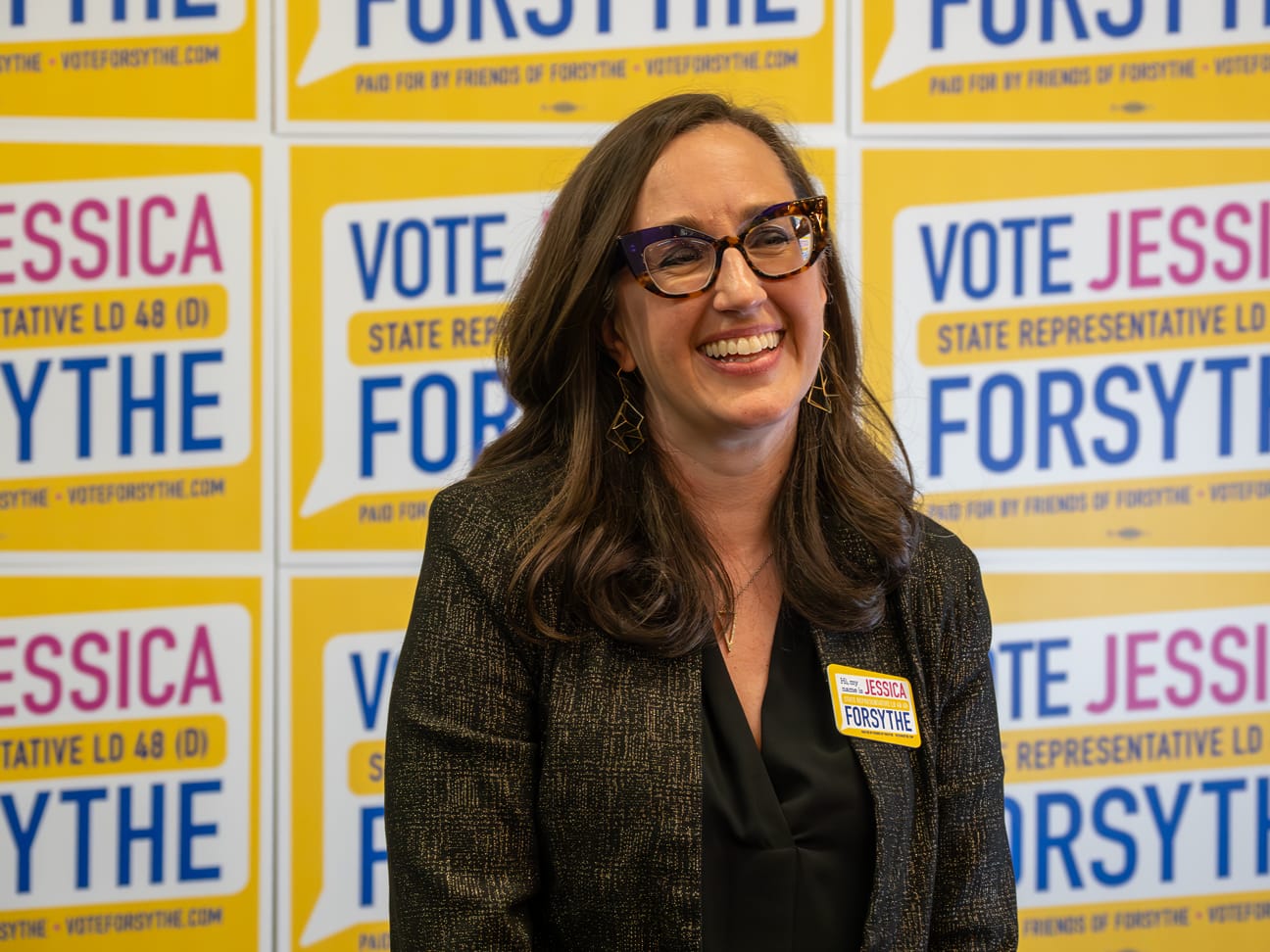
Three races where Urbanist-endorsed progressive challengers targeted conservative-leaning Democrat incumbents saw flips: Jessica Forsythe (LD48-2), Krista Perez (LD29-1), and Kelabe Tewolde (LD37-2). Forsythe prevailed even with conservative PACs spending more than a million dollars to attack her and prop up incumbent Rep. Amy Walen, one of only a handful of Democrats to oppose the millionaires tax.
In open seat races, progressives also made some inroads.
In LD29, Urbanist-endorsed Patrick Stickney prevailed in a close race with Tacoma Councilmember Joe Bushnell. These intra-party wins for progressives will shift the caucus to the left, with incumbent progressives also generally defending their seats, too, despite the corporate money thrown at dislodging them.
In LD32, Urbanist-endorsed candidate Danica Noble held off centrist Keith Scully, winning by three points.
In LD23, conservative megadonors threw a ton of money at unseating Urbanist-endorsed progressive incumbent Rep. Tarra Simmons (LD23-1), but came up short.
The 2026 result is a heartening sign that strong campaigns can overcome copious political spending from elite megadonors. On the other hand, frequently running an uphill race is not a great position to be in.
 Doug Trumm