State legislators who have been trying in vain for years to find a more sustainable funding source to replace Washington's waning gas tax are set to try a new tactic in 2027. House Transportation committee chair Jake Fey (D-27th, Tacoma) is gearing up to introduce a new "highway use fee" to help salvage a state transportation budget that continues to invest more in the expansion of the highway network than in the preservation and and maintenance of existing infrastructure.
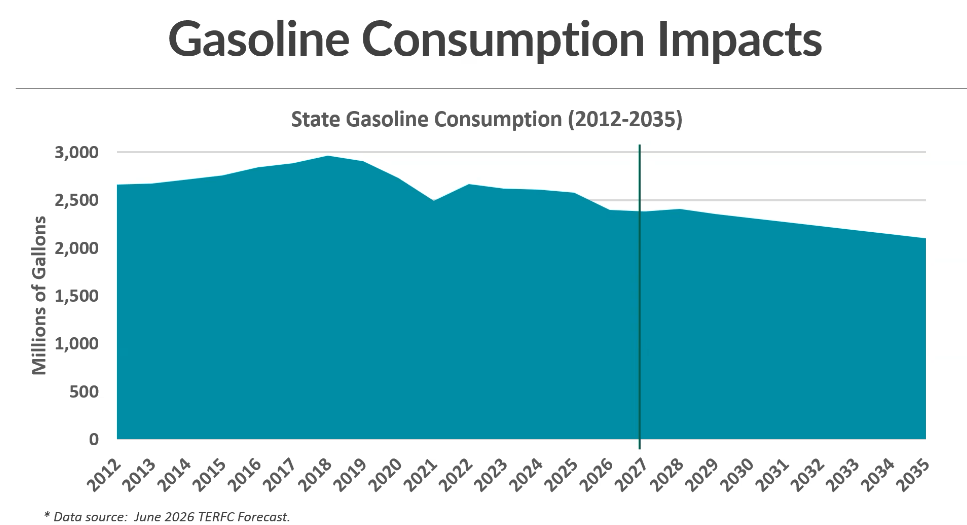
Thanks to increased fuel efficiency and some degree of compact urban planning, gasoline usage in Washington is never expected to return to a 2018 highwater mark again, with projections instead predicting a steady decline. Revenue from the state gas tax – currently set at 56.5 cents per gallon – is expected to decline in future years as well, even after a six-cent gas tax increase in 2025 that was paired with a future 2% annual inflation adjustment.
This fall, Rep. Fey has been holding a series of "listening sessions" with different groups around the state involved in transportation planning about the highway use fee, though the proposal has been floating around for some time. Lawmakers are expecting a bill to be filed in the lead up to the 2027 session, which begins January 11.
While some details are still being ironed out – hence the listening sessions – the broad contours of a highway use fee are clear. Drivers renewing their car tabs would be charged an additional fee if the published fuel economy standard of their vehicle falls above a certain level. The more fuel-efficient that vehicle is, the higher the fee. In Virginia, where the existing highway use fee is seen as the model for Washington State, that level is 25 miles per gallon. Only vehicles weighing 10,000 pounds or less are set to be covered, taking freight vehicles out of the equation.
Virginia's fees currently range from around $7 for a 25-mpg vehicle to approximately $75 for some of the most fuel-efficient hybrids. Right now, it's not clear whether or how Washington would adjust existing hybrid and electric vehicle fees, which are currently $225 for all vehicles with an electric range of at least 30 miles.
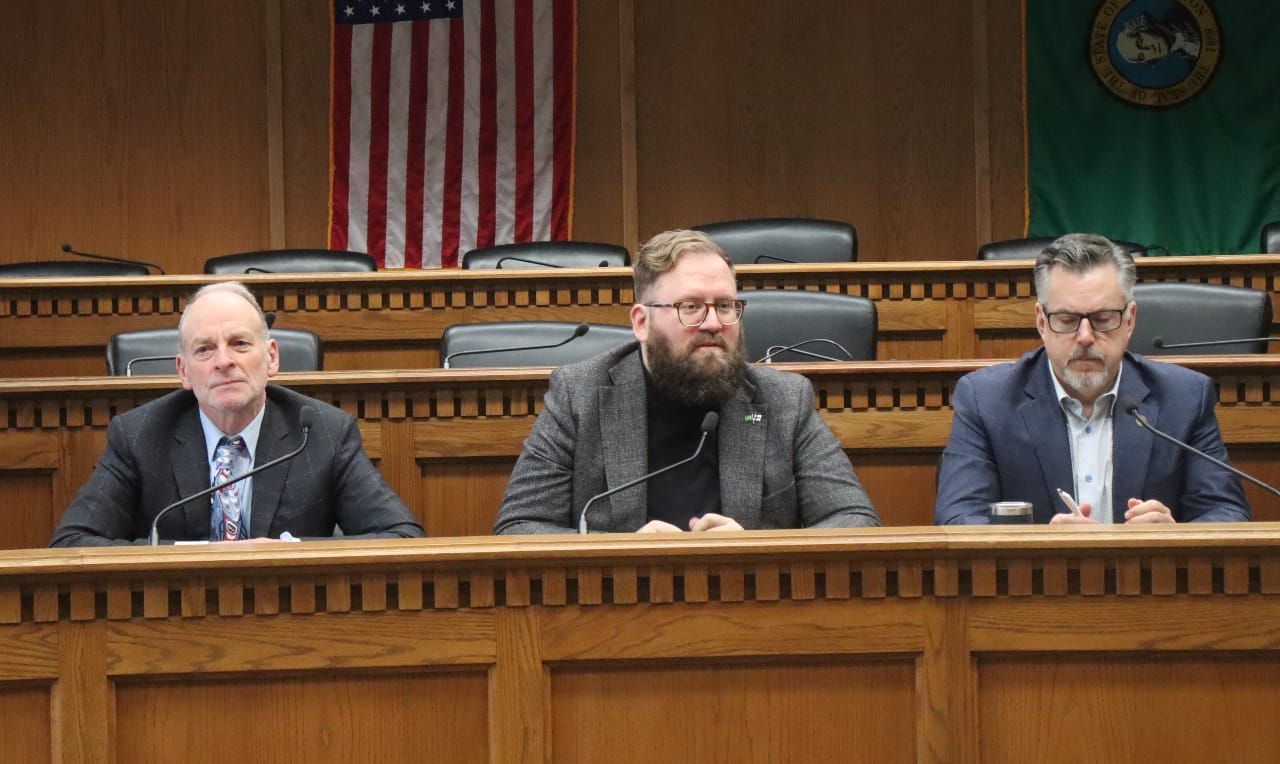
"I would call a bit of a modernization of our transportation system revenues," Fey said last week in a presentation at the Puget Sound Regional Council, speaking to local elected officials. "We are bound and have been utilizing user fees, whether it's tax on fuel or whether it's fees on vehicles, as our primary revenue source. We do have what one could call a highway use fee in terms of existing electric and hybrid [vehicle] fees, but we do still have a fuel tax revenue gap."
Fey noted he is planning to advance the highway use fee with the support of several other legislators including Rep. Julia Reed (D-36th, Queen Anne), vice chair of the House's transportation committee, and Senator Javier Valdez (D-46th, Northeast Seattle).
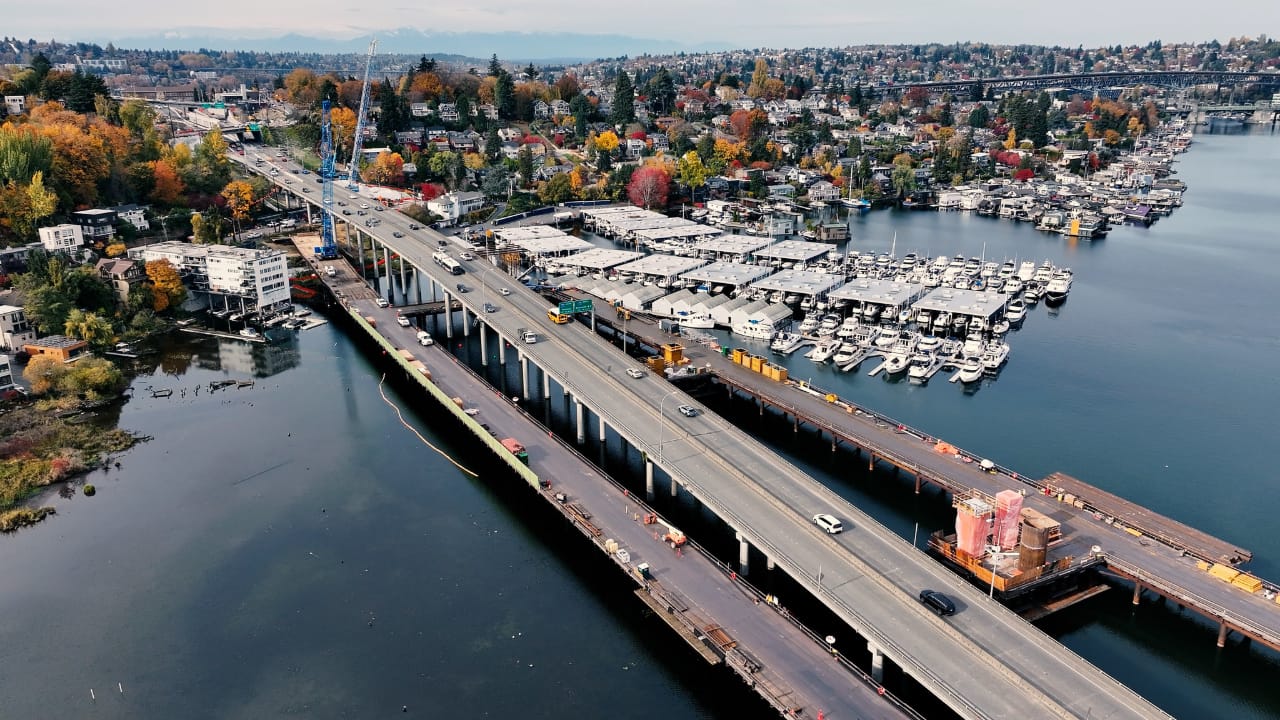
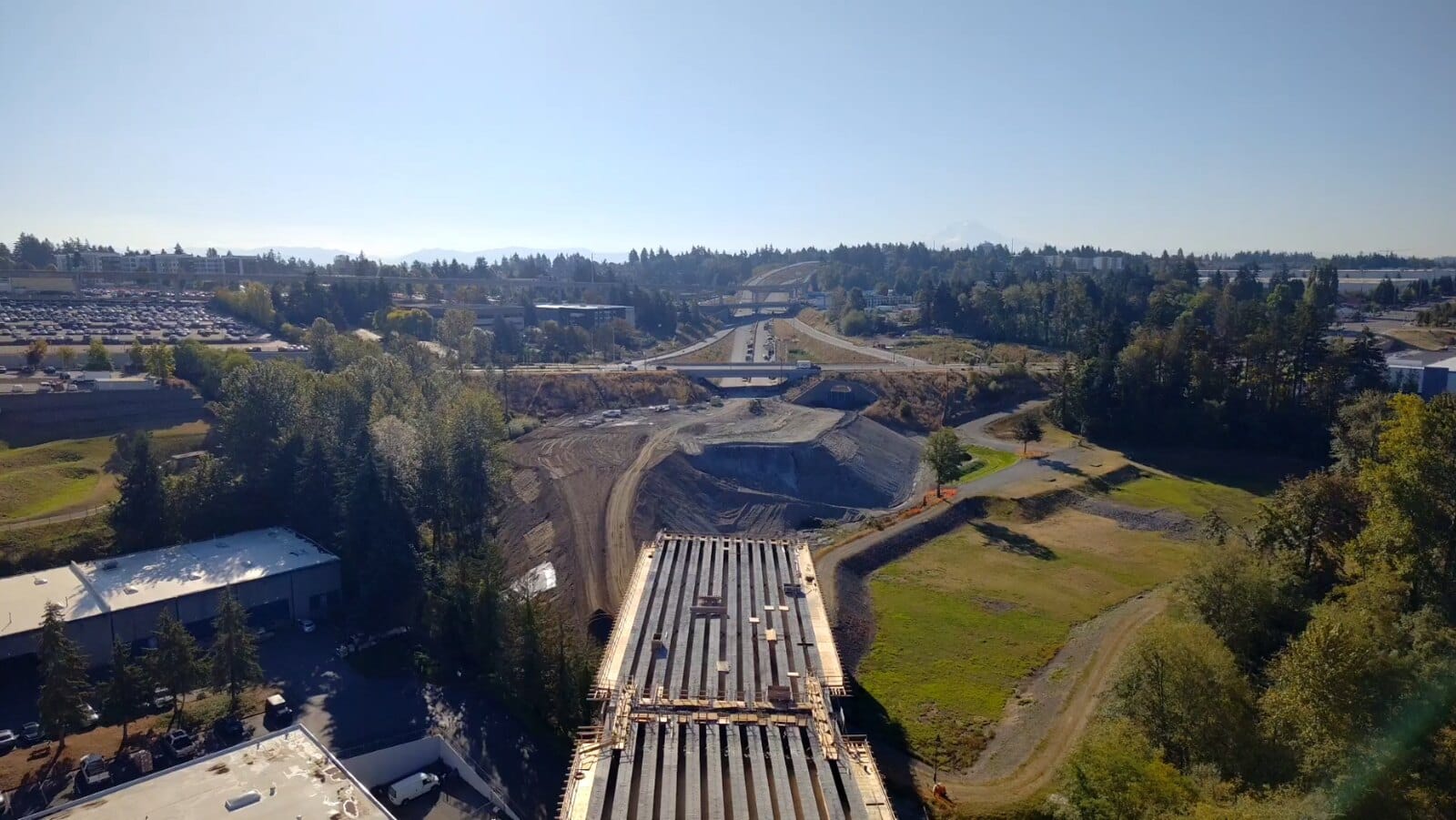
Though legislators turned to debt this year to balance the transportation budget, issuing $500 million in bonds to keep the 520 bridge replacement project on track in addition to $800 million for overdue bridge and highway upkeep, the work of transportation budget writers is expected to remain challenging. According to the state's Office of Financial Management, transportation revenues are currently expected to be $599 million lower through 2031 compared to the budget that was approved this past March.
In designing a program that charges drivers more for having fuel-efficient vehicles, Fey's proposal will likely not earn him much acclaim among environmental advocates looking to encourage electric vehicle adoption. But he framed his proposal as helping to make the question of who contributes to maintaining transportation infrastructure more fair.
"We've got people who are generally at the lower economic part of our economy that can't afford a new car, a fuel-efficient car for the most part, they're paying more in gas taxes than someone that can afford to buy a very highly efficient vehicle that would be unaffordable for many people," Fey said. "So this is trying to create a little bit more balance and fairness in terms of who pays into the system."
While likely still a heavy lift during a time of heavy scrutiny on additional taxes, the push for a highway use fee will represent a pivot away from a per-mile user fee that looked to be the primary path toward a long-term gas tax replacement. Concerns had been raised with the privacy impacts of creating a road usage charge on top of cost impacts, but it would have also been a significantly heavier lift for the state to stand up.
Fey said that unlike a per-mile road usage charge, a highway use fee could be in place by late 2028 if it were approved next year.
While more difficult to implement, a road usage charge would be fairer from the perspective of scaling fees to mileage, so drivers who rack up tons of miles on state roads pay their fair share, while people who drive sparingly get rewarded relative to their peers. In comparison, an annual highway use fee is a blunt instrument that does not create an incentive to drive less.
One major element of the behind-the-scenes wrangling to come will be how exactly revenues from a highway use fee get distributed. While the majority of gas tax revenue currently goes to the state transportation budget, slices of those dollars do get handed out to cities and counties dealing with transportation funding struggles of their own. Whether there should be some degree of local pass-through – a familiar discussion to anyone following the transportation funding debate at the King County Council earlier this year – will be hotly debated.
Ultimately, a highway use fee is not likely to generate revenue on par with the gas tax. Virginia's current system generates around $100 million per year, compared to the $1.5 billion per year that is generated by Washington's motor vehicle fuel tax.
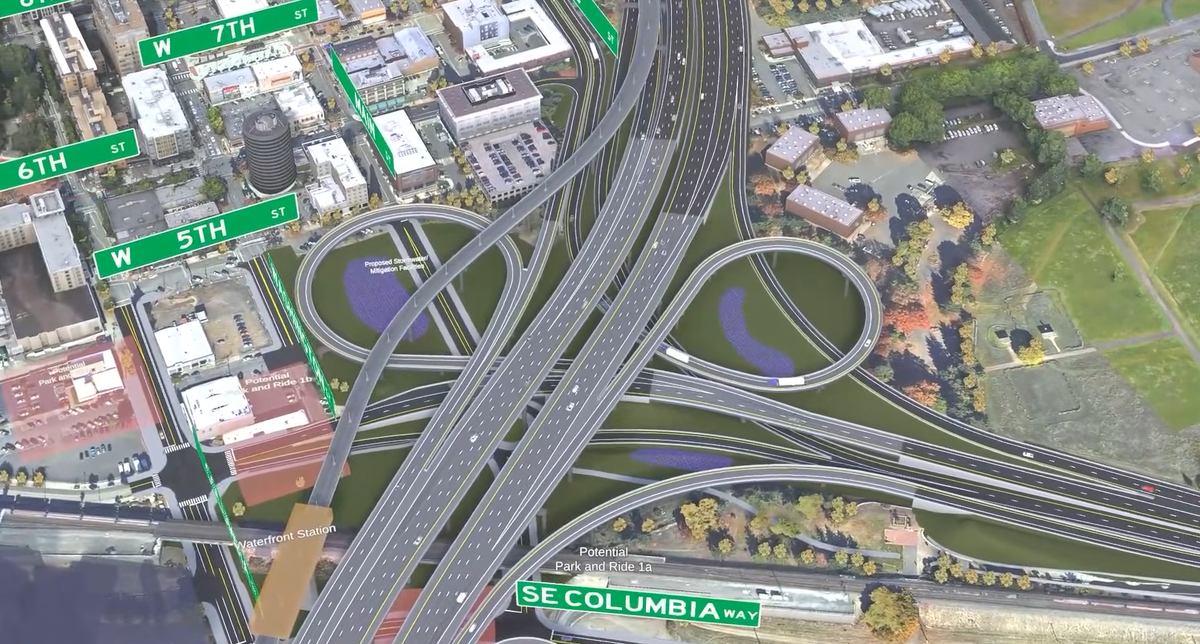
But it could act as a stopgap, giving lawmakers another tool as some major highway projects look to be coming down the pike, including the replacement of the westbound US 2 trestle in Everett and I-5 through the Nisqually Delta near Olympia. Of course, if state transportation revenue does continue to largely help to fund big-ticket highway projects at the expense of maintaining state and local transportation infrastructure, the legislature might end up in the exact same spot in just a few years, searching for new revenue tools that will enable them to keep pace.
 Ryan Packer
 Ryan Packer