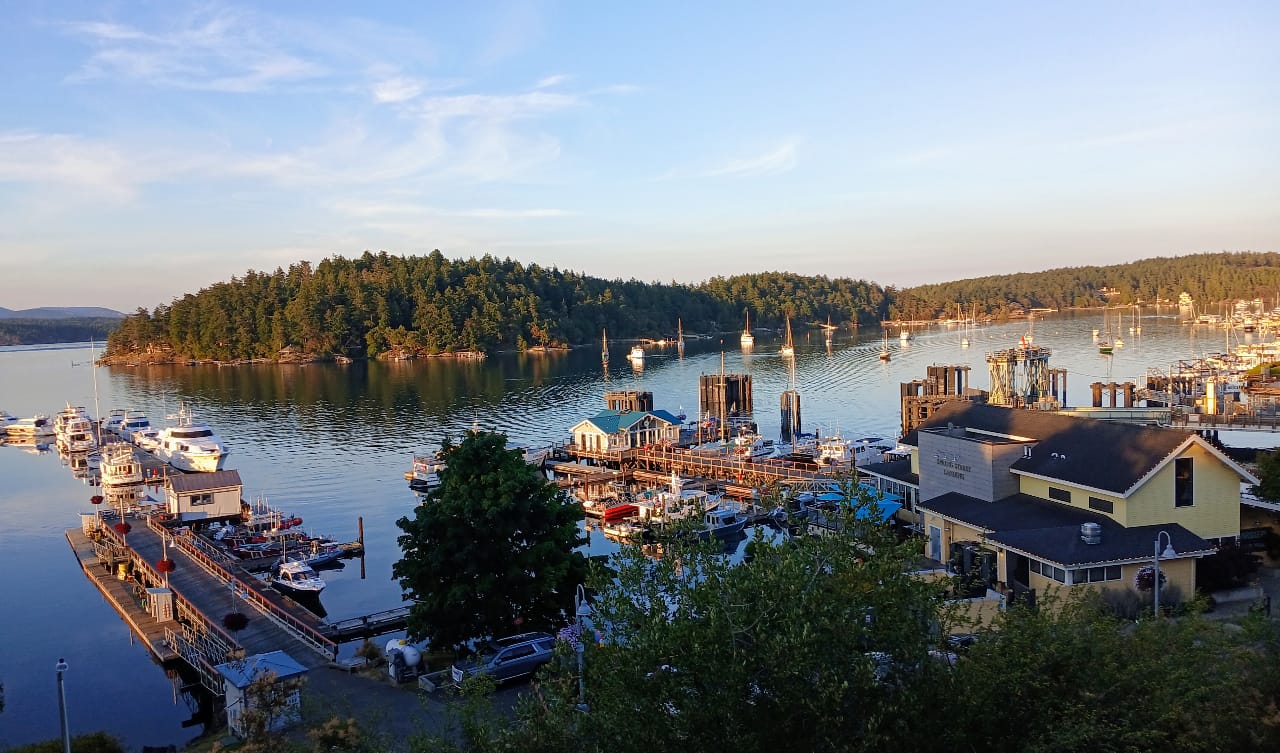
Washington's Commerce Department has released a list of five cities and towns that will see their housing growth plans subjected to additional state scrutiny next year, the second set of reviews planned under the 2025 Housing Accountability Act. Burlington, Friday Harbor, Mount Vernon, Oak Harbor, Washougal will go under the microscope, with city leaders given deadlines to make any updates to their local Comprehensive Plans with the goal of ensuring that development regulations intended to pave the way for more diverse housing types across a range of income levels are in place.
The 2027 cities are mostly clustered around the north end of Puget Sound, in counties that had a state-mandated December 31, 2025 deadline to overhaul their local Comprehensive Plans. All five cities faced that deadline and didn't meet it, either leaving Commerce out of the loop when it comes to updating their plan or submitting a draft plan that the state found to fall short in some way.
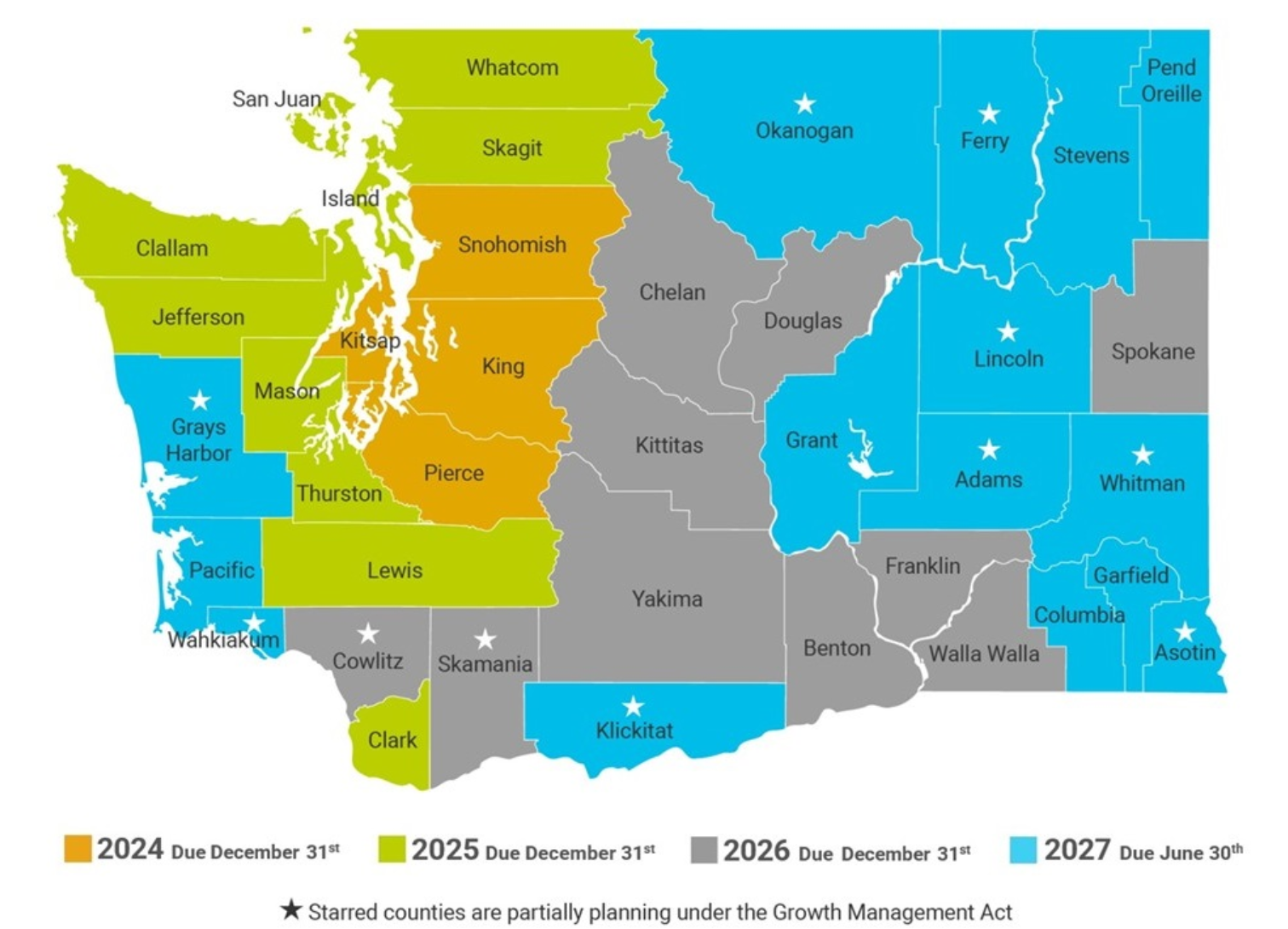
The Housing Accountability Act represents something of a sea change in local housing growth planning that cities are still getting used to. Prior to its implementation, the only way to challenge a Comprehensive Plan that looked to be out-of-compliance with state law was to file a challenge at the state's Growth Management Hearings Board, a case-by-case appeal process that usually fell on private groups like neighborhood organizations or the statewide land use advocacy non-profit Futurewise to pursue.
Though the Commerce Department is often tasked with providing recommendations on local development standards and zoning changes, there wasn't a mechanism available to hold cities and towns that went too far their own way accountable. With the Housing Accountability Act, cities and towns are given a compliance deadline to make essential changes and if those aren't enacted, the so-called Builder's Remedy goes into effect – with local permit departments unable to deny building permits for residential projects that meet certain affordability requirements, regardless of the underlying zoning. Theoretically, that could mean skyscrapers in areas of the city that aren't used to dense housing.
Commerce is still in the middle of its 2026 "selected review" process, with zoning changes already adopted in three of the eight jurisdictions that made the list this year. So far, only Carnation has gotten to the stage of approving a final plan that is still being reviewed by Commerce, with Bainbridge Island and the 300-resident town of Beaux Arts Village both adopting interim regulations that provide additional time to adopt permanent changes down the road.
Next week, the City of DuPont, tucked into South Pierce County near Joint Base Lewis-McChord, is poised to be the first city to actually trigger the Builder's Remedy. Despite a timeline that doesn't call for adoption of potential changes to the city's Comprehensive Plan until early next year, DuPont has not requested an extension from Commerce that would prevent the Builder's Remedy from taking effect.
Though many of the jurisdictions that have been subjected to review so far have been relatively small, the impact is adding up. By the end of the second year, Commerce is on track to have reviewed cities and towns accounting for approximately 144,000 residents, more people than live in Washington's sixth largest city of Kent.
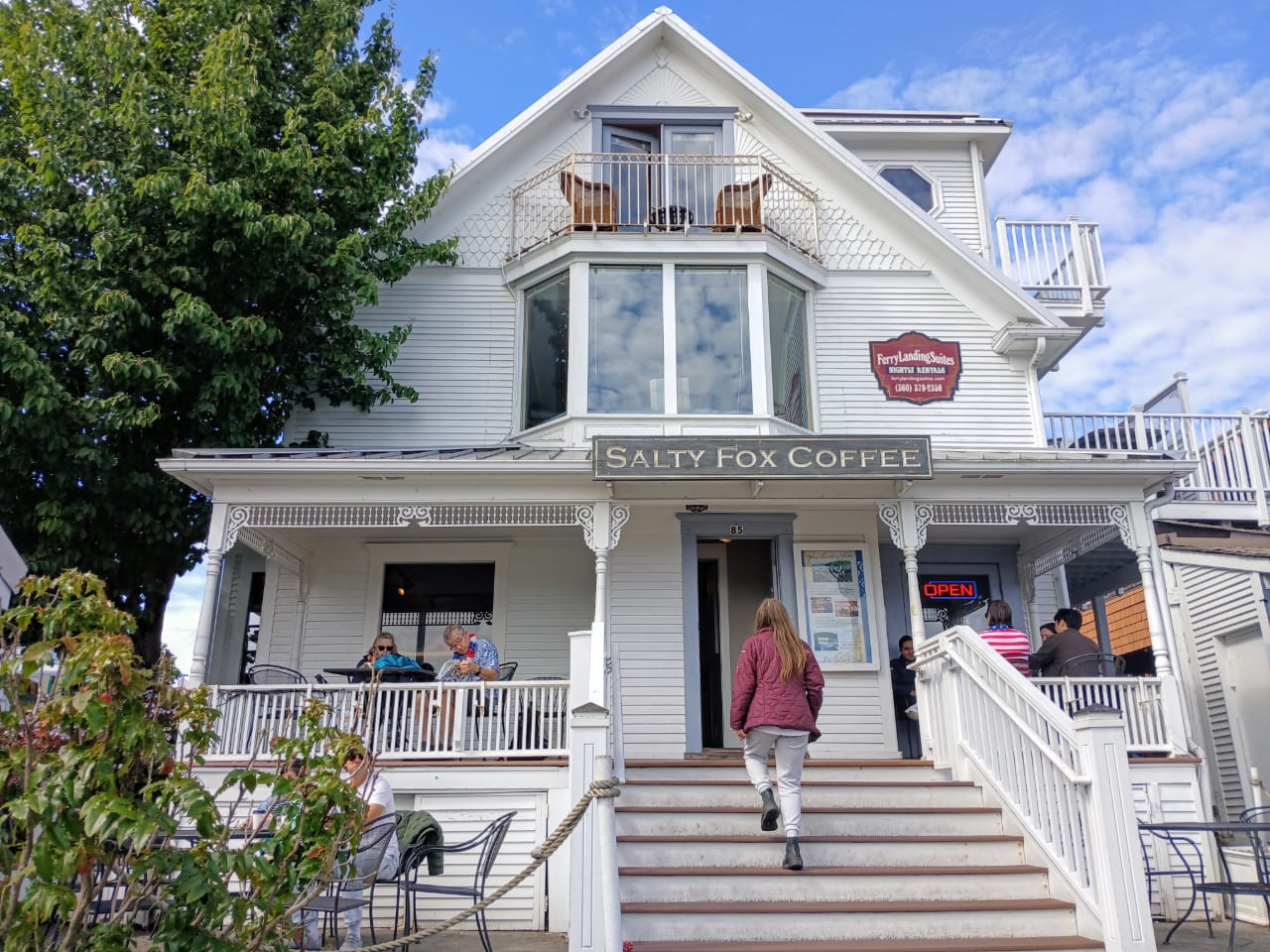
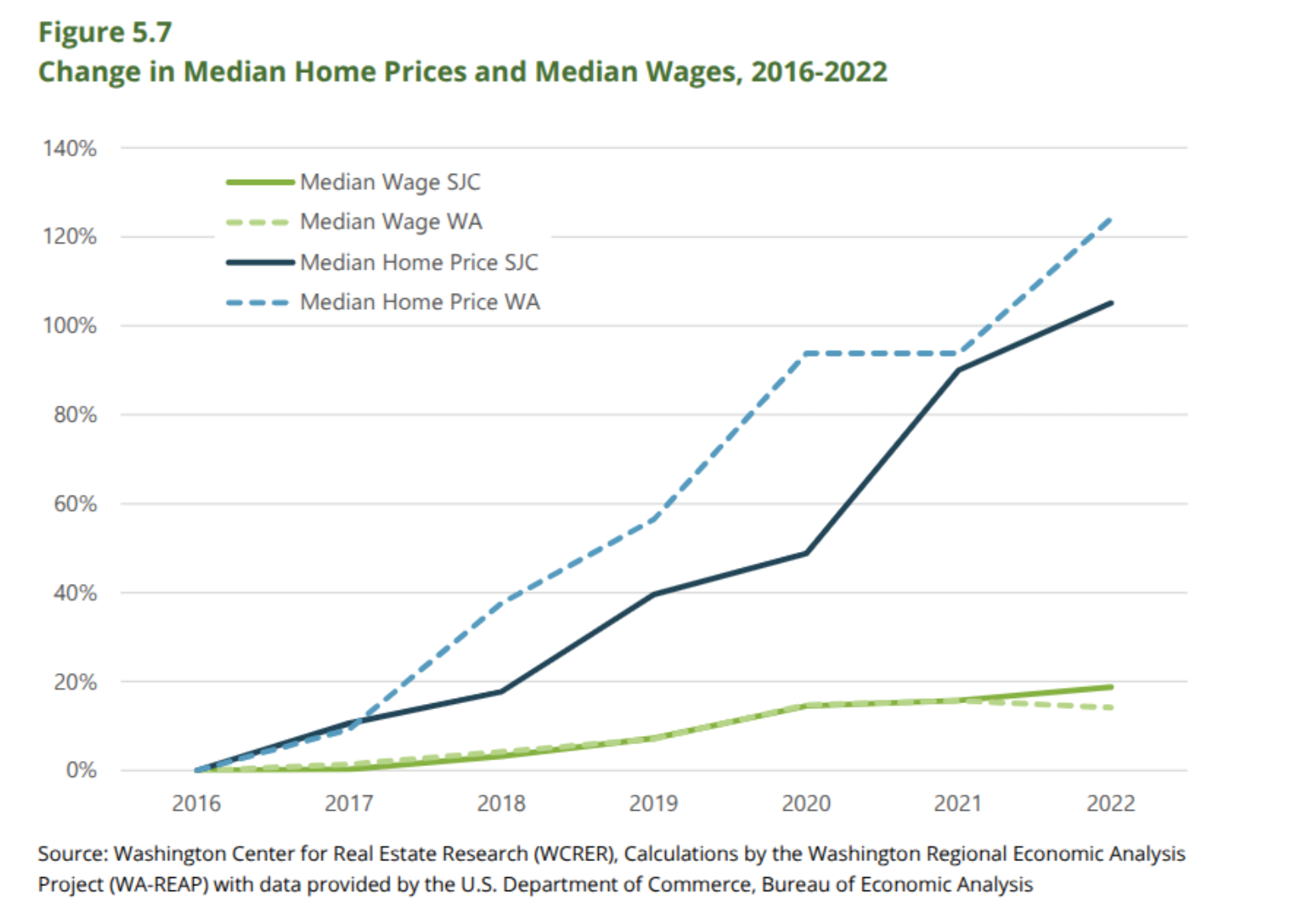
In turning its attention to Friday Harbor, Commerce will be jumping into the fray when it comes to one of the state's thorniest housing crises. As a tourist-oriented city with a high rate of seasonal housing, housing in Friday Harbor is regularly out-of-reach of the workers that the local economy relies on. Housing prices within San Juan County rose more than 100% between 2016 and 2022, far faster than median wages could ever compete with.
Despite increased demand for units in Friday Harbor, projects proposed in the city often turn highly contentious. Last year, a 49-unit development near Friday Harbor elementary school drew significant opposition, despite the inclusion of eight units of workforce housing in the project. The concerns raised included increased traffic, traffic safety impacts, and a lack of overall infrastructure, but the common denominator was the idea that Friday Harbor can't handle more population density.
Amanda Lynn, Executive Director of the San Juan Community Home Trust, offered an overall view of housing growth on San Juan Island, in an interview with the The Journal of the San Juans about that specific project.
“Every time you add a housing unit on this island, that requires infrastructure, that requires community resources like fire, police, school, anything you can think of,” Lynn explained. “Every housing unit requires these things. So there’s always a balance beyond even just thinking about the ecosystem balance of the island itself.”
A state review under the Housing Accountability Act won't be able to fully solve Friday Harbor's housing crisis, of course. But it will likely ensure that barriers that stand in the way of housing production that aren't aligned with state law don't stay in place, adding clear repercussions if they do.
As these reviews continue to ramp up, pushback from local elected officials is another thing to watch for. As Beaux Arts Village councilmembers took their vote on interim development regulations last month, they also vowed to push for legislative changes that would modify the Housing Accountability Act to be less impactful on them. So far, what exactly it would look like to water down the legislation hasn't become clear, but as larger cities start to get subjected to that review, the political pressure could ramp up.
For now, however, the Housing Accountability Act does appear to be having its intended impact, slowly bringing along jurisdictions that otherwise would be lagging when it comes to legalizing housing, one by one.
 Ryan Packer