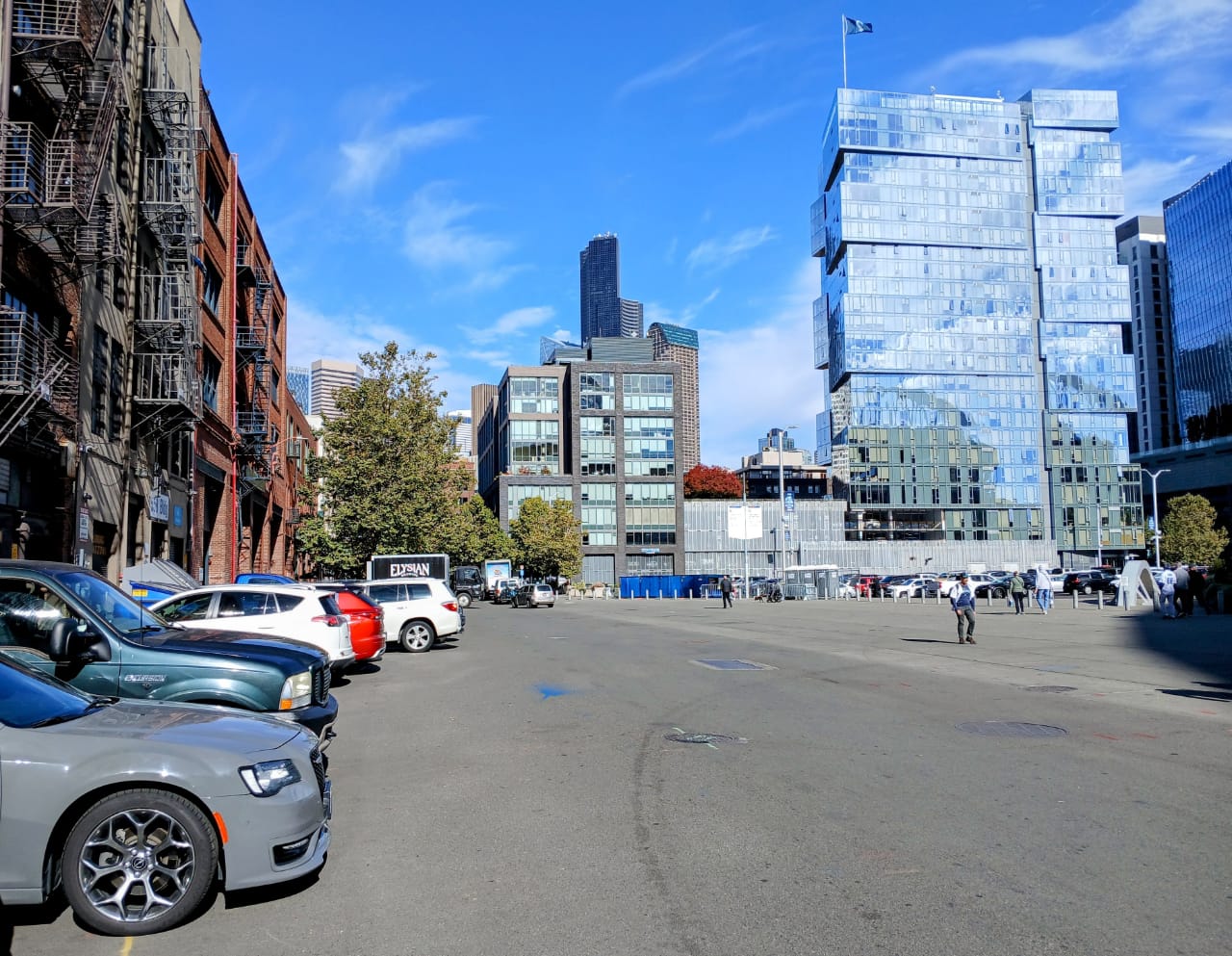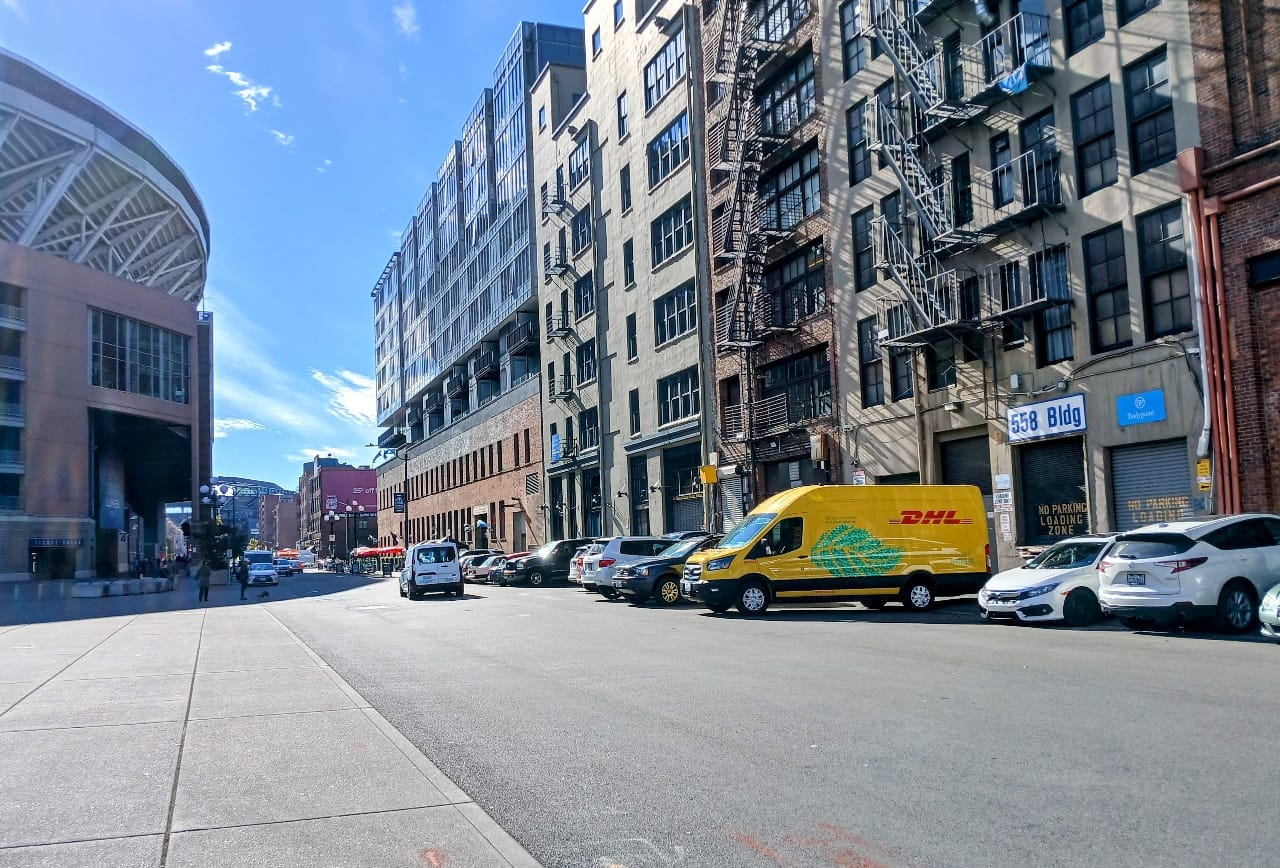
A street transformation is coming to the Stadium District's front porch, with plans advancing for "tactical urbanism" along Occidental Avenue South near Lumen Field and T-Mobile Park. The quick-build changes tabbed for mid-2027 are intended to test a longer-term vision for a corridor that gets heavy usage on event days and is often trying to serve multiple different types of street users.
The Occidental Promenade is set to be the most visible product of Seattle's new People Streets and Public Spaces program, funded by the 2024 Seattle Transportation Levy.
Former Mayor Bruce Harrell directly inserted the promenade into his levy proposal, with support of stadium boosters including Seahawks chief operating officer David Young. The idea grew out of earlier efforts to improve Occidental Avenue, including a stadium district study that developed a streetscape plan in 2015, concepts that were ultimately put on a shelf to collect dust.
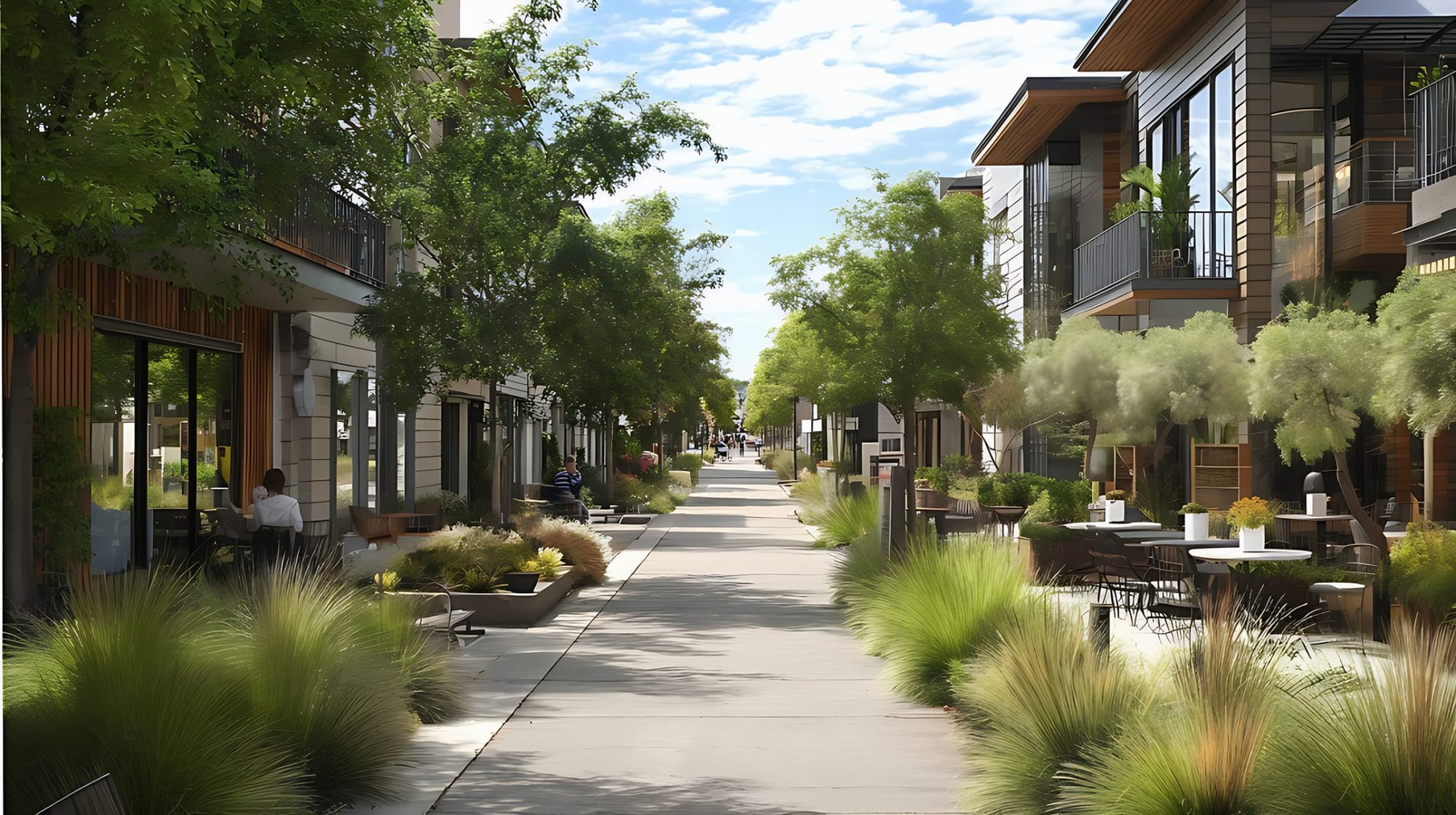
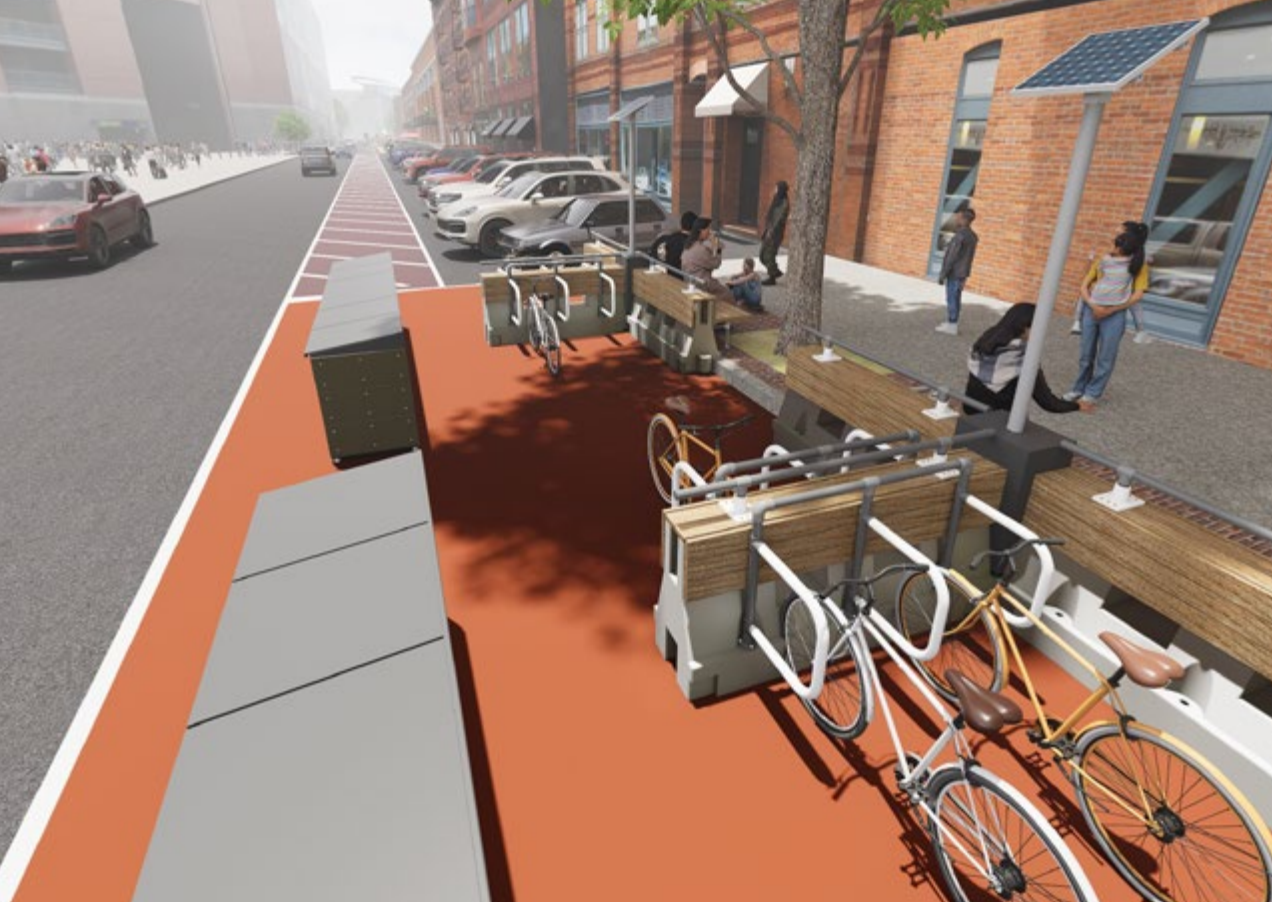
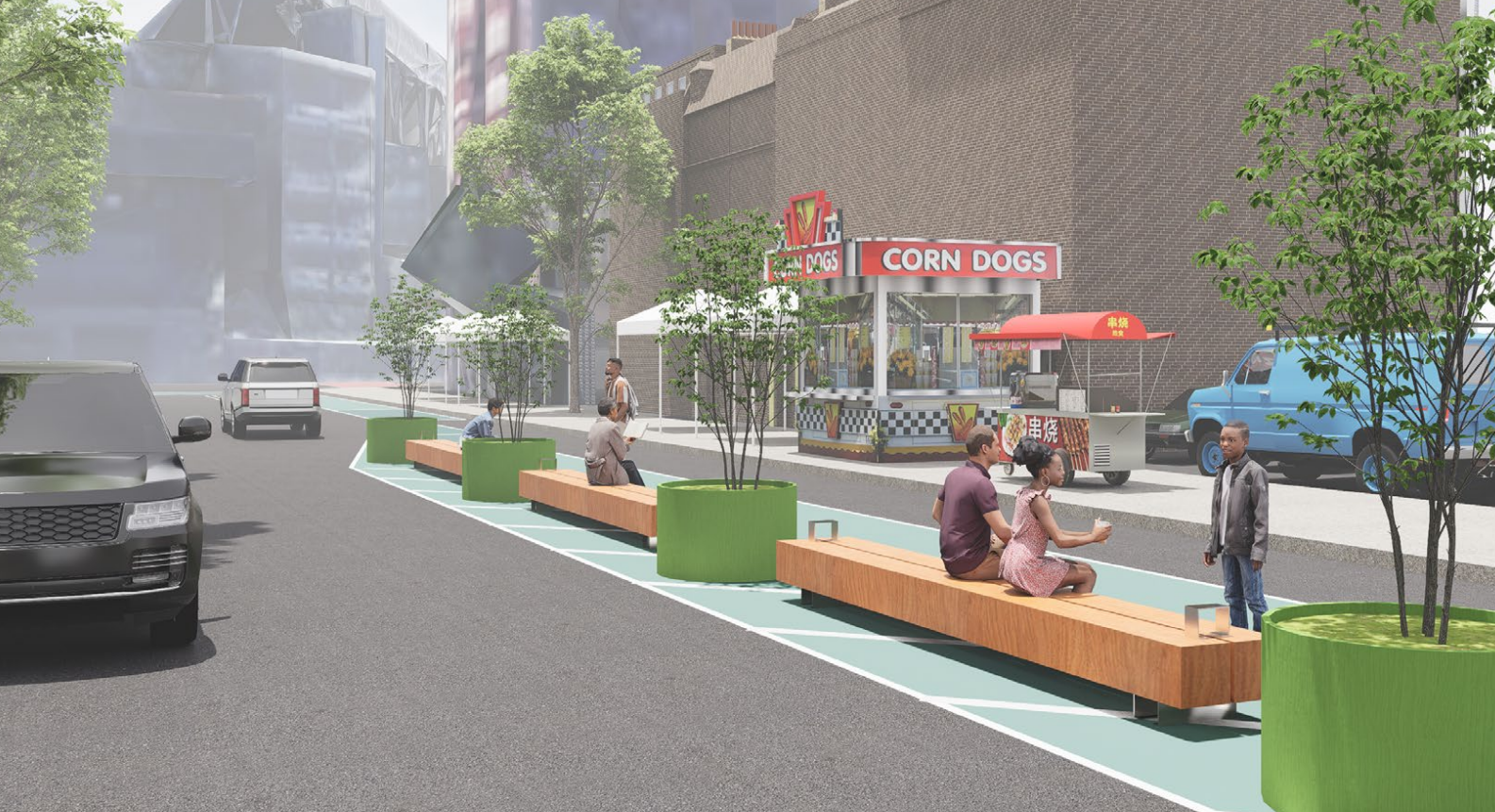
Final plans for the "near term" upgrades presented last week to Pioneer Square's Preservation District Board for approval show include chicanes, planters, street seating and micromobility corrals intended to carve out space along the wide street for pedestrian use. With the chicanes in place, the hope is for calmer traffic as drivers are prevented from picking up speed along a straight route of travel.
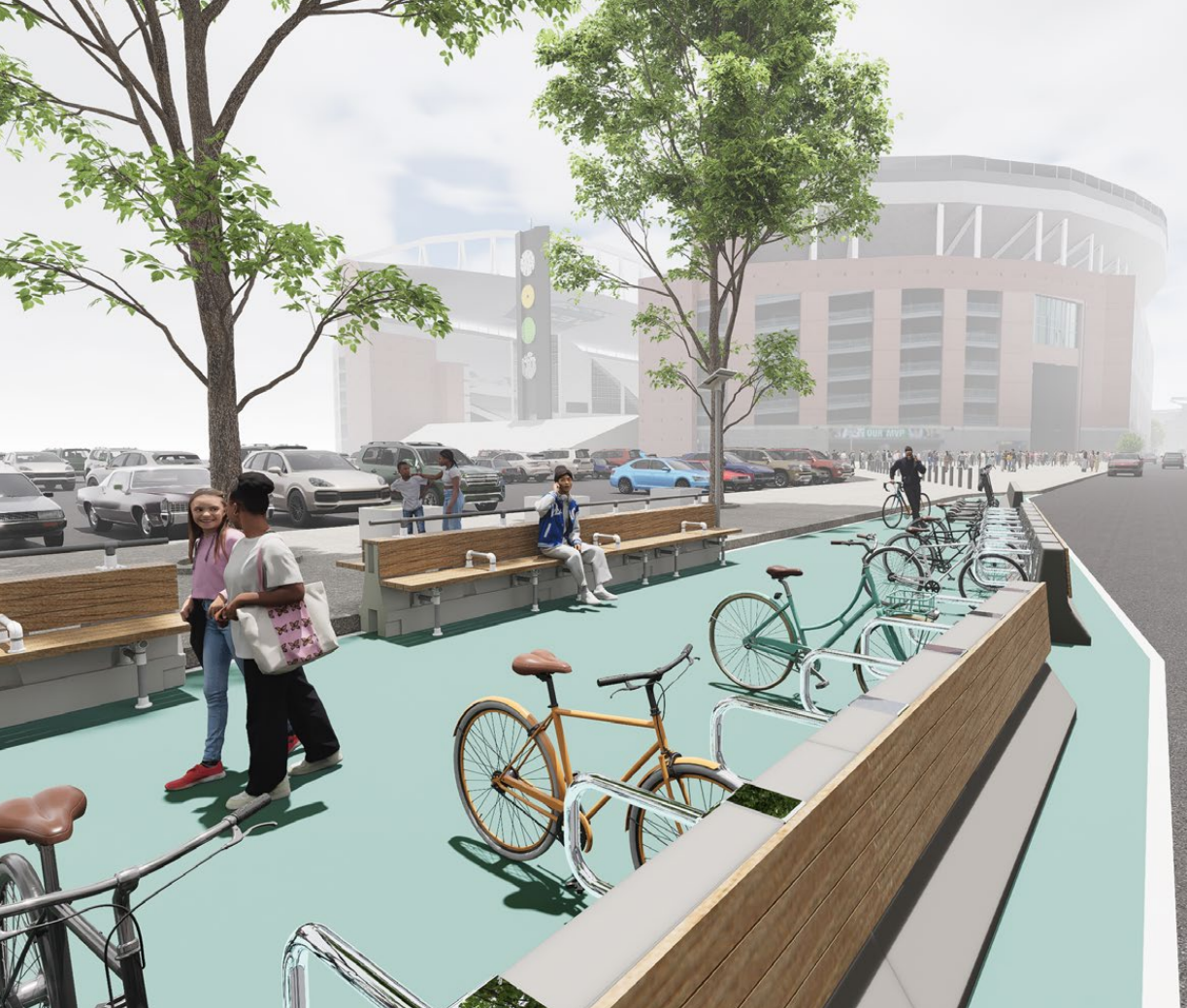
In a departure from most standard transportation projects, the Occidental Promenade is being managed by the Seattle Parks Foundation, in coordination with the Pioneer Square Alliance. The Seattle Department of Transportation (SDOT) will handle the design work. The Parks Foundation, a private non-profit organization that often bridges the gap between the City of Seattle and neighborhood groups interested in improving their park spaces, describes the promenade project as enabling a more "vibrant stadium district, providing street amenities and flexibility for the various users and venues."
The foundation also outlines a goal of better managing vending along the street. A future vending pilot program is expected to come back for separate approval at a later date.
"I would suggest it's probably the most hardworking street in downtown. We've got freight loading and unloading for the stadiums, which can range from, on a Taylor Swift concert, upwards of 20 to 25 semi trailers," said Jessa Timmer, Deputy Director at the Alliance for Pioneer Square, told the preservation board. "We've got pedestrian folks – during World Cup, we had, I don't even know how many, 150,000 to 200,000 pedestrians coming through Pioneer Square and this corridor. We've got back of house for many restaurants and businesses, sometimes front of house for those businesses."
"It's really a wide-ranging kind of ecosystem that's back here," Timmer said.
The improvements planned largely reinforce that ecosystem. The back-angle parking found across the street from Lumen Field will be retained, with a delineated walking path connecting the new nodes of pedestrian activity. Those paths will be most likely to be used on event days, creating a more orderly dispersal of pedestrian traffic when crowds are at their biggest.
It's less clear how utilized the planned seating will be on non-game days, with the street furniture essentially existing as an island in the middle of the street in some places.
"Our approach is really looking at a surface treatment and edge delineation to calm traffic and really work to improve that legibility and increase space for non-vehicular uses," SDOT project manager Ian Macek said.
The timeline to make the changes is currently dependent on Seattle City Light, which is planning work along Occidental in 2027, with promenade work to follow. But this phase will essentially act as a pilot to see how carving out pedestrian spaces works when it comes to the day-to-day operation of the street.
Though SDOT does need to receive a Certificate of Approval from the Pioneer Square Preservation Board to move forward with construction, that might not necessarily be the case with similar projects in the future. A legislative change put forward by Councilmember Alexis Mercedes Rinck would explicitly exempt traffic control devices from requirements for buy-in from historic district boards like Pioneer Square's. Though the change has received a fair amount of pushback from historic preservation advocates, it is still heading for a council vote by early next year.
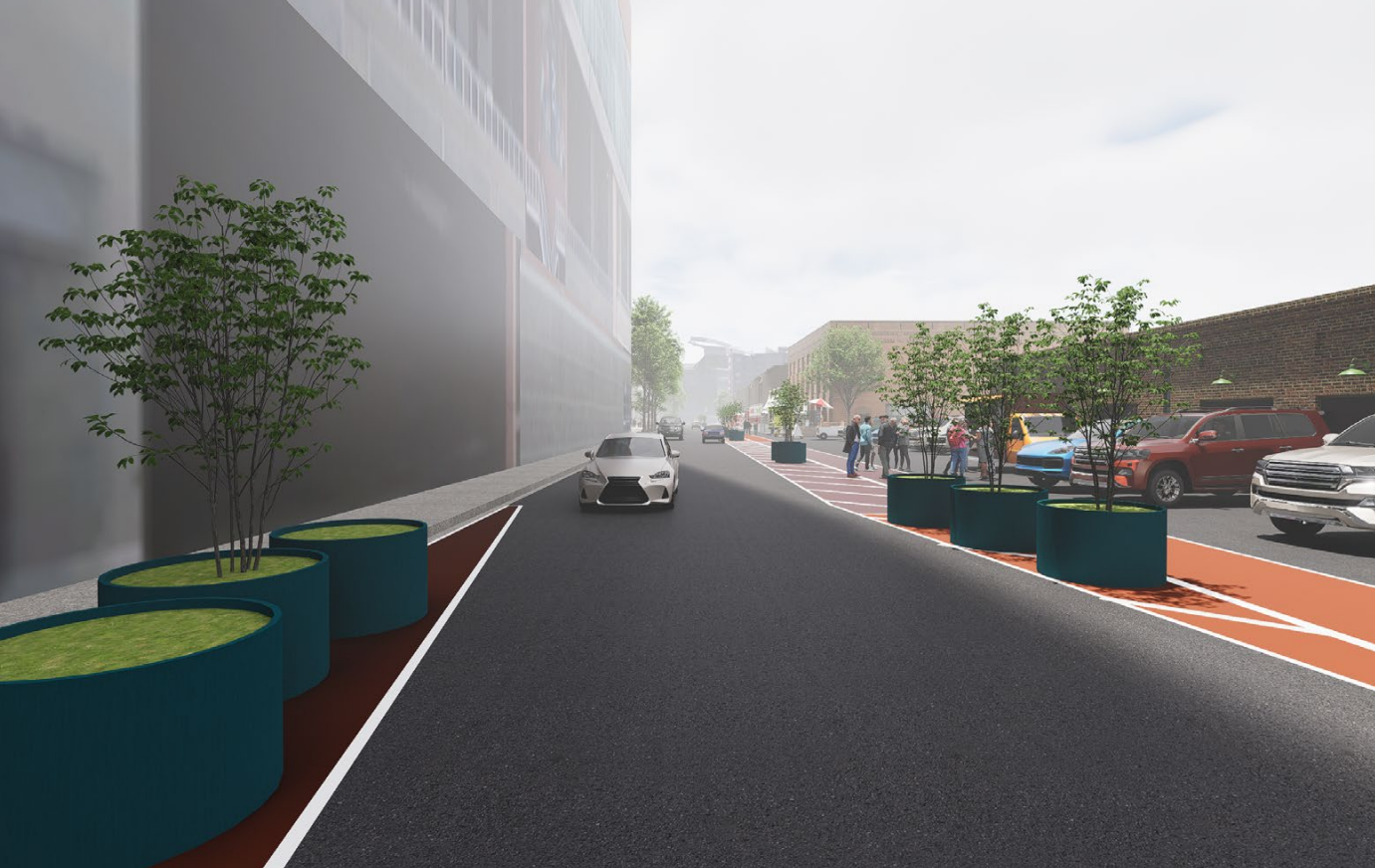
"These these improvements are inspired by the neighborhood context," Macek said. "They are temporary and reversible, and so this is really seen as a way to help pilot some of these options to see how they work, and also help inform that longer term before we commit to a design and advance that forward to be able to test things out, and really looking at materials that aren't impacting the historic resources along the corridor."
While billed as a "quick-build" intervention, the Occidental Promenade will still take more than two years from the launch of planning in early 2025 to implementation in mid-2027.
Other People Streets and Public Spaces projects are also moving forward at SDOT, including pedestrian plazas planned in Upper Queen Anne, Admiral, and Delridge. Unlike Occidental, those projects weren't specifically named in the 2024 levy but grew out of neighborhood support for creating pedestrian-forward spaces, building on past programs like the Pavement to Parks program abandoned under former Mayor Jenny Durkan.
Final approval to move forward with the Occidental Promenade is expected at a Pioneer Square Preservation District Board meeting before the end of the year. You can review the full plan set for Occidental Avenue here. The department also has active surveys up on SW Lander Street, 18th Avenue SW, and W Crocket Street.
 Ryan Packer
 Ryan Packer