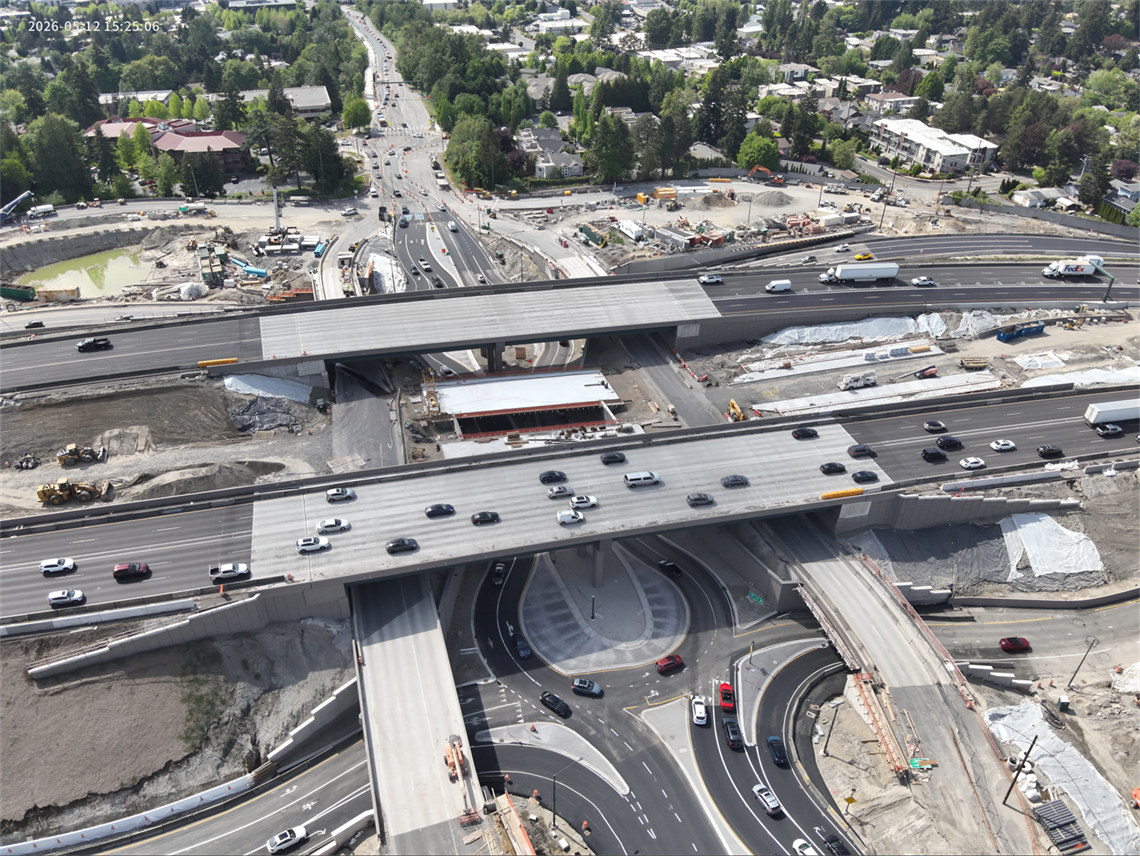
The City of Kirkland is hoping a new name for the area around a forthcoming bus rapid transit station can aid in revitalization efforts, after years of lackluster development activity there. Last week, the Kirkland City Council picked "The Forge District" as its preferred moniker for the area after considering several other alternatives for a rebrand that is intended to foster a "distinct identity" and punch up marketing for potential developers.
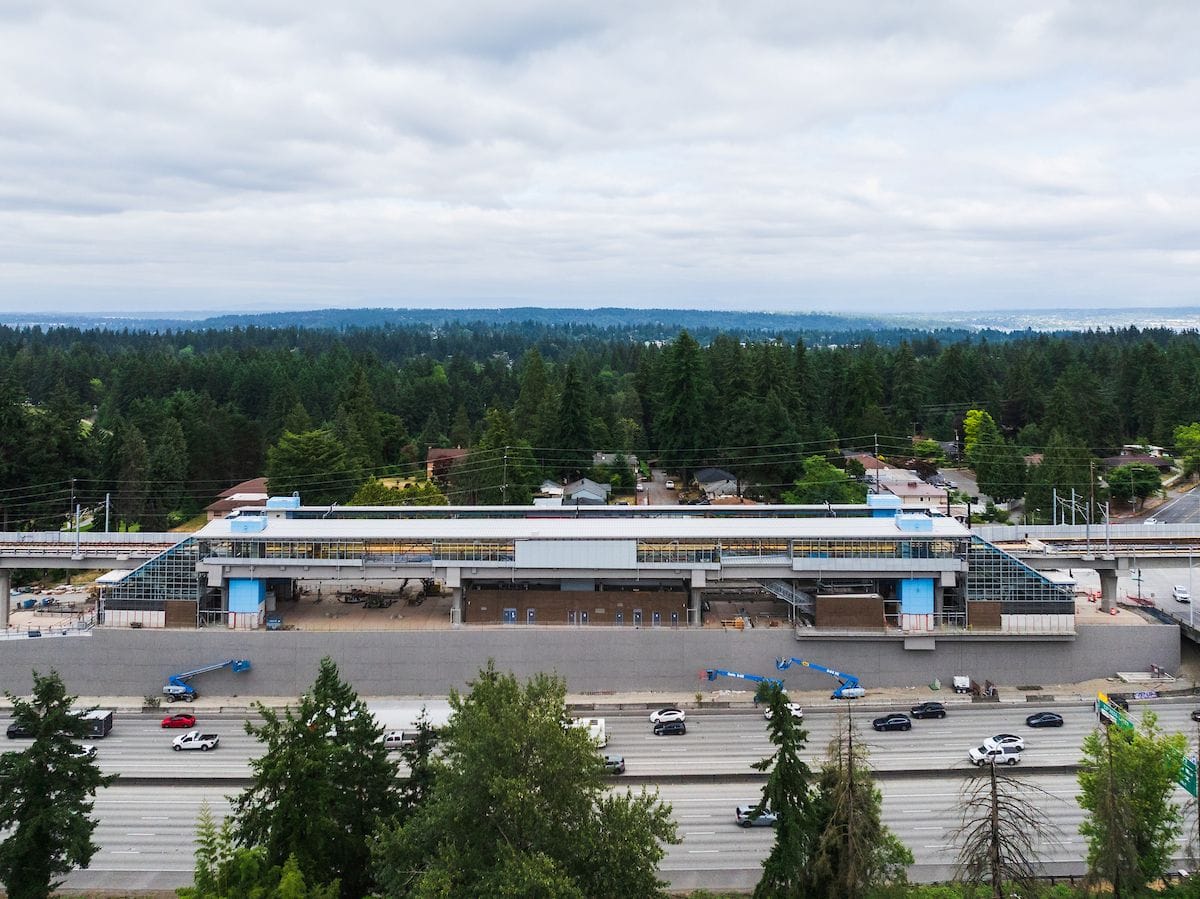
NE 85th Street Station, situated in the median of I-405, will see double-decker express bus service starting in 2029 as part of the Sound Transit S2 line, and existing ST Express buses will stop at the interchange as soon as next year. But the development spark that city leaders have been hoping to see in the immediate area has not yet caught fire, despite a 2023 rezone that provided significant development capacity.
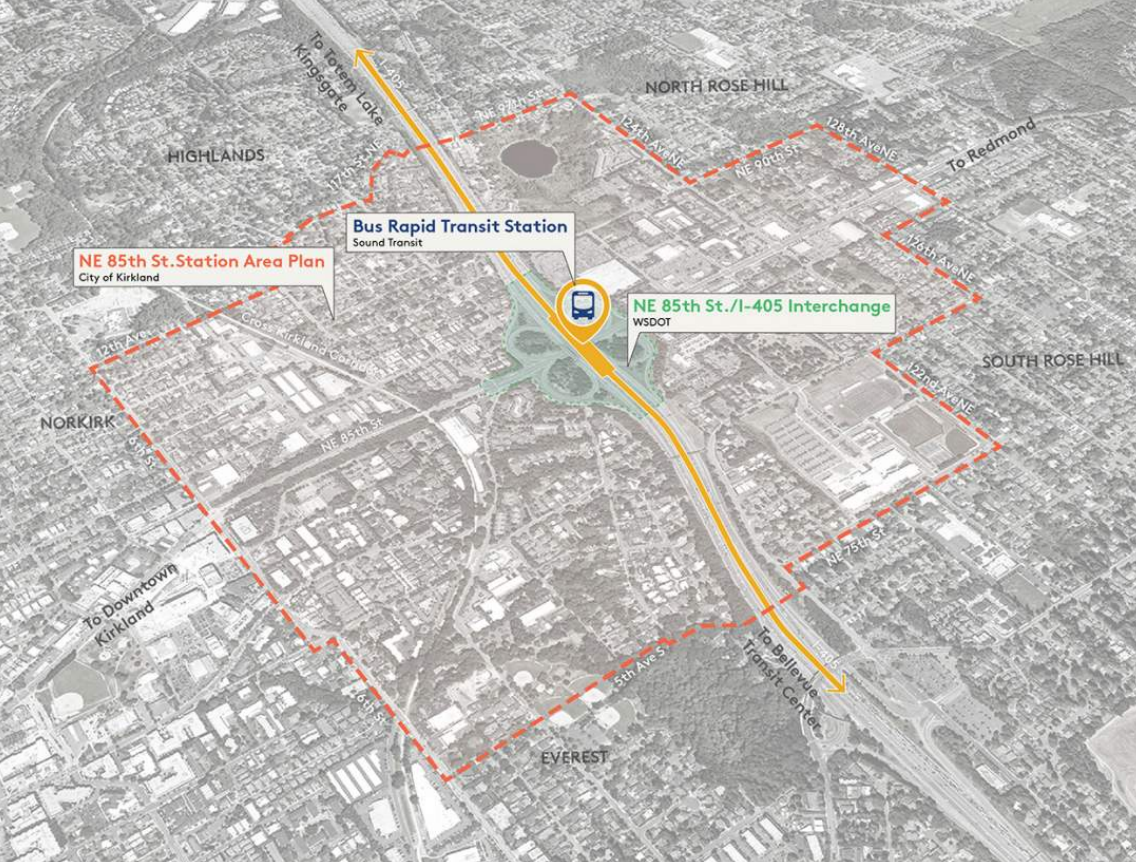
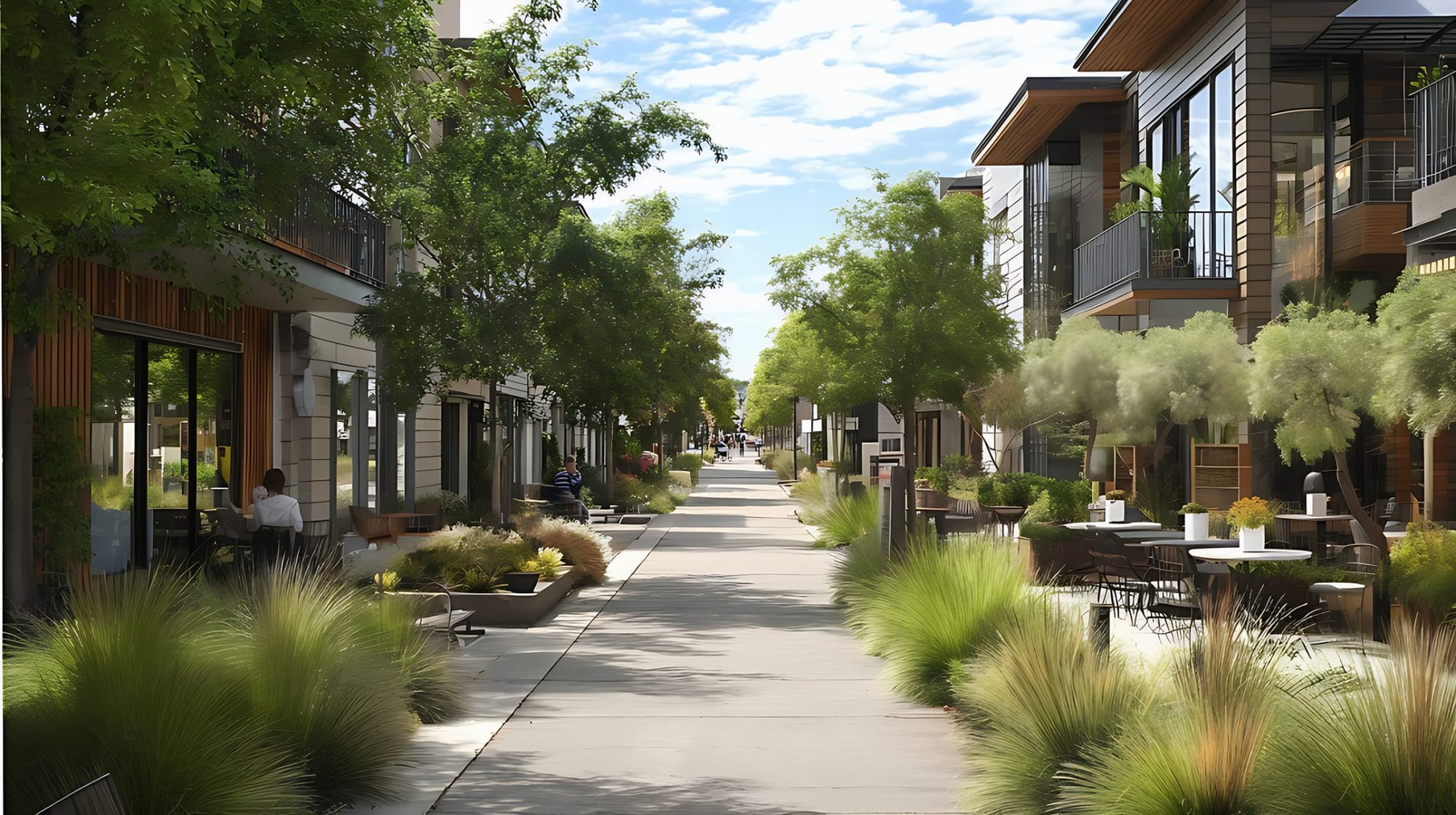
About a mile from the heart of Kirkland's charming downtown, the 710-acre station area stands at the confluence of several other neighborhoods including Rose Hill, Everest, and Norkirk. Though the vision is a "thriving, new walkable district with high tech and family wage jobs, plentiful affordable housing, sustainable buildings, park amenities, and commercial and retail services linked by transit," the area remains dominated by car dealerships, drive-through businesses today, and the freeway looming overhead.
Following the selection of a name, a visual branding scheme will follow, "to create collateral to support retention and recruitment of businesses, property owners, developers, and investors," according to a staff report provided to councilmembers.
"When we talk about the naming for NE 85th, it's not just for us as current community members or business owners, but it is also looking at those who will be coming here in the future," Jen Davis Hayes, Kirkland's Economic Development Manager, said ahead of the final naming vote.
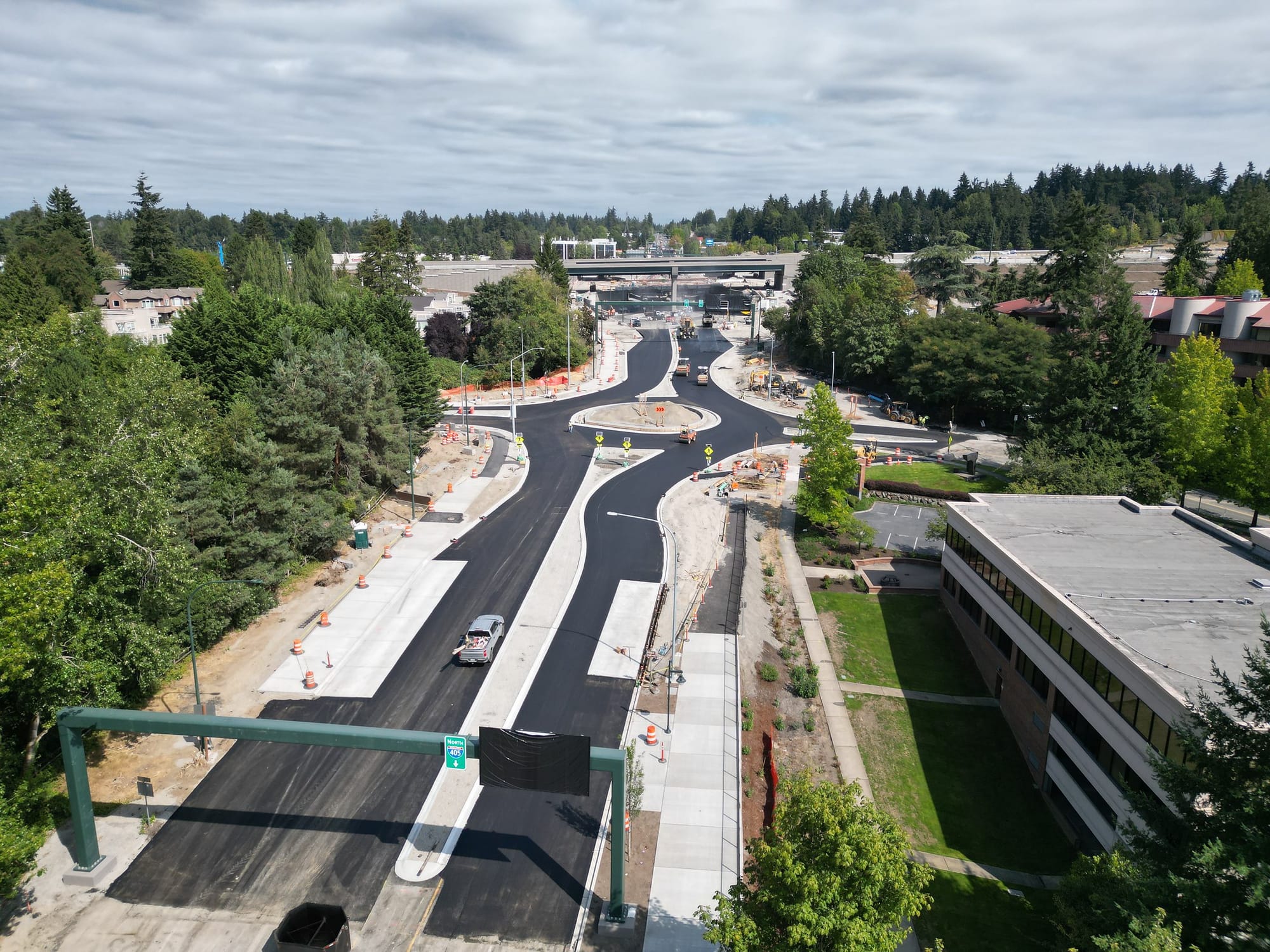
Why the Forge? "Heat, energy," noted a presentation created by the consultant company Watson Creative. "Complimentary juxtaposition to softer Rose Hill, Norkirk, Juanita, Houghton, Totem Lake, Bridle Trails."
"Scales well: Forge Building, Forge Station, Forge Park."
The Forge District also references the steel foundry built by the city's namesake, Peter Kirk, in 1890. That steel mill "never produced a single ingot," according to the Kirkland Heritage Society, and its closure in the wake of the 1893 national economic crisis prompted Kirk to retire away from the city that still bears his name.
"Early on this process, we had thought about ways to sort of honor Indigenous names, and for many very good reasons, we moved away from that," Deputy Mayor Neal Black said during a discussion in September. "And I think once we've moved away from that, this way of honoring the history, the steel mill, it's meaningful to me, and I think it could be meaningful to a lot of longtime Kirklanders."
The runners-up were The Rise District and The Union District, with a last-minute entrant provided by the Kirkland Heritage Society: the Kellett District. It was John George Kellett, another British businessman seeking his fortune in a sparsely-populated Eastside in the late 19th Century, that decided to name a fledgling town after Kirk. Among other reasons, that name was discarded as being potentially tricky for newcomers to spell.
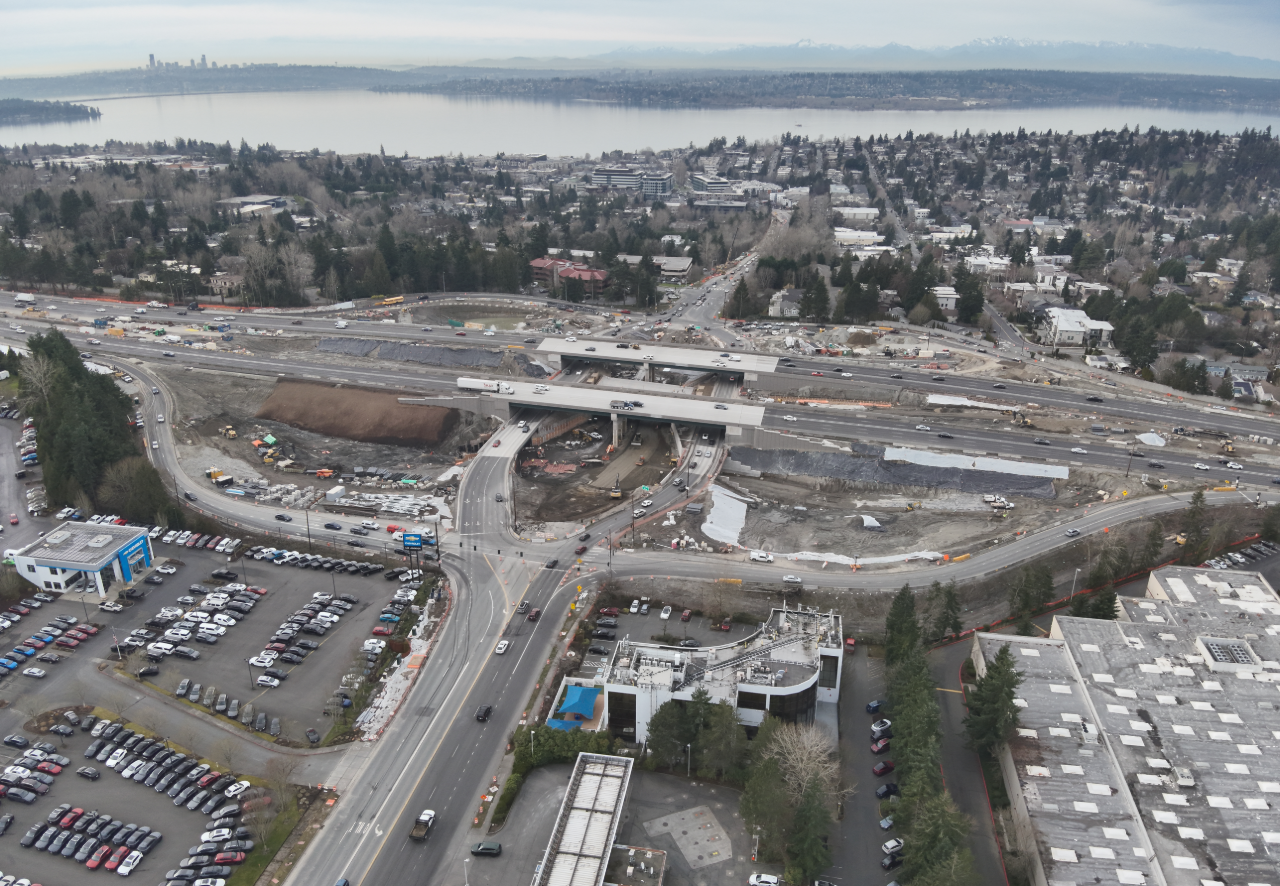
Though Kirkland is clearly taking the idea of a marketing campaign as a way to raise the area's profile seriously, the future of the neighborhood will almost certainly hinge more on economics. Earlier this year, the Kirkland Council gave the 85th Station area zoning code another tweak intended to spur development, extending a "pioneer provision" that gives the first developers prepared to break ground a discount on affordable housing requirements through 2030.
Those tweaks also included added flexibility when it comes to future development agreements, potentially setting the stage for larger buildings than might otherwise be allowed under code today. Also included were prohibitions on townhome development throughout most of the area, a move intended to prevent the area from getting locked in to an underbuilt form.
The Council also took the step earlier this year of fully removing requirements for off-street parking within the entire station area, going further than a new state mandate in the hopes of providing maximum flexibility for potential builders.
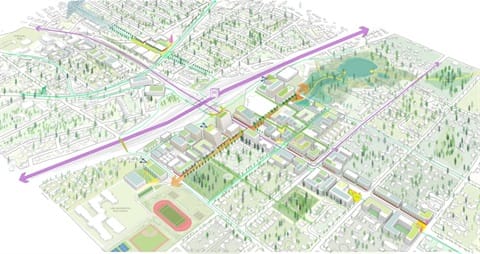
But if the area is primed for a future boom, it hasn't arrived yet.
"We know that these areas are well-suited to accommodate future population and employment growth, and they also represent priority areas for transportation funding, so with that in mind we've recently done a lot of work to update the zoning in the station area to support the transportation investments," Kirkland Senior Planner LeAndra Baker-Lewis told the city's planning commission this past spring. "But we haven't seen a notable amount of development that would help bolster those investments."
Though the 85th station area isn't currently the most accommodating place to get around by walking or biking, Kirkland has been endeavoring to make inroads on that front as well. Just this fall, the City opened a new multiuse path connecting Downtown Kirkland and the future bus station. However, that project comes after Kirkland spent $3.7 million to add a third vehicle lane to NE 85th Street around 120th Avenue NE.
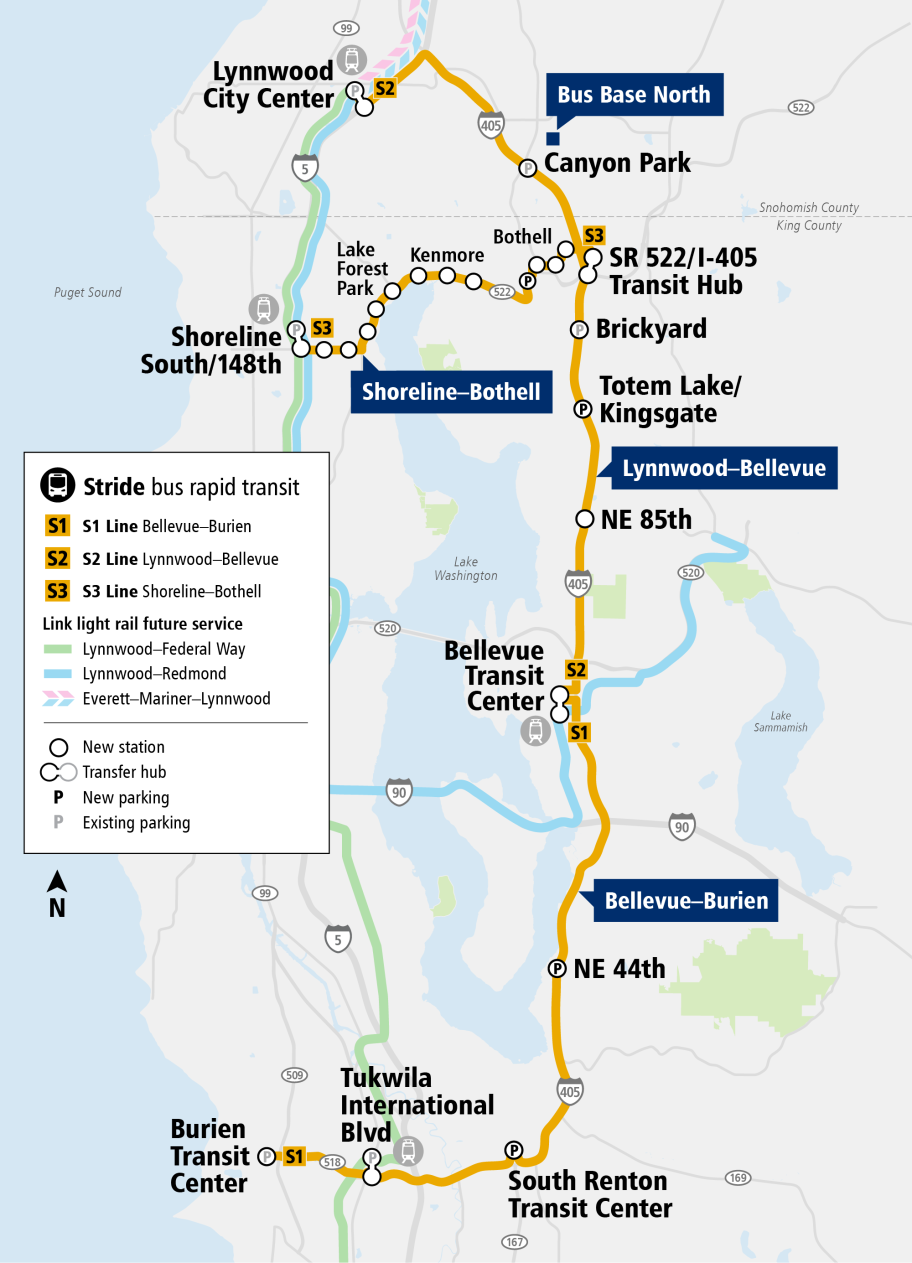
Though construction is well underway on Sound Transit's $2.4 billion Stride BRT program, which will include three total lines from Burien to Lynnwood, interest from developers when it comes to creating transit-oriented development near those future stations has been tepid at best.
In Renton, a recent rezone has primed the area around a Stride station that will include connections to two separate RapidRide lines, but builders are not yet beating down Renton's door to get their projects permitted there – a fact that stands in contrast with development activity around the 2 Line in Bellevue.
But there's a chance new Eastside residents would rather live in The Forge than in a neighborhood called Wilburton.
"Once one of these names is chosen, it would be interesting to talk about signage," Kirkland Councilmember John Tymczyszyn said last month. "Being called the Forge District would be a lot more interesting, in my opinion, if there was 100-foot-high steel sign when you drive up 85th and into this district, so that the name kind of resonates with people that visit that area."
 Ryan Packer
 Ryan Packer