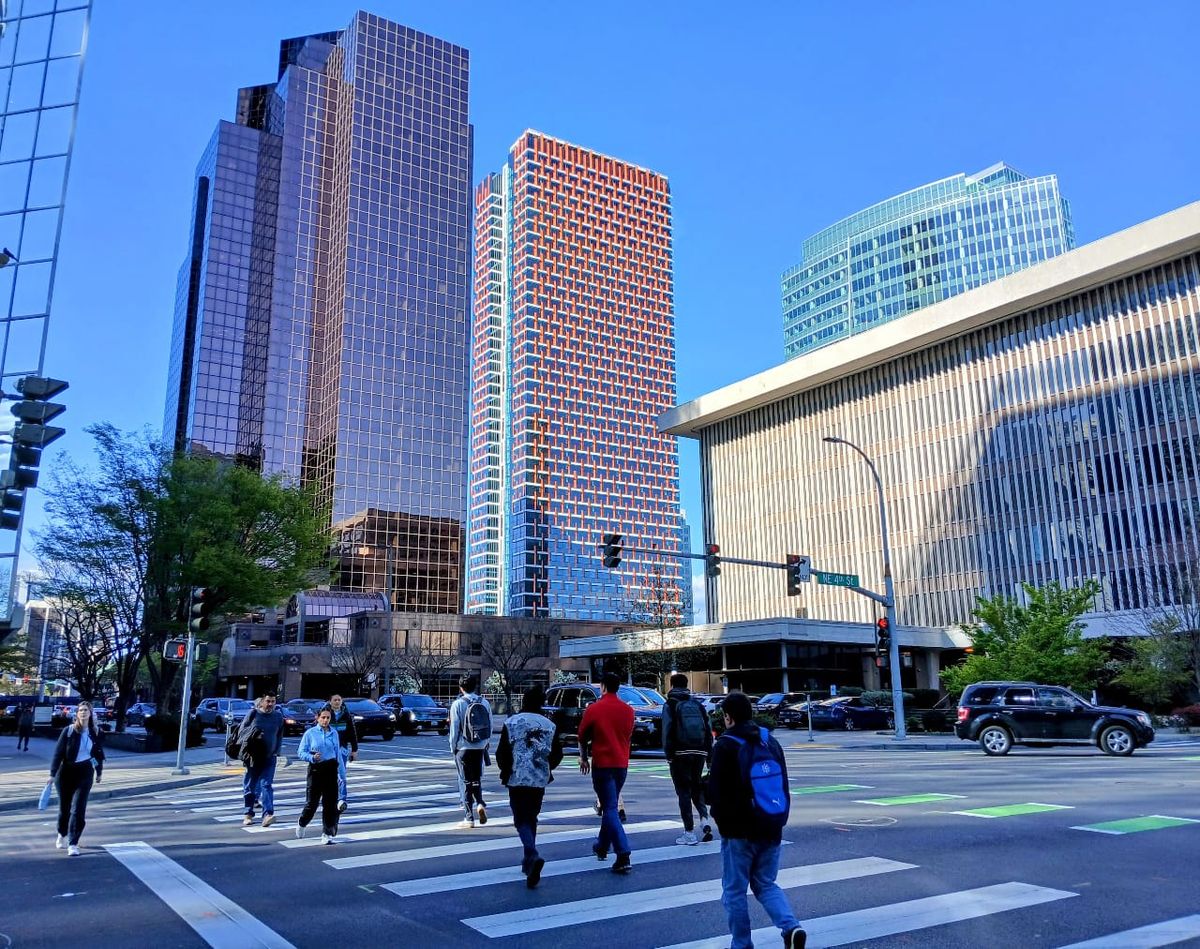
More applications for new homes were submitted over the first six months of the year in Bellevue than across the lake in Seattle, according to preliminary permit activity data reported by both cities. In Bellevue, new permit applications were submitted for at least 1,585 new multifamily units between January and June, compared to just 1,137 new units in Seattle.
The imbalance is quite the turnaround for Seattle's once red-hot development market, now getting lapped by a city with one-fifth of its population.
Bellevue's impressive numbers are a testament to the work that civic leaders in the Eastside's largest job center have been doing in recent years to open the doors to housing growth, especially in areas near light rail like Downtown, Wilburton, and BelRed.
Getting surpassed by Bellevue could be setting off alarm bells at Seattle City Hall. Mayor Katie Wilson campaigned to victory last year on a platform of affordable and abundant housing, pledging to ramp up homebuilding.
With new housing unit applications in Seattle on track to see a 30% decline in 2026 after already dropping 38% in 2025, the Emerald City faces a development slump that will likely have a significant impact on rents in the coming years. This is especially true if the pace of new residential buildings opening their doors continues to slow to a crawl.
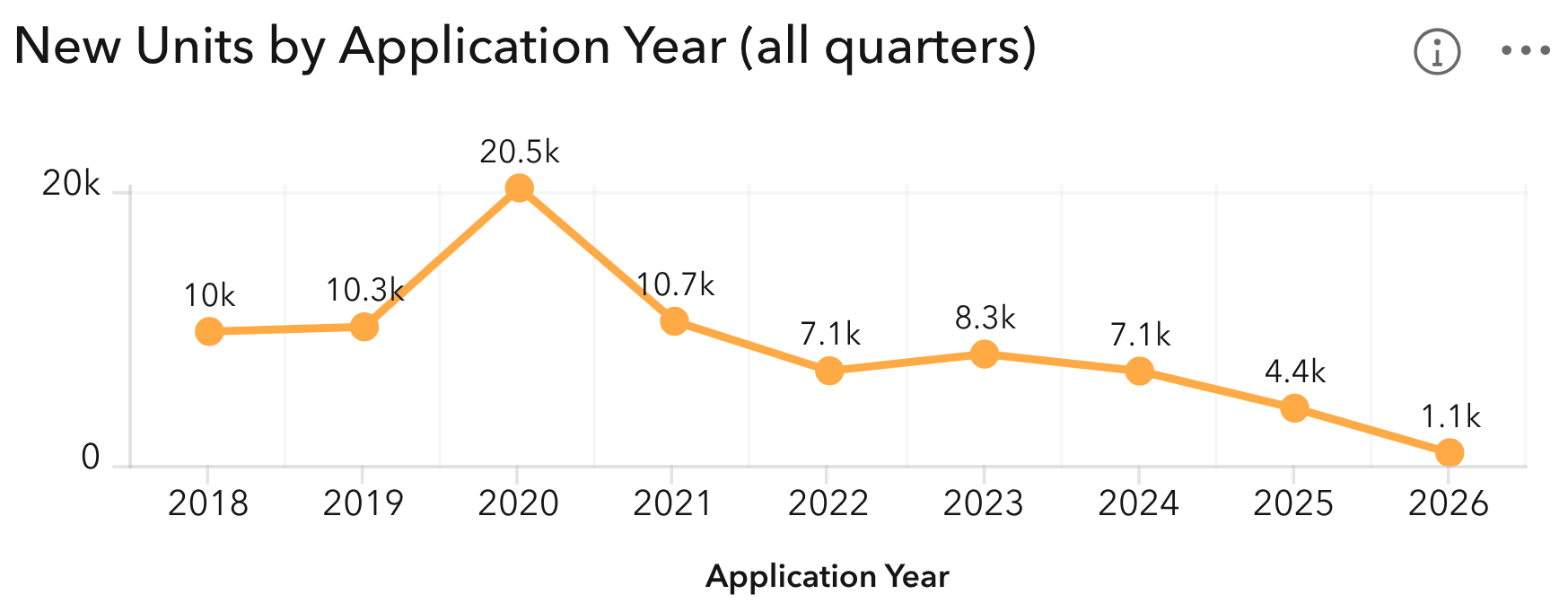
Thanks to the bounty of permits approved in the early 2020s, Seattle still managed to bring more than 8,000 homes online in 2025, but with permit intake plummeting, eventually the well will go dry.
The initial data on new permit applications in both cities are preliminary, with applications not required to include unit counts at the intake stage. That means the total number of units being submitted in new permit applications in Bellevue is actually even higher than the 1,585 number – but it's unclear by how much.
"Based on applications for projects that developers did choose to provide unit counts, multifamily permit applications reflect at least 1,585 proposed units; however, that is a partial number because there are a handful of multifamily projects that did not provide unit counts," Amanda Rich Anderson, a Development Services spokesperson, told The Urbanist. "The true total is higher, but I don’t know how much higher."
Likewise, Seattle's 1,137 units may also be an undercount, with firmer numbers only released when permits are issued.
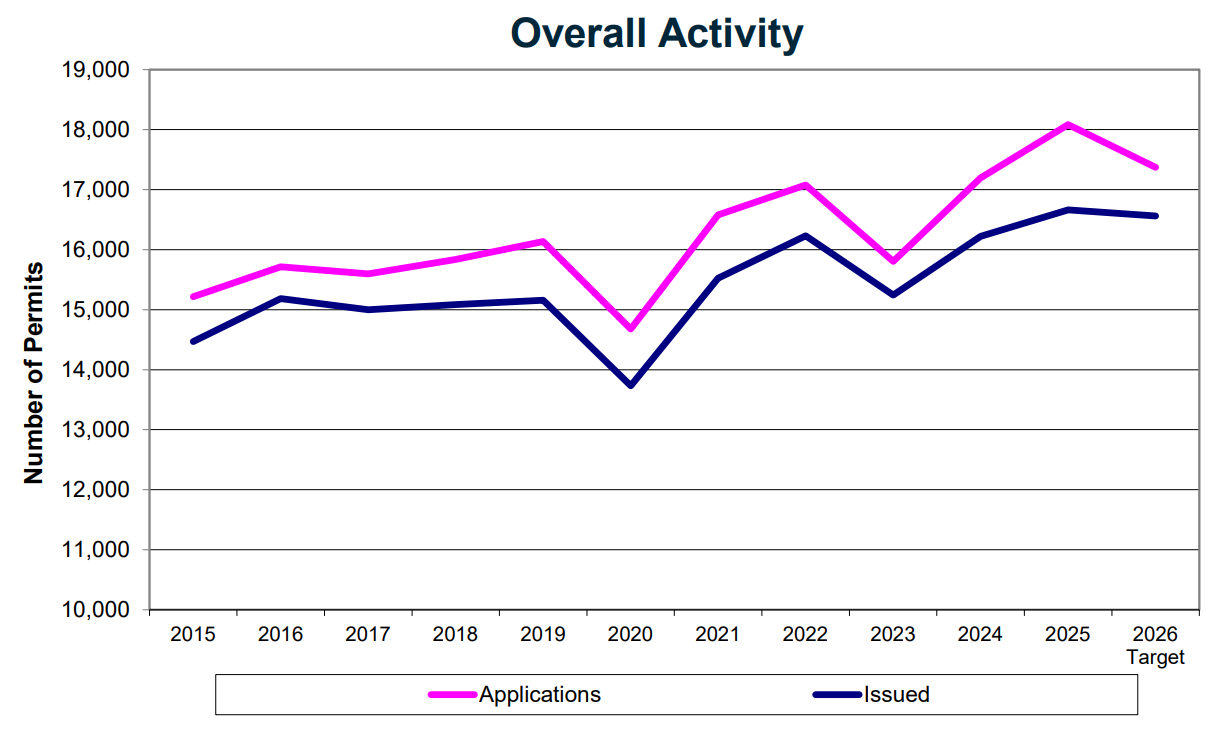
It's likely that Bellevue may have even lapped Seattle on the metric of new units entering the pipeline sometime last year, with Bellevue's overall development activity reaching new heights in 2025. According to data presented to the Bellevue City Council last month, residents and builders applied for more than 18,000 permits of all types last year – including commercial permits and renovations – with planners expecting that trend to continue through 2026.
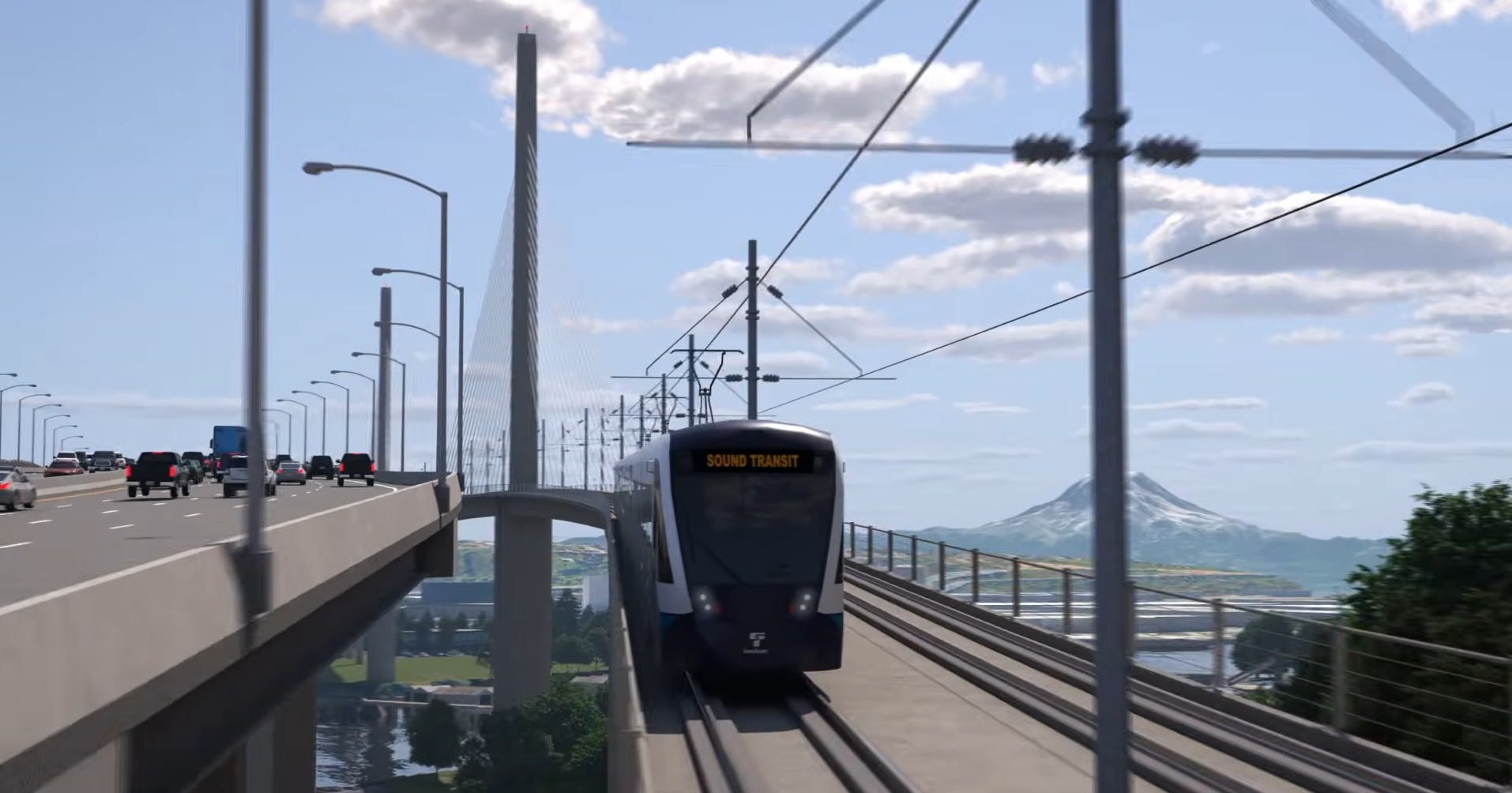
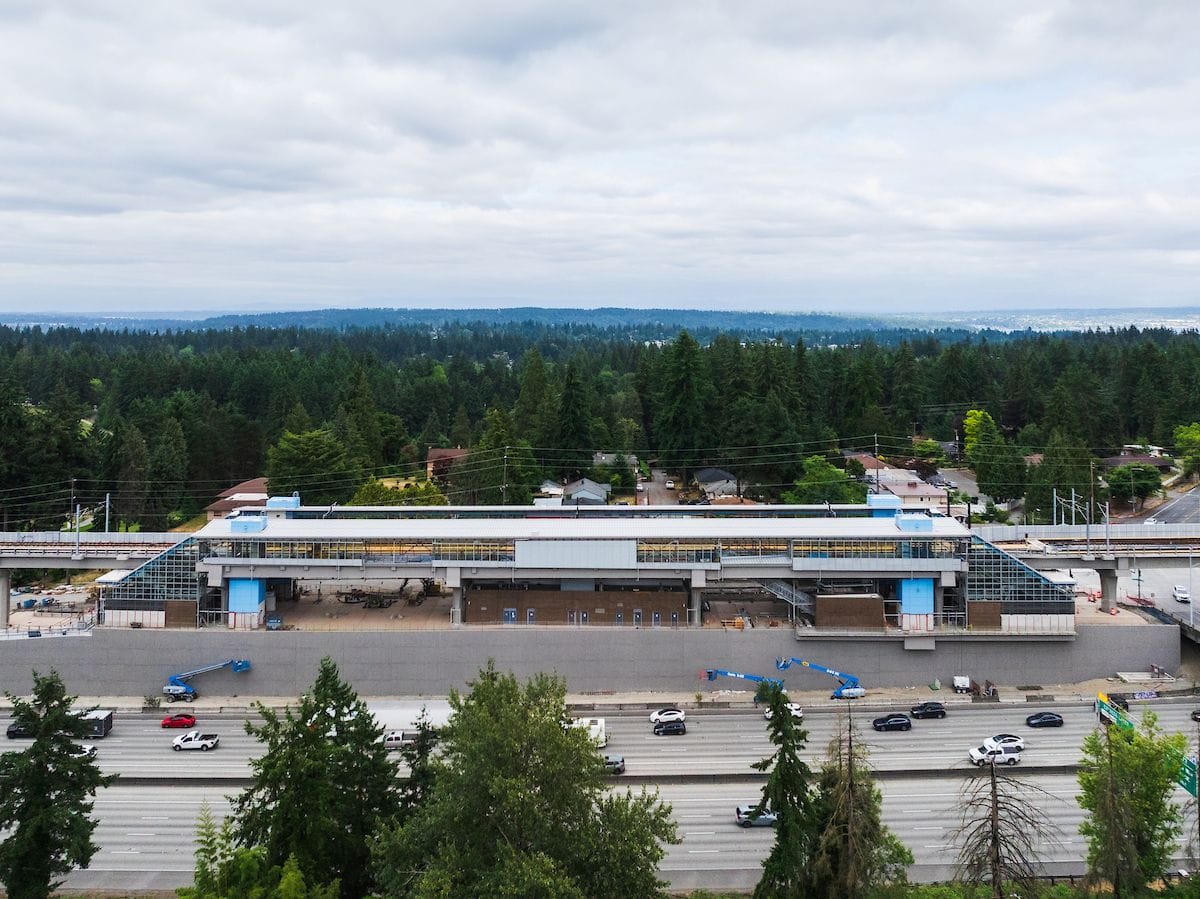
One of Bellevue's biggest hotspots is Wilburton, an area currently dominated by car dealerships and surface parking lots, but which the city rezoned early last year in hopes of seeing just such a development boom. Located just across the I-405 chasm from downtown, Wilburton benefits from a light rail station that opened in 2024, with 2 Line service extended across the lake to Seattle this March.
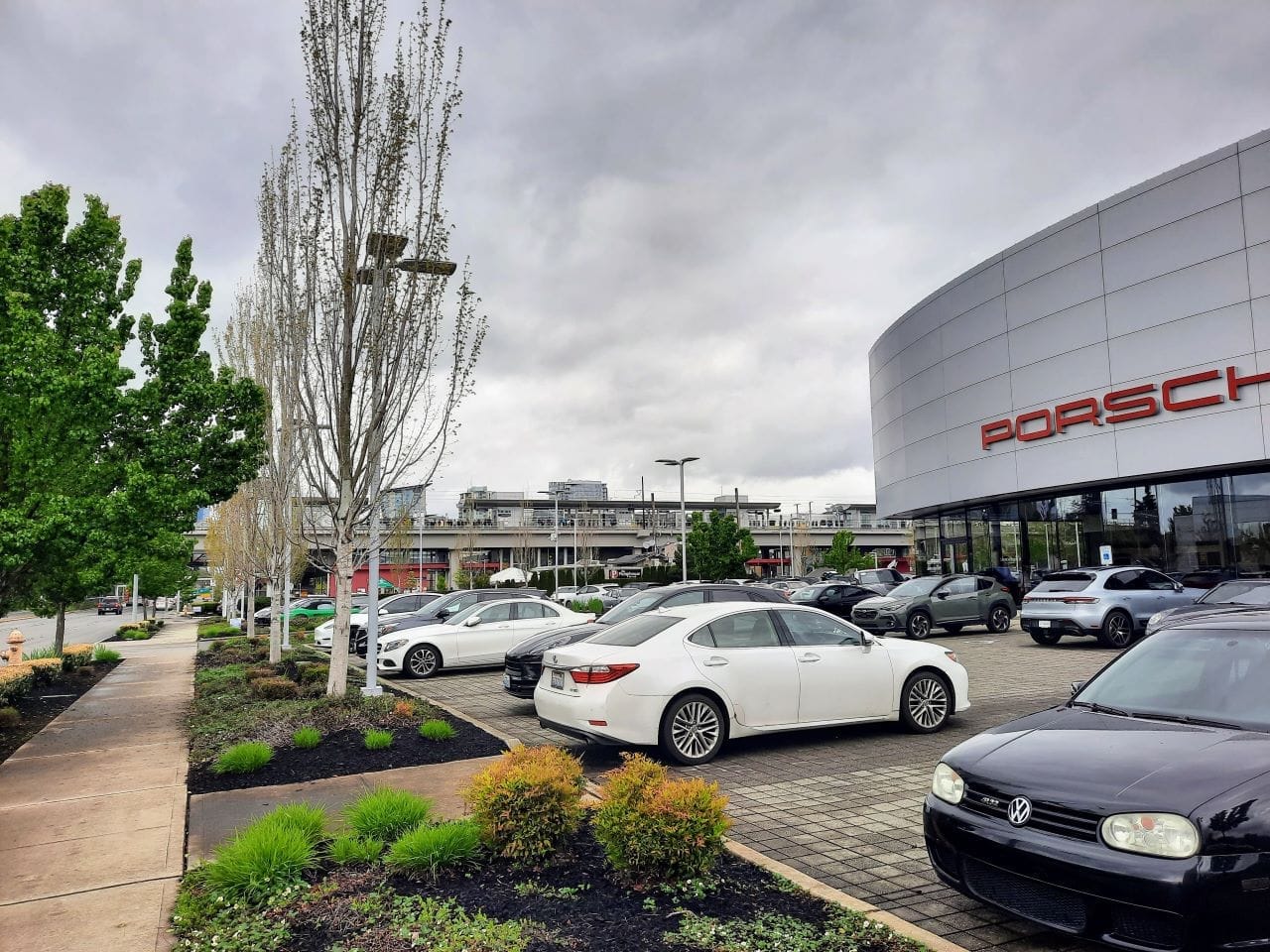
Within the neighborhood's boundaries, developers are able to take advantage of a program that has been dubbed the "Wilburton Supercharger." The Supercharger allows builders to "double count" affordable units provided under the state's Multifamily Tax Exemption (MFTE) program and a city-mandated affordable housing requirement together, offsetting the mandate to provide below market-rate units with a tax break.
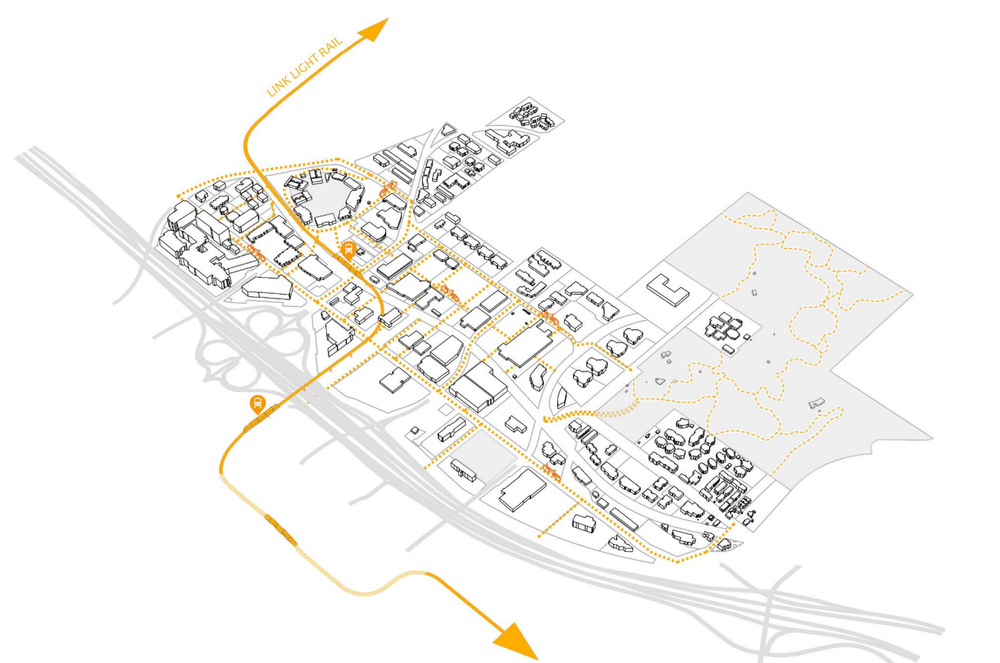
"In plain English, it looks like this: In exchange for setting aside 20% of a project as affordable to households earning up to 80% of area median income — roughly $80,000 a year for a family of two — a developer receives a 12-year property tax exemption on the residential improvements," said Bellevue Chamber of Commerce President Joe Fain in an op-ed in The Urbanist earlier this year. "For projects where on-site units aren’t the best fit, there is a fee-in-lieu option that still funds affordability elsewhere in the city."
Bellevue boosters including Fain have pointed to the Supercharger as an example that the rest of the region should follow, backing up their affordable housing mandates with real incentives for developers. Earlier this year the Bellevue Council approved a temporary expansion of the supercharger into other commercial districts around the city, with the exception of Downtown Bellevue. That temporary expansion occurred over the recommendation of city staff, and after intense negotiations with affordable housing advocates who were wary of giving up requirements for developers to build more deeply affordable units.
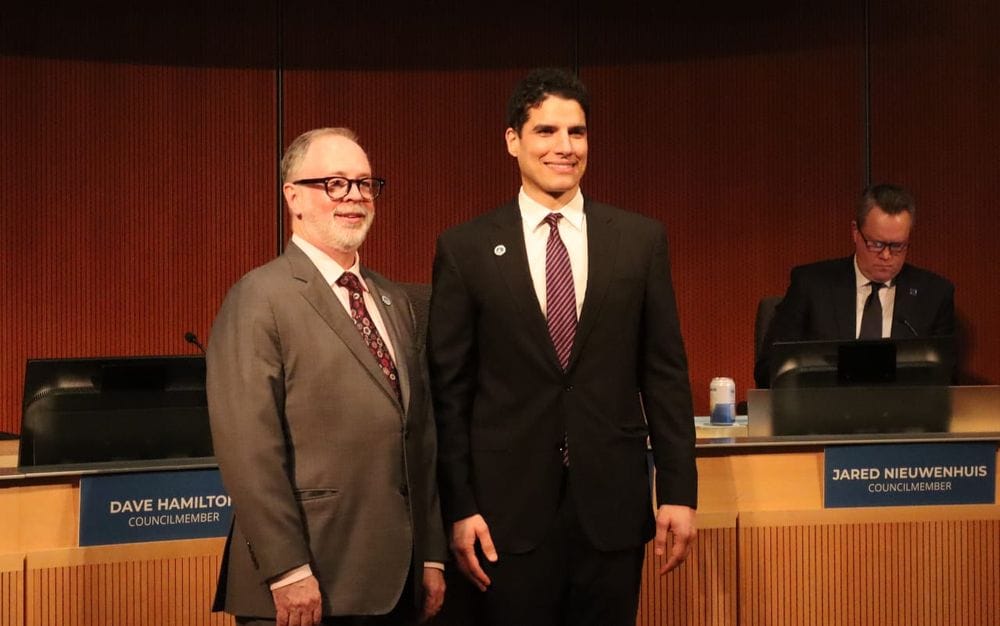
The picture around affordable housing mandates is very different in Seattle.
While tweaks to Seattle's MFTE program approved last year were intended to make the program more palatable for developers, the city's Mandatory Housing Affordability (MHA) program requires much deeper levels of affordability typically ranging between 5% and 10% or for developers to pay a hefty fee. When facing economic headwinds like Seattle is right now, the added fees contribute to projects not being feasible and not getting off the ground.
Other than automatic inflationary increases, MHA fees haven't been recalibrated for years, and a group called the Seattle Housing Roundtable – echoing the name of a similar group that got the Wilburton Supercharger across the finish line, the Eastside Housing Roundtable – has been pushing for a temporary break on MHA fees to get stalled projects moving. The backlog of stalled projects is extensive; the roundtable estimates that builders are essentially sitting on at least 70 shovel-ready proposals encompassing 8,000 homes, hoping for more favorable economic conditions and investor interest.
So far, calls to cut fees haven't been heeded at city hall. Wilson punted action on MHA fees to next year, after losing support from key affordable housing providers and pledging more stakeholder work. Instead, Wilson issued an executive order this month aimed at streamline permitting, while launching a broader "Housing Production Task Force" to key in on deeper reforms. The order also proposes a new city-funded "affordable housing ombuds" that will help developers navigate the city's convoluted processes.
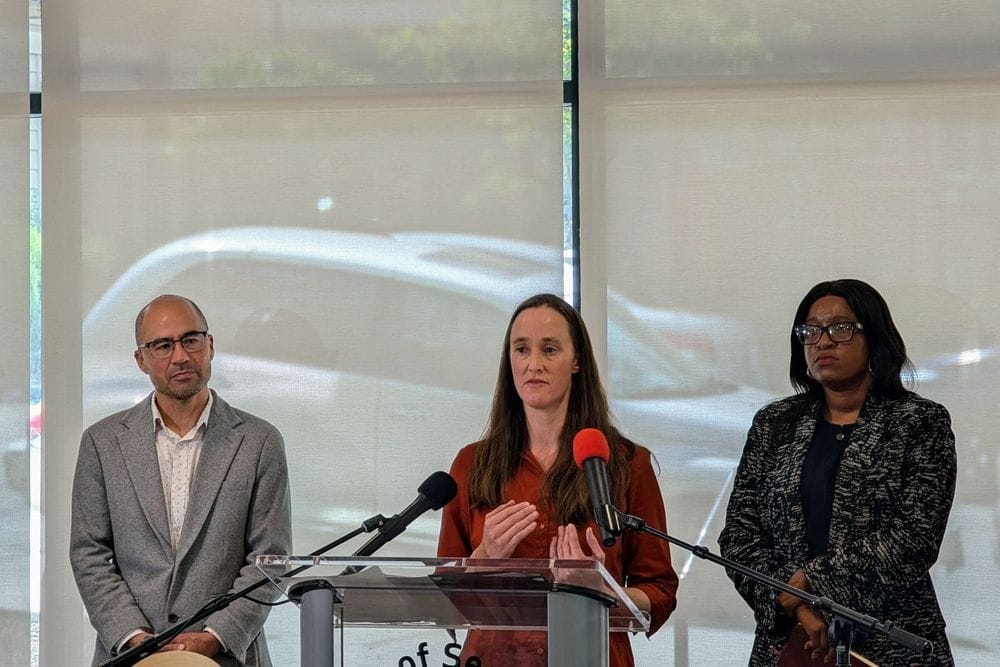
"We want housing opportunities across every neighborhood in our city, so that the size of your paycheck doesn't determine your zip code, your access to healthy air, or the safety of your streets," Wilson said at her task force announcement. "That means more market-rate housing to keep pace with our city's growth. It means affordable housing that people working every kind of job can afford, with homes large enough for every kind of family. And it means housing for our retirees and for those who can no longer or are unable to work. It means social housing that provides a stable, affordable, mixed-income place to live as a household's income changes, and it means supportive housing paired with services so we can get people the care they need."
Wilson shared a hope that permit streamlining alone could jumpstart housing production, but the Seattle Housing Roundtable has argued that cutting fees will be necessary to spur projects, not just faster permits. Builders have also flagged excessive utility hookup fees as a growing issue.
"First, we are taking more aggressive and coordinated action to make permitting faster and clearer," Wilson said. "That begins with looking closely at our own regulatory and permitting processes, building on work begun during the previous administration and championed by advocates, developers, councilmembers, and City staff, we are launching a new residential permitting interdepartmental team to make permit timelines shorter and more predictable across the city. As the developers gathered here today know too well, delayed permitting, utility hookups, and street-use permits can cost a single project hundreds of thousands of dollars per month of delay."
The debate about permitting and fees happening against the backdrop of a stalled citywide zoning update as part of Seattle's Comprehensive Plan, with modest zoning changes now pushed into 2027 due to legal appeals from homeowner groups. Wilson plans to go above and beyond the changes proposed by her predecessor Bruce Harrell. Her proposal, dubbed the "Taller Denser Faster" plan, remains in early stages, though it may be helped down the line by a new law limiting how those types of appeals can be filed.
If Seattle is going to attempt a Hail Mary that could reverse the decline in permits coming in the door, it likely can't sit by and wait for those zoning changes to come down the pike.
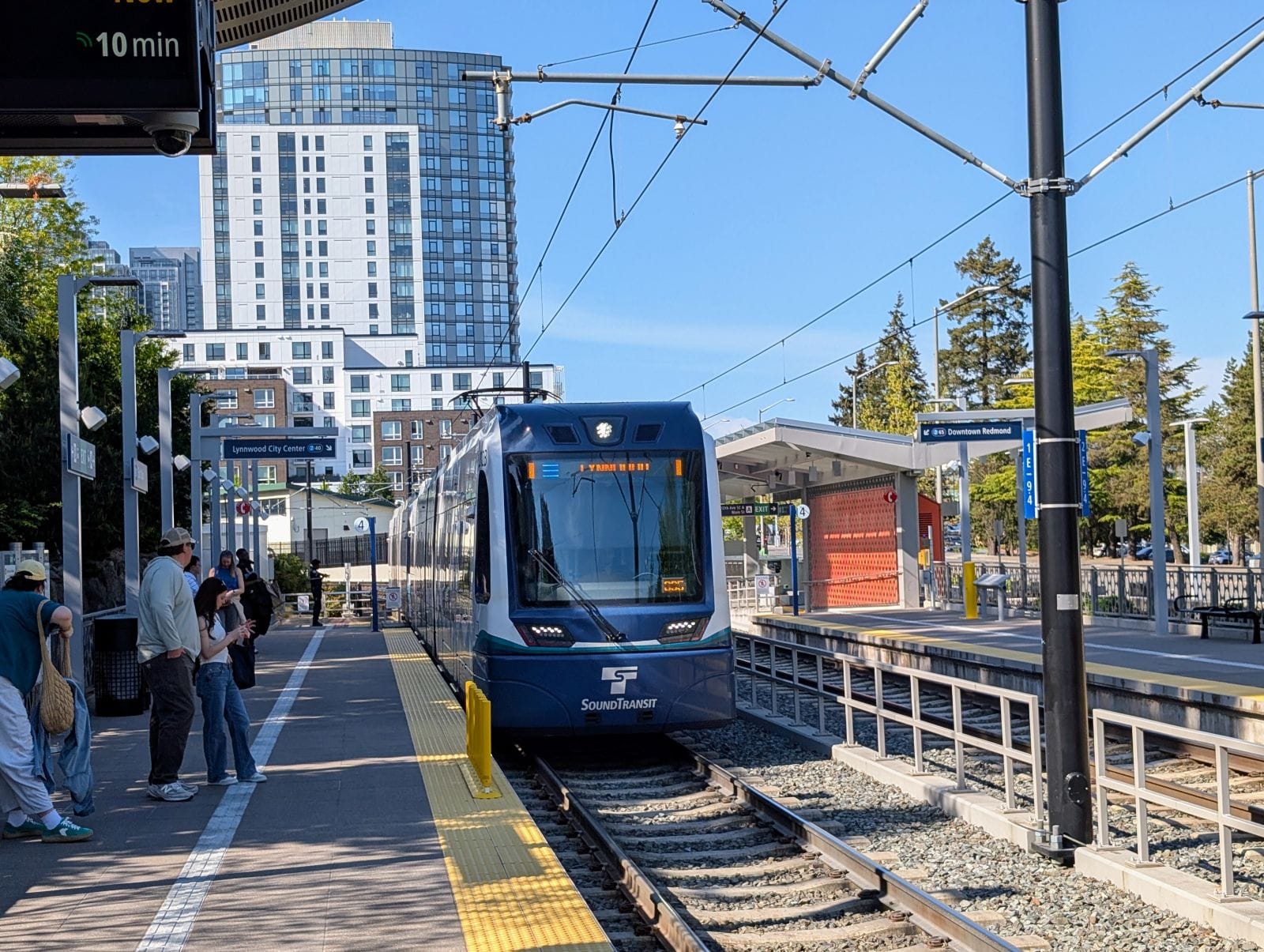
Meanwhile, Bellevue is heading toward further rezones and zoning tweaks intended to spur housing, eyeing changes to the BelRed neighborhood as well as Downtown, as part of a broader "Downtown Livability 2.0" code amendment process. Combined with the recently adopted Housing Opportunities in Mixed-Use Areas code update, which brought the Supercharger to new places in the city, the City expects the building boom to continue.
"[I]ncreases in housing production are likely to come in the future based on recent policy changes and code updates that focused on housing and that is not going to be captured by the 2026 data for building permits," Rich Anderson wrote.
At a certain point, Seattle might need to start looking across the lake for ideas and a sense of urgency, or risk falling even further behind.
 Doug Trumm
 Ryan Packer