In a 5-4 vote Tuesday evening, the Seattle City Council approved a proposal from Land Use Committee chair and District 2 Councilmember Eddie Lin to raise the bar on appeals of broad zoning changes and updates to the city's Comprehensive Plan. The move is intended to reduce the amount of time that growth plan updates spend in appeal-related limbo.
The bill brought out strong opposition from some of Seattle's biggest growth skeptics, including groups that have successfully used these appeals to delay zoning overhauls in the past.
Once this update to city code is signed into law, anyone looking to appeal the environmental review of zoning changes conducted under the State Environmental Policy Act (SEPA) won't be able to head to the city's hearing examiner with a $120 filing as they can now. Instead they'll need to raise those issues in King County Superior Court, or at the state's Growth Management Hearings Board. This aligns Seattle's appeals process with King County, Bellevue, Everett, and Tacoma, while Kent and Spokane still have the avenue of administrative appeal in place.
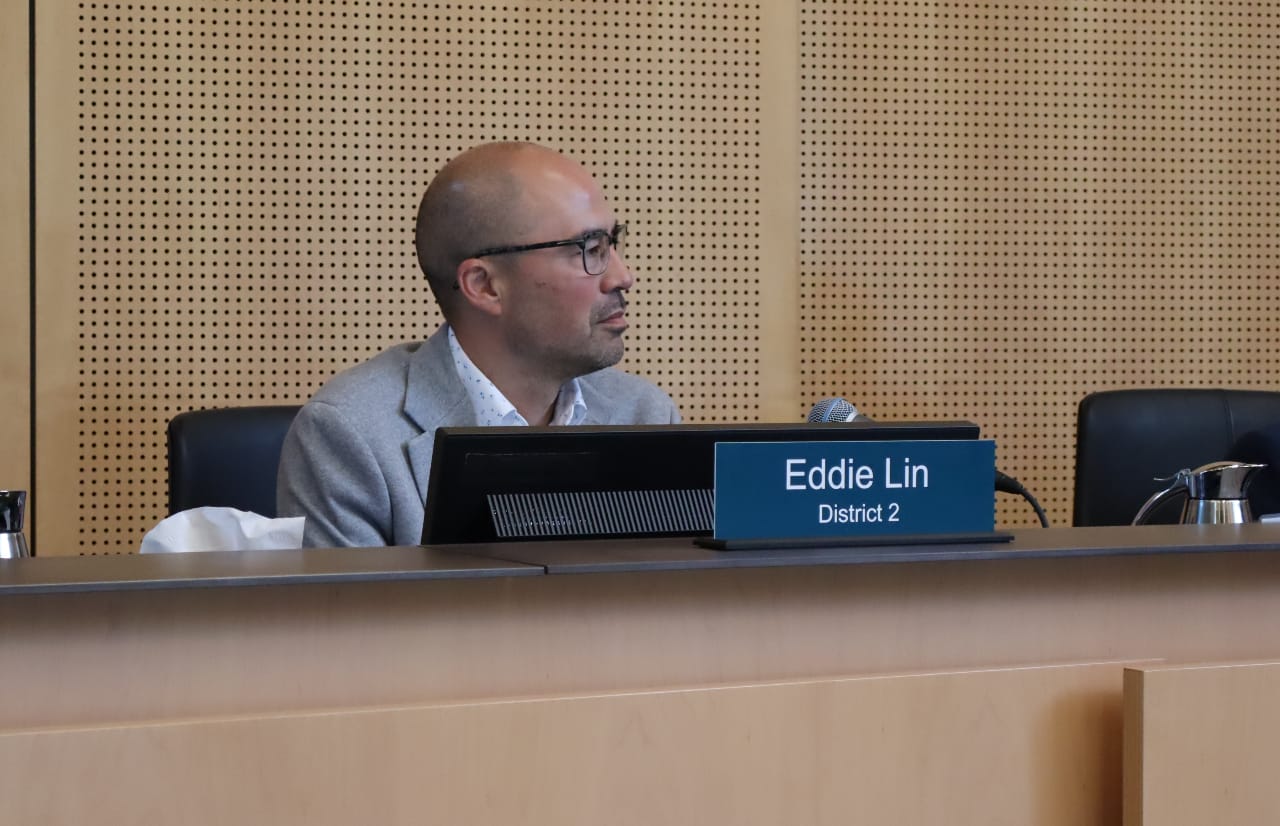
This bill was informed by Lin's tenure as a lawyer at the City's Office of Housing before being elected to council. It represents his first major legislative swing after taking office late last year and could provide a big aid for Mayor Katie Wilson and her "Taller Denser Faster" plan that remains in early stages. Wilson celebrated the passage of the bill in statement released late Tuesday, pledging to sign it into law.
"Building more housing is essential to a future in Seattle where all of us can afford to live, work, and raise a family in healthy, sustainable neighborhoods,” Wilson said. “Councilmember Lin's legislation is aligned with our ‘Taller, Denser, Faster’ approach to the Comprehensive Plan and is a win for the Seattleites of today and in the years to come. I look forward to signing it.”
While the appeals of the current zoning changes, developed under former Mayor Bruce Harrell, are poised to keep advancing, this change should prevent the same fate from befalling Wilson's plan, which she intends to be much more ambitious and far-reaching.
In the end, Dan Strauss, Dionne Foster, Bob Kettle, and Alexis Mercedes Rinck joined Lin in voting for the reform, giving the bill its razor-thin margin.
Opponents of the bill had framed the city-level appeal process as being more accessible to everyday citizens than other avenues, despite the fact that most appeals that have been able to gain traction have been filed by advocacy groups or community councils. In 2017, a cadre of groups including the Wallingford, Fremont and Beacon Hill Councils and a group that called itself Seattle Coalition for Affordability, Livability, and Equity (SCALE) successfully delayed the implementation of zoning changes in neighborhoods across the city, ultimately delaying those changes into 2019.
Many of the same groups, including the neighborhood advocacy organization Friends of Ravenna-Cowen, have been involved in the appeals against the Harrell growth plan in this decade.
Not impacted will be project-level SEPA reviews, including the never-ending environmental review of the Burke Gilman Trail's Missing Link, or the review of the plan to build affordable housing at Magnolia's Fort Lawton. In his remarks, Lin referenced an op-ed in the Seattle Times penned by Central District neighborhood advocate Lois Martin that cited the construction of I-90 as an infrastructure project that was improved via the citizen appeals process, though that work happened under the federal National Environmental Policy Act (NEPA) and not SEPA.
"I do think there's a big difference between highways being built, destroying communities, nuclear power plants, and housing. I don't think housing and future residents are toxic waste or pollution that need to be studied for years and years and years on end," Lin said ahead of the final vote. "I believe housing is a human right, and we should treat it that way. And that we need to do everything we can to move forward urgently to build the housing we need, so that everyone can live here and thrive."
The final outcome was far from clear heading into Tuesday's vote, with the bill only advancing out of his committee with three votes. Joy Hollingsworth and Dan Strauss had both abstained, citing a need to get more questions answered outside of committee time. Hollingsworth ultimately voted no, citing other changes that the city could be doing to reduce the cost of housing construction.
Debora Juarez, who has ultimately taken a more broadly pro-density stance than her immediate predecessor in District 5, Cathy Moore, came out opposed to this change.
"I don't believe that appeals are holding up housing production. I think it's a false narrative. I think it's a false equation. I don't think appeals and delays, which on the average are around approximately five months, I don't think they always equal lack of housing production," Juarez said. "And to pit those two against each other, to me, is just – I think it's intellectually not correct. I don't want to say dishonest because I can understand why people take that position, but I don't agree with that."
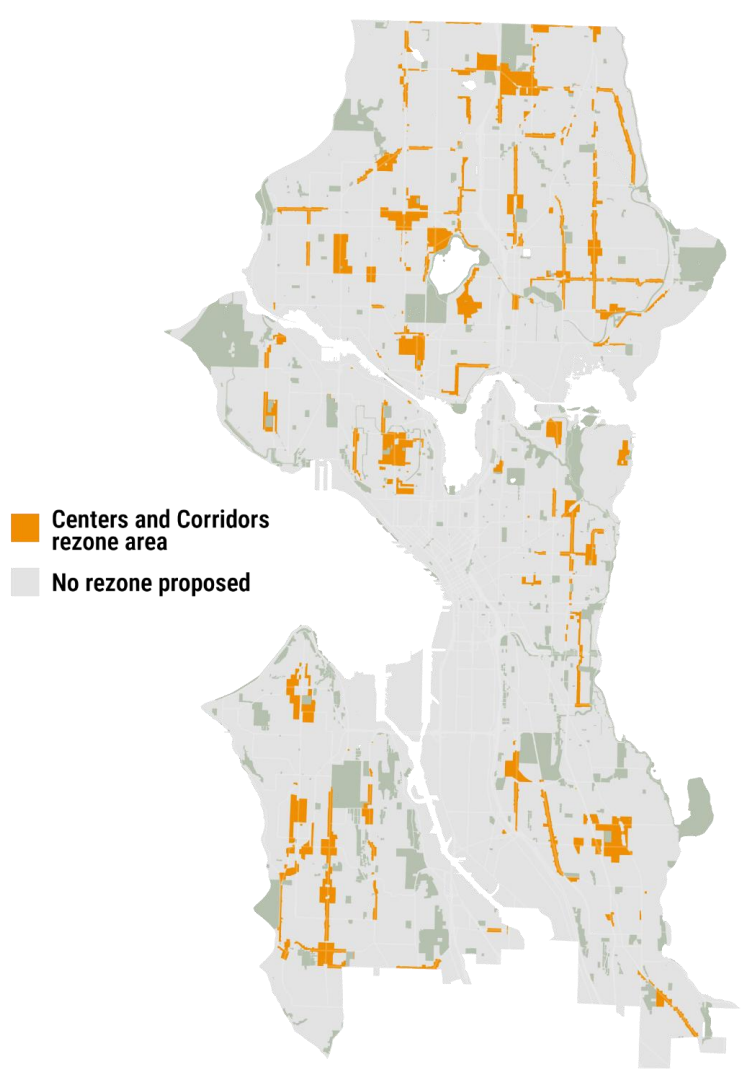
If not for city-level SEPA appeals, the Council would be taking up the second phase of Harrell's growth plan right now, which includes rezones in blocks along some bus lines and in approximately 30 new neighborhood centers in areas of the city that have historically limited growth. With a state Court of Appeals sending the two active appeals back to the City in June, that work is now punted into 2027.
A failed amendment from Rob Saka would have gutted the proposal, giving the hearing examiner a new 90-day deadline to deal with appeals like this one rather than the current 120-day deadline, with the option for an extension of that deadline back to 120 days. No other councilmembers supported the proposal, with Maritza Rivera noting that the amendment's lack of deadlines that could actually be enforced cost it her support.
Saka framed the ability to challenge SEPA at the city level as a right, or something that is least seen as one by a considerable number of Seattle residents.
"Here's the truth: Seattle can build more housing without asking the public to surrender – whatever you call it. In my view, I think it is an important measure of accountability. It is an important mechanism to double check our work," Saka said.
But Dionne Foster, who voted to advance the bill out of committee, backed Lin by arguing that this type of change is needed to better accelerate housing production to reduce the impacts of sprawl and better prepare for and mitigate the impacts of climate change.
"From my vantage point as chair of housing, one of the things we need to make sure we're focused on in the city is spurring additional housing production, and we need to do it across all income levels and all types. And we need to do it in a way that is inclusive, because as was already stated, sprawl is one of the most threatening things when it comes to climate change, and not just climate change, but enjoying your lives and having livability," Foster said. "I think that what has been brought forward here, I do see it as reform to our process."
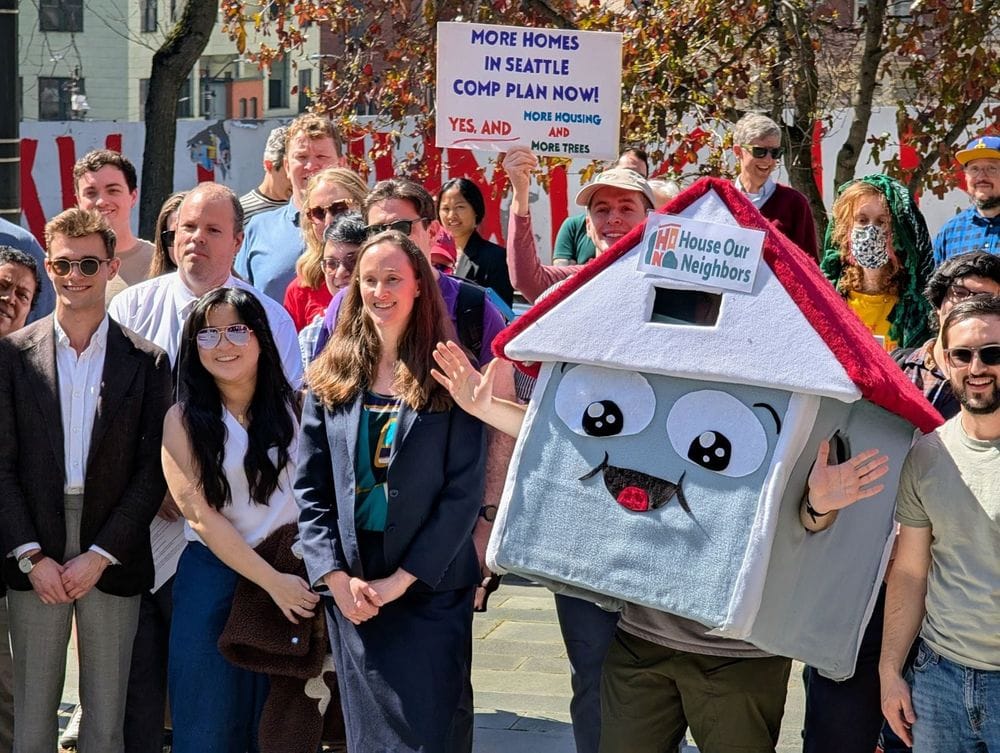
Tuesday's meeting was preceded with more than two hours of public comment, most of which was focused on this bill. In advance of the vote, Lin spent a significant amount of time trying to debunk misconceptions around the proposal, including in a full FAQ that his office sent out via email on Sunday. One consistent theme in those communications was an attempt to convey the idea that reforming SEPA is the environmentally friendly move for the city to make.
"Dense housing, walkable neighborhoods, and safe, accessible transit is how we can finally address our affordability crisis and build a more resilient and equitable city for all Seattleites. SEPA appeals and additional delays to the Comprehensive Plan put affordable housing and climate justice further out of reach," Lin wrote in the FAQ. "Seattle is an incredibly segregated city, and previous zoning laws have made it worse. We need to increase housing density and transit access, especially in historically Whiter, wealthier neighborhoods. Central and South Seattle have faced significant displacement and carried far more development than the rest of Seattle. Let’s right this inequity, integrate our neighborhoods and schools, and provide the housing we need for new residents, seniors on fixed incomes, and young families just trying to make rent."
 Ryan Packer
 Ryan Packer