Seattle City Council's Land Use Committee voted 3-0 Wednesday to close off a regularly used avenue of citizen appeal when it comes to broad zoning changes and updates to the city's Comprehensive Plan. If approved by the full council next week, Councilmember Eddie Lin's Council Bill 121215 would prevent $120 appeals filed with the City's hearing examiner from holding up growth plan changes for months, if not years.
The bill has an uncertain path when it comes to final passage. Committee members Dan Strauss and Joy Hollingsworth abstained from the vote due to outstanding questions, despite four separate committee meetings since the bill's introduction on May 19. Along with Lin, citywide councilmembers Alexis Mercedes Rinck and Dionne Foster both voted to advance the bill.
Delays to Seattle zoning changes from appeals under the State Environmental Policy Act (SEPA) aren't theoretical. In 2017, a cadre of appellants held up urban center upzones planned under the Mandatory Housing Affordability (MHA) program, a move that caused a delay of more than one year and ultimately pushed adoption of those zoning changes into 2019.
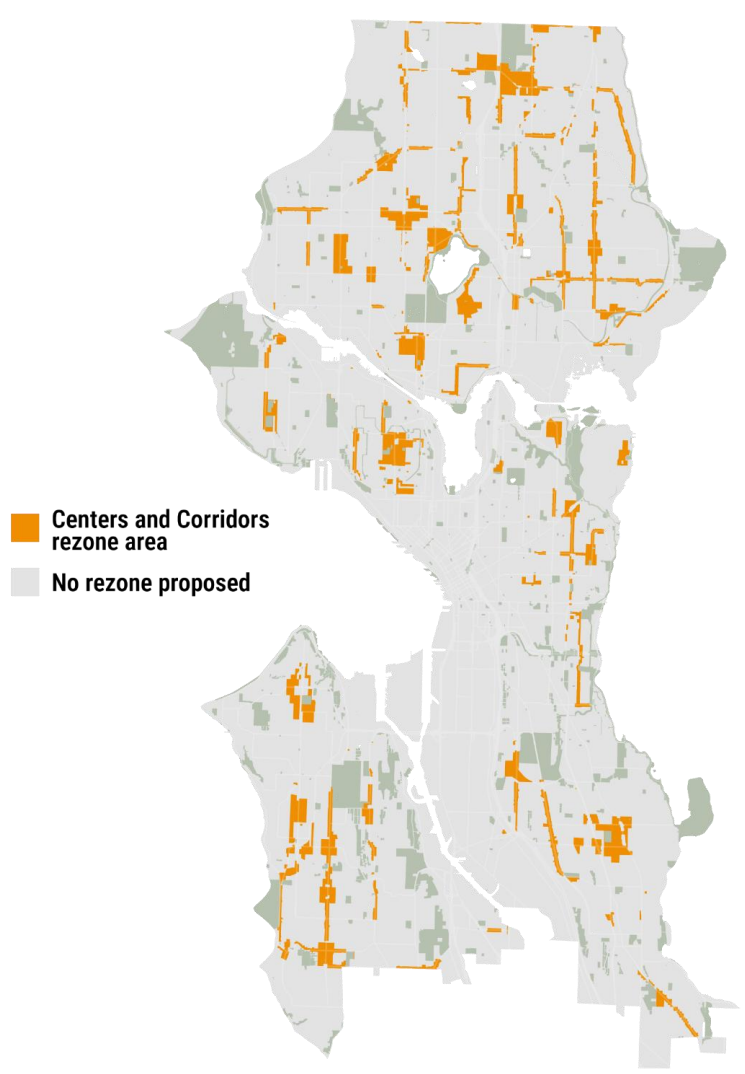
More recently, appeal delays have pushed back the implementation of former Mayor Bruce Harrell's "One Seattle" Comprehensive Plan update numerous times, with the adoption of 30 new neighborhood centers and modest upzones along transit corridors pushed into 2027. Without reform, the same delays are likely to impact Mayor Katie Wilson's even more ambitious "Taller Denser Faster" plan that is still in the early scoping phase.
Without an avenue of administrative appeal, challenges to the City's environmental determinations would instead have to go through the state Growth Management Hearings Board or through King County Superior Court. Individual projects, like data centers, bike lane connections, or grocery stores in food deserts, would not be impacted and could still be appealed to the hearing examiner.
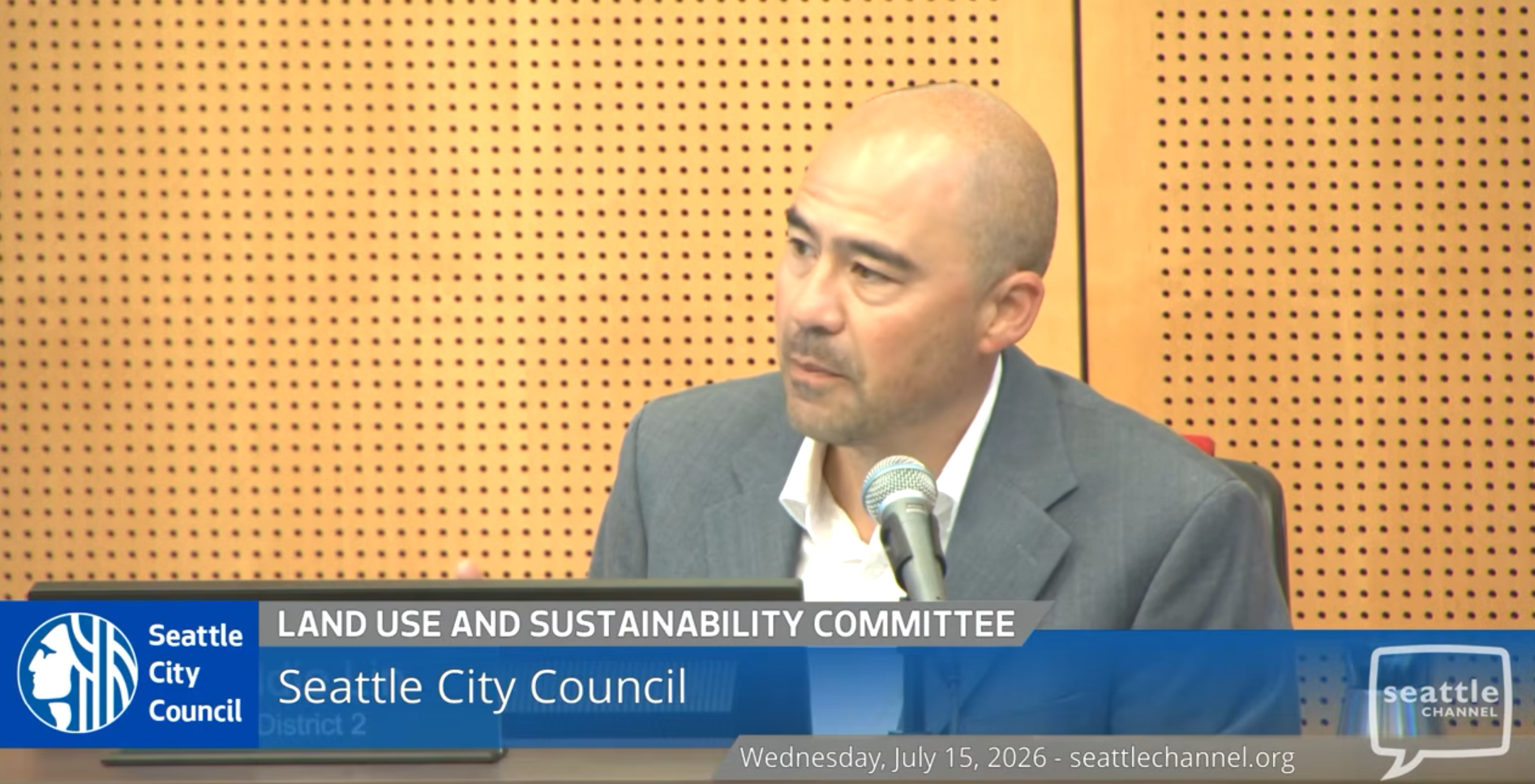
"At the end of the day, it is our job to make sure that that we have the facts that we need to make an informed decision, and part of the reason I support this bill is I don't see it as useful or accountable to send folks off to the hearing examiner," Lin said ahead of Wednesday's vote. "It is incumbent upon us, as your elected leaders, to make sure that not only the environmental review, but other processes that we follow, the public engagement that we do with you is robust, and that we are hearing from you, and that we are representing our communities, your values, our community's values, and again, at least from my perspective, the hearing examiner does not improve that process."
Though the change simply aligns Seattle's appeals process with that of Bellevue, Tacoma, and King County, Lin's bill ran into a wall of opposition, seeing pushback from the same advocacy groups that make a habit of filing these types of appeals. The Wallingford Community Council, for example, has opposed the move after being one of the appellants in the 2017 MHA appeal.
The bill's opposition also includes the current appellants seeking to send the One Seattle plan back to the drawing board: Jennifer Godfrey, whose case at the Washington Court of Appeals affirmed a major loophole in recent state-level SEPA reforms, has been a strong opponent of the bill.
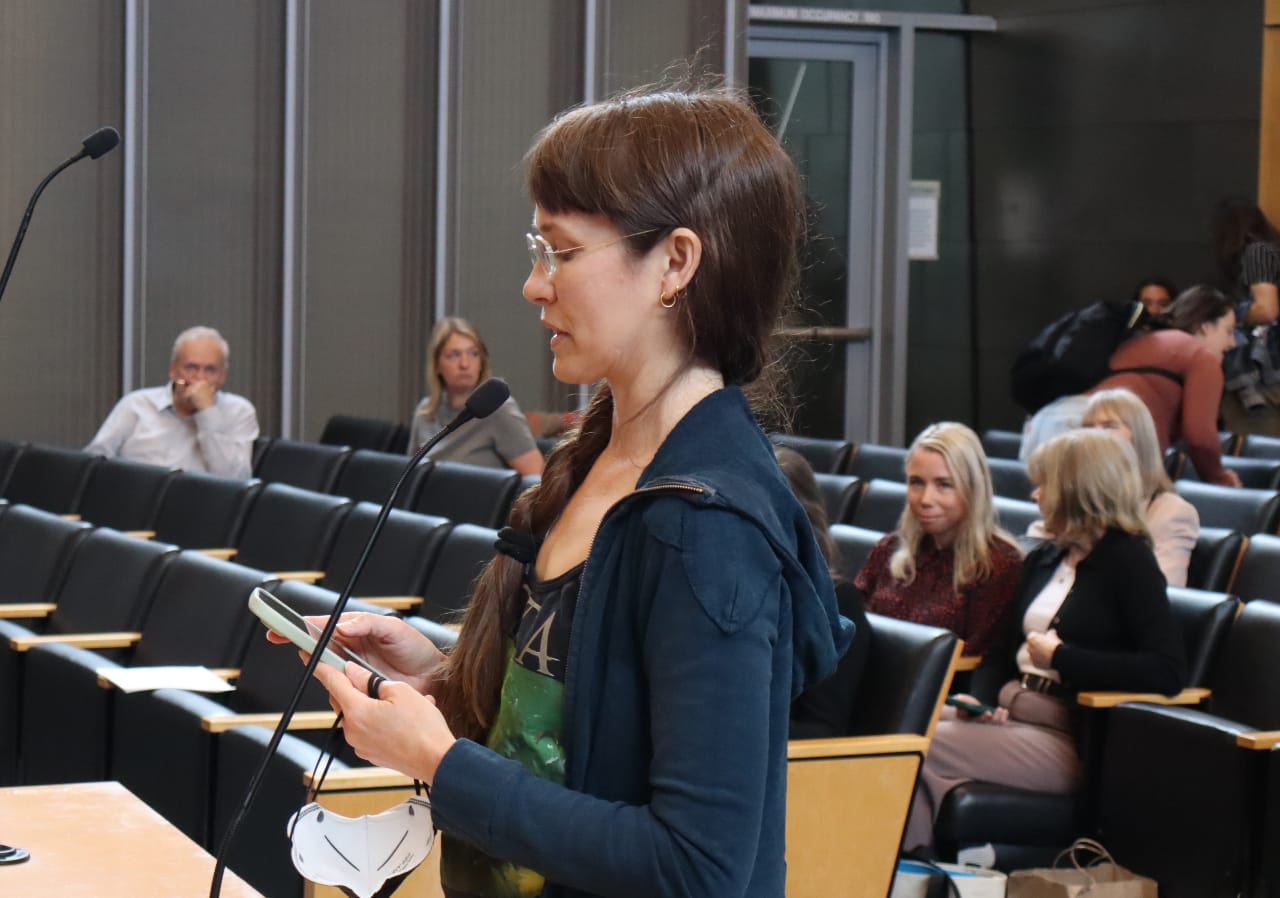
"Eliminating public environmental oversight is out of place in a so-called progressive city," Godfrey told councilmembers. "If public comment does nothing to fix flaws in Seattle's largest environmental impact statement, that is a choice to damage the environment."
While critics of zoning changes have pointed to potential flaws in the city's environmental analysis, past SEPA appeals have been unsuccessful in prompting major changes to growth plans.
The 2017 MHA appeal resulted in a remand of environmental analysis back to the city, but the changes only impacted one small section on historical resources. The biggest long-term impact was fewer homes constructed during a time of low interest rates and high demand for housing. Moreover, since upzones were needed to trigger MHA requirements, delays also meant fewer contributions to the City's stock of affordable housing.
Those facts haven't prevented the bill's opponents from painting the move as anti-democratic.
"This bill is looking for ways to reform Seattle's process so that we can streamline housing, but silencing the public's only accessible mechanism is not the right path," Tree Action Seattle co-founder Sandy Shettler told councilmembers. "The 'housing delayed, housing denied' argument falls completely apart when you look at the Comp Plan timeline. The city is responsible for why we are two years out. The mayor held onto the plan for months. Then, when it was appealed, the city filed motions to delay at every opportunity. And even now, the city is delaying because of recess, budget, winter vacation, and other things that seem to be more important. The only urgency I see here is an urgency to silence voices."
An amendment put forward by Council President Joy Hollingsworth and approved by a 5-0 vote will extend comment periods on environmental reviews to 45 days – the maximum allowed under state law – and add a longer waiting period (30 days) for final council action after a final environmental impact statement has been issued.
While opponents of SEPA reform have painted appeals as a tool that's available to everyday citizens to hold the city accountable, appeals filed without the help of seasoned land use attorneys typically haven't advanced very far. Godfrey's appeal has been enabled by former city council aide Toby Thaler, a neighborhood activist who also fought the MHA rezones.
Foster, joining Lin in voicing support for the reform, painted a clear picture of the need for cities to reduce barriers standing in the way of additional densification.
"From my perspective, cities are an incredibly important element to how we combat climate change, growing in a way that is responsible. Growing in a way where we take into account that so much of our pollution comes from transportation-related emissions, and that when we have folks who are pushed further out of the city, or if we fail to do our job and build substantial and affordable housing, that those actions or non-actions, depending on how those are defined, also have environmental impacts." Foster said. "I see this as an opportunity for us to have a balance."
Foster's comments were echoed by Lin, who noted that there are myriad opportunities for urbanists and environmental advocates to come together to advance changes that benefit the city and its residents.
"We have 1.6 million parking spaces in the city, and that is way more than than we need for our population size. So I think there are things that we can work on together with our development community and our tree-loving community," Lin said. "Growth does not have to be bad for the environment. It actually can be good for the environment if we build sustainably."
 Ryan Packer
 Doug Trumm