Tuning in cold to a public hearing Wednesday morning at the Seattle City Council's Land Use Committee, you might have walked away confused and thinking that there were comments being made about two different proposals. To many commenters, Council Bill 121215 was touted as a commonsense reform that will bring Seattle in line with standard practice in other large Washington cities. By others, it was framed as an affront to democracy that will lead to the clear-cut logging of the city.
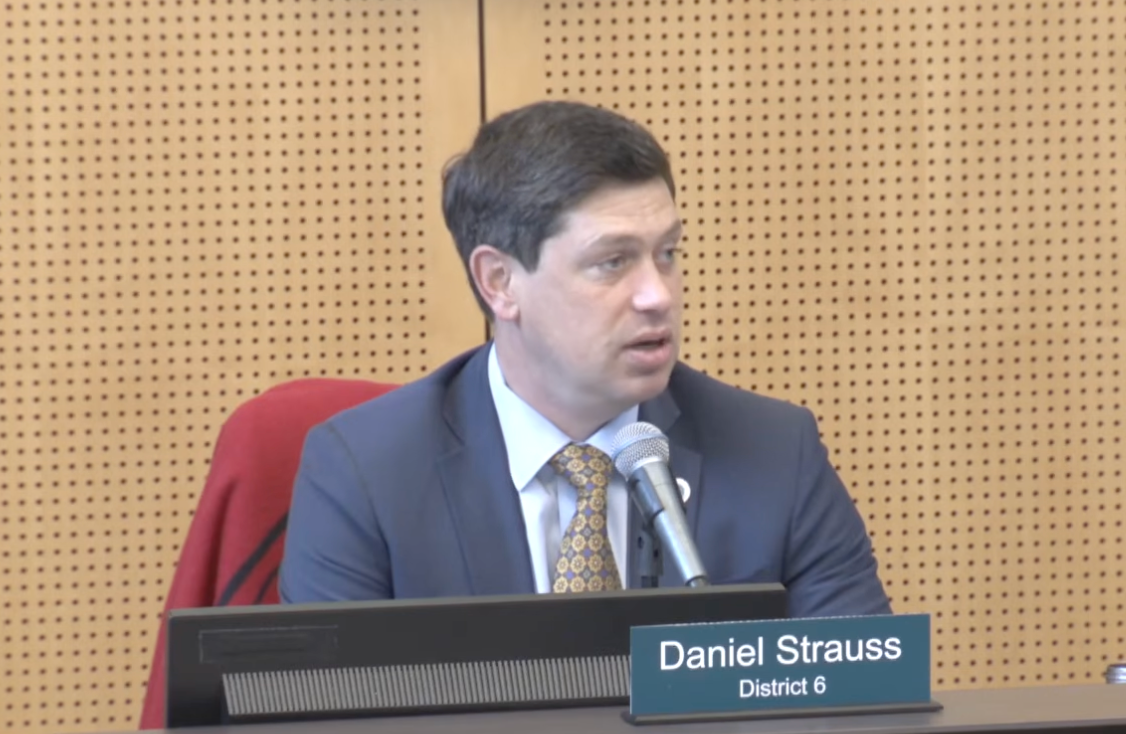
Introduced by District 2 councilmember and committee chair Eddie Lin, CB 121215 would remove an avenue for administrative appeals of Seattle's Comprehensive Plan under the State Environmental Policy Act (SEPA). Such appeals are heard by the City's internal hearing examiner and have added months to the timeline to implement the "One Seattle" growth plan overhaul proposed by former Mayor Bruce Harrell, most recently pushing the next set of planned rezones around the city into 2027.
Under Lin's proposal, the ability to appeal the City's environmental analysis wouldn't be fully removed, but the bar would be raised. Appellants would be required to take their filings to King County Superior Court or to the state's Growth Management Hearings Board.
As it stands, an appellant can hold up land use changes impacting the entire city with a $120 filing fee, even if an appeal lacks all merit. With this change, legislation would go into effect while appeals played out, but land use changes could still be found invalid and nullified, as the City of Seattle saw with the tossed-out proposal to legalize housing in the stadium district last year.
State law doesn't require cities to create an administrative appeals process, and numerous large cities in Washington do not, including Bellevue, Everett, Tacoma, and Vancouver. Kent and Spokane do, as do Snohomish and Pierce Counties. King County also doesn't allow administrative appeals.
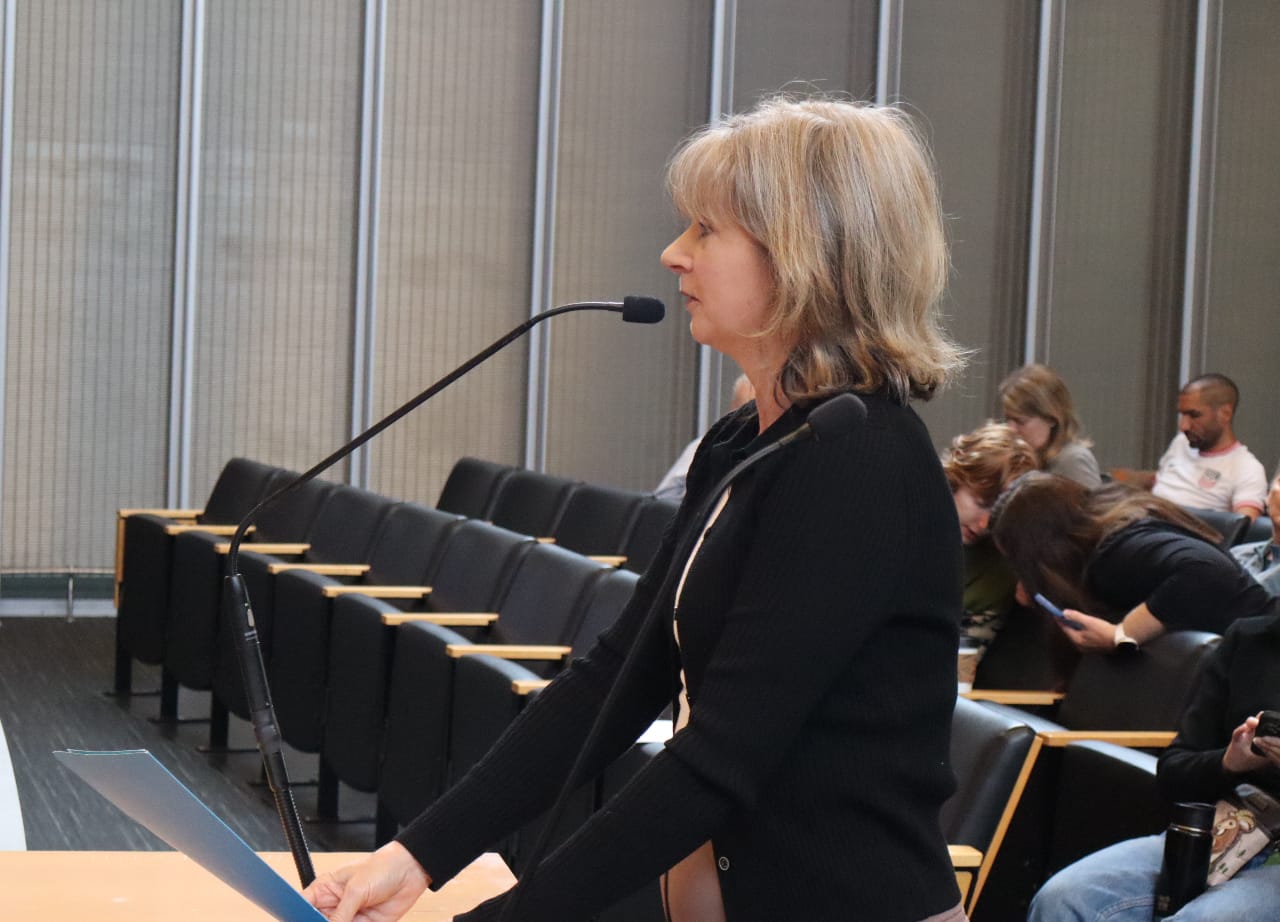
Misleading or outright incorrect information about the bill's impact was flying even before the hearing, which brought out around 75 people to testify on a weekday morning ahead of a World Cup game. An email blast from the advocacy group Tree Action Seattle sent over the weekend called CB 121215 a "proposal to eliminate citizen environmental appeals" – providing talking points that included the incorrect assertion that it would impact project-level SEPA approval.
In fact, only "non-project" actions like area-wide rezones and amendments to the city's land use code, with individual projects (like the Aurora Avenue Winco) still subject to SEPA appeals.
The Seattle Times Editorial Board jumped into the fray with an op-ed Tuesday morning calling for the bill to be halted in its tracks. That column followed a profile (written by board member Alex Fryer) last month of Jennifer Godfrey, who is currently one of two appellants attempting to force the City of Seattle to take the One Seattle plan back to the drawing board. Godfrey and her ilk have dubbed their effort the "orca appeal" and focused on the alleged impact of allowing increased housing density in Seattle on Puget Sound and its population of Southern Resident killer whales.
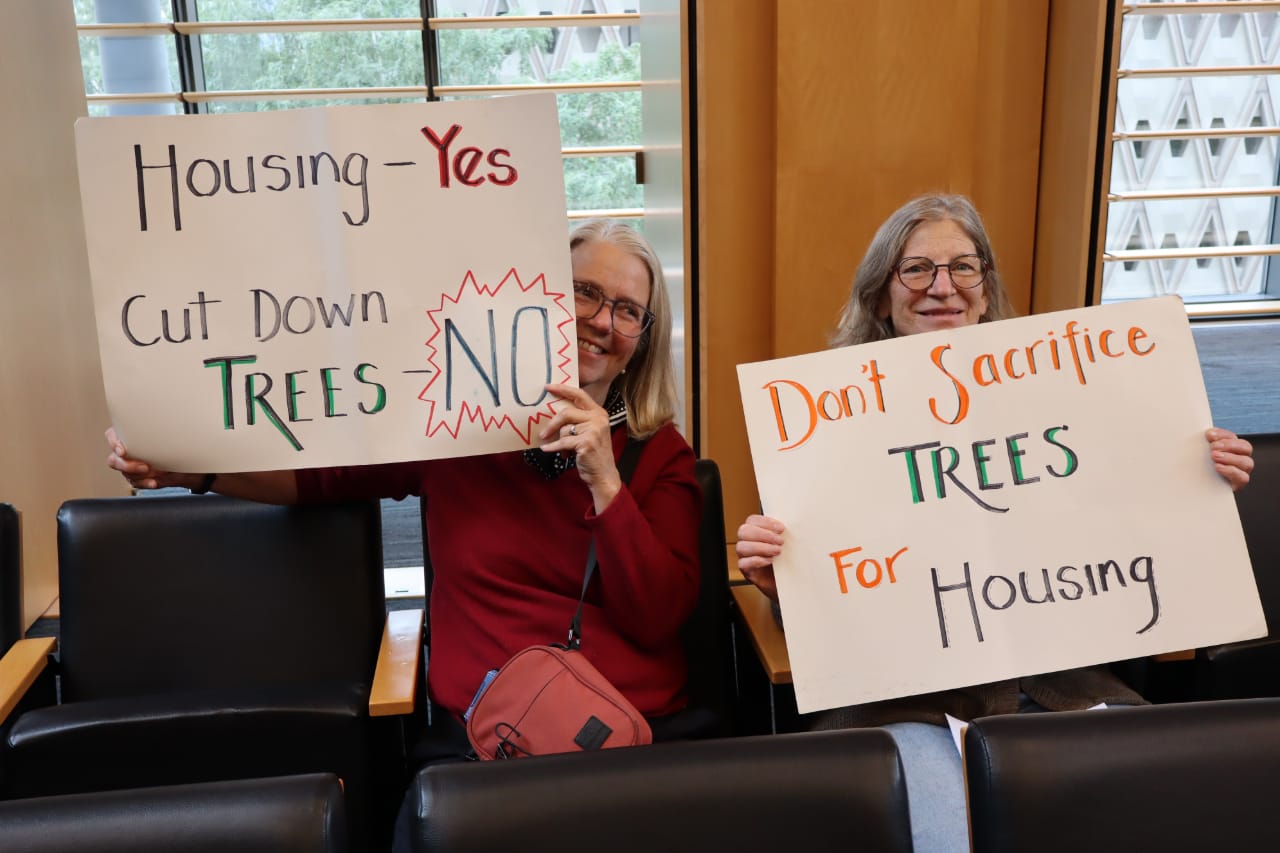
"When clean air, water and green space are under assault across America and Seattle is changing before our eyes, local officials ought to stand up for science and scrutiny and pledge to get right the most sweeping changes in decades," the board wrote, delivering an op-ed without any reporting on either Lin's bill or Godfrey's appeal from the paper's newsroom.
The Seattle Times Editorial Board framed the impact of SEPA appeals as minimal, because it takes on average 69 days for an appeal to be dismissed after filing. But that amounts to more than two months where the city's elected officials are blocked from taking action on legislation that's generally ready to be adopted, no matter what the ultimate merits of the appeal are.
"[T]he few cases found to have merit took much longer. The single case where an environmental statement was sent back for review took 374 days," the board wrote. "In other words, where there was a legitimate problem, the process appropriately took time to sort it out."
Left out of the conversation is what those "legitimate problems" were. In the specific case mentioned, where an appeal of citywide rezones implemented as part of the 2017 Mandatory Housing Affordability (MHA) program, over a year of delay only produced tweaks to a section of the environmental review that focused on historic resources, despite the zoning changes not impacting any historic preservation laws.
Another prevalent view of SEPA appeal defenders – that it allows random citizens to more easily access the legal system – is also misleading. The MHA appeal was brought by a number of well-resourced organizations with access to top-notch land use lawyers, including Claudia Newman of Bricklin & Newman.
The year after that MHA appeal, the Queen Anne Community Council filed an appeal against the environmental review of an overhaul of Seattle's accessory dwelling unit (ADU) legislation. Unlike in the MHA case, where the City hearing examiner found a number of errors that needed correcting, the final environmental impact statement (FEIS) was fully upheld. The appeal still took nearly seven months.
During testimony, elements of Seattle's environment and its ecosystem that are in need of added protections were put front and center, but with very little direct evidence tying regulations that would improve those elements to SEPA directly. SEPA largely requires public agencies to analyze how much a land use change will impact the status quo, but it isn't really equipped to handle the question of what inaction will lead to, making it a poor tool to handle the impending climate crisis.
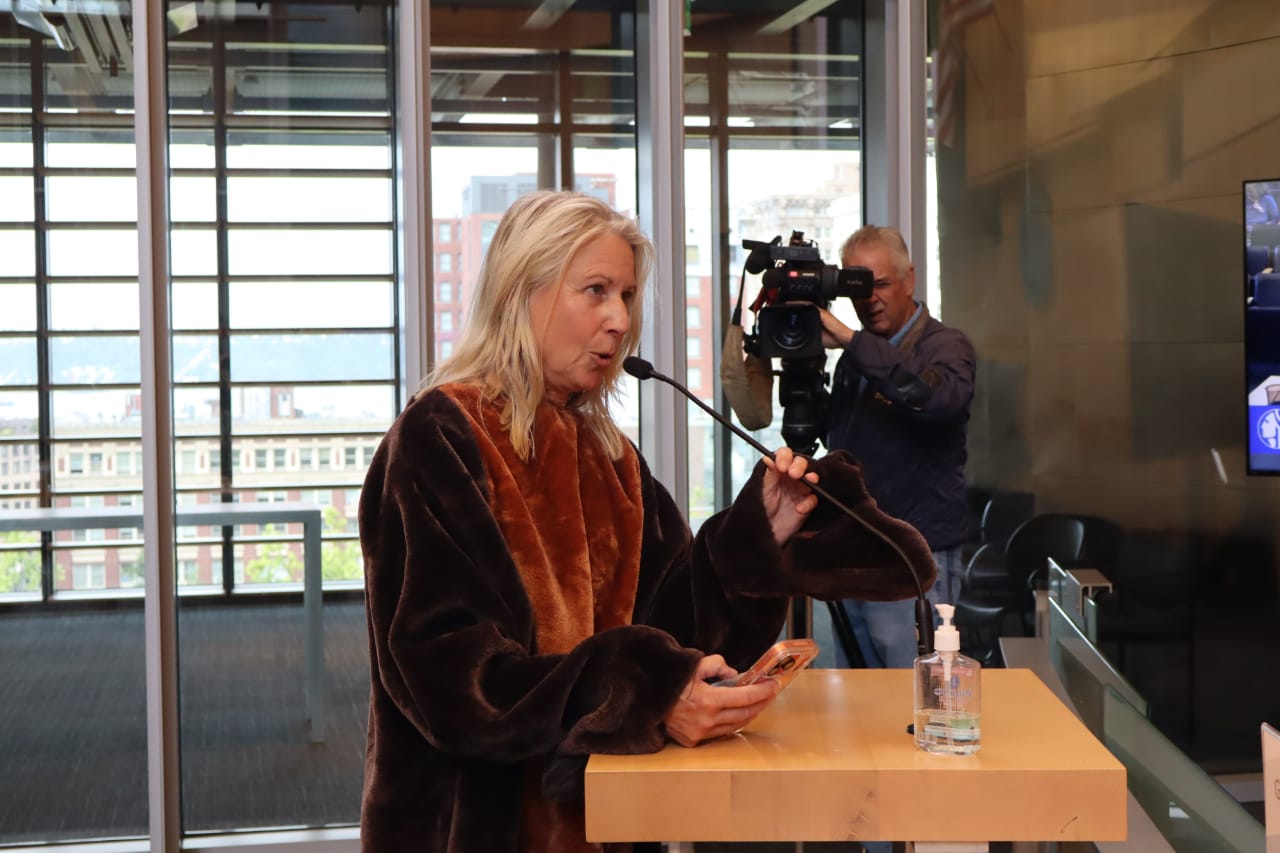
"Messaging on this bill claims that SEPA updates are redundant because, I quote, 'Seattle's a national leader in environmental protection and coexistence between humans and the beautiful nature that surrounds us,' but the data drives a different story," Tree Action Seattle co-founder Sandy Shettler said during the hearing. "Our air is worse. The EPA reports that our fine particle pollution, not from wildfires, jumped over 17% in the last decade, and it's 10% higher than similar-size cities. We're overheating."
Numerous opponents of the bill also compared the idea of reducing barriers to making local land use changes to deregulation happening at the federal level.
"In this moment of democratic backsliding. I think it's a big mistake to pile on at the city level, you know. We're all a bit freaked out by what's going on at the national level, and this, even if it doesn't have that effect, I think it has the impression of having that effect," said Jonathan Warren, a UW International Studies professor. "Second, it seems that this is being done in the name of creating affordable housing. There's really no evidence that this is contributing to the lack of affordable housing."
Supporters of the bill, on the other hand, framed the delays that stem from appeals as impactful, pointing to the fact that Seattle officials started work on updating the city's 20-year growth plan in 2022 and is still nowhere near fully implementing its changes.
"Environmental protections are not abstract for me, and neither are the very real outcomes of these unnecessary delays on densifying our city," Amanda Lynn, an organizer with House Our Neighbors, told councilmembers. "Look, I'm no champion of private development, but that's not who is most impacted by these redundant appeals. It's folks like Habitat for Humanity, our community land trusts, and our affordable housing developers that are managing complex capital stacks and navigating confusing and complex bureaucracies already, and it also affects the orcas, who will continue to suffer from years of sprawl."
A representative for Habitat for Humanity directly turned up at city hall to support the proposal as well.
"To put it simply, this bill closes a loophole that costs Seattle time it doesn't have," said Aliesha Ruiz, Advocacy and Policy Manager for Habitat for Humanity of Seattle-King & Kittitas Counties. "State law sets firm deadlines for updating our land use code, but administrative SEPA appeals and legislative actions have repeatedly pushed those timelines back. This is a layer of review state law never required in the first place. Nothing about environmental protection changes here, and full SEPA review stays exactly as rigorous as it is today."
The Land Use Committee is expected to vote on CB 121215 later this month, and will be tasked with weighing the impact on the City's ability to advance its own priorities against the myriad claims being made about the proposal, many of which don't match reality.
 Ryan Packer
 Ryan Packer