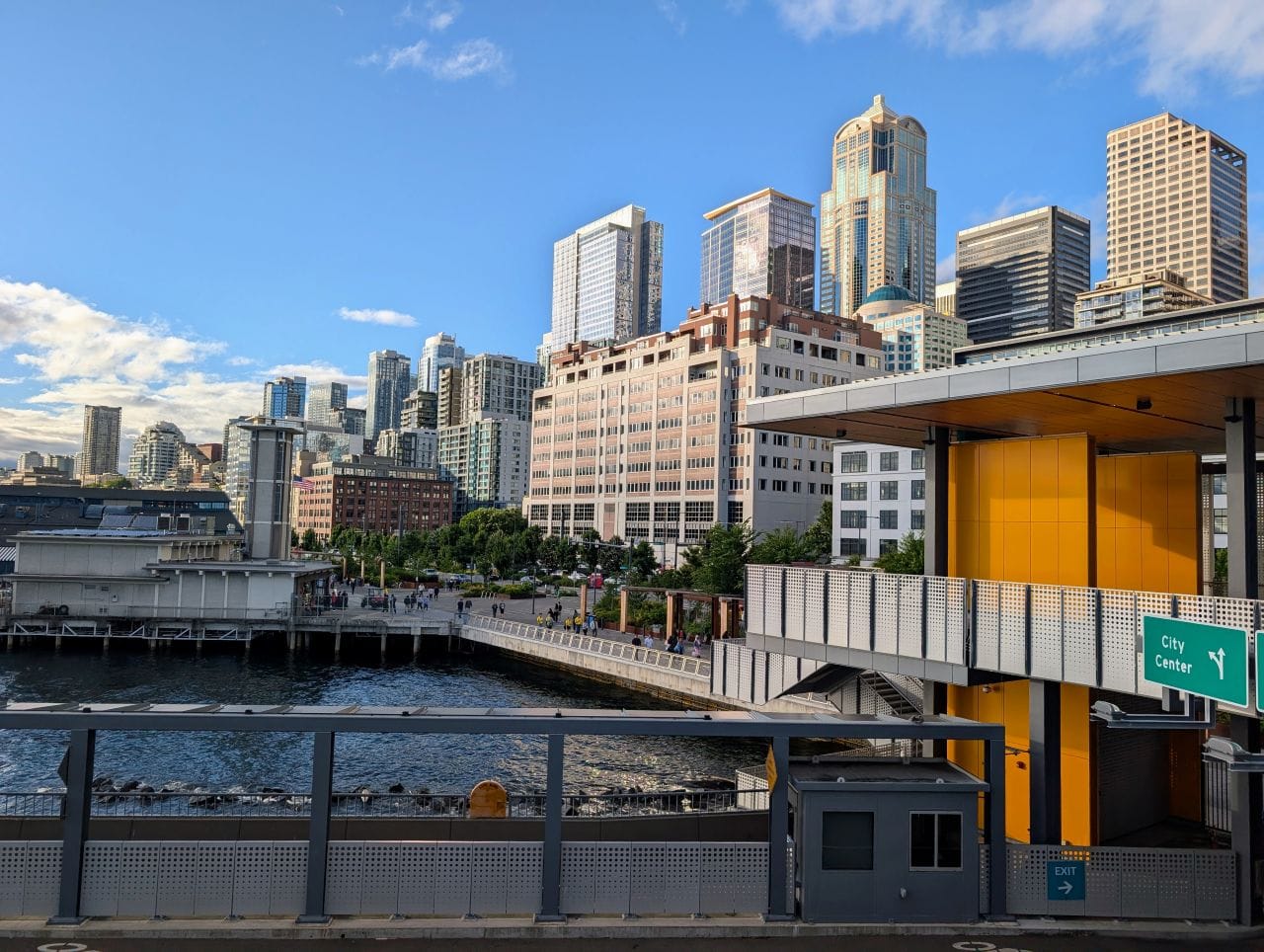
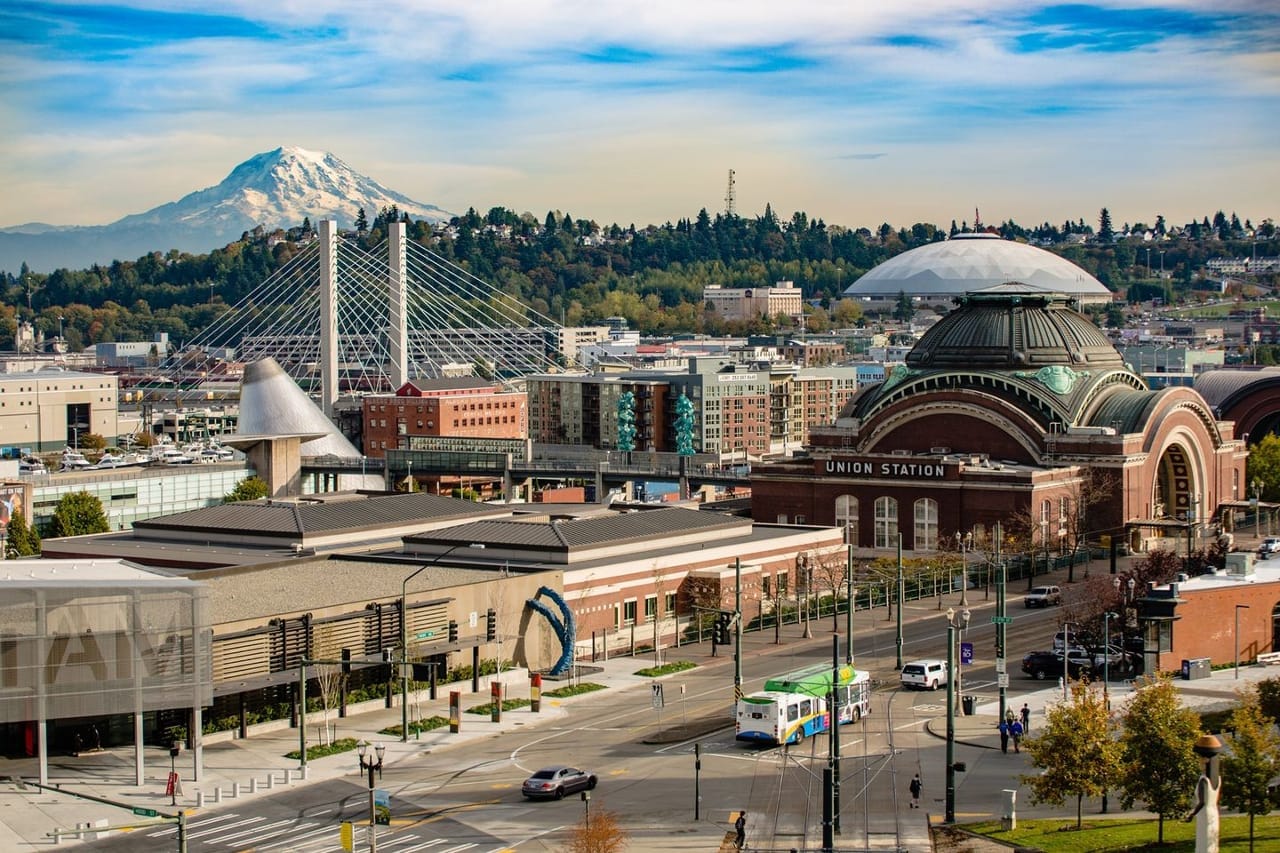
Seattle and Tacoma were the fastest growing cities in the state over the past year, according to new April 1, 2026 population estimates from the Washington State Office of Financial Management (OFM). Seattle added 6,800 residents, growing to 823,400. Tacoma added 2,600 residents, reaching 231,000 residents, a 1.1% growth rate.
Much of the growth in new residents came outside Puget Sound. The Tri-Cities in southeastern Washington also posted significant population growth. Pasco added 2,570 residents, the third largest gain in the state. Kennewick added 1,430 residents, and Richland added 1,360 residents, putting all three Tri-Cities in the top six gainers. The other city in the top six: Vancouver, with 1,900 residents gained.
Seattle accounted for just over half of King County's estimated growth, with the county growing by 13,000 residents, reaching 2,424,700. The state of Washington grew by 61,200 residents, reaching a grand total of 8,176,300.
The growth rate in Seattle and statewide signify a considerable deceleration from previous years. Last year, Seattle added 18,000 residents in OFM's annual update, good for a 2.4% growth rate. This year, Seattle's population grew only 0.8% over 2025, compared – three times slower.
The state growth slowdown was less dramatic. Last year, Washington state posted year-over-year growth of 79,400 residents. From 2010 to 2020, Washington averaged annual growth of 98,200 residents.
The city to lose the most population, year-over-year? Pullman, which saw its population drop by 520 residents.
The statewide slowdown in growth is linked to decreasing migration into the state. This year, OFM reported that Washington's net migration, which includes domestic moves from other states in addition to international migration, was down 30%. Net migration – people moving in minus people moving out – "is the largest driver of population growth, accounting for 72% of the state’s increase" in 2026. The net migration of 43,870 people was down 18,450 from last year.
OFM pointed to strong housing growth as making the population gains possible: "Over the past year, from April 2025 to March 2026, the state added 41,000 housing units, 7,300 fewer than the previous year. Of all new units built this past year, 62% were multi-family units, continuing the decade-long trend."
The slowdown in population growth appears tied to the policies of the Trump regime, which has made discouraging immigration a top goal. Economic turmoil and inflated prices related to the war with Iran could also be dissuading some families from having more children at this time.
While housing growth is giving the state the ability to grow, a few warning signs are also flashing of a housing slowdown, with housing starts trending downward.
Seattle has seen one of the most dramatic drops after long leading the state in housing permits. The Emerald City's housing starts collapsed to a decade-long low of fewer than 2,000 units permitted in 2025 – down 88% from the 2020 peak of 17,400 units permitted.
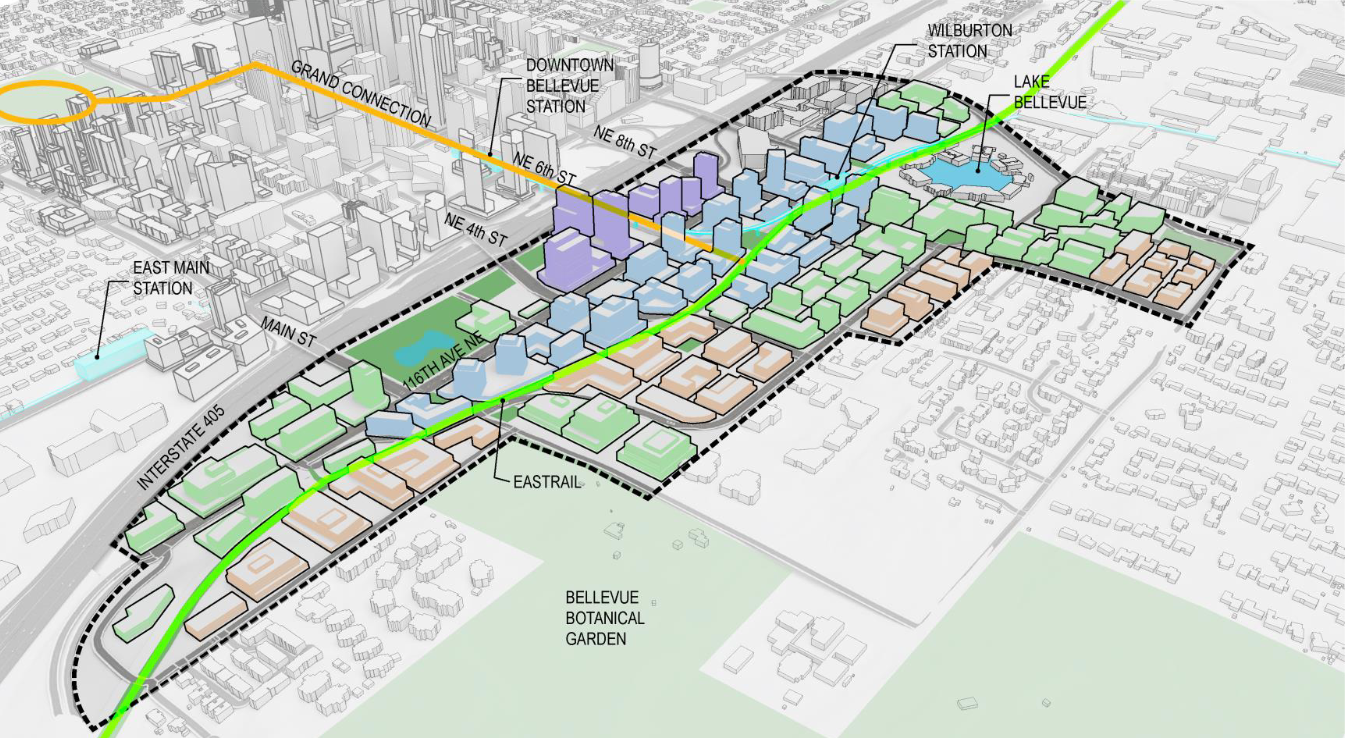
Some cities have bucked the trend, with Bellevue seeing robust permitting activity, with interest in large multifamily developments in Wilburton and downtown leading the way. While those large projects will likely entice population gains down the road, Bellevue posted more tepid growth of 300 residents this year.
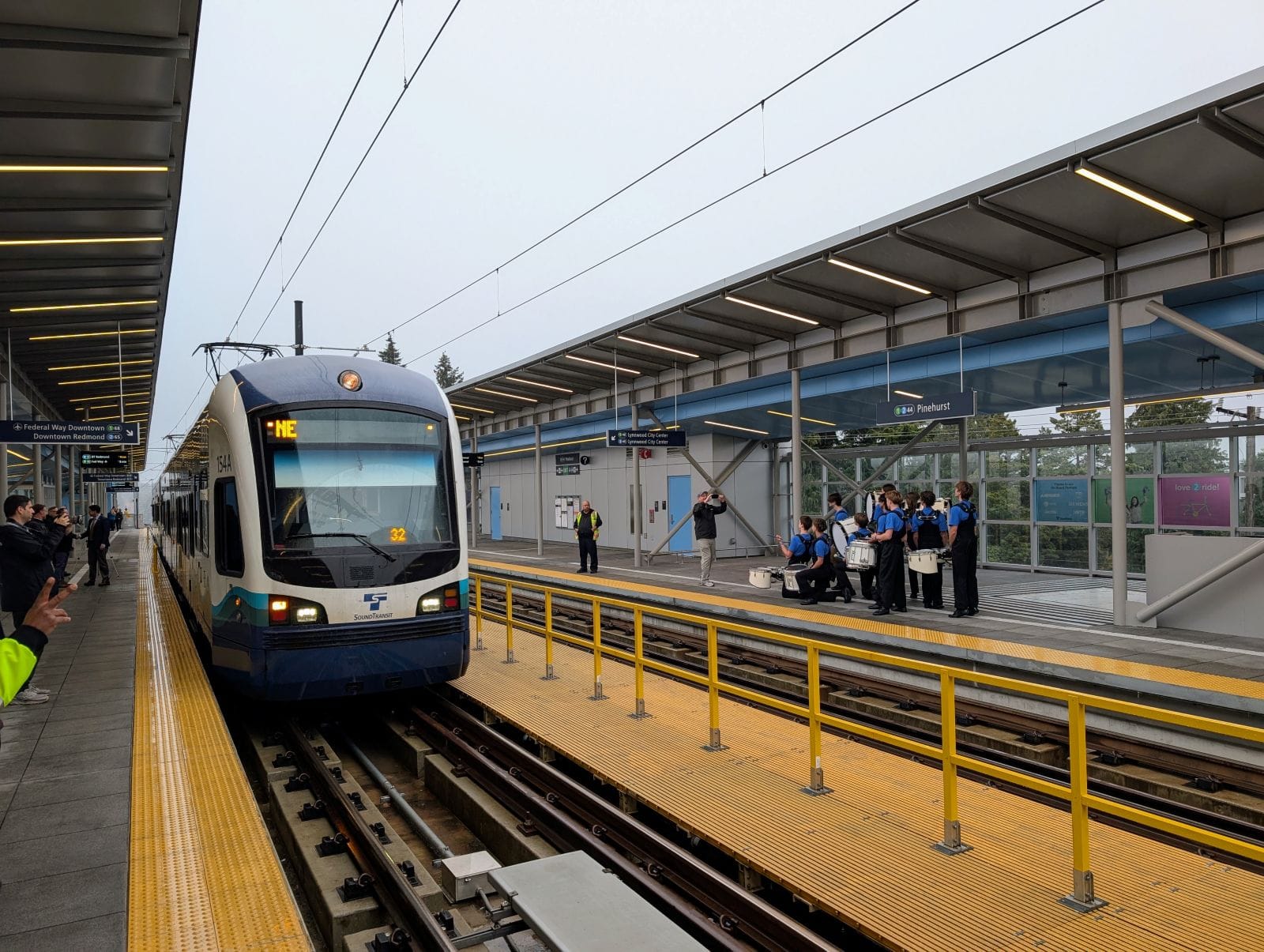
Redmond added 940 residents; Kirkland added 300 residents, Issaquah added 30 residents, and Mercer Island added 20 residents, rounding out a down year for population growth on the Eastside, even as the region celebrated the full opening of the 2 Line light rail connection across the lake.
On the other hand, Tacoma's permitting boom has included plenty of middle housing, like townhomes and duplexes, spurred by the city's Home in Tacoma reforms, in addition to larger multifamily projects. Opportunities opened up by upzones could allow Tacoma to continue to be among state leaders in welcoming new residents.
 Doug Trumm
 Doug Trumm