Sound Transit's timeline to deliver light rail to West Seattle has slipped to 2035, three years later than its last estimate, the agency confirmed Thursday. Sound Transit's acting Chief Capital Delivery Officer Brad Owen delivered the news during the board's System Expansion Committee meeting on Thursday afternoon.
"Today's update does include a revised revenue service date of 2035 for the West Seattle Link Extension," Owen said. "This is difficult news to share, but the schedule delay has been an unfortunate consequence as staff has worked to identify an affordable path forward for the project, and as the board and the agency focused on addressing a nearly $35 billion dollar gap in our long-range finance plan through the Enterprise Initiative. As the board worked through the Enterprise Initiative to solve this gap, the West Seattle project was unable to fully advance its final design and right-of-way phases until there was an updated and affordable ST3 system plan, which was adopted in May."
The committee proceeded to approve a motion allocating $765 million dollars to allow the agency to begin acquiring properties needed to build West Seattle Link. Of that, $465 million is expected to go to right-of-way acquisitions encompassing 55 properties, while $300 million would cover "construction support services."
The motion goes to the full board for final approval at its next meeting on Thursday, August 27.
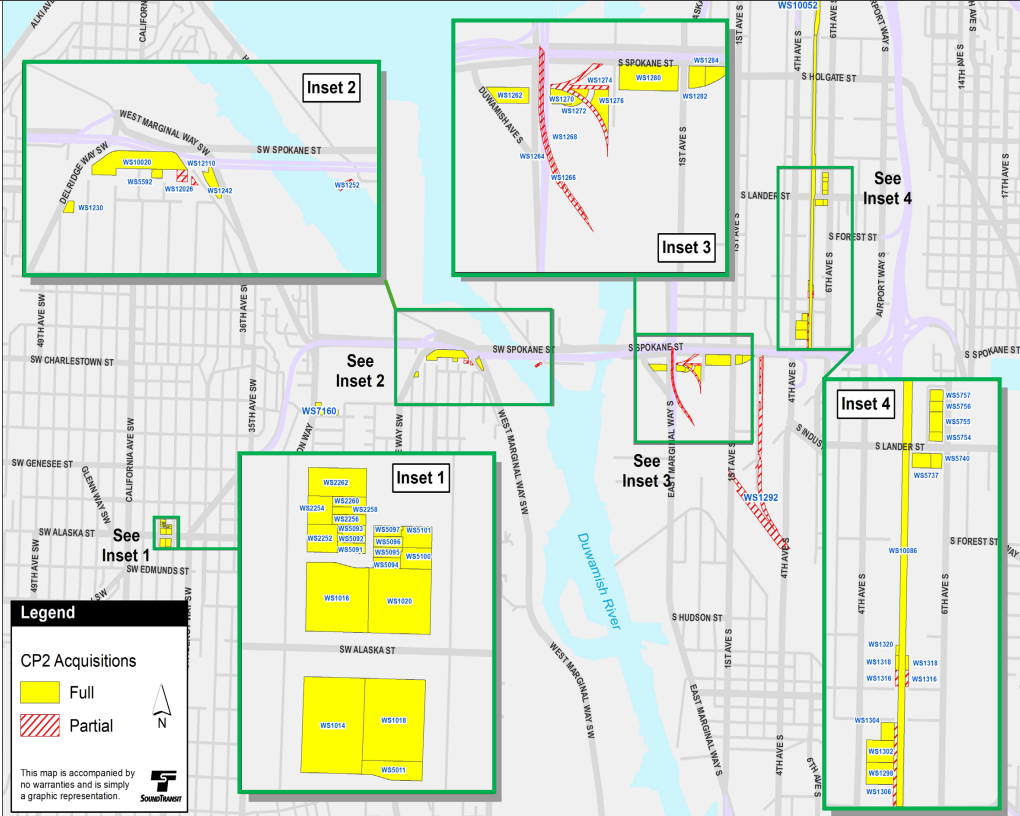
In previous votes, the board already approved funding for acquiring another 33 properties for the project, with staff anticipating roughly 190 additional properties will need to be acquired once the project is fully progressed, Owen said.
Critics have raised the question of why Sound Transit did not announce the delayed timeline ahead of the Enterprise Initiative vote overhauling the system expansion schedule in late May. At the time, West Seattle Link was still officially tabbed for 2032, and several boardmembers pointed to keeping the "shovel-ready" project on course as a reason to do the plan overhaul in May rather than delaying them pending more analysis and deliberation.
"The 2032 date being a fiction was knowable from publicly available materials. It is not credible this was unknown internally - why was it not disclosed before the May vote?" Trevor Reed said Thursday in a Bluesky post. "Much of the rhetoric around not delaying the vote was *to protect* opening dates - if those dates were never based in reality, why the rush?"
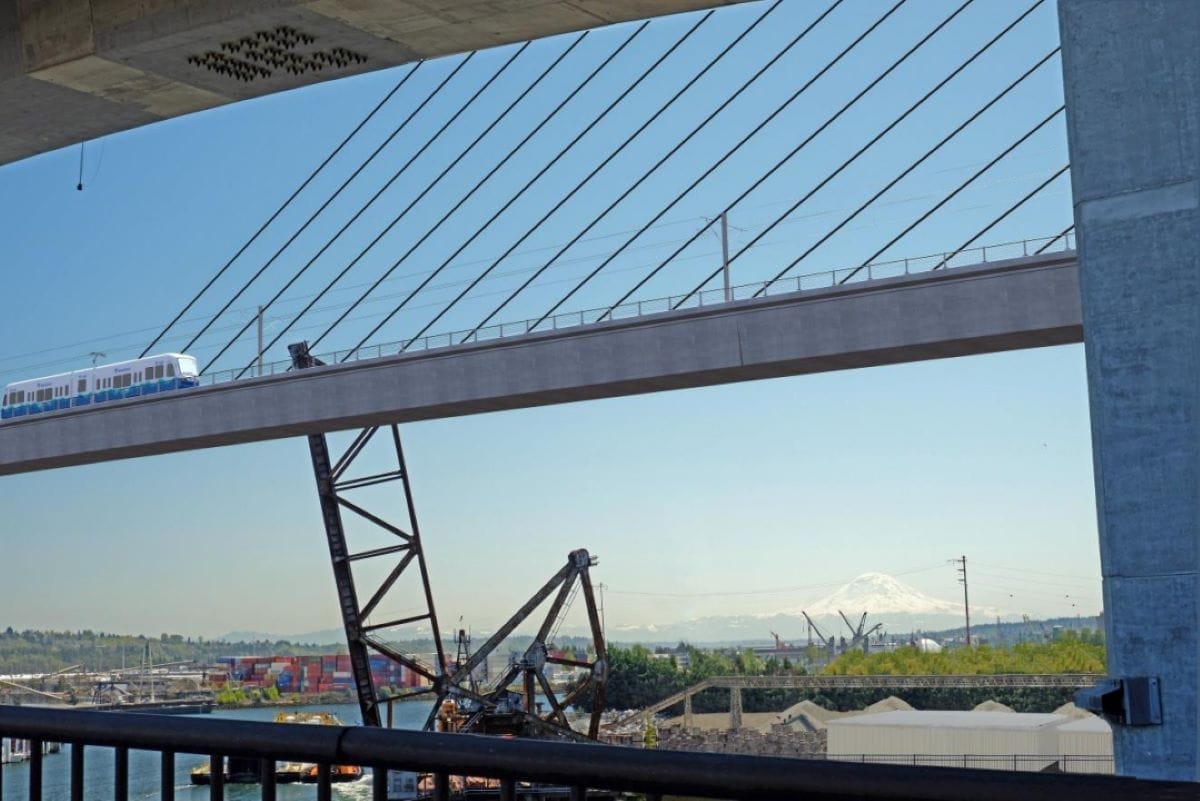
A transportation consultant and co-founder of the advocacy group Transportation Reform, Reed wrote an op-ed in The Urbanist that predicted three to five years of schedule delay for West Seattle Link based on publicly available information and the timeline of recent Link projects, which he noted did not include an engineering feat as complicated as spanning the Duwamish River in a high bridge.
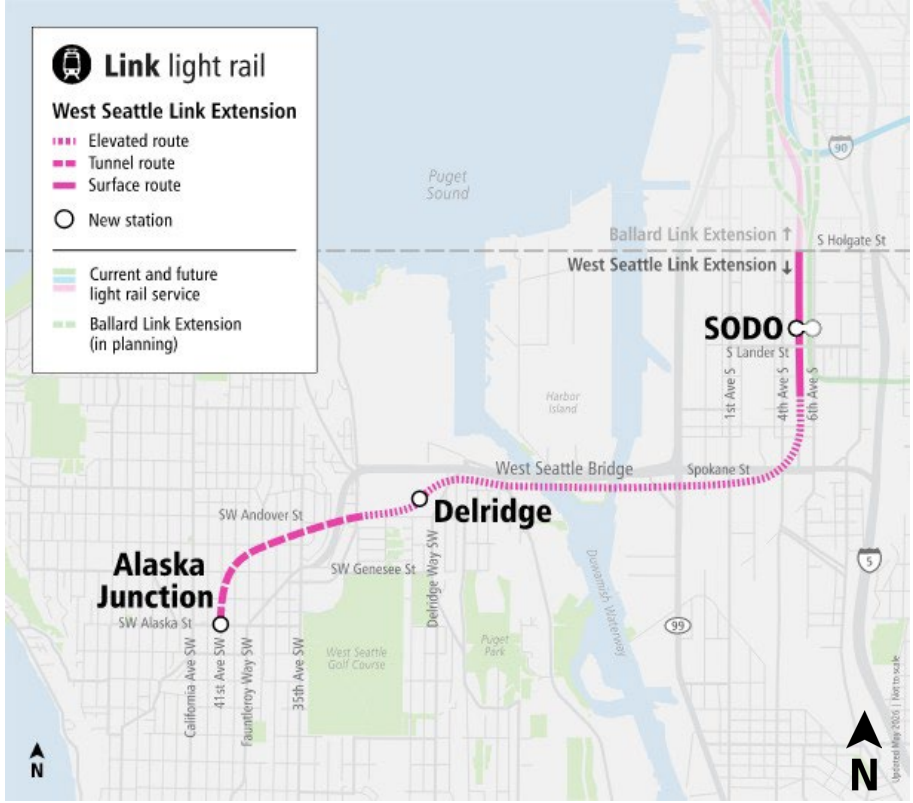
During Thursday's briefing, Owen pointed to the Duwamish bridge as a major contributing factor in the delay, while indicating that cost-cutting work and efforts to reduce community impacts also ate up time.
"The project team identified cost savings on West Seattle project in the range of 2.1 to 2.6 billion dollars, and we did that by optimizing project design and implementing the board-directed cost savings work plan," Owen said. "We also developed more detailed construction schedules that showed that additional time would be needed for major project elements, including the Duwamish River crossing. And while no one welcomes a later opening date, this is a realistic schedule that reflects deliberate decisions to build a better project."
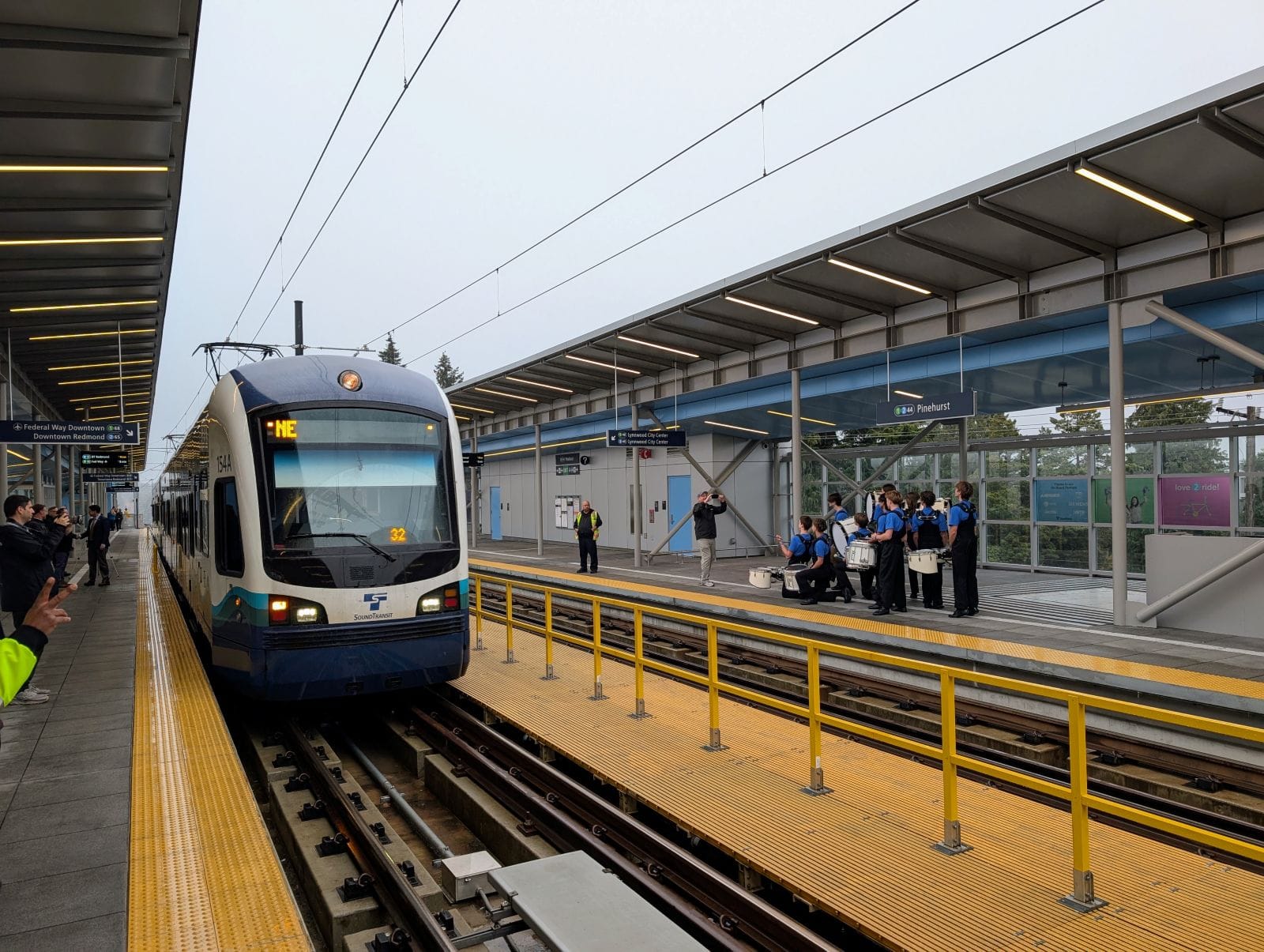
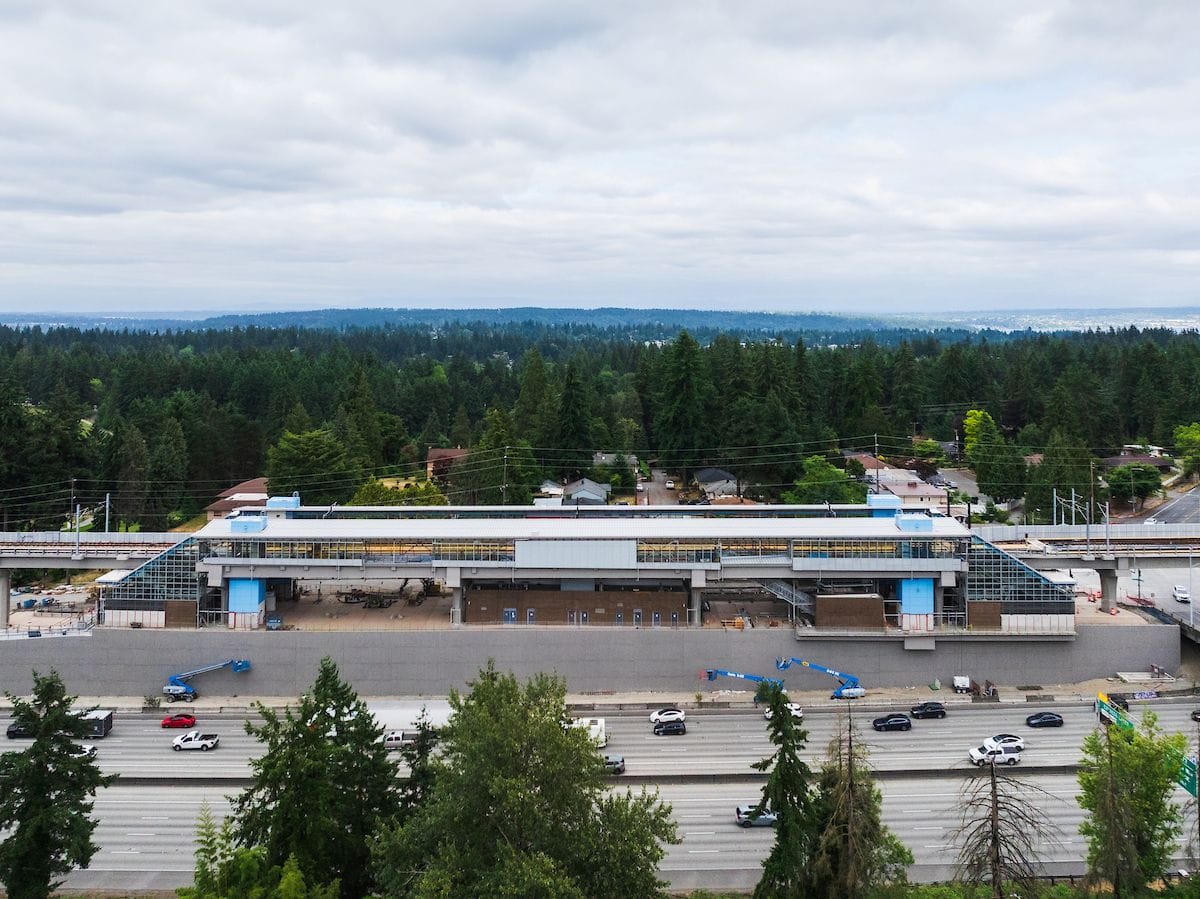
The lion's share of the $2 billion plus in cost savings comes from dropping the planned Avalon Station, which not only cuts station construction costs, but also allows for a more efficient tunnel alignment and less costly location for the Alaska Junction station. As a below-grade station, Avalon Station cannot be added in later once cut, like Sound Transit is doing with elevated or at-grade infill stations at Pinehurst and Graham Street.
On the other hand, cutting Avalon means the $5 billion plus project adds just two new stations: a bus intercept station on Delridge Way and the Alaska Junction station. Sound Transit has floated plans to extend the line farther south in a future expansion measure, potentially one day reaching White Center and Burien.
Seattle Mayor Katie Wilson did not address the schedule change directly during the committee meeting, but her office sent out a celebratory press release shortly thereafter focused on the positive developments. That release welcomed news that Sound Transit would not be relocating high-voltage transmission lines to 6th Avenue S in SoDo, which neighboring businesses and Seattle officials had flagged as an issue. Instead those transmission lines will go in the footprint of the project on the SODO Busway.
“The updated SODO segment design provides significant advantages such as cost savings, fewer property and construction impacts, and reduced project risks. This progress reflects the close coordination between the City and Sound Transit. The work on relocating City Light’s transmission lines is grounded in years of partnership, and I want to express my appreciation to the staff for their outstanding collaboration,” Wilson said. “Sound Transit made a promise to voters to deliver light-rail to West Seattle and Ballard, and as a City we are taking every possible step to find savings and make refinements towards that goal. I’m calling on Sound Transit to continue this type of collaboration, and I’m committed to the City doing our part. We need smarter decisions and concrete cost-saving opportunities to keep both extensions going.”
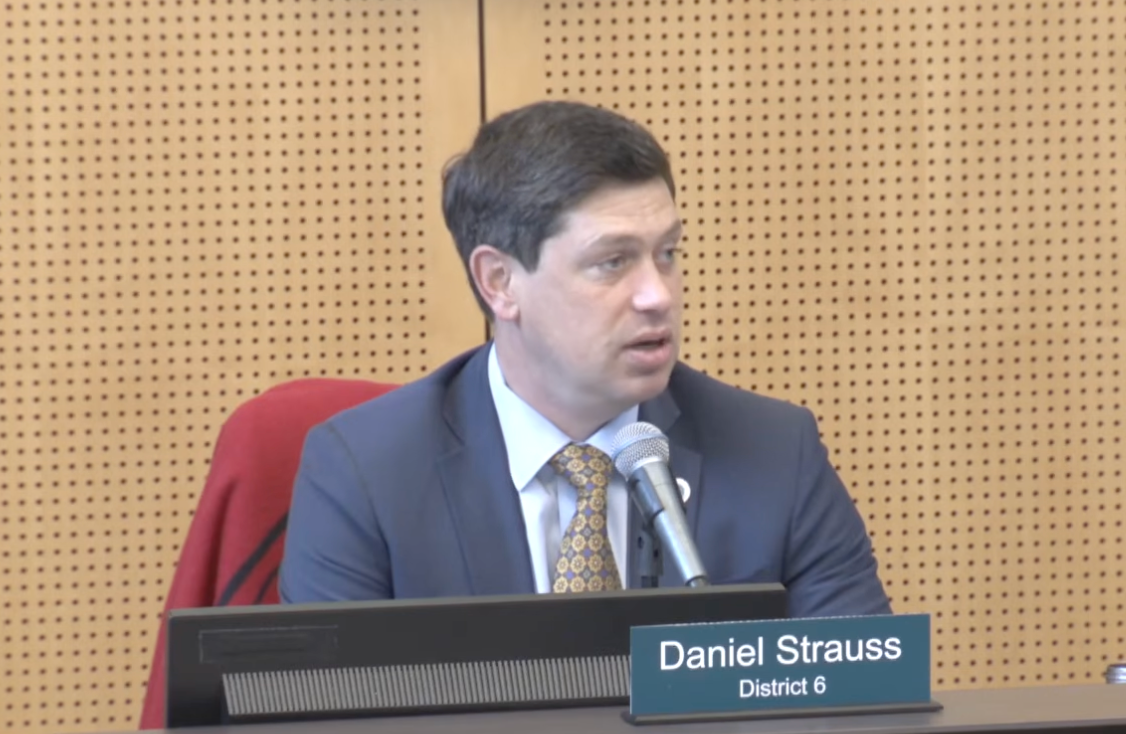
Officials worried relocating power lines to 6th Avenue S would inhibit business growth in the corridor, which the City is aiming to make one of its densest industrial zones. Councilmember Dan Strauss (who also sits on the Sound Transit board) highlighted that disrupting 6th Avenue would be a bad planning decision and could rob the city of much needed tax revenue.
"The City of Seattle changed our industrial zoning in that area to accommodate light rail in a way that we have never changed industrial zoning before," Strauss said. "As you all know, industrial zones are the most economically productive type of zoning in our city, accounting for one third of our sales and use tax. In boom economic times, nobody notices the industrial zone. In the downturns, everyone relies on it. And so the original proposal of putting those transmission lines on 6th, it was at cross purposes with our zoning changes that we've made that were intended to support the light rail infrastructure."
Beyond lessening impacts on neighboring business, the City said the change would reduce project costs and risks: "The new design is expected to save the project over $100 million and remove the risk of damage to other critical City transportation and water infrastructure."
While West Seattle Link's opening date has slipped from 2030 promised on the 2016 Sound Transit 3 (ST3) ballot measure to 2032 in the last realignment to 2035 as of Thursday, agency officials portrayed the new date as "durable" – rather than likely to be delayed again.
“We now have a durable date for delivering light rail to one of the region’s most vibrant neighborhoods,” Sound Transit CEO Dow Constantine said in a statement. “Innovative solutions driven by our design team have reduced project costs by more than $2 billion, and thanks to close collaboration with the City of Seattle, Seattle City Light, and communities along the project alignment, we have dramatically reduced impacts to a vitally important industrial corridor in SODO. We stand ready to deliver this transformational investment on behalf of a region that is hungry for more high-quality transit options.”
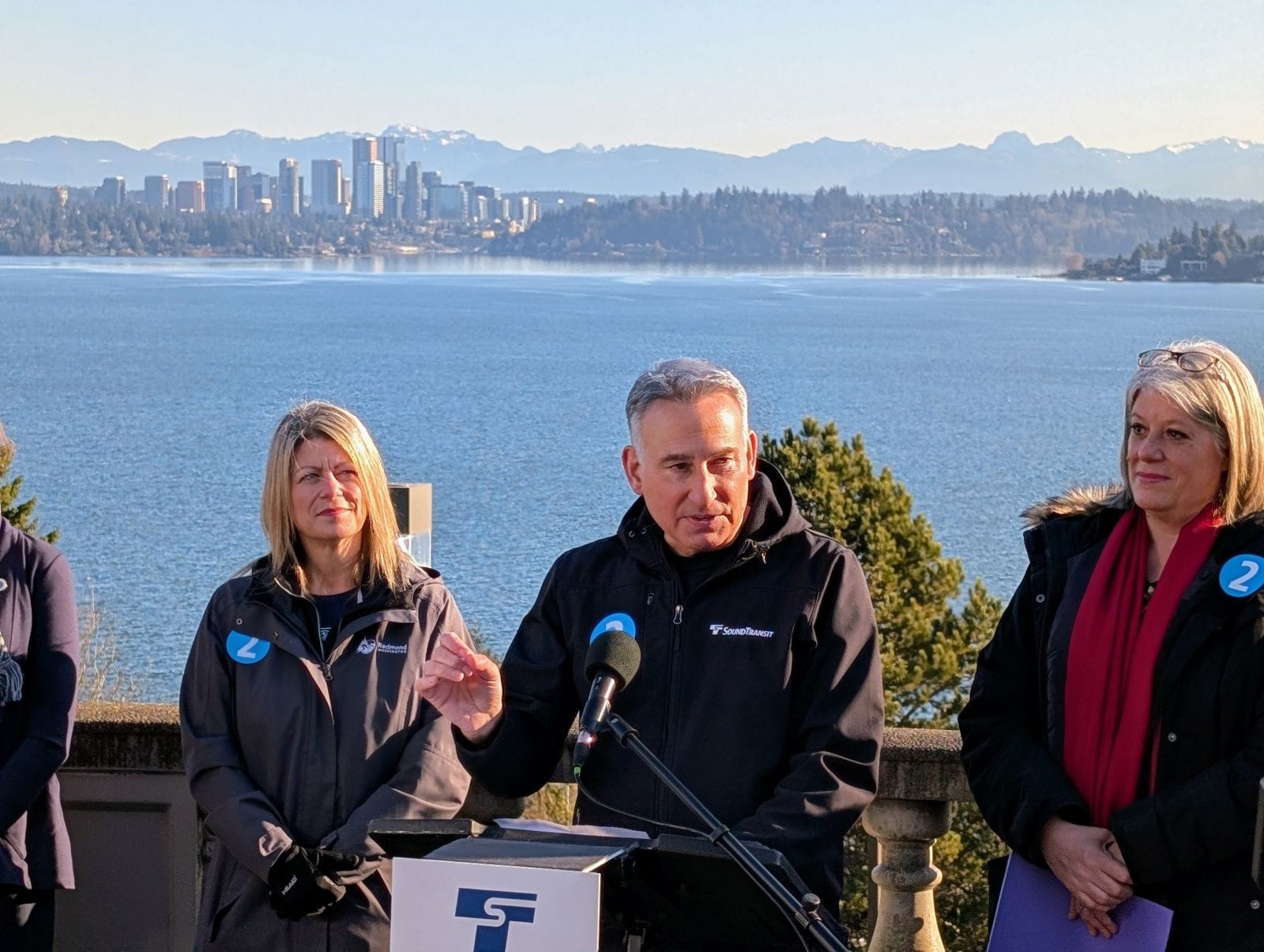
Constantine grew up in West Seattle and continues to live on the peninsula. A long-time King County Executive and agency board leader appointed as CEO by the board in March 2025, Constantine will soon be seeking a contract extension, with the initial deal allowing the board to grant a one-year renewal at the end of 2026, if it so chooses.
Sound Transit also recently revealed a schedule delay for Ballard Link, which will open in 2042 in the agency's best case scenario – seven years later than the 2035 pledged in the ballot measure. The agency will need to close a budget gap estimated at $7 billion to $9 billion in year-of-expenditure dollars in order to avoid deferring the three northernmost stations in Interbay and Ballard until around 2060.
In comparison, the recent plan realignment was kinder to the Everett Link Extension, which officials say remains on course to a 2041 opening after the board voted to prioritize the light rail spine along the I-5 corridor. The agency still appears to be holding out hope that the segment reaching Paine Field (in the vicinity of Boeing's manufacturing plant) could open in 2037, ahead of the two northern stations. That would only be a year later than the entire line's original 2036 timeline.
While West Seattle Link has secured federal approval for its environmental review, it continues to face the hurdle of achieving a full funding grant agreement with the Federal Transit Administration (FTA). During Trump's second term, the FTA has signed no new grant agreements for rapid transit projects, and in fact has sought to claw back some existing grants – in an increasingly transit-hostile policy shift.
If Sound Transit is unable to secure a federal grant under Trump, that could set back the West Seattle project even more. In June, agency leaders confirmed they are not planning to break ground on West Seattle Link without a full funding grant agreement with the FTA, which they're counting on to cover about half of costs.
The new 2035 timeline could potentially allow Sound Transit to scramble to secure a grant in 2029 under a new president, but that might delay the start of construction. Even with a more "durable" timeline out for public consumption, the path forward for West Seattle Link is hardly locked in.
 Ryan Packer