One year in, the Wilburton rezone is becoming a model others should follow.
For decades, cities across Western Washington have repeated the same mantra: “Growth pays for growth.” It sounded fair and was easy politically, but no other philosophy is more at fault for the unattainable cost of housing in our region.
Requiring a new homeowner or apartment complex to pay the price for creating subsidized housing is quietly strangling the very thing it was supposed to deliver — housing — while at the same time asking renters to pay more to subsidize rent for others in the same building.
Bellevue is trying something different – and the early results speak for themselves.
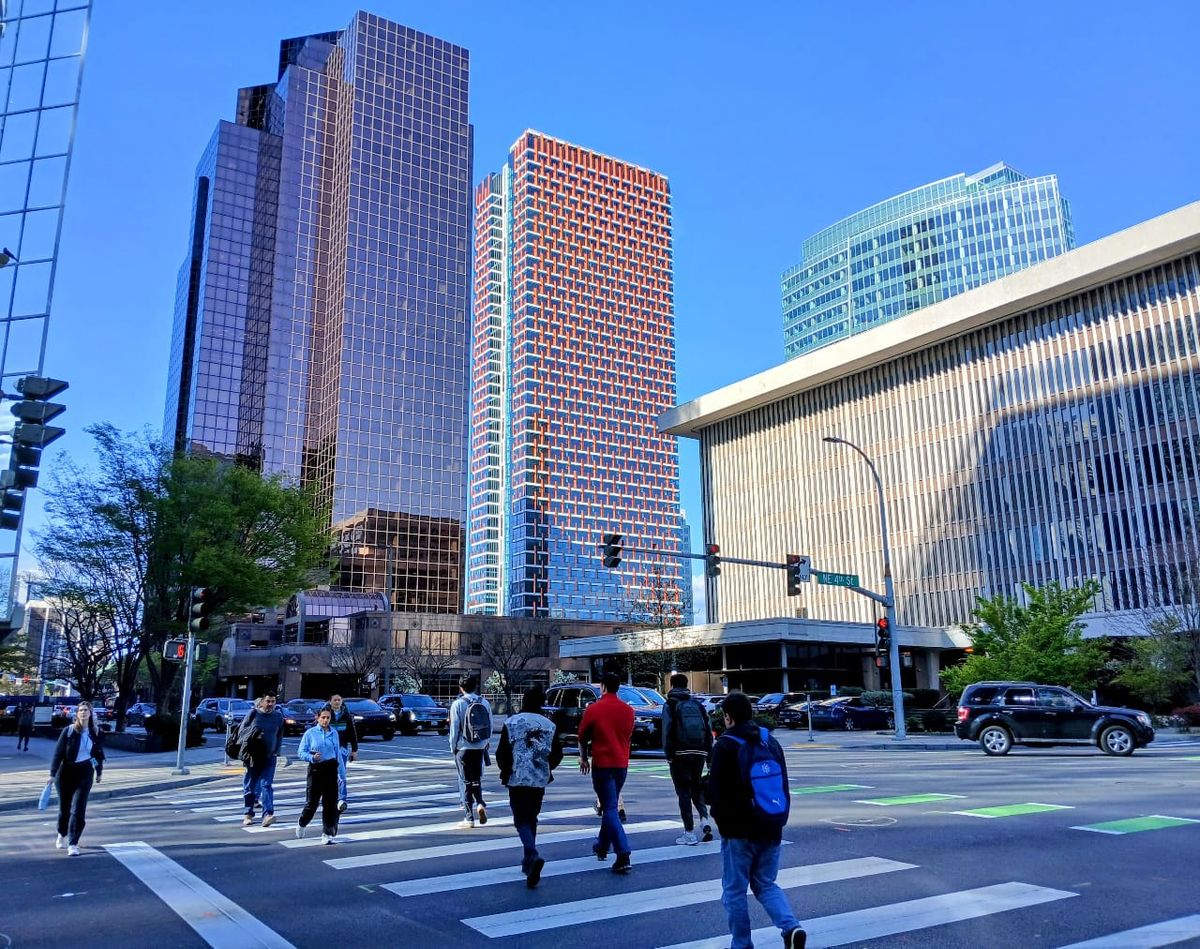
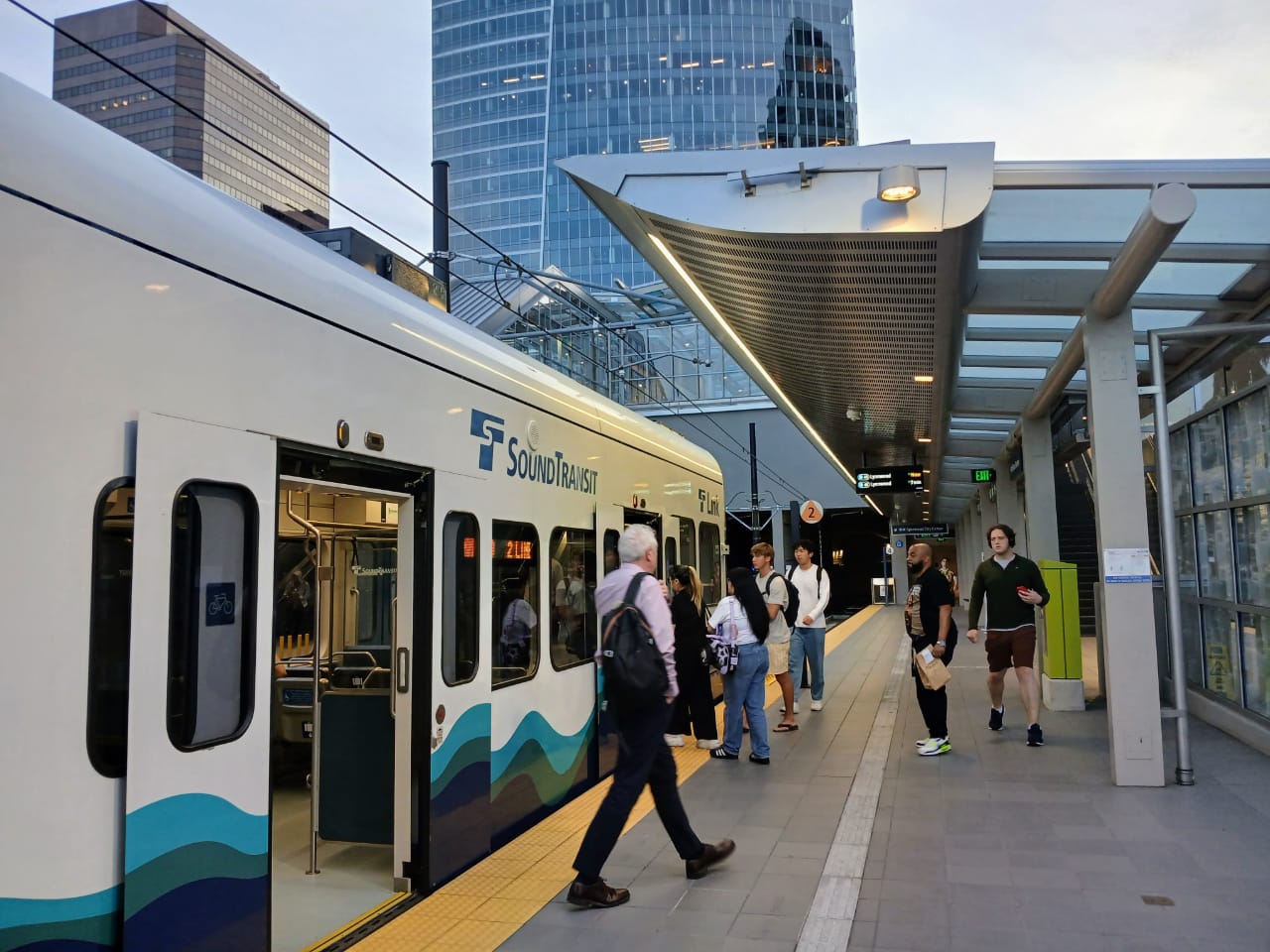
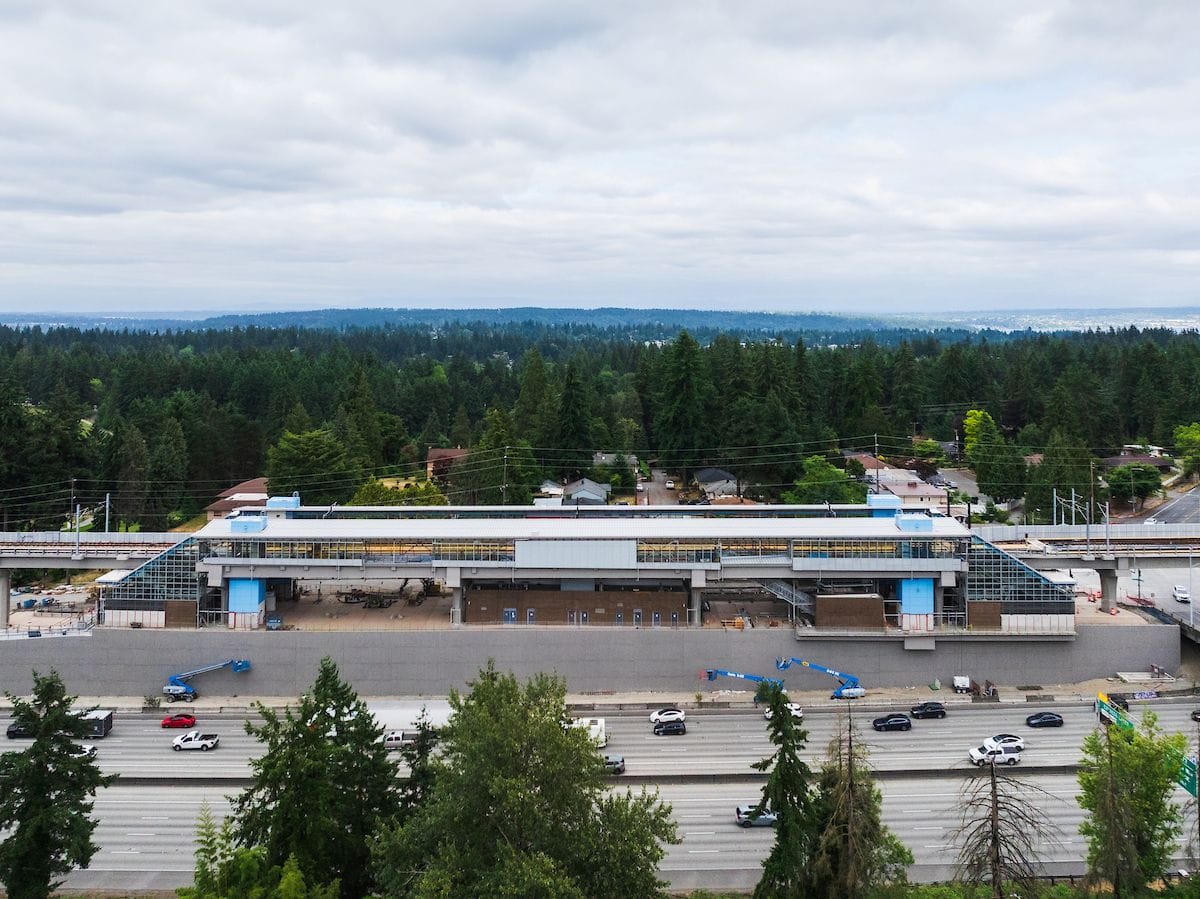
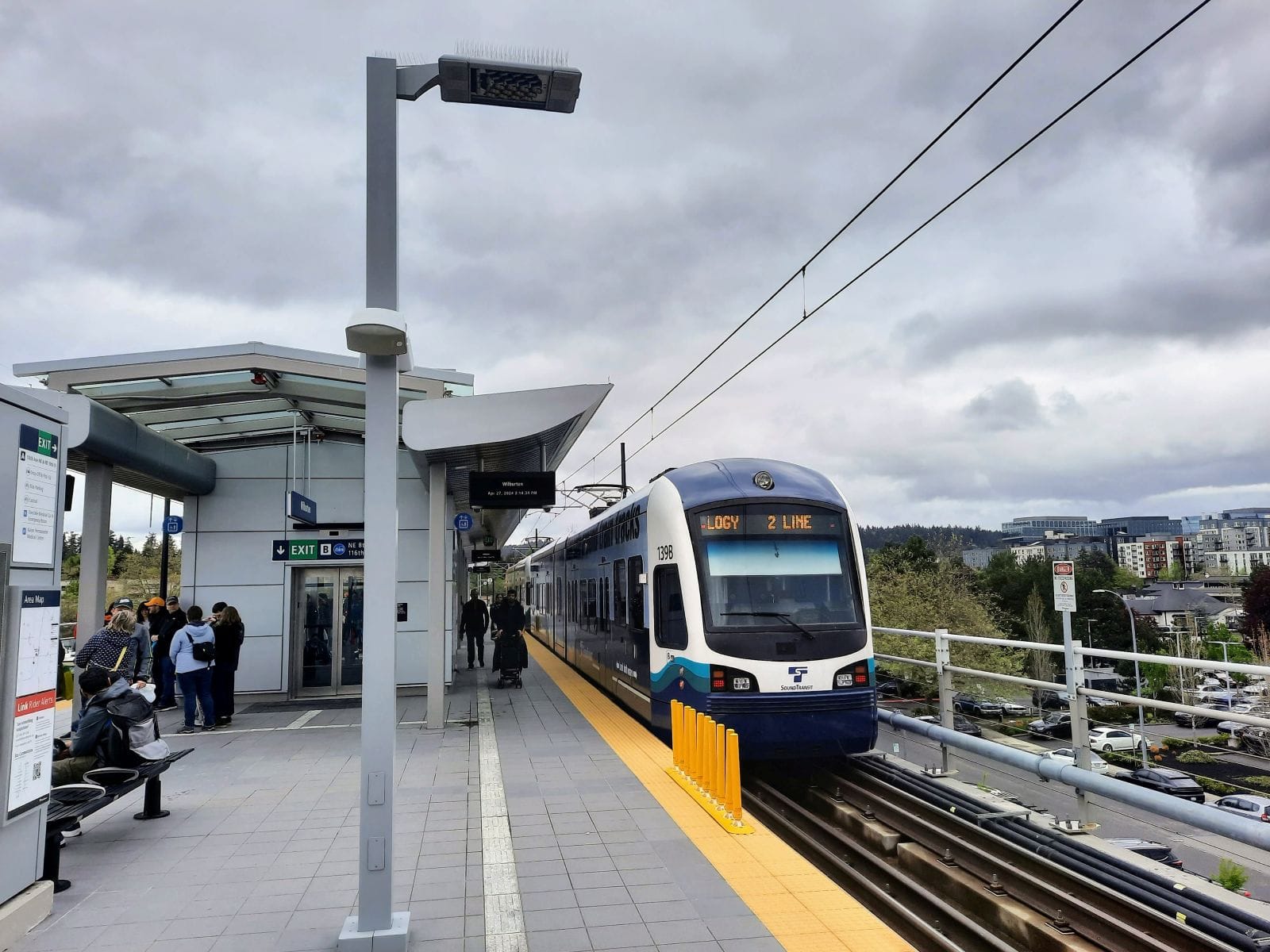
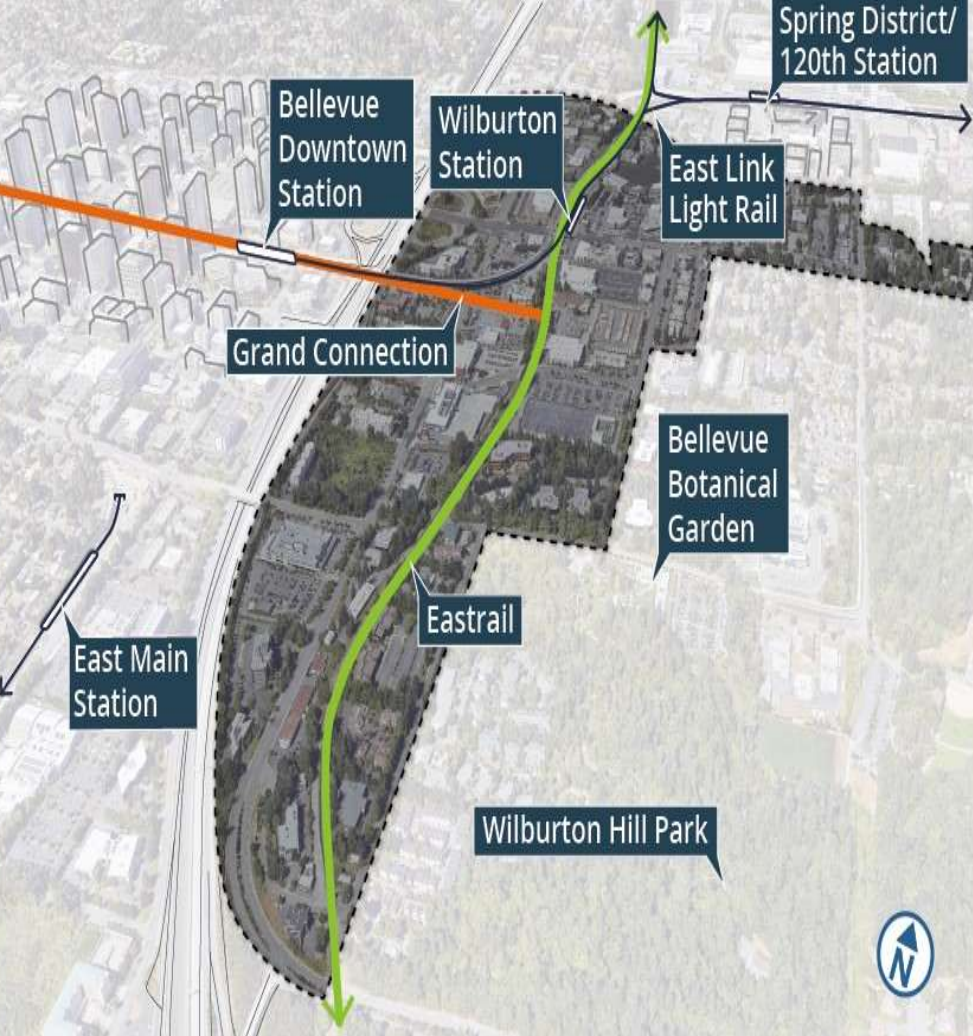
Less than a year ago, the Bellevue City Council adopted a new development code for our downtown-adjacent Wilburton neighborhood, home to a new light rail station and one of the most consequential transit-oriented development opportunities on the Eastside.
Since then, permit applications have been filed for more than 2,300 new housing units in Wilburton. To put that in perspective: That is more multifamily permit applications than recorded citywide in Seattle during all of 2025.
Permit applications do not always result in completed homes, but it is a necessary first step and welcome news.
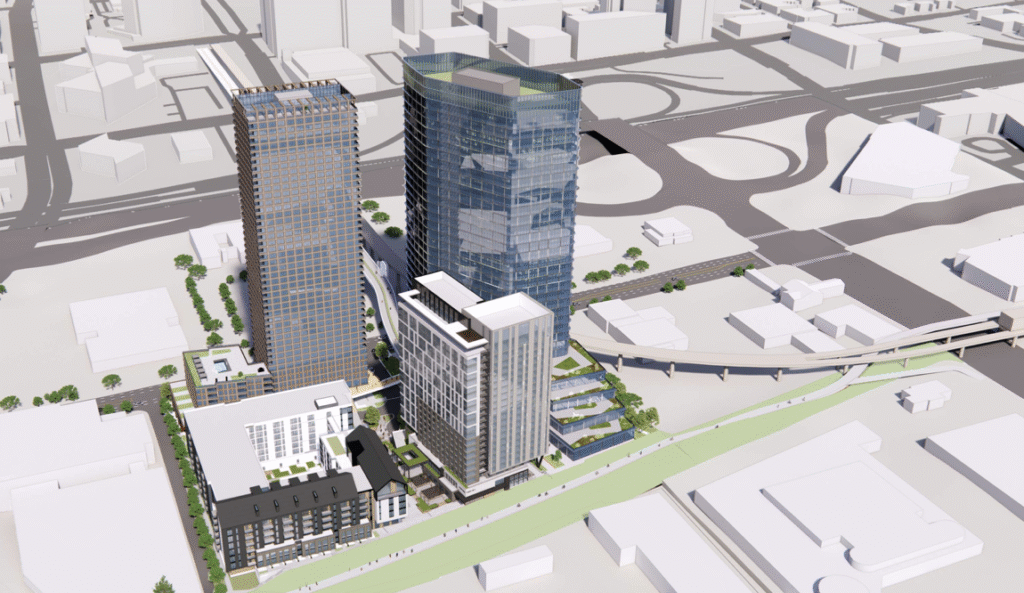
In less than 12 months, 2,300 housing starts have materialized in a 1.7-square-mile neighborhood thanks to properly calibrating a zoning reform. In this development climate that is more than a good start, it’s showing that King County needs to evolve its policy playbook for new housing production.
What we did differently
When the City began studying Wilburton, the math was clear and uncomfortable: A traditional mandatory affordable housing requirement, on top of today’s land values, construction costs, interest rates, and tariff pressures, would make new housing economically infeasible to build.
The affordable units the mandate was supposed to create would never exist, because the market-rate units that subsidize them would never be built either.
Bellevue listened – to the Bellevue Chamber, housing leaders, land use experts, and to others who have been warning for years that policy has to match market reality.
The Council adopted what is sometimes called funded inclusionary zoning: If the city is going to require affordable units, the city must close the financial gap that requirement creates. In Wilburton, the Council did that by allowing mandatory affordable units to be double-counted when developers participate in our 12-year Multifamily Tax Exemption (MFTE) program.
In plain English, it looks like this: In exchange for setting aside 20% of a project as affordable to households earning up to 80% of area median income — roughly $80,000 a year for a family of two — a developer receives a 12-year property tax exemption on the residential improvements. For projects where on-site units aren’t the best fit, there is a fee-in-lieu option that still funds affordability elsewhere in the city.
Unlike many jurisdictions whose programs rely on massive rent growth over time to make projects feasible, the Wilburton code started working the day it passed. Not in five years, not after double-digit rent hikes, not when interest rates fall… Now.
Why this matters beyond Bellevue
Wilburton isn’t just a Bellevue story. It’s a test case for a question every West Coast city is wrestling with: When affordability mandates and market conditions collide, who blinks first?
Across King County, cities have steadily raised the number of subsidized units developers must produce, while lowering the income levels those units must serve. On paper, that looks more progressive. In practice, it makes more buildings impossible to finance. The mandates get stricter; the cranes get fewer; rents keep climbing. Policymakers then act surprised that the affordability crisis they tried to legislate away gets worse.
Oregon has started to acknowledge this.
With bipartisan support, the Oregon Legislature recently followed Portland’s example and passed Senate Bill 1521, which requires jurisdictions with mandatory inclusionary zoning to fully offset the cost of those mandates through tools like direct payments, fee waivers, or tax abatements. The premise is simple and overdue: If a community wants the public benefit of affordable units, the community has to help pay for them without pretending that future renters and homebuyers can quietly carry the bill in their rent checks.
Bellevue arrived at the same conclusion through a different door. We chose a mostly funded approach not because it was politically easy, but because it was the only approach the numbers supported.
Credit where it’s due
Good policy is rarely the work of one person, and Wilburton is no exception. Members of the Chamber’s Permitting, Land Use, Sustainability, and Housing (PLUSH) Committee, alongside local developers, affordable housing providers, and urbanists, contributed thousands of volunteer hours over more than two years to help shape this rezone. Deputy Mayor Dave Hamilton and his colleagues deserve real credit for refusing the easy version of this conversation and insisting on a code that would work the moment it passed.
The pattern across the region has been to double down on unfunded incentive zoning even as market conditions have changed dramatically.
Bellevue chose not to.
What comes next
We still need more housing in Bellevue. We need more housing across the Eastside. And we need a lot more of it to be affordable to the workforce that keeps our hospitals, schools, restaurants, and tech campuses running. The Wilburton rezone alone creates capacity for 14,800 new homes, 12 million square feet of commercial space, and as many as 35,500 jobs around a major regional transit hub. That is a generational opportunity, and we have only just begun to realize it.
But the broader lesson is portable. If you want more housing — including more affordable housing — you must design policies that pencil in the world as it actually is, not the world we wish we still lived in. You tax things you want less of. When you tax housing to pay for housing, you get less housing, and it costs more.
Bellevue is choosing to be pro-transit, pro-public safety, pro-jobs, and pro-housing — and we are showing that those values are not in conflict. They reinforce one another. They are why we remain one of the most jobs-friendly cities in King County, and why our community continues to attract the investment that funds the public services our residents depend on.
Wilburton is early evidence that when cities get the fundamentals right, the market responds quickly at and scale.
Joe Fain is President & CEO of the Bellevue Chamber of Commerce.
 Ryan Packer
 Ryan Packer