The Seattle City Council approved a beefed-up renewal of the city's dedicated transit funding measure Tuesday on a 9-0 vote, giving voters the chance to sign onto a major expansion of city-funded King County Metro service. If approved in November, the refreshed Seattle Transit Measure will generate around $138 million per year, the vast majority of which would maintain and expand supplemental bus service across the city to increase Seattleites' all-day access to transit.
Increasing the Seattle Transit Measure's funding source from its current 0.15% sales tax rate to 0.3% will allow the City of Seattle to purchase around 100,000 more bus trips per year, ramping up from the 180,000 provided today. That will mean 10-15 routes see increased frequencies, particularly on nights and weekends, with the exact corridors determined using existing equity criteria in place at the Seattle Department of Transportation (SDOT).
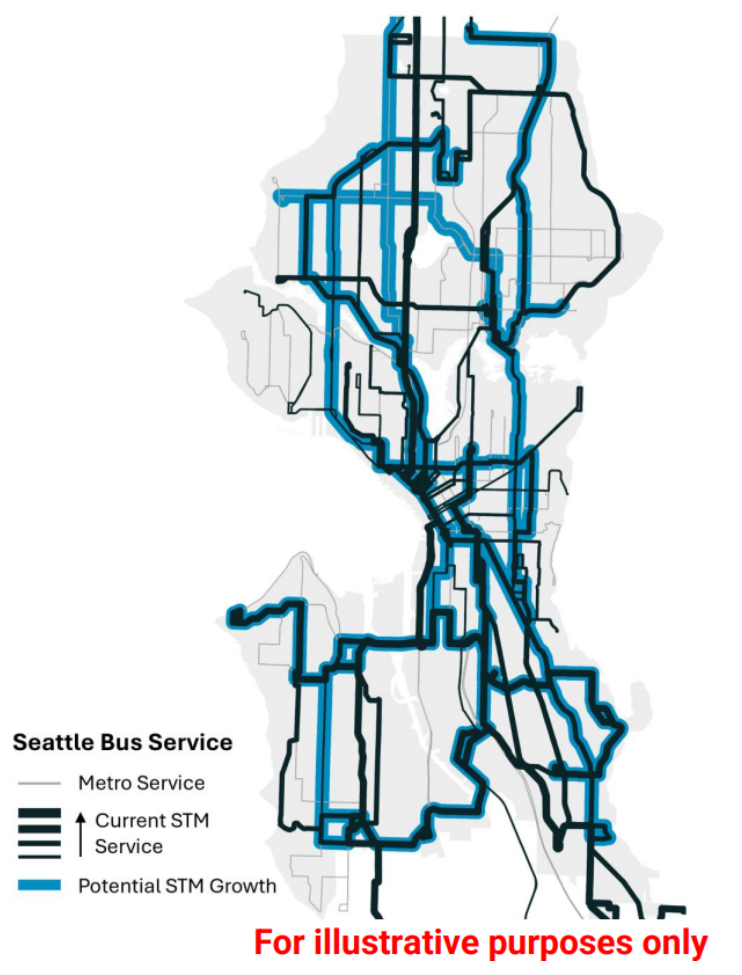
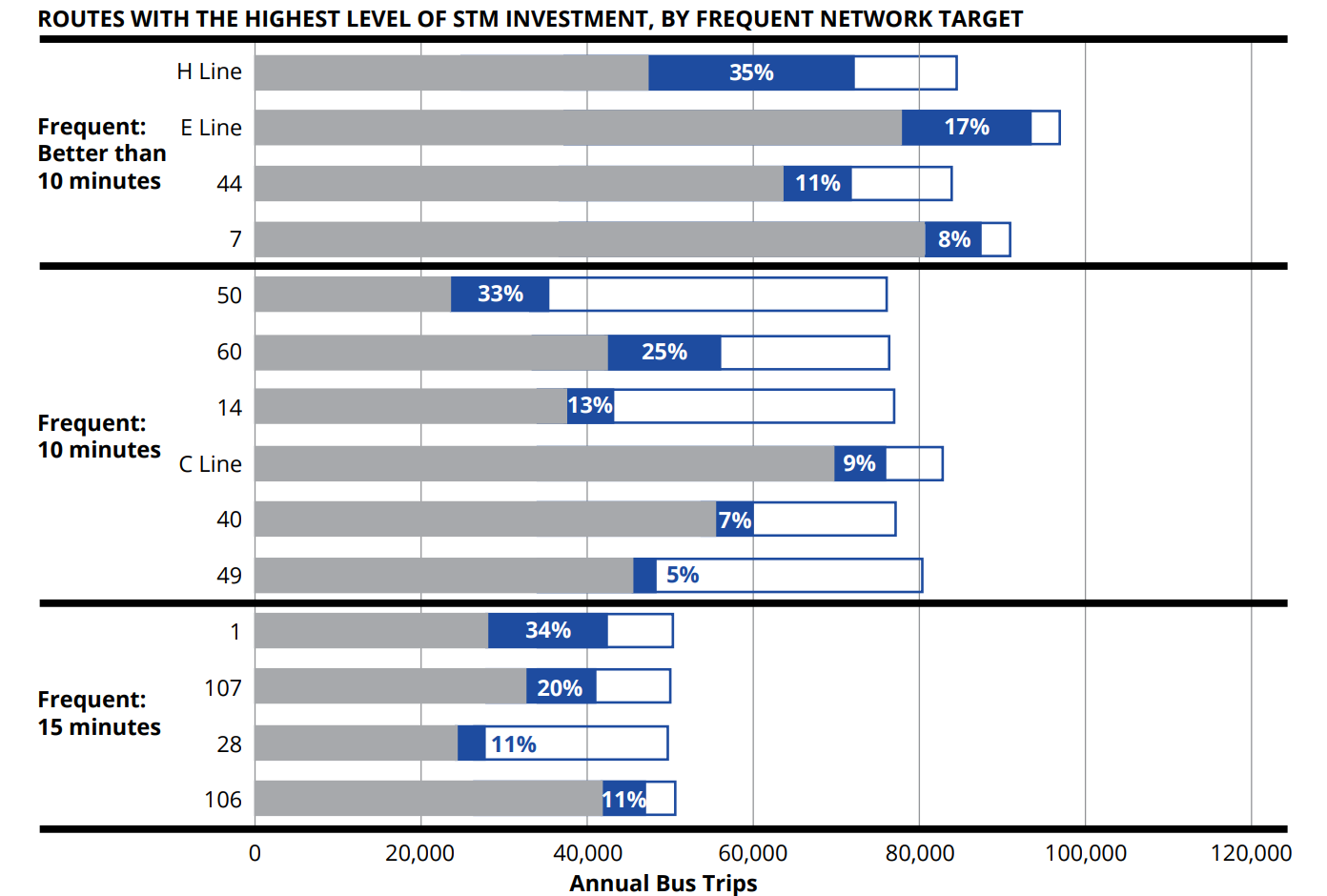
Those criteria prioritize RapidRide routes and those that serve areas of the city designated as equity priority areas. Currently, the STM funds one out of every 13 bus trips in the city, including service on workhorse routes like the E and H Lines and the Routes 7, 8, 44, 50, and 60. Thanks to an amendment approved by Councilmember Dan Strauss, the route selection criteria will also include those that serve regional housing and job growth centers like Ballard, Northgate, and the U District.
"I want to express my appreciation to the mayor's office for sending us down a transit proposal that's designed to expand transit access. I think that is reflective of what we need here in our city right now," Councilmember Dionne Foster said ahead of the final vote. "We have been able to continue growing as a city and growing our population without growing one-to-one for vehicles, and that's because we have world-class transit service."
By ordinance, a minimum of 75% of the annual revenue generated by a renewed STM will go directly to King County Metro to put buses on the street, with an informal goal of getting that number closer to 87%. But around $40 million per year will fund other city transit programs, including a major expansion of subsidized ORCA passes for low-income residents. Thanks to a city-led renegotiation of the purchase price per pass from Metro, a funding increase of around 50% will more than double the number of passes provided, with $9 million annually funding around 22,000 annual passes.
"We depend on transit, and we will buy as many transit hours from Metro as they will provide us," Councilmember Dan Strauss said.
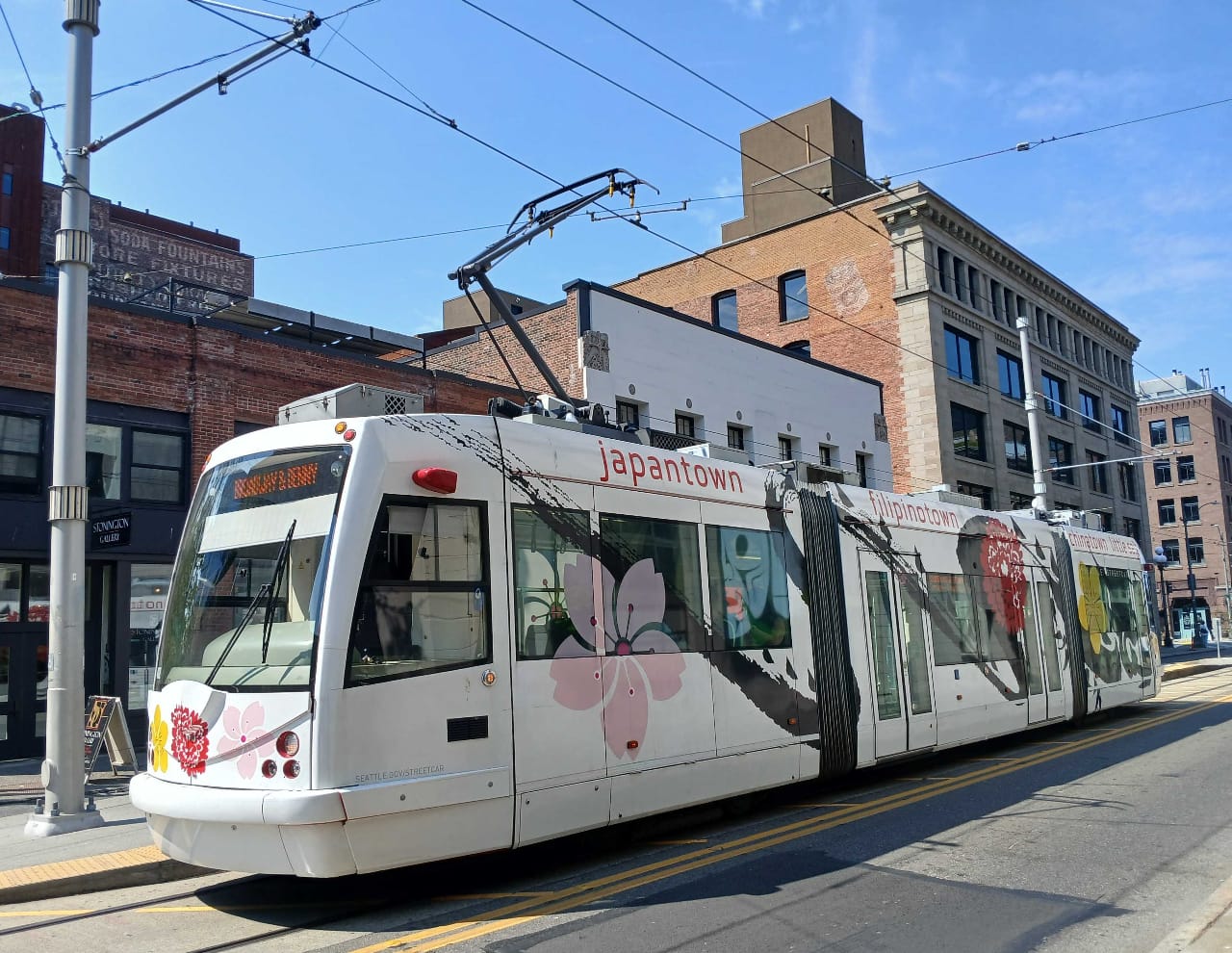
Around $25 million per year in STM funding will maintain service on the Seattle Streetcar network, as costs to run the two streetcar lines have significantly outpaced revenue from rider fares and corporate sponsorships at stations. Ridership on those two lines is growing, though the First Hill Line remains much more heavily used than the shorter South Lake Union line.
Plus, $6 million per year will fund staff at the City tasked with processing permits for Sound Transit 3 projects, supporting the West Seattle and Ballard Link Extensions as well as the Graham Street 1 Line infill station. Wilson was instrumental in getting the Graham Street project back onto the funded list after a brief stay on the chopping block. While the full Ballard line remains unfunded, Sound Transit remains hopeful it would be able to get the project back on track within the 10-year horizon of this measure.
"Good transit is the lifeblood of a world-class city, and you know that's that's a city that I want to be a part of," Councilmember Eddie Lin said. "It's a city that I want to live in, and it is how we can address our climate goal. It is how we can address our build affordability goals."
The current Seattle Transit Measure was approved in 2020 by an astounding 80% of voters, making it one of the most popular transit measures passed anywhere in the U.S. to date. An amendment put forward by Council President Lorena González boosted Mayor Jenny Durkan's initial renewal proposal from 0.1% to 0.15%.
Nonetheless, due to the measure's timing at the height of the pandemic, spending on supplemental bus service ended up being scaled back significantly, as Metro trimmed service systemwide and grappled with a labor shortage.
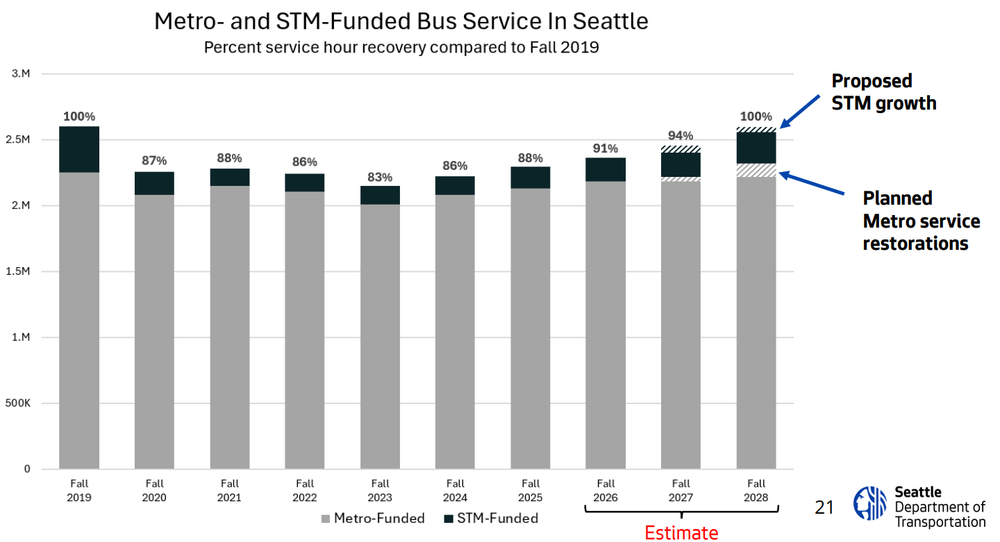
In 2019, Seattle's transit measure was funding 349,000 annual service hours, with this renewal a major step toward getting back to that level. In coordination with King County Metro's own service growth, the City expects to be able to provide 100% of 2019's service levels by fall of 2028, though that service is not provided in exactly the same places as it was before the pandemic.
"Right now, our transit system is breaking records and delivering real value for our families," Wilson said in a statement following the vote. "I appreciate City Council’s partnership in crafting a package to voters offering a low-cost way to bring people more and better of the cheapest travel option available, public transit. It’s a package that respects people’s hard-earned dollars and brings 100,000 more bus trips to Seattle every year and funds 22,000 free transit passes for low-income households."
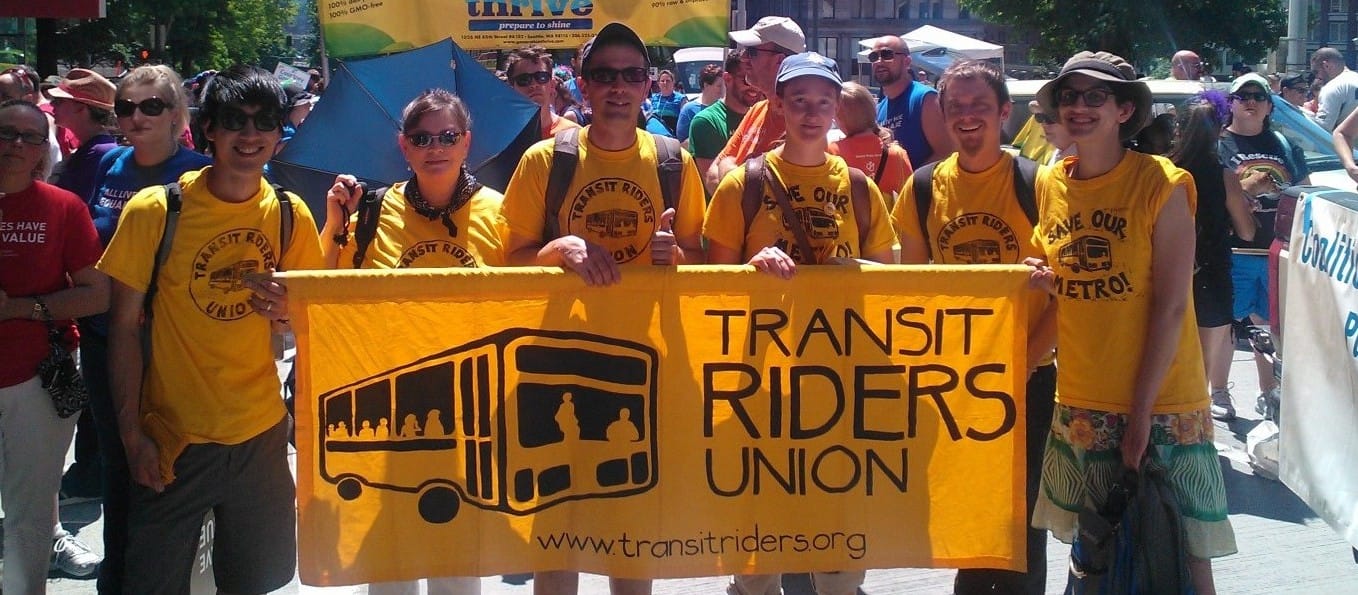
Sending voters the biggest STM renewal allowed under state law is certainly a full-circle moment for Wilson, who co-founded the Transit Riders Union in 2011 in response to pending Metro service cuts prompted by the Great Recession. That "Save Our Metro" campaign ultimately led to an unsuccessful countywide transit funding measure in 2o14 (which had transit funding tied together with roads funding), and a city-specific ballot measure had to be spun up later that year as a backup plan.
This STM would be the third iteration of that measure, continuing the city's tradition of supplemental Metro service after another attempt at a countywide measure failed to materialize.
"Affordability is an important reason to pass this measure now," Councilmember Alexis Mercedes Rinck said. "We know that car ownership, on average, can be seen as the second highest cost to families. But because of this measure, we're about to put before voters, some families will be able to stop driving, be able to save on those costs, and being able to take that off their plate is something really meaningful."
The STM will join legislative and judicial races, a special election in Seattle's District 5, and initiatives regarding trans rights and the Millionaires' Tax on the November ballot. Ultimately, if voters do decide to opt out of funding the measure, the city would be forced to rapidly scale back its transit investments, and King County Metro would be put in an even more precarious long-term financial situation.
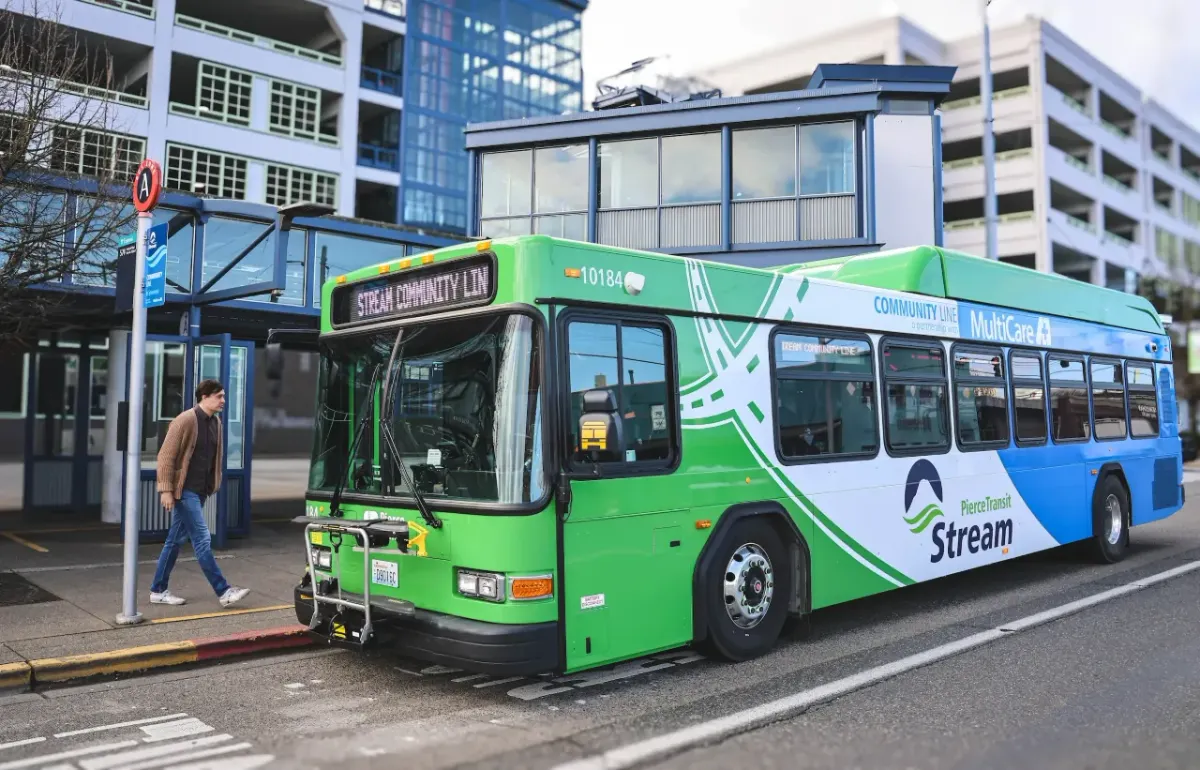
To the south, voters across Pierce County will also see a transit funding measure on their ballots in November, as Pierce Transit heads to voters for the first time since 2012 in the hopes of funding a dramatic expansion of bus service across Tacoma and environs.
"As part of this process, we took the next big step in our collective journey together to build a truly world-class transit system, one that even our beloved Jimothy the raccoon can be proud of. This measure belongs to voters now. So today we are not asking Seattle to trust the promise. We are asking Seattle to judge our work," transportation committee chair Rob Saka said. "The council's work is now complete. It's the voters' turn. Let's go."
 Ryan Packer
 Ryan Packer