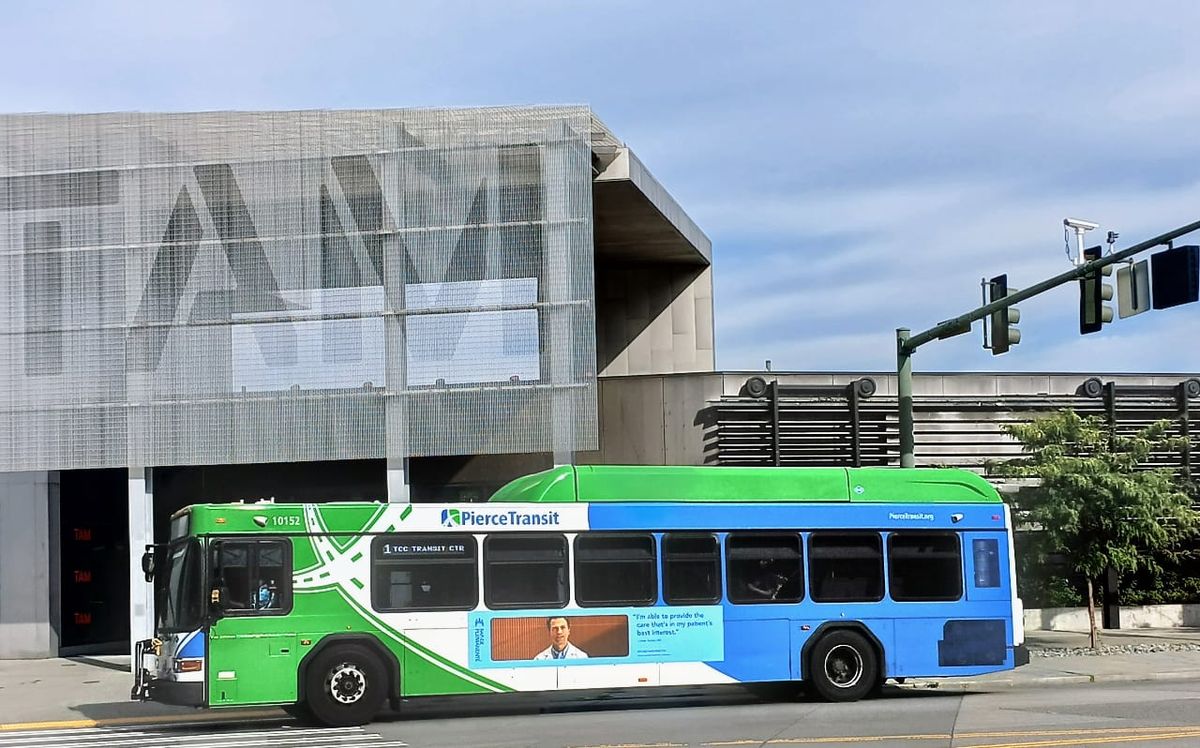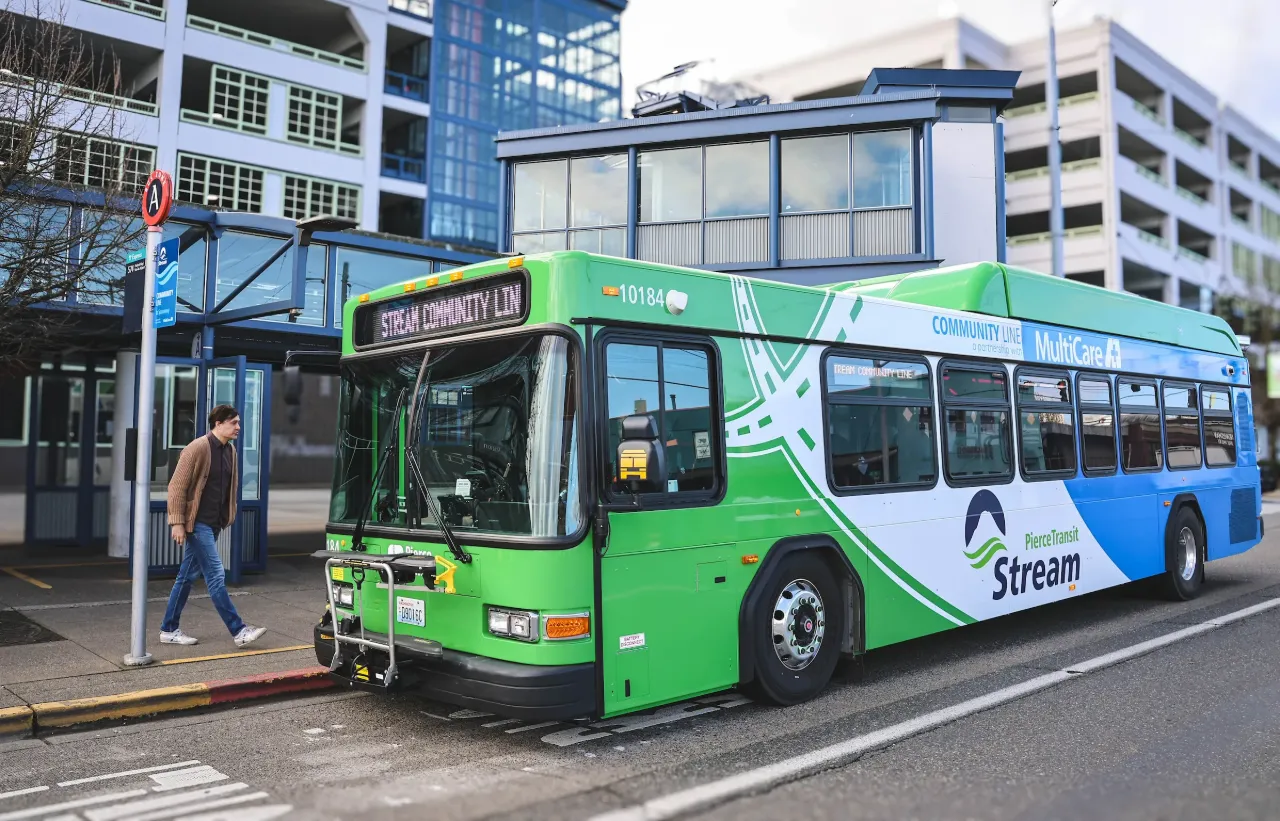
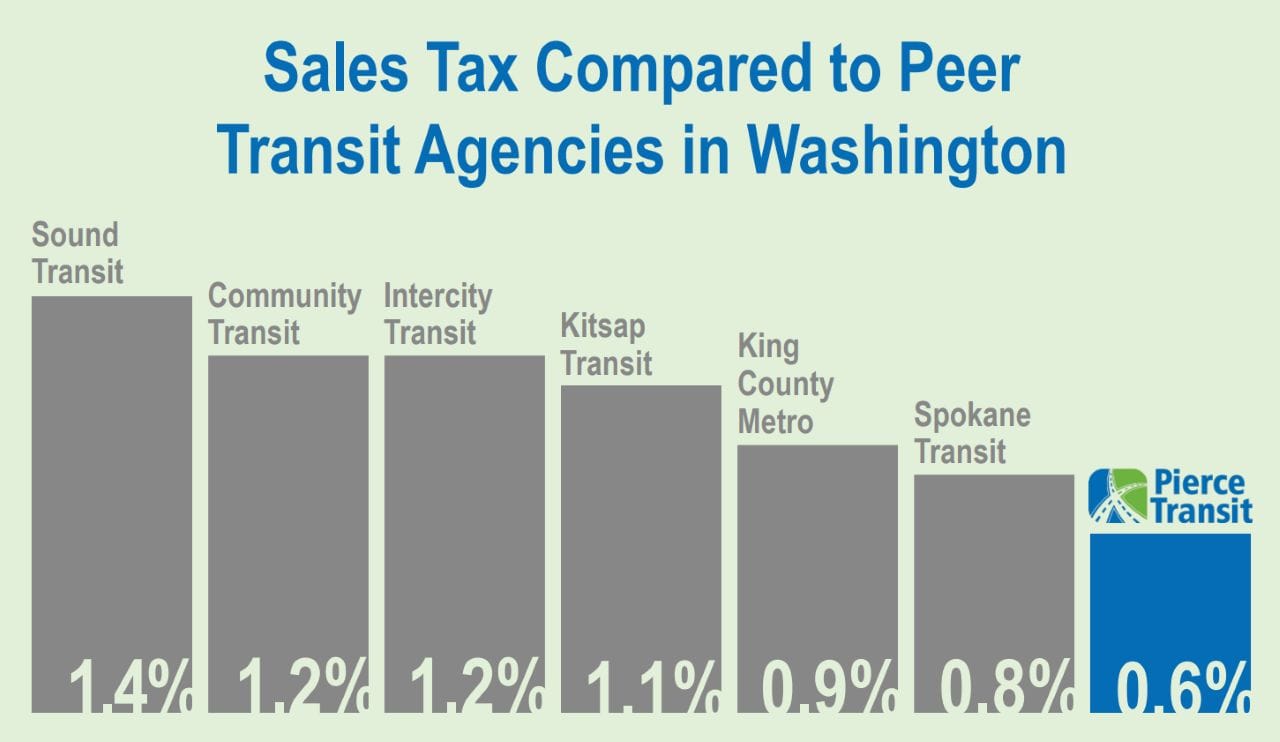
The Pierce Transit board took a major leap Monday, teeing up voters this November with a funding measure that will represent the biggest opportunity for service expansion that the South Sound has seen in decades. If approved, the ballot measure would bump the dedicated sales tax rate funding Pierce Transit from 0.6% to 0.9%, a funding stream that has been sitting unchanged since George W. Bush's first term in the White House.
Growing the transit-dedicated sales tax rate to 0.9% would bring Pierce Transit more on par with peer transit agencies like King County Metro, avoiding a potential fiscal cliff looming by the early 2030s and threatening major service cuts.
It marks the first time Pierce Transit funding has been put on a ballot since a pair of measures failed in 2011 and 2012. Those failed votes led to stagnant local transit service in and around Tacoma, even as other agencies around the region have grown.
A Pierce Transit ballot measure comes right as Seattle voters are set to be asked to increase the city's dedicated transit sales tax by 0.15%, and as leaders in Everett are considering a 0.6% increase that would come with the annexation of Everett Transit into the countywide Community Transit service area. All three proposals would bring major gains for transit riders in their respective areas.
The approach in the Puget Sound region represents a significant contrast with planned service cuts taking effect in Portland, Oregon next month.
"Pierce County is growing. We are one of the fastest growing counties in all of the country, actually. People want to live here. People are moving to Puget Sound," Pierce County Executive Ryan Mello said ahead of the unanimous vote to put the measure on the ballot. "People are moving to Pierce County, and we need a transit system that keeps up with the growth. And this plan really helps us move in that direction."
Being able to ramp up transit service across the county has been one of Mello's major priorities since taking office at the beginning of 2025, taking over after eight years of Republican Executive Bruce Dammeier at the county's helm. Mello rode in on a wave of support from progressives and urbanists, who urged greater investment in bus service.
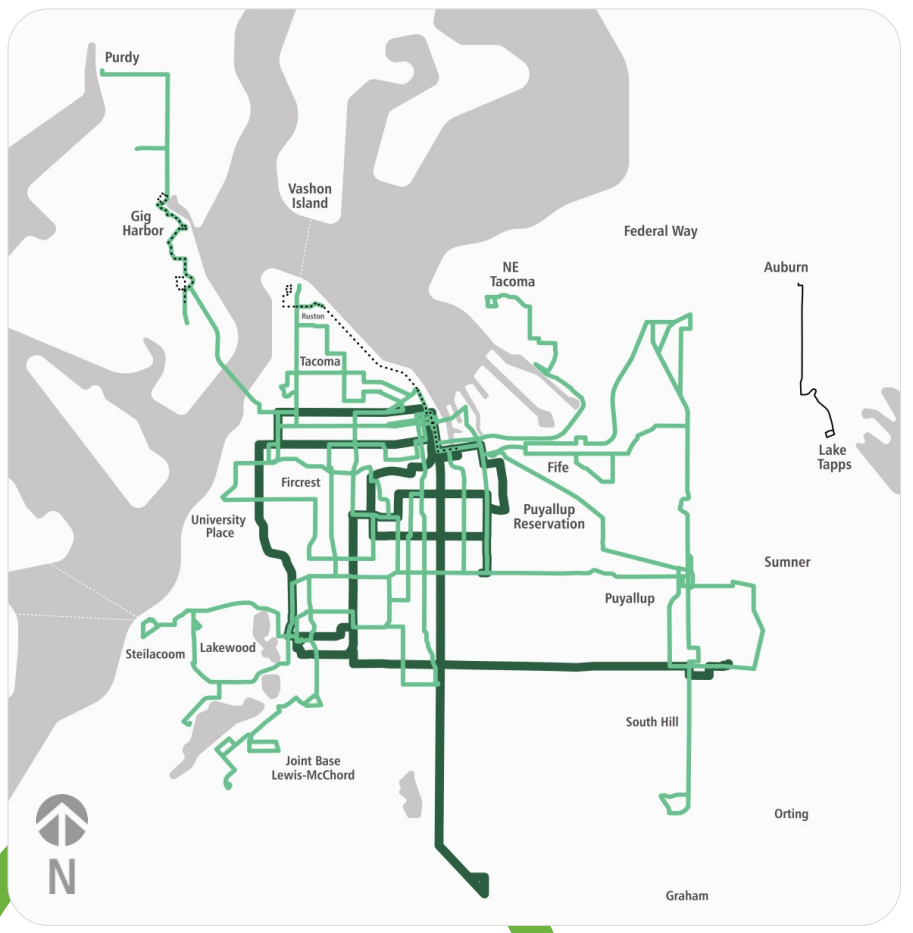
With the added funding, Pierce Transit expects to be able to ramp up service by around 40%, an expansion plan that would come with four brand new routes across Tacoma and Puyallup. If the measure passes, 23 routes would run longer hours, and 21 routes would run at least every 20 to 30 minutes on the weekends, compared to just four routes clearing that basic bar for frequency today.
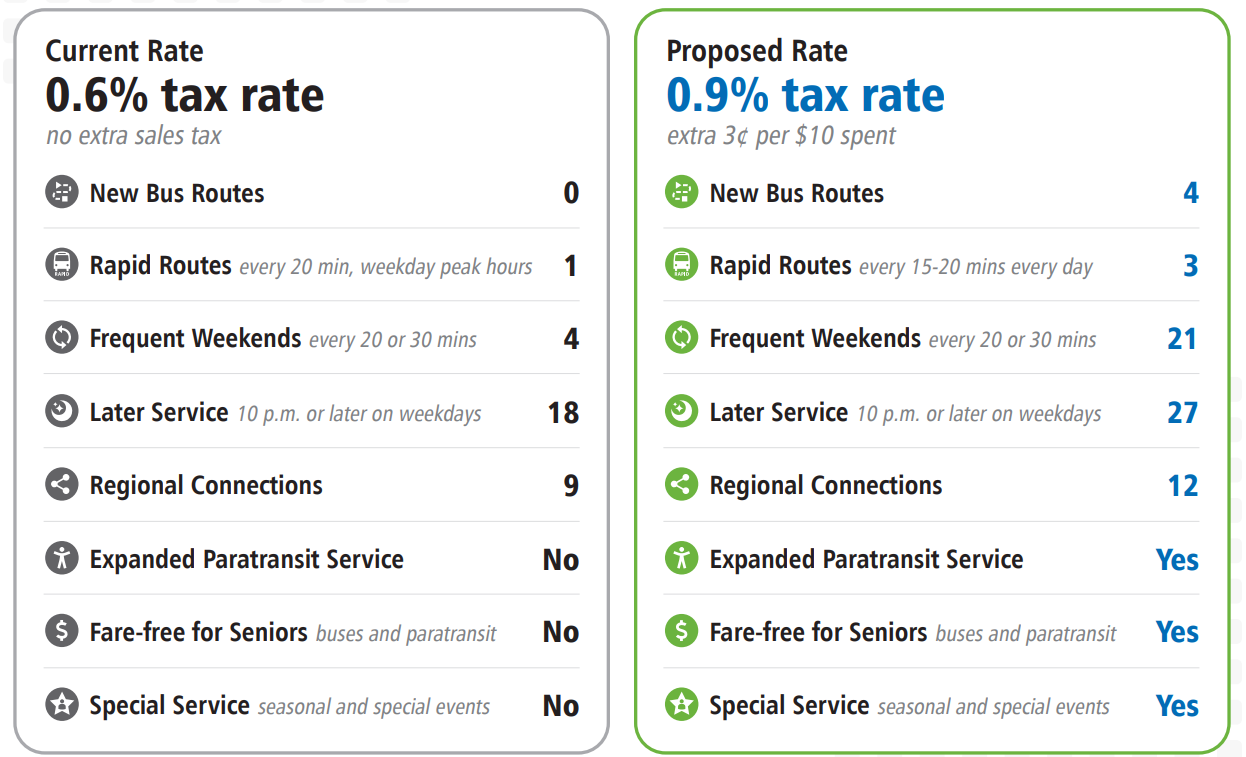
The final proposal advanced Monday is slightly different from the one initially put forward in May, with a new route through Northeast Tacoma now included in the future network. A potential hourly bus route to Ruston has been converted instead to a seasonal shuttle, with a deviation added to the current Route 11 to serve the burgeoning waterfront area instead.
An even bigger change is a plan to provide free transit service to seniors, adding onto the existing statewide program that provides free transit trips to youth riders.
"People want more frequent service, more routes, and longer service hours that make transit a more reliable option, especially on evenings and weekends," Pierce Transit Planning Manager Tina Lee told board members. "When the average cost to own a car is $12,000 and with the gas price continuing to rise, public transit is an affordable option that opens the door to opportunity."
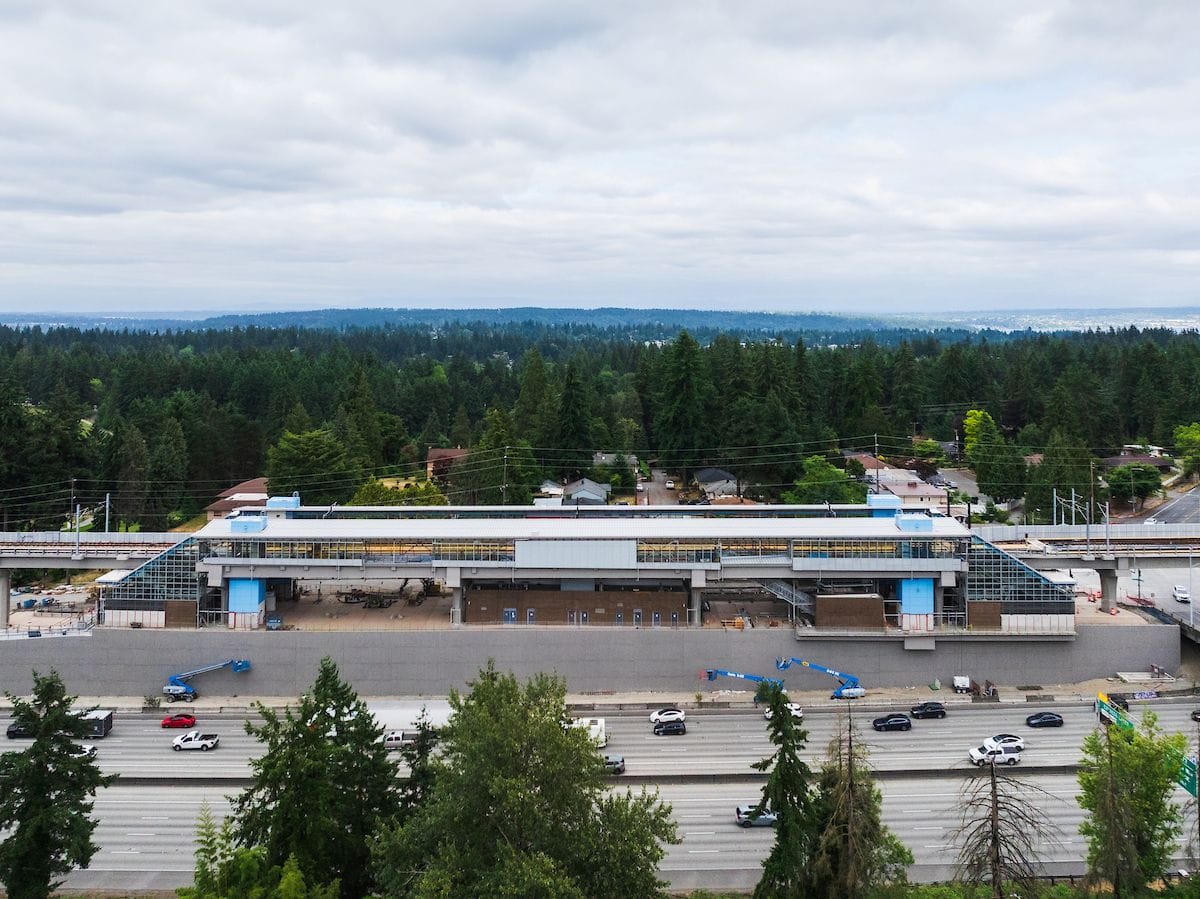
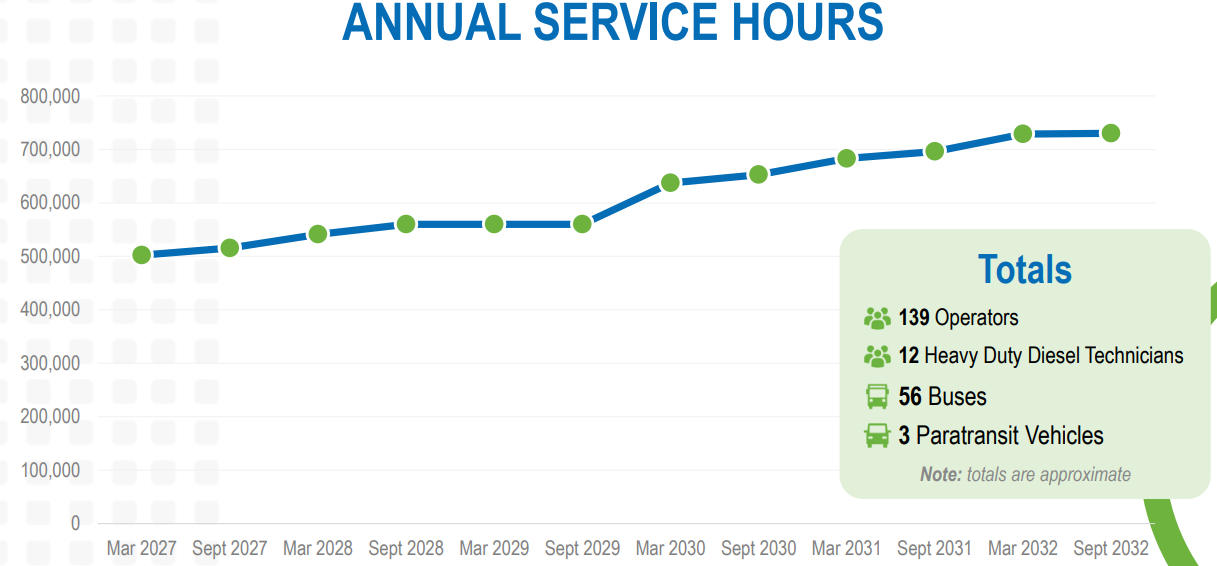
By 2032, Pierce Transit would be able to surpass 700,000 total annual service hours, a level that hasn't been provided in Pierce County in at least two decades. That beefed-up bus network sets Tacoma and Fife up for the launch of direct light rail service to Seattle by approximately 2035, with the Sound Transit board recently affirming that extension as one of its major priorities while pushing a planned streetcar extension to Tacoma Community College out to 2043.
"This proposal reflects how we can better serve our community, connecting more people to jobs, education, healthcare, and other essential destinations in the face of continued growth in Pierce County," Pierce Transit CEO Mike Griffus said. "Most importantly, this package reflects the voices of our community. It's the result of extensive engagement with riders and non-riders across the 13 cities, towns, and unincorporated areas served. It reflects conversations more than 480 operators have with riders every day."
During Monday's meeting, Laura Svancarek, who is executive director of the transportation advocacy group Tacoma On The Go, stressed that the measure is above delivering reliability for riders, and a sense of dignity rather than being a second-class citizen while waiting for sporadic buses.
"Pierce County deserves transit that is frequent, reliable, and connected," Svancarek said. "You should be able to live your life using transit with comfort and dignity. That means comfortable stations, stops on the side of the road with shade and places to sit. That means not having to wait an hour between busses or 30 minutes for a connection. To make that happen, we need to invest in local transit, and now is the time to make that ask."
 Ryan Packer