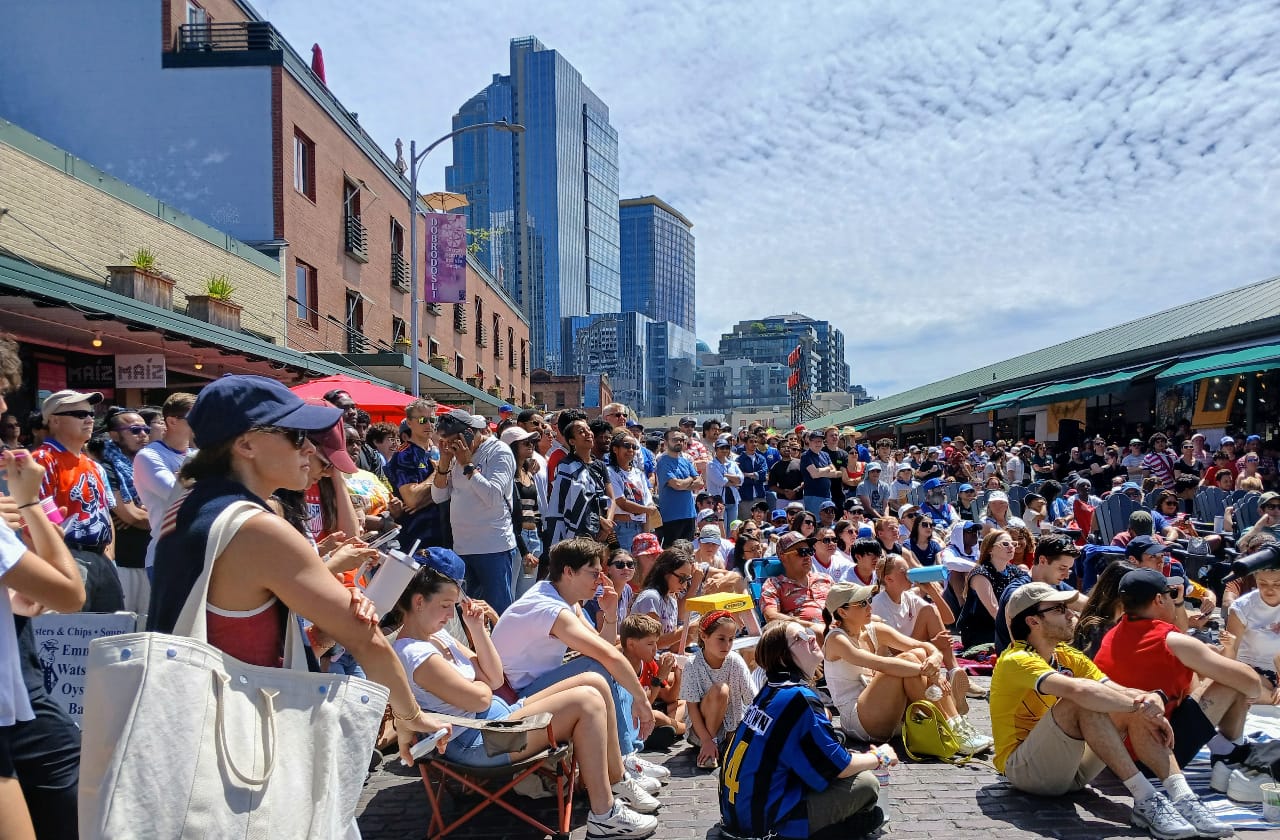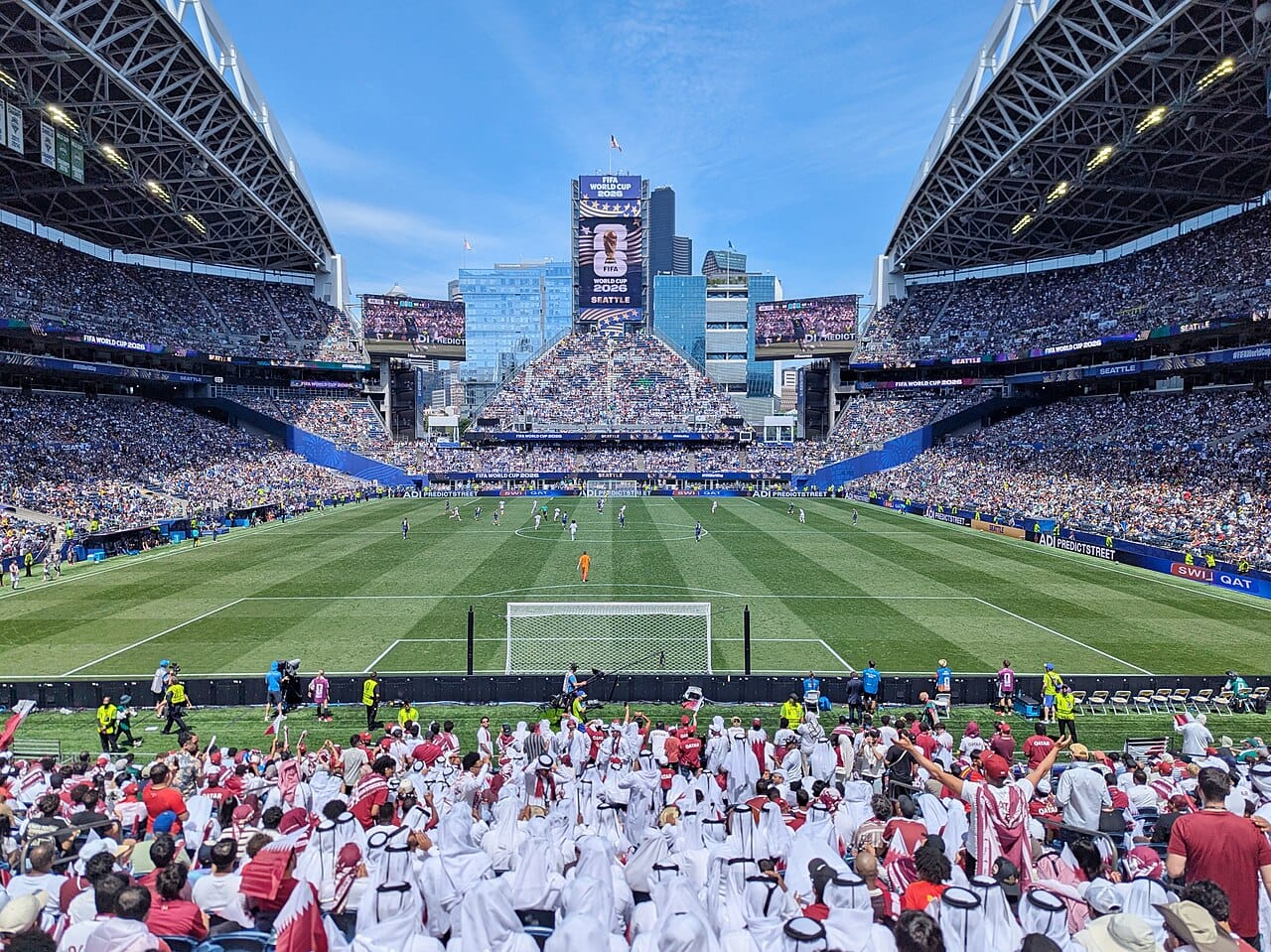
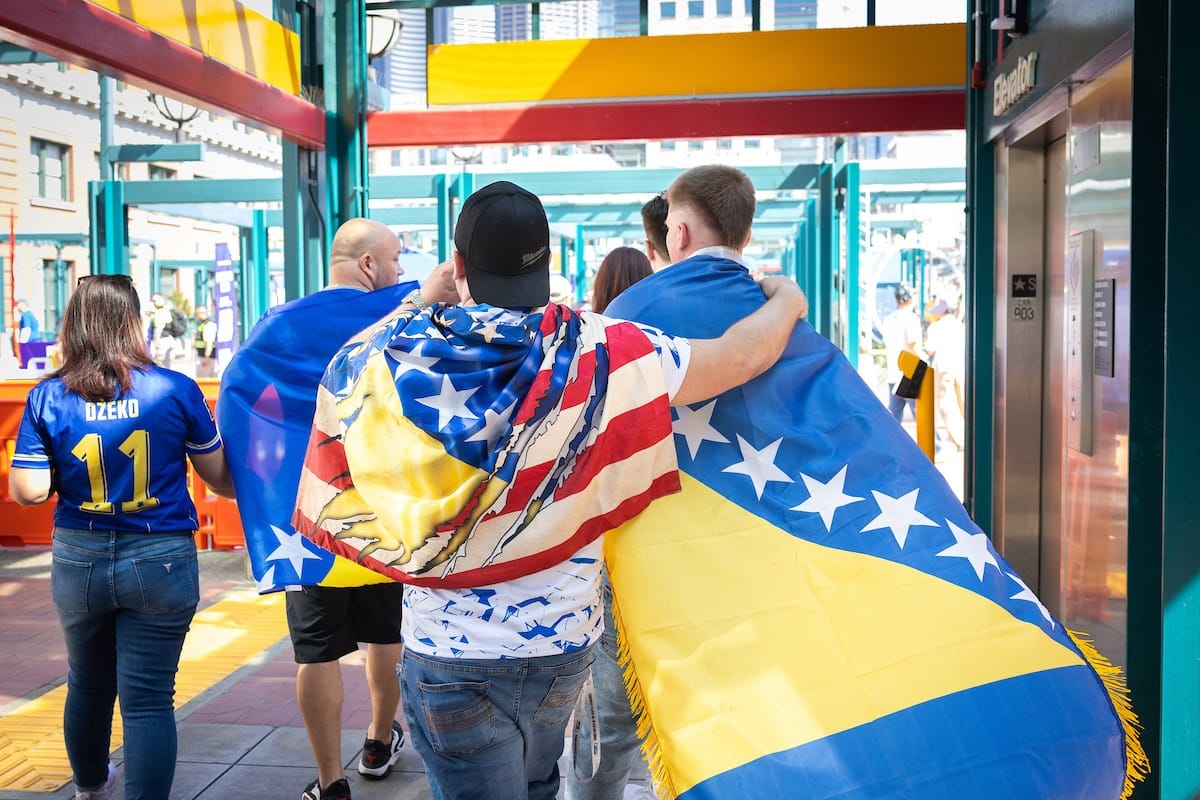
A large number of soccer fans make their way along the waterfront, through Seattle’s streets, and up to the entrance gates of Lumen Field. Known as the “March to the Match”, the fan tradition of walking to the game has been part of Sounders fans’ pre-game ritual since 2005.
But this time around, Lumen Field is known as “Seattle Stadium” and the fans aren’t Sounders fans: they’re passionate Bosnia and Herzegovina supporters, walking to the FIFA World Cup game to support their team in its match against Qatar.
“It was honestly awe-inspiring. At one point I caught it, and it took 15 minutes for [the crowd] to pass this one intersection where I was standing, which is frankly unheard of,” said Jeremiah Oshan, editor of Sounder at Heart, a publication covering Seattle's professional soccer teams including its Major League Soccer (MLS) franchise.
World Cup fan experiences so far throughout the US
The image of the Bosnia fans forming a sea of blue and yellow, U.S. fans uniting as a sea of red and white, or Egypt fans creating a Nile-like river of pharaoh-hatted fans marching along the streets of Seattle, lies in stark contrast to many other matches that have taken place across North America over the past few weeks. In numerous other cities, planning hiccups have overshadowed the revelry.
This includes warnings from MassDOT of “significant traffic impacts” reaching Boston’s stadium, complaints from Los Angeles residents about access and road closures, and traffic issues so bad in Kansas City that people abandoned their vehicles on the side of the road.
Reporters from The Guardian and New York Times even tried to walk from New York City to New Jersey Stadium in the Meadowlands, after NJ Transit bumped train tickets from their usual $13 price to over $150 apiece. New York City also faced closed streets after shuttle buses were given priority, causing a “chaotic” situation for residents, and NJ Transit limited access to World Cup ticket holders, leaving normal commuters shut off from use of the transit systems.
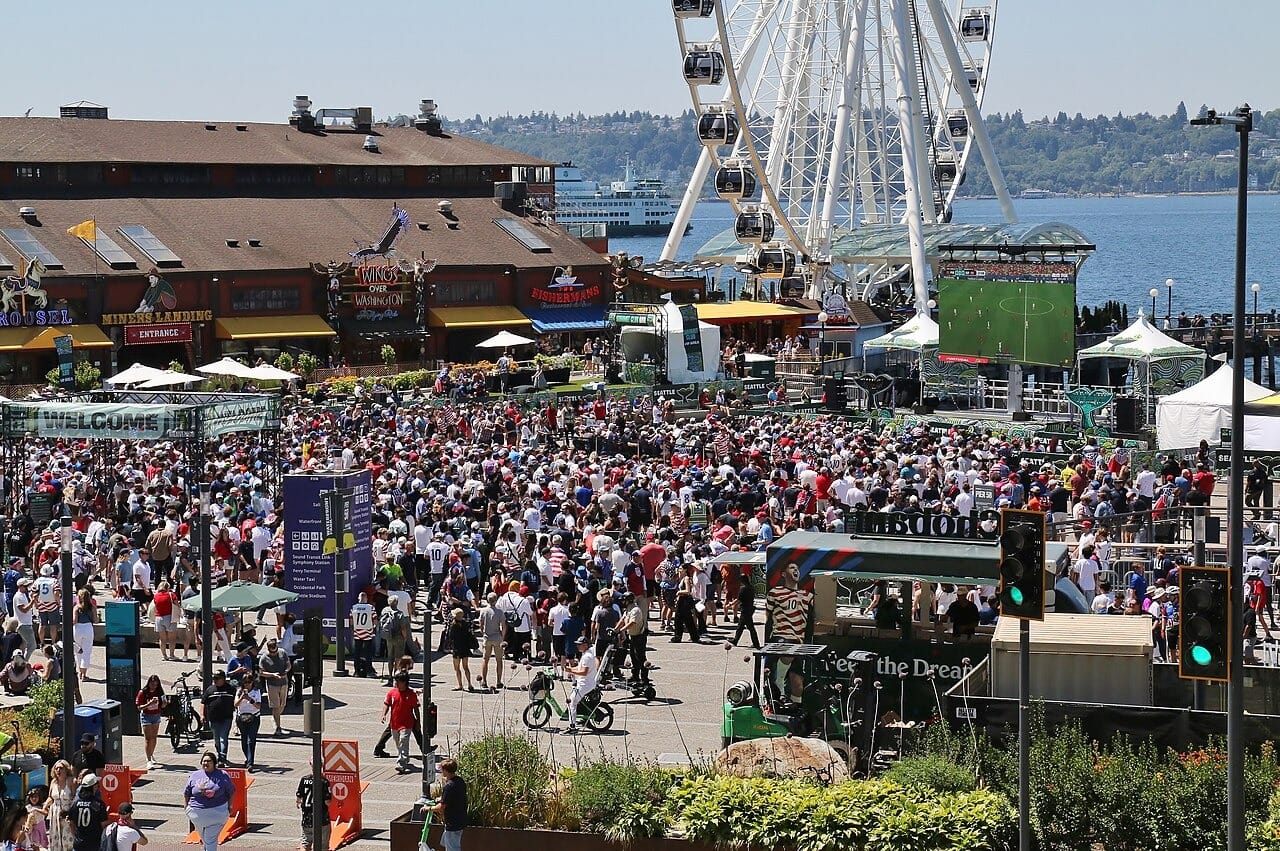
Meanwhile in Seattle, aside from the huge crowds meandering along the waterfront, transit systems were functioning, pedestrians were happy, and records were being broken. This includes Sound Transit setting a new light rail single-day ridership record, the highest-ridership day for Lime scooter and bikeshare ever, and the highest single-day domestic foot traffic record for Pioneer Square. This wasn’t a matter of good luck; rather, it was decades of good urban planning, as well as well-timed temporary interventions, that integrated fans into the urban fabric of Seattle.
“I would imagine a much higher percentage of people are getting to games on public transit for the World Cup than for an average game,” Oshan said. “But it's always been a very accessible stadium.”
The immense differences in fan experiences highlight how much it matters where a stadium is placed, and how much it affects the experience of the fans, as well as how much it benefits the city that is hosting the event.
Peter Tomozawa, CEO of SeattleFWC26, the local organizing committee that planned Seattle's World Cup events, noted Lumen Field's urban location also makes it ideal for pre-game marches.
"We held the largest march on record: the USA-Australia match," Tomozawa said. "We had 15,000 Americans screaming. We had 8,000 Australians stumbling. We had 23,000 marchers. That's one-third the stadium size marching. And now other cities have started to see how cool a march is, and so they're doing marches, but they don't have the authenticity that we do, right? They're marching through parking lots; we're marching through our city."
So why are so many stadiums so far away?
Many of the badly affected stadiums throughout the U.S. lie in far-off suburban areas, often with no transit system to speak of. The reasons behind the placement of these stadiums are numerous. First, like most other urban infrastructure, the importance of the car is a major deciding factor.
“In the case of the United States, the automobile is king,” said Robert Baade, Ernest A. Johnson Professor of Economics, Emeritus, at Lake Forest College. “The more modern stadiums, those that are built outside the city, again accommodate automobile traffic. You want to ease entry and exit, you want ample parking, you want a relatively cheap site for the stadium.”
Peripheral land is much cheaper than inner-city land plots, which makes it more profitable for developers. In addition, state and local governments are able to issue tax-exempt bonds for stadium projects, which makes stadium projects even more financially viable.
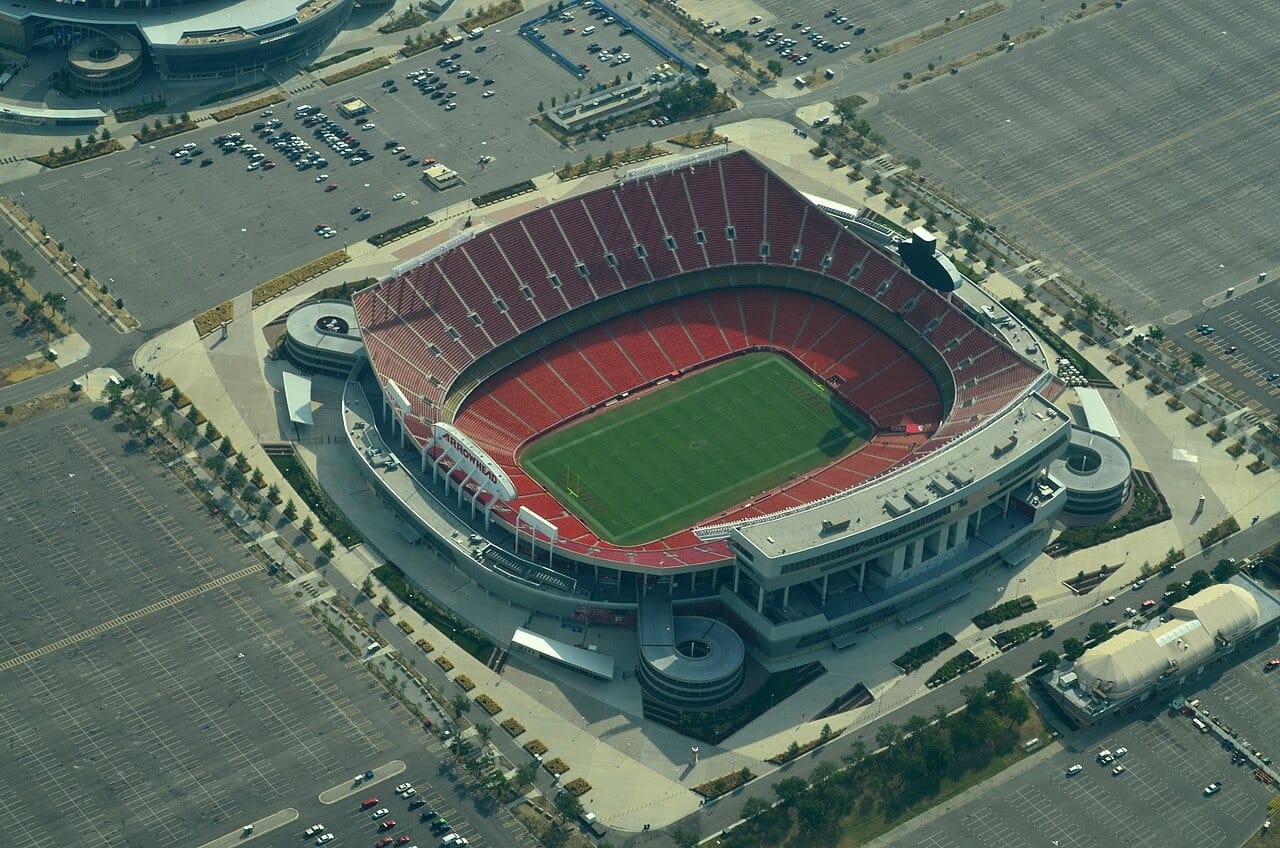
Kansas City Stadium is one example of a stadium built in one of these locations on the outskirts of the city. It is surrounded by parking lots at a freeway interchange, with no rail connection to speak of. Some of the difficulties that led to fans abandoning their cars were caused by FIFA choosing to only open two of the stadium’s seven entrances, leading to long lines of cars trailing out of the complex. One fan waited for over 90 minutes just to board one of the dedicated buses, with the journey itself taking just as long again to reach the stadium. When fans don’t have any other options except a car and a carpark, small organizational decisions or difficulties can lead quickly to huge problems.
A further instance of these problems is once again made evident at Dallas Stadium, which is actually located in the neighboring suburb of Arlington. With a population around 400,000, Arlington is the largest city in the United States without a public mass transit system.
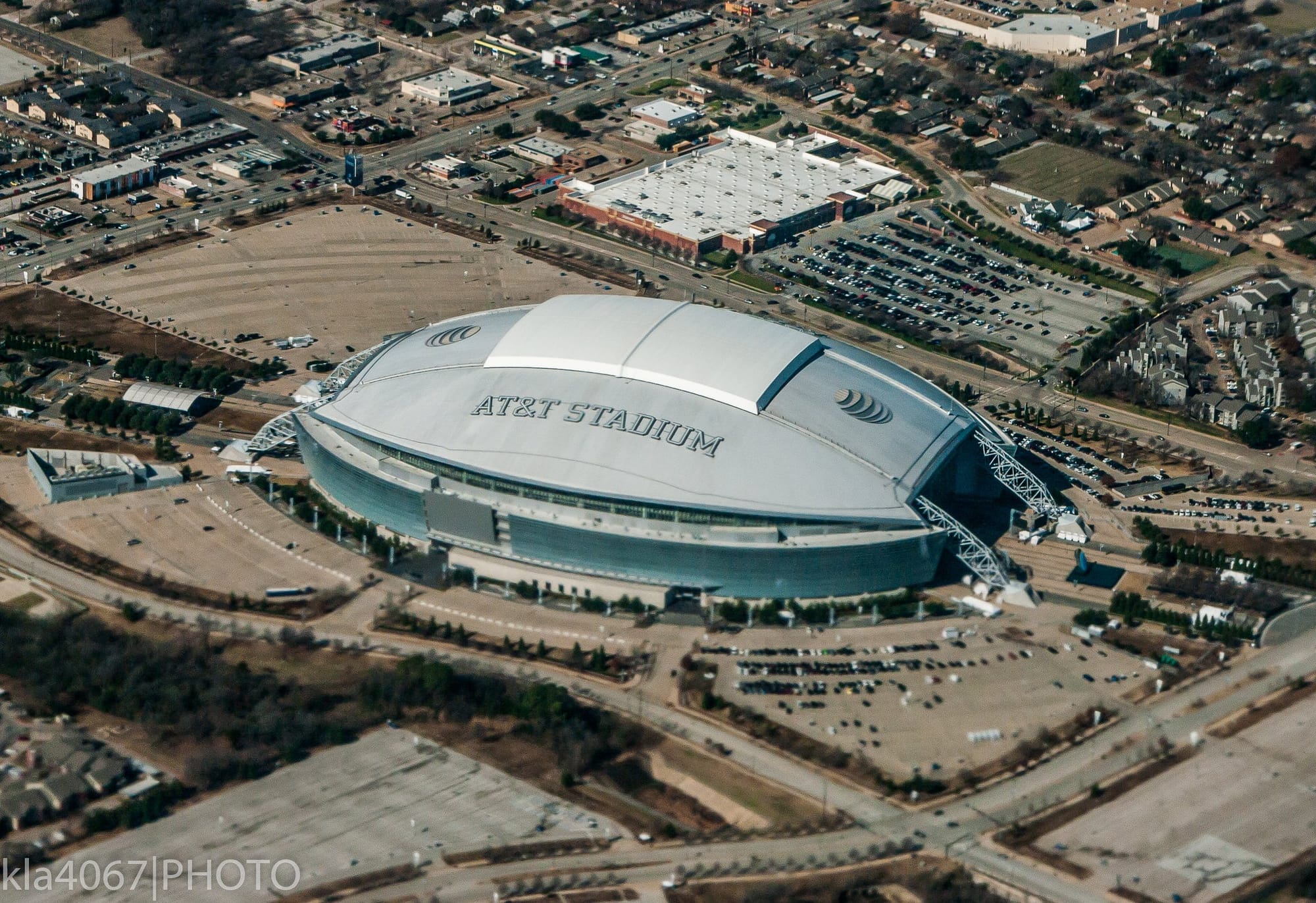
Fans were able to take the Trinity Railway Express commuter train to the DFW airport, where shuttle buses took fans to the game. The cost of one parking space at the stadium is currently over $200, and nearby parking lots and stores have set up sandwich-board signs on the street offering spaces. TimeOut reports parking prices as high as $1,000 for the semi-final.
How stadiums can do things well, and why Seattle worked
Stadiums don’t have to be like this, and a number of factors can help stadium infrastructure work well. Some of the most important of these are urban integration, active street frontage, and multi-modal connections.
This isn’t only something that modern stadiums can do, and Baade gives one great example of a much older stadium: Wrigley Field in Chicago. In this case, the stadium “was fit into an urban grid rather than defining the urban grid,” said Baade. This placement makes a huge difference in terms of the stadium’s accessibility through public transit and active transport.
“Wrigley Field in Chicago is really accessible by train, by foot,” said Baade. “The automobile wasn’t so important back in the era when Wrigley Field was built.”
Cities like Seattle take a similar approach, and integrate the stadium into the urban landscape with transit and pedestrian access. In contrast to far-off, peripheral stadiums, Seattle succeeds in a number of ways when hosting World Cup games, and not just in terms of the immediate fan ability to reach the event. Some of the things that made Seattle stand out include a mixture of temporary urban interventions that were applied during the event, and the pre-existing infrastructure that allowed the city to cope with these crowds.
Before the World Cup came to the city, pre-existing transit including light rail, shuttles, buses, cycling, walking, and even a ferry were already available for fans or attendees at other events held in the stadium.
“It's a very urban stadium, certainly by American standards,” said Oshan. ”It's not that different from what you would find in Germany, or the Netherlands, or France.”
What’s more is that the stadium infrastructure had already been well tested.
“The stadium has certainly been sold out many, many, many times before,” said Oshan, “So it's not like having seventy thousand people at the stadium is itself an oddity.”
In addition to pre-existing infrastructure, several event-focused interventions made a big difference to the fan experience and the stadium’s accessibility. First, the Seattle city government established a pedestrian zone around the stadium, as well as on-street parking restrictions in those areas after 2pm on match days.
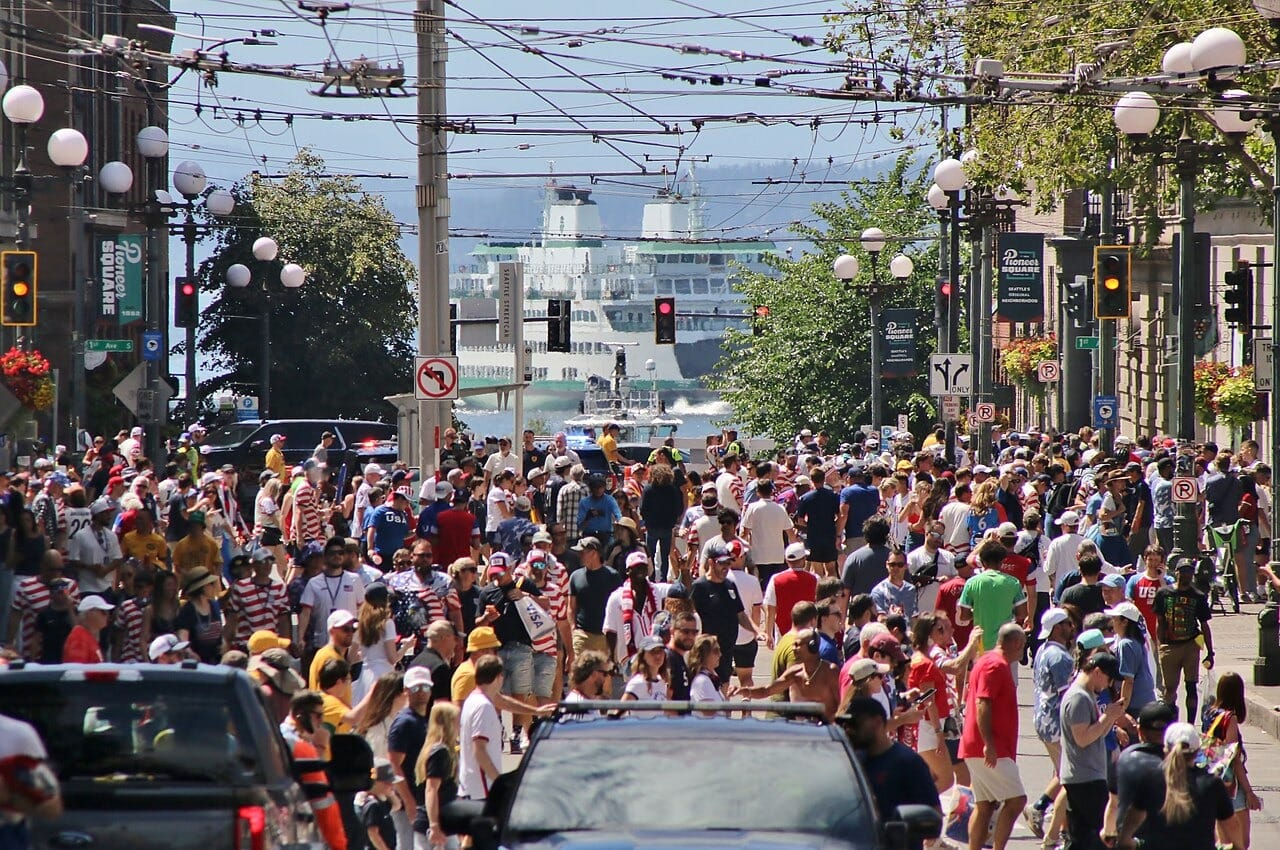
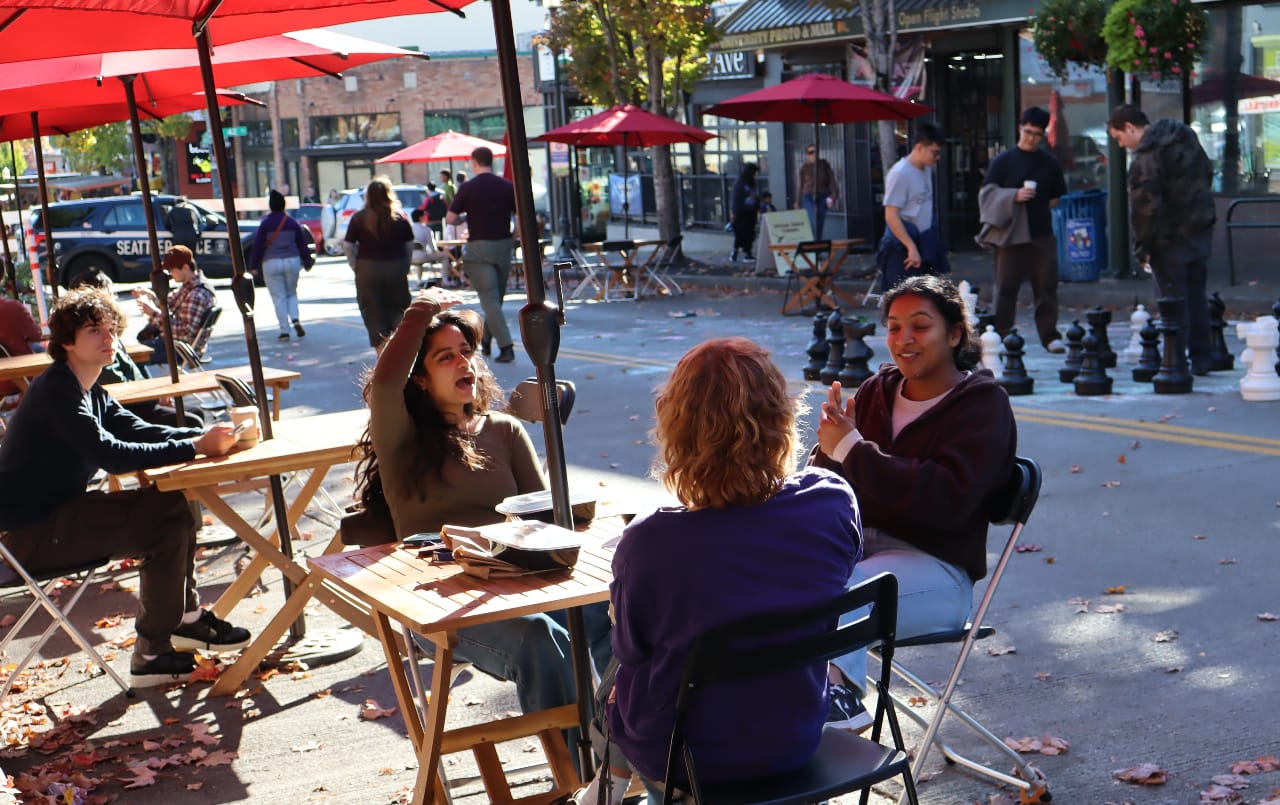
“In the area immediately around the stadium, they basically created this big pedestrian zone,” said Oshan. “So you've got food carts and pop-up vendors, big screens and beer gardens, mini-pitches, just all sorts of stuff around the stadium that’s all pedestrianized.”
This intervention contributed to a “festival” atmosphere, and encouraged fans to spend time in the neighborhoods around the stadium, rather than just inside watching the game.
For Sound Transit’s light rail system, elevators and escalators were overhauled, accessibility icons were added in more locations, increased signage was provided, and passengers were encouraged to use one of three main stations to reach the stadium, depending on which direction they were arriving from. In addition, service was increased to trains every four minutes on match days in the segment where the 1 Line and 2 Line overlap.
Some of these interventions also have the potential to be made permanent, given their success.
“I actually think they've done an exemplary job of creating a space where you can get out relatively easily,” said Oshan. “I would imagine it's actually easier to get out, and get into downtown, than it is for an average Seahawks game.”
Especially given the already-existing infrastructure and urban planning approaches, some temporary interventions were simply extensions, rather than entirely new concepts or approaches.
This is one way that cities can ensure that mega-event infrastructure changes contribute to the city in the long term, not just for the sake of the event.
“Sustainable legacies occur when a mega-event is adapted to fit a city's pre-existing, long-term master plan (or similar), using the tournament as an accelerator for infrastructure that the city already needed,” said David Gogishvili, senior researcher at the Institute of Geography and Sustainability, University of Lausanne.
In Seattle’s case, many of the developments were fully in line with existing, planned developments.
“There already are some pedestrianized streets within this zone,” Oshan said. “So I don't think it would be that big of a lift [to keep them].”
In addition, new bike trails were added or upgraded to the city’s network, in part to serve the stadium in preparation for the World Cup. These will remain permanent.
“To the city's credit, they've actually been pretty forward thinking, and they used the World Cup as a goal to get stuff finished in time for it,” Oshan said. “But it was stuff designed to be permanent changes.”
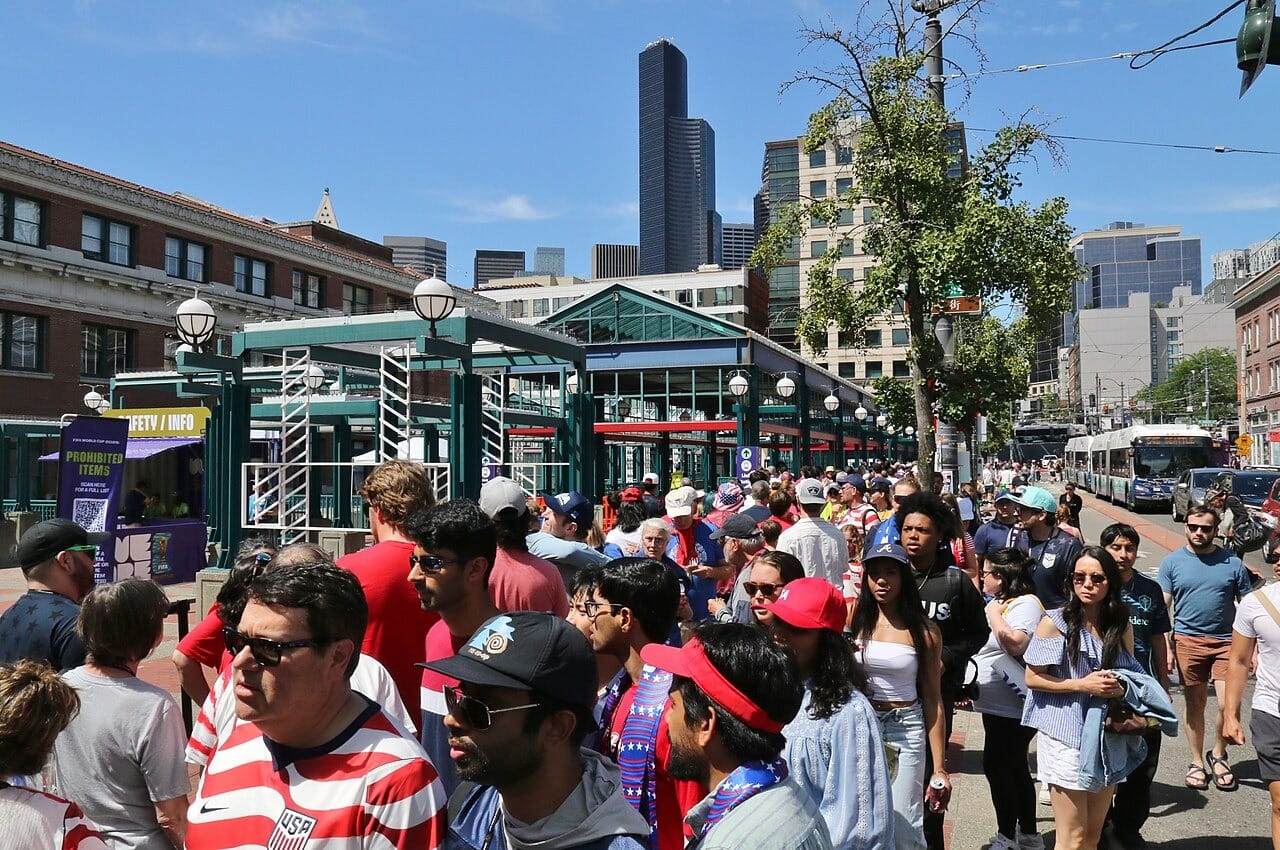
Changes to improve the light rail system were also very effective, and alleviated congestion around the stations when busy trains arrived.
“They created these queues that make it a little bit easier to get in and out, and to serve a large group of people, where you don't just have everyone jamming onto the platform,” Oshan said. “So I would imagine that's something that they'll probably be more likely to do for big events here more frequently.”
Aside from the benefits for fans, traffic, and local residents, better transit systems can have a huge impact on the environmental sustainability of mega-events like the World Cup. One of the consequences of such stadium placement is a larger environmental footprint and greater climate pollution, although just how much would depend on the specifics.
“If a stadium is placed in a car-dependent peripheral zone, it forces thousands of spectators into individual vehicles or idling shuttle buses, heavily compounding local emissions,” said Gogishvili.
“The only way a host city can minimise the emissions within its actual jurisdiction is by integrating venues directly into high-capacity public transit networks, making car-free access the easiest option for fans.”
Indeed, research shows that “depending on the event format, host geography, accounting method, and inclusion of international travel, transport can account for a very large share of total emissions—often between 40% and 85% of the carbon footprint.”
“The 2026 World Cup, at least in the USA and Mexico, cannot even provide adequate local sustainable transport options,” Gogishvili said. “To say nothing of the massive international travel footprint involved.”
Who actually profits from hosting?
No matter how much the transit system helps fans get to these events, there are still issues with hosting the World Cup. One of the major issues is that host cities and countries don’t tend to benefit economically from hosting mega-events like the World Cup at all. Even when stadiums or arenas are more central, they come with a number of issues for cities and their finances, as well as their residents.
The research on the economic calculus of hosting the World Cup has been clear for a long time, but the emotional associations with the event have a huge impact on a desire to host nonetheless.
“You’re the center of attention for a fortnight in the case of the Olympics and for a little bit more than a month in the case of the World Cup,” Baade said. “Cities are beginning to understand that the promised economic impact simply doesn’t materialize.”
One primary reason that most cities do not benefit from the building or operation of stadiums for these mega events is that a large proportion of the cost “leaks out” to recipients other than the city and its residents.
Instead of creating a symbiotic urban and economic relationship between the city and the neighborhood, stadiums tend to capture revenue for private investors.
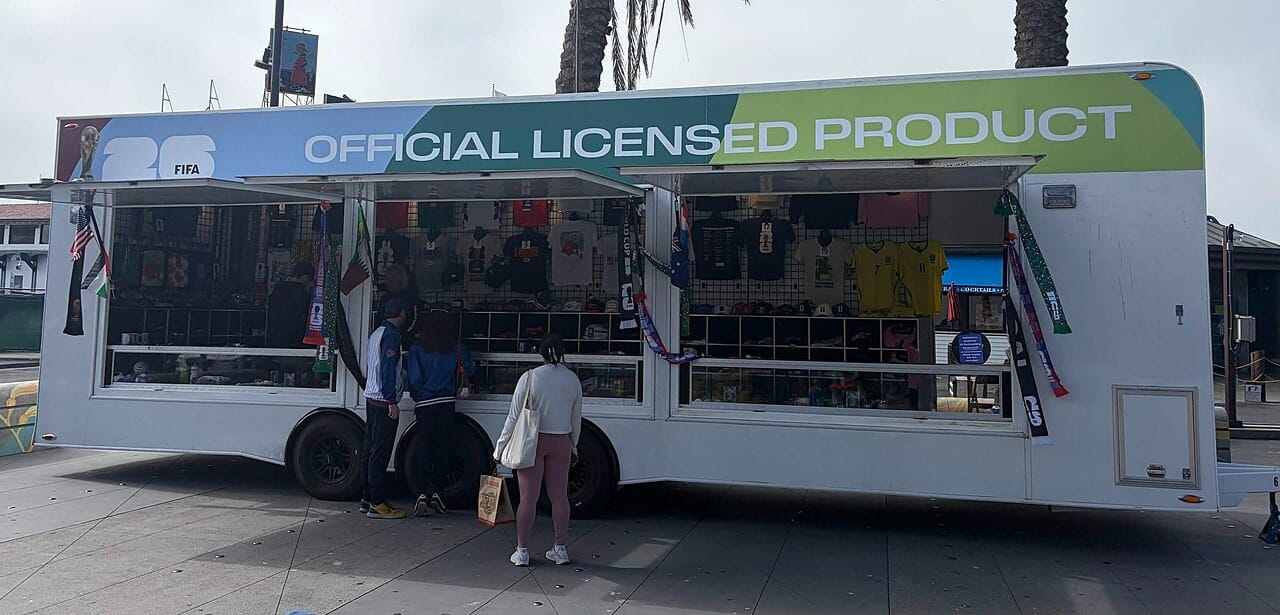
“Rather than having economic activity spill over the stadium walls into a neighborhood,” Baade said, “[owners and teams] want to capture revenue for selling food, revenue for selling memorabilia, revenue from drinking and so forth.”
This is particularly the case when a stadium is in a more distant, suburban location, with few other routes to funnel income back to the cities and states that fund them.
“When venues are built as isolated islands surrounded by massive surface parking lots, they create zones that sever community connections,” Gogishvili said. “Peripheral stadium developments often trigger speculative real estate spikes that drive gentrification and displace lower-income residents.”
In cities like Seattle, the location of the stadium, as well as the transit and pedestrian systems that allow people to reach it, prevent some of this revenue capture by owners and teams, as well as potential flow-on negative effects. This makes the stadium far more likely to benefit local residents, not necessarily through the hosting of the mega-event, but through the dynamics that take place around it. With a more central location, fans can often continue to support local businesses on their way to and from the stadium.
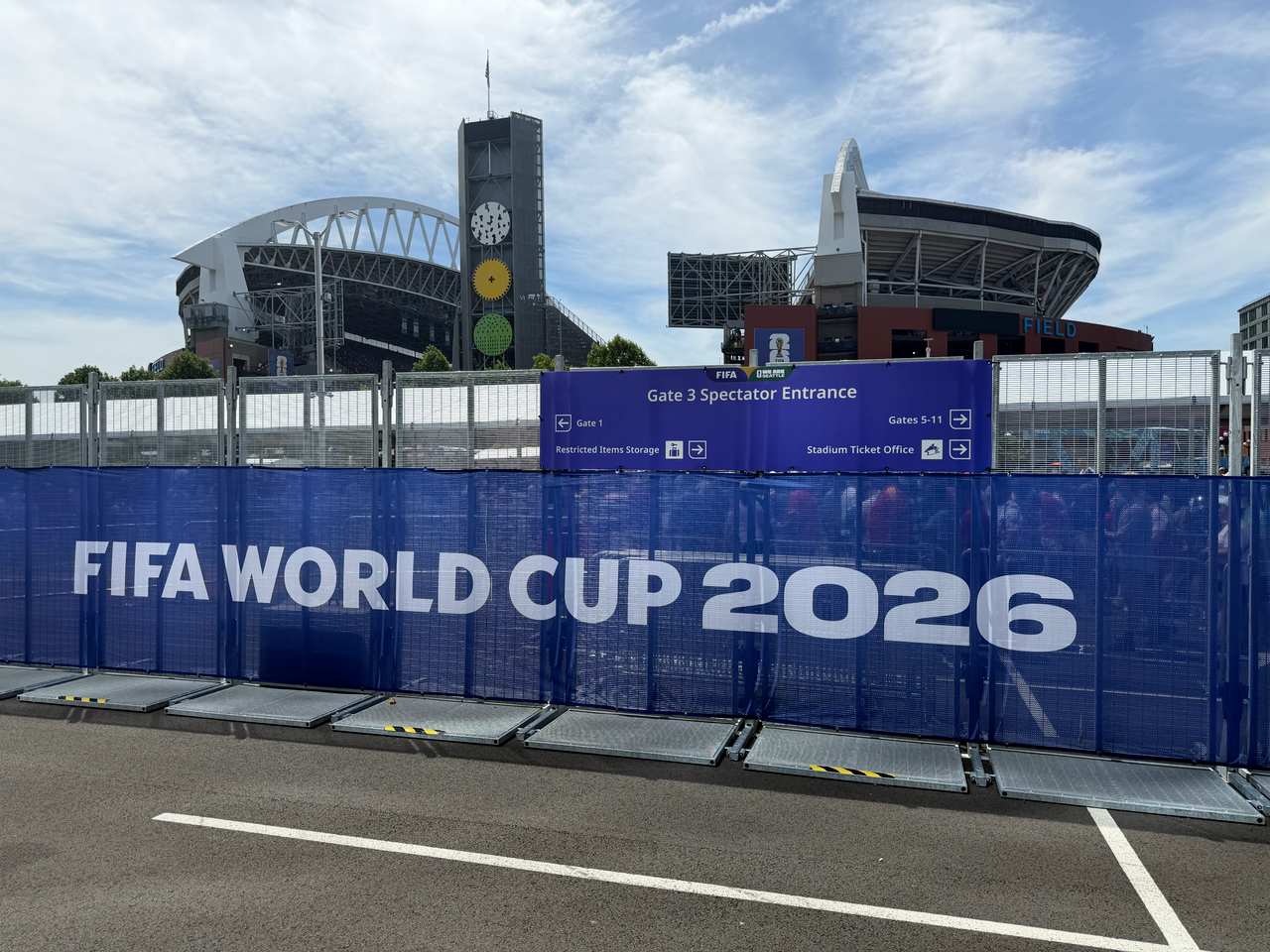
“FIFA did take over an expanded footprint from where Lumen Field normally operates,” said Oshan. “But literally across the street from where the fences are, which are in some cases, right up to the border of the property, you have the same normal hot dog vendors and shirt sellers, and the things you would normally expect on game day.”
“I would think there is some real economic benefit to the local shops and vendors and the local community,” Oshan said. “To a much higher degree than at other stadiums, where [they] are located out in the middle of nowhere.”
Public and social issues as a consequence
One challenging aspect of stadium economics for cities is that public funds are funneled towards the stadiums and the events, which comes at the cost of public spending in other areas. In addition, high ticket costs, soaring hotel prices, and congested roads and transit systems can leave locals and regular visitors shut out of event spaces and nearby neighborhoods.
For example, when Brazil hosted the 2014 World Cup and the 2016 Summer Olympics, the mood was initially positive. “There were so many celebrations in the cities and the political leadership that orchestrated this whole thing were thought of as savants,” Baade said. “But a little while later, there were protests in the streets because of the cuts that became visible as it related to education and public transportation. Most poor people couldn’t afford to buy a ticket to go to the events.”
Although Seattle has succeeded in terms of transit ridership, minimizing environmental impact, and smooth fan access to the event, the greater economic, political, and social complications are still present behind the scenes.
“I can't believe the World Cup's gonna be in my backyard, and I can't afford to go,” was the most common refrain heard by Oshan in Seattle in the days and weeks leading up to the games.
Some hotels also reported that their bookings were slower than expected. In part, this was due to the high prices applied to rooms after FIFA booked large numbers early, creating a false sense of high demand. The same issue played out for 80% of hotel operators in Seattle and across World Cup host cities in the United States.
More vulnerable residents also often lose out. “Pioneer Square is the oldest neighborhood in town, and so there are times when it gets pretty dilapidated,” Oshan said. “There's a significant homeless population that tends to find its way down here.”
But due to the interventions designed for hosting the World Cup, much of Pioneer Square had been cleared of encampments, with service organizations attempting to move homeless populations to shelters.
While business was up broadly across downtown, and some bars and restaurants near the stadium or in the path of fan marches reported record-setting sales, some areas slightly farther afield reported lower customer numbers.
This is an unfortunate pattern that has significantly affected the Chinatown-International District (CID), just east of Pioneer Square. When Seattle hosted Major League Baseball’s All-Star Game in 2023, several CID business owners sounded the alarm that the event had hurt their sales rather than helped them. Some CID businesses are reporting a similar dynamic this time around, with a few claiming record lows. This is partly due to the effect of soccer fans not coming, as well as locals staying away. Warnings about downtown traffic issues are an additional deterrent.
Many in the CID have been wary of the stadium next door from the start, after the stadium site (originally the Kingdome in its first iteration) was carved out of a historic section of the neighborhood. This was done despite protests from CID leaders worried about cultural displacement.
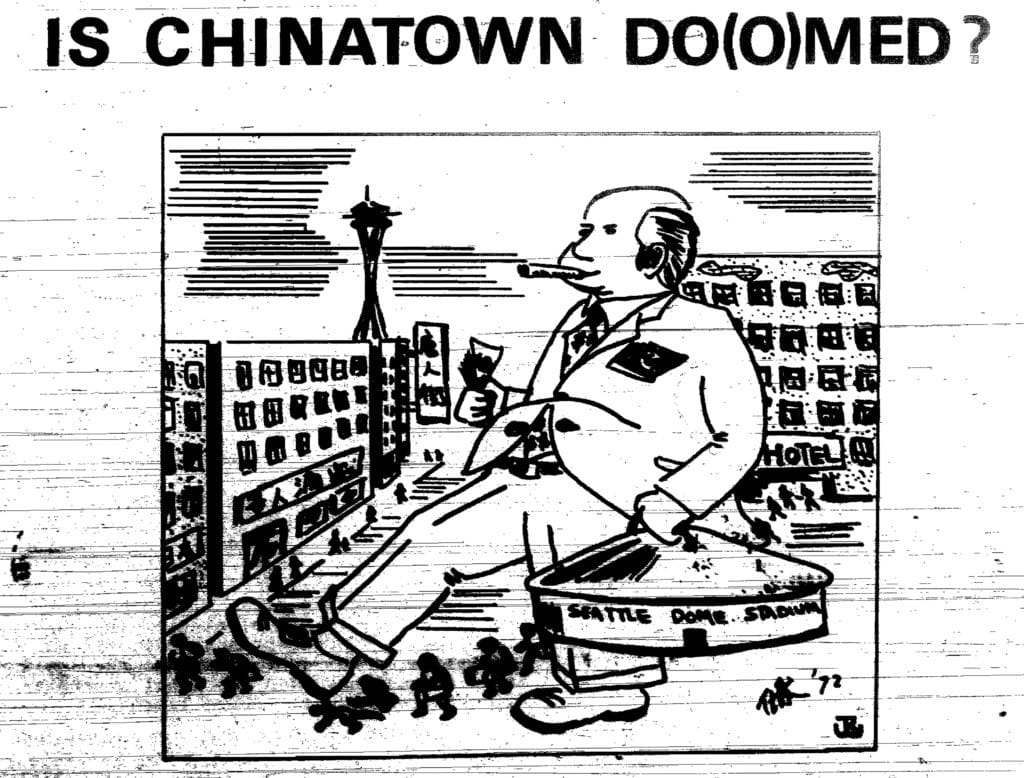
The protest movement, under the rallying slogan of “Hum Bows Not Hot Dogs,” did help earn support and funding for a number of cultural preservation efforts and aid organizations that continue to this day. However, international soccer fans have concentrated their food and beverage spending elsewhere, leaving the stadium’s economic boost pointed away from the CID.
Mitigation of losses
While these issues remain, regardless of how good other urban interventions may be, cities can mitigate any additional losses and harms. That is, by establishing proper urban infrastructure around stadiums, and connecting them with multi-modal transit systems. In this way, local communities can benefit, and develop a real culture around the events, just like the “March to the Match”.
“I think a lot of [why it turned out positively] is because we have the infrastructure here to support this kind of thing,” Oshan said. “It’s not like [Seattle was] a blank slate where FIFA came in and painted whatever Disneyland version of what they wanted a football culture to look like.”
Indeed, this is one of the few ways that hosting a mega-event like the World Cup can result in a positive legacy for the city.
“A mega-event legacy is only truly relevant for local populations when the venues or related developments emerge from the actual needs of the community,” Gogishvili said. “Rather than those imposed by bodies like FIFA or the IOC [International Olympic Committee], who are driven by extractive profit generation.”
When cities are able to integrate infrastructure changes into existing city planning that matches community needs, cities can cope with large events more smoothly. In addition, they can attempt to claw back some economic return for the neighborhoods and communities that host these mega-events.
“Nations are often disappointed, but they had their moment in the sun,” said Baade. “But once the circus leaves town, what are you really left with?”
In the case of Seattle, the city is left with a lot: the image of huge processions of cheering fans traversing the city, some well-tested urban interventions likely to stick around, and all-time-high ridership on its light rail system. But admittedly the economic picture was mixed, with some neighborhoods and businesses making out royally while others suffered.
 Doug Trumm
 Doug Trumm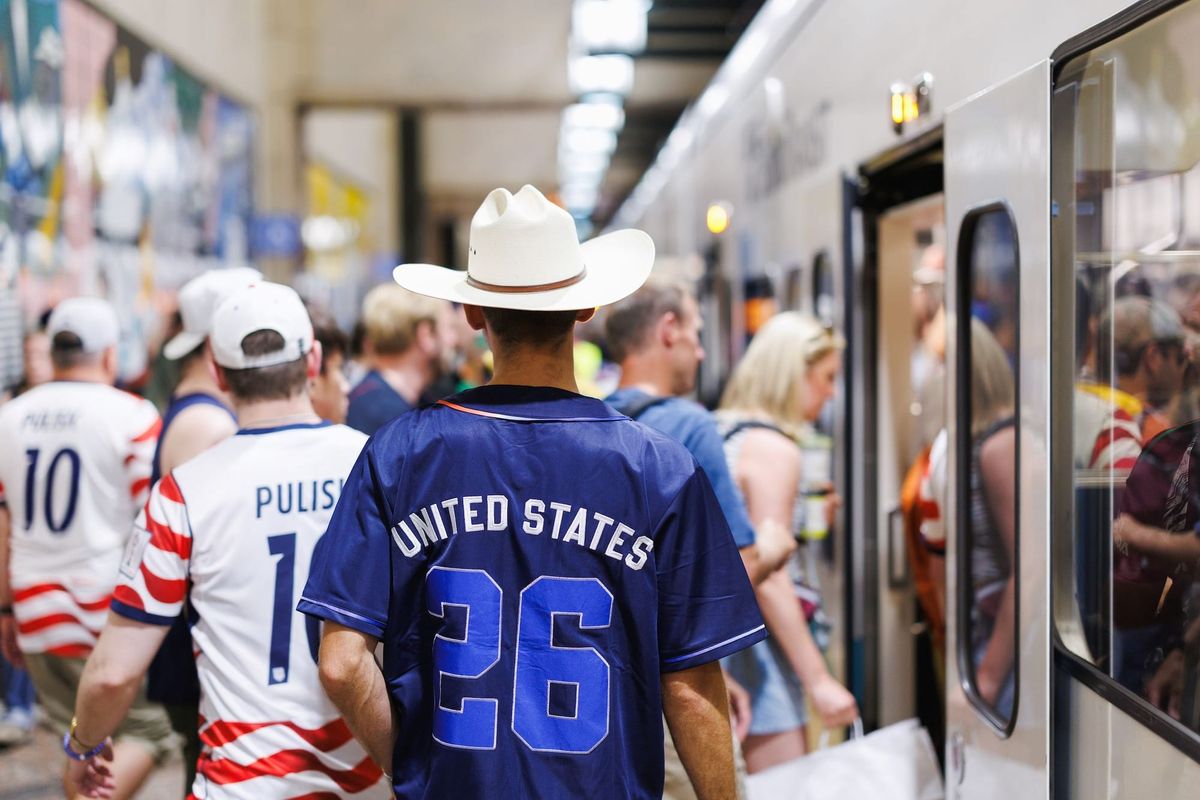
 Doug Trumm