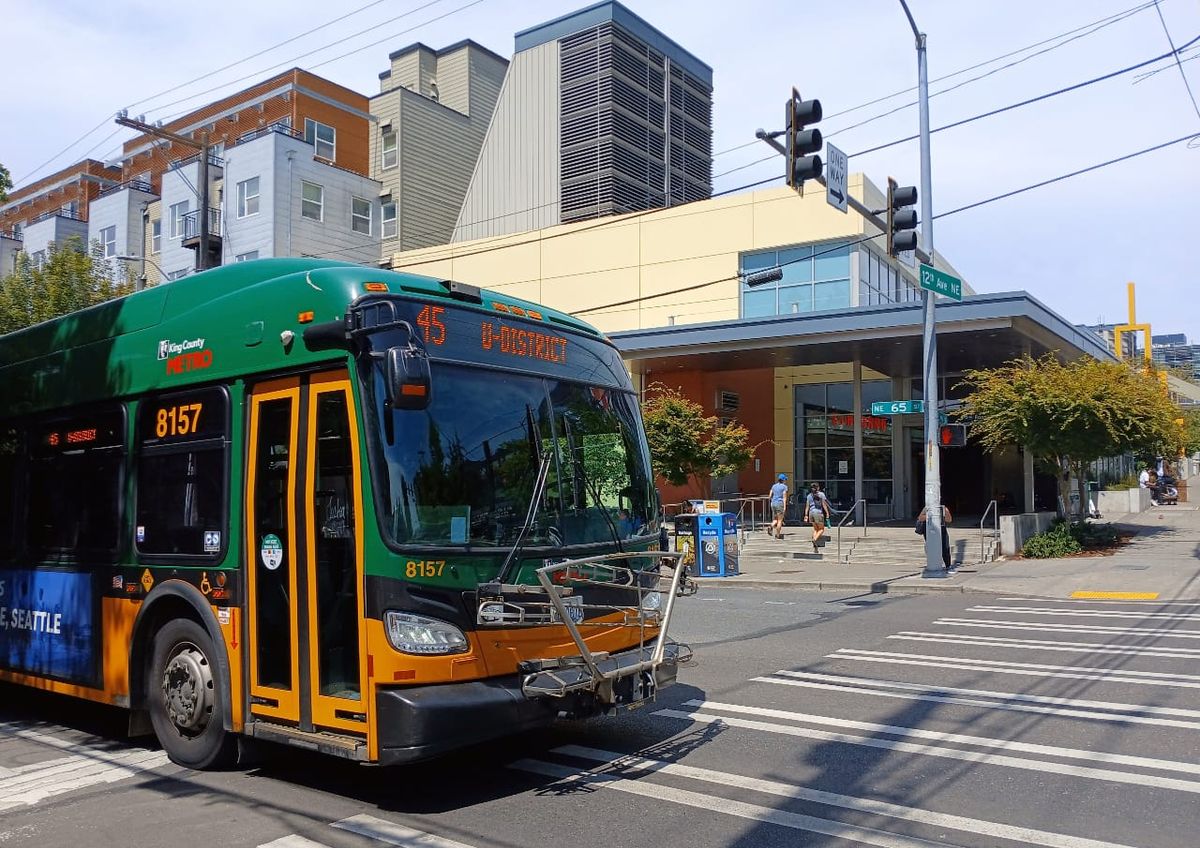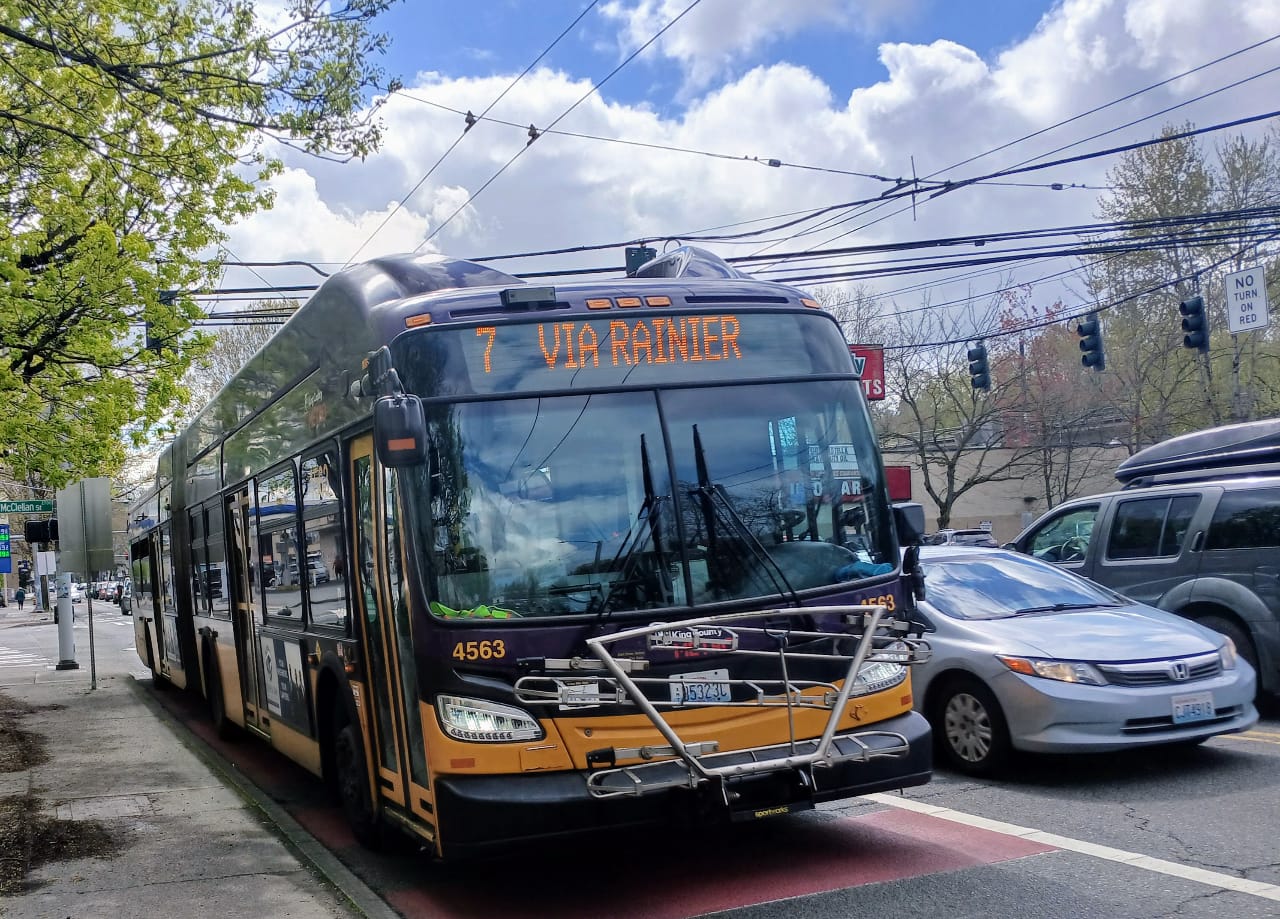
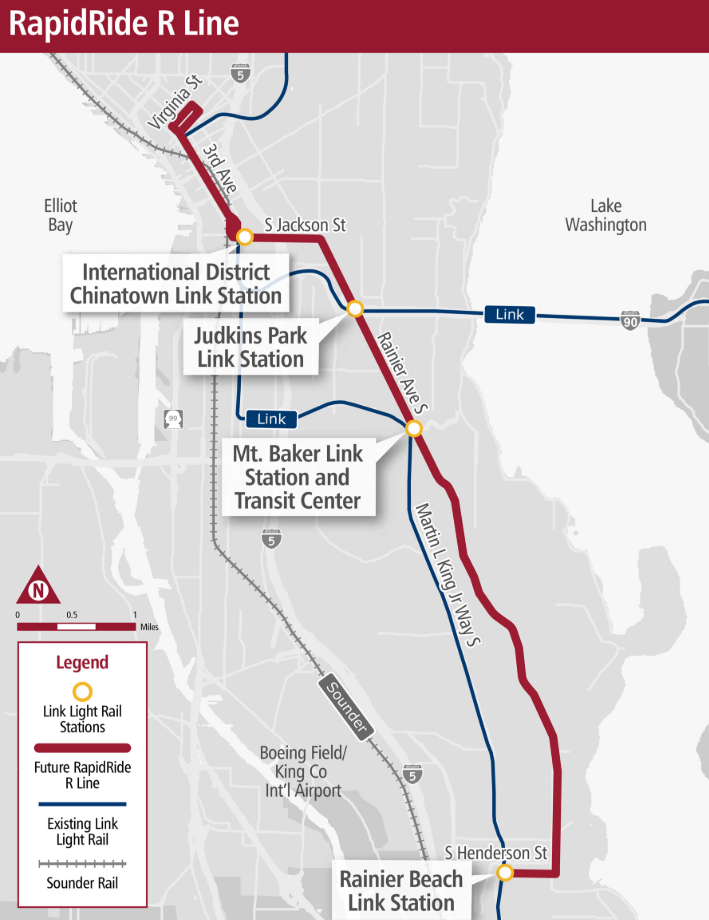
In a pivot from past plans, King County Metro no longer intends to seek federal funding to construct its next bus rapid transit line in Seattle, the RapidRide R between Downtown and Rainier Beach. The R Line will upgrade Route 7, the second-most ridden bus route in Metro's network, averaging more than 11,000 daily boardings in 2026.
Metro's move is a stark illustration of the headwinds faced by transit agencies when it comes to procuring federal dollars during the second Trump administration.
Last week, the Puget Sound Regional Council's Executive Board approved a request to shift $5 million in Federal Transit Administration (FTA) formula funding away from the R Line, toward broader bus acquisition at Metro. In the context of that vote, Metro confirmed to The Urbanist that the entire R Line project is being "defederalized" with no plans to seek any of the larger, competitive grants that many prior RapidRide lines have depended on.
Previously, the project had been expected to qualify for at least $49 million in federal funding, but that was before King County reduced the R Line's budget by around 25% to $91.2 million last year, a move made in response to "budget realities."
"Metro is not planning to seek any future federal funding for the project, but we may apply for additional state grant funding," Metro spokesperson Jeff Switzer said in a written statement.
The decision comes in the context of new reporting on the current federal funding landscape for transit, with the New York Times this week detailing the fact that zero new Capital Investment Grants (CIG) have been signed by the FTA in either 2025 or 2026. A major source of dollars for transit projects around the county, an already-awarded CIG grant is helping to build the RapidRide I line through South King County right now, with other RapidRide lines now operating also using the program.
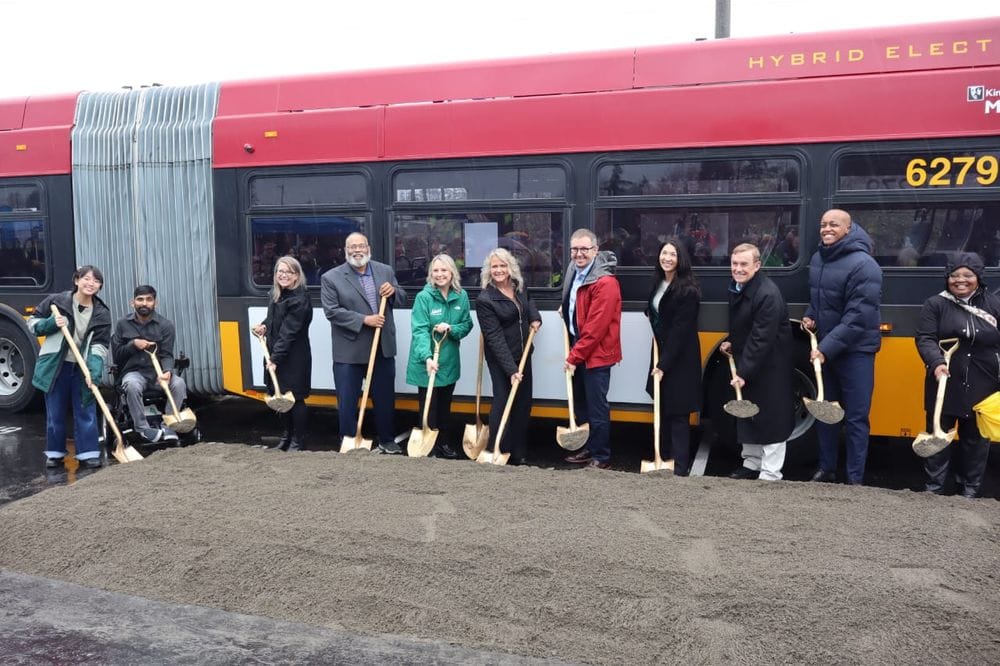
A hastily-arranged press conference in January 2025 saw the FTA hand over the I Line's grant funding just before Trump's second inauguration, a move that now looks prescient in retrospect.
"Large projects ready to enter the final phase of the program’s yearslong pipeline have stalled there. The administration also tried halting payments to the New York and Chicago projects, forcing courts to intervene," Times reporters Emily Badger and Alicia Parlapiano wrote. "As the number of pending projects builds up, so has anxiety about the federal government’s support for major transit infrastructure. Money that Congress designated for that purpose is accumulating too: More than $7 billion hasn’t been obligated to any project."
The RapidRide K line, which will run between Kirkland's Totem Lake and Eastgate in Bellevue, remains a candidate for federal funding. That project is much further along in development, with the King County Council approving a preferred alignment last summer that narrows down the design options being developed. While a grand opening is still being eyed for 2030, that timeline could end up being pushed out if those dollars aren't able to materialize.
"We're making progress but federal funding is not yet approved," Switzer said. "We applied to the FTA for small starts grant funding, and received a medium-high project rating, making the RapidRide K Line eligible for federal funding as early as [Fiscal Year] 2027. The process is ongoing as federal funding legislation is considered."
While forgoing federal dollars could ultimately reduce the amount of red tape involved in planning the R Line by freeing Metro from onerous federal requirements, the timeline remains elongated, with a grand opening still not expected until 2032. Unlike the K Line, the R Line will likely be constructed by the Seattle Department of Transportation (SDOT), which has direct control over city streets.
Of course, Metro isn't the only Puget Sound agency that relies on federal funding to advance its projects. Sound Transit faces the same headwinds to obtaining dollars from FTA, with a much bigger impact to long-term system expansion plans if that funding fails to materialize. While the agency hopes to start construction on the West Seattle Link extension project sometime in the next 18 months, it remains unclear if that work can commence without a funding agreement with FTA to shore up its budget.
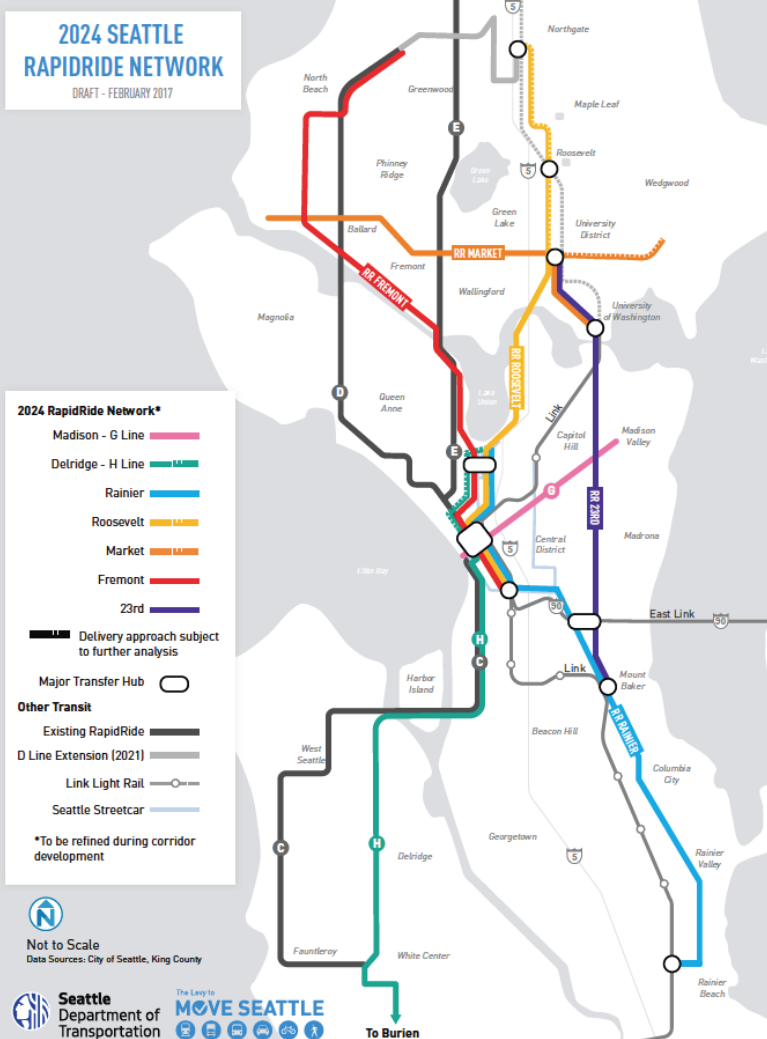
Building a RapidRide line along Rainier Avenue has been envisioned since 2015, when Seattle voters approved the ambitious Levy to Move Seattle and its seven future rapid bus corridors. Rainier Rapidride was set to open by 2021, a date that was pushed to 2024 after federal grants failed to materialize during the first Trump administration. In 2020, the project was officially put on ice due to further budget cuts during the Covid-19 pandemic, with planning work only restarting in earnest in 2024.
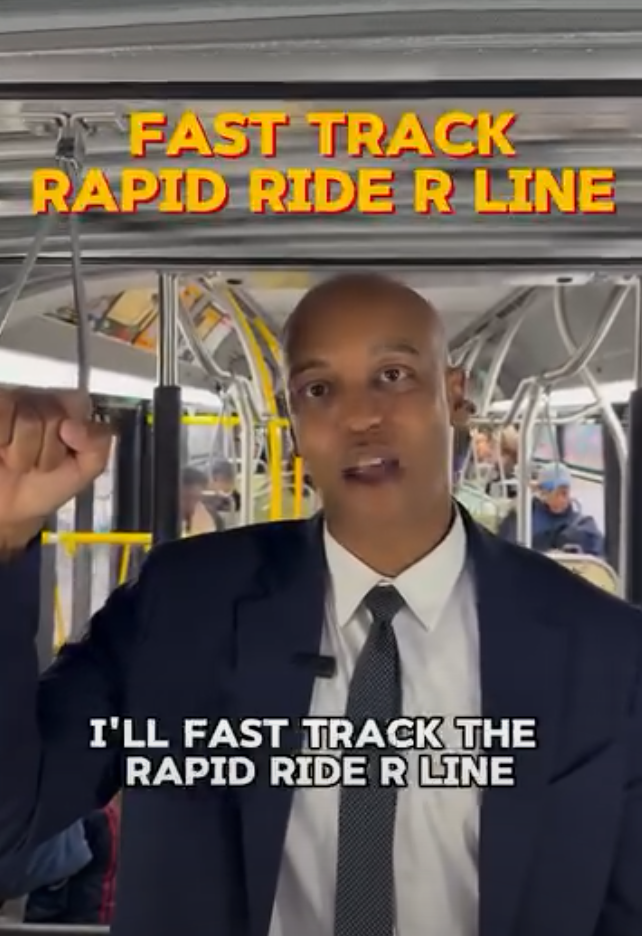
Expediting the RapidRide R was a key promise County Executive Girmay Zahilay made during his 2025 campaign against County Councilmember Claudia Balducci. Zahilay filmed an Instagram video with Seattle City Councilmember Alexis Mercedes Rinck where he promised to "fast track" the project. This fall's upcoming budget season will ultimately show whether Zahilay is likely to be able to accelerate the R Line, as Metro faces considerable budget issues over the coming years.
Metro told The Urbanist that upcoming work on RapidRide R includes community outreach that will take the form of flyer distribution, engagement with property owners, and virtual/in-person open houses. That work is slated to start next month.
"Metro just completed the 10 percent conceptual design in June 2026 and we’re working to procure consultant support for the next phase of design," Switzer said.
Time will tell whether de-coupling the R Line from federal funding will be a smart pivot or simply a necessity of life in a Project 2025 America.
 Ryan Packer
 Stephen Fesler
 Ryan Packer