After spending most of the summer debating potential tweaks to new affordability requirements in the city's former single family neighborhoods, the Kirkland City Council last week opted to stay the course. The requirements, which will tack on a $15 per-square-foot fee to any units over 2,000 square feet in size, had been approved in mid-2025 and are set to take effect in January. But a proposal to raise the exemption threshold to 2,500 square feet proved surprisingly contentious, failing by one single vote on Tuesday after a deadlocked tie vote in June forced a revote.
The Urbanist's Fall Member Drive is in full swing! Support our work, read ad-free, and help us hit our goal for the member drive!
Mandates for builders to fork over a fee to fund affordable housing in low-density zones have been spreading across Seattle's suburbs in recent years. While often paired with an alternative option to construct those affordable units on site, such a move is often impractical, turning a so-called "inclusionary zoning" program into a new line item on a developer's expense sheet.
In nearby Redmond, a $30 per-square-foot fee has been phasing in since 2025 and will take full effect at the same time as Kirkland's $15 fee. In contrast, Redmond has no exemptions for smaller units.
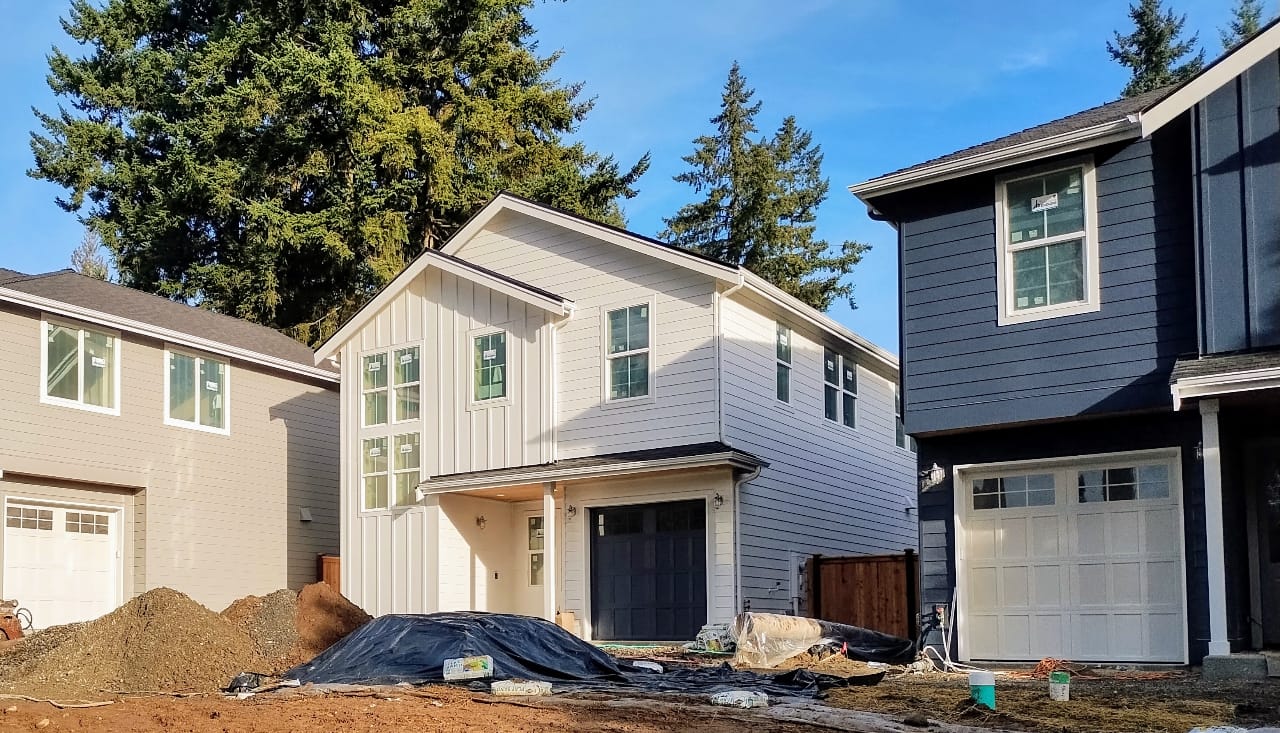
The logic behind exempting smaller units from the new fee is straightforward. Kirkland, which approved one of the region's first "Missing Middle" housing laws in 2020, has been seeing some densification in its lower density areas, but the city would like to see that pace pick up. Permits for 64 new cottage housing units were issued between May of 2024 and December of 2025, according to City records, compared to 104 new single-family homes.
The 2,000-square-foot exemption is intended to ensure that the city doesn't put a damper on those smaller, more affordable units. Even units slightly over the threshold would pay only on the portion of square footage above 2,000, keeping their overall fee relatively modest. However, councilmembers supporting the larger 2,500-square-foot exemption argued that setting the threshold too low could act as a disincentive for smaller housing types beyond cottage housing.
"When I think about middle housing, middle housing is cottages for sure, but it is also townhouses and smaller single-family homes. Data provided by the planning staff shows that the average-sized townhomes built in low-density zones is around 2,400 square feet, and the average size of townhomes that are built in medium-density zones are around again 2,400 to 2,500 square feet. And these are exactly the types of homes that I would like to incentivize in Kirkland," Councilmember Shilpa Prem said.
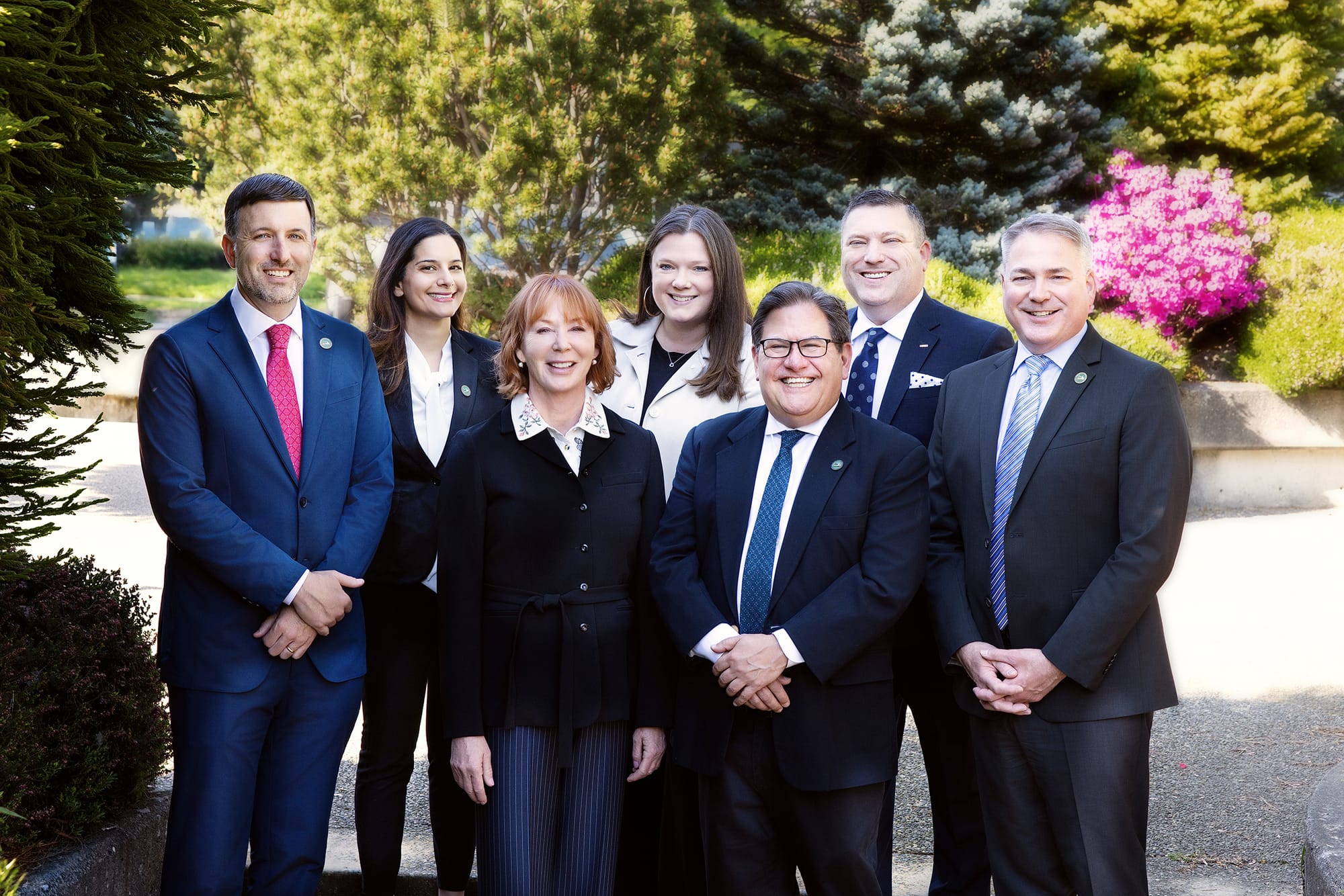
The 3-4 vote that left the 2025 plan in place saw Prem in the minority along with Amy Falcone and John Tymczyszyn and seemed to take several councilmembers by surprise. And the episode appears to signal deeper divisions on the council beyond this one issue – perhaps surprising given the results of last November's elections that saw election victories for all three incumbents on the ballot, along with Prem, who had been endorsed by outgoing Councilmember Penny Sweet. That was in spite of a considerable push to swing the council in a more anti-density direction.
The recommendation to stay the course came from City staff, who argued that raising the exemption "mainly benefits single-family homes which are not affordable to most community members," according to an August 18 staff report. Planning and Building Department Director Adam Weinstein pointed to the need to raise revenue for affordable housing, in order to make progress on a state mandate many cities are grappling with around planning for future residents at specific income levels.
"It's sort of our north star here," Weinstein said, showing councilmembers a chart of the city's growth targets. "It's really why we're considering this ordinance in the first place. It shows that we need housing in all income brackets, but the biggest need – 80% of the total need for about 10,444 units – is for housing that is affordable to households making less than 50% of the median income, and that's the housing that almost always requires some sort of public funding. And so, the generation of that funding is the primary intent of the ordinance that is in front of you tonight."
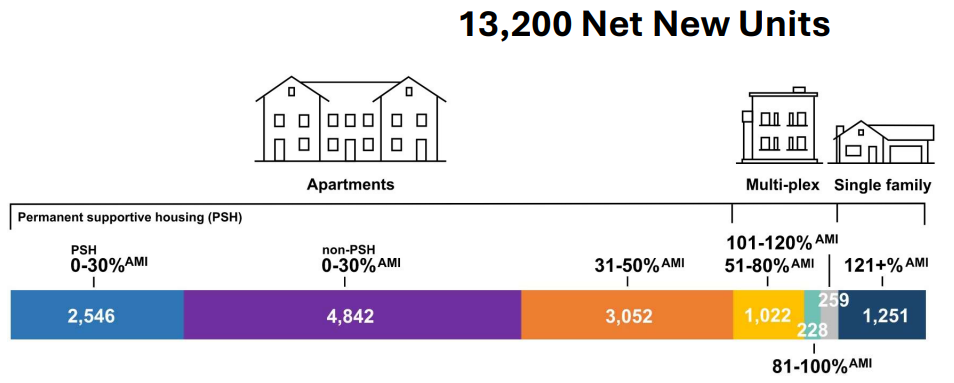
Kirkland staff project the fee will raise $3.3 million within 18 months of being implemented.
An amendment from Prem to raise Kirkland's per-square-foot fee to $20, an apparent bid at a compromise that would have recouped some of the lost revenue caused by raising the exemption, did pass on a 4-3 vote. But with the entire ordinance failing, that change ultimately became moot.
"Generally speaking, I'm not a huge fan of taxing housing to help us address the housing crisis. I just want to say that it seems a little counterintuitive, but I also want to acknowledge that we have very limited tools, right? And this is the situation we're in," Councilmember Amy Falcone said Tuesday. "This is not, in the grand scheme of things, the biggest issue and the biggest impact on housing affordability. It is something. It's a piece of the puzzle. We need lots of different pieces of the puzzle to be able to do this. But I do hope that in the future, like was mentioned, we have fewer restrictions on missing middle housing."
Inclusionary zoning programs across the U.S. – whether targeted at single-family neighborhoods or mixed-use districts – have come under increasing scrutiny as cities have been looking to jumpstart overall housing production. This summer, San Francisco slashed its affordable housing requirements from 15% of new units in a multifamily building to just 5%, with all buildings under 24 units fully exempted. Other cities like Cambridge, Massachusetts are considering following in San Francisco's footsteps.
In Seattle, builders in the city's Neighborhood Residential (NR) zones aren't required to pay any fees, in contrast with the city's denser districts where the Mandatory Housing Affordability program typically forces builders to set aside between 5% and 10% of units as affordable for 75 years or pay a hefty fee. Builders had been hoping to see temporary relief from those requirements citywide, but that has been proving to be easier said than done.
Kirkland Deputy Mayor Neal Black argued that expanding the mandate to fund affordable housing into the city's fringes is a move intended to balance out the requirements that the city imposes on builders in its growth centers.
"My objectives with this policy, are one to ensure the responsibilities assist in the production of affordable housing doesn't continue to fall disproportionately on multifamily housing," Deputy Mayor Neal Black said. "Number two, create more funding for affordable housing in Kirkland. Number three, foster construction of the greater mix of smaller homes Kirkland needs over the next 20 years. Four, ensure the Kirkland fees are less than, and no more complex than, our neighboring peer cities, and five, leave ourselves flexibility, legally speaking, to make favorable adjustments in the future."
Later this year, Kirkland will be considering potential code amendments that could make it easier to build middle housing throughout the city, but that work will not include another look at this new affordable housing fee. Any reassessment likely won't come until 2028 at the earliest.
"This was two years of effort with the community and with our planning department and our planning commission," Mayor Kelli Curtis said after Tuesday's ordinance failed. "Sometimes things are complicated and hard, and it takes us time."
 Ryan Packer
 Ryan Packer