When Sound Transit CEO Dow Constantine first rolled out the Enterprise Initiative to address a huge budget shortfall at the agency, he promised this time would be different. Instead of "simply delaying projects and diminishing scope," he pledged creative thinking and a scouring of options to save the Sound Transit 3 (ST3) plan without those "blunt instruments" of delaying and cutting projects.
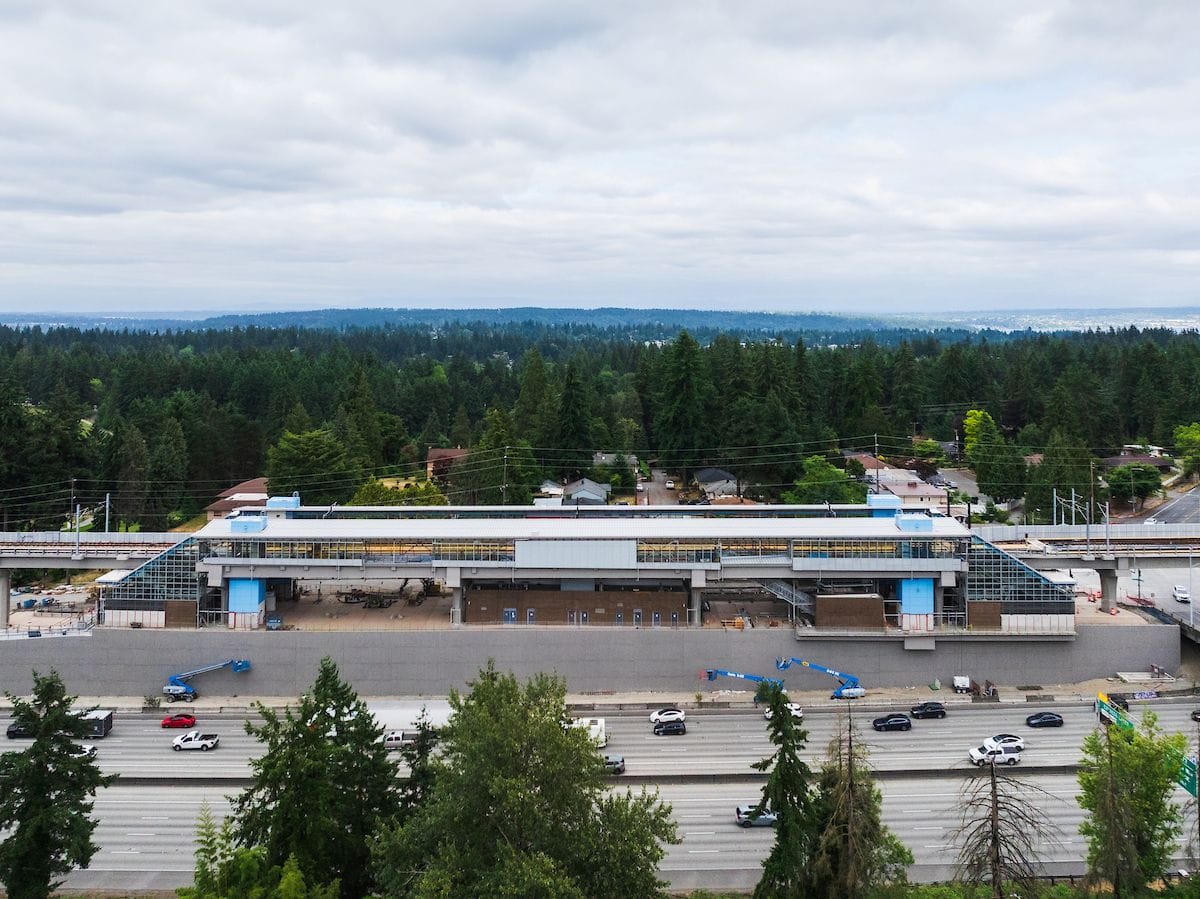
Nonetheless, the fateful May 28 board vote has queued up major delays for several ST3 projects, including a six-year setback for 4 Line light rail from South Kirkland to Issaquah, which will also deliver a new station in Bellevue's Eastgate area. In fact, since Sound Transit has refused to even estimate opening dates for delayed stations in Ballard, Interbay, and Tukwila, some advocates have begun to worry that those projects will never be resurrected from the purgatory of indefinite deferral.
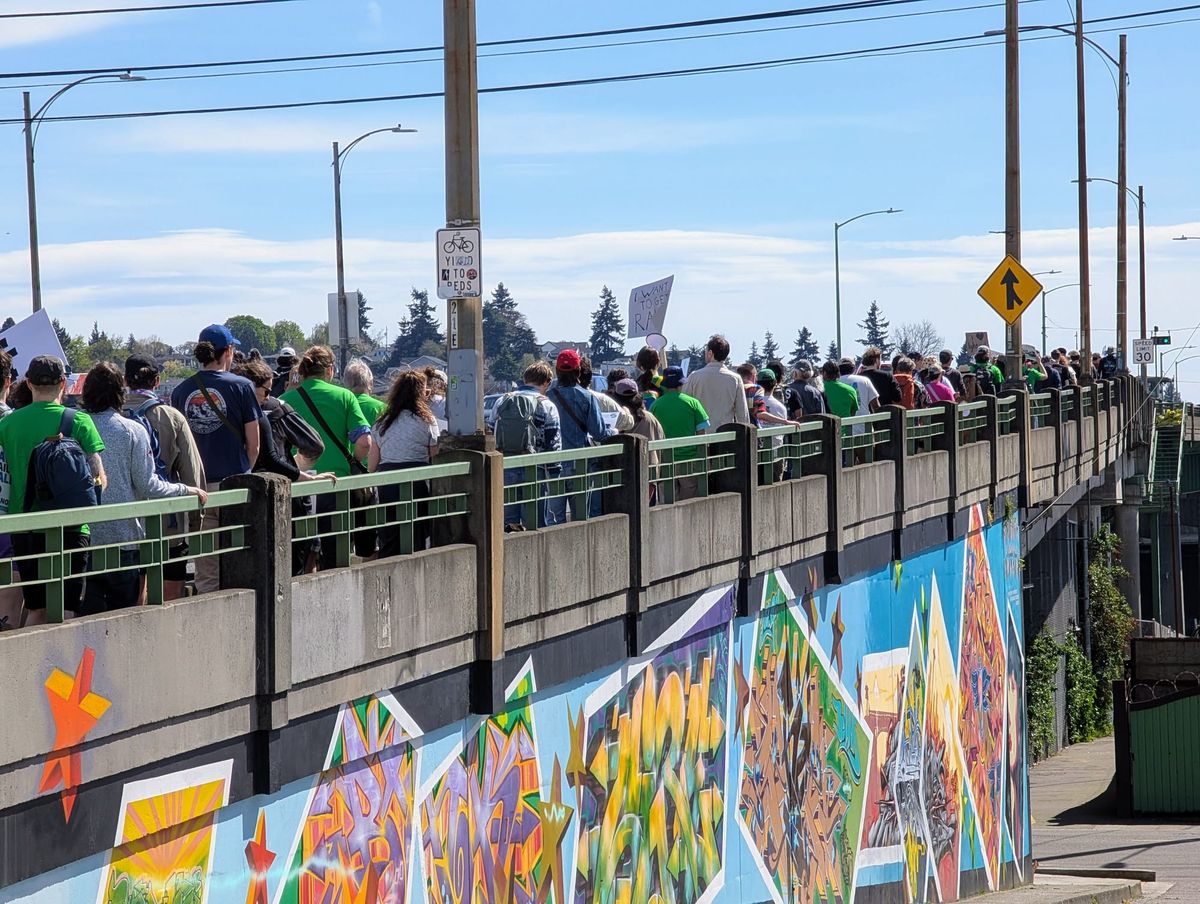
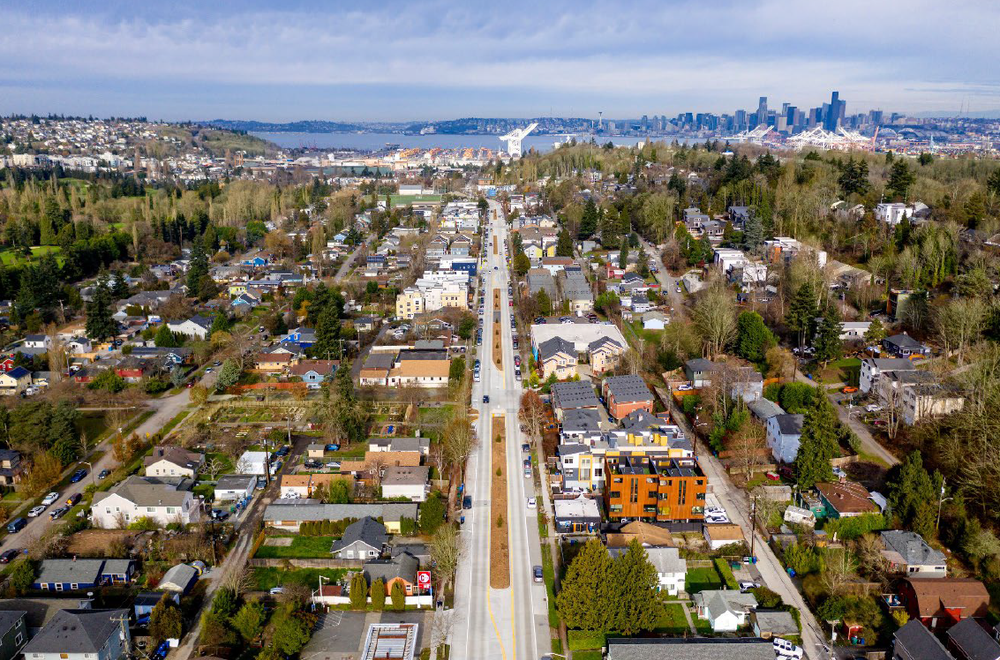
"We can't leave Ballard off the map," Save Ballard Rail organizer Jonatan Gonzalez said at a rally just before the vote. "The Enterprise Initiative was meant to explore all options, a promise of no more realignments, but here we are with another broken promise. We hope that with an amendment from Councilmember Strauss we'll be able to get a date for when we can get to Ballard and understand just how dire our situation is. Maybe with an RFI [Request for Information], some financial tools like 75-year bonds, and a lot of work advocating in Olympia, a light rail station to Market will be built in my lifetime. Voters made their voices clear in 2016 that they want rail to Ballard, and me and my friends at Save Ballard Rail continue to work with our fellow advocates, with our state reps from the 36th and with any board member that isn't sick of listening from us to build all the damn trains."
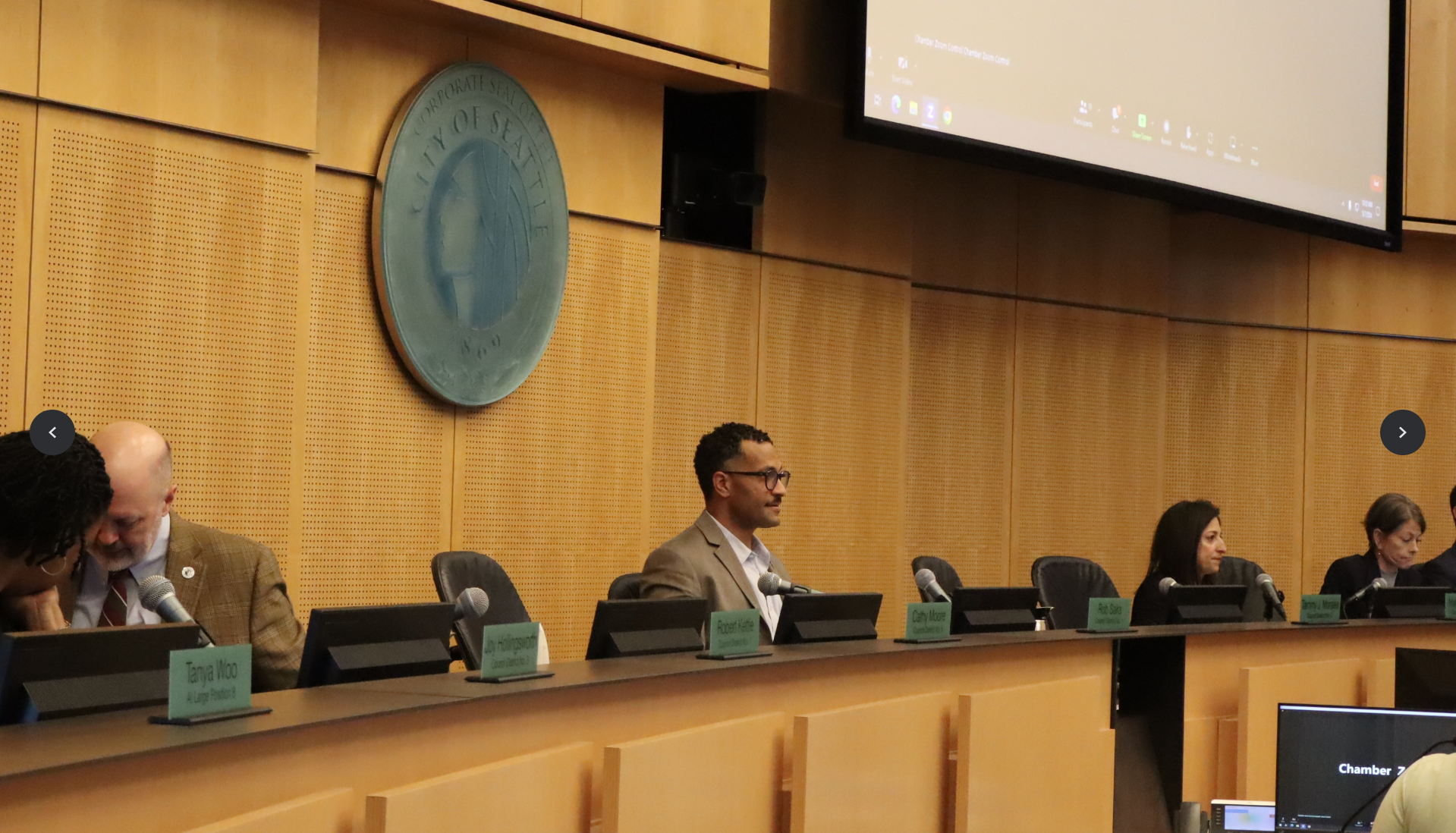
The board did pass the Dan Strauss amendment directing Sound Transit staff to come back in August with a time range of when it expects to deliver the three deferred stations in Interbay and Ballard. A Seattle Councilmember representing District 6, Strauss is Ballard's rep on the agency's 18-member board.
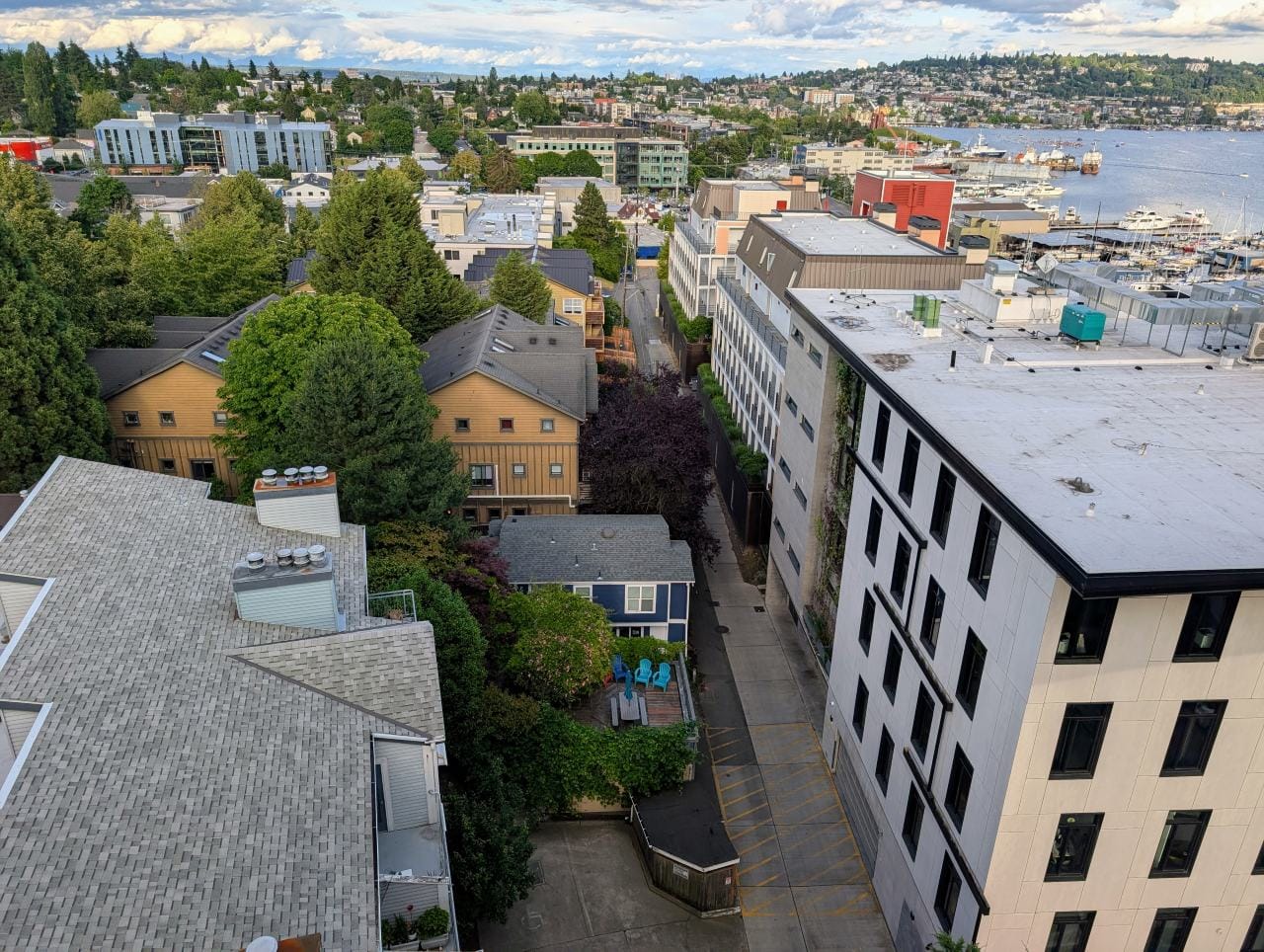
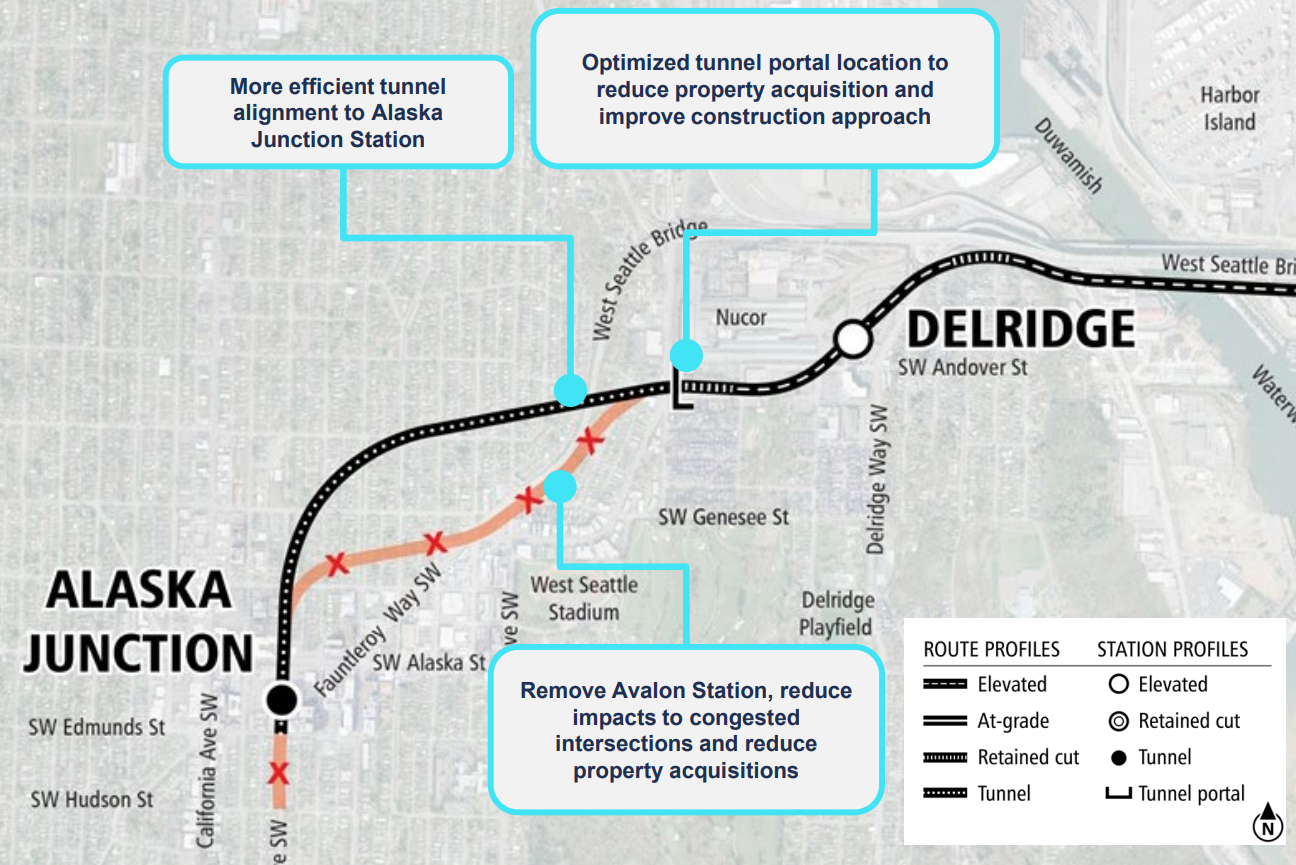
Projects that did avoid relegation to the bin of unaffordability, did so partially by jettisoning stations, as Sound Transit pulled the scope reduction lever – albeit after letting scope balloon earlier in the process with additional tunneling. West Seattle Link no longer includes Avalon Station, which has helped the project slim down from more than $7 billion to around $5 billion, alongside other changes.
The SoDo to Seattle Center segment of Ballard Link that is moving forward is doing so under the assumption that the Harrison Street station is gone, and consolidated with the nearby Denny Way station. That stop would have intercepted the busy Aurora Avenue bus corridor, and it had survived intact after a major push in 2024 looked to push it toward Seattle Center. The Urbanist confirmed the savings from cutting that station are already assumed in Sound Transit's reworked plan, meaning the $7 billion to $9 billion gap on Ballard Link is on top of that.
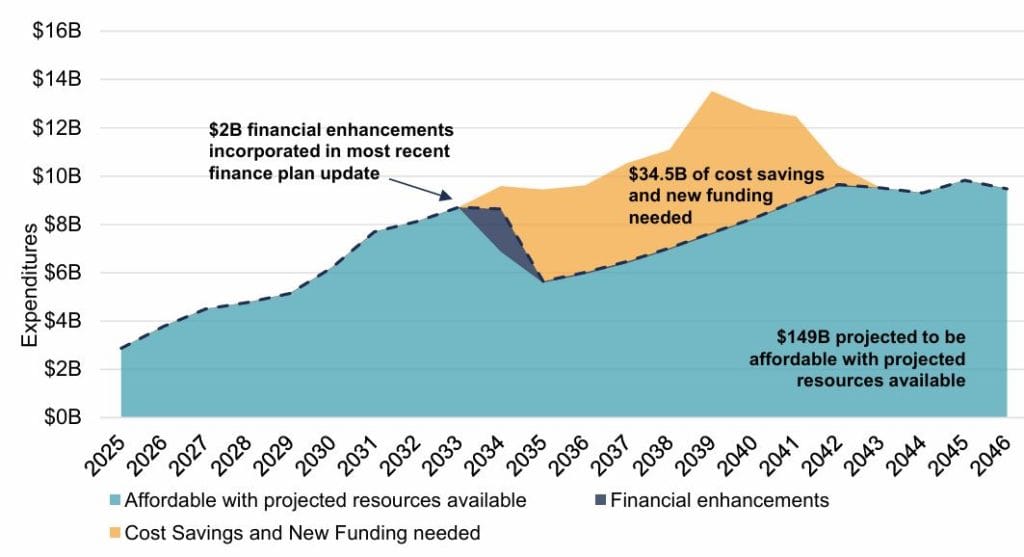
On the other hand, the agency was able to trim its projected $34.5 billion systemwide budget shortfall through 2046 to between $9 billion and $11 billion. That's no small feat. Of course, the new smaller deficit is predicated on projects not running into further delays (which increase costs due to inflation) and the spigot of federal grant money continuing to flow at Obama-Biden levels despite Trump administration efforts to defund transit projects across the US.
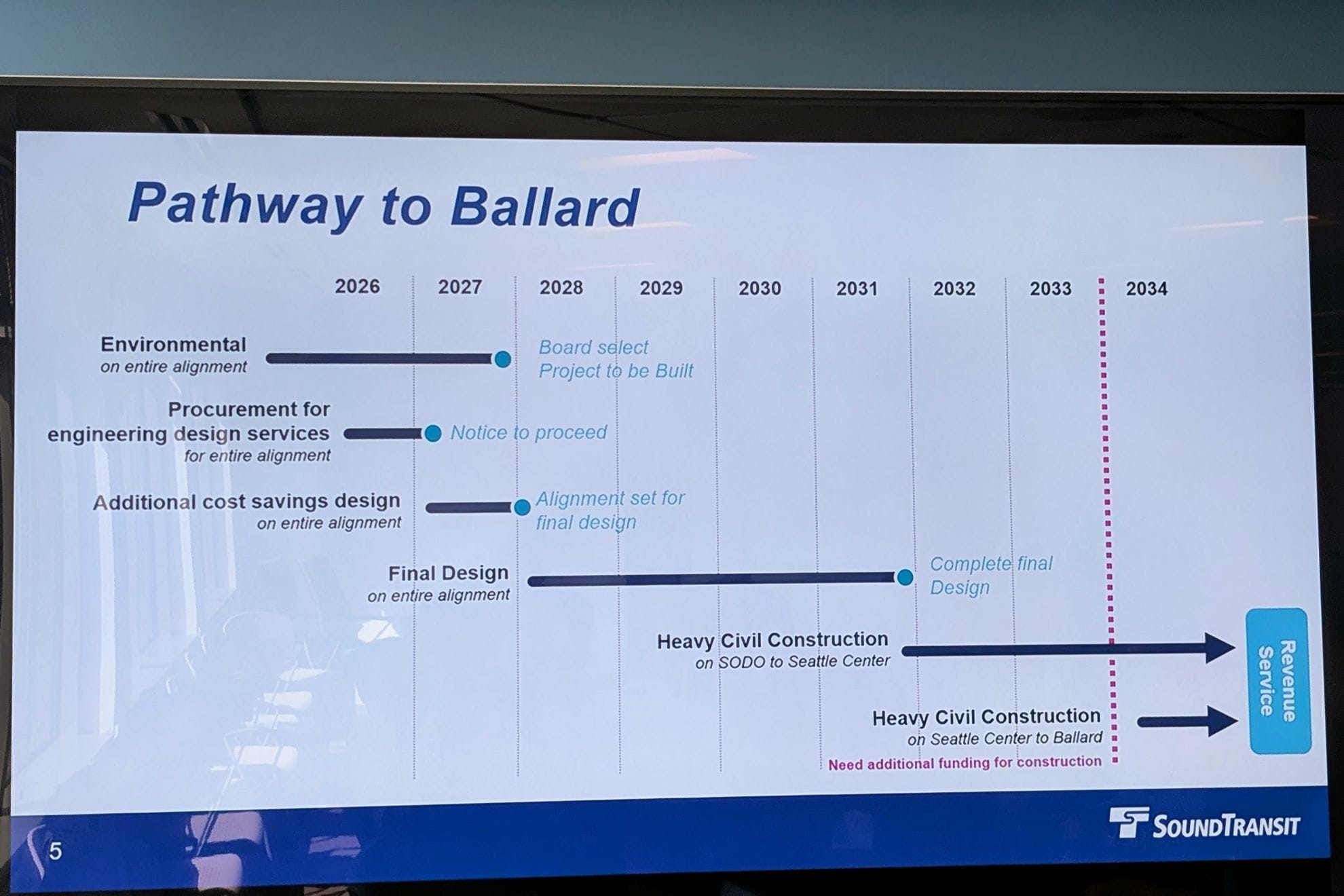
For West Seattle Link, every year of delay beyond Sound Transit's assumptions would add a projected $300 million to the project cost. When asked, Sound Transit did not have an exact inflation factor range for Ballard Link. However, simply scaling up the West Seattle inflation factor to account for the larger Ballard Link project size suggests it could be around $1 billion per year of delay. Currently Ballard Link is stuck in limbo at the Federal Transit Administration (FTA), though some design work is proceeding.
Critics have pointed out that an enterprise-wide process that promised to avoid project delays and cuts has ultimately involved a healthy serving of both. Delays for Ballard light rail could be severe if the agency is not able to find a workable combination of project savings and new revenue to close the gap. Somehow outrunning inflation driving up construction costs will be key, and is easier said than done.
One year ahead of the vote, Constantine was much more sanguine, telling the board they'd have options to avoid delays.
“This is an agency initiative to really rethink the way we plan and we provide board members with the tools to drive the agency forward,” Constantine said. “We want you to have many levers to operate, many dials to turn, rather than the two blunt instruments we always had of scope and schedule.”
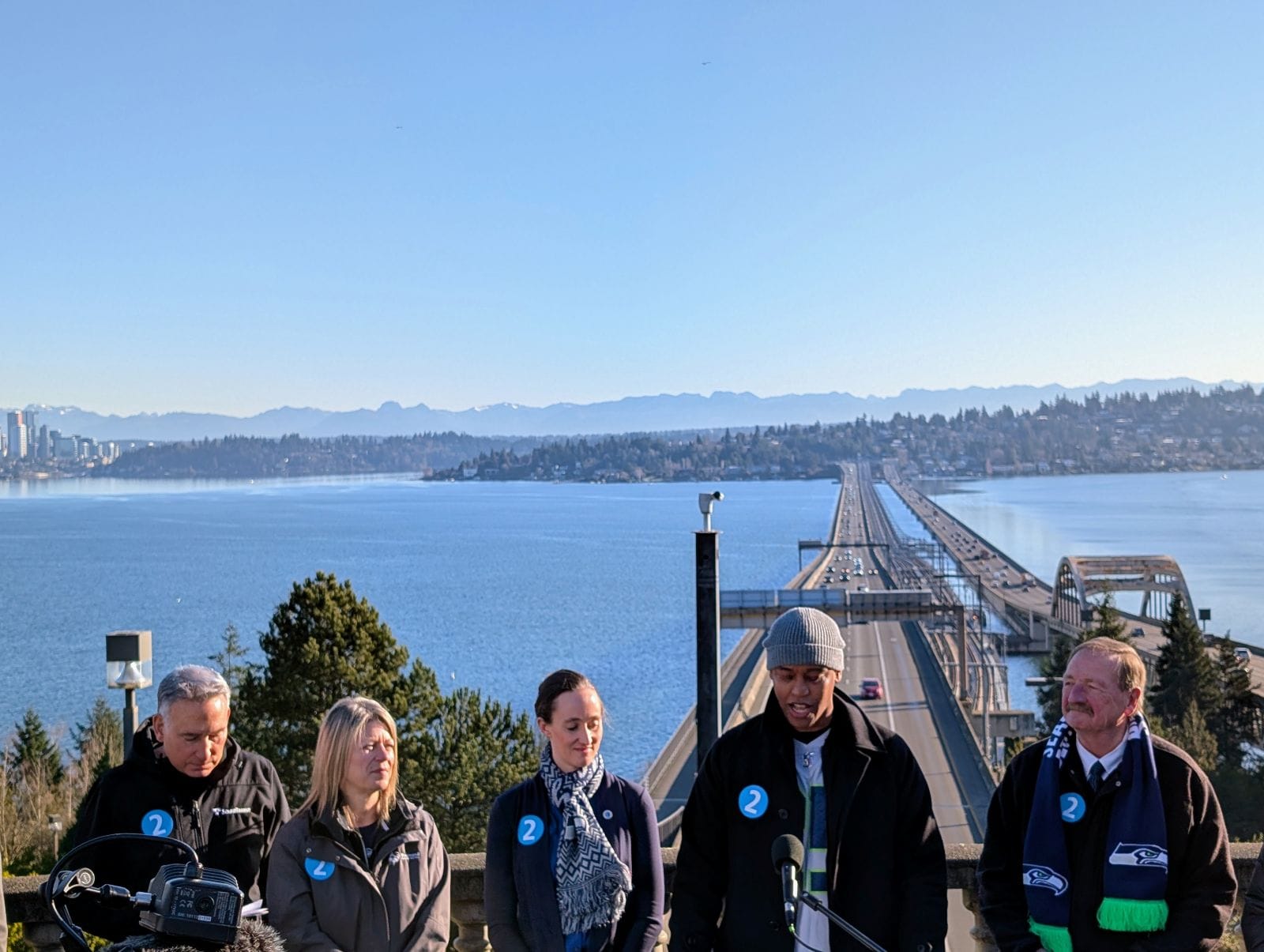
The CEO pledged to look at new financing tools and other creative ways to deliver overbudget projects without resorting to delay.
“It is holistic. It’s creative. It’s iterative,” Constantine said. “We’re talking about everything across the agency — operations and maintenance and finance — considering everything we are doing in order that we might be able to better deliver and better serve from an internal perspective, process requires ST leadership and staff to bring all of our costs together and really collaborate across various interlocking spheres to inform each other and deliver the best data and information to the board to inform board decisions. Instead of throwing on the brakes, instead of paralysis or simply delaying projects and diminishing scope, as we did previously, we are going to look at this program holistically and bring the board information on all of our work from across all of our enterprise.”
Hopes for new financing tools were set back by a failure in Olympia to secure the state House votes to greenlight longer term bonding. Bonds up to 75 years in length were not going to solve the ST3 shortfall singlehandedly, but it would have been an additional tool and a signal the agency was not just pulling the same two levers it always does.
On a more helpful note, the Washington State Legislature did pass permitting reforms that should speed up the construction process for Sound Transit and help avoid snags getting local approvals. Plus, Sound Transit is pursuing a fare gate pilot program that is projected to increase fare revenue over the long term – taking a small bite out of the overall shortfall.
Last week, local transit reporters had a chance to hear how the agency saw big avenues to keep ST3 moving and potentially on schedule, despite some lines facing huge uncertainty and budgetary challenges. Striking a defiant tone, Constantine argued Ballard Link is well-positioned, alive and kicking, rather than deferred or on death's door.
"The board action to update the system plan did not kill or cancel or delete or defer or postpone Ballard project," Constantine said. "To the contrary, it kept Ballard on schedule with an investment of $18.1 billion, and that plan that the board adopted gives us the framework and the guidance and the tools needed to roll up our sleeves and to work on solving this puzzle of that money. $300 million was set aside specifically for completing the full design process from the Seattle Center to Market Street, which means that over the next several years that part of the project will proceed identifying cost savings and choices that can be made and innovations that can be implemented."
At the media briefing, The Urbanist asked how Enterprise Initiative had shifted from being an exercise in not pulling the levers of scope and schedule, to being an exercise of pulling them vigorously. Sound Transit Chief of Staff Calli Knight, a long-time Constantine staffer who came over with him from King County when he was tapped as CEO in 2025, framed scope and schedule as last-resort levers rather than taken off the table completely.
"Well, we did pull a lot of levers, and we did scope and schedule at the very last – those were the last resort levers," Knight said. "So, we filled gaps through a number of other ways to close the $35 billion gap, so I just offer that I'm not trying to push back, but I do think that we did – I will just say I was a staffer to a board member in the 2021 realignment, and all we did was push schedules out and stop moving projects forward – I feel like we took a very different approach here, that was a much broader. That's why it was called 'Enterprise.' We looked at finance, policy, and planning operations. We looked at a bend cost curves down with all sorts of levers pulled. We hate having to use scope and schedule. I would say it's absolutely not the first thing we wanted to jump to here, but we needed to close a pretty enormous gap."
Kept off the table were any changes to Everett Link, including revising a major deviation to Paine Field airport, away from the cheaper, more direct path to the planned terminus at Everett Station. In 2022, board members quickly squashed potential options to use I-5 or Evergreen Way instead of fully diverting to the airport, with Snohomish County Executive Dave Somers framing those options as ones that would "butcher" the ST3 plan – something that is apparently not true of dropping Avalon, South Lake Union, or moving a planned station at Midtown that would have more directly served First Hill.
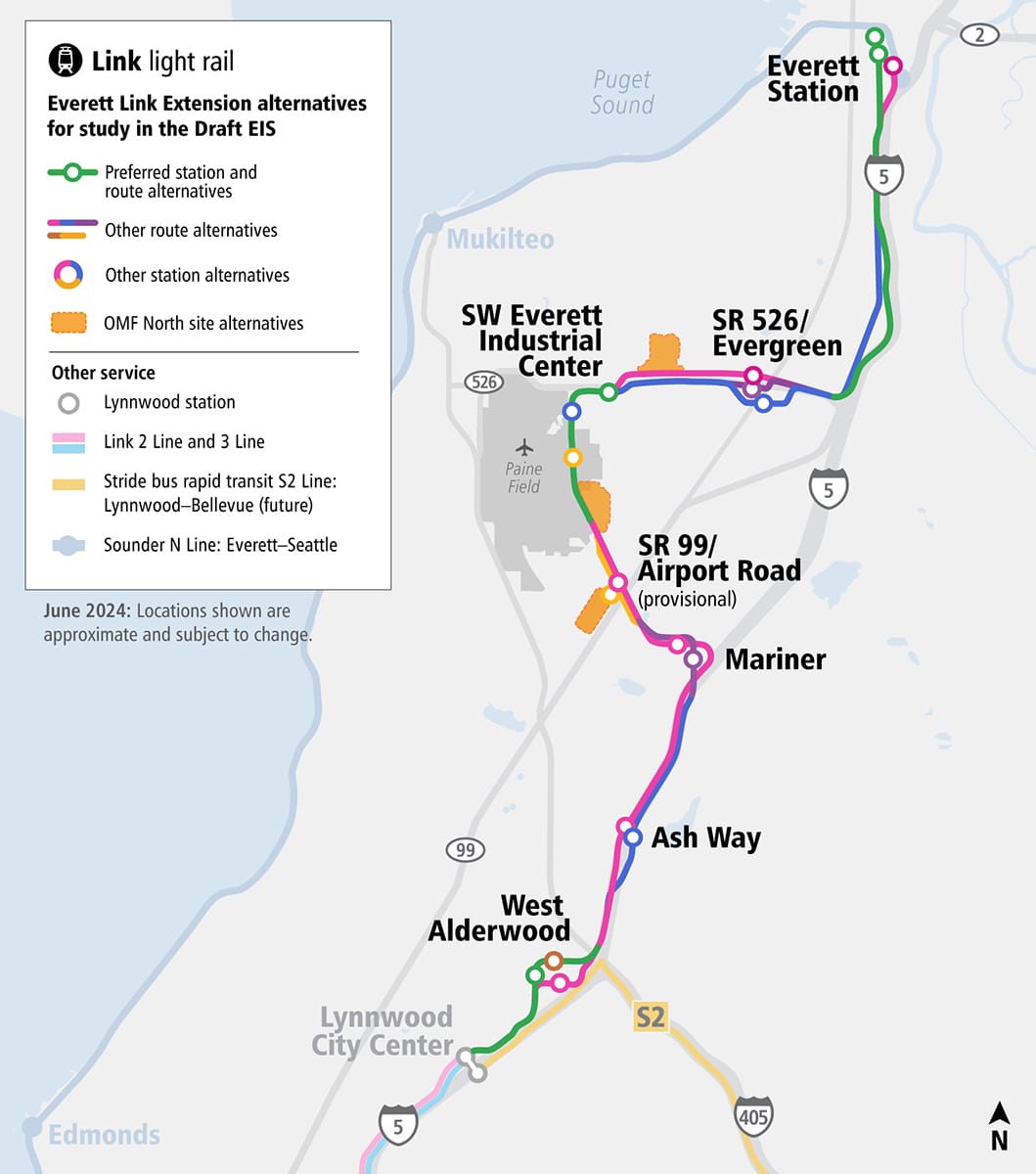
Somers, now board chair, has controlled the process for the Enterprise Initiative to date, with his Snohomish County subarea coming out of the May 28 vote better off than any other subarea. Snohomish County's only cut is in the form of the lightly used commuter rail service: the Sounder N Line – now set to be mothballed in 2033.
Constantine stressed that light rail project delays could potentially be reversed.
"We're very intent on keeping projects moving forward, even if we're not at this point able to identify full construction funding," Constantine said. "We bought ourselves the time to actually close those gaps and solve for those things, and we are going to continue working on each of those areas, on cost, on schedule, on finance, until we have exhausted our options, or we've solved them."
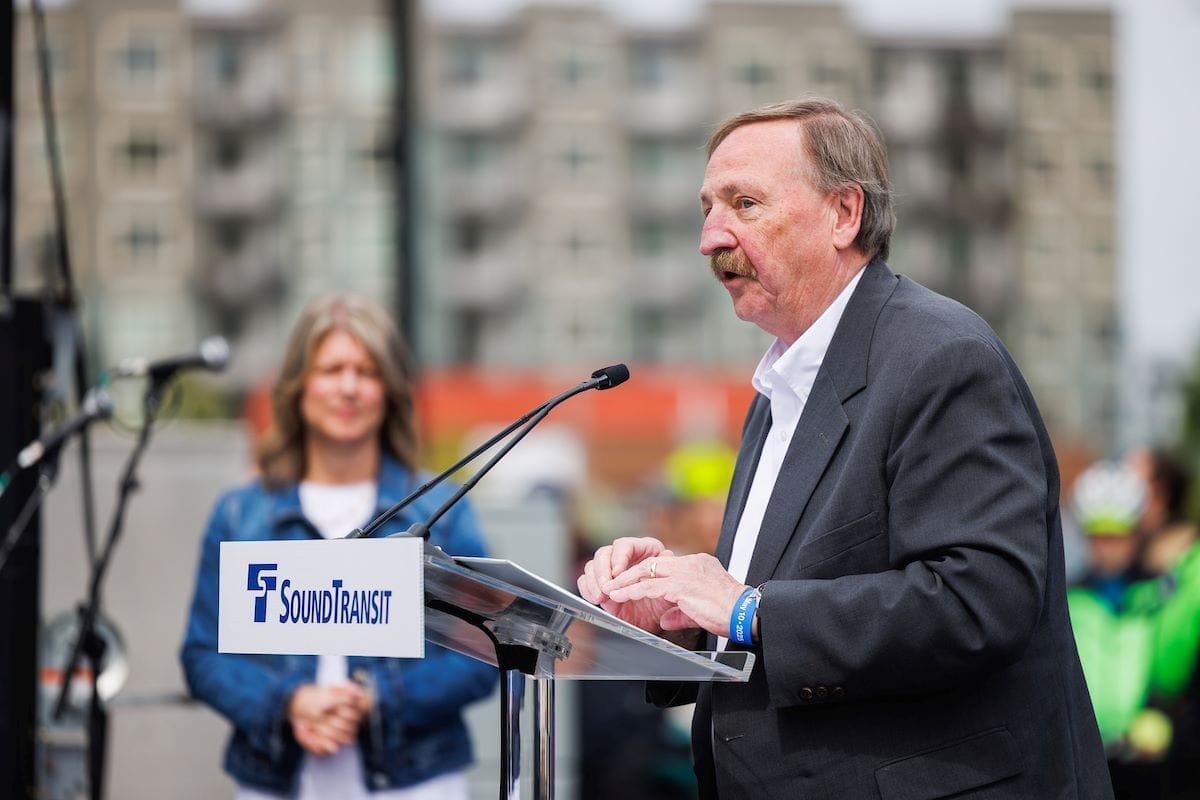
The real salvation for Sound Transit could be a large new revenue stream or project plans that are significantly cheaper. Nonetheless, the agency has been resistant to reopening core assumptions that could open avenues for big savings, such as the need for two regional rail tunnels through Downtown Seattle. Meanwhile, suburban leaders have been very skeptical of another regionwide transit measure to boost funding.
The Save Ballard Rail coalition is floating a few different proposals that would reduce or delay much of the cost of the second downtown tunnel. One Strauss proposal would have built Ballard to Westlake light rail first as a stub line, potentially delaying the downtown tunnel, but the board roundly rejected that amendment, citing concerns around feasibility and schedule risk.
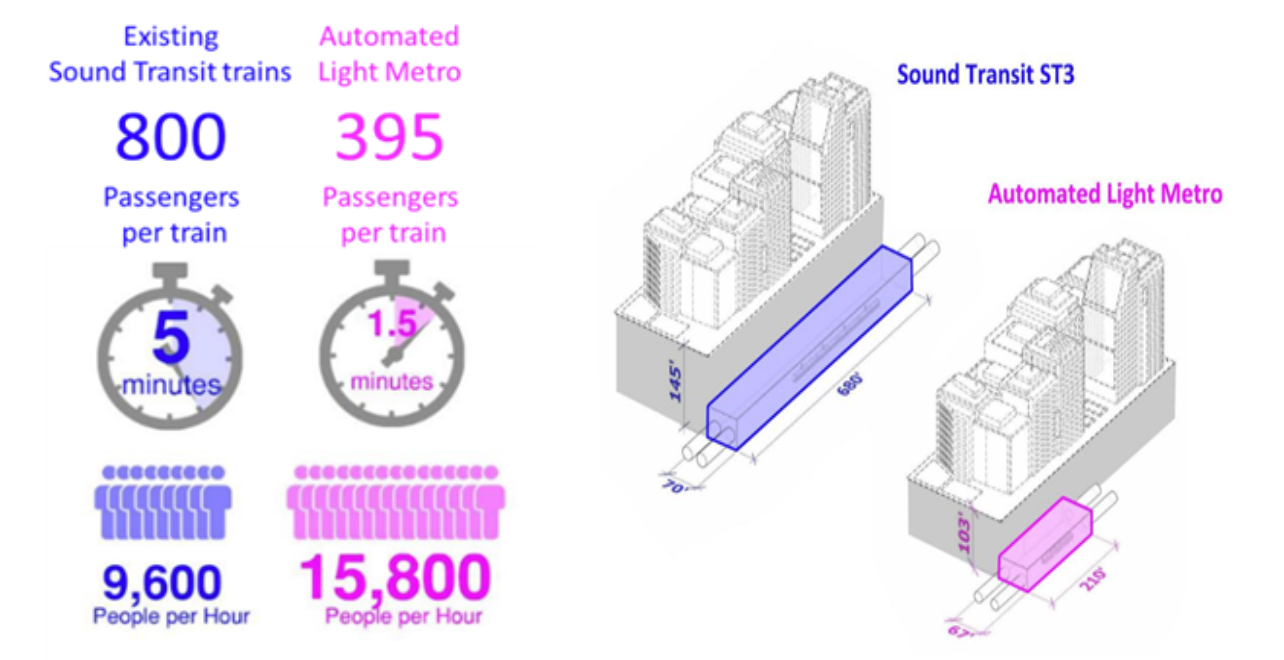
Another proposal from former Seattle Department of Transportation director Scott Kubly and transportation planner Trevor Reed would reconnect the West Seattle and Ballard Link projects, converting them into an automated light rail line with much smaller stations to save costs. The duo say much more frequent trains (coming every two minutes in their plan) would more than offset the reduced rider-carrying capacity of smaller trains. They also argue the automated line, which is modeled off the Copenhagen Metro, would be much easier to expand, since smaller, cheaper, easier-to-site stations would continue to be a feature as the line extends deeper into North Seattle and heads south toward White Center and Burien.
The Sound Transit board did approve a "Request for Information" process inviting outside engineering firms to submit alternative plans that could open the door to Kubly's automated idea or other novel ideas to greatly curb costs. However, just how open that door really is remains unclear, with changing technologies representing a big shift and agency leaders hewing to their original plans pretty assiduously so far.
 Ryan Packer
 Scott Kubly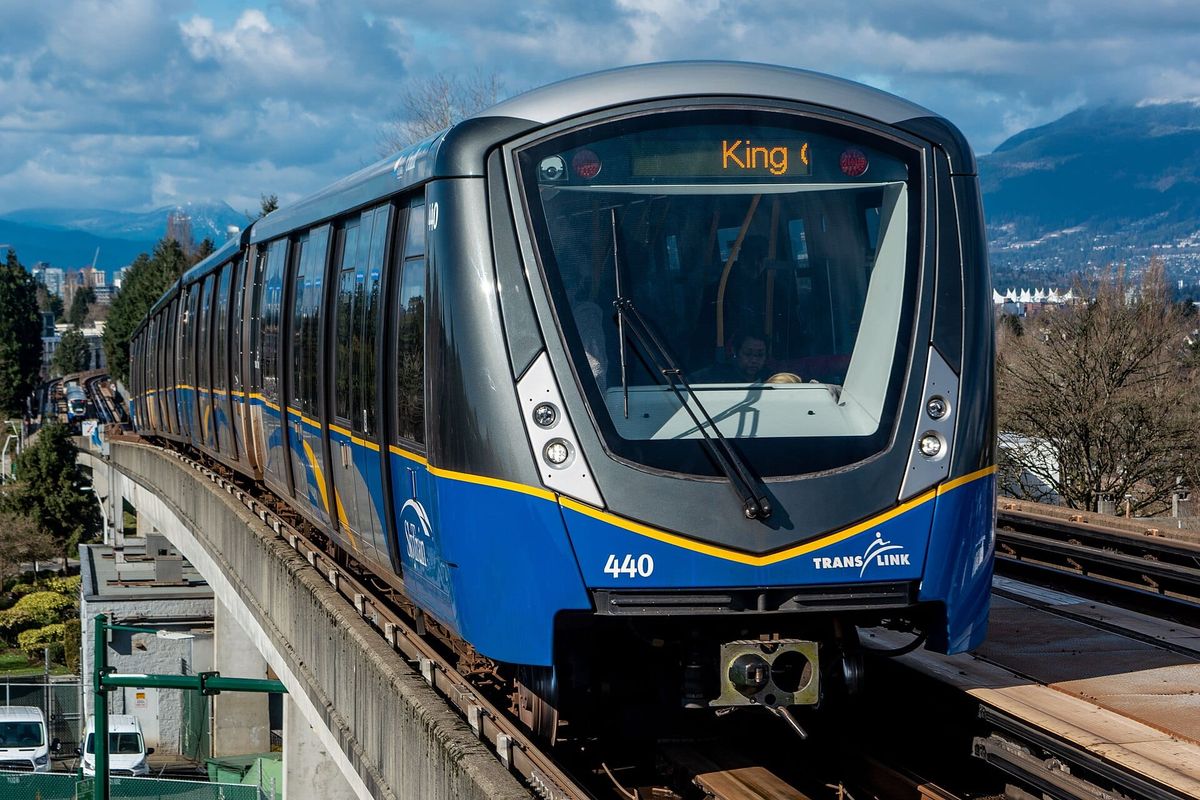
 Doug Trumm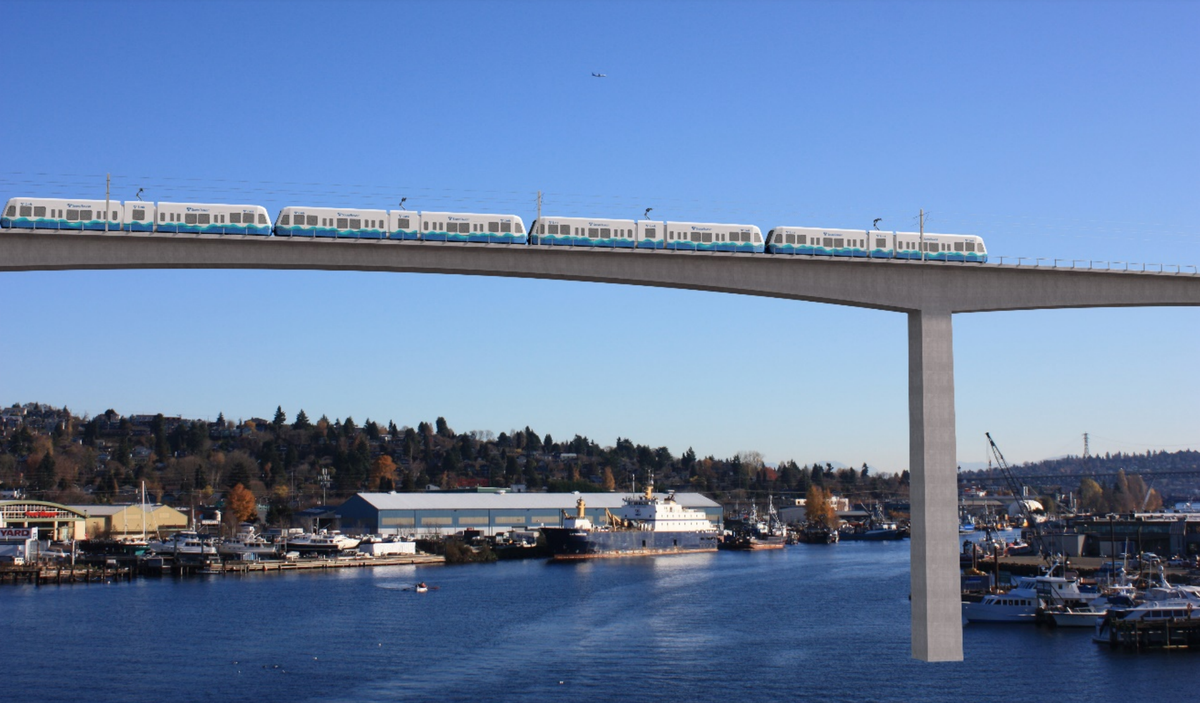
 Doug Trumm