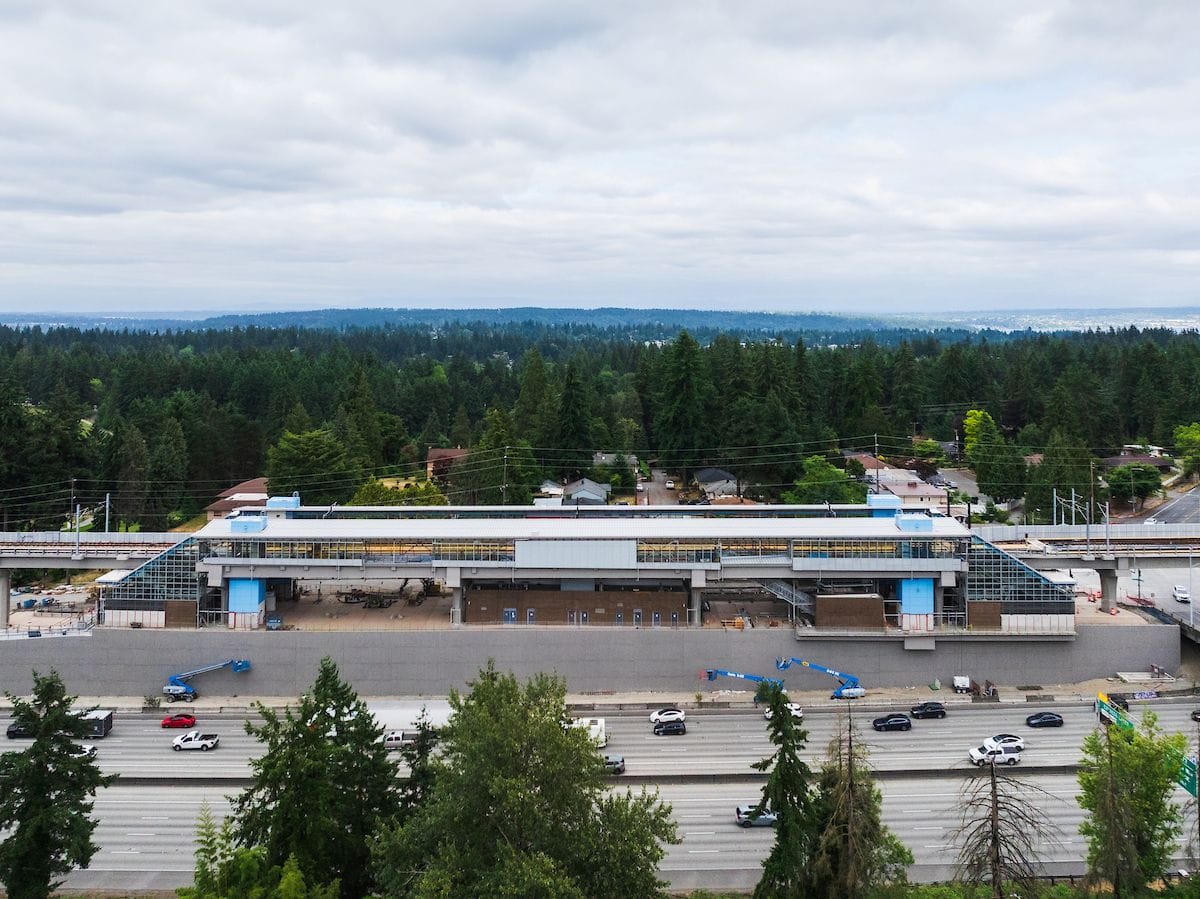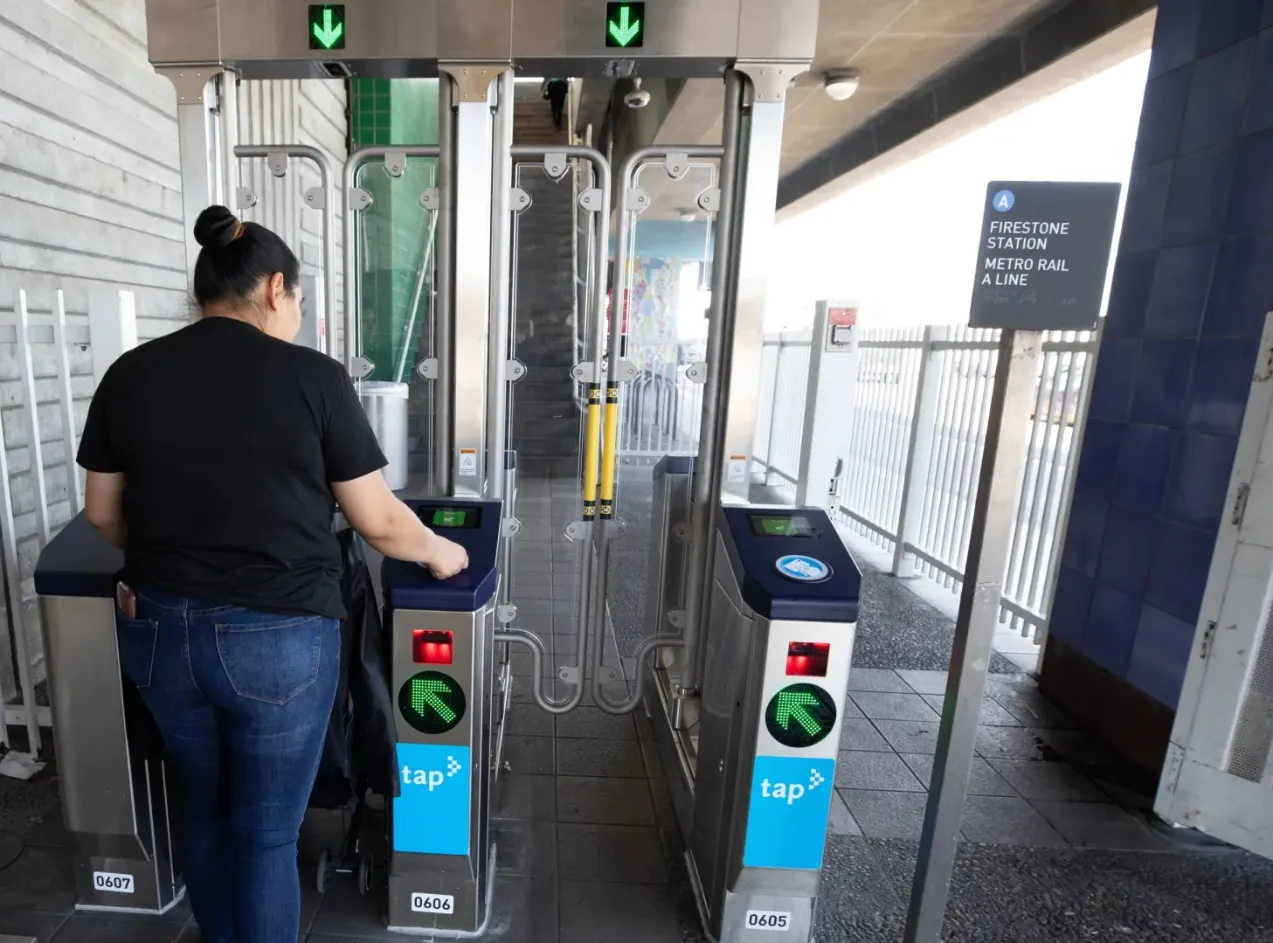
The Sound Transit board got an initial look at a proposal to add fare gates at a select number of light rail stations Thursday, as the agency looks to catch up with other transit systems in implementing the technology. The proposal comes after a board motion last year to study how an initial fare gate pilot would work.
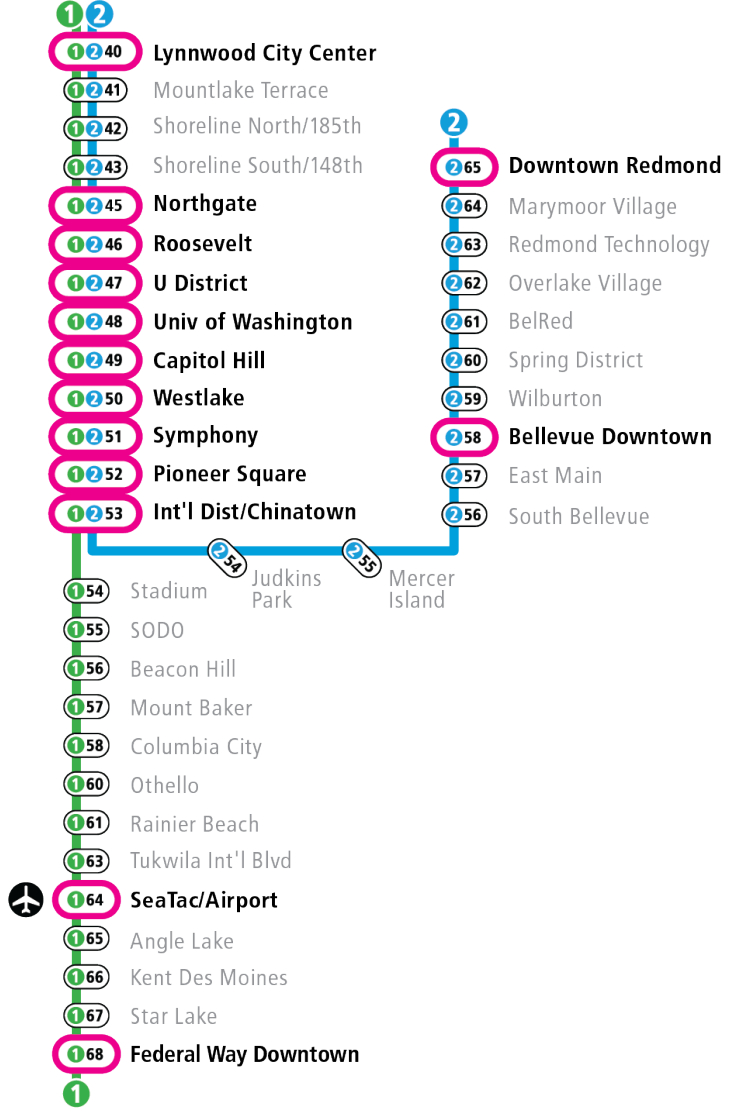
Adding fare gates to all Link stations is unlikely, at least over the near to medium term. The staff recommendation shown to board members would add gates at up to 14 stations, including every single stop between Northgate and Chinatown International District.
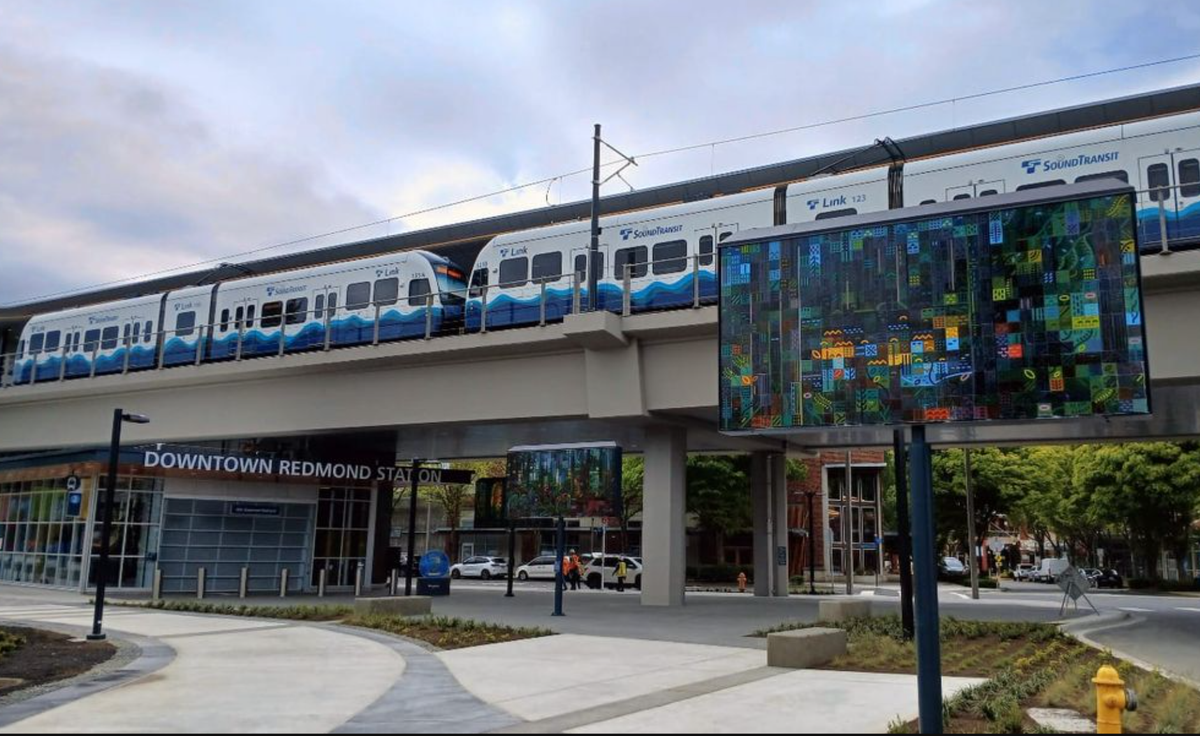
The busiest stops outside that segment, including Lynnwood City Center, SeaTac Airport, and Federal Way would also be targeted for gates, along with the stations in downtown Bellevue and Redmond.
The board isn't expected to formally approve such a pilot until later this year.
Installing gates at those high-ridership stations would cost between $79.3 million and $88.2 million, an amount that the agency expects to recoup in two to five years thanks to increased fare revenue. After that period, the agency estimates gates would boost fare revenue more than $30 million annually, an increase of more than 30% compared to today's fare revenue across the entire Sound Transit system.
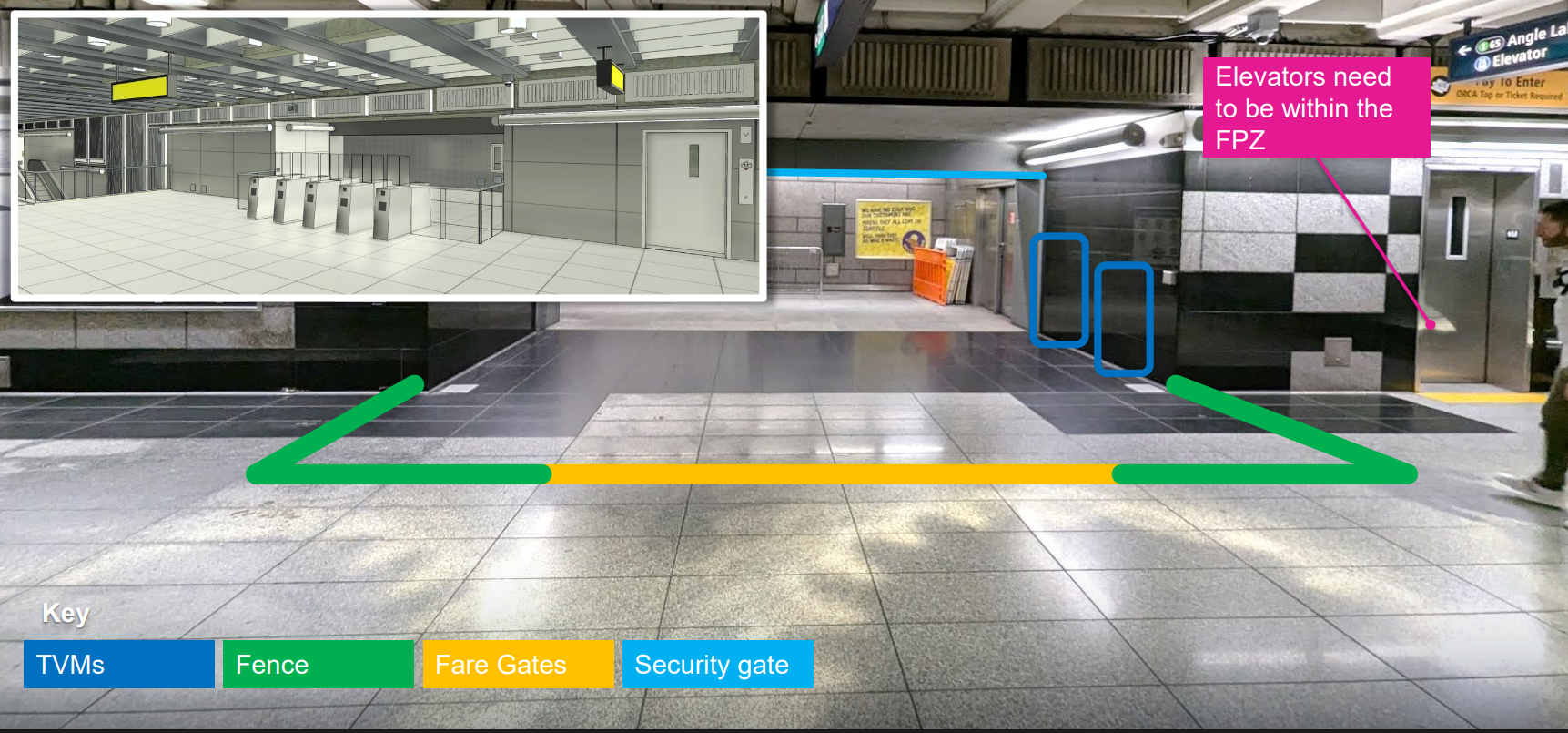
The system being recommended by Sound Transit staff would involve "bidirectional" gates, meaning riders would be required to tap their ORCA card to both enter and exit a station that has gates installed. This would require Sound Transit to modify its existing paper tickets that are purchased at ticket vending machines, with several options still under consideration including QR codes.
Kids under 18, who currently ride free on an honor system under the statewide Youth Ride Free program, would need to use a youth ORCA card to continue to access free rides.
An additional $30 million in fare revenue won't necessarily be advancing any of the light rail projects that were recently put on ice by the Sound Transit board in response to a $34.5 billion budget shortfall through 2046. But, a number of board members have shared a clear interest in making sure that the agency isn't leaving money on the table.
Despite a significant fare ambassador staffing surge, fare compliance on Sound Transit's light rail network is still significantly lagging behind 2019 levels. The agency estimates 63% of riders paid fares in 2025, down from 85% before the pandemic.
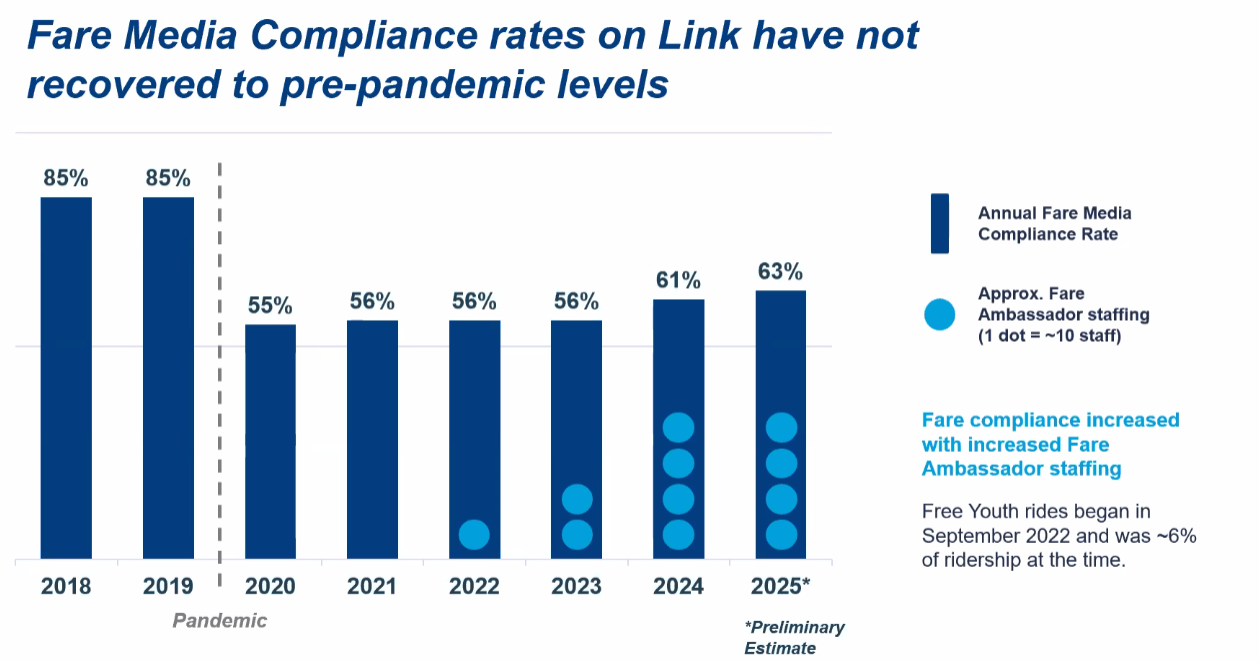
"Consistent with a lot of North American transit agencies, Sound Transit has struggled to recover to pre-pandemic to early levels of compliance, even as our ridership has increased significantly, and the system has expanded," Brian de Place, Sound Transit's Executive Director of Security and Fare Engagement, told board members.
Fare gates could bring cost savings and benefits for Sound Transit on top of increased revenue. The results of a fare gate retrofit of 50 stations across California's Bay Area Rapid Transit (BART) completed by last year showed a major reduction in the amount of hours spent on maintenance, a savings of 961 hours in the six months following installation. BART also credited fare gates with playing a role in a 41% drop in crime across its system last year.
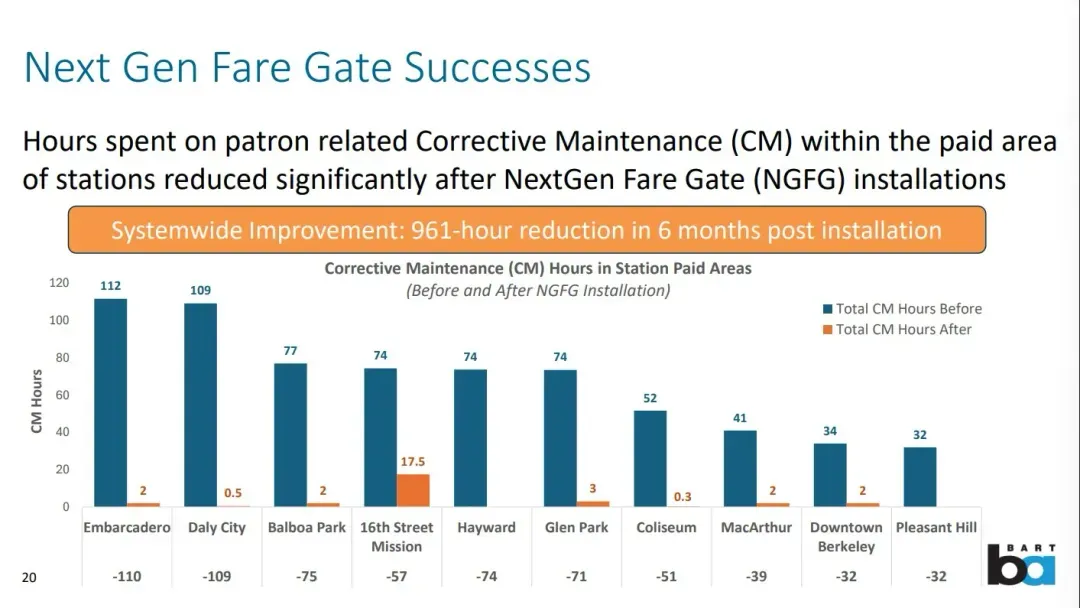
"We are also aware of a number of direct and ancillary benefits that fare gates have been known to provide in North American systems. First is better fare recovery through compliance," de Place said. "In addition, there's been a significant amount of attention in transit circles, at least, around other benefits from fare gates, including increased perceptions of safety, lower maintenance costs, and importantly, fare gates also allowed the opportunity to deconflict compliance-related actions that sometimes result in escalations that can put our workers at safety risk."
If a fare gate system goes forward, Sound Transit expects to shift the fare ambassadors at gated stations away from fare enforcement work (and security) and toward passenger service – including system navigation assistance and connecting riders with social services. So far, the agency has not indicated it would reduce the size of its overall ambassador team following fare gate rollout.
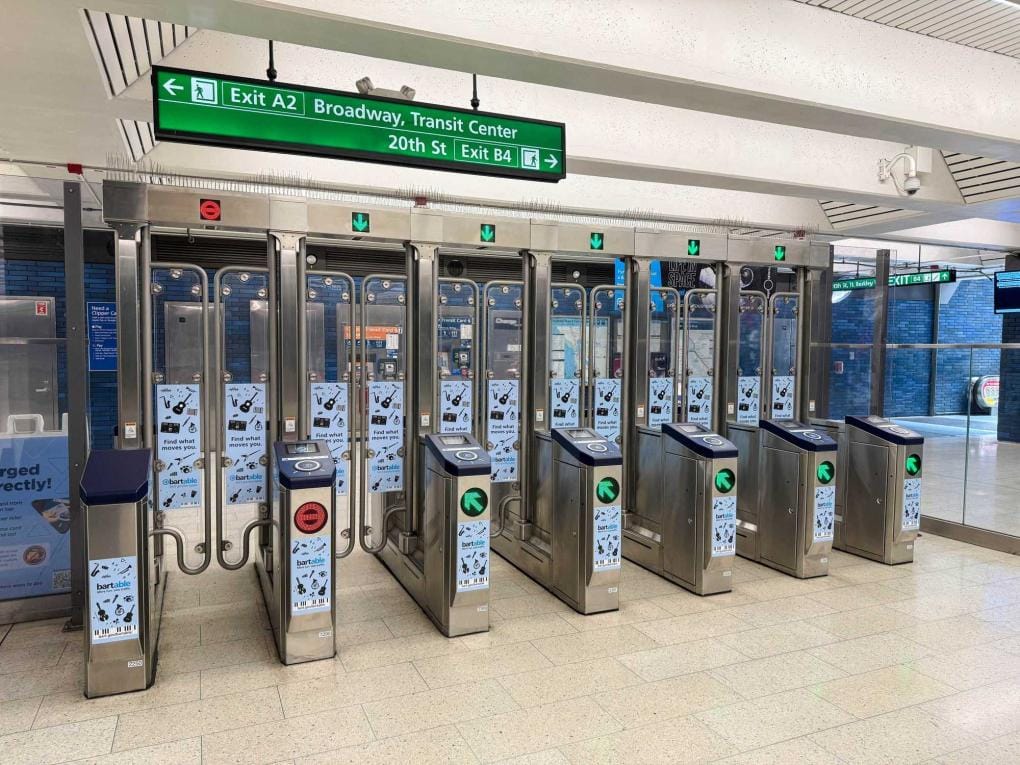
Choosing which stations to add fare gates has been guided by ridership data but also logistics, with a full report on the process expected by the end of the month. Sound Transit staff aren't recommending to add fare gates at Stadium Station, despite potential gains that could come from ensuring higher fare compliance during major events, for a number of reasons.
"There's two factors: one is that it's an at-grade station, the second is that it's an event station," Sound Transit design director Gavin Schaefer explained to board members, noting that event stations come with additional complexity for crowd management. "You don't want to force people to walk onto the tracks, which is one of the downsides of if you're retrofitting an at-grade station. Oftentimes, you have to add extra wind screens and things like that to make sure people don't do that, but also you've got to have canopies, which add construction disruption and extra cost."
Early designs for future stations do not currently include fare gates, but those stations are being designed to allow future fare gates without significant retrofitting. Based on current thinking, the agency would likely prioritize gates at future terminus stations like Tacoma Dome and Everett Station.
Sound Transit is seeking board action to move forward with the fare gate pilot before this fall, with construction costs expected to be baked into the agency's 2027 budget. The gates would not be active until 2029 or 2030, with the aim of recouping costs before providing additional revenue for Sound Transit programs sometime in the mid 2030s.
 Doug Trumm
 Ryan Packer