Mayor Katie Wilson’s plan to provide universal meals for all students starting this fall has hit a potential roadblock due to an amendment under debate at the Seattle City Council that would redirect a portion of funding and delay the program.
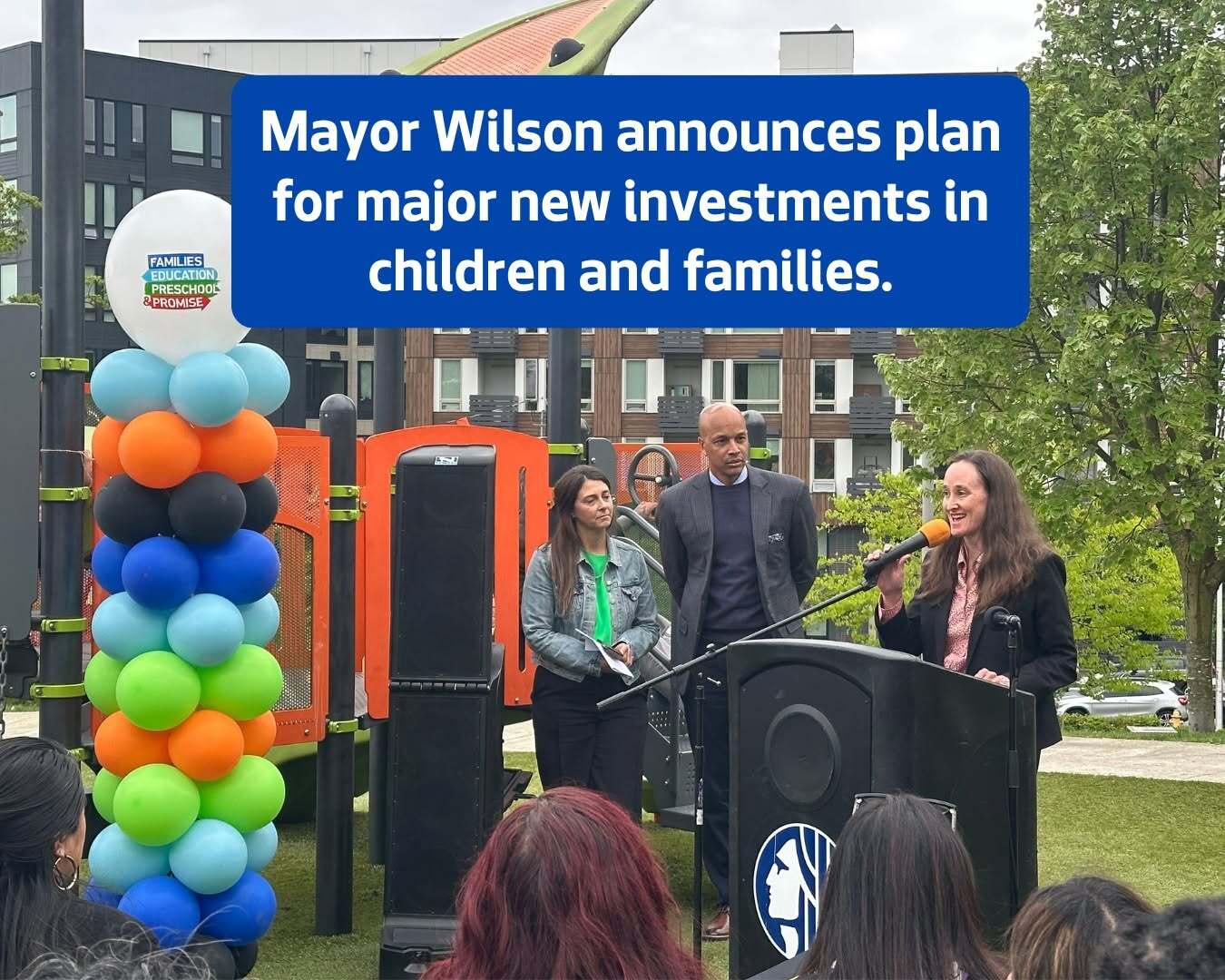
In April, Wilson announced her spending plan for the Families, Education, Preschool, and Promise (FEPP) Levy, which passed in 2025 with 80% of the vote in Seattle. In addition to expanding the Seattle Preschool Program, Wilson’s plan included implementation of universal school meals (breakfast and lunch) beginning in the 2026-2027 school year.
Wilson told The Urbanist that no child should be expected to learn while hungry, and she wanted to address increasing food insecurity in our communities.
“What really clinched this for me was learning how many families, how many students in our city, on the one hand, qualify for free and reduced lunch, but are not in the program for whatever reason, which could include stigma, could include other barriers, and how many families are above the eligibility threshold but still struggling,” Wilson said.
The Mayor’s Office has estimated there are up to 6,800 students who fall into one of those two categories and would greatly benefit from universal school meals.
Earlier this year, the Washington state legislature passed the millionaires tax, a 9.9% tax on income above $1 million. In addition to providing an influx of funds to the state’s General Fund and expanding the Working Families Tax Credit, the new tax is intended to pay for school breakfasts and lunches for all K-12 students in the state.
However, collection of the new tax will not begin until 2029, meaning a delay before free school meals are provided. Wilson’s proposal fills that gap for Seattle students by funding universal school meals for the two school years before the state steps in.
Last week, Council President Joy Hollingsworth and Councilmember Dionne Foster co-sponsored an amendment to the FEPP levy spending plan that would delay universal school meals in Seattle for one year. A second amendment introduced by the pair would also delay the Seattle Preschool Program’s voucher pilot, designed to address the disparity of waiting lists to preferred child care locations, by one year.
The program delays would save about $4 million, which Hollingsworth and Foster are proposing to use to fund a food access voucher program to provide weekend and school break (aside from summer) food for students who have qualified for the existing free school meal program. The program would run for the entire six years of the FEPP levy.
Both Wilson’s original plan and the amendments assume that the state will take over the cost of universal school meals beginning in the 2028-2029 school year.
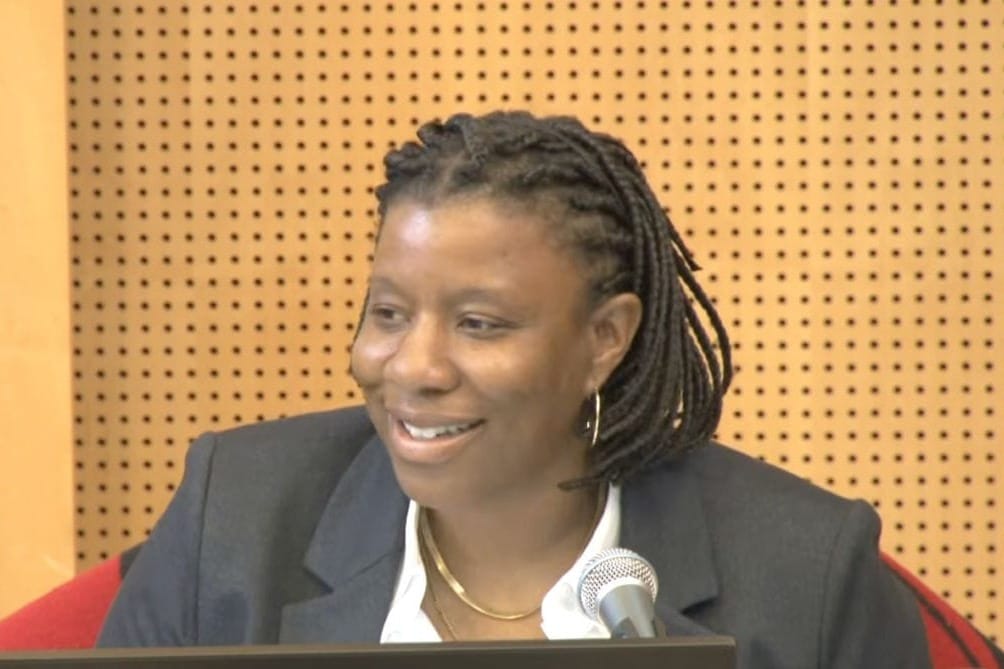
“There's an equitable need here. I would like this program to run in conjunction with universal meals because it supports the concept of food access and closing the gap that we have in our city,” Hollingsworth told The Urbanist. “I also have kids of color south of I-90 who already get free and reduced lunch meals, or free, and they also are very hungry for dinner, and they don't have any food over the weekends.”
Hollingsworth cited the recent finding that 51% of Black students in Seattle are not meeting literacy benchmarks.
The City of Seattle, through the Human Services department, does fund some weekend and school break meal programs for kids. The program is delivered by eight HSD-contracted food access providers, coordinated by Backpack Brigade and also including the Ballard Food Bank, the Rainier Valley Food Bank, the Hunger Intervention Program, and the West Seattle Food Bank.
In 2025, the program delivered 162,995 “backpacks” of food.
A difference in implementation
Hollingsworth has a background in food access programs, having worked at the Emergency Feeding Program, the largest Black food distributor on the West coast, and Northwest Harvest, where she was responsible for administering the grocery card program.
Hollingsworth told The Urbanist she was inspired by a program run in the Bellevue School District for the last decade that provides food vouchers to students over the longer school vacations. Her proposed program would bring that concept to Seattle.
“There is a massive need in South Seattle, and I've seen it firsthand. I've worked in South Seattle. My parents live in South Seattle. I know South Seattle, and knowing that the disparity there compared to in the city… very different demographics, and so that's where this came from,” Hollingsworth said.
Hollingsworth touted the potential program’s low administrative cost and low amount of food waste.
Hollingsworth said she supports universal school meals but disagrees with Wilson about implementation.
“The question before us isn't whether we get there, it's how we get there strategically to maximize the impact for children and families,” Hollingsworth wrote in an email to constituents.
Foster agrees that a different approach is merited.
“It's not about the concept of gutting universal free schools, it's about we have low-income kids, kids who are qualified for free and reduced lunch [...] who are also going hungry during school breaks, during weekends,” Foster said during a council meeting discussing the proposal. “We have lots of kids who have need, and I think this amendment, as put forward, gives us an opportunity to implement the universal schools program still a year ahead of schedule from what was initially proposed by the legislature, as well as having another program that provides these vouchers and additional access to kids.”
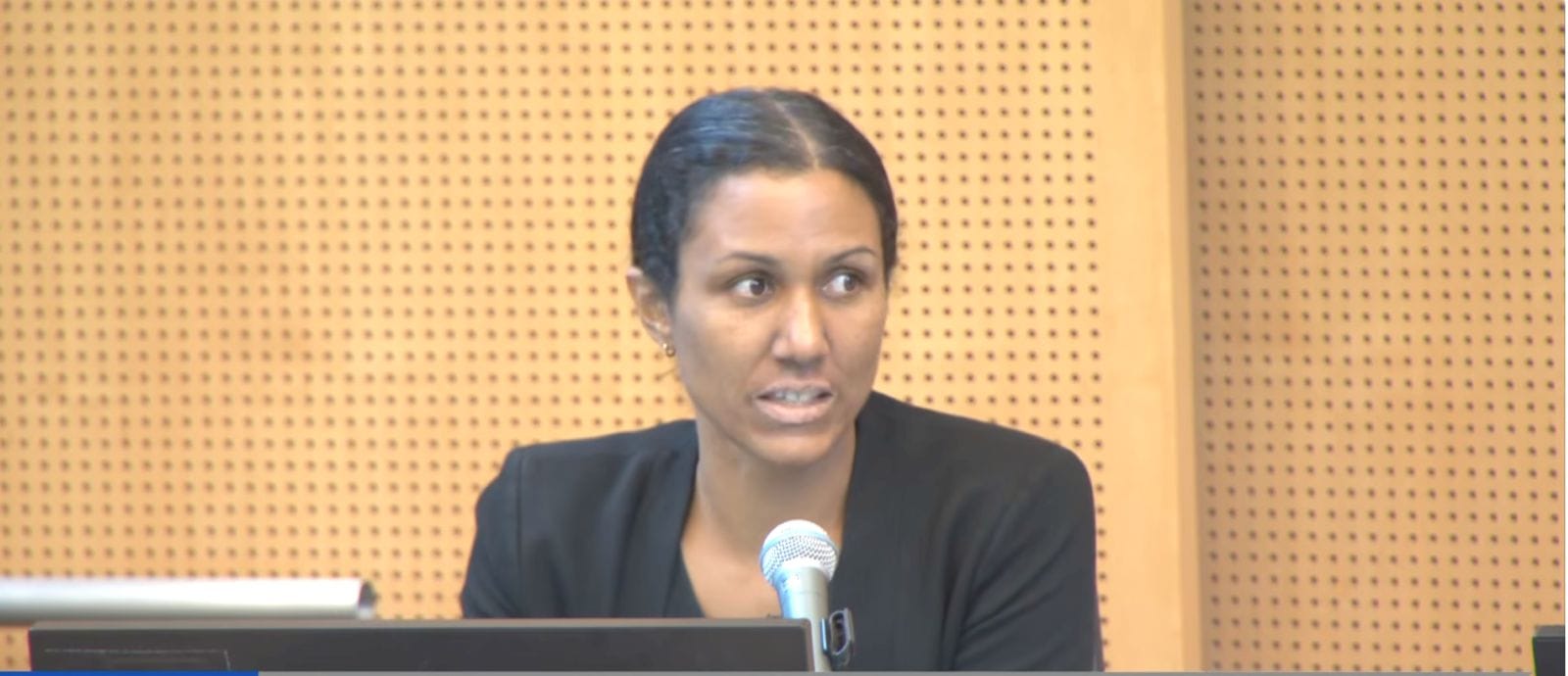
Wilson, on the other hand, argued that the stigma around participating in voucher-based programs as well as the existence of families who are above the program cut-off but still food insecure merit the establishment of a universal school meals program. Wilson also spoke about the time and energy low-income families must spend jumping through the hoops to qualify for these programs.
“We know how many kids in our school system are housing insecure or experiencing homelessness, and there's so much stigma that comes around poverty and homelessness and and being on free lunch,” Wilson said. “I'm sure it serves as a marker of that for a lot of people, and so anything we can do to break down those barriers and to make people feel included and welcome is important.”
The City will only be on the hook for the bill for meals actually served to students, meaning the current cost estimates for the program could be a bit high, given that some students will be opting to eat meals from home.
Both Wilson and Hollingsworth said the actions of the federal administration have made the issue of food access much more urgent, referencing the affordability crisis and SNAP food assistance cuts included in H.R. 1, a Trump-backed bill passed in 2025 that cut taxes on the rich and gutted Medicaid and dismantled Health Insurance Marketplaces, a key feature of the Affordable Care Act enacted under the Obama Administration.
Wilson said her office anticipates the universal school meal program will save families $1,200 per year.
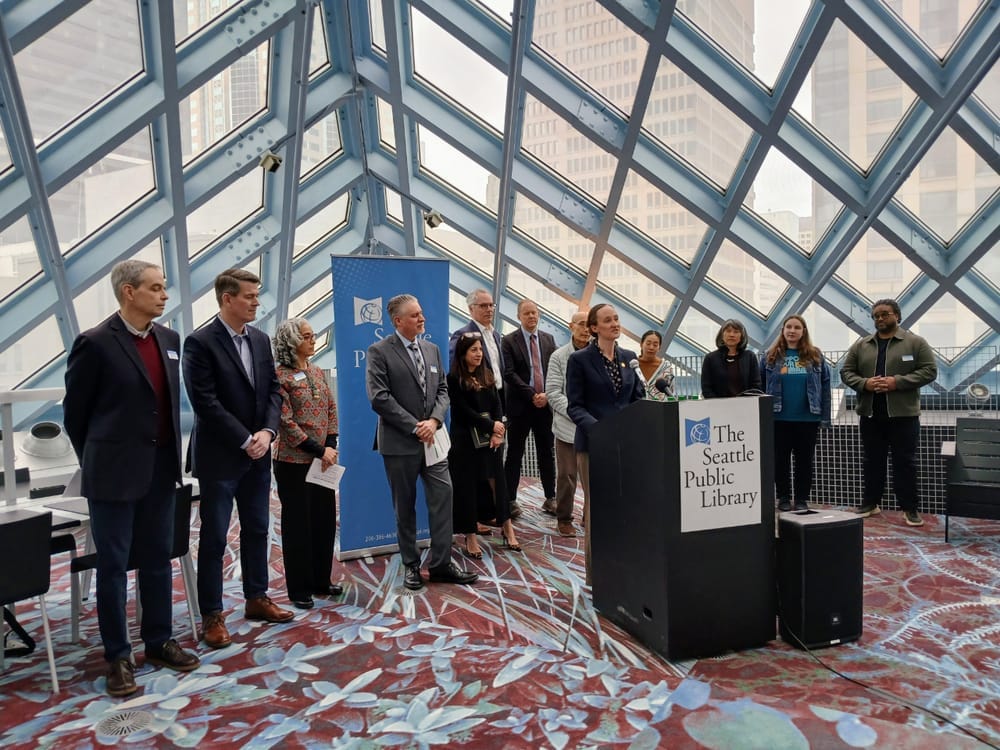
At the council’s Select Committee on the FEPP Levy meeting last week, Leo Falit-Baiamonte, a junior at Nathan Hale High School and the president of the Seattle Student Union, spoke against the amendment delaying universal school meals. Falit-Baiamonte served on Wilson’s transition committee and was part of conducting listening sessions across Seattle.
“One thing we heard consistently was the need for free school meals. Students and families told us that even if they do not qualify for free or reduced price lunch, the cost of paying for lunch every day is still a burden,” Falit-Baiamonte said. “Even among those who do qualify, immigrant families told us they do not apply because of fear, and many others simply do not apply because of shame or because the process is difficult to navigate. Providing universal free meals will benefit all students. Students cannot learn when they're hungry.”
The millionaires tax question
Hollingsworth and Foster both spoke about the uncertainty around the fate of the millionaires tax as having weighed heavily in this policy decision. Under the current plan, the millionaires tax would provide funding for the state to take over the universal school meals program in two years.
However, an initiative to repeal the millionaires tax is officially on this fall’s ballot, sponsored by conservative political action committee (PAC) Let’s Go Washington and its wealthy founder, Brian Heywood.
On Tuesday, Washington Governor Bob Ferguson kicked off a campaign to defend the tax, committing to not proposing any new taxes in the state’s 2027-2029 budget. The campaign against the Heywood initiative has already received significant donations from big public-sector unions.
The millionaires tax is also facing a legal challenge that is likely to work its way up to the state Supreme Court sometime next year.
At the FEPP committee meeting, Foster read from an email from a constituent who is a former member of the FEPP oversight committee: “The strategy is only funded for two years. Introducing a universal program, then potentially pulling it after two years, sets an expectation with families and school staff that the City may not be able to sustain, which risks eroding community trust rather than building it.”
Hollingsworth told The Urbanist that if the millionaires tax were to be repealed, she would go to Olympia in support of universal school meals for the state, including looking for an alternative funding source. She presented the year delay of a universal student meal program in Seattle as a way to buy time for the City to determine how to move forward in this worst-case scenario.
Wilson said she’s committed to having universal school meals in Seattle regardless of what happens with the millionaires tax.
“That uncertainty makes it all the more important that we start this now and plant our flag here in Seattle, and say we believe in and are going to fund universal school meals for all children, no matter what,” Wilson said. “It is nothing but helpful to have a major city like Seattle implement a program, show that it is successful and popular and effective, and then that helps to build that political will. If we need to find another way to do statewide free school meals, Seattle taking the lead is absolutely the way to get there.”
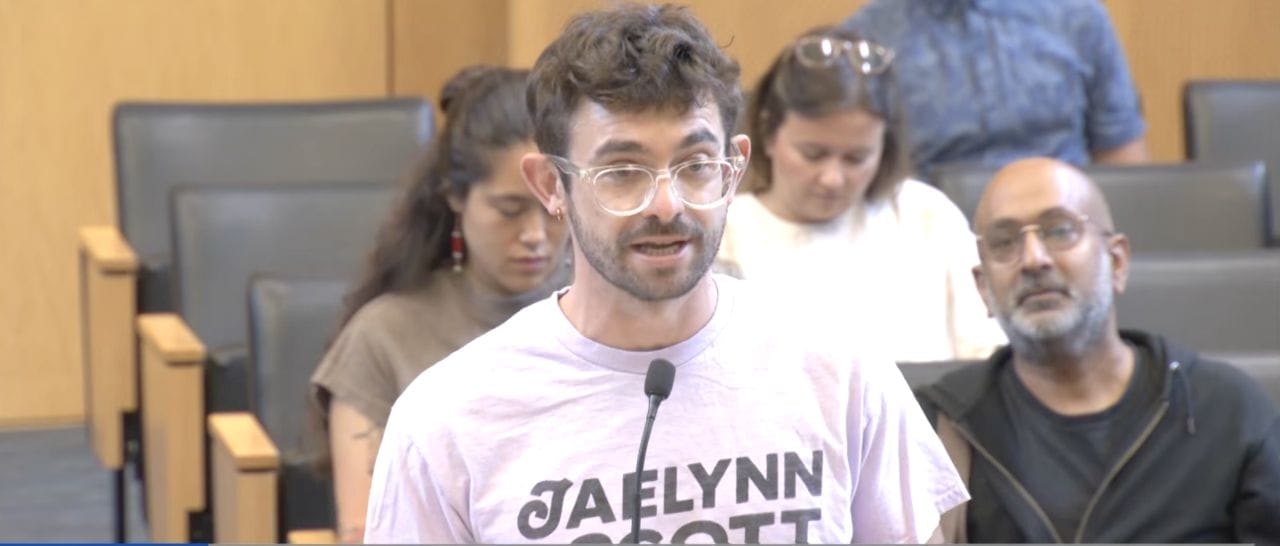
Oliver Miska, the campaign manager of Jaelynn Scott, who is currently running for the state house in the 37th district, also gave comment at the committee meeting, saying it was on behalf of Scott.
“Nine states have universal school meal programs. Washington passed the historic millionaires tax this last legislative session, and that's a huge deal,” Miska said. “But we stand here today with universal school meal programs at risk because lawmakers are being extorted and threatened by big business and mega millionaires who are throwing millions into repealing this legislation. We understand that that puts Seattle in a difficult position, but it is no excuse for us to back down from the promises made by our electeds to ensure every student has a meal at school because they need nutrition to learn. It’s proven.”
The City’s contingency plan to fund the universal meal program, should the millionaires tax be struck down, involves using the FEPP levy’s underspend and cost and risk reserve, a plan Hollingsworth called concerning.
Wilson said for a levy of this size, the combination of underspend and the cost and risk reserve should be around $9-10 million per year.
“It’s about a third of that maximum that we would be committing to this program so we believe that that is an acceptable level of risk to be able to feed our children,” Wilson said.
Next steps
The council’s Select Committee on the FEPP levy will vote on amendments to the FEPP Levy implementation and evaluation plan at its next meeting on Wednesday, July 22 at 9:30am. The committee will hear public comment at the beginning of the meeting.
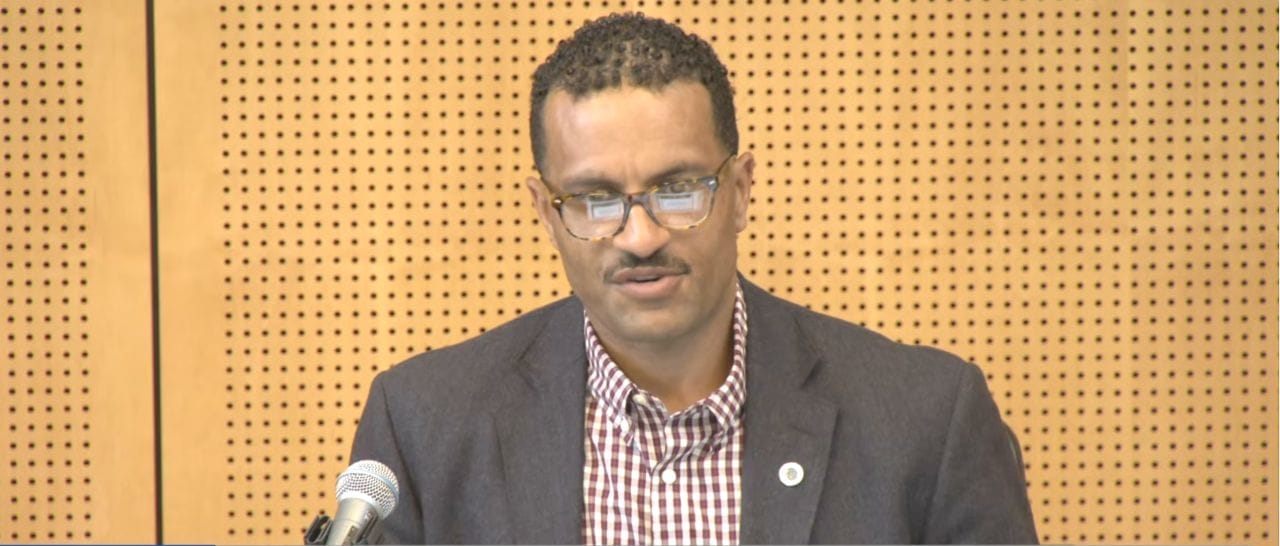
During the discussion last week about the two amendments delaying new programs, Councilmember Rob Saka provided the only dissenting voice, saying he had concerns about both amendments. Other councilmembers declined to weigh in, leaving the fate of the amendments uncertain.
Everyone involved in the debate acknowledged their mutual desire to address the food insecurity of Seattle’s children and make sure they’re getting fed.
“We are very open to being creative and to working with our colleagues on the council to find ways that we can expand food access,” Wilson said.
That being said, Wilson told The Urbanist she thinks universal school meals are something the vast majority of Seattle residents support.
 Ryan Packer