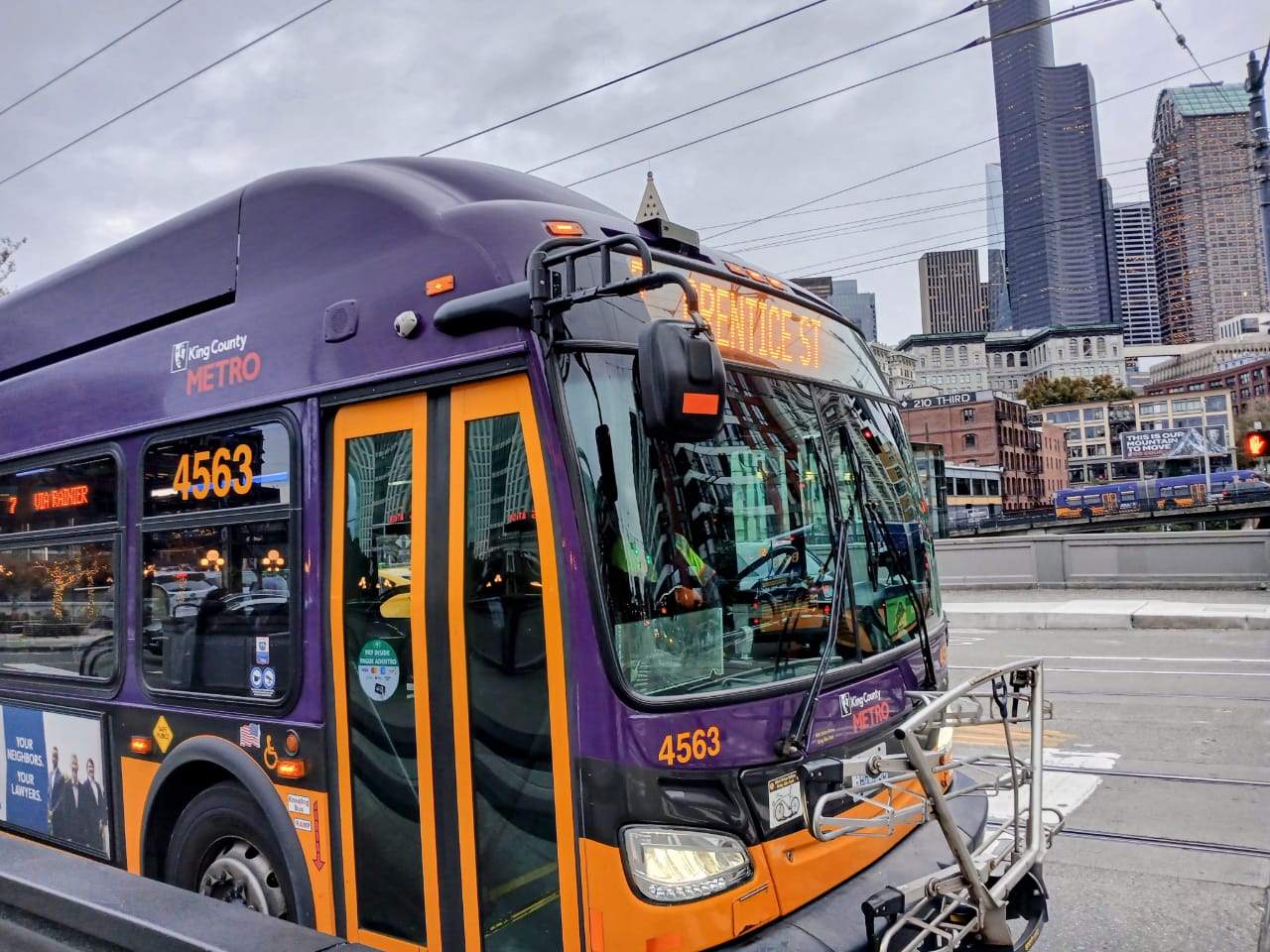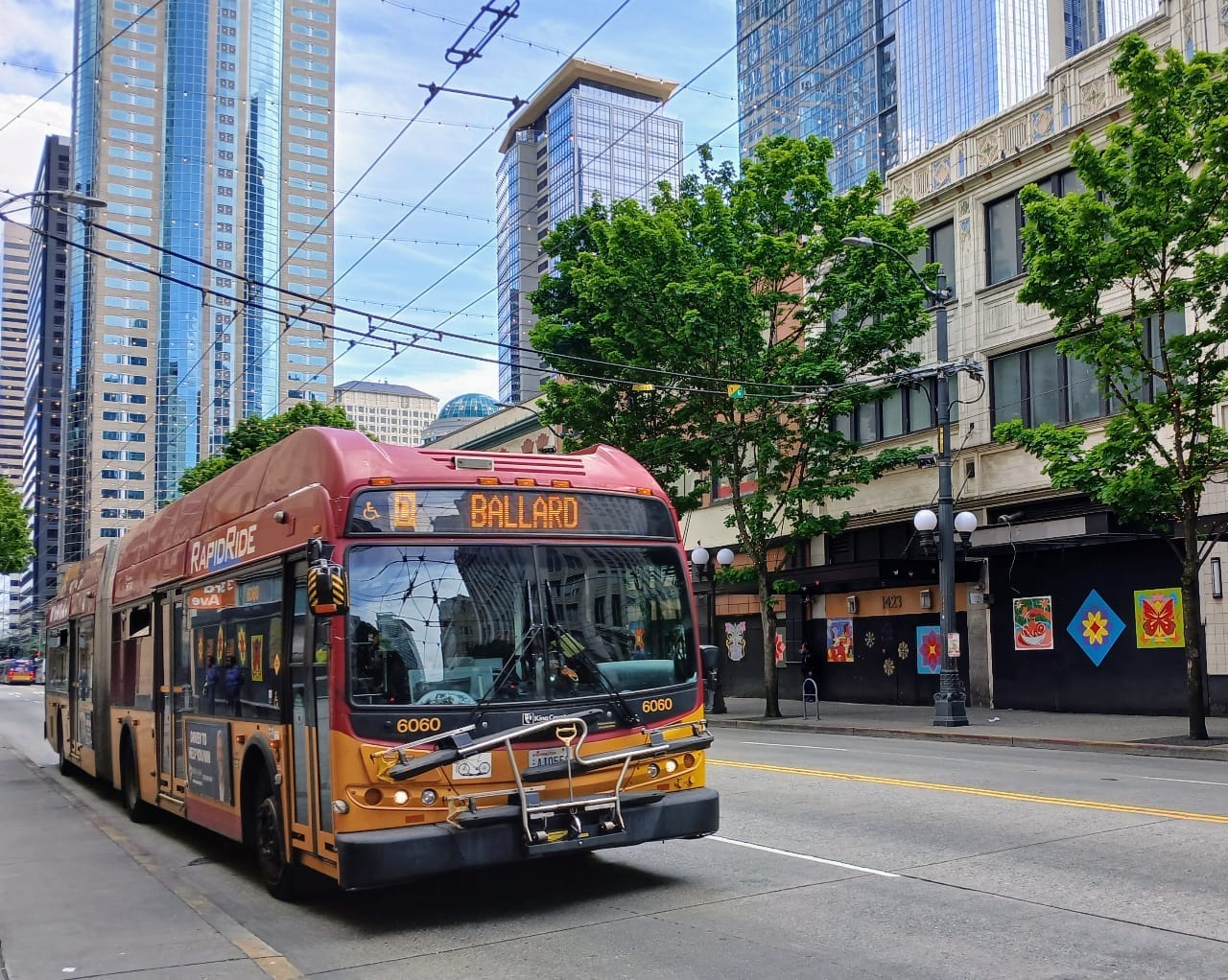
Seattle Mayor Katie Wilson's proposed transit funding measure made it through close to four full hours of deliberations on potential amendments largely intact Thursday, with proposals to scale back the package's size and duration voted down by councilmembers. That means voters this November are poised to consider a 0.3% sales tax that will extend a full 10 years, increasing Seattle's investments in King County Metro bus service by around 100,000 trips per year while continuing to fund programs like the Seattle Streetcar and the City's low-income ORCA card programs.
Councilmembers did place their stamp on the measure, which would replace a 0.15% sales tax measure, which voters approved by a record-breaking 80% of the vote in 2020. Amendments make explicit that the measure will allow expenditures on late-night bus service and expand free ORCA card access to students at trade schools.
Additionally, the Seattle Department of Transportation (SDOT) will be required to produce reports that look at bus stop spacing and the performance of the free Waterfront Shuttle, and a "midterm evaluation of program spending" will be required in 2032.
But proposals to scale back the measure to 0.225%, shorten it by three years, and add additional requirements for annual council reporting on Seattle Transit Measure expenditures were all defeated. In the end, most councilmembers seemed to be aligned with Wilson when it comes to using this funding source – which has supplemented Metro service hours since 2014 – to get the maximum number of buses onto city streets.
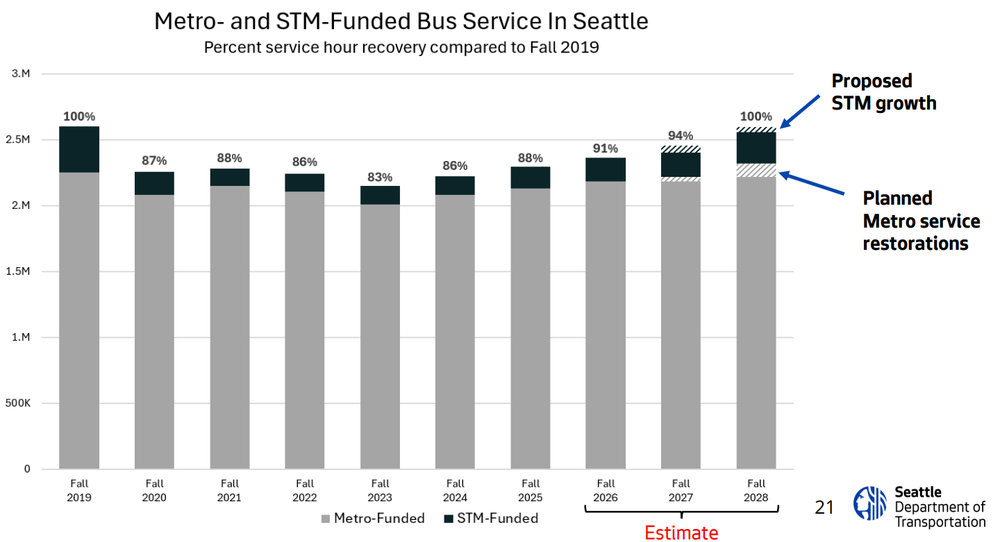
If approved in November, trips would be ramped up on 10-15 routes across the city using existing equity criteria, with a specific focus on increasing frequencies on nights and weekends so that riders experience similar wait times during those times compared to weekdays. By late 2028, in conjunction with service restorations already planned by King County Metro, Seattle's bus service levels are expected to fully return to 2019 levels for the first time.
"From my vantage point, we have a real opportunity to make sure that we are investing substantially and adequately in our transit service, so that we are providing affordability for folks," Councilmember Dionne Foster said. "I know that our investments that we're going to make in the Seattle transportation measure are going to be something that helps us to increase our ridership."
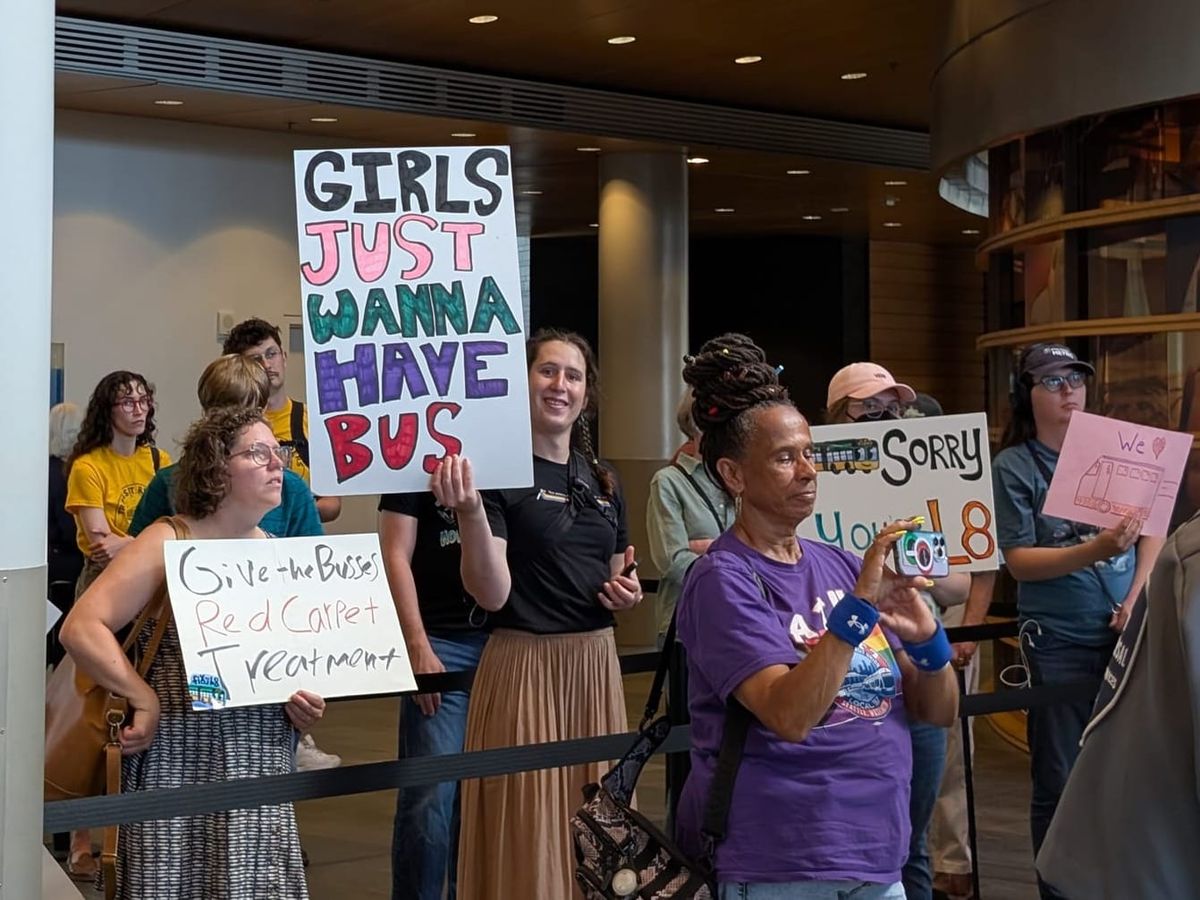
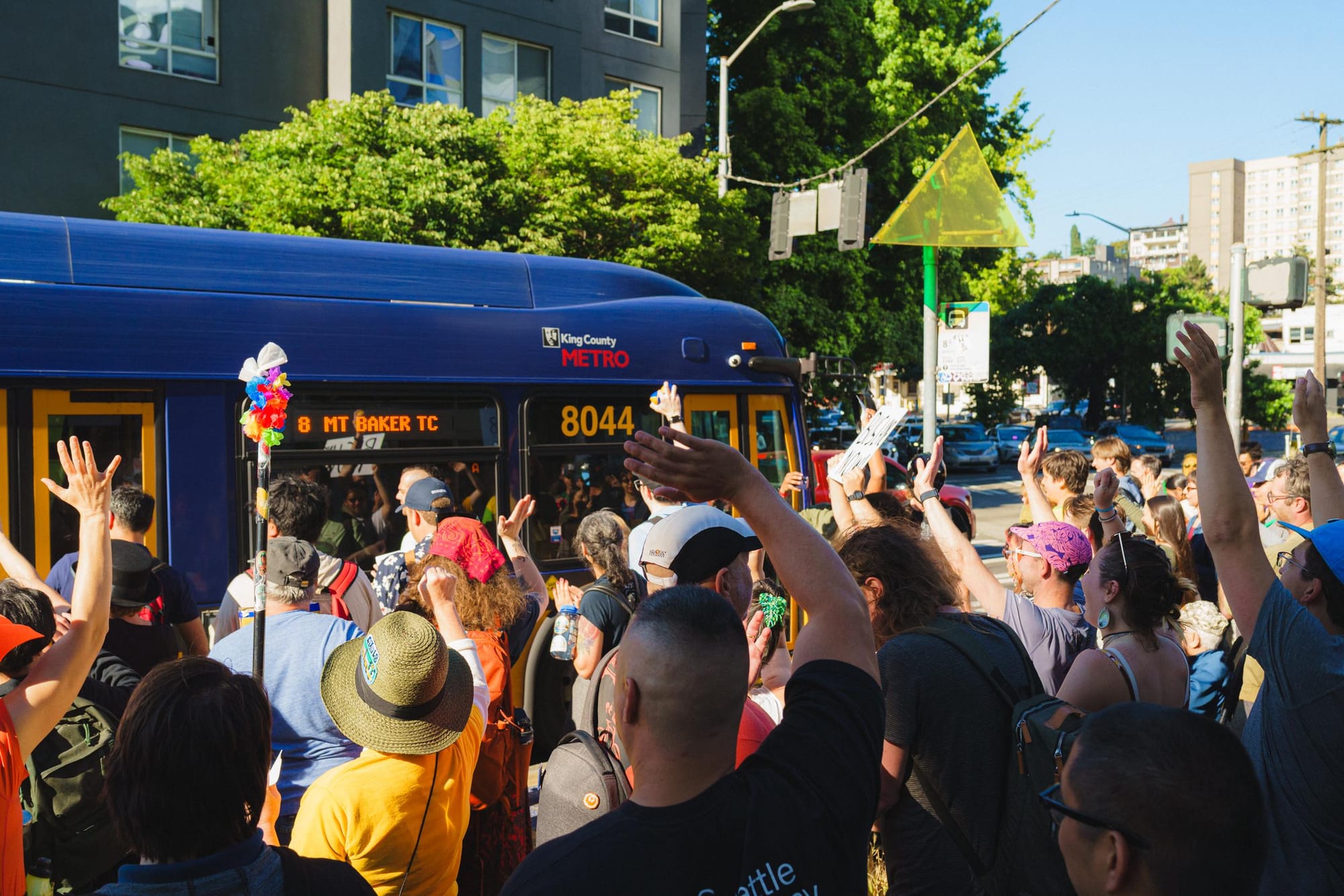
Public comment at the council's committee meetings on the renewal, including at a public hearing held this Monday, tilted significantly toward residents pushing for more transit service, and opposing amendments that would weaken the measure.
The most existential amendment under consideration Thursday came from District 7 Councilmember Bob Kettle. Initially put forward as a 0.2% renewal – a proposal that would actually represent a cut in service compared to what's being provided now – Kettle increased that to 0.225%, which would be expected to keep service levels relatively flat. Citing a need to be focused on the affordability impacts of Seattle's tax policy, Kettle was only able to garner one additional vote for his proposal, from Councilmember Maritza Rivera.
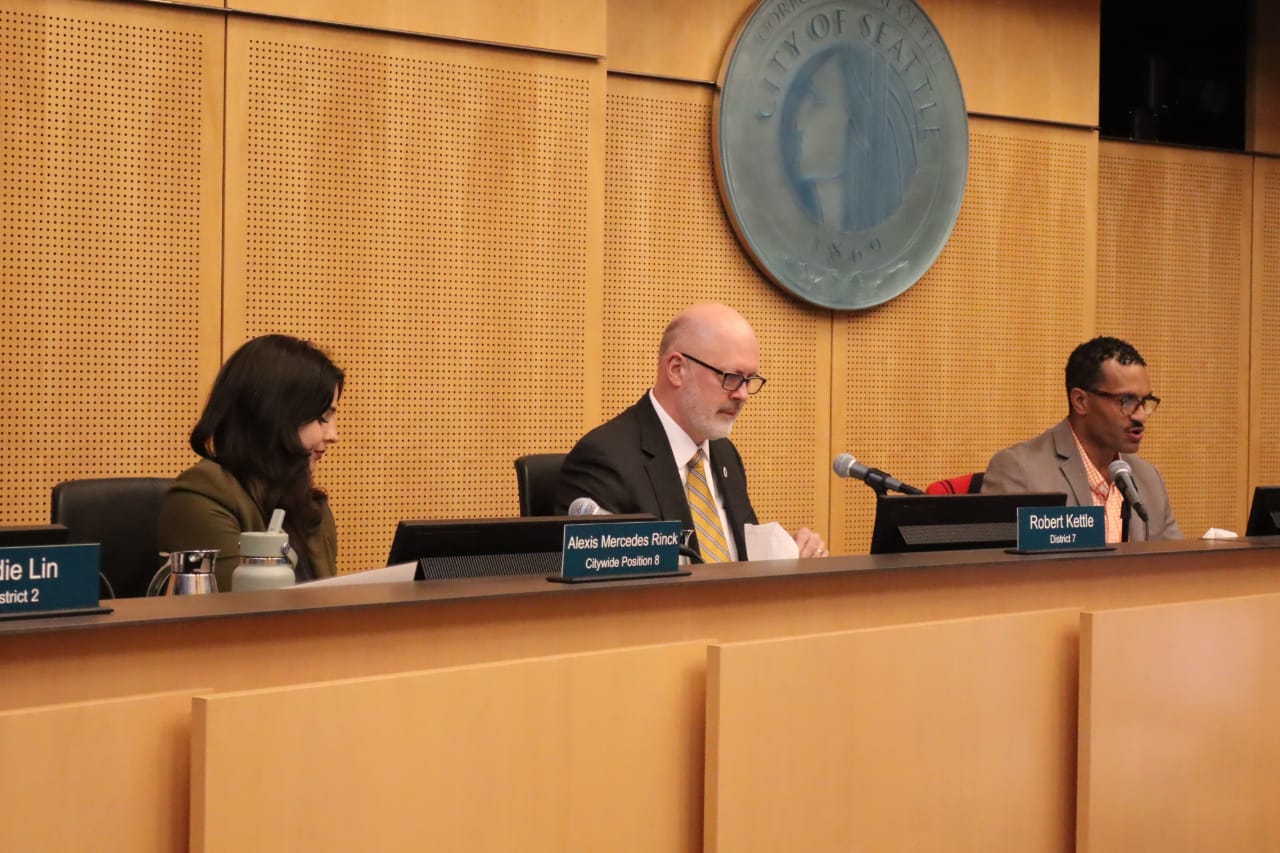
"This 0.225% rate would essentially lock us into our current levels of service for the next 10 years, rather than expand that access," Councilmember Alexis Mercedes Rinck said. "This amendment would save the average household about $1 a month, and that's at the expense of an expansion of 100,000 service hours. That's not a tradeoff I can support today."
Transportation committee chair R0b Saka called the affordability issues raised by Kettle's amendment "non-trivial," and noted that the limited number of revenue options available under state law to fund city priorities. But he said he didn't want public transit to bear the brunt of those limitations.
"At some point, the music is going to stop, and some community priority is going to be left underfunded because our hands are effectively tied. But I would posit to you that it should not be transit," Saka said. "Because transit is so critically important to our city for so many reasons. Transit today, transit tomorrow, and transit forever."
Rivera, defending Kettle's proposal, insisted that support for keeping the measure as slimmed-down as possible doesn't mean a lack of support for transit, a stance that many transit advocates will likely find hard to swallow.
"I don't want people to leave here thinking that somehow Councilmember Kettle and I do not support transit," Rivera said. "We're not stopping investing in transit. We are merely saying and acknowledging that this is a sales tax increase that has huge impacts for our low-income folks. Our high earners maybe not as much, but our low-income folks can have a huge impact. So we're saying let's make sure we do not decrease transit. We keep it where it is."
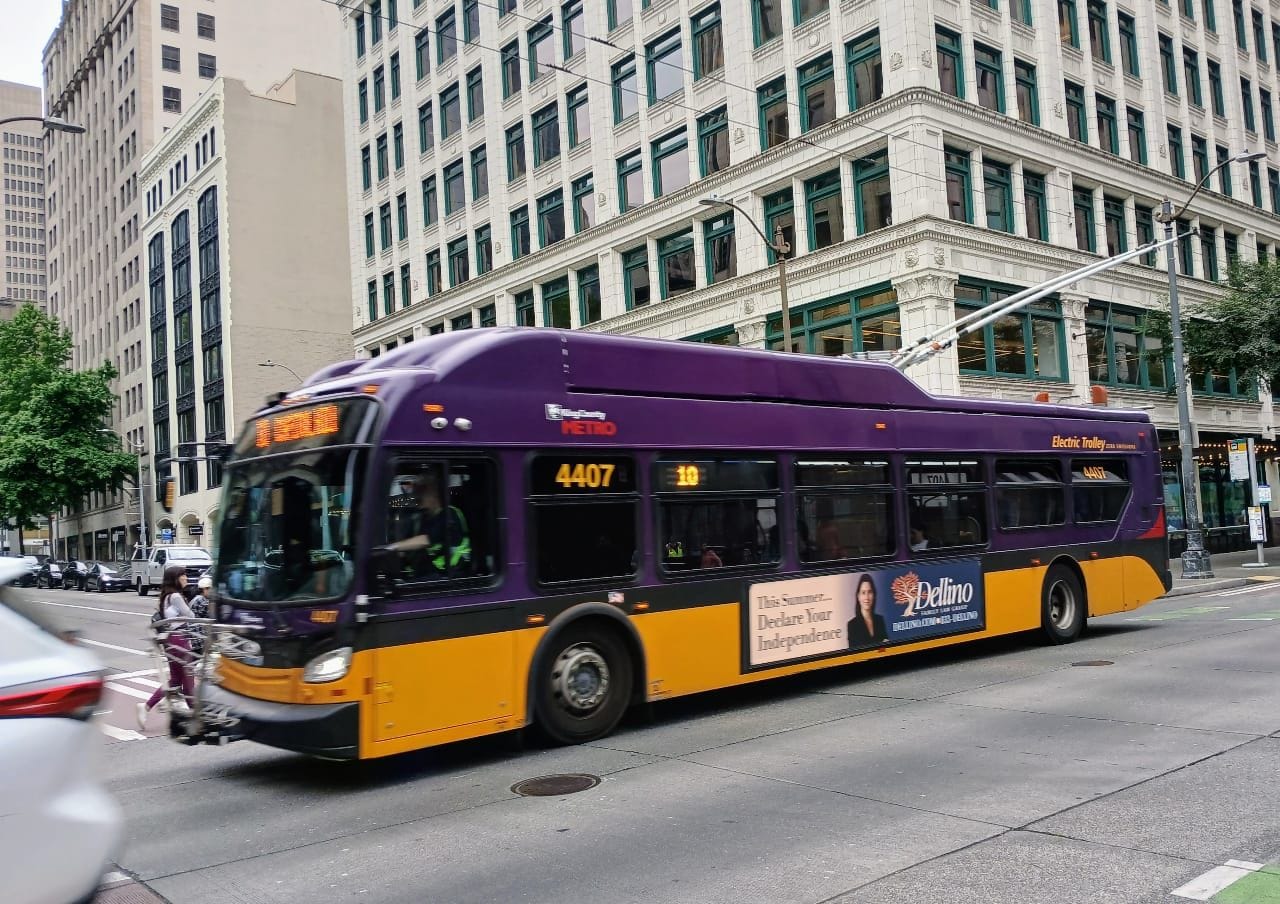
Council was split on another amendment put forward by Saka that allows STM spending on transit safety and security, despite the fact that approximately 10% of every dollar the City currently spends on Metro service goes to the agency's security infrastructure. The 2024 Seattle Transportation Levy, sent to voters in a process that Saka also led, includes $9 million over eight years for transit safety investments, dollars that still have not been programmed.
Saka's amendment was approved, with Foster and Rinck both voting no.
"If we are spending more dollars on transit service, then we are spending more dollars on transit safety and security as we increase those, because it is baked into every dollar," Foster said. "And from my vantage point, I think that's really important. I know that we often talk about good governance, and fiscal responsibility, and so I think we have to say we are purchasing transit safety and security when we do those purchases from Metro."
The measure now heads to the full council for a final vote next Tuesday, where it's expected to be approved and placed on November's ballot alongside state legislative and congressional races, a special election in Council District 5, and an initiative to repeal Washington's tax on millionaires.
 Ryan Packer
 Ryan Packer