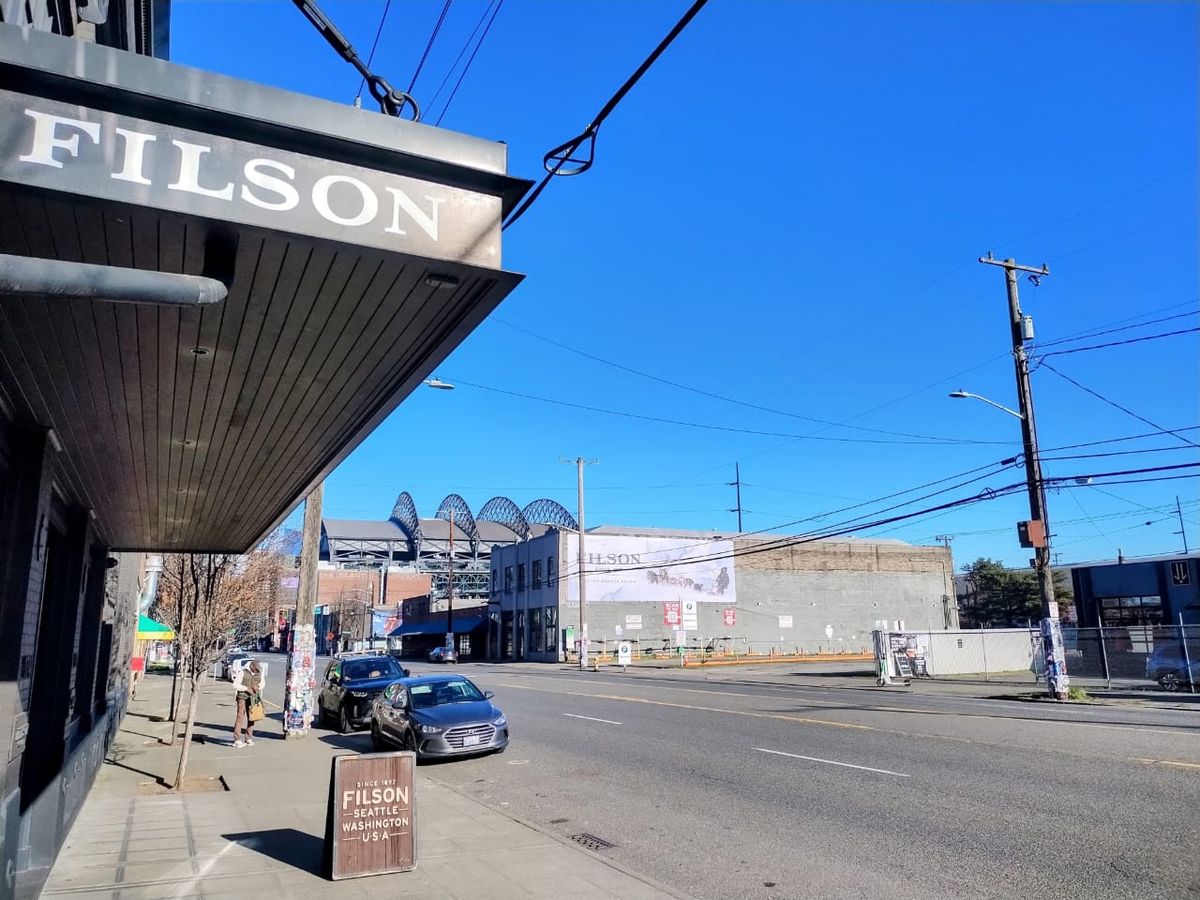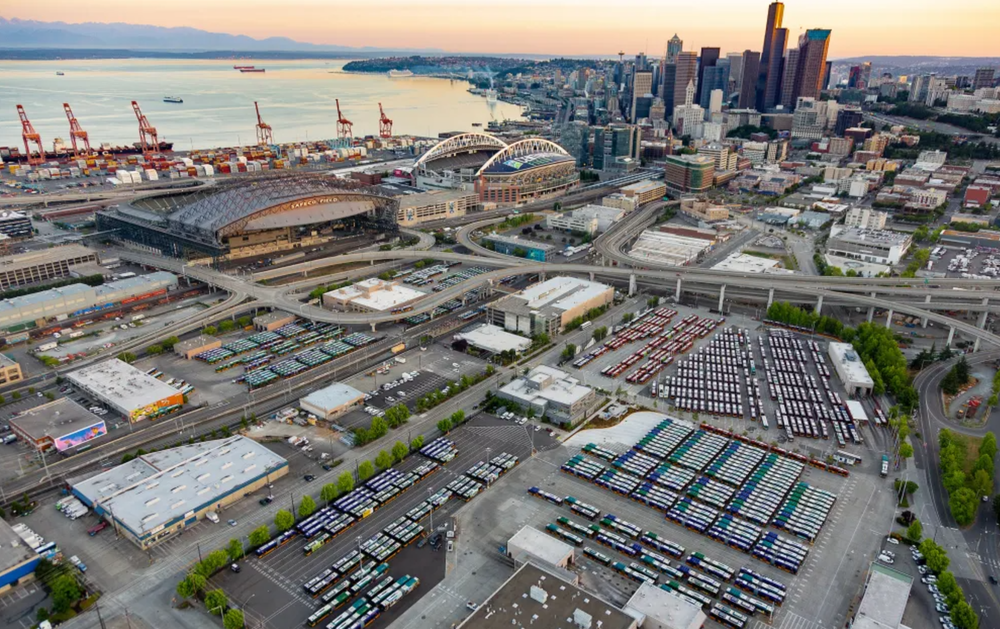
With Seattle's hearing examiner poised to consider an appeal of a City plan keeping the door closed on the potential legalization of housing in North SoDo near the stadiums, another major player has officially jumped back into the fight: the Port of Seattle. Earlier this week, the Port was granted intervenor status in the appeal of the city's draft Greater Duwamish Manufacturing and Industrial Center Subarea Plan filed by the MLB Stadium Authority and the Seattle Building Trades Council.
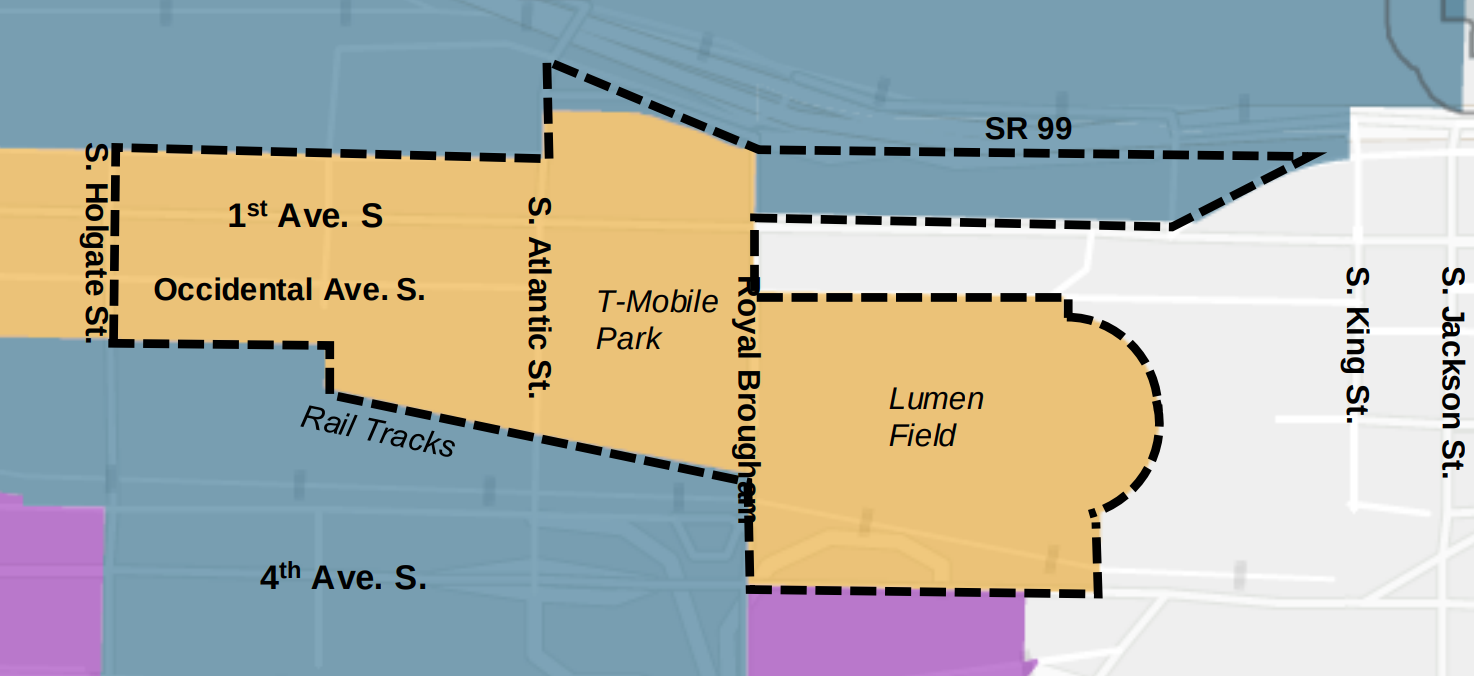
Despite a 6-3 vote of the Seattle City Council last year to legalize workforce housing in the stadium district, housing remains off the table after the bill was invalidated by the state's Growth Management Hearings Board and ultimately repealed this spring. And it would likely stay that way if the City Council adopts the subarea plan, which explicitly directs officials to "not amend codes to enable even limited residential uses" in the area, known as the Stadium Transition Area Overlay District or STOAD.
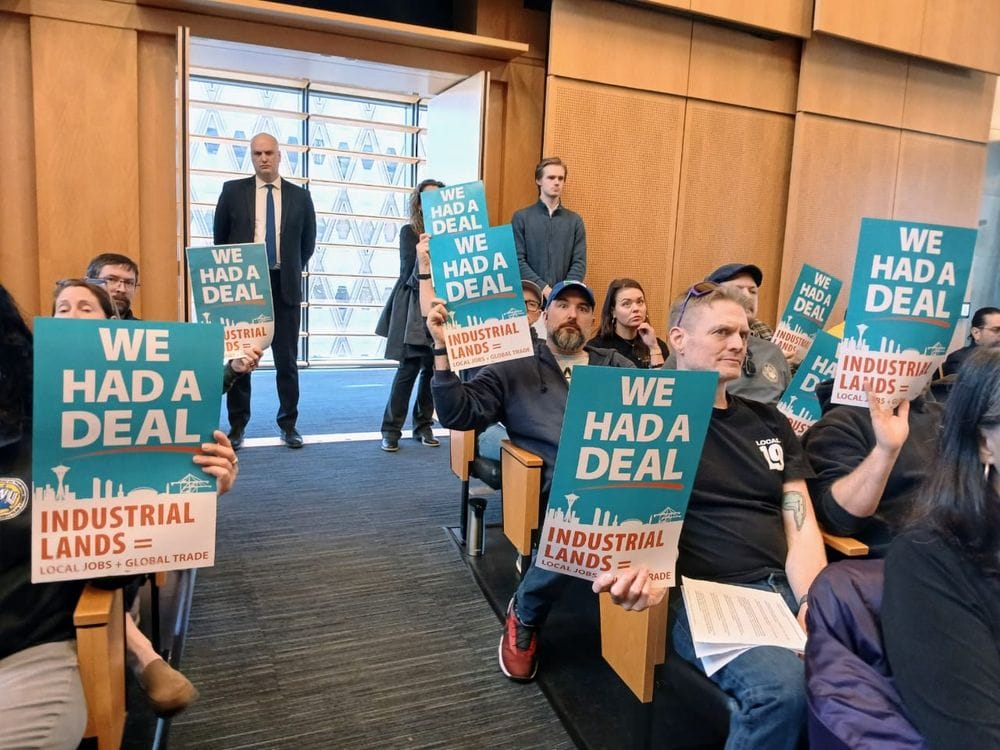
While the MLB Stadium Authority and the Building Trades Council were major proponents of former Council President Sara Nelson's bill legalizing housing in the STOAD, the Port of Seattle strongly opposed the move, and its newly granted intervenor status officially brings the two opposing factions into the hearing room to duke it out over the issue for the first time.
The Port argues that its interests are distinct from the City of Seattle's when it comes to the stadium district, arguing that the special-purpose district is "uniquely positioned to provide a distinct perspective" on the issues at appeal.
"This Appeal challenges the City’s environmental review of the Subarea Plan, particularly whether restrictions on residential uses in the STAOD were sufficiently analyzed in compliance with [the State Environmental Policy Act (SEPA)]," the Port's motion to intervene stated. "This directly implicates the Port’s interest in preventing incompatible encroachment of residential and other non industrial uses into industrial and maritime areas. Residential uses in or adjacent to active industrial and freight corridors create foreseeable land use conflicts, including conflicts related to truck traffic, rail and port operations, nighttime activity, noise, emissions, safety, and pressure to limit or modify industrial operations."
SEPA appeals have been garnering recent headlines in Seattle, with a ruling last week at the state Court of Appeals giving the City another setback on the decades-long quest to bridge a bike trail gap through Ballard along Shilshole Avenue. That decision came in the wake of delays to the city's overall housing growth plan, developed under former Mayor Bruce Harrell, traced to a set of SEPA appeals that were filed last year seeking to require the city to conduct additional environmental review.
The MLB Stadium Authority's appeal is fairly unique in that it doesn't seek to block changes from the status quo but rather do the opposite, keep the door open to a potential use that is currently not allowed. Nevertheless, a bill that advanced out of a Council committee this week would require these parties to hash out their complaints at the state hearings board or in King County Superior Court, a fact that would likely allow the City to adopt its growth plan – as required by state law – even as the case runs its course.
Perhaps unsurprisingly, the Stadium Authority opposed the idea of the Port intervening in its case, asserting that the appeal seeks to require more environmental review and not directly reverse policy.
"Here, rather than demonstrate a substantial, direct interest in the outcome of this appeal, the Port of Seattle has identified only speculative, tangential interests that are not sufficient to support intervention," a motion filed in response to the Port's request read. "In short, should the City of Seattle ever propose to allow housing in the [Manufacturing and Industrial Center] or STAOD by amending the Seattle Municipal Code, then the Port may well have an interest in opposing that change. At present, however, housing is not allowed and this appeal does not seek to allow it."
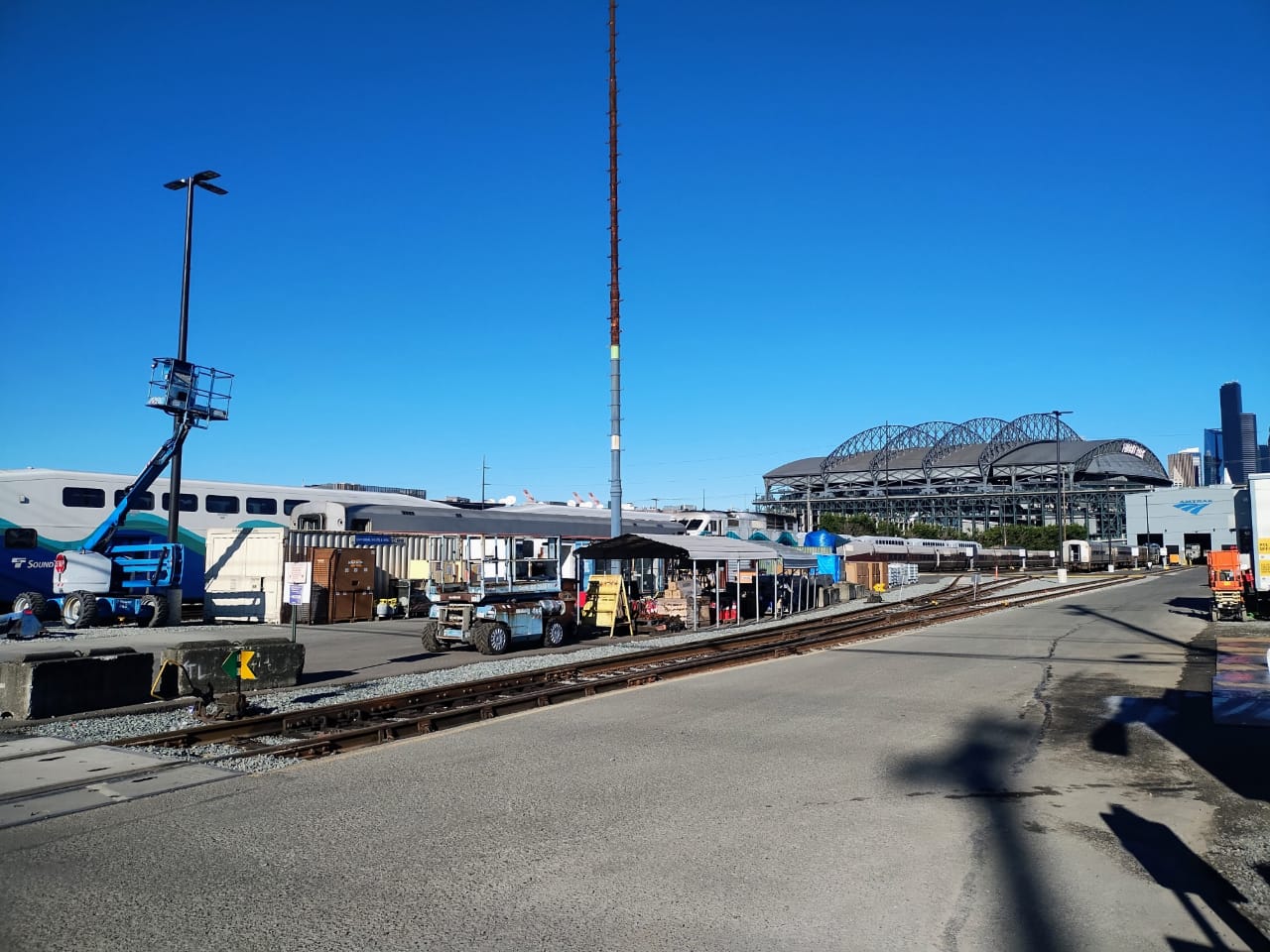
The back-and-forth over the motion to intervene represented a microcosm of the overall fight over the STAOD, with the Port demonstrating just how clearly it sees its own interests tied to the area, which is bisected by major freight corridors and sits just a few blocks from its deep water holdings.
"One of the primary stated purposes of the Subarea Plan is to protect the Port and its operations from the encroachment of inconsistent development," the Port's reply to the appellants stated. "This is why the Port and its facilities are referenced nearly one hundred times in the current draft of the Subarea Plan, which spans 76 pages. Considering this, Appellants’ claims that the Port’s interests in the City’s SEPA review of the Subarea Plan are 'academic,' 'theoretical,' or 'hypothetical' are absurd and should be rejected outright.
Ultimately, the Port's argument won out, with Susan Drummond, the city's deputy hearing examiner, granting the request to intervene.
"While some policy interests likely align, the Port has specific property interests and mission and policy goals the Department does not share," Drummond wrote. "[H]aving the Port’s unique perspective on the appeal issues is expected to promote, rather than detract from, appeal resolution."
A full hearing is tentatively scheduled for late October.
 Ryan Packer