Recently, some have suggested that funding from the Department of Community and Human Services (DCHS) is 'too easy' to obtain. This characterization misses a critical reality. While the door may appear open, not everyone is equally able to walk through it, to navigate the process.
King County created Best Starts for Kids with a clear intention to invest in prevention, equity, and community-based solutions that promote the thriving of children, youth, and families. A program that resides in DCHS and Public Health, Best Starts is a voter-approved, equity-centered funding model that represents a meaningful shift from how systemic issues have historically been addressed, by centering community voice and providing investments before harm becomes a crisis.
Despite its intent to remove barriers for children and families most affected by inequity, many community-based organizations still encounter significant obstacles when trying to access these funds.
The County’s vision behind this funding was ambitious and, in many ways, revolutionary. How could a public funding initiative support communities in addressing long-standing inequities through a prevention lens, while partnering with a government committed to helping families thrive? King County stepped into this challenge with intention. But as with many government-funded systems, structural barriers remain.
When people hear the term ‘low barrier’ in relation to funding, it is often misunderstood as a compromise on accountability. In practice, it usually means creating equitable access so that organizations of different sizes can compete fairly. ‘Low barrier’ does not mean no, or lower, standards. It means recognizing that impact and effectiveness do not depend on the size of an organization’s administrative staff or operating budget.
Whether an organization has $200,000 or $5 million, they should be able to apply for funding they are qualified to receive. Removing barriers to open the playing field for effective community work should not be framed as lowering the bar — it is about widening the lens.
The King County Children and Youth Advisory Board is committed to both equity and accountability. However, we firmly believe that true accountability is achieved through partnership, not punishment. The creation of bureaucratic layers will only hinder and delay critical resources to our most vulnerable youth and families. The additional restrictions and delays furthered by the new accountability mechanisms that council passed are deeply concerning and will exacerbate the inequities and hardships our youth and families face.
The structure of many DCHS Request for Proposals (RFPs) remains highly technical. Strict compliance rules, reimbursement-based funding, and extensive reporting requirements often necessitate access to grant writers, financial reserves, and dedicated experienced administrative teams. For large, well-resourced organizations, this may feel manageable. For smaller, community-rooted organizations, it can be prohibitive.
What is often missing from this conversation is that much of the time required for both applying for and complying with the DCHS funding is uncompensated. Rigorous reporting requirements include monthly financial and demographic reports, and highly specific annual outcome evaluations and financial reviews that can take weeks to prepare. These costs are frequently not fully covered by either program or administrative allocations. For organizations without extensive paid staff, this burden is substantial and ongoing.
So, when we ask whether this funding is too easy, the more honest question is ”easy for whom”?
This distinction matters because equity is not only about outcomes, it’s also about access. If organizations closest to communities cannot successfully apply for, manage, or sustain funding, then the system is not functioning as intended. A process that is accessible primarily to well-funded established organizations will inevitably favor those institutions, even when community-based solutions are the goal.
Grassroots community organizations spend countless unpaid hours navigating applications and compliance, often with no guarantee of funding. The cost is real. Some stop applying altogether, while others partner with larger organizations and sacrifice autonomy over programs rooted in lived experience and cultural knowledge.
It is important to acknowledge that the DCHS does invest in accountability and organizational health. DCHS offers capacity support towards organizational wellbeing in areas such as fiscal best practices and oversight. The issue is not a lack of standards, but the cumulative burden of maintaining these systems—particularly for smaller organizations.
This is not an argument against accountability. Public dollars require transparency and responsible stewardship. Accountability and accessibility are not opposing values. The strongest public funding systems recognize the necessity of both. Equity requires intentional design, not assumptions about ease.
In a letter submitted in October of last year, the King County Children and Youth Advisory Board (CYAB), reminded the County Council and the Executive that “...accountability must never come at the expense of communities, particularly those historically marginalized and the organizations that serve them”.
If we truly want to realize the goals and aspirations of DCHS and the initiatives that the community and King County support, we must be honest about who our systems are built for and be willing to challenge them, so the community is not just invited in theory, but able to participate in practice.
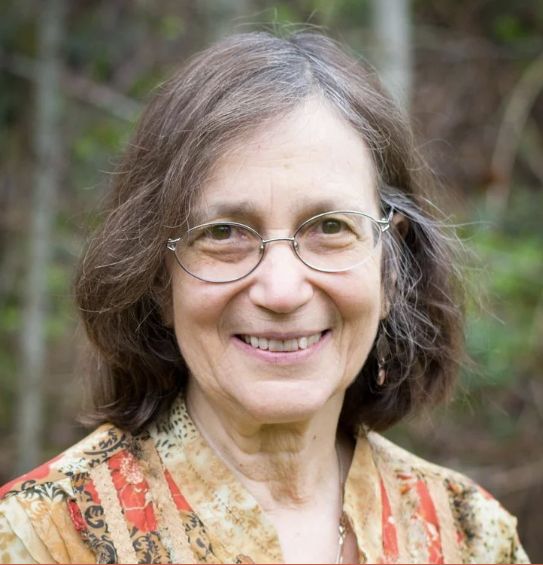
Carol Goertzel chairs CYAB's Community Engagement subcommittee.
Jerry Blackburn is CYAB Co-Chair.
 Amy Sundberg