The City of Seattle has some updates to make to the environmental review used to update its 20-year housing and jobs growth plan, but claims alleging that corners were cut when conducting that review were mostly thrown out this week in a ruling from Washington's Growth Management Hearings Board (GMHB).
The Urbanist's Fall Member Drive is in full swing! Support our work, read ad-free, and help us hit our goal for the member drive!
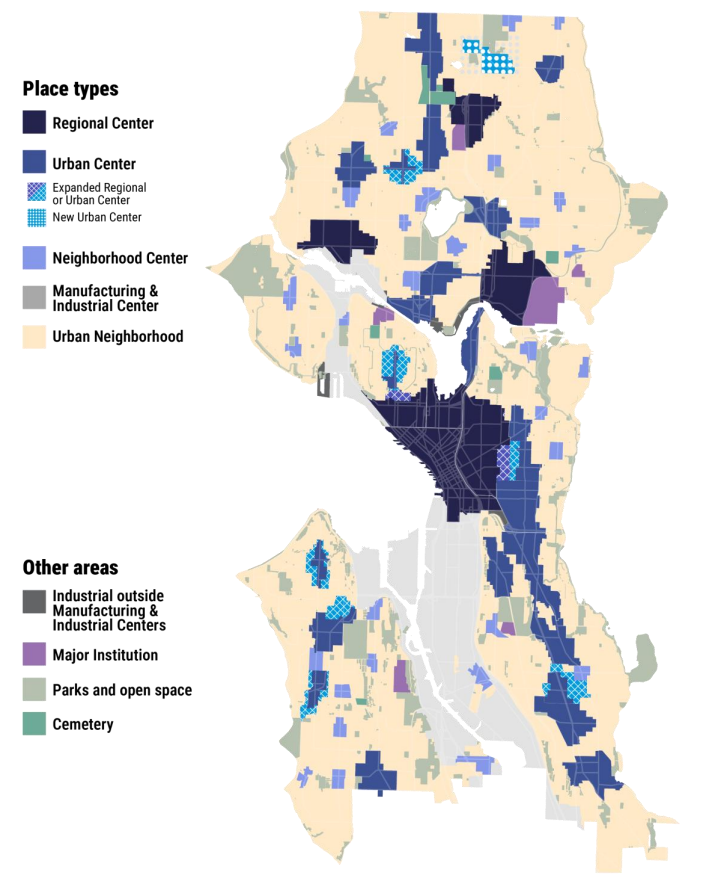
Wednesday's ruling came in response to a set of two appeals filed against the final environmental impact statement (FEIS) for former mayor Bruce Harrell's One Seattle Comprehensive Plan update. The 1,300-page document reviewed impacts from expanding the city's zoning capacity to allow denser development, particularly along transit corridors and in tight clusters close to existing business districts.
These GMHB appeals are separate from the pair of City-level FEIS appeals that have been advancing through the state court system; those are still pending after the Washington Court of Appeals ruled that they should be able to move forward. It's those challenges that are currently holding up implementation of the Comprehensive Plan's second phase, now pushed to at least early 2027.
There is some overlap, however. One of the appeals ruled on this week was filed by Jennifer Godfrey, the Seattle Symphony musician who challenged the FEIS at the city level last year and took her appeal all the way to the Washington Court of Appeals. Godfrey alleged that the plan did not adequately address concerns around the impact of polluted stormwater runoff on Puget Sound's population of Southern Resident killer whales (SRKW). The "Orca Appeal" has attracted significant media attention while Godfrey also pursued this parallel avenue to challenge the FEIS, joined by groups including the Orca Conservatory, the Orca Network, and the Puget Sound Harvesters Association. Collectively that group was referred to as the Joint Petitioners by the hearings board.
Godfrey's appeal argued that the One Seattle Plan sets lofty policies regarding tree canopy preservation and water-quality protection, but that the regulations that are tasked with implementing those policies aren't shown to be in alignment with those policies. But the board ruled that no evidence had been presented to show that this was the case.
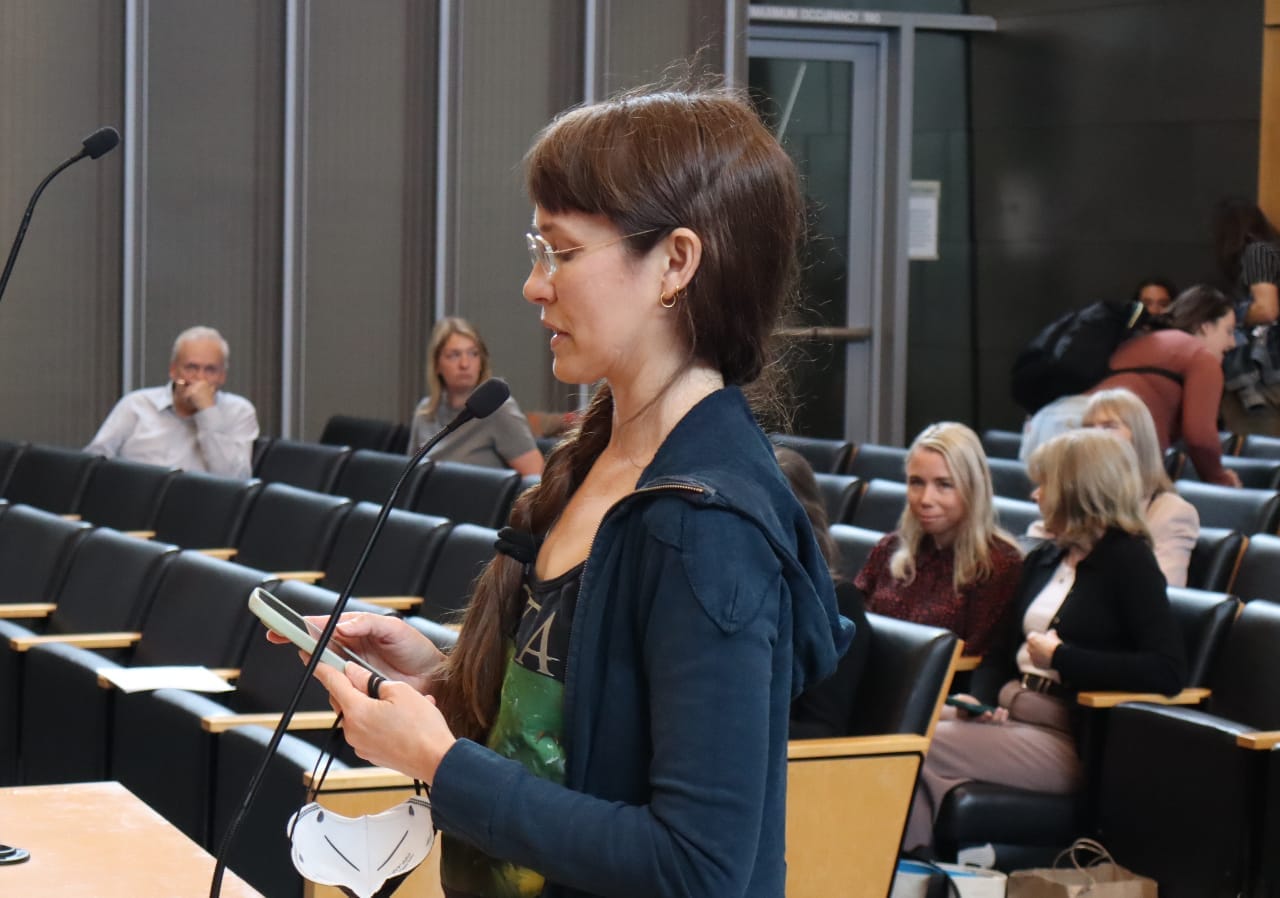
"The Board disagrees that it was the City’s burden to show how its implementing regulations ' comply' with its policies," the ruling stated. "Instead, it was Joint Petitioners’ burden to show how the implementing regulations are inconsistent with the policies. But Joint Petitioners did not discuss even a single line of text from the implementing regulations, anywhere in their brief, and so fail to meet their burden."
In issuing its final ruling the board found that Seattle had adequately reviewed the potential impacts of housing growth over the next 20 years, it just didn't encompass enough potential growth. It ultimately ruled the FEIS was inadequate because the City had only reviewed the impacts of what is considered "maximum likely development" instead of "maximum possible development" – a move that leaves out approximately 42,000 potential units of housing based on City planners' estimates.
The City argued that considering the impact of development that is unlikely would be speculative, and thus not required under the State Environmental Policy Act (SEPA) but the growth board did not agree with that either.
"The Board is cognizant of the rule that speculative environmental impacts do not need to be analyzed. It is tempting to think that if additional housing units beyond 120,000 new units are unlikely to be built, then their environmental impacts must be speculative," the ruling said. "That was the logic underlying the City’s decision to limit its environmental analysis to the 120,000 new units it thought were likely under the Update Ordinances, rather than the new development capacity of 162,847 potential new units which the Update Ordinances added to the baseline capacity, or the final capacity of 330,933 potential new units. However, the Board believes that SEPA caselaw distinguishes between impacts that are speculative versus development that is speculative."
During the earlier public comment period, urbanists and housing advocates had raised the point that the City's growth targets appeared on the low side. Divided over 20 years, 120,000 is just 6,000 units added per year, which Seattle has managed to exceed on a regular basis over the recent decade.
But on the underlying environmental analysis for the growth that was studied, the hearings board essentially gave the City its stamp of approval.
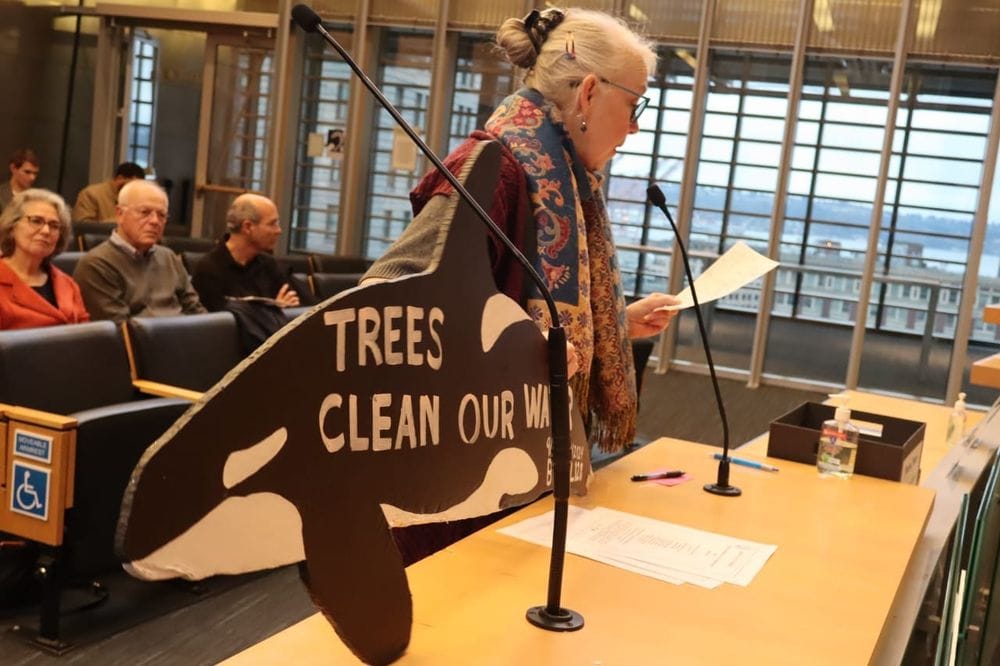
"The Board finds that Joint Petitioners have not shown the City failed to use the best available science. The FEIS was deficient for its scope, but not for the quality of the scientific information it relied upon," the ruling stated.
The second GMHB appeal, filed by civil engineer (and past Urbanist contributor) Donna Breske, dealt with the City of Seattle's plans for water infrastructure, and was fully dismissed. Unlike in Godfrey's appeal, Breske's appeal didn't seek to invalidate any ordinance, but rather force the city to overhaul the Comprehensive Plan's Capital Facilities element to address the current unpredictability of the water permitting process.
The City of Seattle now has a full year to update the One Seattle plan's FEIS to address the potential impacts of the additional units, when it was already in the process of conducting environmental review of even more added density as part of mayor Katie Wilson's pivot from the One Seattle Plan – which has been branded "Taller Denser Faster."
"[A]s the Board has been at pains to repeat, the FEIS’s environmental analysis would have been adequate [emphasis theirs] if the maximum potential development as a result of the Update Ordinances had been 120,000 new units," the ruling said. "For any amount of growth below this threshold, the FEIS is already adequate. It is only if growth were to exceed the 120,000 new unit threshold that the impacts would not have been considered and mitigated in the FEIS."
The larger issue surrounding Seattle's Comprehensive Plan is what happens with Godfrey's other appeal, which has been moving forward with an appeal filed by Mount Baker resident John M. Cary. Earlier this summer, the Seattle City Council passed a new law that closes off the avenue of appeals to the city hearings examiner when it comes to areawide rezones or updates to the Comprehensive Plan just like this one. That means that it will likely be left to King County Superior Court to adjudicate, with the Council free to consider and adopt the modest rezones that had been on deck before things were put on hold.
While there's no telling how that appeal will ultimately play out, this week's hearings board ruling could provide a preview.
 Ryan Packer
 Ryan Packer