The goal of a more unified and wide-ranging transit system in Snohomish County took a major leap forward this week thanks to a unanimous set of votes annexing the Everett Transit service area into countywide Community Transit. The move will bring the resources needed to boost bus service 50% by 2031, on top of the ability to add new routes into and out of Everett.
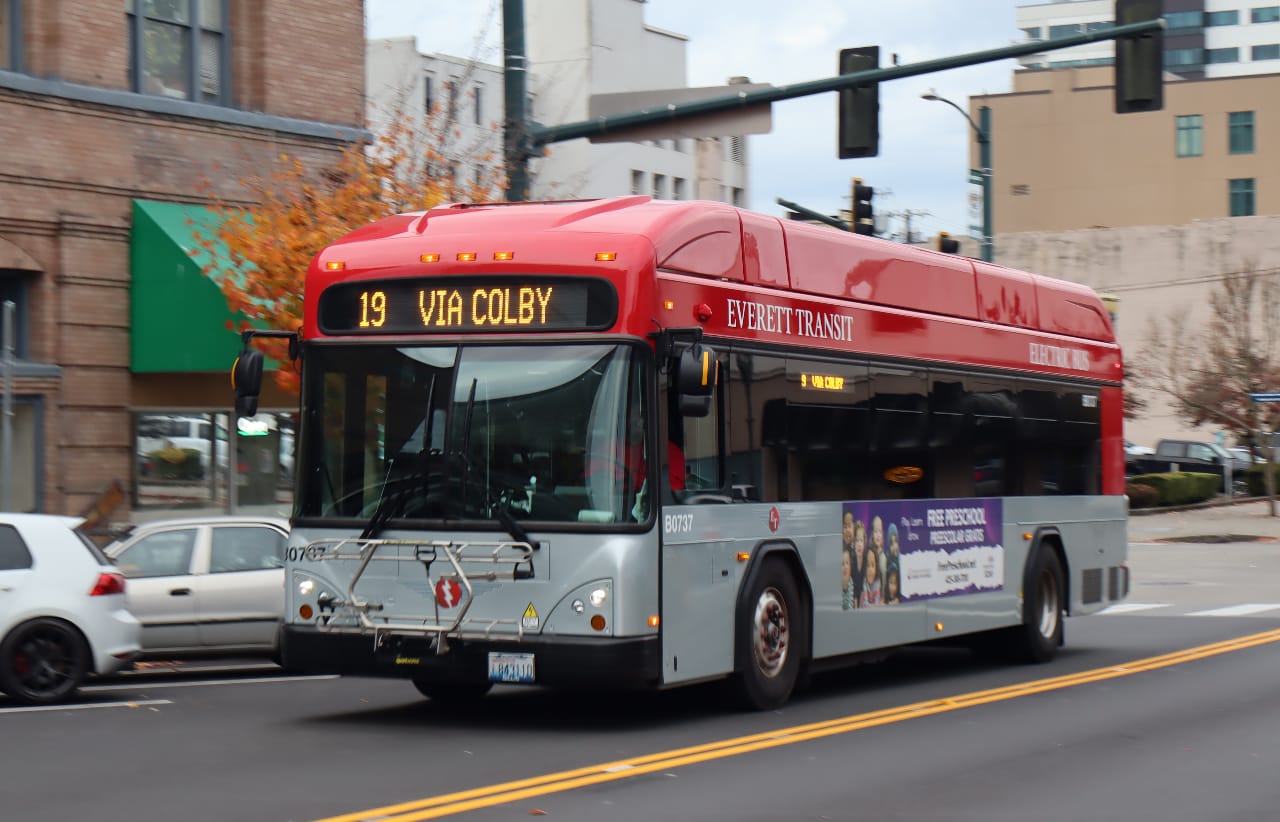
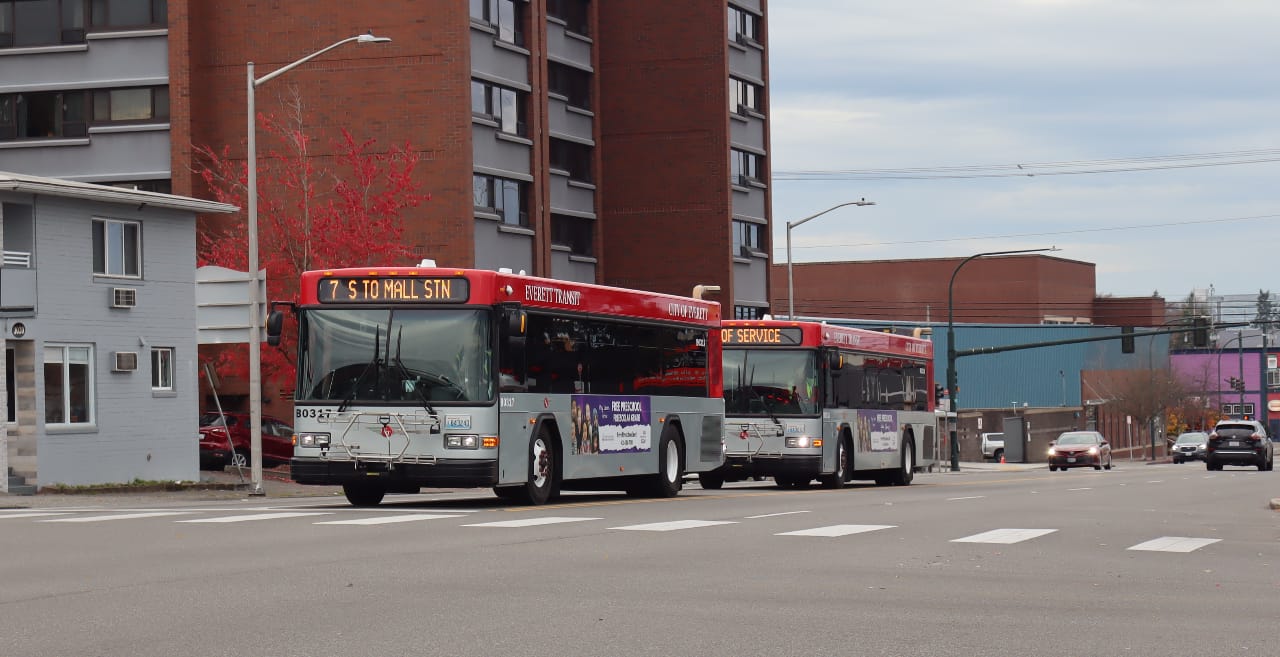
Established in 1969, Everett Transit is the only city-owned and operated transit agency left in Puget Sound, providing around 2 million trips per year. With some exceptions, the agency handles all local service within Everett, a setup that often forces transfers and longer journeys on trips beyond the city limits. By being annexed by Community Transit, which operates nearly five times as much service as Everett Transit, city residents will take advantage of a fully consolidated network, starting with planned service expansions in early 2028.
"We are ensuring a stronger transportation network, not just today, but long into the future for future generations," Everett Mayor Cassie Franklin said Thursday. "I'm excited that our residents who will be able to now choose public transit as a viable option to get wherever they want to go throughout our amazing county and beyond."
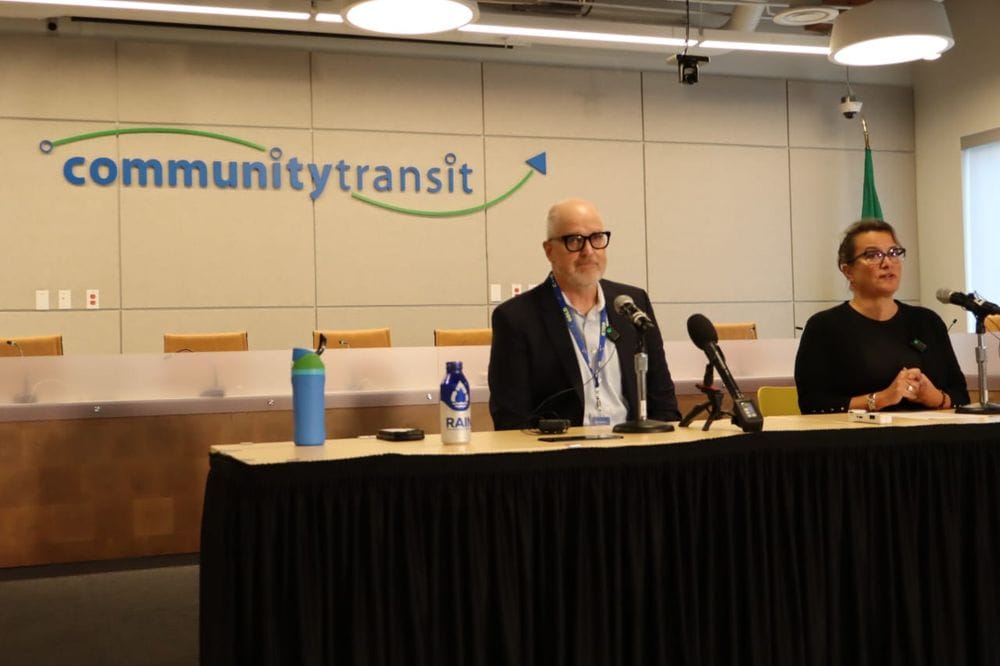
Under the interlocal agreement approved this week by both the Everett City Council and the Community Transit Board of Directors, the City of Everett will officially cease to operate a transit agency on April 1, 2027. At that time, the city's dedicated 0.6% transit sales tax will increase to 1.2% to match the rest of the Community Transit service area, providing the resources to enable buses to run more often and later into the evening.
"A merger of these two systems is a proactive approach. Annexation into community transit provides a clear and significant benefit for our residents," Everett Council President Don Schwab said Wednesday. "One of the biggest advantages: more service, more connections. Today, many residents, Everett residents, travel beyond our city limits to Lynnwood, Bothell, Mukilteo, Marysville, Seattle, and other destinations throughout the county. Under a unified system, routes can be planned as one network rather than a separate system. This means a smoother transfers, fewer gaps in the service and a more seamless experience for riders."
On top of concerns about the impact from a higher Everett sales tax, the annexation has also drawn worries from existing Everett Transit employees about their future at Community Transit. The interlocal agreement stipulates that no employee will be placed "in any worse position with respect to working conditions, pension, seniority, wages, sick leave, vacation, or other benefits," but union negotiations are still set to take place to hash out exactly how that plays out.
Future collective bargaining agreements will ultimately need to be approved by the Community Transit board, which will be reconstituted to include representation from the City of Everett. Transit riders are also pushing to add rider representation to the board, something that is now allowed thanks to a 2025 change in state law.
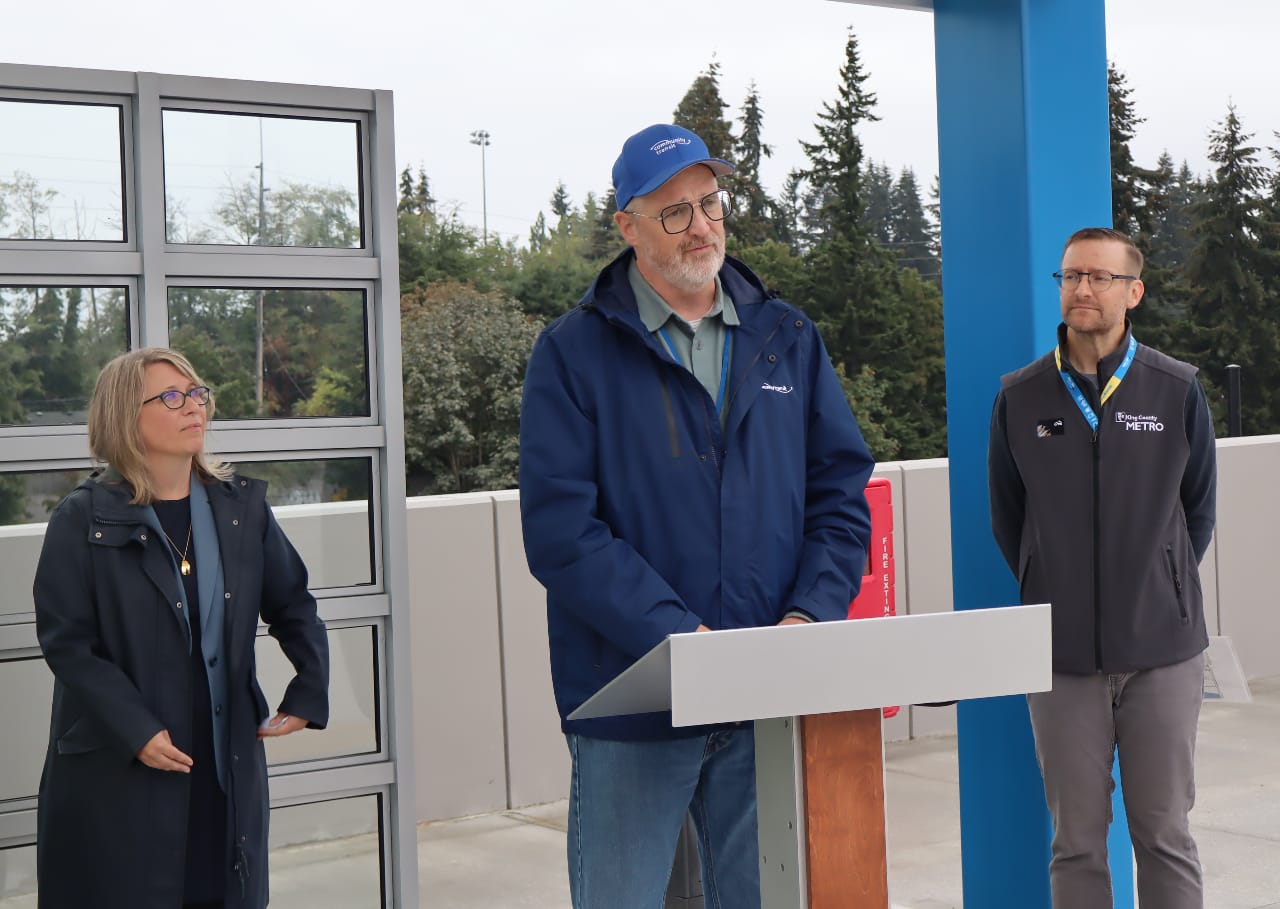
"We've had employee meetings with Everett Transit, and we've been keeping our employees apprised as we've moved through this process over the course of the year," Community Transit CEO Ric Ilgenfritz said. "We've heard the concerns of the Everett Transit employees, and they've been crystal clear about what the bar is for making sure this transition is successful. And I believe we're positioned to do that."
Service planning for the future united Community Transit network will now be able to proceed in earnest, building on work that includes the 2023 "More Transit Together" consolidation study. The guiding principles of that work include maximizing ridership by serving the areas of highest demand, expanding frequency and span-of-service, and reducing transfers. The four-year phase-in of expanded service will include a Zip Shuttle microtransit service area to be delivered in 2028, and the launch of the Swift Gold Line between Everett, Marysville, and Arlington in 2031.
"That process is where our planning experts and our consultant resources will look at the travelshed in and out of Everett, and shape a new network based on both technical insight and public input, and stakeholder input, and jurisdictional input," Ilgenfritz said. "So that process will play out over the course of next year, and our goal is to bring a new network plan to this board for consideration and possible action by the end of the year."
Getting the annexation across the finish line is a major win for Mayor Franklin, who has been making the case that Everett won't be able to grow sustainably without investing more in transit in the years leading up to light rail's arrival in the city in 2037 (Paine Field) and 2041 (downtown). Though the city has been significantly lagging even its peer cities when it comes to housing growth in recent years, Everett has a goal of adding 65,000 new residents by 2044, a fact that will require a leveling up of its transportation system.
"Our vote today is our legacy. I also think about the drivers in Everett. Everett's population will grow quickly by the thousands in the next 10 years. Just for reference, 300 cars in a road represents one mile of traffic. Think about that. If we don't do something today about generating opportunities for people to move around, then we are all going to be stuck in traffic," Everett Councilmember Luis Burbano said.
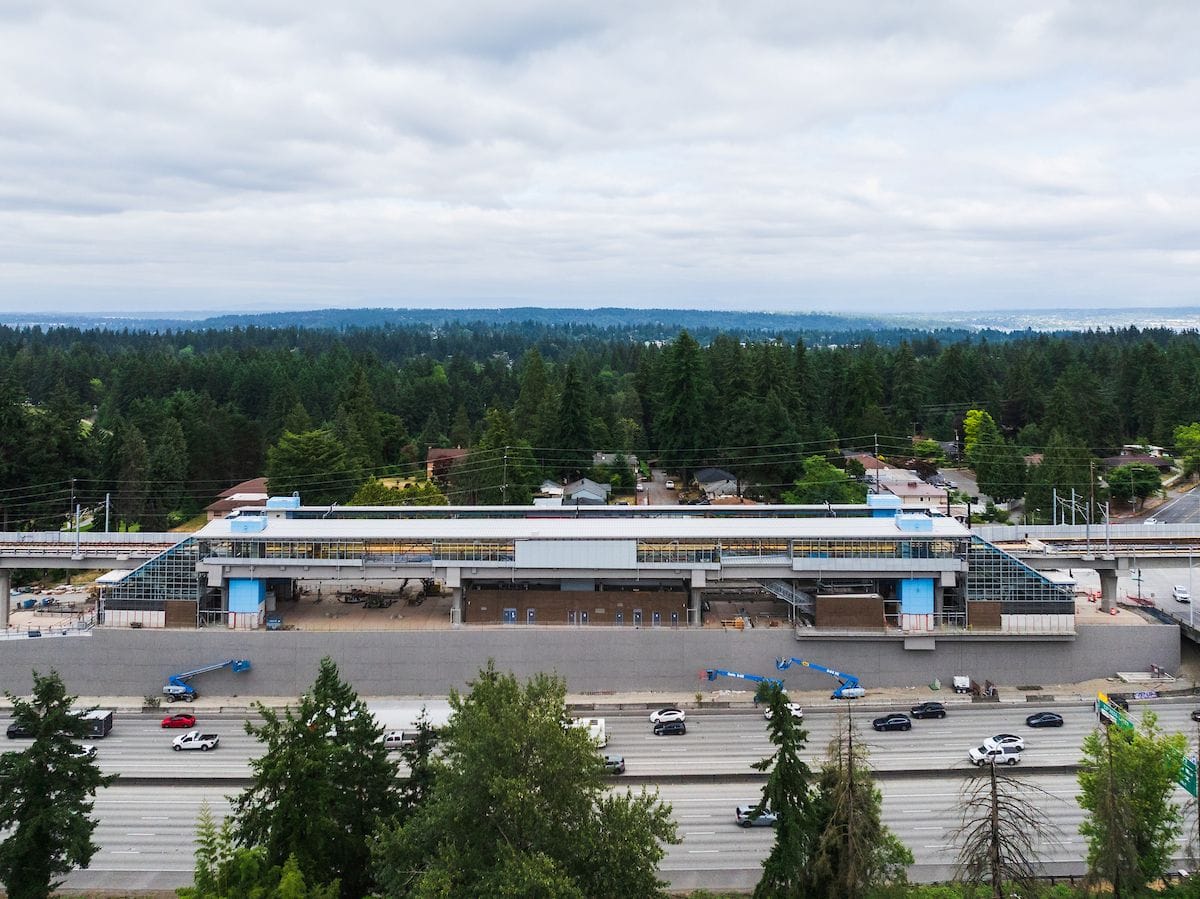
As part of the agreement, Everett will receive a one-time payment of $54.5 million, and transfer $16 million in reserves that are currently on hand for transit operations. That cash payment includes $17 million for Everett Station, putting Community Transit in control of Snohomish County's most important transit station. For a three-year period following annexation, the City of Everett will be able to continue to use the Everett Station facilities for City purposes.
Being in control of Everett Station puts Community Transit in the driver's seat when it comes to the future of the neighborhood, currently dominated by parking. For years, advocates have been pushing to rethink that area, the site of the closest planned light rail station to Downtown Everett.
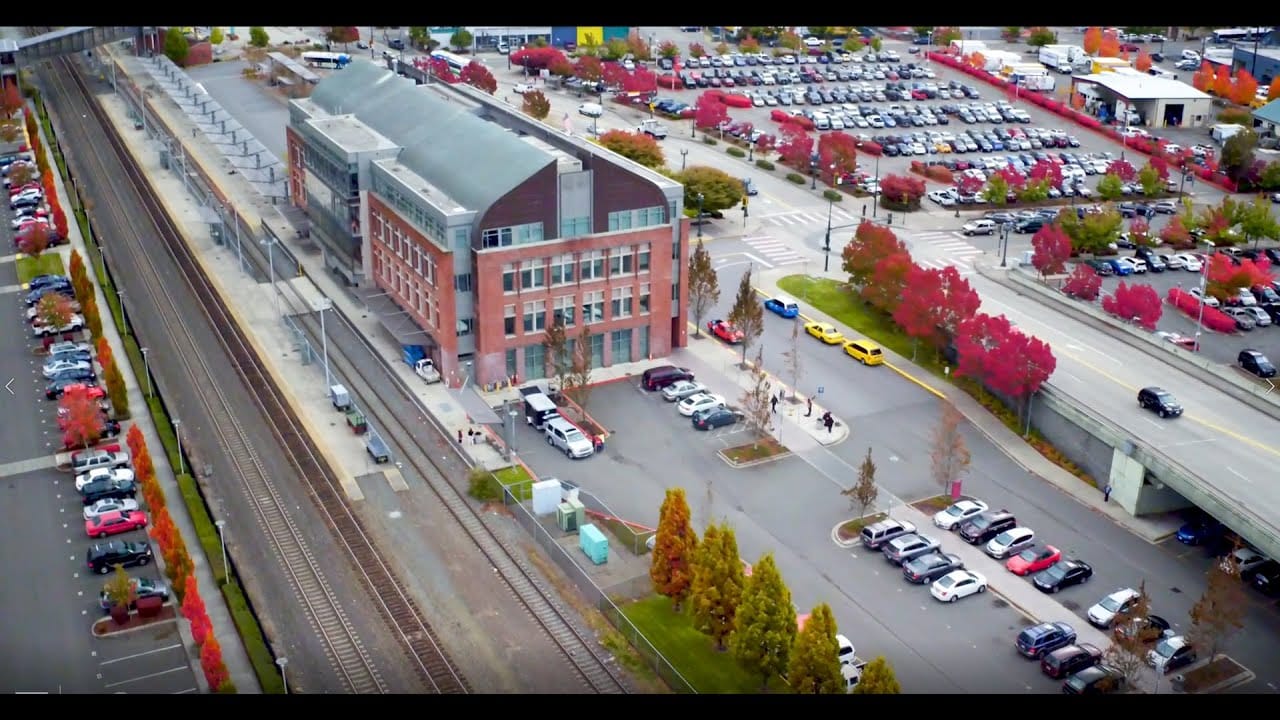
"To meet the city's population growth targets, we need the station district to accommodate more housing and jobs, not simply be a parking lot with bus bays," said Brock Howell, President & CEO of Stations Unidos, formerly known as the Everett Station District Alliance.
After April 1, an 18-month interim operations period will allow Community Transit to access City resources to make the transition. Everett Transit fares, currently 50 cents lower than Community Transit fares, will remain in place for at least a year, with a fare study and board approval needed to raise them.
This week's votes, long in the making, came just as voters elsewhere in the region signed onto major transit expansions of their own. On Tuesday night, Seattle voters approved a big boost in city-funded King County Metro service via the Seattle Transit Measure renewal and Pierce County voters gave Pierce Transit long-sought funding to expand service by nearly 50% by the early 2030s.
"This is a historic moment," Lynnwood Councilmember David Parshall said. "People will long remember this day in Snohomish County as a victory for transit."
 Ryan Packer