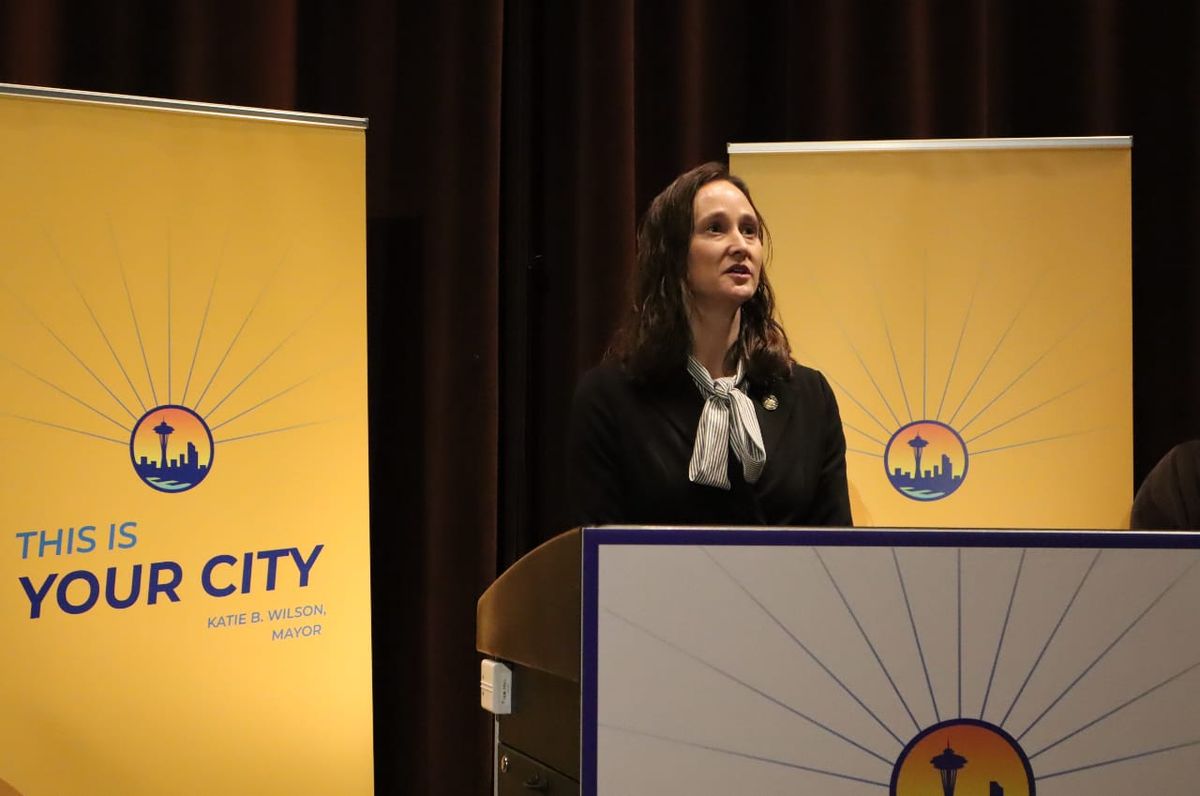
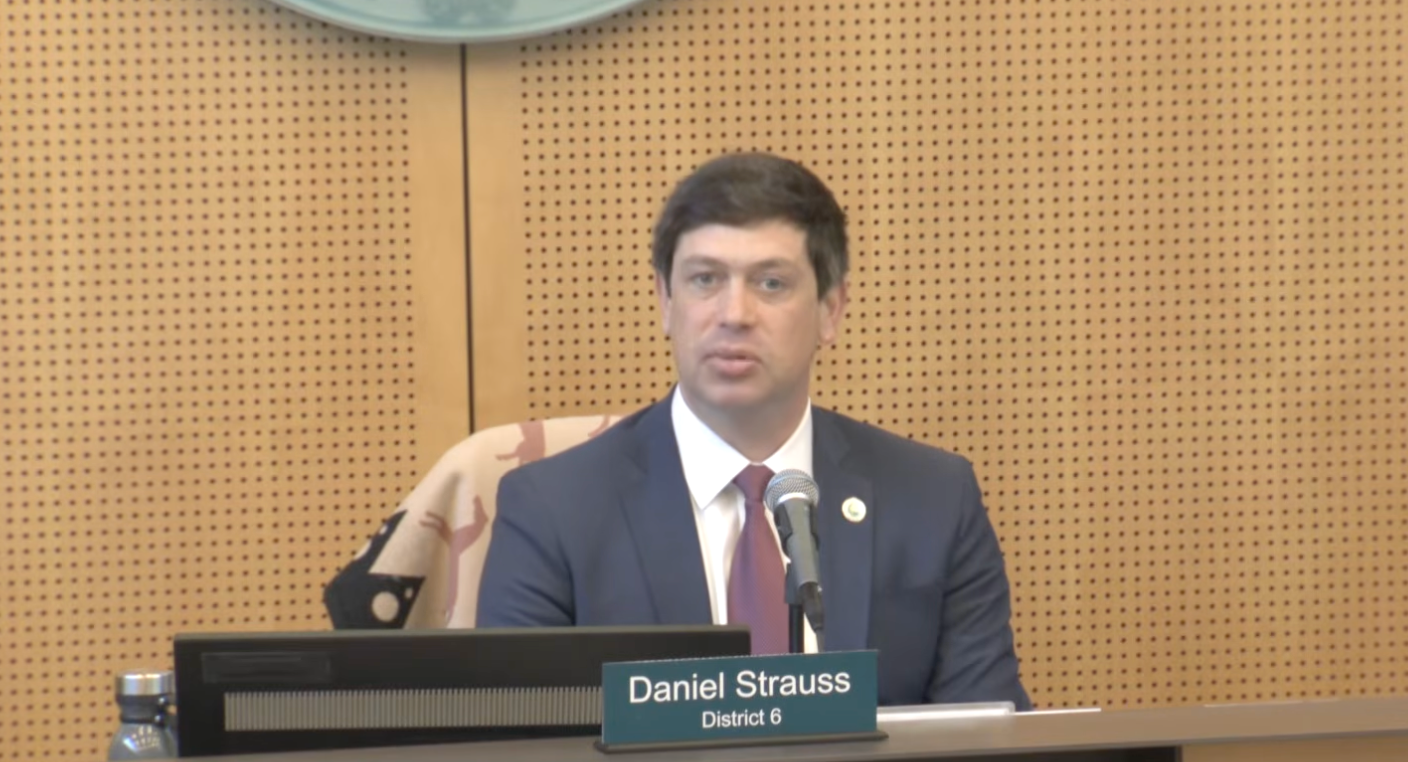
This week Seattle Budget Chair Dan Strauss presented his budget balancing package amending Mayor Katie Wilson’s proposed 2027-2028 budget. In spite of a less than stellar revenue forecast in October, Strauss was able to find plenty of money to allow councilmembers to include their own priorities into the budget proposal, although some councilmembers ended up a little better off than others.
All together, the balancing package adds more than $50 million in council priorities for 2027 alone.
“This proposal makes critical investments that will deliver real results: reversing cuts to firefighters, making historic investments in housing and homelessness, and clearing violent crime case backlogs. It does it all while erasing deficits and balancing the city’s budget through 2030,” Strauss said.
Strauss opted to transfer the entire amount of extra Jumpstart payroll tax revenue predicted in the most recent forecast, as well as an off-cycle Jumpstart payment, into the General Fund to fund councilmember priorities to the tune of $23 million. The Jumpstart tax was originally intended to go mostly towards affordable housing investments, as well as equitable development and Green New Deal projects, but Strauss himself sponsored the legislation in 2024 to change the spending plan to make permanent large transfusions of JumpStart dollars to the General Fund.
Strauss also chose not to make a 2027 contribution to his own Jumpstart Stabilization Fund in order to gain another $19.1 million, leaving the fund at its minimum required level of $20 million.
“Last year I passed a law that I sponsored regarding the Jumpstart reserves and how they are funded,” Strauss said at the council meeting about his balancing package. “We are suspending the payment for next year, but we're not taking from the Jumpstart reserve, and we're just not adding to it. And colleagues, as you may remember, in the revenue forecast this year, we had a very flat-lined economy. It wasn't going up. It wasn't going down. In the past, it's been going up. This is what reserve accounts are for. When the economy is going down, we need to use them. When the economy is going up, we need to add to them.”
The Jumpstart reserve is intended to provide some security given the high potential volatility of the revenue collected by the Jumpstart tax, which is tied heavily to stock market performance. For a tax that is forecast to collect over $400 million in 2027, a $20 million reserve won’t be very effective at protecting the City’s budget on the downside.
“The Mayor’s Proposed Budget preserves the City’s General Fund fiscal reserves and makes required contributions to the City’s Revenue Stabilization Account (Rainy Day Fund), Emergency Fund, and JumpStart Payroll Expense Tax Reserve,” said Tara Lee, a spokesperson for the Mayor’s Office. “This was an important part of ‘stabilizing the ship’ as we continue to see so much uncertainty in local and national economic conditions that impact City revenues.”
While Strauss is proposing pausing contributions to the Jumpstart reserve, he is not touching the Rainy Day Fund or Emergency Fund.
Strauss also gained an additional $22 million from reducing contributions to the Firefighters Pension Fund Rate Stabilization Reserve, and he will be taking Seattle’s share from the 0.01% Family and Children sales tax increase passed by the King County Council in October. King County will potentially spend the new revenue on expanded shelter and services for homeless families and children, but if Seattle opts into the new taxing authority as Strauss is proposing, the County will collect significantly less. The City of Seattle, on the other hand, will have an additional $7.6 million to program in this budget biennium.
“I correctly identified that the mayor's proposed budget unnecessarily took austere measures to balance the budget, and part of why I said that is there was no new funding of any kind,” Strauss said. “We were able to utilize the sales tax increase that was already passed by King County. We've added new revenue into this chair's package.”
The only way Strauss was able to achieve adding so many councilmember priorities to his balance package, however, was to make most additions one-time adds to the budget, as opposed to ongoing, which threatens the future sustainability of Seattle’s budget.
“When the Mayor put out her budget proposal in September, she made some difficult, disciplined choices needed to make progress toward closing a structural General Fund deficit inherited from prior administrations, while protecting and expanding vital services,” Lee said. “Mayor Wilson has maintained that the budget should be balanced and not rely on one-time funding as that would make the funding issues more difficult down the road.”
Budget sustainability
Wilson faced a $175 million deficit when preparing her budget proposal for 2027. Councilmember Dionne Foster proposed two pieces of legislation as part of this year’s budget season that would seek to break the deficit cycle Seattle has been enduring for the past several years.
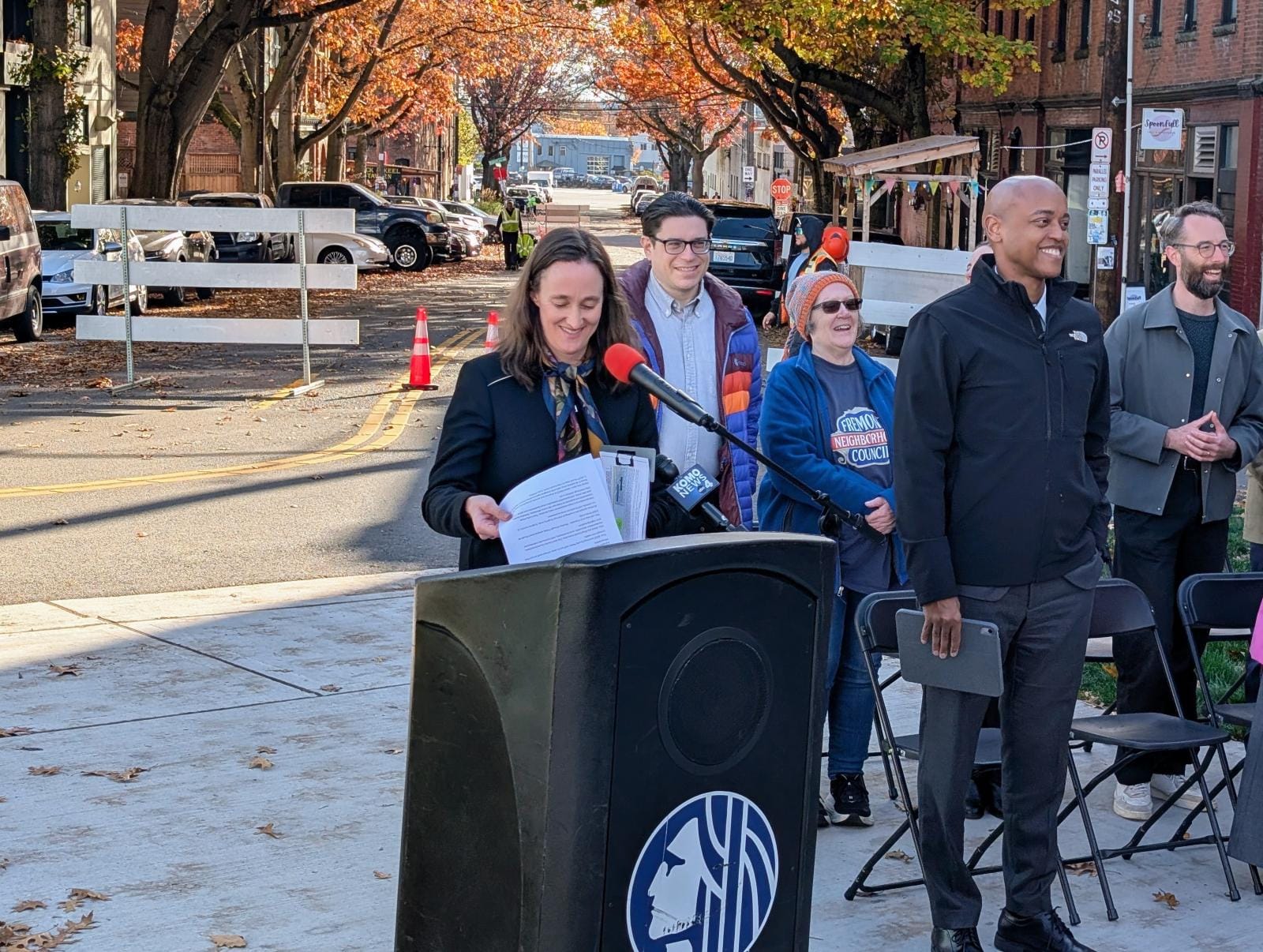
One piece of legislation would require that the Mayor deliver a proposed budget that is balanced in future years, not just the applicable biennium, extending a requirement passed last year that was only for a single year. The other piece of legislation would impose the same requirement on the council.
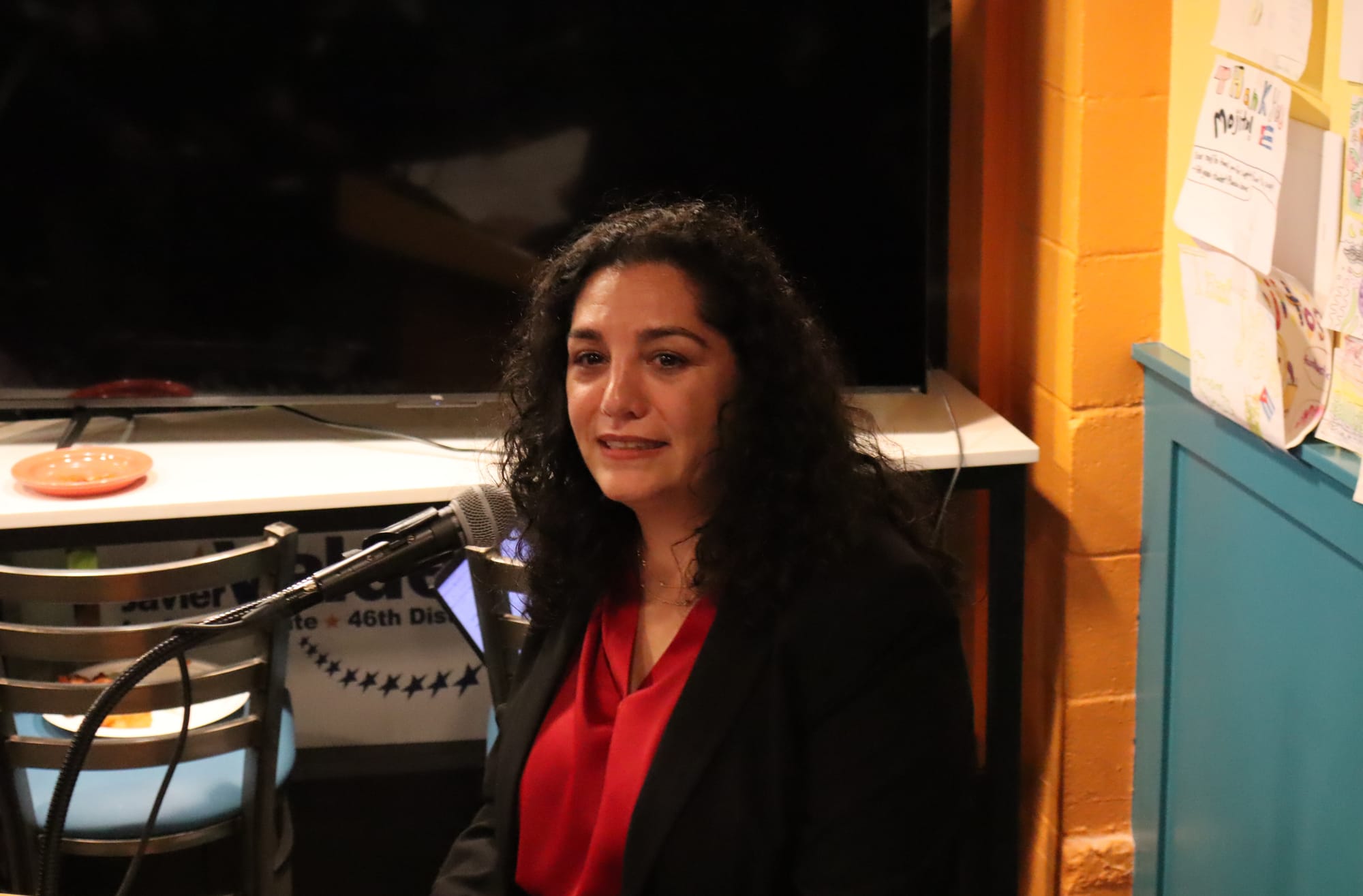
“We've asked the Mayor to make really difficult decisions to balance the budget this year and in the out years. Let's make sure that we have continuity in our planning,” Foster told The Urbanist. “And for me, it's hard to imagine having that continuity if we have one standard for the Mayor, and we don't also have the same standard for the council. So what I proposed was two different pieces of legislation that required not just the balanced budget for the two years as required by law, but a balanced financial plan in the out years for both branches of government.”
Councilmember Bob Kettle proposed an identical piece of legislation requiring the Mayor to submit a budget plan balanced in future years, and the proposal has enjoyed strong council support.
However, Kettle declined to co-sponsor Foster’s legislation imposing that same good governance requirement on the council. In committee, this bill only received support from Councilmembers Debora Juarez, Eddie Lin, and Alexis Mercedes Rinck.
“I think this is a real opportunity for us to put forward two complementary good governance reforms,” Foster said at the budget meeting. “I think these two pieces of legislation go hand in hand. They strengthen transparency, establish consistent expectations, and help prevent future residents and current residents from service disruptions.”
Foster explained to The Urbanist that one-time funding to community organizations can make it difficult for them to do future planning, including making decisions about whether to hire new staff members. Meanwhile, not practicing budgetary restraint by making investments that need to be ongoing but aren’t balanced in the out years has led to continuing budgetary issues for the City.
Wilson supports both pieces of Foster’s legislation.
“The Mayor supports a requirement for the City – both branches – to present and adopt budgets that balance not just in the next year but for years to come so we can protect the services and programs that our community depends on,” Lee said.
Investments in the balancing package
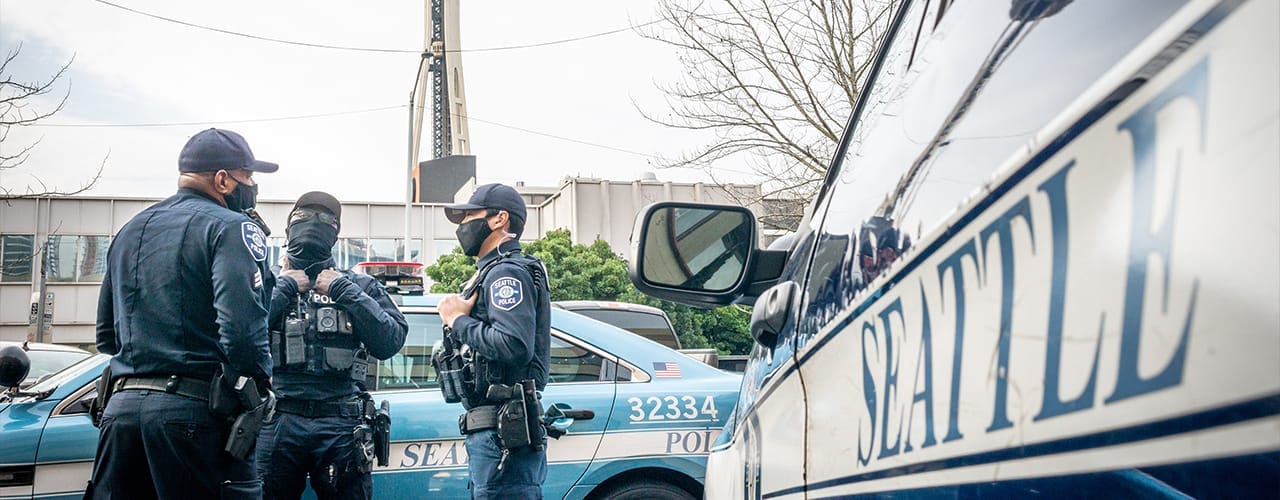
Public safety as a whole made out fairly well in Strauss’s balancing package. The Seattle City Attorney’s Office received more than $1.5 million to help deal with their case backlog, hire two more assistant prosecutors, and pay for more toxicology testing in 2027. The Community Assisted Response and Engagement (CARE) department’s budget was expanded by $253,000 in 2027 (sponsor Councilmember Maritza Rivera) for two more 911 dispatchers for non-emergency calls. The Seattle Fire Department (SFD) is receiving $8.1 million for overtime and more repairs on one of their fire boats.
The Seattle Police Department (SPD) is receiving $870,000 for a position for diversity, equity, and inclusion work and the effort to hire more women officers, noise barriers at their firing range, and several civilian investigation support positions that weren’t previously filled. The council is also trying out some revenue-backed incentives to hire more parking enforcement officers.
However, Kettle did not receive his request for more funding for hiring police officers, which would have cost an additional $792,000 in 2027 and $11.6 million in 2028 (ongoing expenses). If Kettle wants to continue his officer hiring spree, he will be forced to propose his own cuts to pay for it.
Both the Human Services Department (HSD) and the Office of Arts and Culture (ARTS) received substantial further investment in 2027 in Strauss’s package, with more than $10 million being invested in HSD and almost $5 million in ARTS funding.
The HSD funding included $2.5 million in 2026 and $2.5 million in 2027 for Rinck’s “Seattle Stand With Survivors, Every Step” campaign seeking more investment to support survivors of gender-based violence. Rinck had wanted ongoing funding for these services as opposed to funding for two years (and $8 million in investment over two years rather than $5 million), but this is a first step.
Also included in the HSD funding is Foster’s request for $350,000 in 2027 for medical debt relief for Seattle residents, a creative way to assist folks on a local level who are impacted by the health care subsidy Apple Health cuts at the federal level. The City will be partnering with non-profit Undue Medical Debt for this program.
Foster told The Urbanist this partnership will result in clearing at least $6 million of Seattleites’ medical debt. According to her calculations, District 1 currently has the most medical debt held by Undue Medical Debt, amounting to just over $2 million.
“We can make this relatively modest investment in order to wipe out a really significant amount of medical debt in Seattle,” Foster said.
After the already identified $6 million of medical debt, Undue Medical Debt will look to identify additional debt up to the amount specified in the contract with the City, a strategy that has been very effective in other cities. For example, in Memphis, the City spent $159,000 and eventually erased $17 million in resident medical debt, and Kalamazoo spent $100,000 to erase $18 million of medical debt.
The program is low burden for the people who are helped because they don’t have to apply to be helped or go through any kind of administrative process.
“You can work super hard. You can have health insurance; you can do everything that you're supposed to do and have one medical emergency and suddenly be saddled with a ton of financial hardship, right?” Foster said. “I feel like this impacts people's ability to save. It impacts their ability to pay for daily expenses. So I see this as lessening the burden on people deciding: Will I pay my medical bill or will I pay my light bill? Will I start paying down my medical debt or will I pay for my kids' childcare or a new pair of shoes? I think that's going to be really a felt experience for people, and I'm looking forward to people getting that mail and saying your medical debt has been erased.”
Councilmember Rob Saka had his re quest for more funds for the District Project Fund, with Strauss including $1 million per district for transportation projects in 2027. Foster received an additional $5 million for the Office of Housing. And Rivera sponsored the $7.1 million overtime add for SFD.
Possibly the biggest council member winner in terms of investments, aside from Strauss himself, is Council President Joy Hollingsworth. While Hollingsworth didn’t have quite as much money invested into her amendments as a few of her colleagues, both Rivera and Saka had large proposals that either had unanimous backing or directly benefited the majority of their colleagues. Hollingsworth received almost as many new dollars across a larger number of amendments.
What’s next
Councilmembers spent several hours listening to public comment on the budget proposal on Thursday, and any new amendments, which must be self-balancing, are due on Monday. Votes on those amendments begin on Friday, November 13, with a final vote on the budget scheduled a week later on November 20.
In addition to the City’s expenditures, councilmembers will also be voting on legislation, including Foster’s two budget sustainability measures.
“If you care about financial sustainability, if you care about ensuring that we are budgeting for people in a way that is consistent, I think that you should vote for both of these bills,” Foster said. “I think we just can't grandstand about the budget if we don't want to hold ourselves accountable.”
 Amy Sundberg