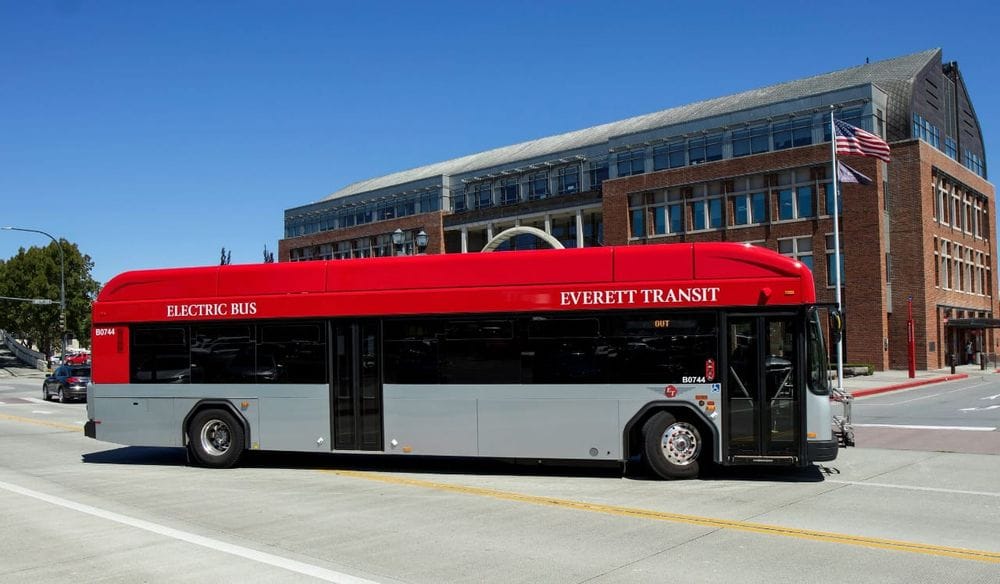
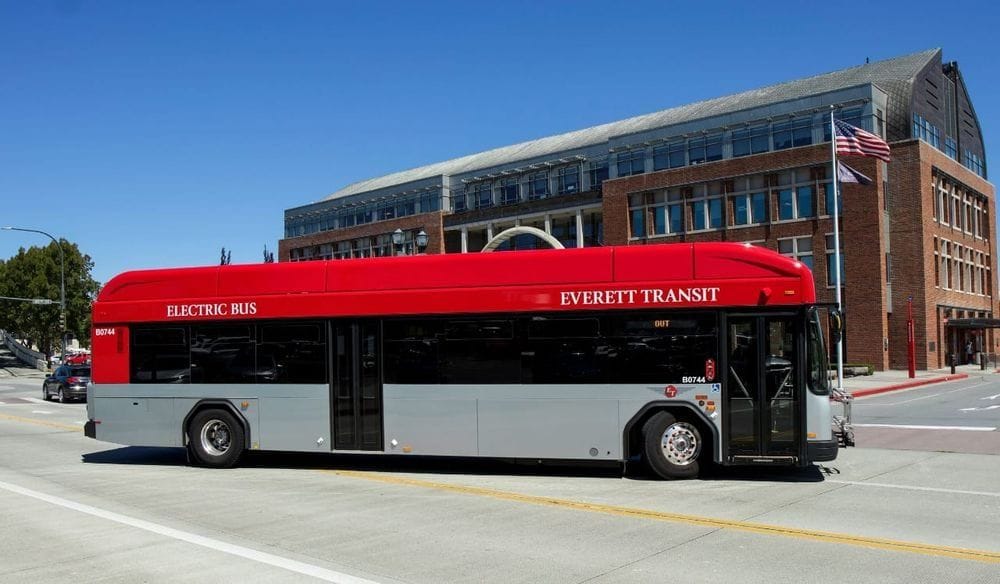
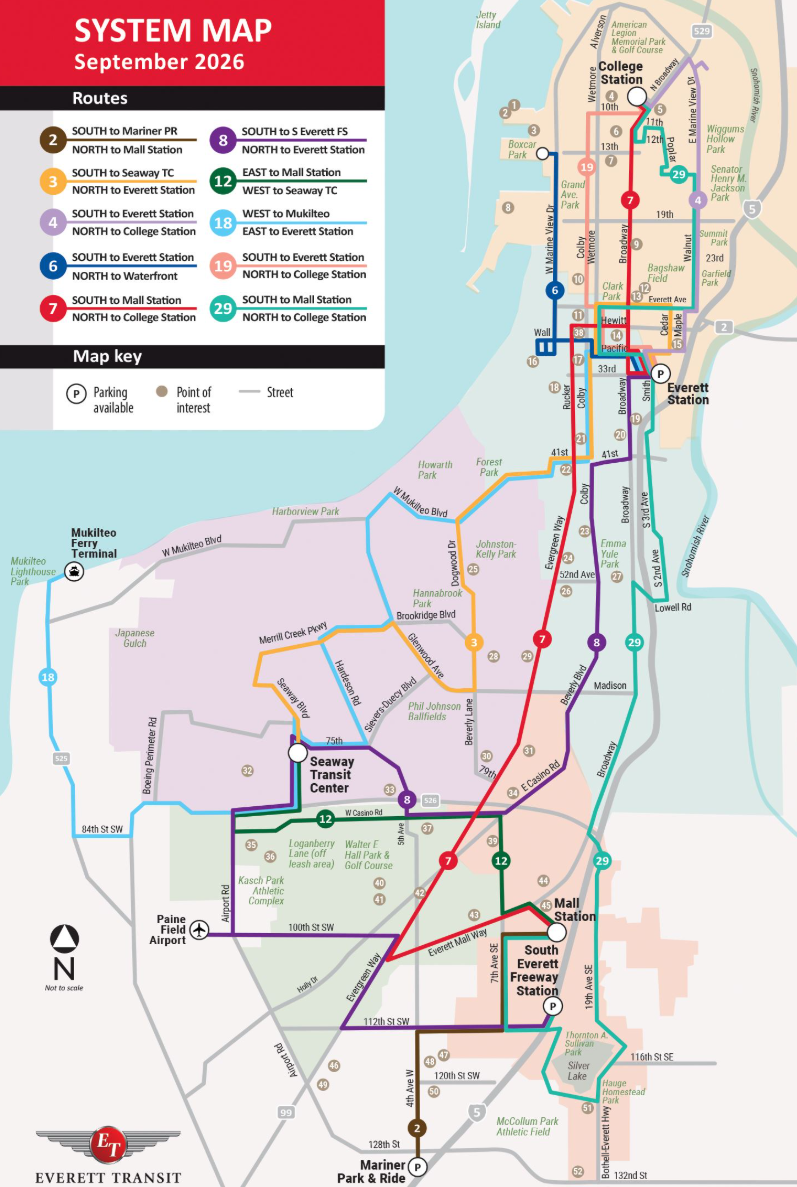
Everett residents look to be on the cusp of a major expansion of local bus service, after the release of a proposed interlocal agreement that spells out a clear path for the city-run Everett Transit system to be annexed into Community Transit. On top of creating a more integrated transit network for riders, the move would provide the resources for a 50% increase in overall bus service in Everett, including more frequent routes and service extending much later into the evening.
The Urbanist's Fall Member Drive is in full swing! Support our work, read ad-free, and help us hit our goal for the member drive!
Under the draft agreement released Wednesday, Everett Transit would be consolidated into the much larger Community Transit system next April, with an 18-month transition period to follow. The current 0.6% sales tax rate that funds Everett Transit would increase to 1.2%, bringing it in line with the rest of the county. The City of Everett would receive a one-time payment of $54.5 million for its transit assets, which include the Everett Station transit hub, and transfer $16 million in currently held reserves to fund future equipment and vehicle replacements.
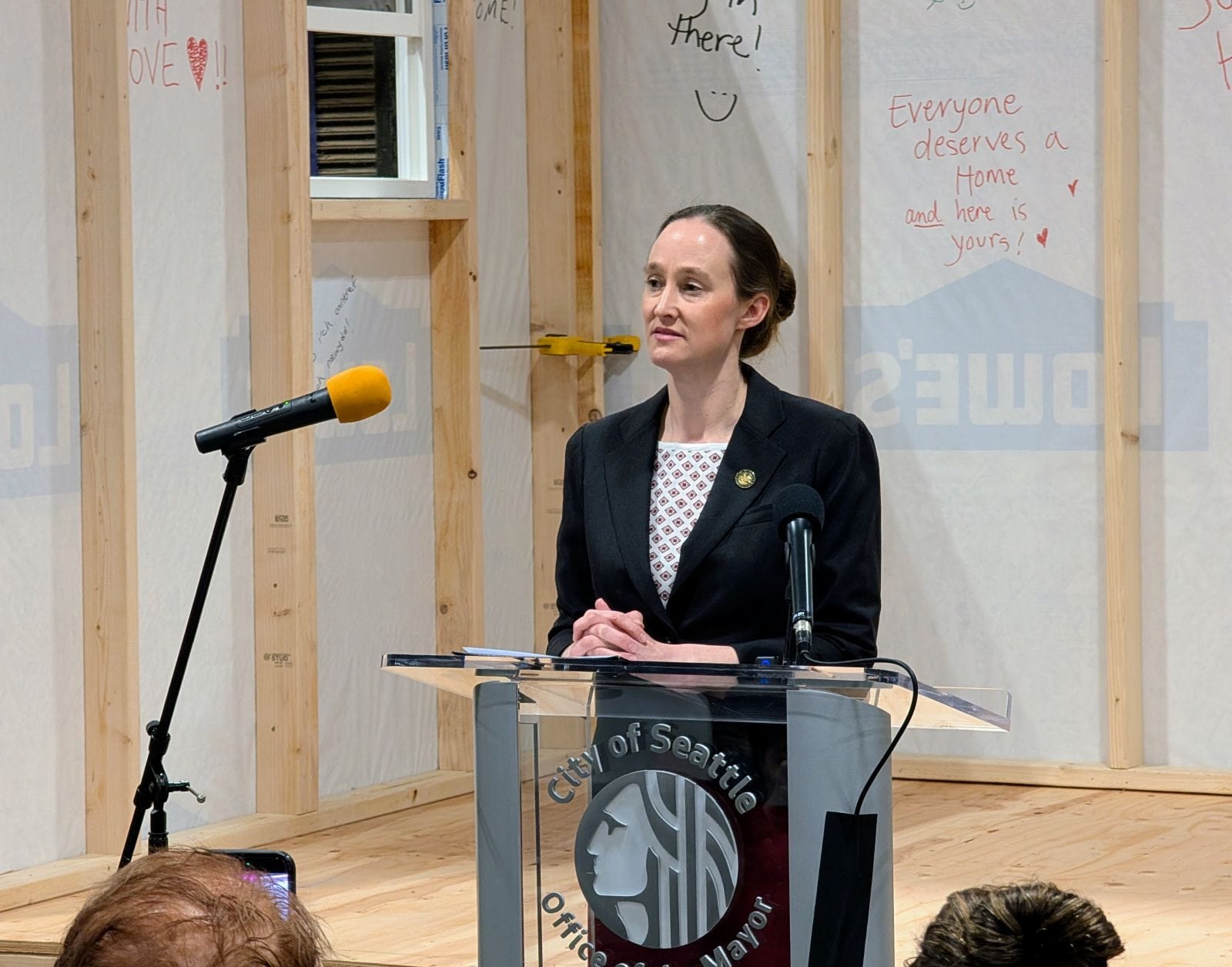
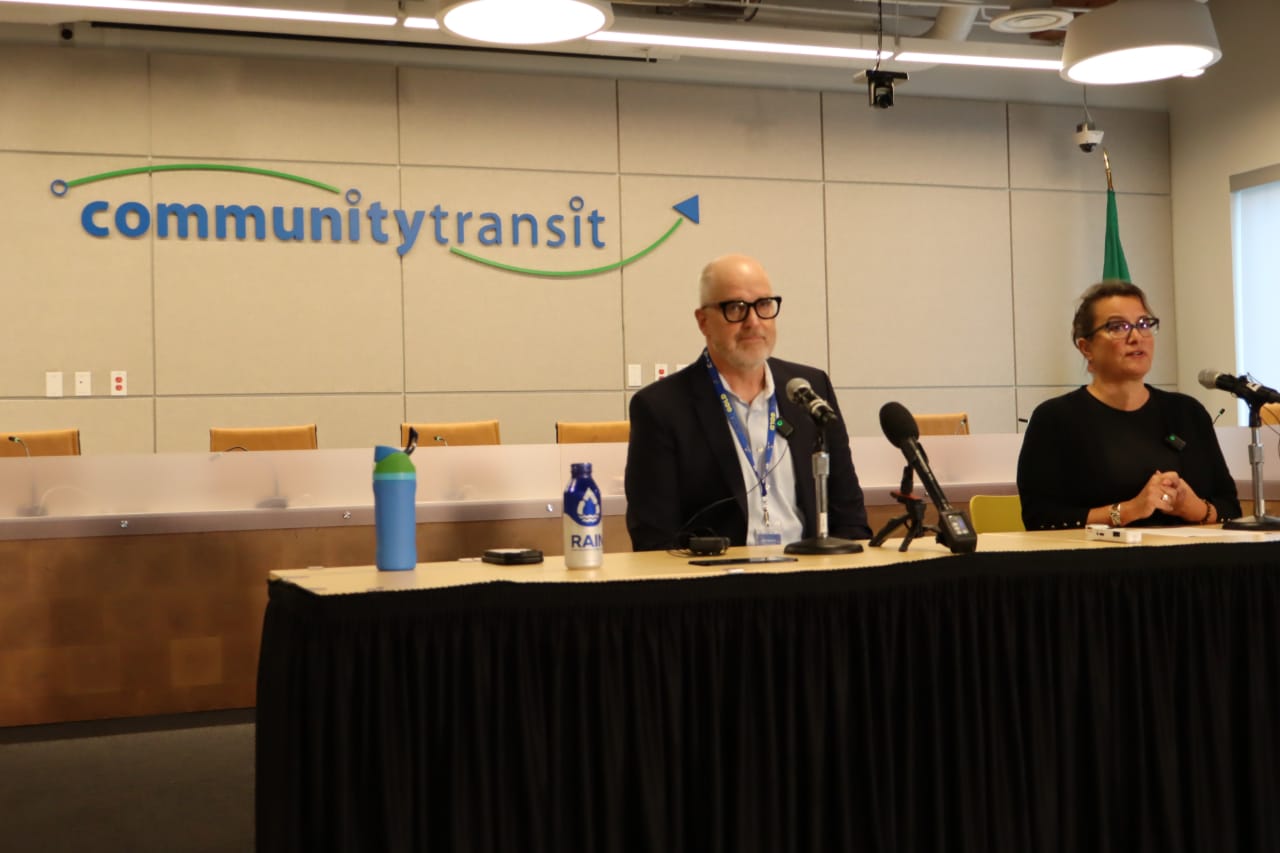
"First and foremost, it's the only way to grow our transit system to meet the needs of our fast-growing communities," Everett Mayor Cassie Franklin said in announcing the agreement alongside Community Transit CEO Ric Ilgenfritz. "It's going to increase our transit capacity, and that keeps light rail on track, and that is a priority for all of us to get people off of I-5 and into public transportation that serves the region. And it's going to protect all of the transportation services within Everett that we have so many people relying on."
The annexation still needs to be approved by both the Everett City Council and the Community Transit Board of Directors, with potential votes set for early November following a pair of public hearings. But thanks to a 2025 change in state law, it would not need to be approved by voters, moving forward as soon as those two votes take place.
If given the green light, Community Transit would start work on an integrated network plan shortly after passage, with the existing Everett Transit network a baseline that the agency has to "maintain or exceed" service levels across. Starting in March of 2028, additional service would ramp up, with the full 50% increase in service levels required to be implemented by 2030.
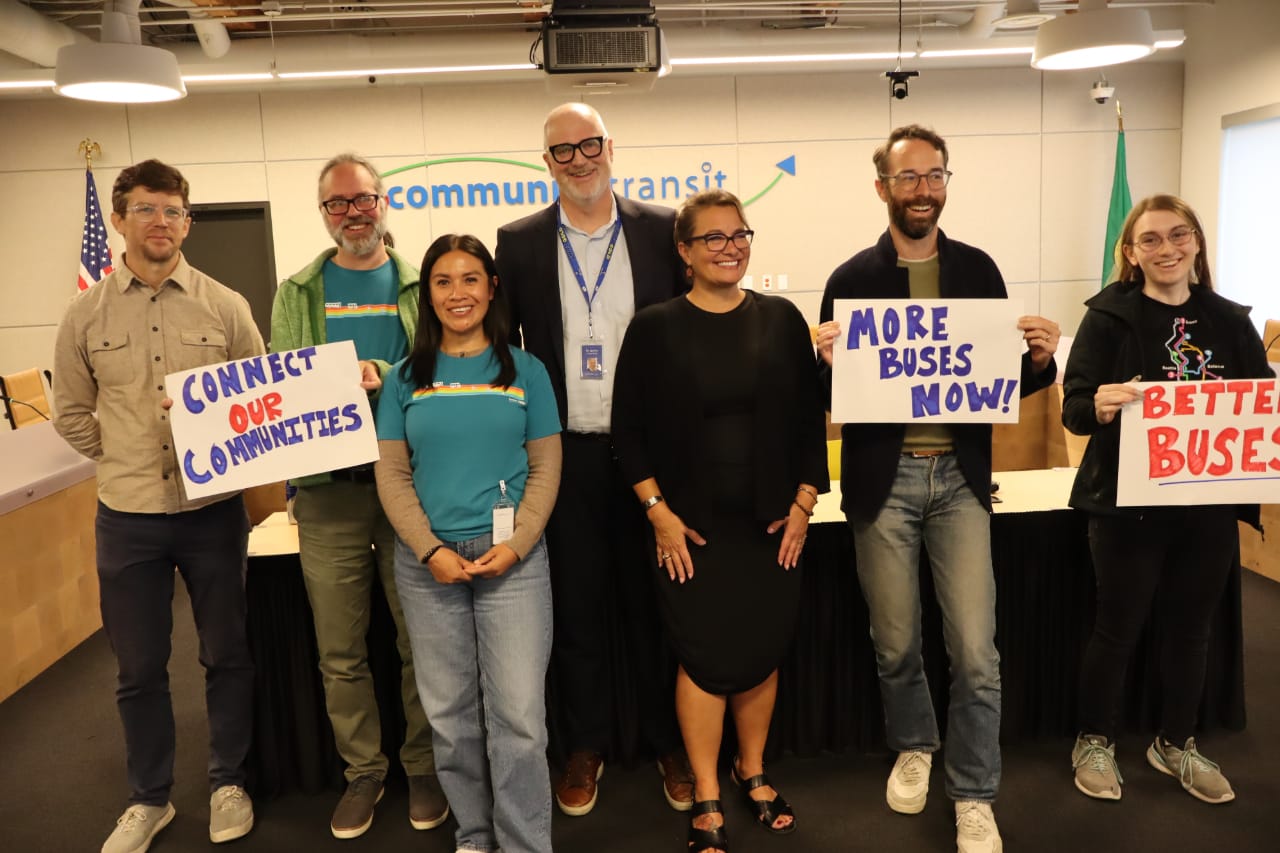
"For Everett residents, this is going to be longer hours of operations. It's going to be more bus service hours, more busses operating within the city of Everett, shorter wait times, more direct routes, more connections – not just within Everett, but throughout the county," Franklin said.
Community Transit will commit to maintain the existing Swift Blue Line between Everett and Shoreline, and continue planning for its next bus rapid transit project, the Gold Line between Everett, Marysville, and Arlington that is on track to open in 2031. The agency also promises to add one on-demand microtransit service area in Everett, adding to existing Zip Shuttle zones that are already in place in Darrington, Lake Stevens, Arlington, and Lynnwood's Alderwood neighborhood.
Everett Transit's $2 adult fare and $0.50 fare for seniors and people with disabilities – slightly lower than Community Transit's respective $2.50 and $1 fares – will be required to be maintained for a period of at least one year.
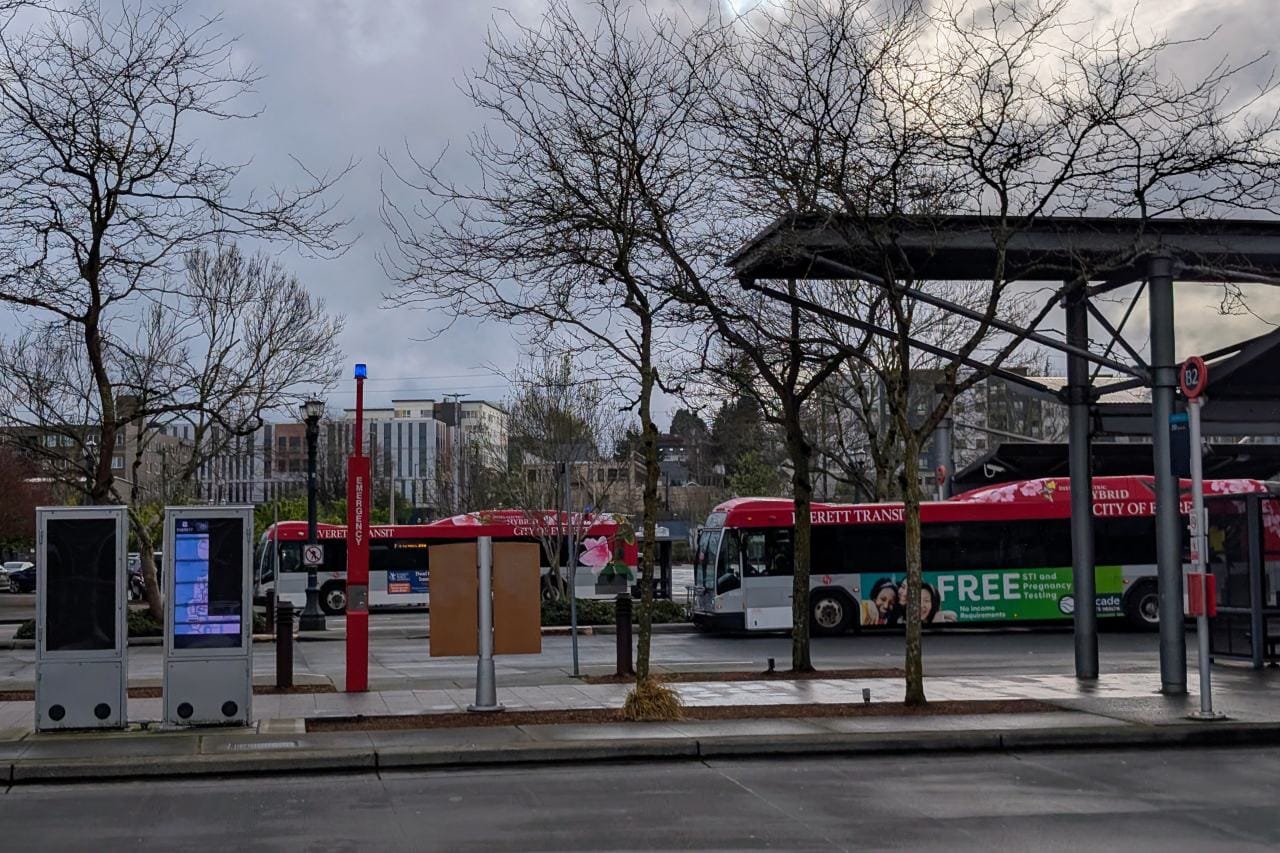
One point of contention around this potential merger has been paratransit service, the on-demand shuttle service for people with disabilities that transit agencies are required to provide under federal law. Everett Transit provides its paratransit services in-house, with Community Transit instead utilizing contractors through bus operator TransDev. In addition, Everett Transit has long gone beyond its basic requirements around who receives paratransit service, including the entire city within the service area rather than limiting it to a specific distance from fixed-route transit, and including all Everett residents over 65 years old.
Under the agreement, Community Transit agrees to maintain service for all existing Everett Transit paratransit customers, using existing Everett Transit vehicles "for as long as practical." New customers who previously would have qualified for paratransit service in Everett based on age would not be able to enroll in the program.
In spite of the clear benefits that could come from service expansion, the idea of a merger has vocal critics within Everett, including from a contingent of Everett Transit employees. Wrapped up in concerns over job security – and opposition to a sales tax increase – is the idea that Everett would lose direct control over how service in the city operates.
"Things will fall through the cracks with Community Transit that don't with Everett," Everett Transit operator Daryle Sullivan told the Everett Council in August. "Right now you can walk out of your door and walk two blocks and get to a bus stop, and that'll get you eventually to Everett Station where you're set. Community Transit – that's not what they specialize in. We do. We can't do what Community Transit does. They can't do what we do. Keep everyone in their lane, doing what they do best and specialize in."
In contrast, Ilgenfritz framed the benefits of an integrated network as a major upgrade for Everett residents. In his six-year run as Community Transit CEO, he has overseen a transit agency that has been able to eclipse 2019 ridership levels by increasing service and capitalizing on the expansion of light rail into Snohomish County.
"The things that excite me about this are the trips that can't be taken today, or are very difficult for any regular person to use today," Ilgenfritz said, noting that it's nearly impossible for an employee at Everett's major employment centers of Providence Hospital, the Navy Yard, or the Port of Everett to get to their job if they live elsewhere in the county. "We have an opportunity to break down those inefficiencies in the network and create direct connections between all of the other cities in this county and those employment centers, and that's what's going to be so essential for this city and this county to compete in the global economy in the years ahead."
Ultimately, the shift from Everett Transit to Community Transit would represent a major change, with one of the state's last city-run transit agencies disappearing. But from a rider perspective, the transition plan unveiled this week provides a path to making that change as painless as possible for riders.
"If we do our jobs right, the employees of Everett Transit, customers of Everett Transit, won't see any changes in their service as the ownership of that responsibility for providing public transit in Everett shifts from the city to us," Ilgenfritz said. "If you are an Everett Transit user today, the service you see out there on the road today will be there after this takes effect. And once we get through that planning process we talked about, it will start to get better."
Transit riders and residents will be able to weigh in on the proposed merger at a public hearing at the Everett City Council on October 28, and at the Community Transit board on October 29. Votes would come one week later.
 Ryan Packer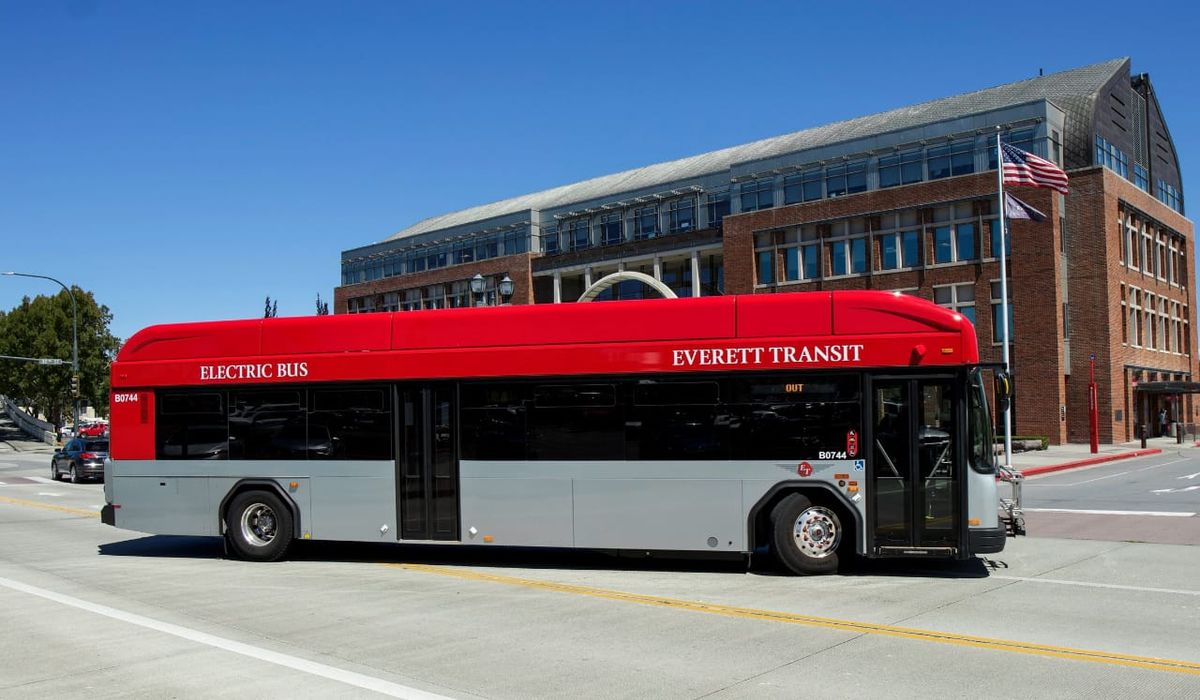
 Ryan Packer