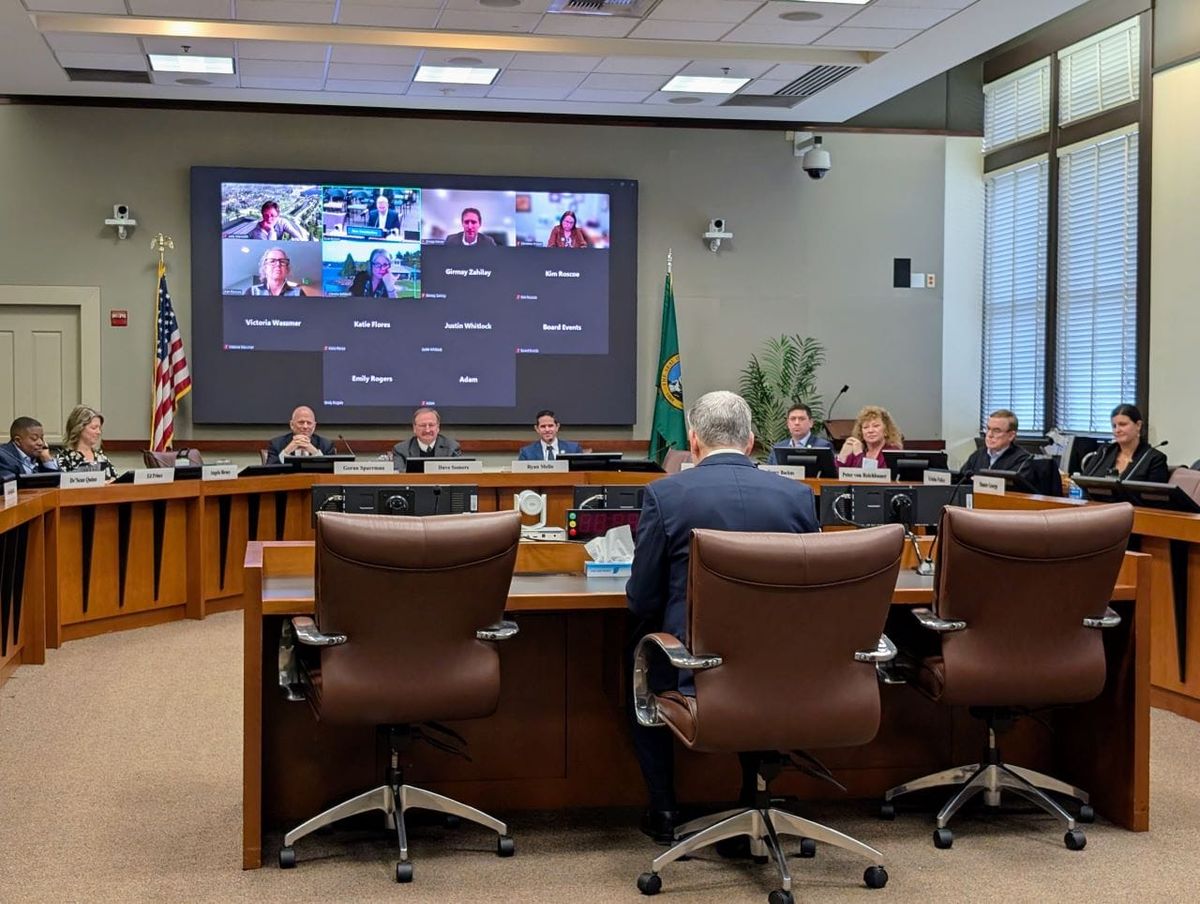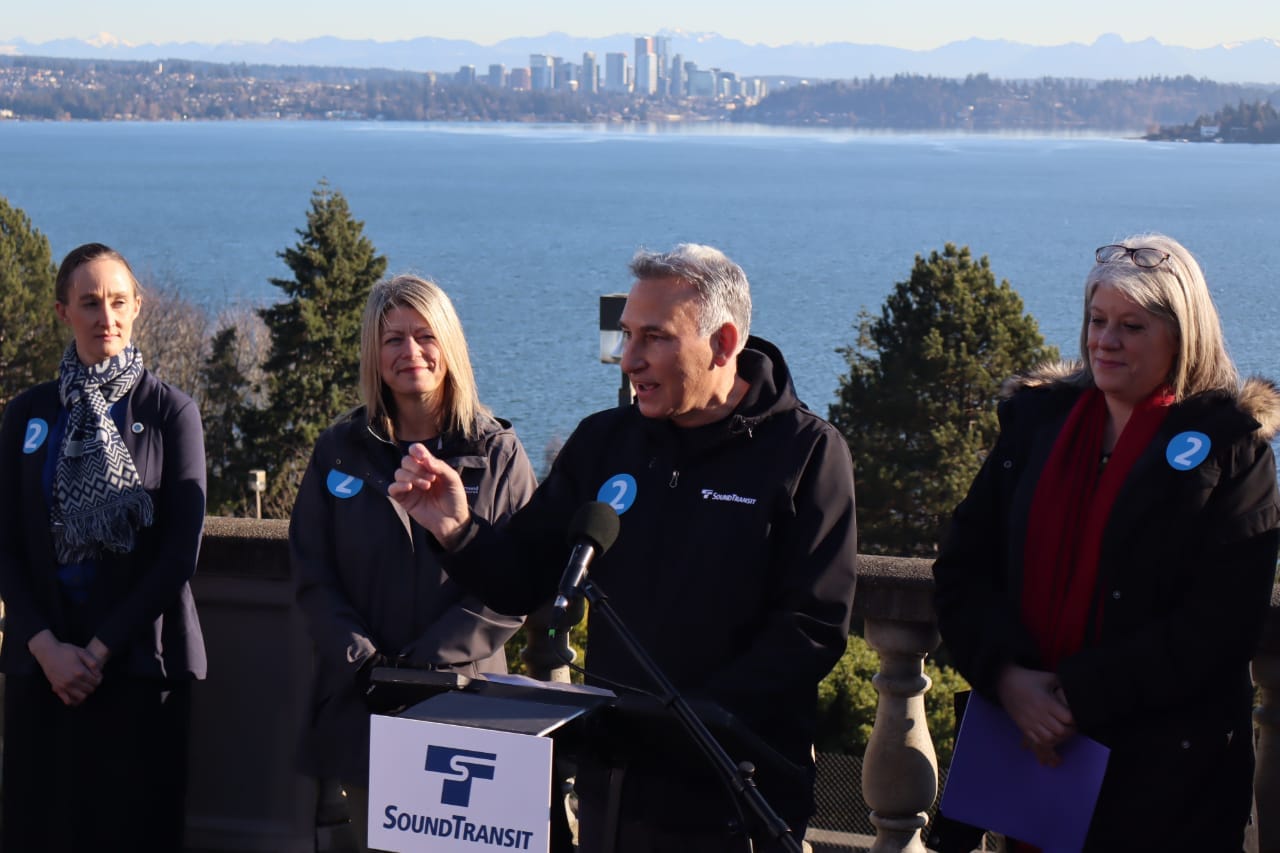
The Sound Transit Board of Directors voted unanimously to grant agency CEO Dow Constantine a three-year extension on his contract on Thursday. Sound Transit Board Chair Dave Somers made the motion and spoke highly of Constantine's work.
"I've been around public service long enough to know strong, steady leadership matters, especially when the work is difficult and the stakes are high," Somers said. "And Dow has earned our confidence. Retaining him for the longer term is the right decision for this agency, our staff, and for this region."
The Urbanist's Fall Member Drive is in full swing! Support our work, read ad-free, and help us hit our goal for the member drive!
In addition to extending Constantine's contract through the end of 2029, the motion also stipulates terms for two one-year extensions that could leave Constantine at the helm through 2031. If the agency does not exercise those extensions or fires him without cause, it will need to pay a severance package amounting to 18 months of pay.
As Snohomish County Executive, Somers noted the work to keep Everett Link on schedule – even as other light rail expansion projects rail face big delays after a budget reckoning vote in May – was high on list of Constantine's achievements in his first 18 months in office. Everett Link recently hit an important milestone, with the release of the Draft Environmental Impact Statement (DEIS), which opened a public comment period and pushed the project a step closer to a final design.
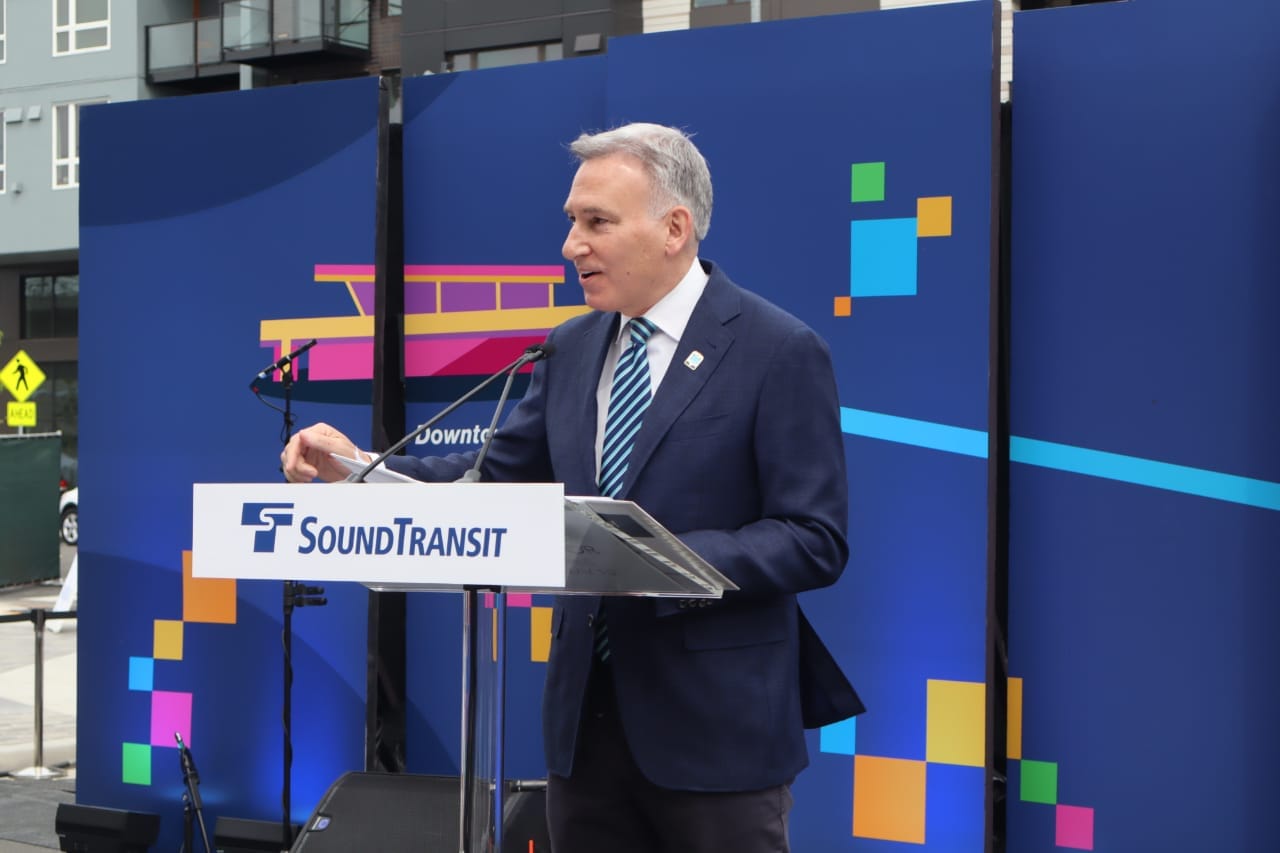
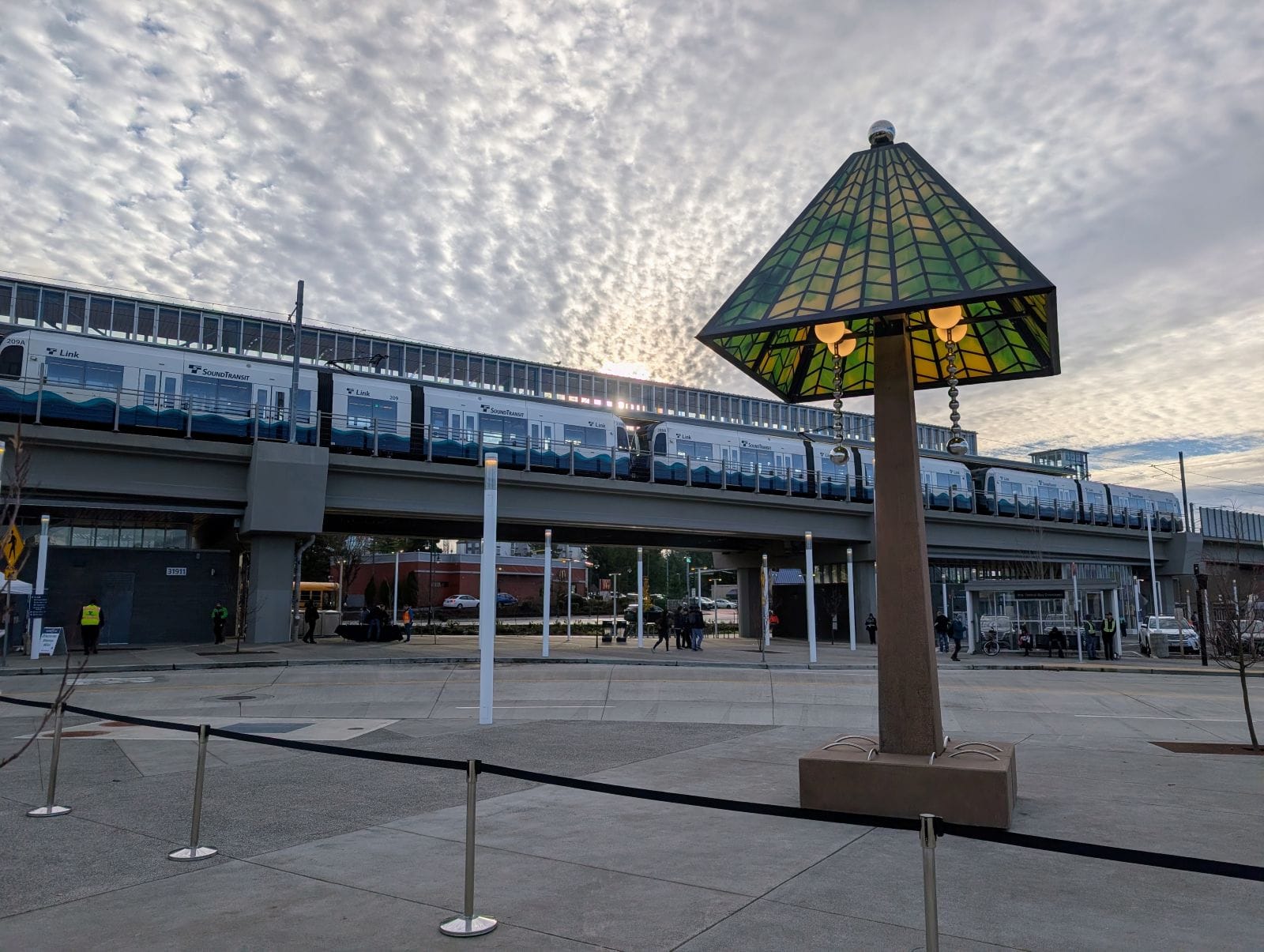
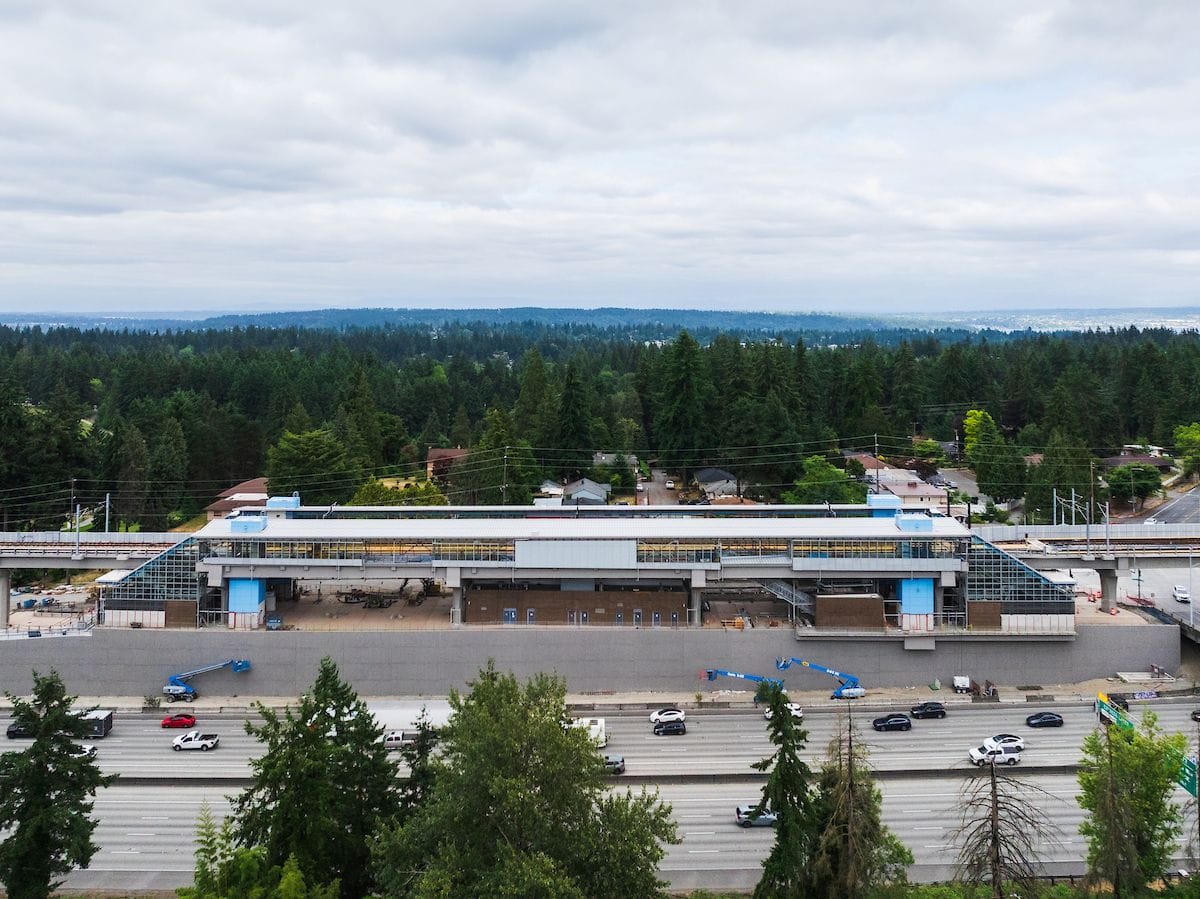
"I want to take a moment to recognize some of what Sound Transit has accomplished under Dow's leadership," Somers said. "Opened the 2 Line crosslake connection. Provide highly reliable operations for the 2026 FIFA World Cup, the largest operational test in the agency's history, successfully navigating the Enterprise Initiative and closing a $34 billion funding gap, and then immediately taking action on the steps outlined in the updated system plan. Opening Federal Way Link ahead of schedule, preparing to open the Pinehurst Station, our system's first infill station, which will be happening in just a very short time, advancing West Seattle and Everett Link through critical planning milestones, improved rider experience with increased ambassadors, wayfinding and security measures with fair gates coming soon as well, significantly reducing unplanned service disruptions through a new preventive maintenance program, all the while overseeing one of the most complicated and ambitious capital development programs in the entire country. Don't forget Everett Link DEIS [released] for public comment."
Sound Transit is still hoping to open the first segment of Everett Link (as far as Paine Field) by 2037, only one year later than promised in the Sound Transit 3 (ST3) ballot measure. The timelines for most other ST3 projects have fared much worse. For example, the northern half of Ballard Link (originally pledged to open in 2035) is at risk of a 25-year delay if the agency doesn't massively cut costs or find new revenue.
While delays have been most acute in the King County segment, King County Executive Girmay Zahilay echoed Somers' sentiment and gave Constantine high marks.
"Dow is doing an exceptional job, and so is his team," Zahilay said. "I'm very excited to be able to renew the contract and look forward to the continued leadership to deliver on behalf of the people of the Puget Sound region to build a regional transit system that we can all be proud of. And I think through all of the challenges that this agency has faced, both Dow and the chair have been doing a tremendous job, and I'm honored to be able to vote yes today."
After a long run with Peter Rogoff as CEO, Sound Transit had a bit of carousel in leadership. Julie Timm took over in 2022, coming over from Greater Richmond Transit Company in Virginia, but she lasted just 16 months before resigning, with some on the board growing dissatisfied with her leadership.
Former Seattle Department of Transportation head Goran Sparrman took the reins in an interim capacity in 2024, while the agency launched a national search. As that search dragged on, Sparrman informed the board he'd stay on no later than May 15, 2025. The board finally landed on their decision and found they did not need to look nationally, or even beyond their ranks for the leader they sought. Constantine took over on April 1, 2025.
The contract approved Thursday doubles down on Sound Transit's leader and the approach the agency has hewed to for the previous decade. Constantine was one of the chief architects of the ST3 package, which will push the agency to 116 miles of light rail when completed, and he'll continue to guide its buildout through a pivotal time.
During the public comment period of the meeting, a few transit advocates expressed frustration with the course Sound Transit is on and doubling down on that approach. Save Ballard Rail organizers like Carl Aslund expressed worries the project was getting left behind and buried.
"So how about that Ballard EIS? I believe that one was supposed to come out in October," Aslund said. "We'd love to get a date for when that's being released, and we'd also love to hear a date for a public forum in Ballard, so that the rest of our community who is unable to call in during work hours could all also learn more about what's going on."
In response to that call from advocates, Constantine did share that a Ballard public forum will occur on Monday, October 19, although the exact time and location are still to be determined. The project's long-delayed DEIS has been hung up in FTA review, with the Trump Administration appearing to give more scrutiny to an urban rail line compared to a suburban one.
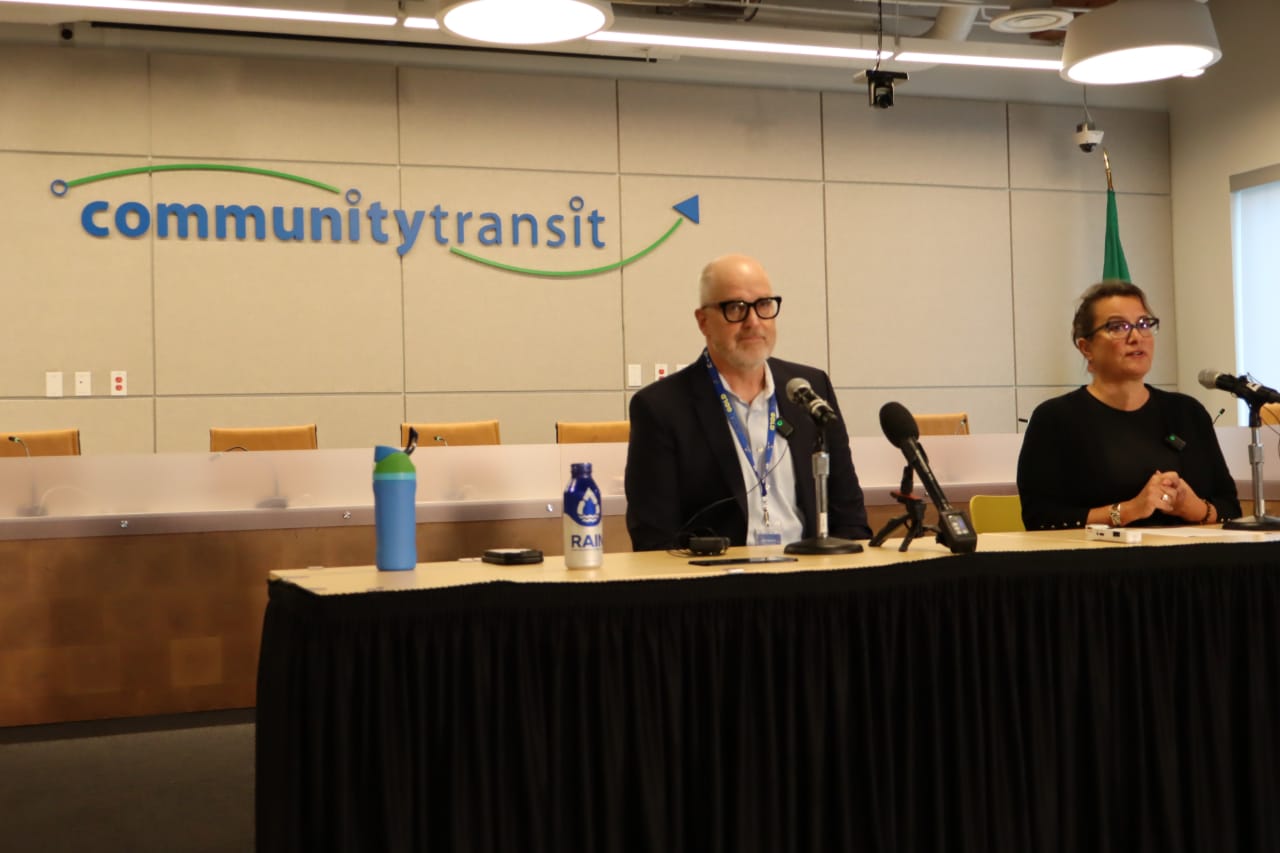
In his brief remarks after securing the extension, Constantine underscored his passion for the work and set an ambitious goal of building the finest transit system in the United States.
"I can tell you now that you've completed the vote that I'm passionately dedicated to this work, and as I said a year or so ago, I will say again, I would do it for free," Constantine said. "So, but I'm glad you voted for the contract. So I look forward to continuing to build this organization, deliver the system that the voters approved, and really raise up the level of service, the quality of the service that the people are receiving, to make this the finest transit system in the country."
While Constantine joked he'd do the work for free, his compensation, by design, was in line with peers. Sound Transit staff did a market study that found that Constantine's half a million base salary is in line with comparable transit CEOs, the board motion notes.
In December, the board offered Constantine a merit-based raise, which he had deferred, though his contract does include cost-of-living adjustments throughout its term and further opportunities for merit pay. Additionally, the board awarded the CEO a $30,000 performance bonus, which he had previously deferred.
"On December 18, 2025, through Motion No. M2025-66, the Board gave Mr. Constantine a performance rating of outstanding based on his work in achieving his 2025 performance goals and objectives, however, a merit increase to his base salary and a discretionary annual contribution performance award were deferred at the CEO’s request," the board motion states.
Starting April 1, 2027, Constantine's annual base salary will grow to $490,086, with a 4% cost of living adjustments lined up annually, plus a business travel expense account and generous package of benefits, including nearly $100,000 in retirement benefit contributions annually, some of which is required by law.
One area where the board scaled back their initial proposed offer was on paid vacation time. The motion had initially offered 45 days of paid time off, but an amendment from Pierce County Executive Ryan Mello reduced annual paid time off to 35 days, the same as the current contract offers.
Contract settled, Constantine will now have three to five years to put his head down and try to whip a troubled ST3 package in shape, despite enormous near-term headwinds from a transit-averse Trump Administration and rising construction costs. With transit grants essentially impossible to come by under Trump 2.0, the agency will need to be ready to strike when new leadership takes over, theoretically, in 2029.
In the meantime, one thing the CEO will be doing less of is overseeing light rail openings, with no planned ribbon-cuttings after Pinehurst next week currently on the calendar until the Graham Street infill station in 2031.
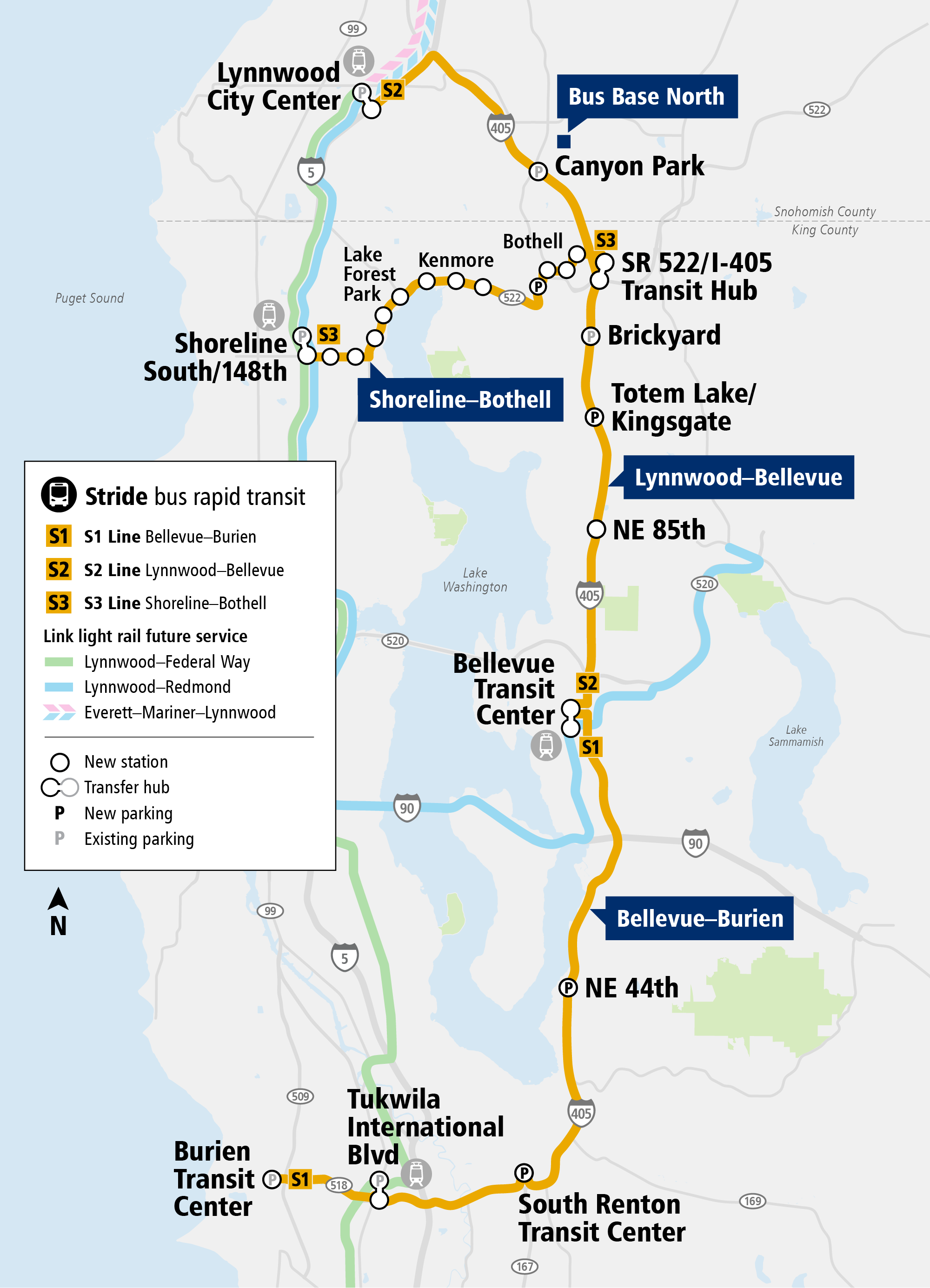
The agency's delivery focus in the next three years will be the Stride bus rapid transit program, which the ST3 measure had promised in 2024, but the three lines have slipped four years behind schedule. Stride will stretch from Burien to Bellevue (S1 Line), from Bellevue to Lynnwood (S2 Line), and from Shoreline to Bothell (S3). The S2 is the most behind schedule and is slated to open in 2029.
 Doug Trumm