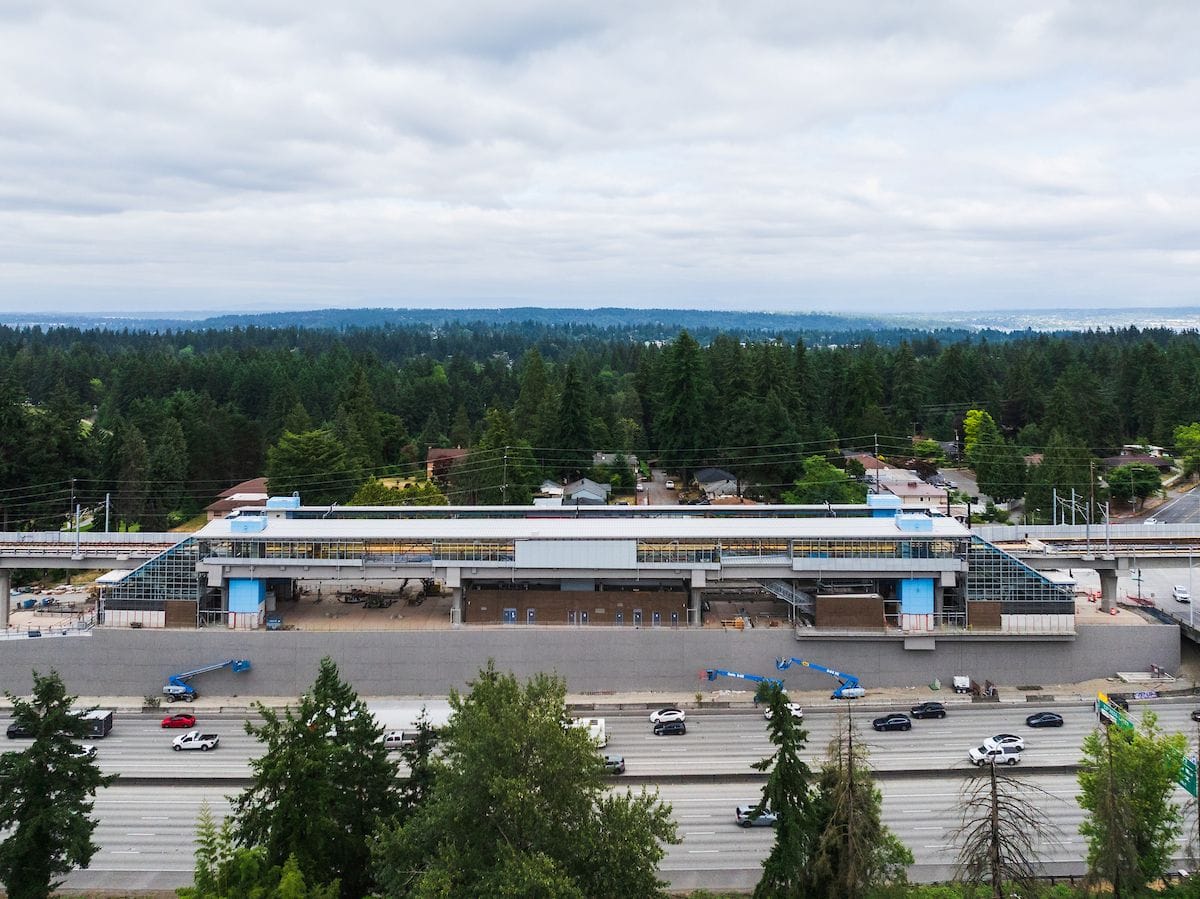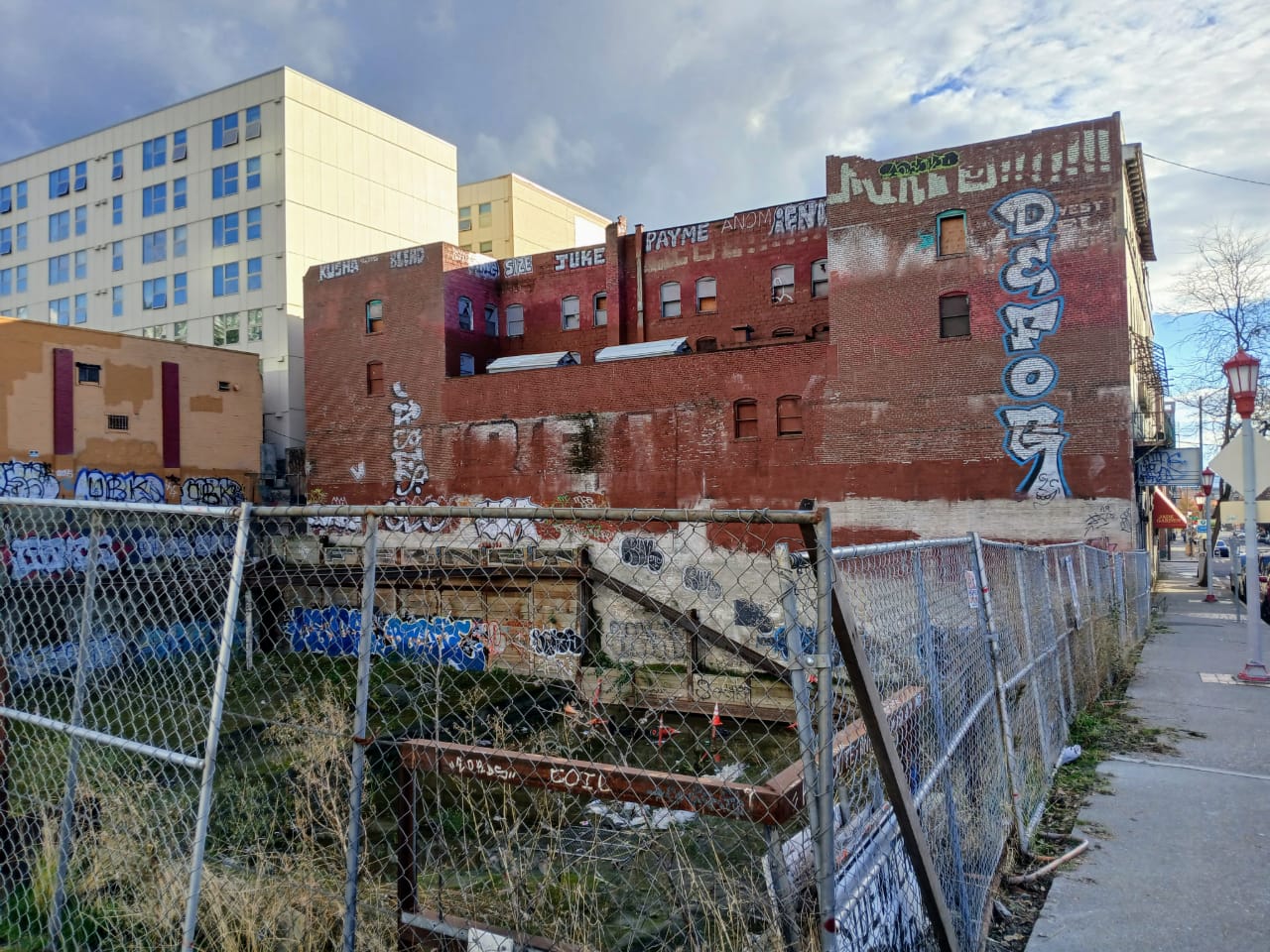
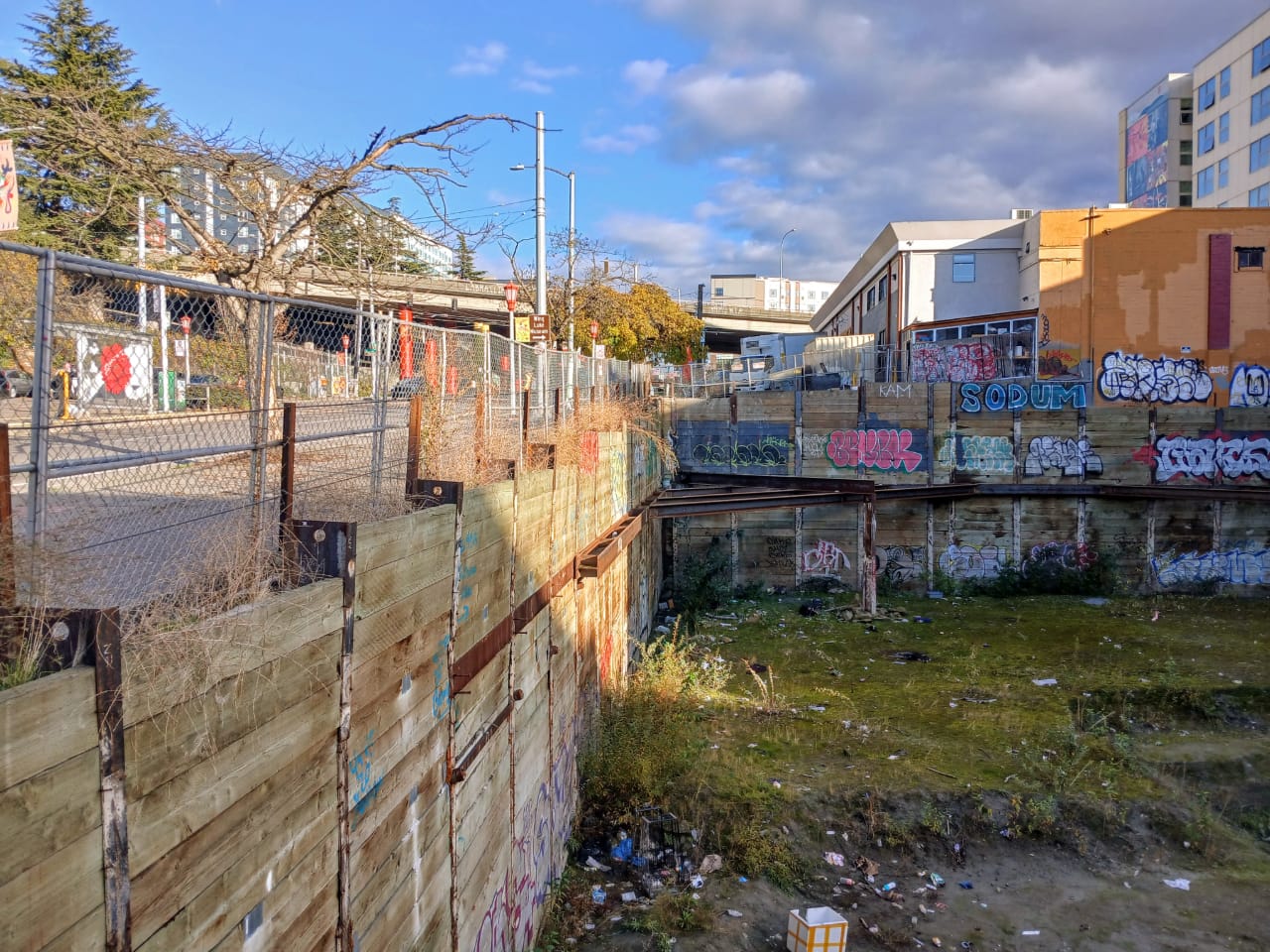
A proposal from King County Executive Girmay Zahilay to finance an affordable housing project is raising some eyebrows at the County Council, due to a draft lease agreement that could leave the County's general fund on the hook for unexpected cost increases for years down the line. The project, at 701 S Jackson Street in Seattle's Chinatown-International District (CID), would include 111 new, mostly family-sized units along with retail space but also turn King County into a tenant charged with paying off bonds used for building construction.
The ordinance currently in front of the County Council would provide financing to a $63.8 million apartment building that has been stalled for many years. Developers Nitze-Stagen and the Housing Diversity Corporation, operating as a joint entity called O.Z. Navigator, secured permits for 701 S Jackson Street in 2022 as a 238-unit building, mostly one-bedroom units and studios.
Going in on a site previously owned by the CID's storied Mar family, the former gas station required significant site remediation work to make it suitable for housing. And even though that remediation work is now complete, the construction project was never able to move forward due to financing issues.
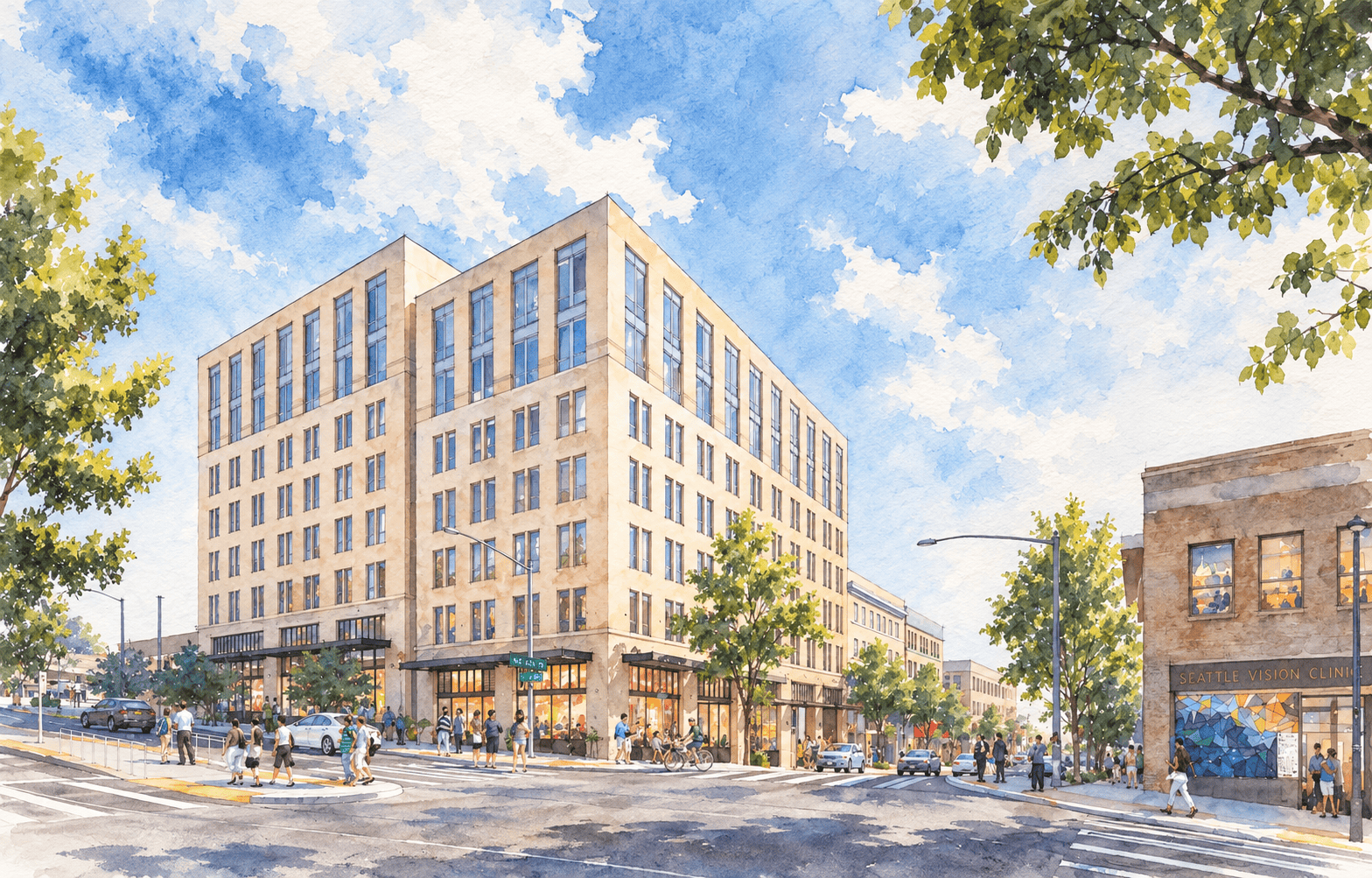
Six years later, the project has been redesigned with far more family-sized units, making it more attractive to public financers following an oversaturation of Seattle's studio and one-bedroom affordable housing market. Of 111 total apartments, 96 would be two-bedrooms, and 14 would be three-bedroom, all available to residents making 67% of King County's area median income or below – around $90,000 per year for a family of three. Designs include one one-bedroom unit.
Included in a slate of housing investments tucked into Zahilay's proposed mid-biennial budget update this fall, the 701 S Jackson project was notable in that it was missing a specific dollar commitment, in contrast with line items like a $4 million earmark for the Pacific Tower Quarters Building in Beacon Hill and $1.8 million for a veteran's housing project in Kirkland.
That's because the deal in the International District would be structured very differently than the other projects.
Under the ordinance that could be voted on as soon as December 8, King County would serve as the third party on a Development Services Agreement with the Housing Diversity Corporation and a nonprofit specifically set up for the project, 701 Essential Housing. That entity would issue up to $90 million in tax-exempt bonds to build the project, with Housing Diversity Corporation the developer.
"Upon completion of construction, the Master Lease Agreement would be effective, allowing the County to lease the property from 701 Essential Housing," a staff report from late October noted. "On behalf of the County, 701 Essential Housing would manage subleases for residential and retail tenants. The County would make payments to 701 Essential Housing to cover any remaining debt service and operations costs not covered by sublease revenue. At the end of the 30-year lease term and full repayment of the bonds, the County would assume ownership of the property."
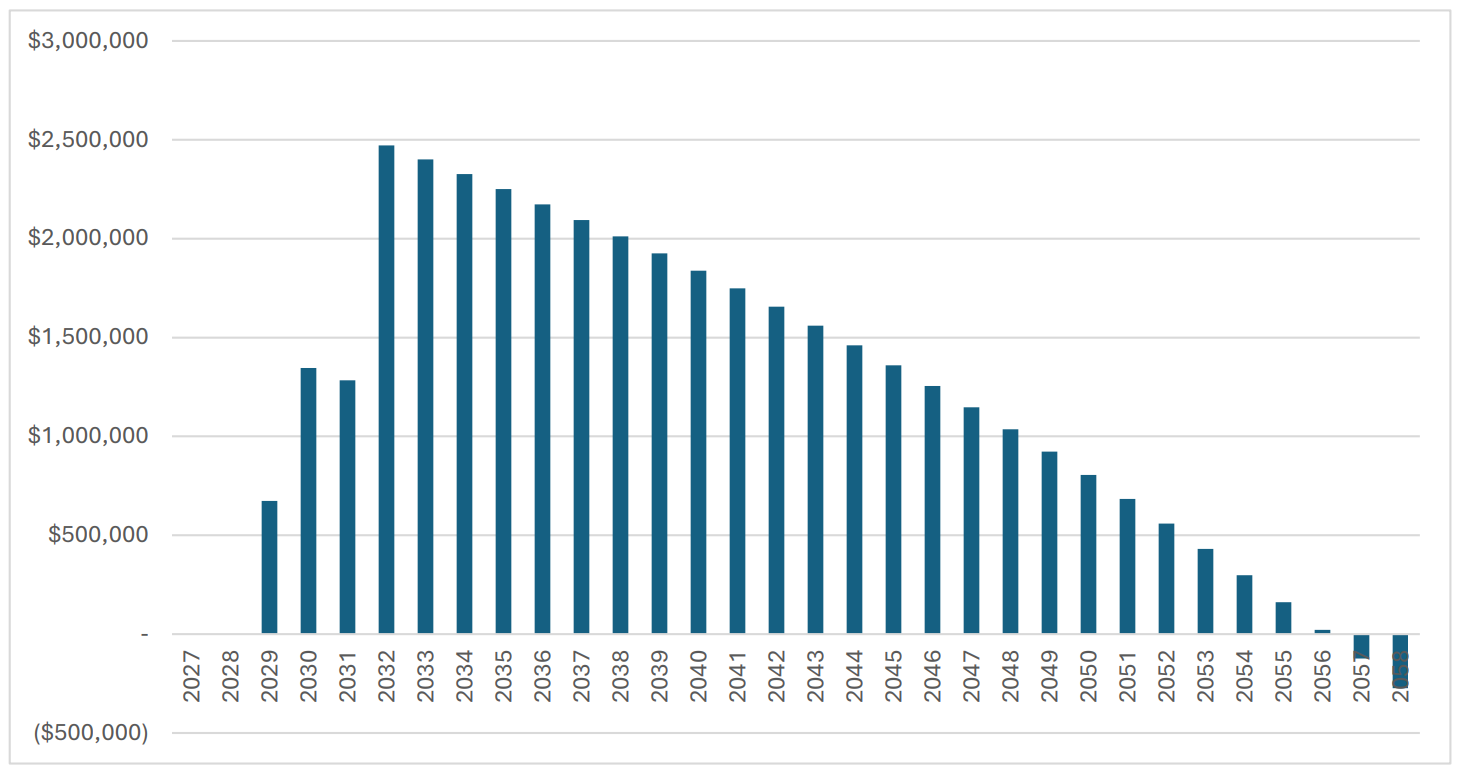
In the financial scenario envisioned by Zahilay's office, the County would be responsible for paying $37.5 million over the life of the project, with a maximum annual payment of around $2.5 million in 2032 that ramps down over time.
King County Chief Budget Officer Aaron Rubardt told councilmembers that the County's general fund, under significant strain in recent years by restrictions on property tax growth and limited growth in unincorporated areas outside cities, is currently tabbed as the primary source of revenue for the project. But Rubardt also noted that another funding source could be found at a later time – potentially the countywide housing levy that Zahilay has been formally considering since shortly after taking office.
"The proposal is for the general fund to back this, and we built into our general fund projections that the general fund would pay the debt service," Rubardt told councilmembers. "But over time, the Executive and Council can make a decision to have another funding source fund it. So I think that is fungible over time. So keep that in mind, it doesn't all have to be paid by the general fund, but the obligation that we're signing up for does obligate the general fund as the backer of the debt."
A $37.5 million general fund contribution to fund 111 units would amount to one of the largest set-asides for an individual affordable housing project in King County history. The proposed investment works out to just over $337,000 per unit, albeit spaced out over 30 years.
In 2025, King County’s Housing Finance Program awarded $23.7 million to eight projects total, helping to advance a collective total of 672 homes – however, all of those projects were receiving additional financing on top of any County contribution.
But as laid out in staff analysis presented during Tuesday's work session, the county's contribution isn't fixed in place. Various scenarios could play out that would balloon that number, including lower-than-expected occupancy of the rental units, increased construction costs, and higher interest rates.
With a 30% increase in project costs, the staff presentation noted, the County contribution could end up at $77.2 million, doubling the amount in projected pro-forma plan that the Zahilay administration presented. With a 1% more expensive bond coupon, costs could go up by $20 million. A vacancy rate at 701 S Jackson Street that is double what's currently expected could cost the County an additional $13 million, despite the fact that the County would not be in control of managing the rentals itself.
Even more worrying for the general fund is the fact that these scenarios could all occur to various degrees, with nothing constraining the top cost that the County would be held responsible for.
"It is not possible to predict which of these scenarios, or which combination, might occur," this week's updated staff report noted.
During the meeting, Rubardt faced questions about why the deal was structured in this specific way, with Rubardt pointing to the need to stand up affordable units quickly. A slowdown in development traced to higher interest rates and higher operating costs for existing affordable housing buildings does mean that there are fewer shovel-ready projects that the County could plug itself into.
"The priority was for 111 family-sized units in the International District, two bedrooms and three bedrooms," Rubardt said. "The reason we are proposing this now under this arrangement is that we think it's a fast way, a relatively fast way, to get something built and to open up those affordable housing units, so we can have them open in 2029, hopefully."
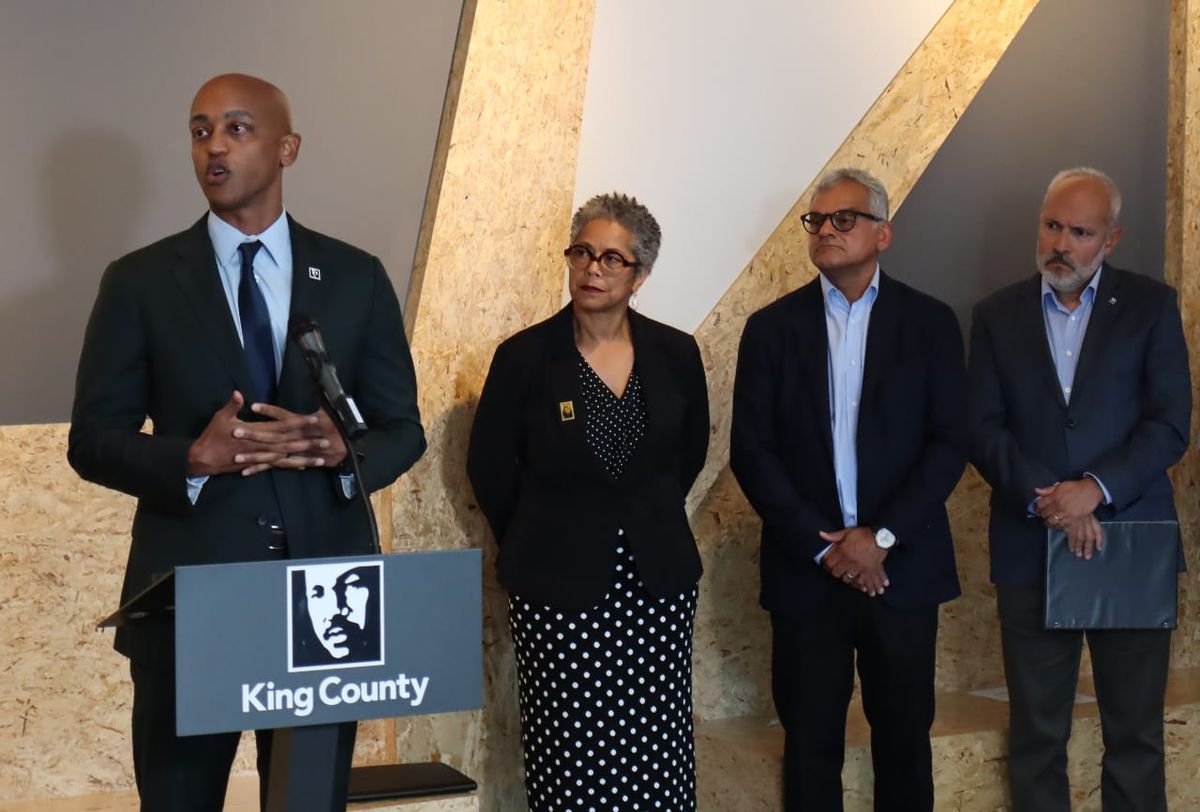
Executive's Office spokesperson Callie Craighead provided additional information about Zahilay's decision to turn to this type of lease agreement in a follow-up email to The Urbanist.
"This is a new financing model for the County for funding affordable housing; however, it is not new to the county," Craighead wrote. "King County has used this financing model for other buildings, including office buildings in the downtown office core. This financing model has also been used by local universities to fund dormitories. The County is looking for innovative ways to finance urgent housing needs. "
"This funding arrangement provided the flexibility to fund affordable housing relatively quickly; and at the end of agreement the County will have acquired both the land and facility," Craighead added.
In the rosy scenario, that transfer could provide the County an asset that could operate at a profit, generating a revenue stream for additional public investments in housing or otherwise. In the not-so-rosy scenario, the County could inherit an aging building with a maintenance backlog for which it would continue to be on the hook.
Though Zahilay's office is pushing for a vote on the agreement before the end of 2026, Tuesday's meeting was the first substantive conversation to occur on the proposal at the council level – an October 28 briefing was cancelled due to other agenda items running long.
During the recent work session, several councilmembers raised clear concerns about exposing the general fund to this level of unexpected cost increases.
"I think I heard that it would be difficult for us to legislate to share that risk differently," Councilmember Claudia Balducci said. "Although I would recommend that we try, because you know, if we're taking all of the risk, that's a tough ask for the County's general fund."
Craighead defended Zahilay's approach to managing King County's finances.
"The Executive always scrutinizes allocating limited General Fund dollars and limiting the fiscal risk to the County," Craighead wrote. "As part of his commitment to building a better government, Executive Zahilay’s proposed second omnibus budget maintains the General Fund’s emergency reserves at 8% and the 'rainy day fund.' The Executive and the Budget Team is starting to work through scenario planning for the 2028-2029 budget to minimize risk and deliver a balanced budget."
Following the work session, the council held a closed-door discussion of the legal risks behind the deal, a session held at the request of Councilmember Jorge Barón. If the ordinance is rejected, that would represent the biggest break between Zahilay's office and the County Council so far during his term, with the council largely deferring to Executive branch priorities so far.
On the other hand, it's possible that the council is able to come around to Zahilay's proposal, potentially by putting additional guardrails on the lease agreement.
Balducci noted that if the general fund ends up getting tapped more than expected to meet the County's obligations, that could lead to service cuts elsewhere in County government.
"People lose their jobs, and we end up cutting vital services," Balducci said. "So, I just think we need to be very clear about what risk we're taking on and how good or bad we feel about that."
 Ryan Packer
 Ryan Packer