In the wake of the approval of a long-anticipated funding source for King County's unincorporated road network, a debate is brewing at the County Council about how independent the process to oversee those funds should remain. The outcome of that fight, which is expected to play out over this fall, could ultimately impact an even larger funding measure for King County Metro that is likely on the horizon.
The Urbanist's Fall Member Drive is in full swing! Support our work, read ad-free, and help us hit our goal for the member drive!
This June, when King County government unlocked a new 0.1% sales tax for its chronically underfunded roads department, it was not the King County Council that made that move, nor the Executive. It was a special purpose government, a transportation benefit district that had been sitting dormant since 2014.
While at first glance that could look like a minor bureaucratic distinction, it ultimately influenced how that new revenue stream was developed and approved, with the nine county councilmembers – acting as members of the King County Transportation District (KCTD) Board of Supervisors – in the driver's seat.
Through the transportation benefit district, the County could still tap into an additional 0.2% in sales tax authority with voter approval, the most likely source for dollars to help King County Metro avoid an encroaching fiscal cliff by early next decade. Just this week, the council's budget committee received a briefing that confirmed that Metro's sales tax revenues are expected to fall an additional $125 million short through 2031, largely due to adjustments to sales tax exemptions included in the new statewide tax on incomes over $1 million.
That dour revenue forecast adds to the urgency to find a new stable funding source for Washington's largest transit agency.
Even after the 0.1% road funding measure was approved, it looked like its independent structure would continue through the start of tax collections next January, with the board taking steps to fully establish itself as an independent entity. To allow the County to receive the new dollars, an interlocal agreement would be set up with the KCTD, in an arrangement similar to how the independent King County Flood Control District operates.
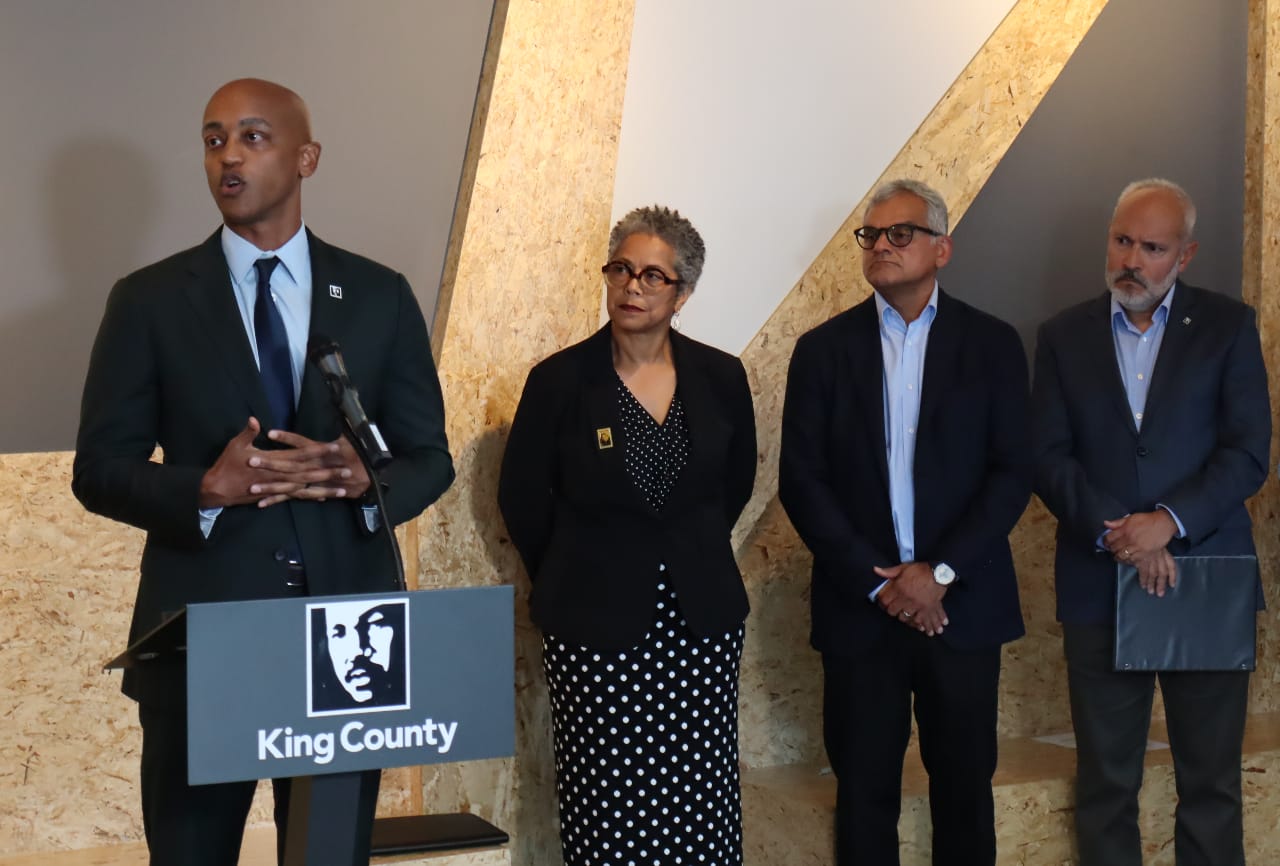
However, all changed on August 25, when Executive Girmay Zahilay announced transmittal of legislation fully assuming the district into county government, with the support of five councilmembers – enough to constitute a majority. If it were approved, the special purpose government would cease to exist.
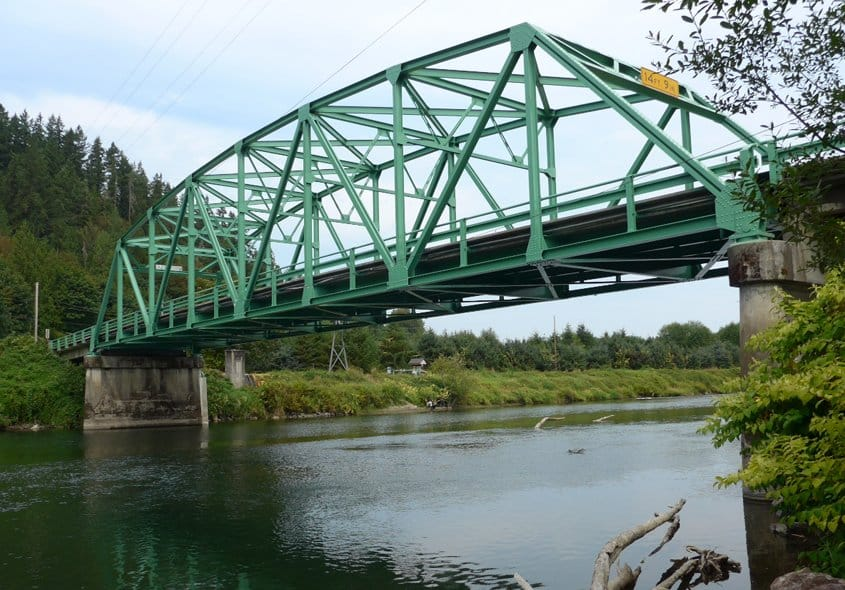
"Maintaining safe, reliable roads and bridges and a connected regional transit system are essential to King County's future. As part of my commitment to build a better government, my administration has examined tangible ways to make government more efficient and ensure that taxpayer dollars are being spent wisely," Zahilay said in an announcement at the time. "Assuming the KCTD will allow our Roads division to continue delivering critical road safety, maintenance, and preservation projects across the nearly 1,500 miles of roads and 200 bridges in unincorporated areas. These upgrades support mobility, economic development, and emergency response across our region."
Zahilay's announcement touted an estimated $2.5 million per year in savings due to fewer staffing and administrative costs if the district gets assumed. But that figure remains contested, with KCTD chair Claudia Balducci citing a much lower figure. Ultimately, the administrative cost comes from the district having its own staff, with the higher dollar amount associated with a full staffing model that is more aligned with how the flood control district operates.
"In terms of what it would cost to keep the KCTD independent, it is impossible to know because it would depend on future decisions that would be made by a KCTD board in terms of staffing decisions," King County Council analyst Mary Bourguignon said this Tuesday during a discussion on the ordinance that would assume the district. "Staff did go through the numbers and made an estimate that, with the leanest possible operations, it would cost about $650,000 a year to operate the KCTD as an independent entity with its own legal services, its own accounting services, paying for some staff time, managing meetings, the sort of administrative work that the district would need to do to be independent."
It was during that Tuesday meeting that the pros and cons of assumption were put front-and-center in a way that they hadn't yet, at least among the full county council.
"If the KCTD remains independent, it is an independent body that is separate from King County, and would manage its relationship with King County through an interlocal agreement," Bourguignon said. "That would give, one might say, a more detailed or more comprehensive level of oversight over the programs to be covered by the roads funding measure or in the development of a future transit funding measure. If the KCTD's rights and responsibilities are assumed into King County, there would obviously no longer be an interlocal agreement, and you would be doing all of your oversight through your regular processes, the budget process, through any plans or policies that you adopt, as well as through any additional oversight requirements that you might wish to impose on the Executive."
Councilmember Rod Dembowski, who has signed onto Zahilay's proposal, cited the fiscal and logistical drain on the county's operations from having another special purpose district. He also raised concerns around the process to develop a future Metro funding measure, with the Executive branch potentially having less involvement if the board was kept independent.
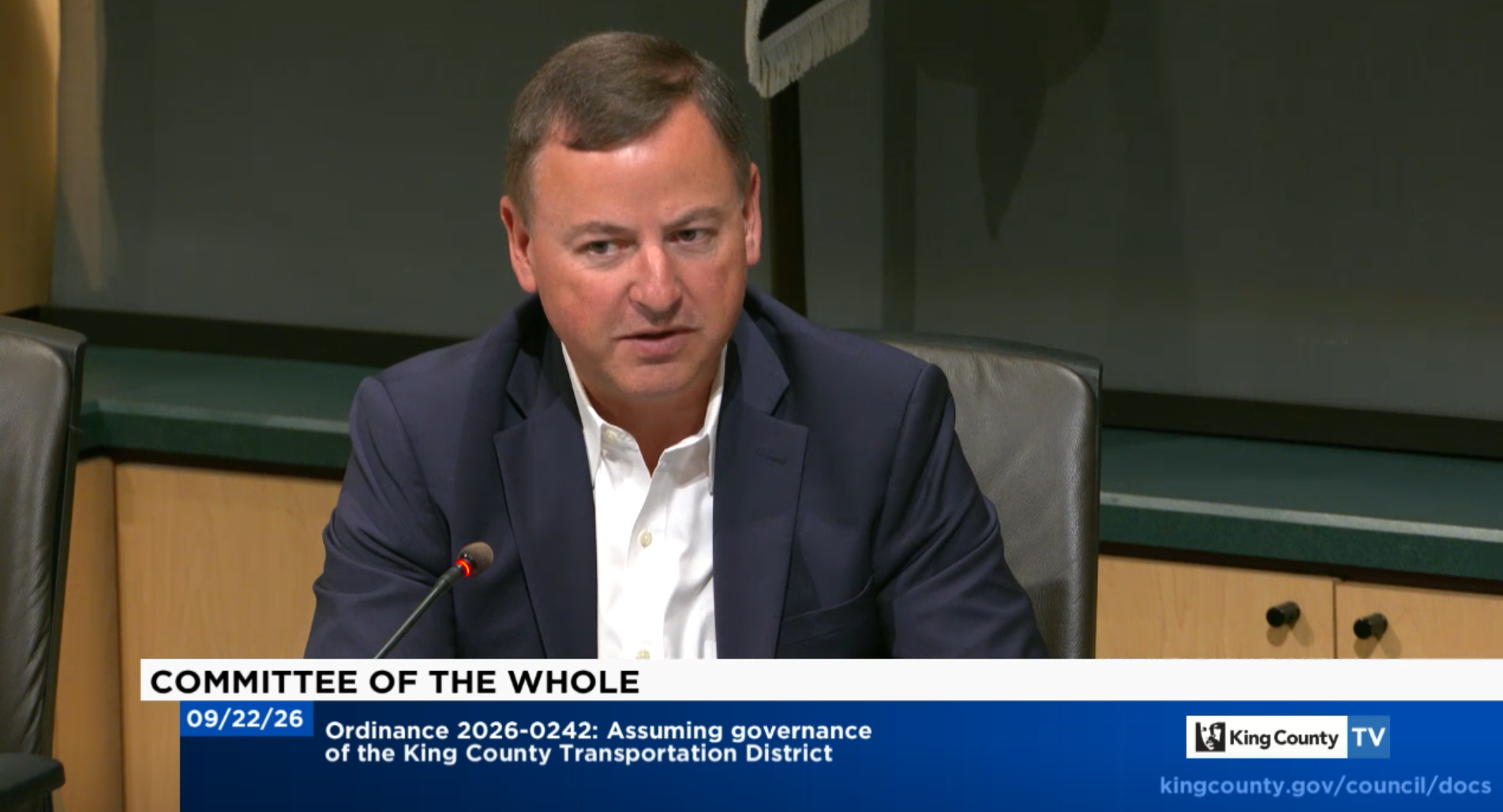
"There is a need and a desire to have an increased investment in our bus system, in our transit system, and this authority, the Transportation Benefit District, has some revenue options for that. They're really the only feasible, reasonable ones, probably, or at least the core ones, which we would go to the voters with under the current authority," Dembowski said. "With the TBD, the Executive is left out of that. Metro is left out of that. They don't have a formal role in that government. Our tradition here has been with big transit measures that Metro and the executive develop a proposal, and send it to the King County Council for submission to the voters, or if we had authority here for approval, and I think that's the way to go."
Balducci, making it clear she isn't categorically opposed to assumption, pushed for the council to spend more time on the proposal.
"Let's at a minimum learn what the proposal will really cost, what it will really do. This proposal has been a surprise, as I said, and a rush," Balducci said. "I believe our best interests would be served if we finish what we started through the end of next year. But at a minimum, if we decide to completely change direction, let us do it thoughtfully. Let us make sure we understand what we're doing."
Zahilay spokesperson Callie Craighead told The Urbanist that the timeline proposed for the legislation is aligned with the county's budget process, which is ramping up soon.
"Moving forward on this timeline allows us to avoid unnecessarily hiring separate staff for the TBD and building duplicative organizational infrastructure that would divert resources from transit, roadway and safety projects toward staffing and consulting costs," Craighead said, pushing back on the idea that the process had been rushed.
"Council offices were notified prior to the transmittal and a majority decided to cosponsor the legislation because most of the Council and Executive are aligned that this is the best course for King County," Craighead said.
But in pushing for a more deliberative process, Balducci pointed to a need to have time to develop guardrails on any legislation that gets passed to ensure that guidance that had been approved as part of the benefit district gets ported over as well.
"Supervisor [Teresa] Mosqueda proposed, and we all adopted, and I thoroughly approved of a statement in our resolution that said we would develop a transit proposal of some kind in 2026," Balducci said. "That directive will not transition to an assumed body. We could require it in the ordinance. I think that we should, at the very least, build the plan and the path to building that transit proposal."
With at least five councilmembers backing the ordinance, passage is all but assured. What remains to be seen is how the proposal will be amended to give the council a similar level of control over spending – both current and future – that it has now under the district.
"A deal was made by a majority of the members of the transportation benefit district with respect to adopting tax and funding a roads program," Dembowski said. "I will be supportive of whatever colleagues want to bring forward to make sure that if the will of the body is to merge the two governments, that we're not renegotiating and and retrading the deal."
The King County Council will hold a hearing on the potential assumption of the transportation benefit district on October 20.
 Ryan Packer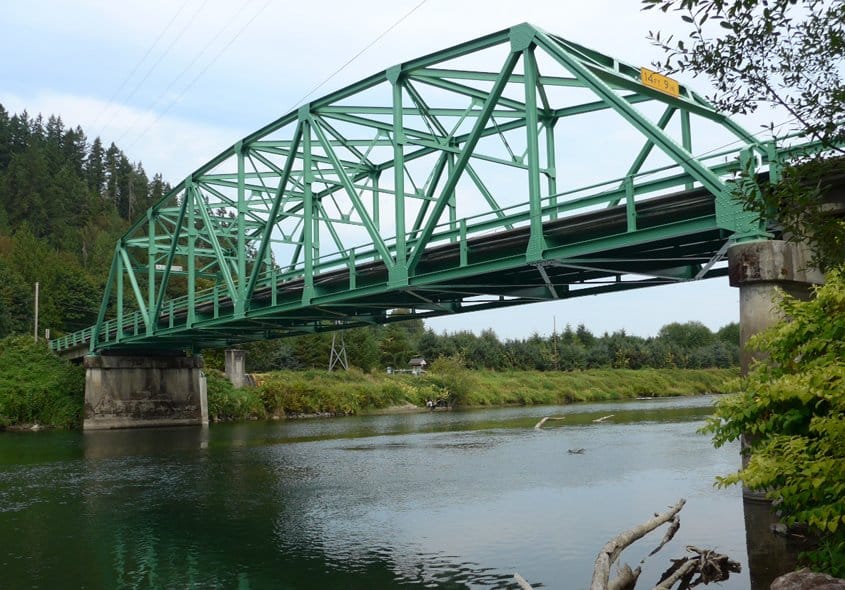
 Ryan Packer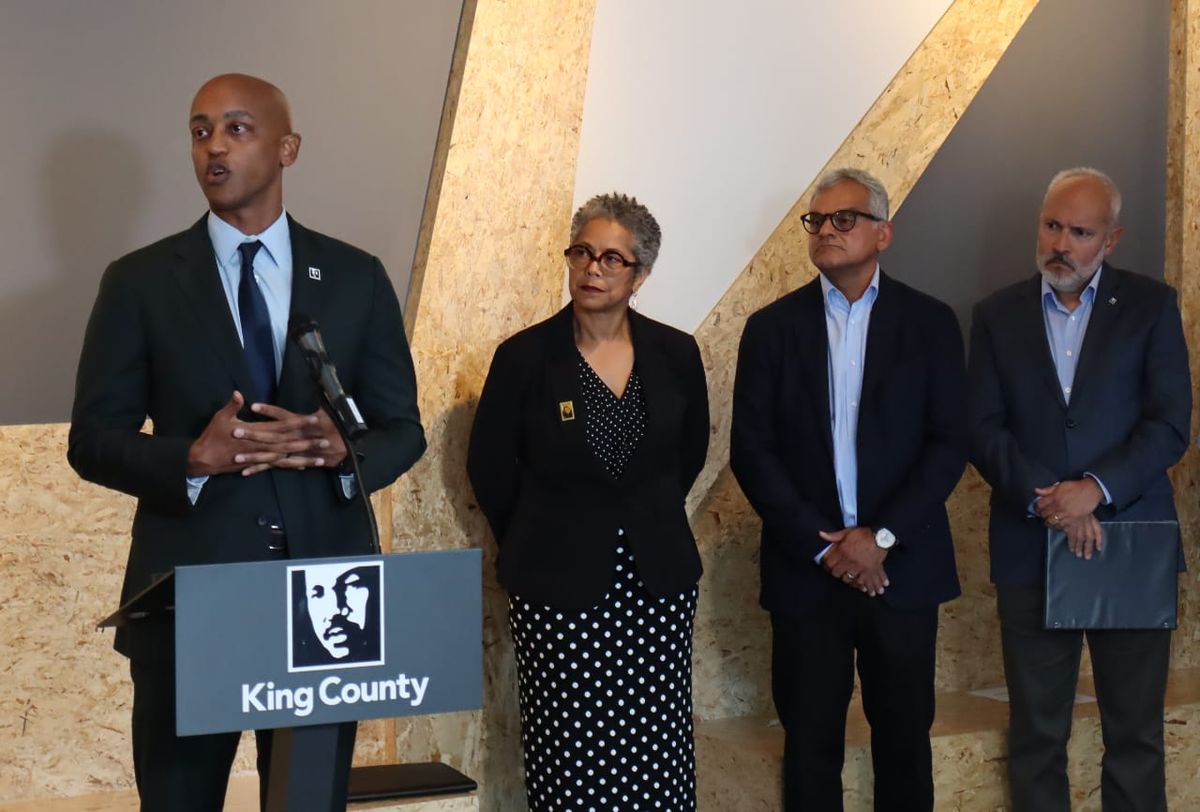
 Carolyn Bick