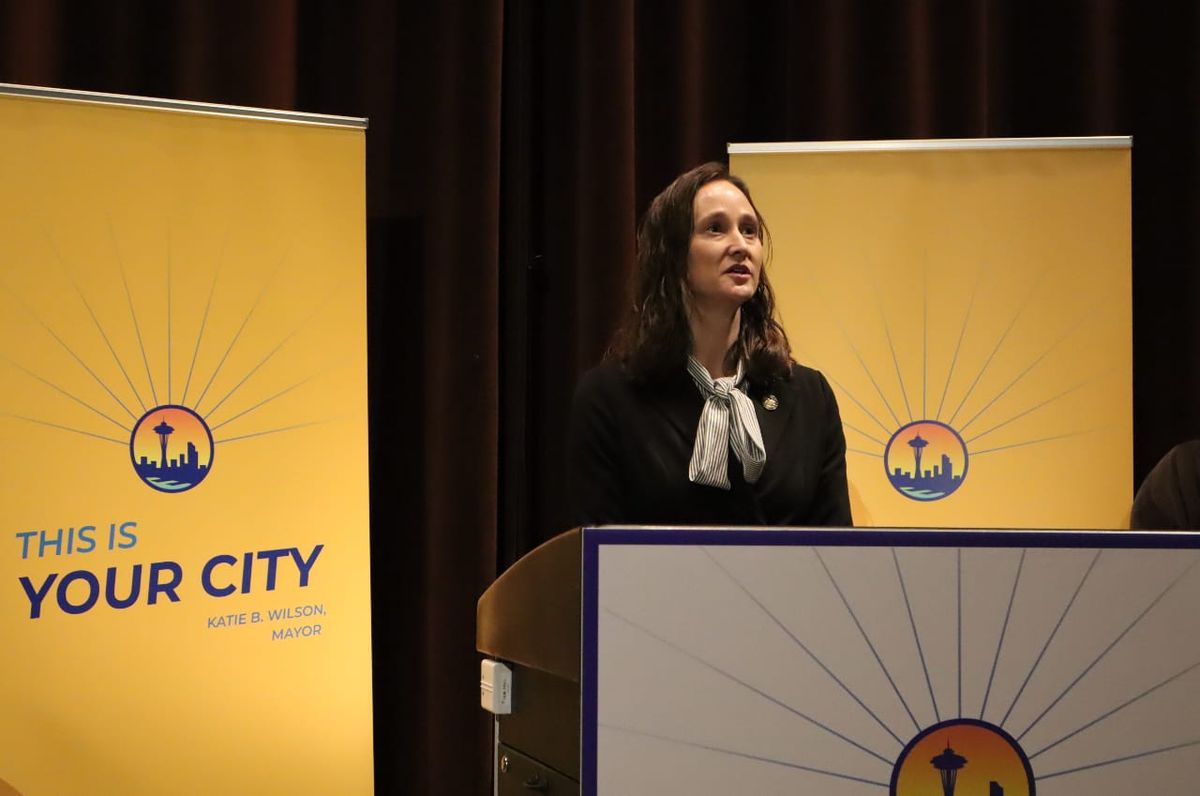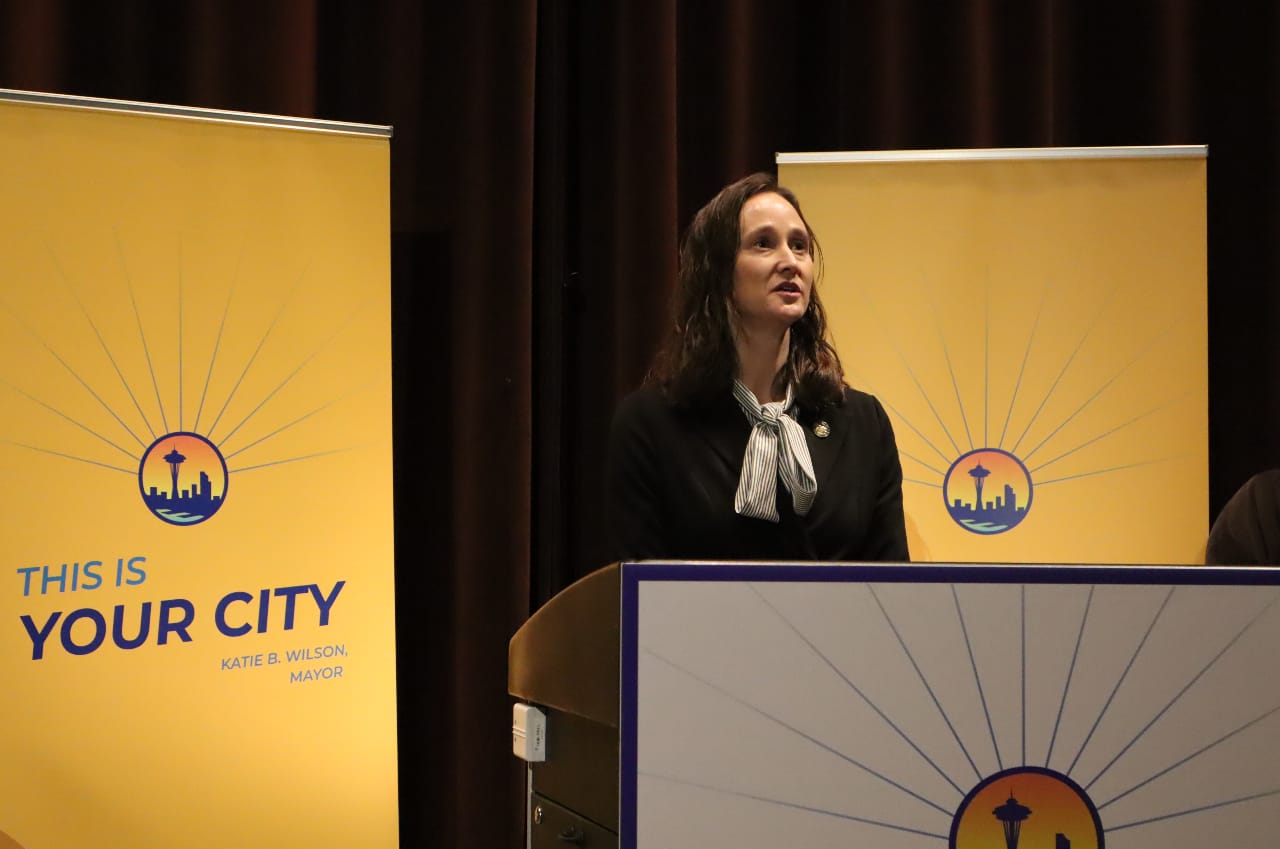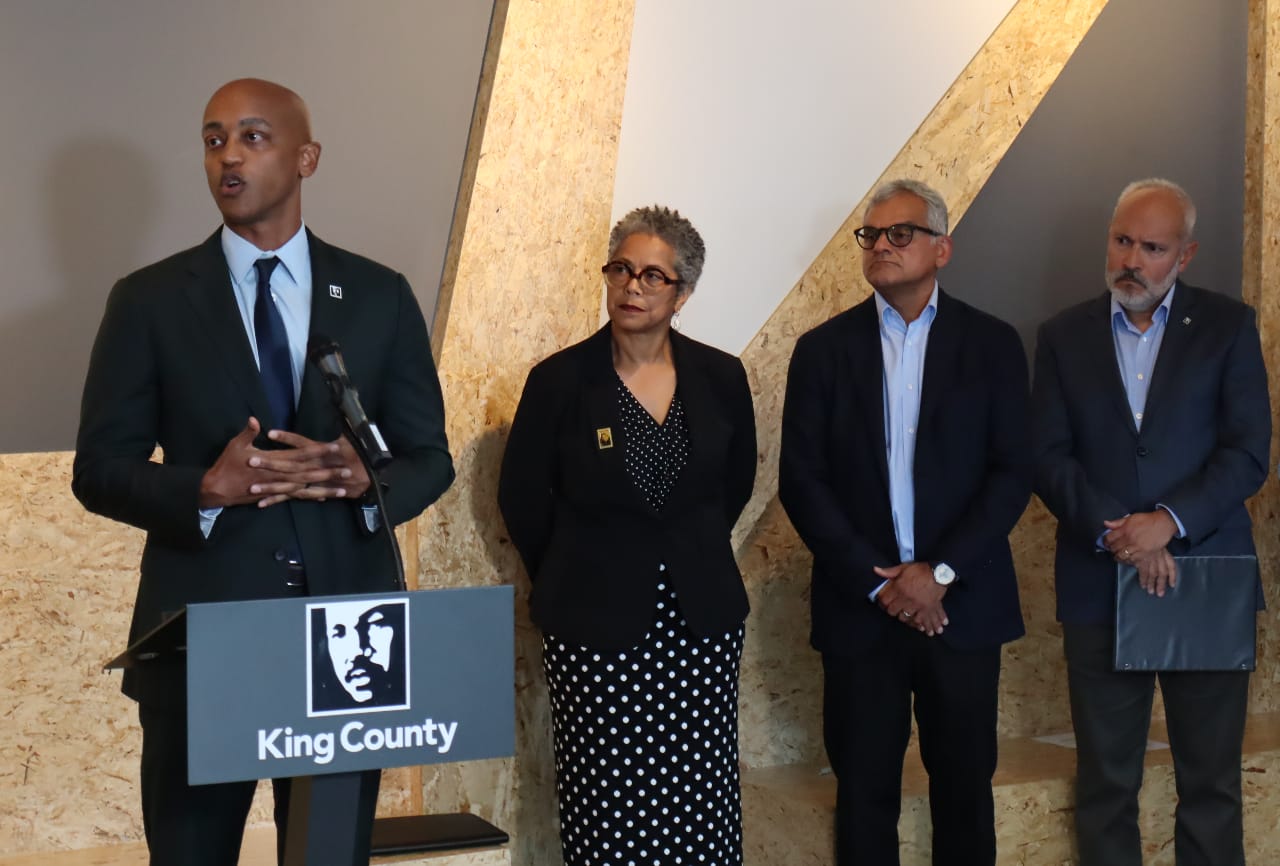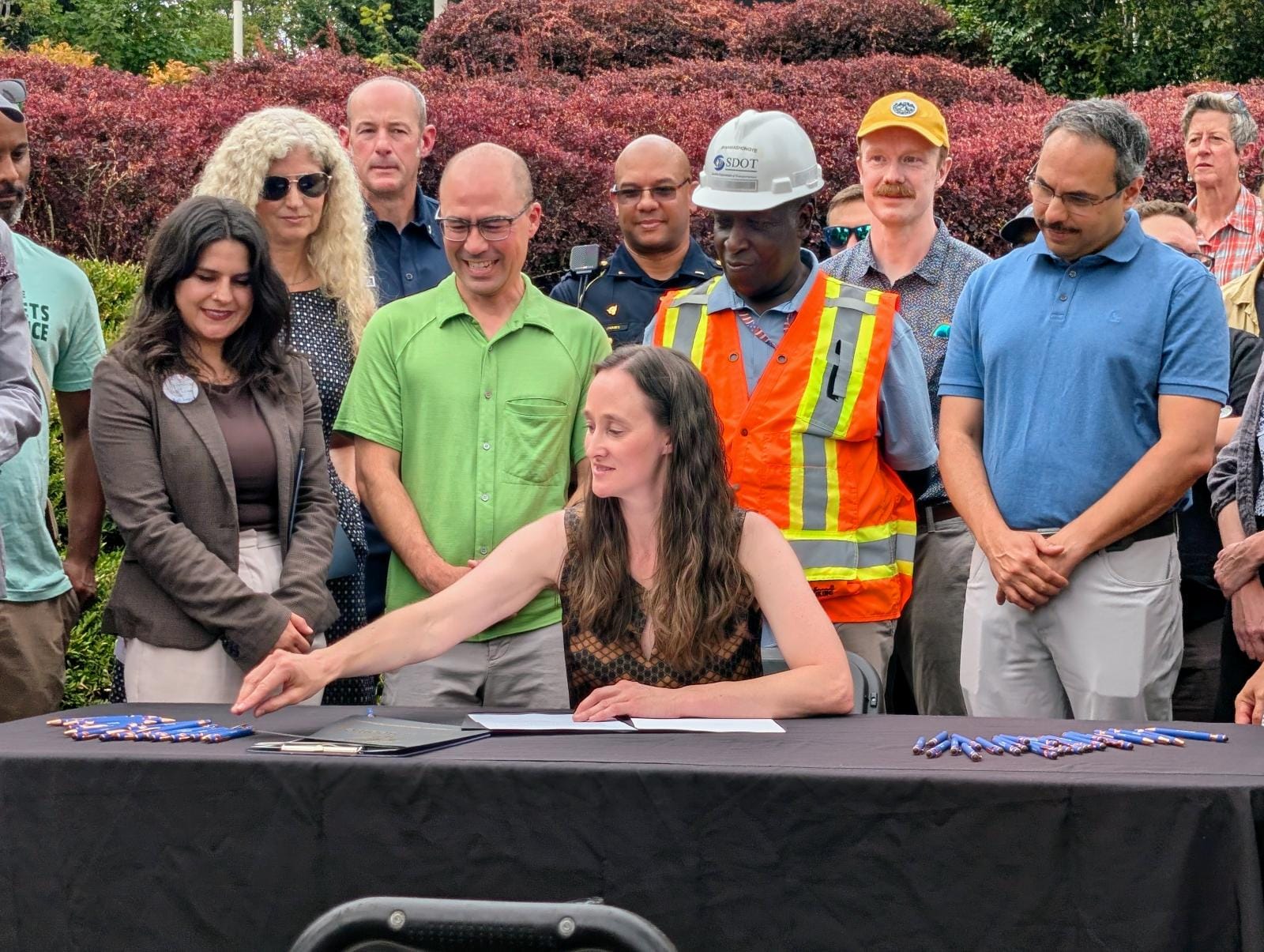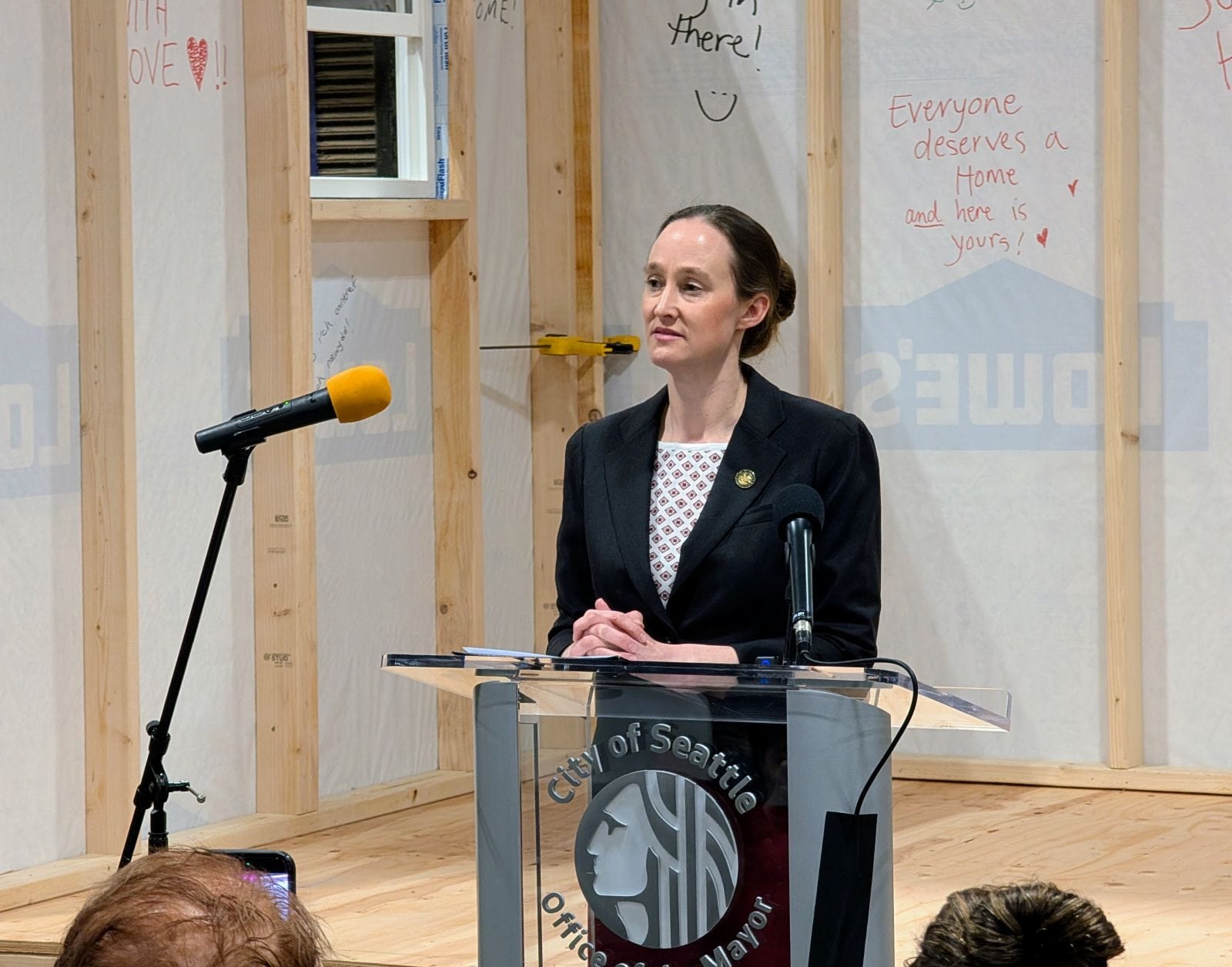
Last week, Mayor Katie Wilson introduced a plan to reduce gun violence in Seattle that is designed to improve coordination between departments and agencies while implementing the strategy of focused deterrence that has been successful in reducing gun violence in several other American cities.
The Urbanist's Fall Member Drive is in full swing! Support our work, read ad-free, and help us hit our goal for the member drive!
Having been in development since Wilson took office less than nine months ago, the plan takes its cues from last year’s Seattle Office of the City Auditor’s recommendations.
Notably, all of Seattle’s community violence intervention (CVI) work will be moved to the Community Assisted Response and Engagement (CARE) Department, a move that was recommended by the auditor’s office last year and was envisioned as one of the roles CARE would fulfill in the City Charter. Two new positions have been created – a Director and Coordinator of Gun Violence Reduction – to oversee the implementation of Wilson’s plan within CARE.
“The plan’s purpose is to fix the lack of coordination that has limited our impact and to put new programs in place that strengthen our response to ending gun violence,” Alex Hudson, a spokesperson for the Mayor’s Office, told The Urbanist. “Our city hasn’t ever in its history dedicated staff outside of law enforcement to shooting response. Placing this coordination in the same department as 9-1-1, with immediate access to real-time shooting information, is a huge step for our City’s ability to respond to gun violence events with both intervention and accountability.”
Through the 2027 budget, $5 million of Community Violence Intervention (CVI) contracts with nine organizations will be transferred from the Human Services Department (HSD) to CARE. This move will more closely link the City’s CVI work to the Seattle Police Department (SPD), which has been developing its own Community Violence Task Force in order to begin implementation of a focused deterrence strategy to reduce gun violence.
“Moving CVI contracts to CARE will facilitate tighter coordination with SPD and enable Chief Barden’s and Sayles’ teams to identify, track, and coordinate information sharing about accountability metrics for the service providers,” Hudson said. “Moving the work into CARE will also avail 9-1-1 dispatchers and first responders of more information about who is under case management or has an active safety plan in place. This represents an important shift toward a coordinated care environment that supports safe and effective service delivery.”
The City will be collaborating with the University of Washington's Center for Firearm Injury Prevention to perform a citywide mapping of related programs and data, otherwise known as a landscape analysis. Hudson said this process is expected to take three to six months and is starting immediately.
Finally, with help from Johns Hopkins Center for Gun Violence Solutions, the City will be beginning its first Violence Reduction Council (VRC), a public health model that brings together public health, social service agencies, and criminal legal system partners to review every homicide in order to identify systemic improvements. The auditor’s report last year said that Johns Hopkins researchers had offered free technical assistance to implement this framework.
In addition, more than $8 million will be invested through HSD in programs to prevent violence through support to young people and their families. At the same time, SPD will be increasing bicycle patrols in Belltown, North Aurora Ave N, Little Saigon, and Rainier Beach and better coordinate its Narcotics Unit operations with its Community Response Group and Gun Violence Reduction Unit.
The council has other ideas
Wilson’s plan has received sharp criticism from certain councilmembers, particularly from Councilmember Maritza Rivera, who introduced a competing plan via a non-binding resolution that passed last Tuesday, with two councilmembers – Alexis Mercedes Rinck and Dionne Foster – abstaining.
Rivera’s plan consists of hiring consulting services from the National Network of Safe Communities (NNSC), a research center at the John Jay College of Criminal Justice. The consulting contract would cost the City $417,000 over two years.
“There is no downside to bringing the National Network for Safe Communities here and to implement this strategy with fidelity, in the hopes that we too will see the same results in gun violence reductions that these other cities have seen,” Rivera said at the full council meeting last week. “The only downside is not acting.”
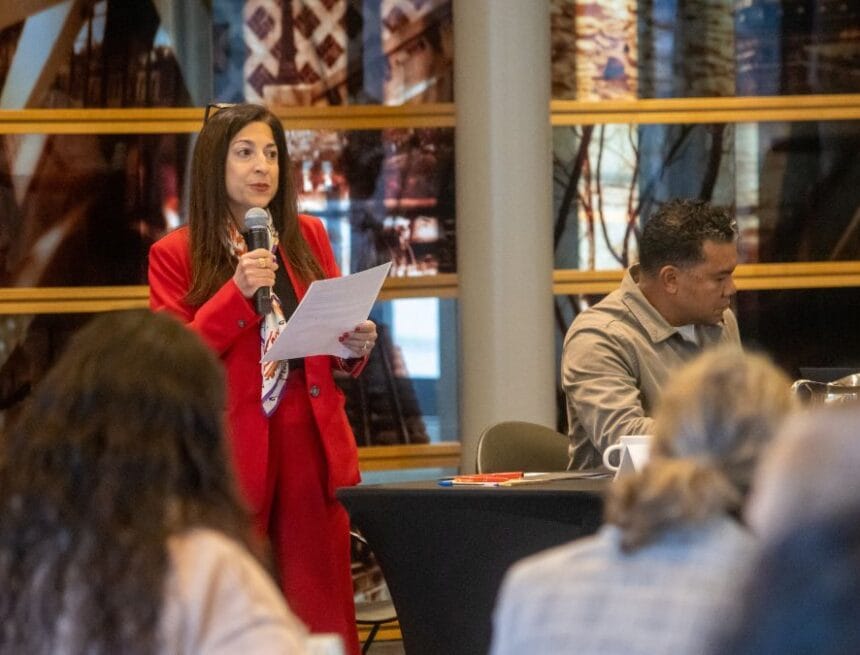
The audit with recommendations on how the City could improve its gun violence prevention efforts was released last March during Mayor Bruce Harrell’s administration, but it wasn’t until Wilson took office this year that Rivera sprung into action. In June, she held a symposium on the topic and introduced her own resolution shortly thereafter.
At the meeting last Tuesday, Rivera objected to Wilson’s gun violence prevention plan, saying that it doesn’t focus on the focused deterrence strategy that the founder of the NNSC had initially developed.
“[The Mayor’s Office is] not interested in doing actual focused deterrence because it involves police. I mean, that's just the bottom line,” Rivera said.
CARE Chief Amy Barden, who will now be overseeing the City’s gun violence prevention work, has been studying the best evidence-based strategy since her arrival at CARE, and disagreed with this characterization.
“I don't think people understand that SPD developed a very effective Community Violence Task Force in 2023 (the same time the CARE ordinance was articulated), using world class research methodology under the leadership of Cambridge-educated PhD Loren Atherley, which explains the precipitous drop in local gun violence outpacing the national trend since 2023,” Barden told The Urbanist.
“However, the [task force] was half of the equation,” Barden continued. “The focused deterrence model centers community-based supports and interventions, and we never connected those services to the accountability component in SPD. The CVI contracts housed in HSD were not coordinated with the larger strategy, and that is the significance of the Mayor's proposal.”
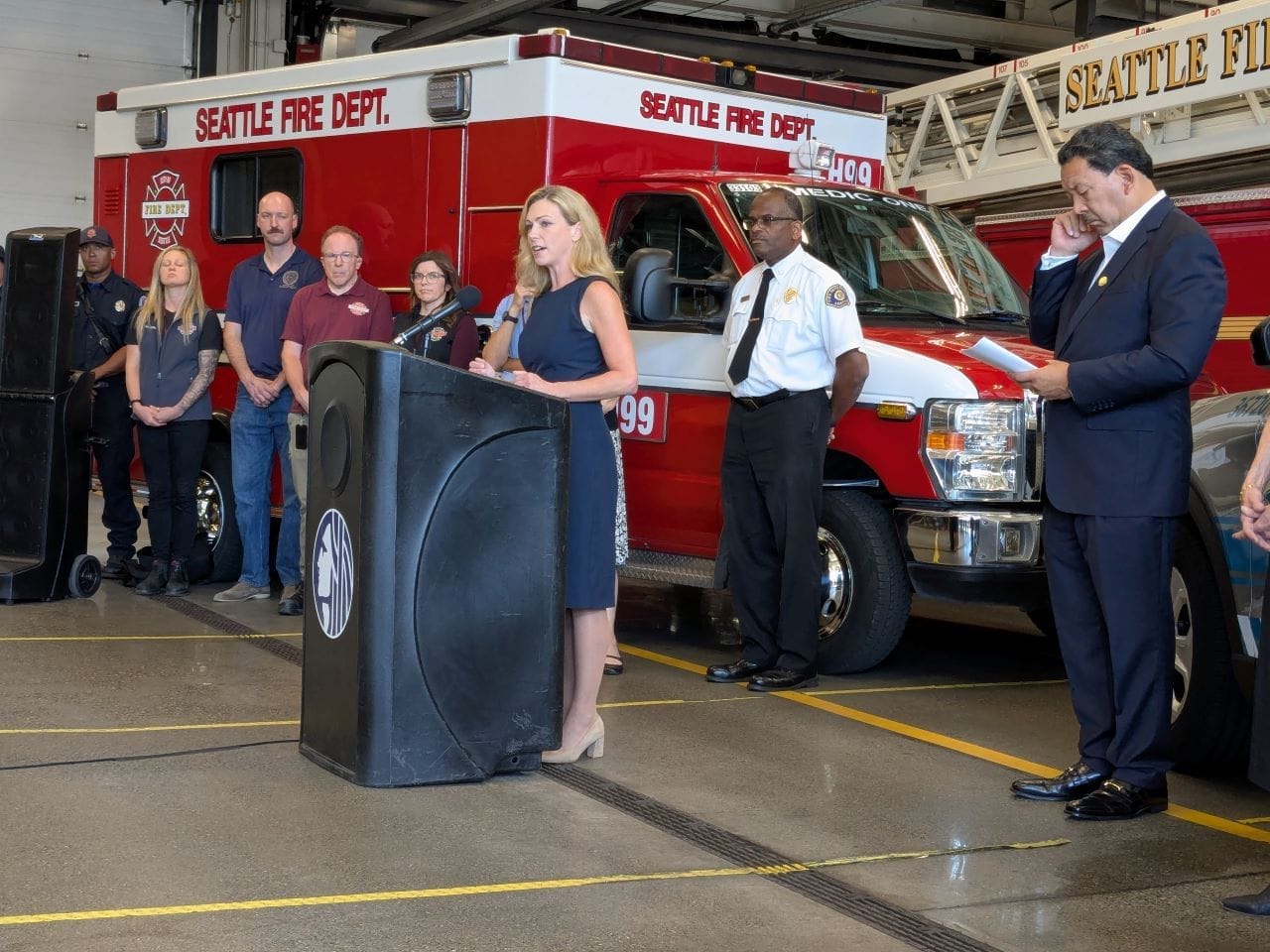
Barden is eager to begin the work outlined in the new violence prevention plan.
“It would be a dereliction of duty to not move as quickly as possible to save lives; it is our young people who are most vulnerable to gun violence in Seattle,” Barden said.
The Mayor’s Office also stated their support for a focused deterrence strategy but thinks they can implement the strategy without spending the money on the NNSC contract.
“Focused deterrence is a core component of the Mayor’s plan, and SPD is already laying the groundwork for this work,” Hudson said. “Focused deterrence is an academic theory and strategy not owned by any one organization, implemented in different ways by different cities, and studied extensively.”
Baltimore, the American city most often held up as an example of the success of focused deterrence, saw a significant drop in shootings and homicides within 18 months of their latest attempt at the strategy. Long a city with a high murder rate, Baltimore recorded 133 homicides in 2025, its lowest homicide total and rate in nearly 50 years. That historic year still put the Charm City at five times the homicide rate of Seattle, which tallied 37 homicides in 2025, even with a population that is about 250,000 residents greater.
Despite its recent success, the City of Baltimore had two previous attempts that weren’t as effective. During the second attempt, The Trace reported that the City didn’t follow through on the promised services to the program’s participants. The NNSC was the consultant on Baltimore’s first two unsuccessful attempts, but not on its heralded third try that did appear to break through, as PubliCola’s Erica Barnett noted.
“It took several tries for Baltimore to get it quite right, and I believe on the third try they might have had multiple consultants,” Councilmember Eddie Lin said during the council discussion of Rivera’s proposal. “And so for me, it's less about a particular consultant.”
Lin, who voted in favor of the resolution, said he saw it as a first step.
Councilmember Debora Juarez spoke directly against Wilson’s plan.
“This is not a plan,” Juarez said. “It's a picture, a window, if you will, a rearview window. It's not forward-looking. There's no vision, and we're already doing these things.”
There are several components to Wilson’s plan that are already in place, including existing investments in resources for youth and the new attorney in the Seattle City Attorney’s Office charged with filing Extreme Risk Protection Orders to try to prevent gun access to high-risk individuals that was announced in June.
However, the improved coordination provided by moving the violence intervention work and contracts into CARE, the two new leadership positions for gun violence prevention efforts within CARE, the work with the University of Washington to prepare a landscape analysis, and setting up a Violence Reduction Council are all new. Wilson’s plan also includes funds to start a new pilot afterschool program at Rainier Beach High School and a new Teen Late Night pilot at High Point Community Center, as well as hiring two new HSD employees to better coordinate Seattle’s Community Safety Network for school-related violence interruption work.
Juarez also objected to partnering with the University of Washington, saying that “sometimes I think when people are too local, they're too political, and they're too close to it to actually give us a solid and somber assessment of what we need to do.”
Quibbles aside, UW’s Center for Firearm Injury Prevention is one of the top research centers on the topic in the nation.
The plan’s weaknesses
Beyond the dustup over focused deterrence, the mayor’s plan includes a few other elements that are likely to face scrutiny.
Harrell oversaw a deal between the Department of Education and Early Learning (DEEL) and the online mental health provider Talkspace at the end of 2024. The City signed a contract with Talkspace to provide virtual mental health services to Seattle’s students in the wake of a decision by City Council to make a slight increase in the JumpStart tax in order to provide funding for students to have more mental health support.

In early 2025, reporting by Gizmodo uncovered online tracking pixels on Talkspace’s web pages for teen mental health services for the cities of New York City, Baltimore, and Seattle. The trackers sent information about who was visiting the Talkspace site to an array of social media firms such as TikTok, Meta, SnapChat, and Google. DEEL was not aware of this issue until Gizmodo’s reporting.
Earlier this year, when The Urbanist asked DEEL why the contract with TalkSpace was continued after this discovery, a spokesperson for the department said, “DEEL continued our contract with TalkSpace because they addressed our data privacy concerns. Additionally, youth were actively using the service and we did not want to disrupt their care.”
However, data privacy experts say there are still concerns around using the service.
In addition, recent reporting in The Seattle Times found that the Talkspace service has been vastly underutilized compared to its cost, with only 442 students being provided therapy when the expected number had been 2,200 to 4,400, an issue of which City officials were aware.
A new contract with Talkspace was signed this summer.
The gun violence prevention plan also references the Seattle Youth Employment Program (SYEP), which runs an annual summer internship program. The program is very popular, with only 246 out of 661 eligible applicants being placed into a paid internship this past summer.
In addition to budget, the program is limited in its expansion capacity by the number of employers who volunteer to participate in the program.
“Plans are underway to launch a campaign in early 2027 to recruit businesses and organizations across the private, public, and nonprofit sectors so we can bring more young people into the program next summer,” an HSD spokesperson told The Urbanist last month.
However, the Mayor’s Office said they are not currently expanding the program. Lin suggested a system where young people most impacted by gun violence are guaranteed a job when they apply.
Still, the overall plan makes significant headway in meeting the auditor’s recommendations to integrate and progress the City’s gun violence prevention efforts.
“Seattle will not accept gun violence as inevitable, and neither will I,” Wilson said in a press release. “We have a responsibility to make sure that communities in this city feel safe, and today I am acting on that responsibility with a coordinated, data-driven plan that brings every tool we have to bear on this problem.”
 Amy Sundberg
 Amy Sundberg
 Amy Sundberg