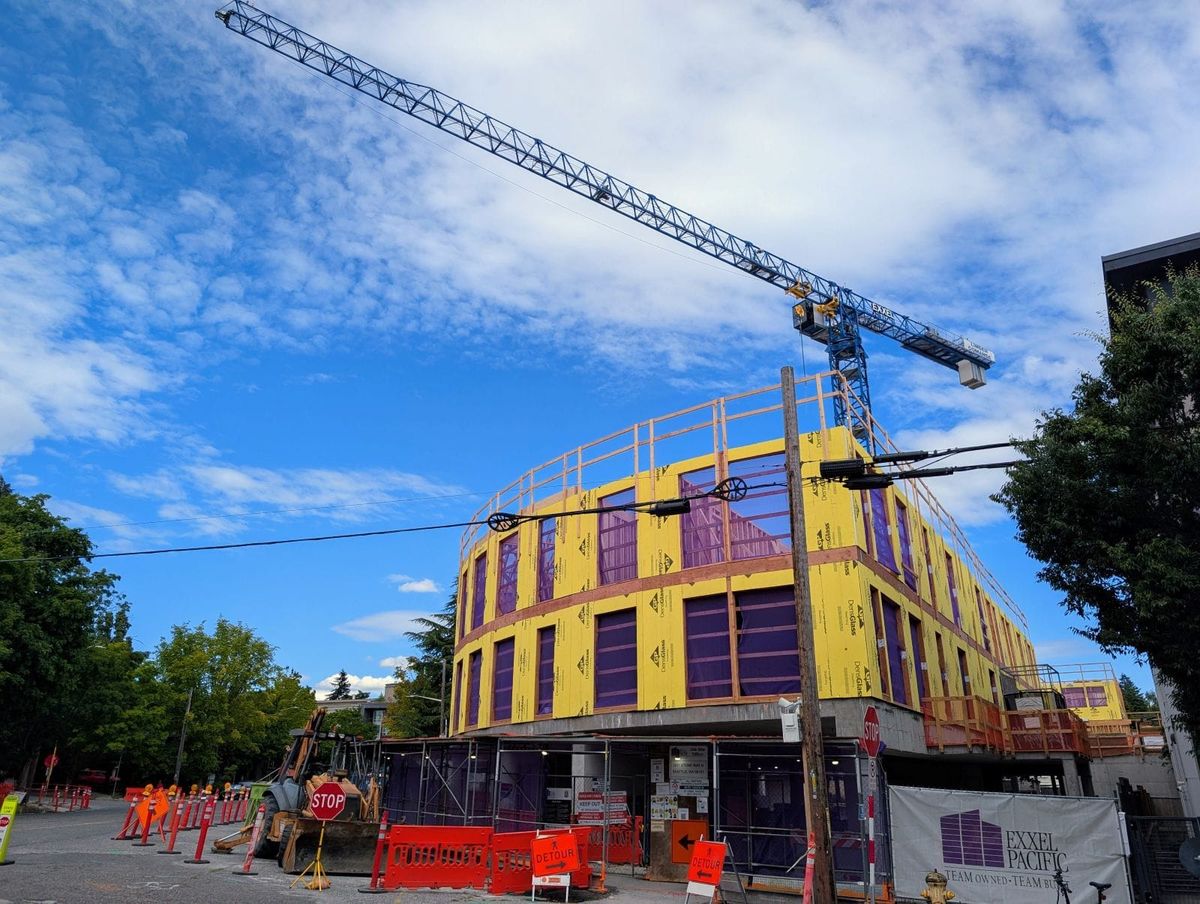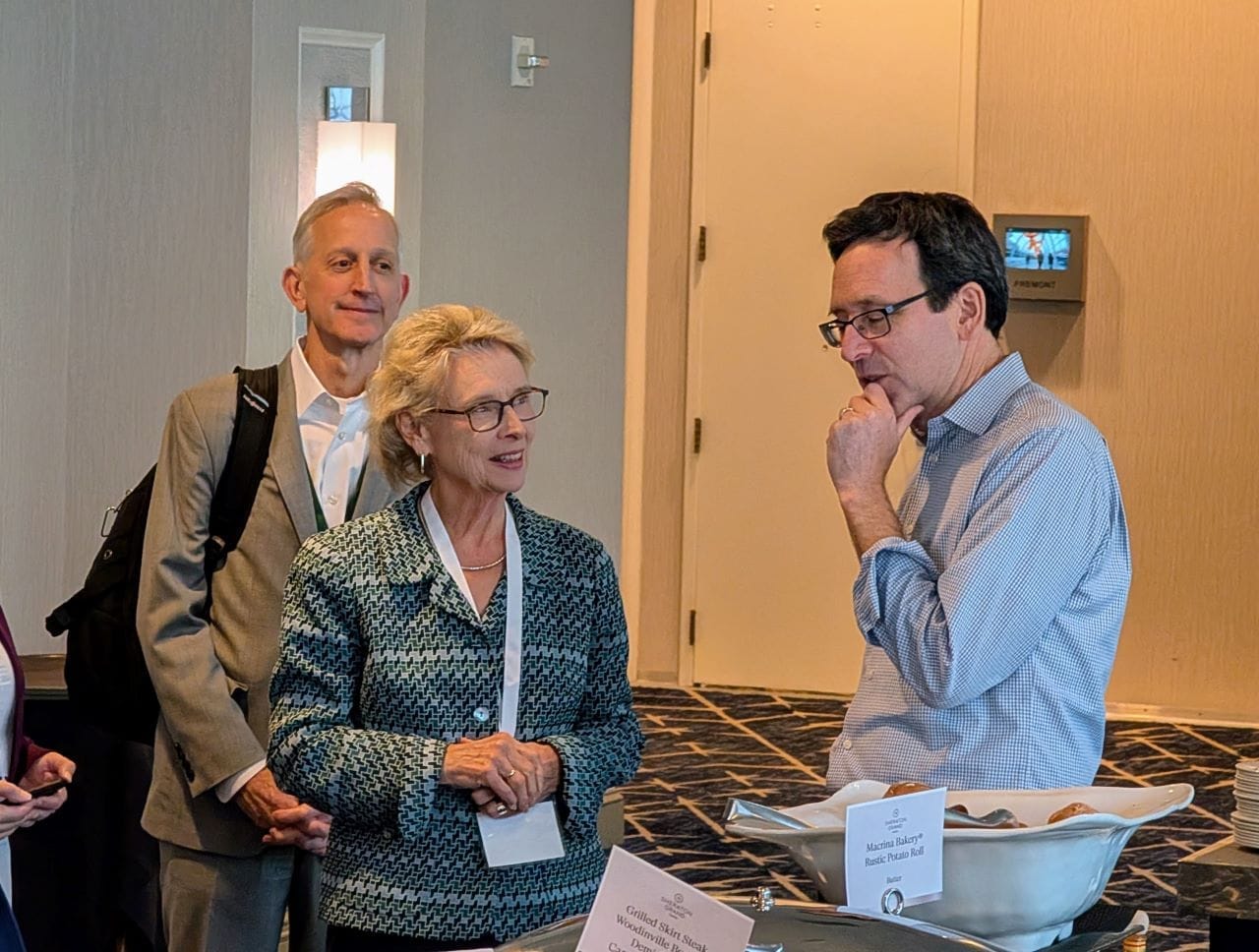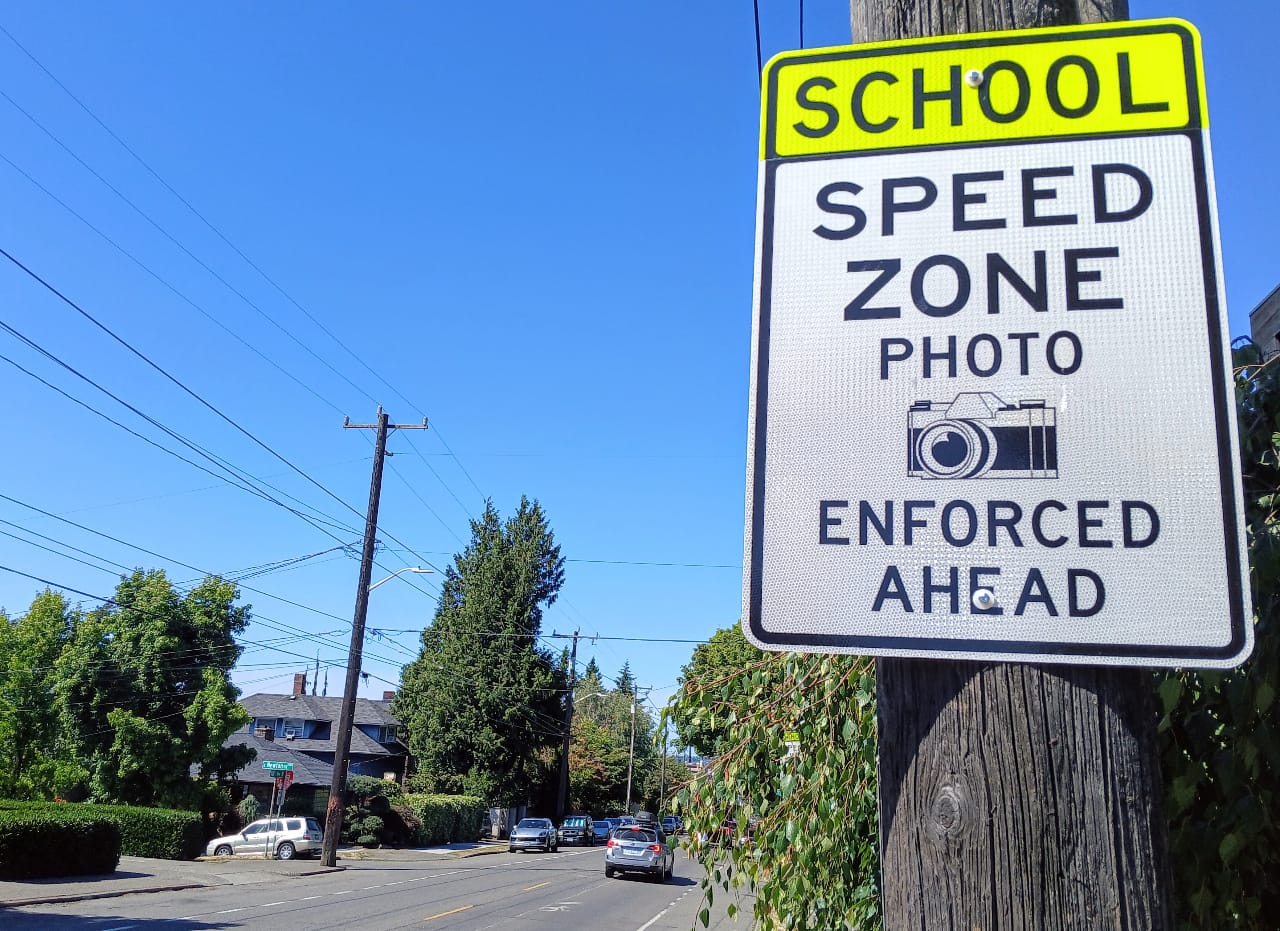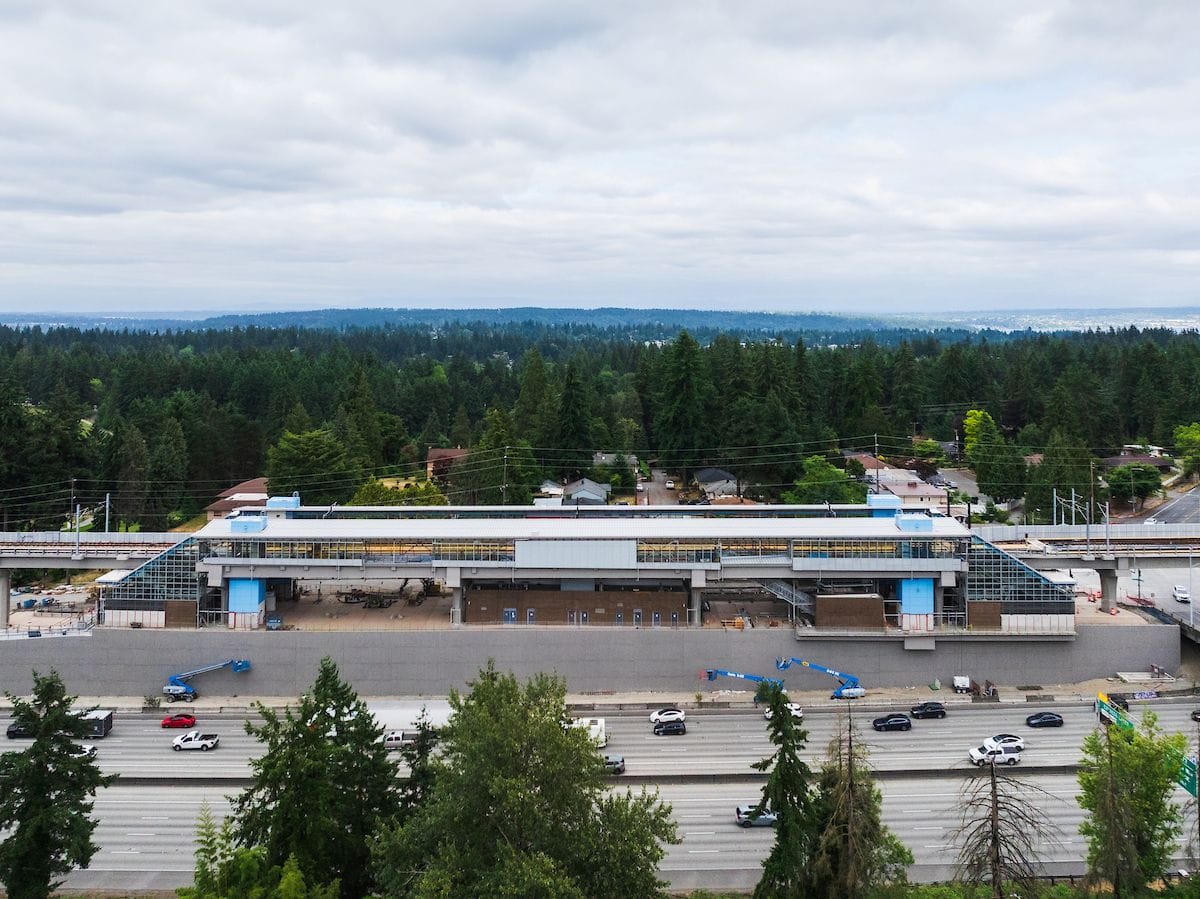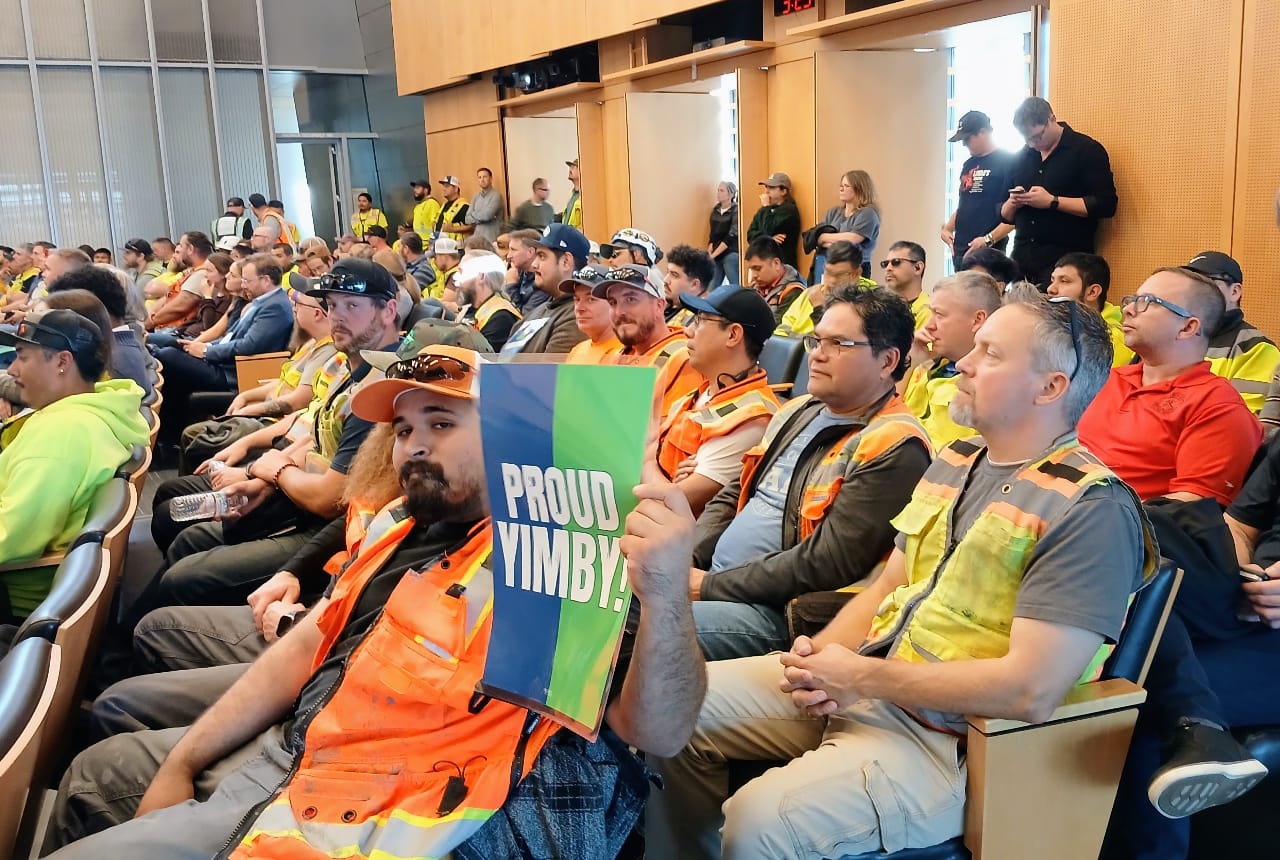
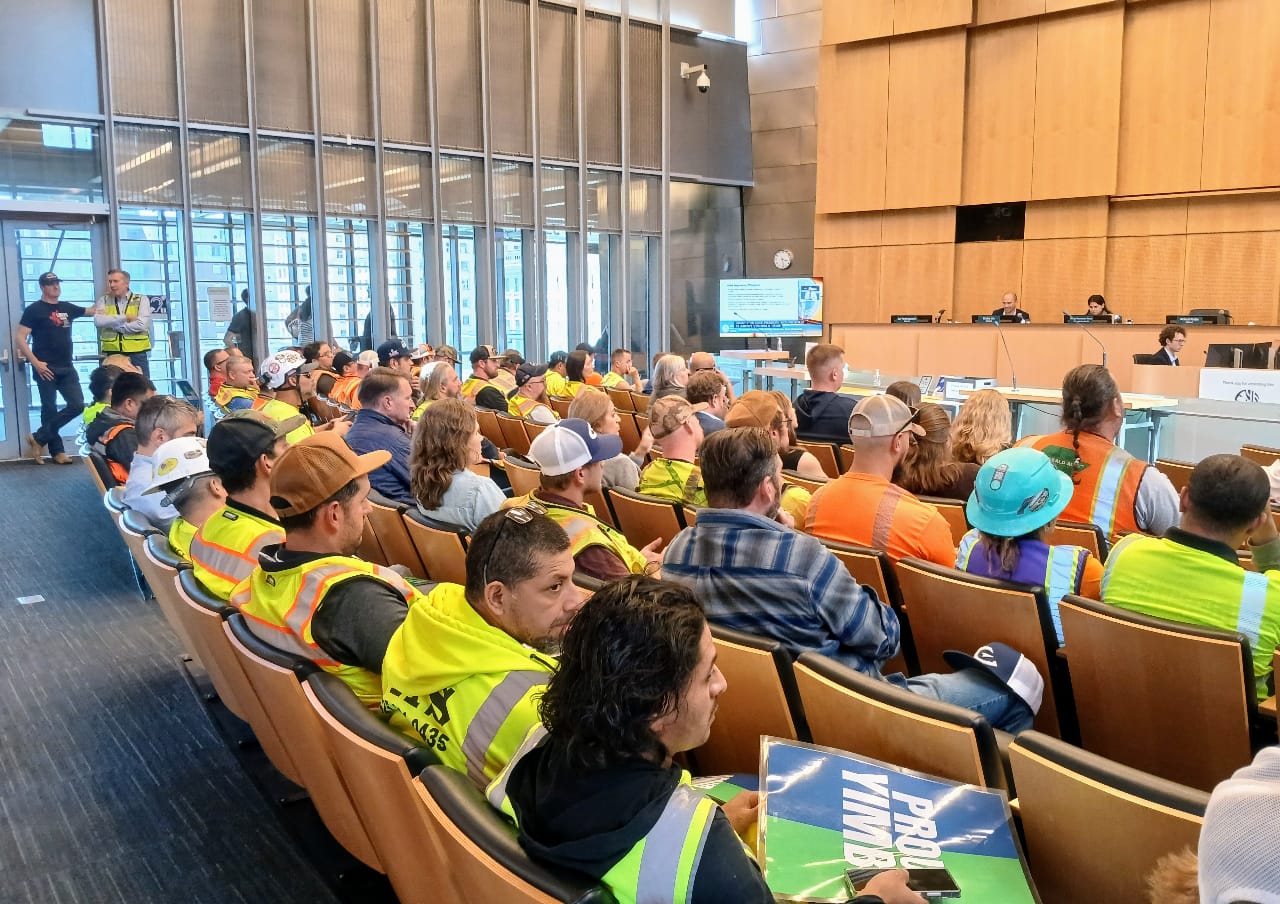
Seattle councilmembers attending a rare late Friday afternoon meeting of the housing committee were met with an overflow crowd last week, and heard over an hour of testimony almost entirely in favor of a temporary discount on housing fees levied on builders. The "Housing Accelerator" proposal, put forward by committee chair Dionne Foster after months of behind-the-scenes negotiations, is intended to rescue a city development pipeline that has all but dried up.
The Urbanist's Fall Member Drive is in full swing! Support our work, read ad-free, and help us hit our goal for the member drive!
Alongside builders and architects who spent their one minute of testimony laying out the bleak picture of Seattle's current development market were dozens of members of the city's construction trades. Donning hard hats and bright yellow vests, many held up signs that read "Proud YIMBY!" – directly referencing the Yes In By Backyard movement that champions the idea of reducing barriers to market-rate development.
Over the past two years, Seattle has seen a 26% decline in multifamily permitting, in contrast with a 31% increase seen statewide. Those diverging trends have dropped Seattle's share of statewide multifamily permits from 28% in 2024 to 16% now. Those red-alert statistics were presented to the committee by Michael Wilkerson, Director of Economic Research at ECOnorthwest, spelling out the need for a course correction from policymakers.
Under Foster's draft bill, a small constellation of building projects that have already had their permits vested would have access to a 80% discount in fees charged under the Mandatory Housing Affordability (MHA) program – provided they can demonstrate "substantial progress" on construction within two years. The ordinance defines this milestone as passing the first foundation inspection.
New projects entering the pipeline can receive a 60% discount, and will have three years to get to substantial progress, but only if they address the city's relative shortage of family-sized apartments by including at least 25% of units with at least two bedrooms.
New projects do not have the same access to MHA discounts in neighborhoods deemed high risk of displacement, which include Chinatown International District, the Central District, Beacon Hill and urban centers up and down the Rainier Valley. A "legacy homeowner" exception would still grant the discount in those areas if the project site remains in community hands, rather than selling off to an outside developer.
"When a client walks into my office with a desire to build housing on a piece of property and the will to go forward, these days I start that conversation with the absolute certainty that I can get them a permit, I can design their building and they can build it, and if they do that, they will lose money," David Neiman, a partner with Neiman Taber Architects, said during Friday's testimony. "That is an unprecedented situation that I have never seen before in my career."
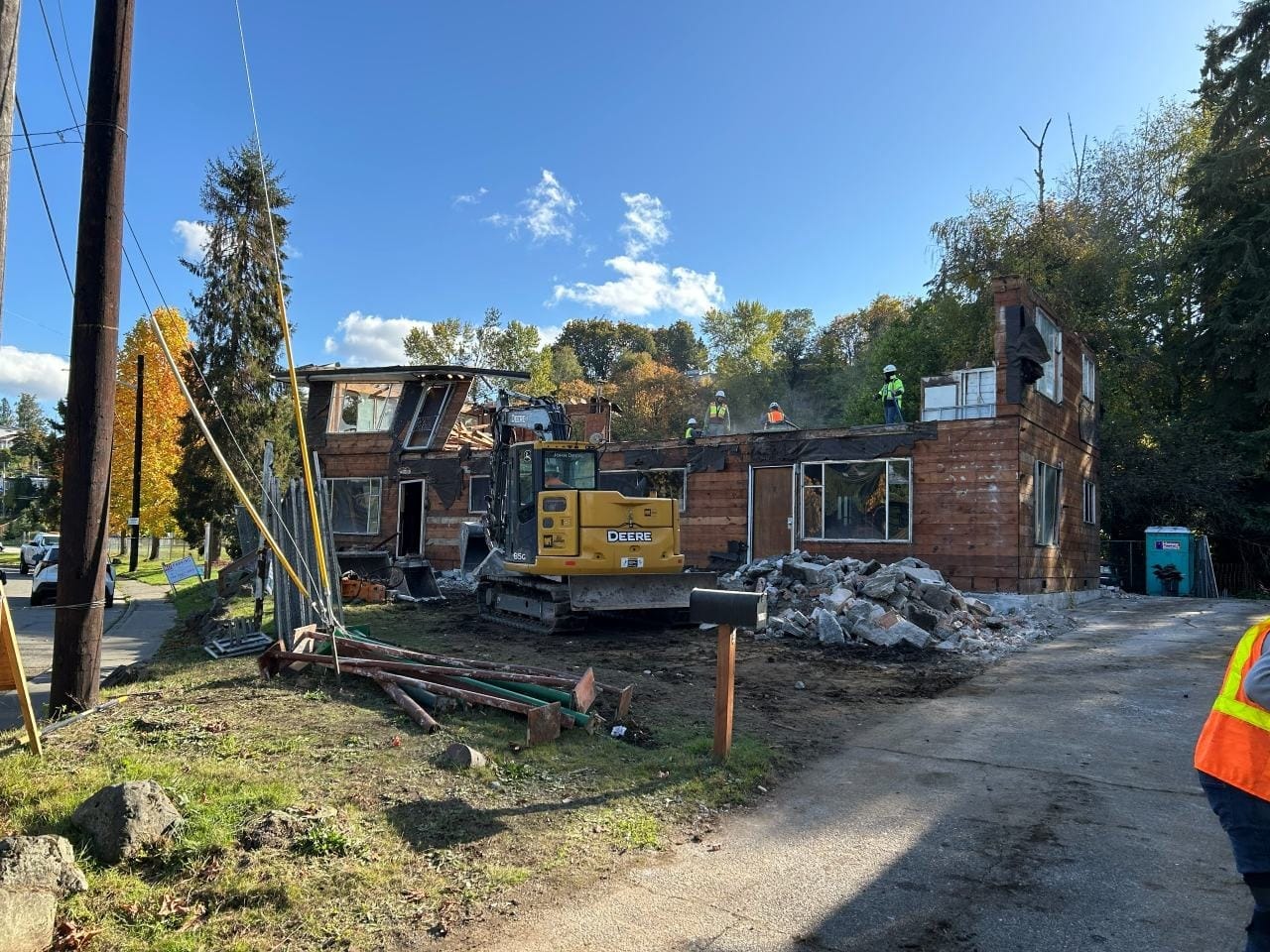
The hope is that by lowering one major cost component that the city has direct control over will allow more projects will be able to pencil – and bring more frontline construction workers back to jobsites. Developers backing the proposal say they have identified more than 30 stalled projects with vested permits that are ready to deliver more than 6,000 homes should the fee break be enacted, clearing their path to financing.
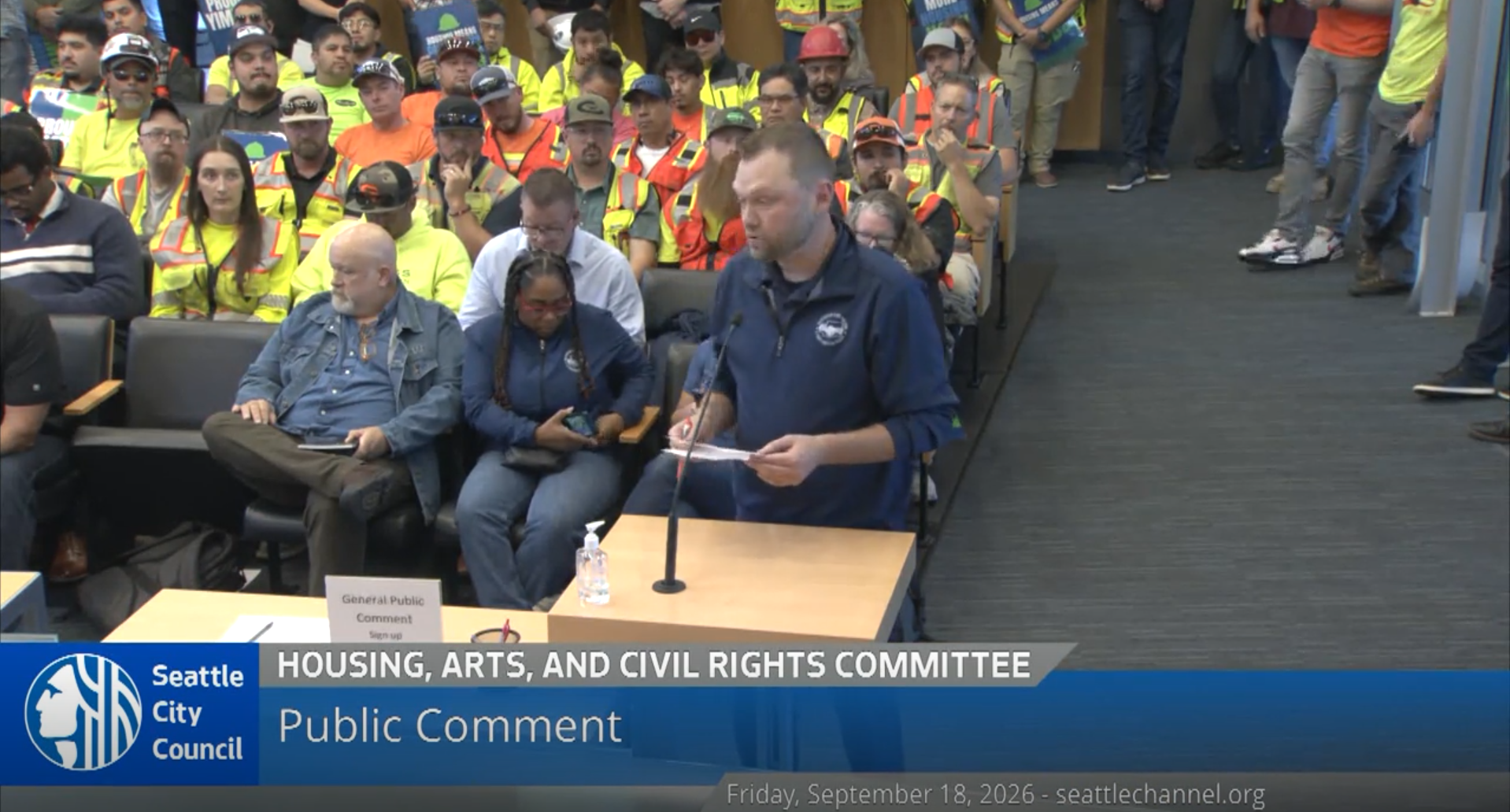
"We have well over a thousand folks out of work. We haven't seen those numbers since the last recession. So just anything that we can do to spur development, get folks back to work," Billy Hetherington, Political Director for Laborers' Local Union (LiUNA) 242, told The Urbanist. "MHA, the way it's designed, if there's nothing being built, it's not bringing in any money. So, taking a thoughtful reset and looking what happens during that reset, and trying to look at the policy again here in a year or two years to fit it to the right economic climate we're in."
Comments Friday were not universally in support, with some concerns raised about reducing a dedicated revenue source for affordable housing.
"Reducing the City's only housing affordability program is the wrong lever to remove," Alexandra Johnson of the Duwamish River Community Coalition told councilmembers. "MHA, by the City's own study, was 3-5% of total developer costs, and permitting, design reviews, including delays from the city were 9-11%. Rather than committing to reforming internal systems and prioritizing progressive recalibrations of MHA – very similar to what the mayor's taskforce on housing will commit to solving – the city is choosing the least equitable route and a verified ineffective route by the City's own analysis."
So far the proposal appears to have broad support on the council, with Council President Joy Hollingsworth signing on as a co-sponsor.
"The one thing that really stands out the most to me has been the numbers and the data and the hard facts," Hollingsworth said. "My four goals during this process: build more housing, all of it; keep affordable housing in our city as well, to protect those sustainable pathways and funding and operations, long term; protect neighborhoods with high level of risk or displacement; and then also incentivize family-size housing and units. And that's a very thin line to try to navigate. So I really appreciate this conversation."
Paired with the ordinance, which could get a vote as soon as early January, is a companion resolution that has rankled some of the biggest proponents of a potential MHA reduction. It would state the council's intent to study whether the MHA program should be expanded to the city's Neighborhood Residential zones – the formerly single family neighborhoods where a state-mandated upzone unlocked additional density last year.

"I'm trying to set the stage for what our long-term approach looks like. And if you look at the language in the resolution, what you'll see is some significant guardrails in there, including specific language that says we want to direct central staff to develop this in such a way that it does not have a substantial negative impact on development in this area," Foster told The Urbanist following Friday's meeting. "My intent is not to kill housing projects. My intent is housing production and the long-term stability of this funding source in a way that makes sense for the future of our city."
With no MHA fees in place in NR zones but significantly more development capacity, builders often have an incentive to advance a project there rather than in a low-rise (LR) zone closer to transit and amenities, where MHA fees would apply. That disparity, land use committee chair Eddie Lin told The Urbanist, is one reason that he's expressing support for the proposed resolution.
"I think it's worth exploring. I don't see the resolution as a final decision," Lin said. "I think there's some interesting nuances that we could get into there in terms of encouraging greater density. Like, do we encourage lower fees for greater density? Do we look at things like homeowners who might be building for themselves? And so there's a lot to unpack. I just see this as the start of the conversation in trying to build the information that we would need to have a more thoughtful discussion."
With committee work on hold until after Thanksgiving for a full-time focus on the city budget, the Housing Accelerator (with its trailer resolution) is set to come back for additional discussions in December. By that time, the housing committee will have a new member, with District 5 Councilmember Debora Juarez stepping down as soon as special election results in that district are certified.
 Doug Trumm
 Parker Dawson