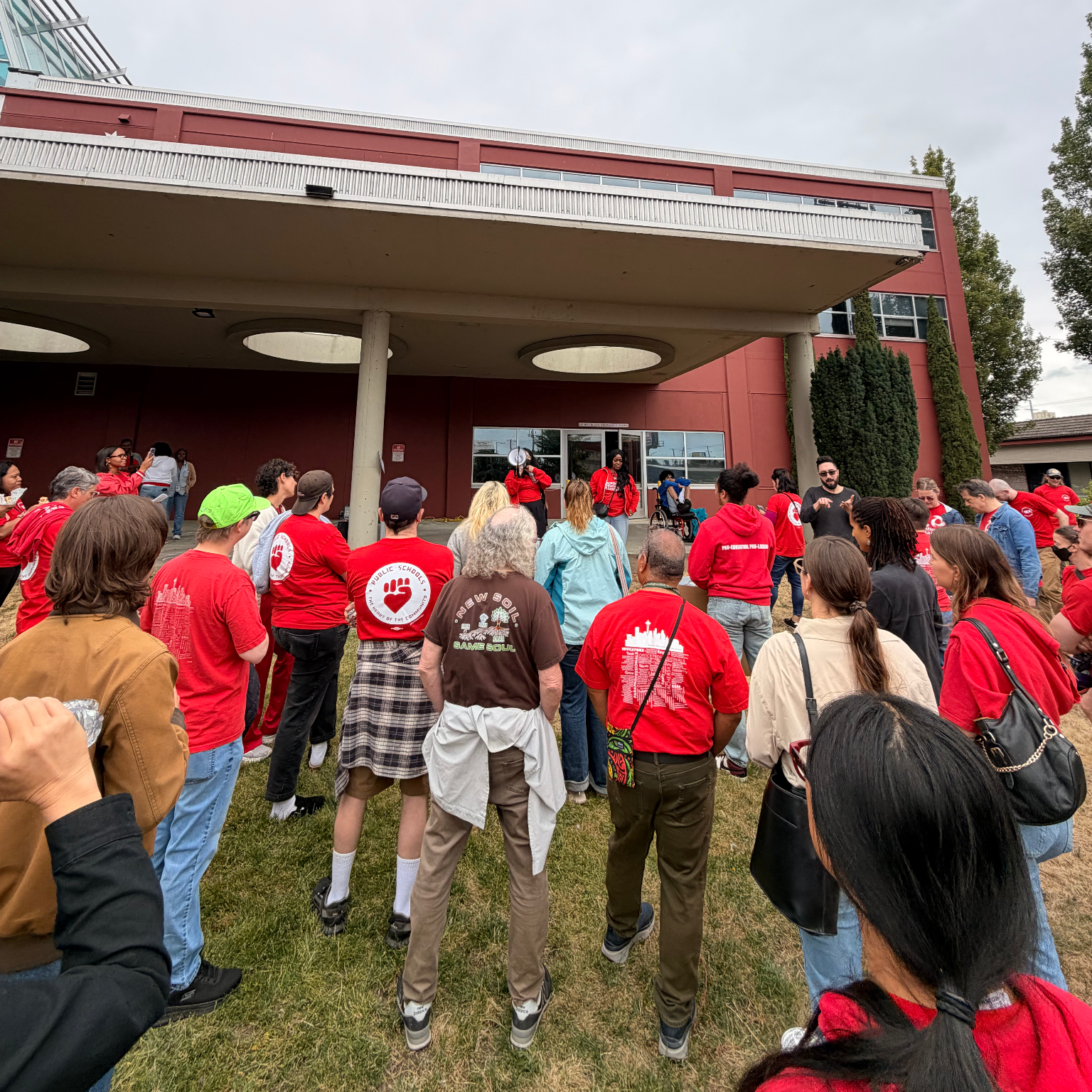
It’s the last few weeks of the summer. Everyone is trying to fit in one last trip out of town, hosting cookouts, spending evenings at the lake, or like many parents diving into back to school shopping. Usually educators are gearing up and preparing to welcome back students to the classroom, but this year there is a bit of a road block.
Between now and September 2nd, the first day of school, members of Seattle Education Association (SEA) are bargaining from 9am to 9pm with Seattle Public Schools (SPS) for a fair contract. That was until last night (August 29th), when SPS walked away from the bargaining table as talks broke down regarding cuts to special education.
On August 26th, SEA authorized a strike. This doesn’t necessarily mean they will strike, but SEA’s bargaining team has the greenlight. With the district walking away from the bargaining table it is increasingly likely SEA will have their third strike in 11 years. We are just a few days away from the start of the school year, and you may be asking, “What’s the hold up?”
Let me tell you.
SEA has agreed to 12 of 57 issues and struggle to find common ground on what holds the most weight in these negotiations, centering the experience of their students and members. They have found that pressurization and wages are where the district and SEA are unable to come to an agreement. You may be wondering, what this actually means. Teachers are focused on pressurization, a.k.a. increased workload. Pressurization comes in the forms of increases in caseload, class size, and other demands that take their time and focus away from students and lead to educator burnout.
When we constantly put more and more on our educators' plates, we limit the time and energy they have to actually teach our children. And when we talk about wages, we mean making sure all SPS employees can afford to live in the city where they work. In a city as expensive as Seattle, many of the lower-paid workers are finding it difficult to afford to live here in the communities they serve. Educators are not looking for a massive raise in this contract. It is simply a cost-of-living adjustment that will ease the burden of affordability.
If I were to simplify that for the everyday person not at the bargaining table: Teachers want to improve working conditions because their working conditions are their students' learning conditions.
SEA is digging into the district’s annual $1.3 billion budget and finding that part of the problem is state funding. And part of the problem is misplaced priorities.
What is SEA fighting for beyond pressurization and wages?
Special education students have a civil right to a high-quality education: That means we need to meet their individual education plan (IEP). With more students with IEPs in general education, SPS needs to ensure that the co-teaching models are effective. Teachers need an opportunity and space in their schedule to collaborate and help ALL of their students succeed. In these co-teaching models, SPS needs to have a plan to fill in for vacancies and leaves so students with IEPs have teachers with a Special Education endorsement. This is not only an issue around providing a high quality education for all our students, but it is a civil rights issue.
Reasonable class sizes: This is critical to how students succeed. Currently, SEA’s contract includes overage pay as an incentive for the district to keep class sizes a reasonable size, but we are hearing from educators that they don’t want that overage pay. On a personal note, my friend that teaches in a different district similarly had overage pay for having a large class. Mid-year, she had to advocate to split the class up because the learning environment in a class of 35 students was not conducive to student success.
Smaller class sizes give educators the ability to connect with students and help them succeed. SEA states: “We need to create a true cap, beyond which the district must add staff or reduce the class size to ensure students have the opportunity to learn.”
Beyond class sizes, SEA has a variety of other proposals that include safety, AI usage in the classroom, and substitute reimbursement.
Long term, we need solutions from the state
These issues could be solved at the state level if we had a legislature that would prioritize the learning conditions of our children.
In 2014, we had the opportunity to implement smaller class sizes through I-1351, providing students with one-on-one attention from caring and qualified teachers and support staff. While voters backed smaller class sizes, the state legislature unfortunately left the initiative unfunded, and in 2015 the state legislature delayed its implementation. Eventually in 2017, the legislature repealed the cap on class sizes, due to a lack of funding, leading us to the mess we are in now: Large class sizes, teachers without the resources to effectively serve their students, and students failed by a system that they simply inherited.
Teachers are burnt out and it reflects in how many educators are leaving our schools. One special education teacher told me that: “Last year was the worst teacher year of my life due to an unsustainable and unsupported SpEd caseload. And every SpEd teacher in my building except one left at the end of last year. It’s leading to massive burnout and attrition.”
Without proper class sizes and support, we are failing our teachers, and in turn failing our children.
Many critics to this solution will bring up, “if smaller class sizes were unfunded in 2014, how would you fund them now, especially with an upcoming austerity budget?”
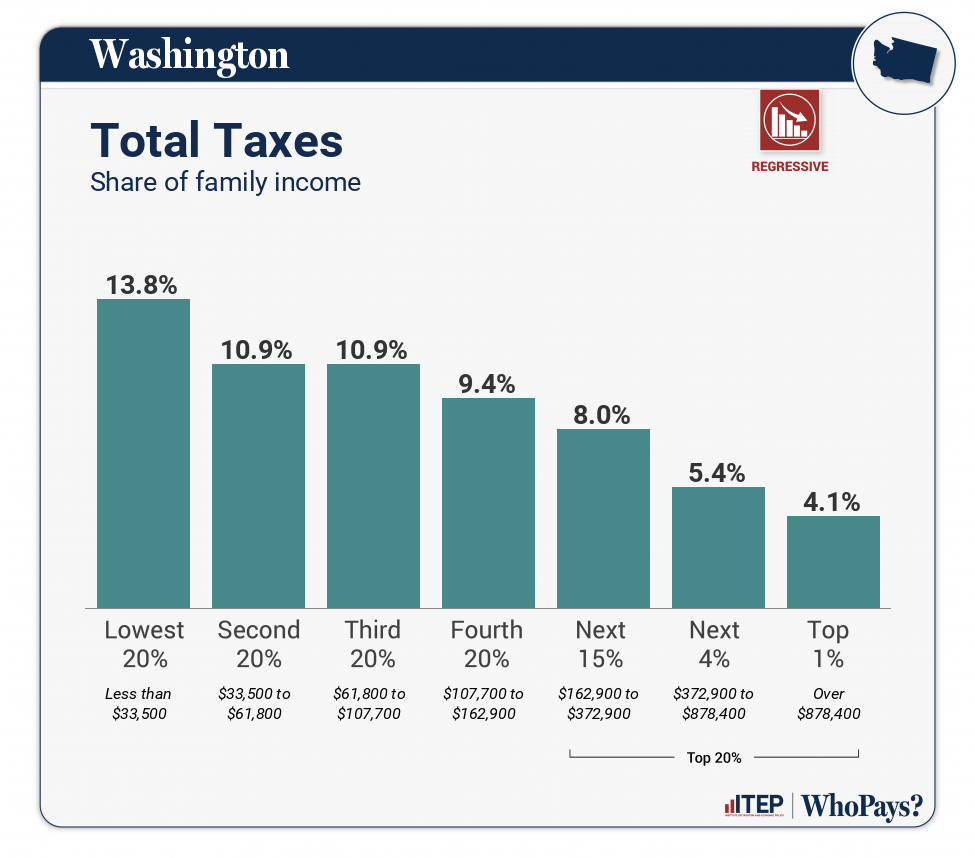
Well, simply put, we would need to reform our tax code like WEA recommended about a decade ago. I’m writing this off the heels of Washington State coming in as No. 1 — for corporate tax breaks and corporations like Microsoft paying a tax rate of 2.4%, while people that earn less than $33,500 a year have a tax rate of 13.8%. We need a legislature that is bold enough to stand up for our values and provide a quality education for all, while creating a sensible tax code that makes everyone pay their fair share.
And this November, we have a choice in legislative races all over the state. We need to elect legislators that are willing to balance the tax code. We deserve legislators who will stand with workers over corporate profits. And legislators that support our educators all year long, not just during an election year.
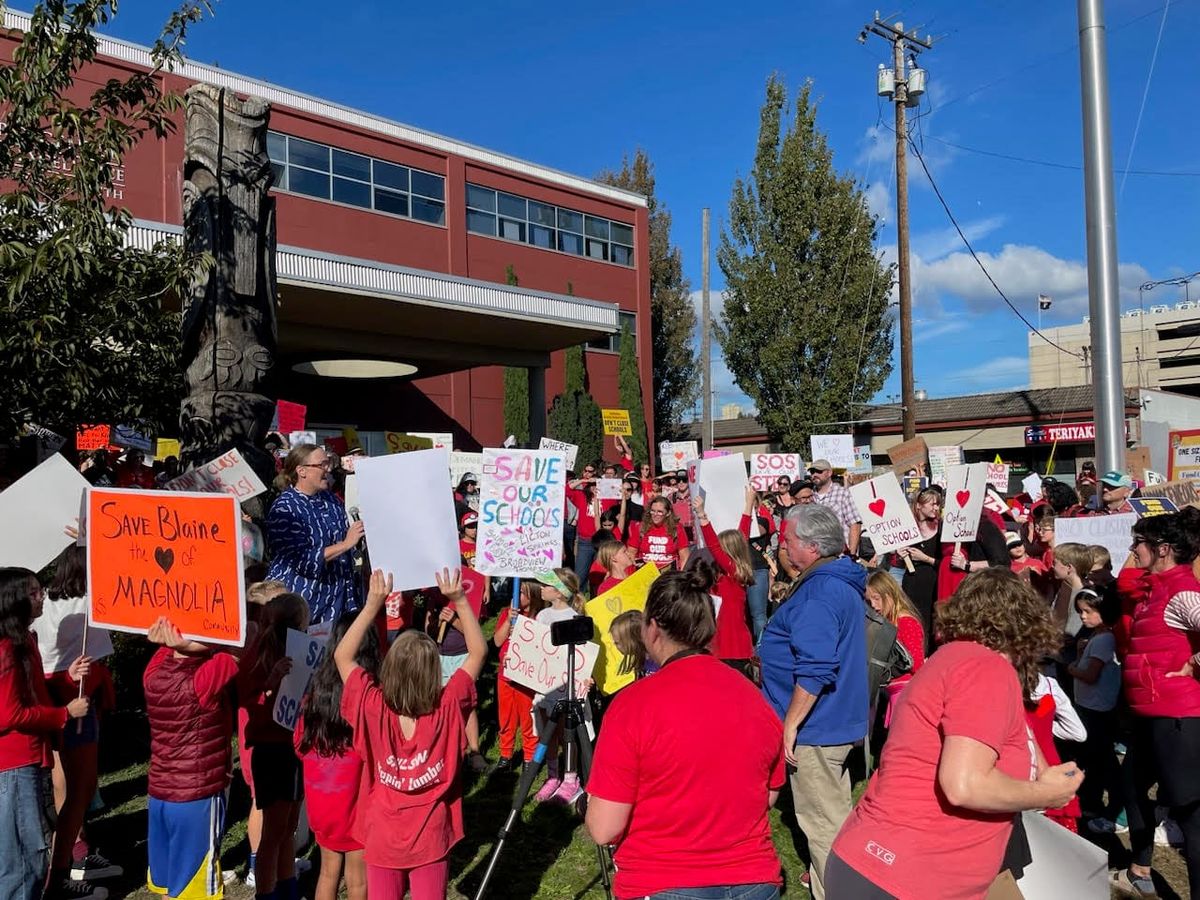
In the upcoming days, I ask you to support our teachers. This could be showing up for the bargaining team at rallies, spreading the word via social media, calling on the district to meet SEA’s proposals, and, if there is a strike, picketing with teachers throughout the city demanding SPS meet their proposals.
 Ryan Packer