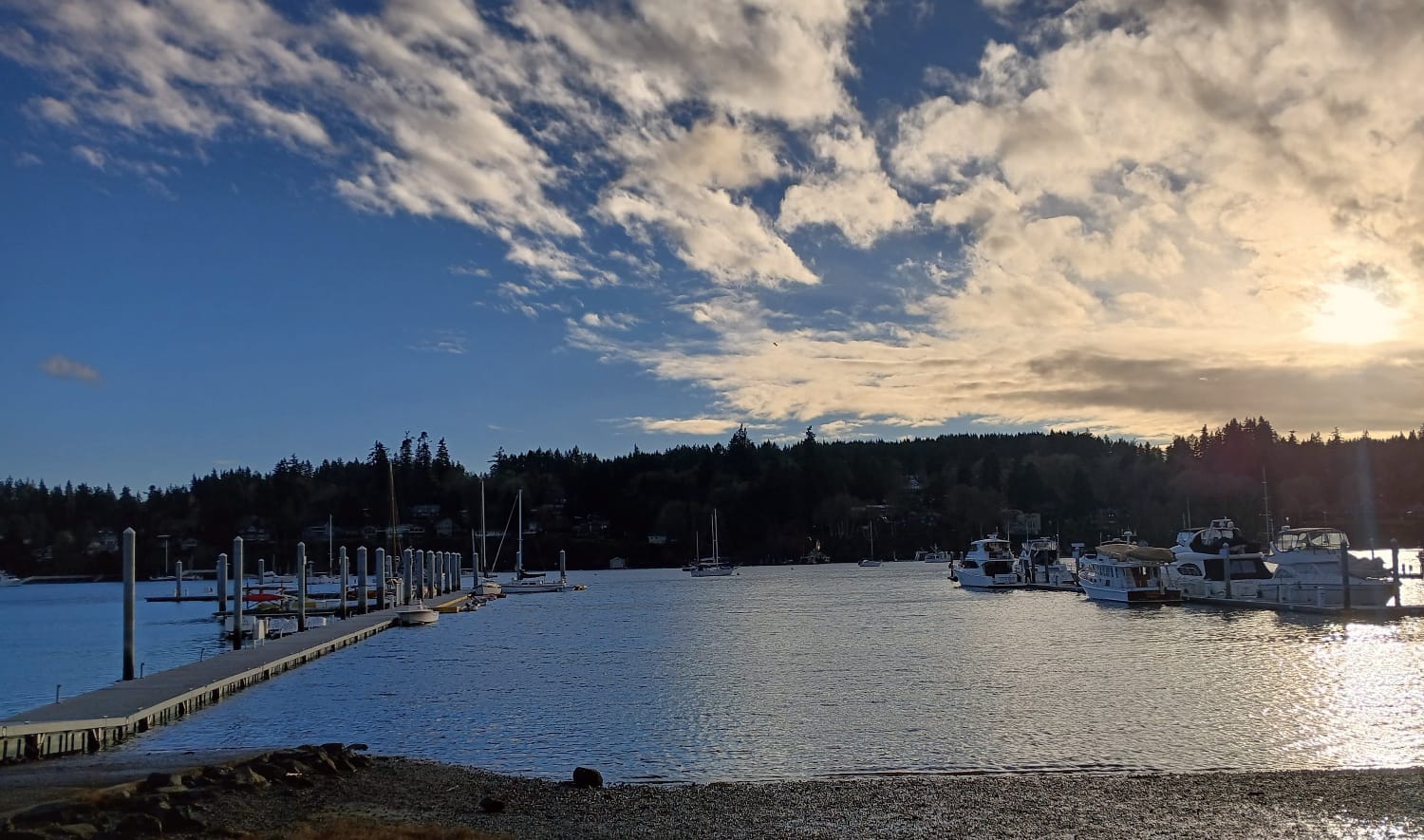
The issue of housing growth on Bainbridge Island has been put in the spotlight over the past few months, with opposition to an affordable apartment building at the Island's front door garnering the sleepy enclave a significant amount of media attention. And while the 25,000-person island's reputation as being especially hostile to growth (to the point of satire) may well reflect a major segment of the community, a recent meeting at Bainbridge Island City Hall shows that it's not the whole picture.
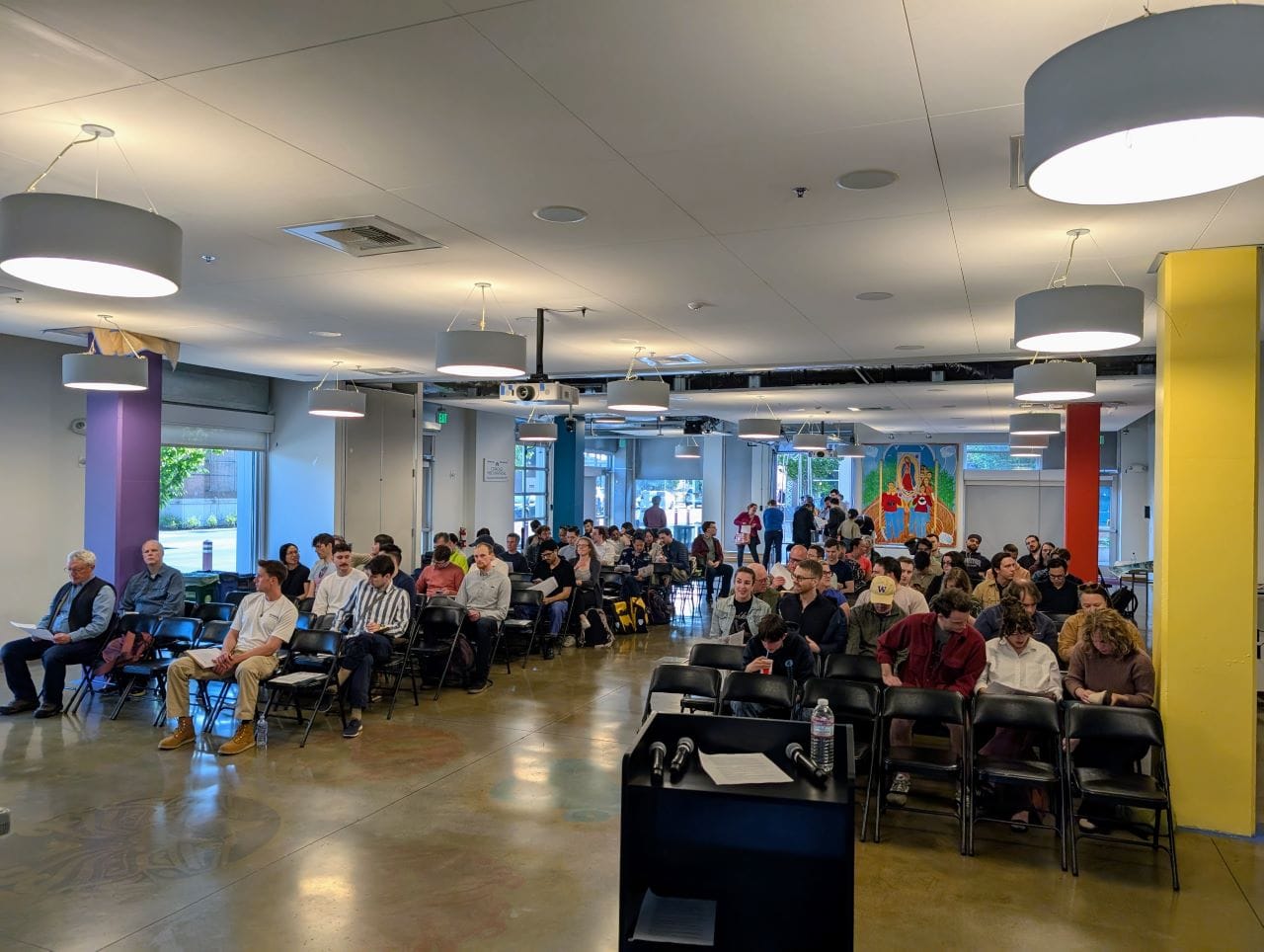
Last Thursday, the Bainbridge Island Planning Commission held an initial public hearing on a recommended citywide growth plan, a document which is approaching a year-and-a-half overdue under state law. A major reason for that delay has been considerable internal debate over how to comply with updated growth targets, including new requirements to specifically plan for new residents across different income levels.
Regardless of new requirements, the need for affordable housing in Bainbridge is tangible for many residents. Between 2000 and 2020, the percentage of Bainbridge homeowners aged 55 or younger declined by 26%, as many younger families couldn't afford the single family homes that make up 96% of the parcels on the island. A 2022 community survey found that 79% of Bainbridge Island workers would live on the island if they could find housing they could afford.
Bainbridge is on a tight timeline to adopt a growth plan, with the Washington Department of Commerce last month giving the city 120 days to become fully compliant with state housing law, or face repercussions that could involve the so-called "builder's remedy" – the ability for a developer to get any permit approved, no matter the building envelope, as long as certain requirements for affordable housing are met.
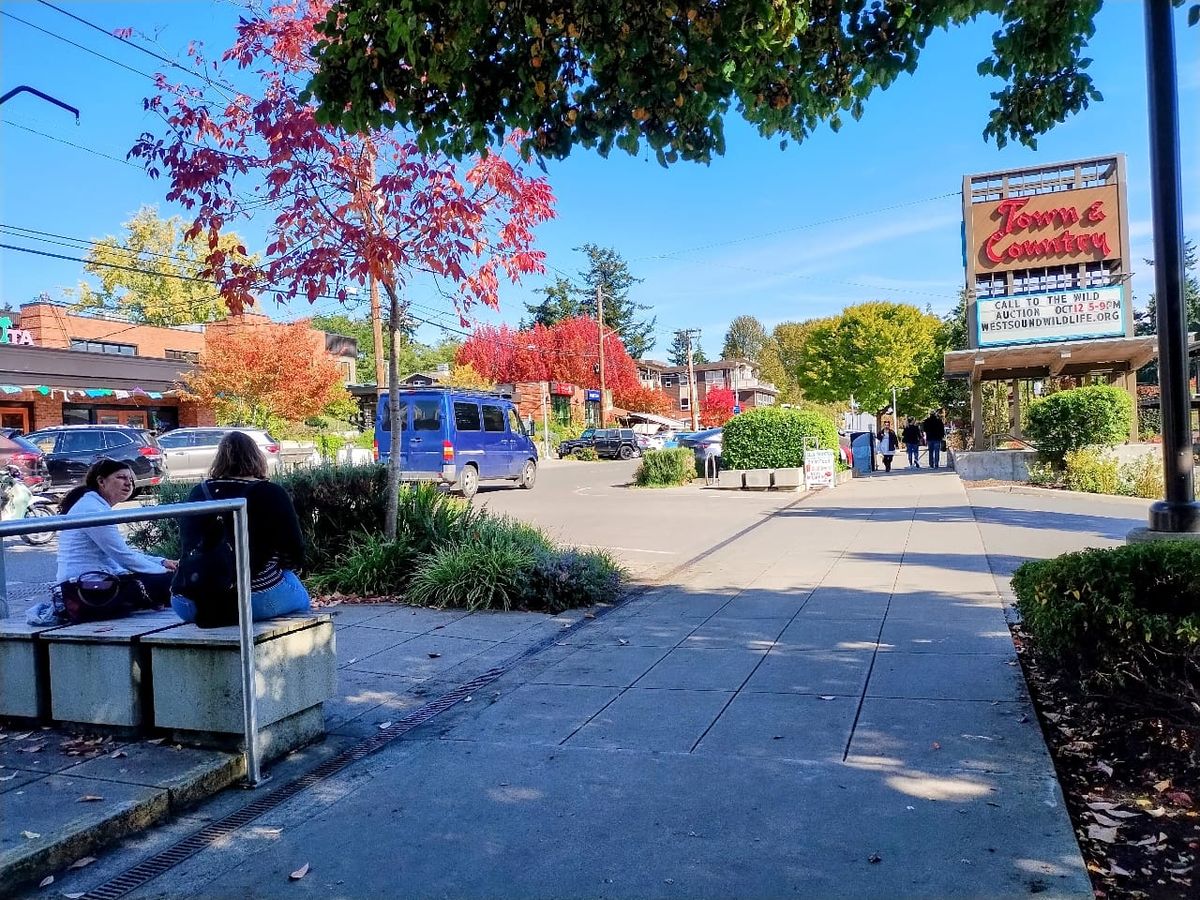
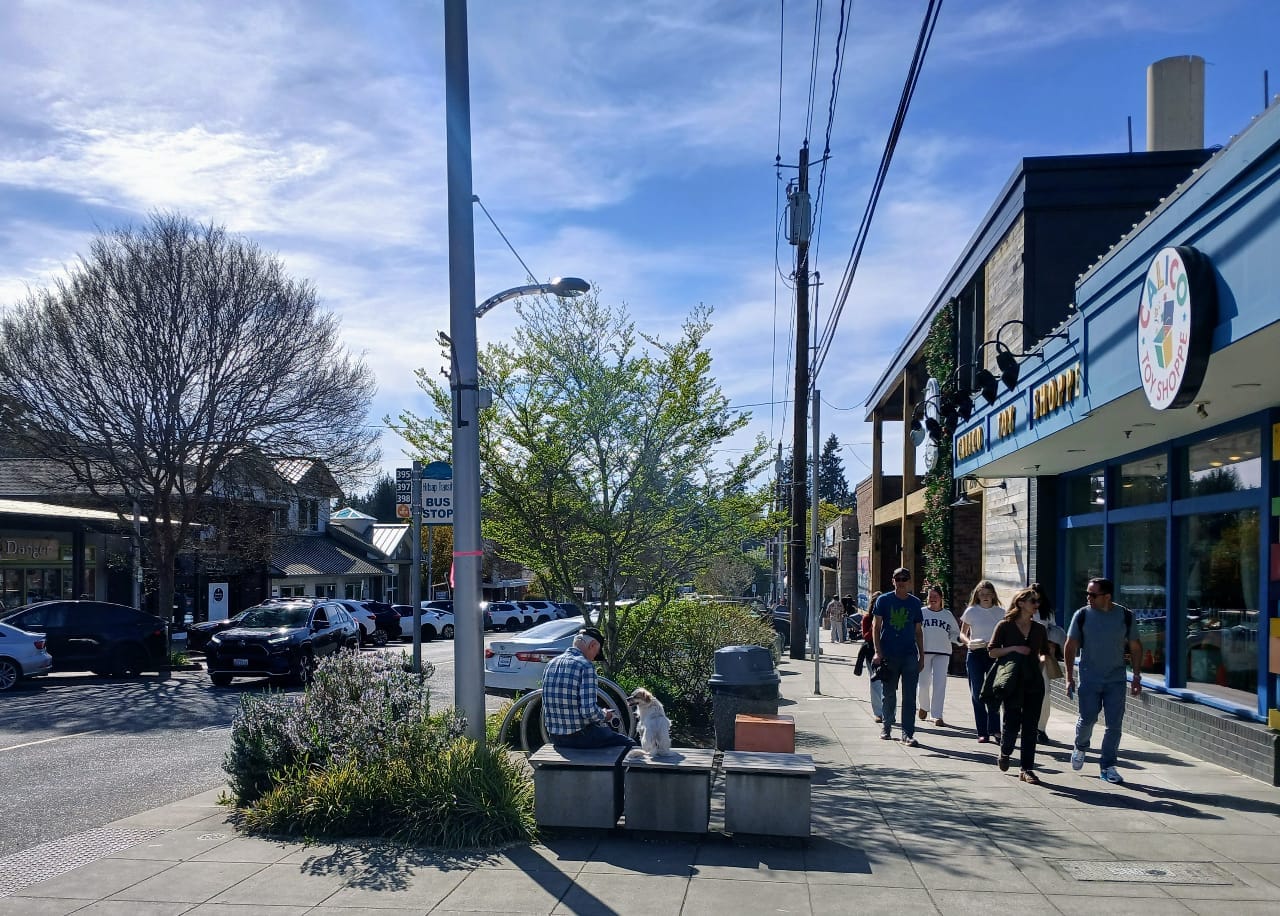
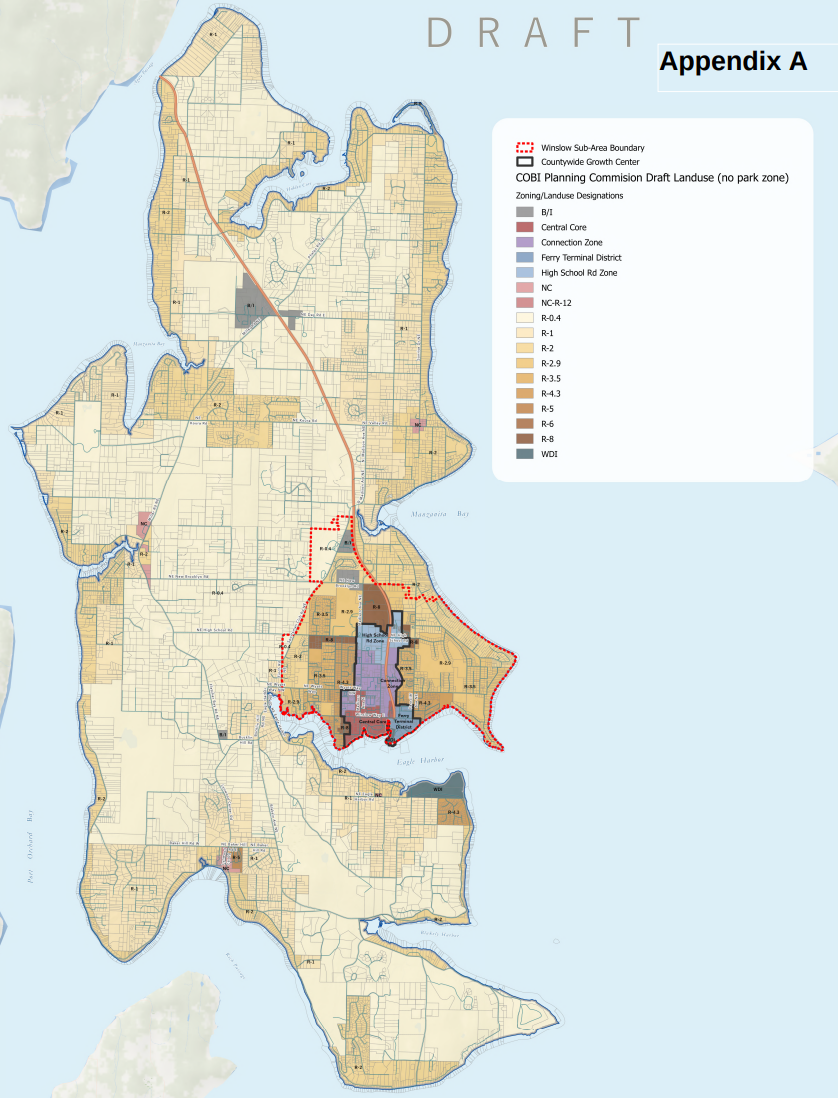
As it stands, the draft plan keeps a tight lid on growth in Winslow, the island's main downtown district, attempting to dole out density bonuses to developers who agree to provide some below-market units.
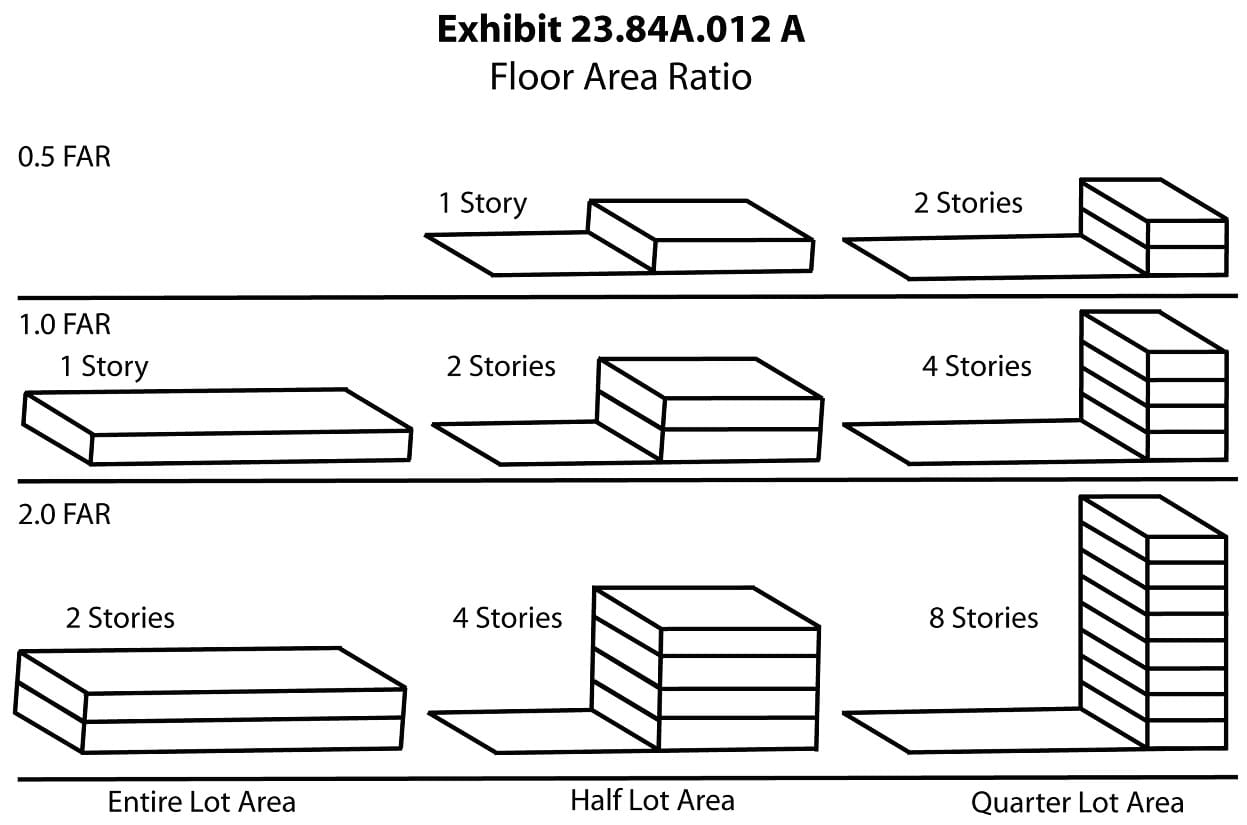
By direction of the Bainbridge City Council, that density bonus was capped at a modest 2.5 floor-area ratio, a measure of density that determines how much space buildings can occupy on a lot, despite the commission recommending going to 3.0 and 4.0 in certain places. Projects not opting into the density bonus wouldn't be able to expand much beyond what is allowed today.
According to a land capacity analysis released just days before the hearing, expected housing growth across Bainbridge Island would continue to be predominantly single-family homes, in the zone that the island has dubbed the "conservation area" outside of Winslow and a few other clustered centers. Over the next two decades, Bainbridge Island would expect to add around 1,700 new single-family homes compared to around 900 apartments within Winslow, even as the city engages in a major debate around future water use.
That capacity analysis identified a gap of more than 1,000 housing units accessible to households making below 120% of Kitsap County's median income – a gap that Bainbridge leaders will have to try to fill with public subsidies, but which the city's budget likely can't tackle at the scale required. The question is the degree to which Bainbridge will try and harness the private market to deliver some units that could be accessible to the island's workforce.
Designated as a "sole source aquifer" by the EPA, the entire island draws on the same water source, with countless wells across Bainbridge where water usage isn't monitored. A final draft of Bainbridge's Groundwater Management Plan, also released this month, noted that multifamily housing units (which occupy less than 1% of the island's land area) use approximately half as much water as single-family homes.
Thursday's hearing highlighted the number of Bainbridge Island residents who want to see the city act much more boldly with its growth plan, allowing more housing to be built in Winslow close to transit and businesses. One of those residents is Mira Rosenkotz, who told commissioners that they have to work a service industry job on the island in addition to working on her family farm in order to make ends meet on Bainbridge.
"I am disappointed by parts of the plan, specifically the lack of visionary changes needed to build affordable housing here," Rosenkotz said. "I cannot stress enough how important it is for us to shift our development from our more rural areas into our town centers. Proceeding with a Comp Plan that allows the majority of housing construction to continue to be market rate, single family homes in the conservation zone, while refusing to meaningfully upzone to actually allow more apartments in Winslow is the wrong move. While the threat of massive market-rate upzoning has been used successfully as a scare tactic for many years, it's important to note that Bainbridge has not had any upzoning in decades."
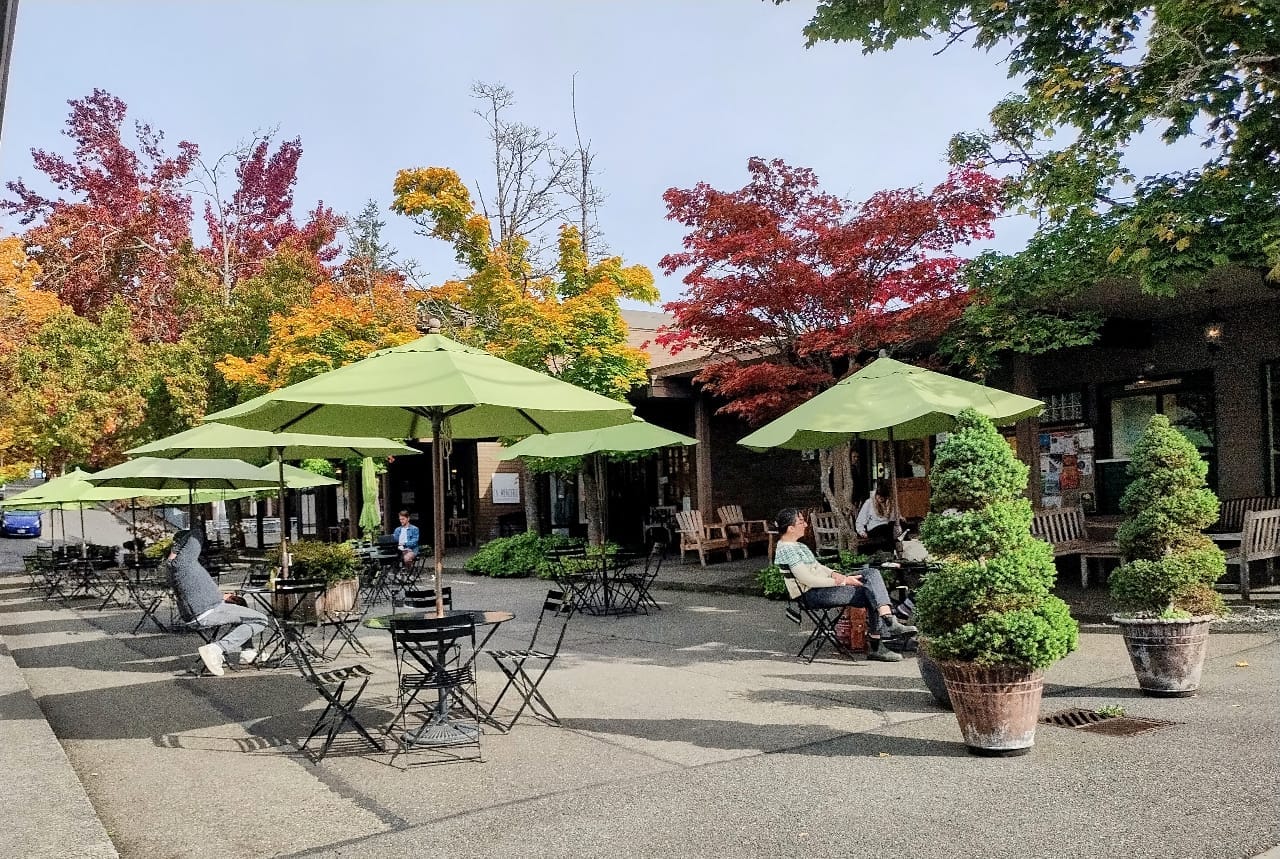
Jeff Shepard, the co-owner of the iconic Blackbird Bakery on Winslow Way, provided his perspective as a Winslow business owner, operating the type of shop that draws tourists from Seattle by the thousands.
"My bakery has a staff of 28 people, two of those people live on Bainbridge Island, not counting me, and they live on Bainbridge Island because one of them lives with their parents and one of them has a partner who enables them to afford to live on Bainbridge Island," Shepard said. "It's becoming almost untenable, and I think that I speak for a lot of local businesses, especially in the service industry, when I say that the lack of affordable housing on Bainbridge is becoming such a strong issue for us that it will be difficult to sustain the model that we operate under. I think that you'll see more and more smaller businesses, more and more, for lack of a better term, mom and pop businesses being unable to be successful and to continue to thrive in the environment in which affordable housing just doesn't exist in a scale that we need."
Eric Fredricks, who owns a home construction company, also pointed to the impacts that occur when the Island's workforce can't afford to live within city limits.
"It's amazing how many people on this island that work on this island can't live here, and it's an incredible number. I would say that 90% of our workforce leaves the island every day, and they jam up the roundabouts, they burn up a lot of oil, it's really wrong. What we need to do is, in this core area, do what you're talking about doing, increase the density, use it, the space we have, use the infrastructure here," Fredricks said, pointing out the immense amount of water that goes into watering lawns with non-native plants. "We need to be looking at water conservation from the standpoint of irrigation and what we're irrigating here, and we need to provide housing on the island for our workers."
Julie Rosenblatt, who runs a wellness center on Bainbridge, also joined the chorus of business owners spelling out their reality.
"Ninety percent of my employees, including other doctors and other health professionals, could not afford to live on the island. I support affordable housing on Bainbridge because people who work here should be able to live here, and I want more diversity, vibrance, resilient community, and have more families come so we're not closing schools and putting teachers out of work. We here have decided on a Comp Plan where the majority of housing construction will continue to be market rate, single family homes in the conservation zone while refusing to upzone to allow more apartments in Winslow" Rosenblatt said. "The refusal to upzone for any meaningful increase in apartments, while leaving untouched, our capacity for 2,000 more single family homes spread out through the island will be worse for traffic, worse for parking, worse for the aquifers, worse all around."
Public comment was not uniformly in favor of density, though, with other commenters raising the need for additional infrastructure and questioning the need to create any additional capacity for more market-rate units.
"What I've heard tonight is that under the charting we're still short on our required affordable housing under the current plan, and so my question for for you in general and Council specifically is, why are we providing market rate up zoning at all then, if we still don't have accommodation for affordable housing?" Bainbridge resident Lisa Neal said. "We're addressing this without affordable housing being satisfied – our requirements. We don't have an infrastructure cost analysis for the density increase that is in there."
At least one member of the Bainbridge Planning Commission is poised to ask the City Council to take a look at increasing the amount of housing capacity available under the density bonus program – and increasing the amount of base density available for any housing project throughout Winslow. But ultimately, that decision will lie with the Council, a body that is pretty evenly divided between a faction that's fully opposed to opening the door to more market-rate housing and one that is more open to the idea. The Council is expected to consider the plan in June.
 Ryan Packer
 Ryan Packer