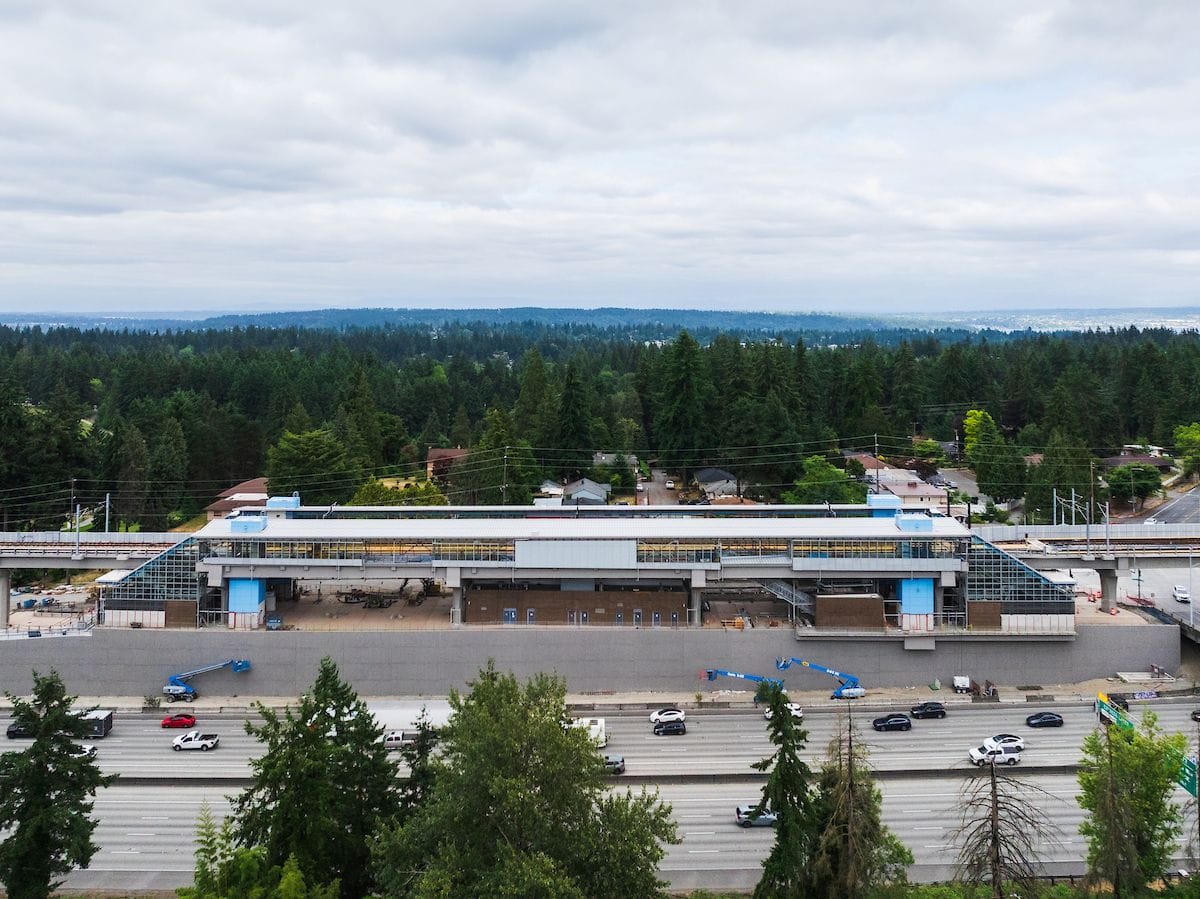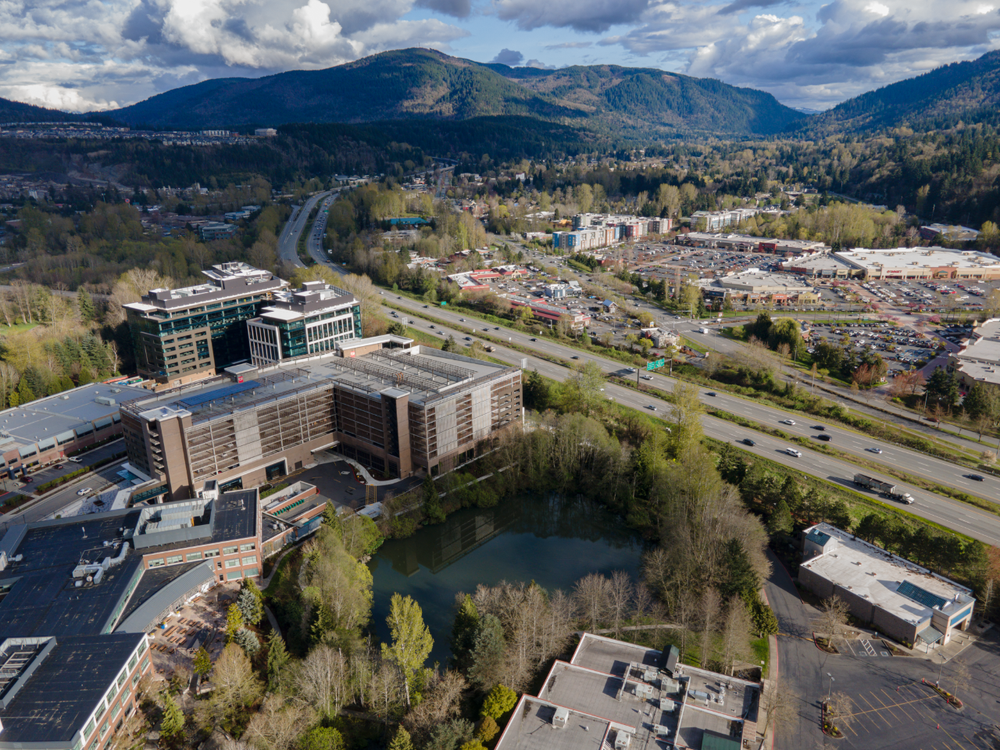
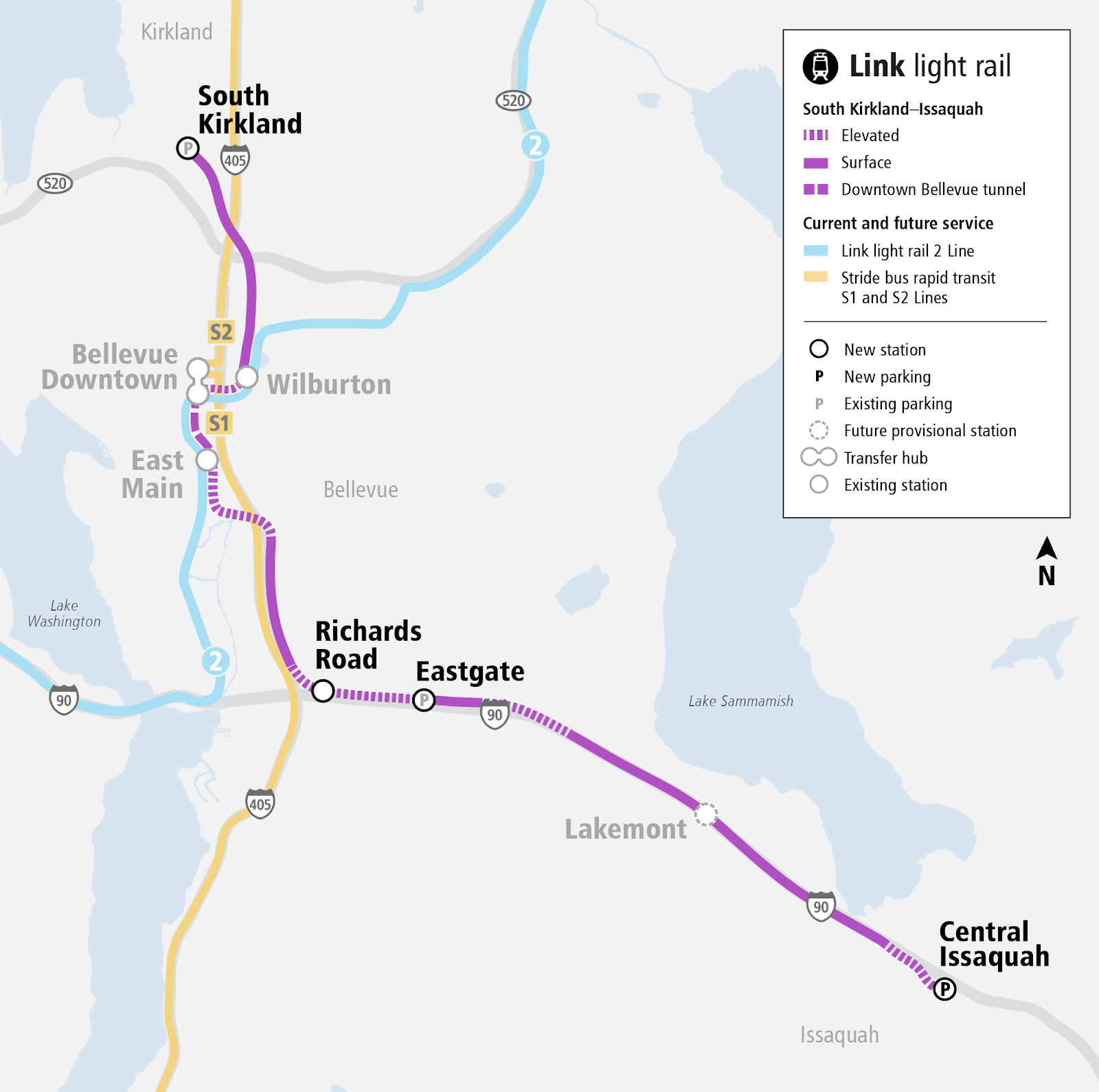
On Monday, the Issaquah City Council approved a resolution signaling intent to significantly reduce barriers facing a planned Sound Transit light rail line, a latest bid to show a commitment to keeping costs down on the project. The move comes just as the Sound Transit board is poised to push the 4 Line, which will run between South Kirkland and Central Issaquah, to 2050.
That represents a six-year delay compared to the current timeline, or a nine-year delay compared to the timeline presented to voters in 2016.
Getting the 4 Line on the calendar in 2050 is seen as a victory in Issaquah, given the fact that other areas of the region – including Ballard and the Rainier Valley – have no estimated date for their light rail stations approved as part of the 2016 Sound Transit 3 ballot measure. By doing everything they can to bring down costs, Issaquah city leaders hope that timeline can be moved up.
The agency's latest estimates put the 4 Line's cost around $6 billion – a range of $5.6 to $6.3 billion to be exact – at least before cost-saving measures are applied.
The resolution details a commitment to working with Sound Transit on potential land use code amendments that make light rail permitting easier, with a goal of providing "greater certainty and predictability for the City, Sound Transit and the public." An "exploration" of self-permitting for Sound Transit projects specifically, something that transit advocates have been advocating for a long time, is called out in the language.
"The City shall not hinder Sound Transit's attempts to secure, obtain, and maintain, at Sound Transit's cost and expense, any permits, licenses or approvals from other governmental agencies or authorities, or of any necessary Third Parties, that would reasonably threaten the completion of the 4 Line Project in Issaquah," the non-binding resolution states.
As a regional transit agency building wholly unique infrastructure that regularly crosses jurisdictional boundaries, Sound Transit's struggles to obtain construction permits can be a major component behind project delays and they're also a vehicle some cities have used to extract broader site improvements than can add further costs.
Last year, the Seattle City Council approved an overhaul of the municipal land use code as it relates to light rail projects, a move that had been expected to reduce permit times on light rail projects by approximately half, to less than 100 days. But Seattle stopped short of allowing Sound Transit to self-permit in the city.
Meanwhile, Seattle added multi-year planning delays to the Ballard Link project by pushing for additional station options beyond what had originally been studied. Those delays contributed to rising costs and the agency opting to truncate the project and put the northern half in limbo, with the declaration it does not know when rail will get to Interbay and Ballard.
This year the state legislature gave Sound Transit another major permitting win, handing the agency the ability to submit construction permits before properties have been acquired. That new authority will allow permits to move forward concurrently rather than in stages, saving months if not years on certain transit lines.
But Issaquah's resolution could spell out a path to do even more to clear the decks for Sound Transit.
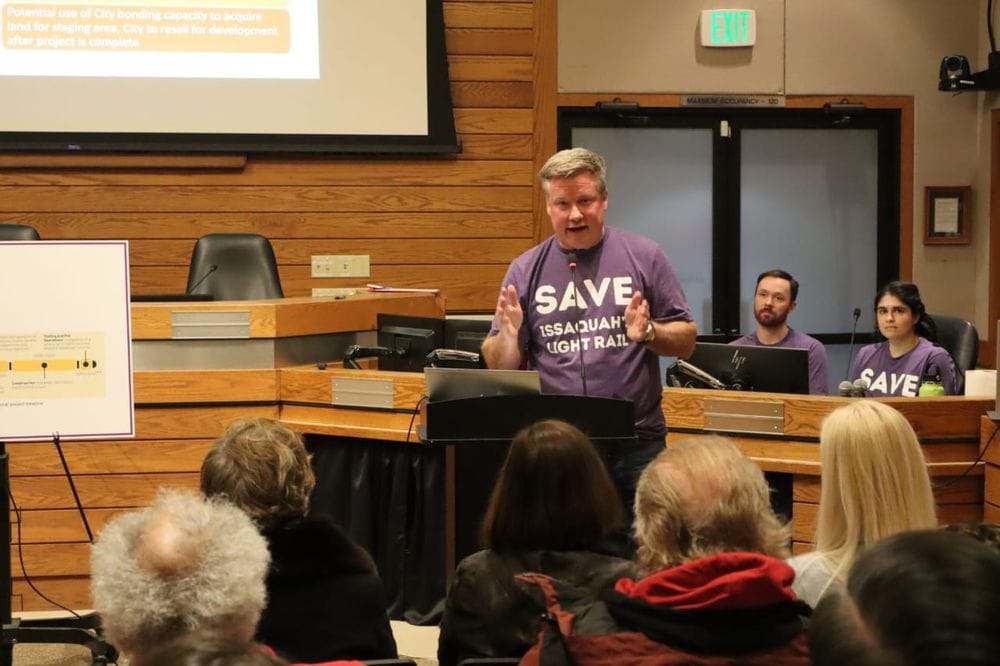
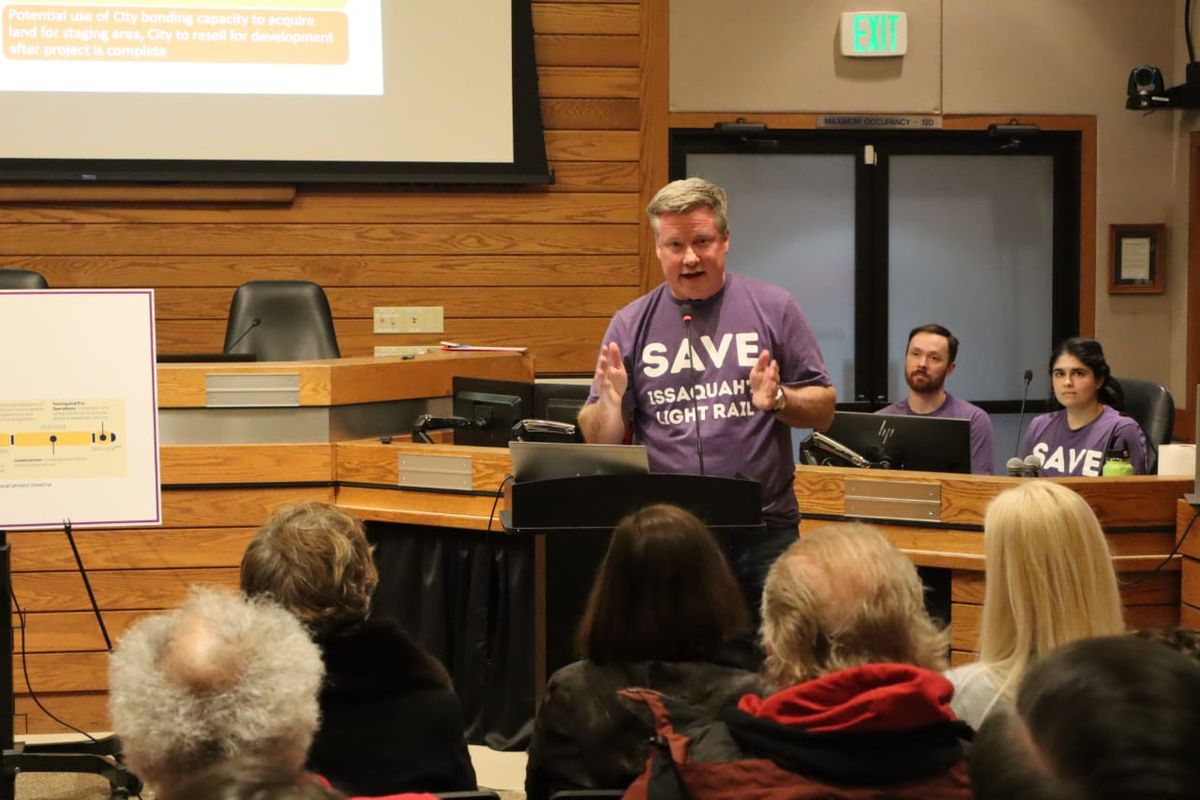
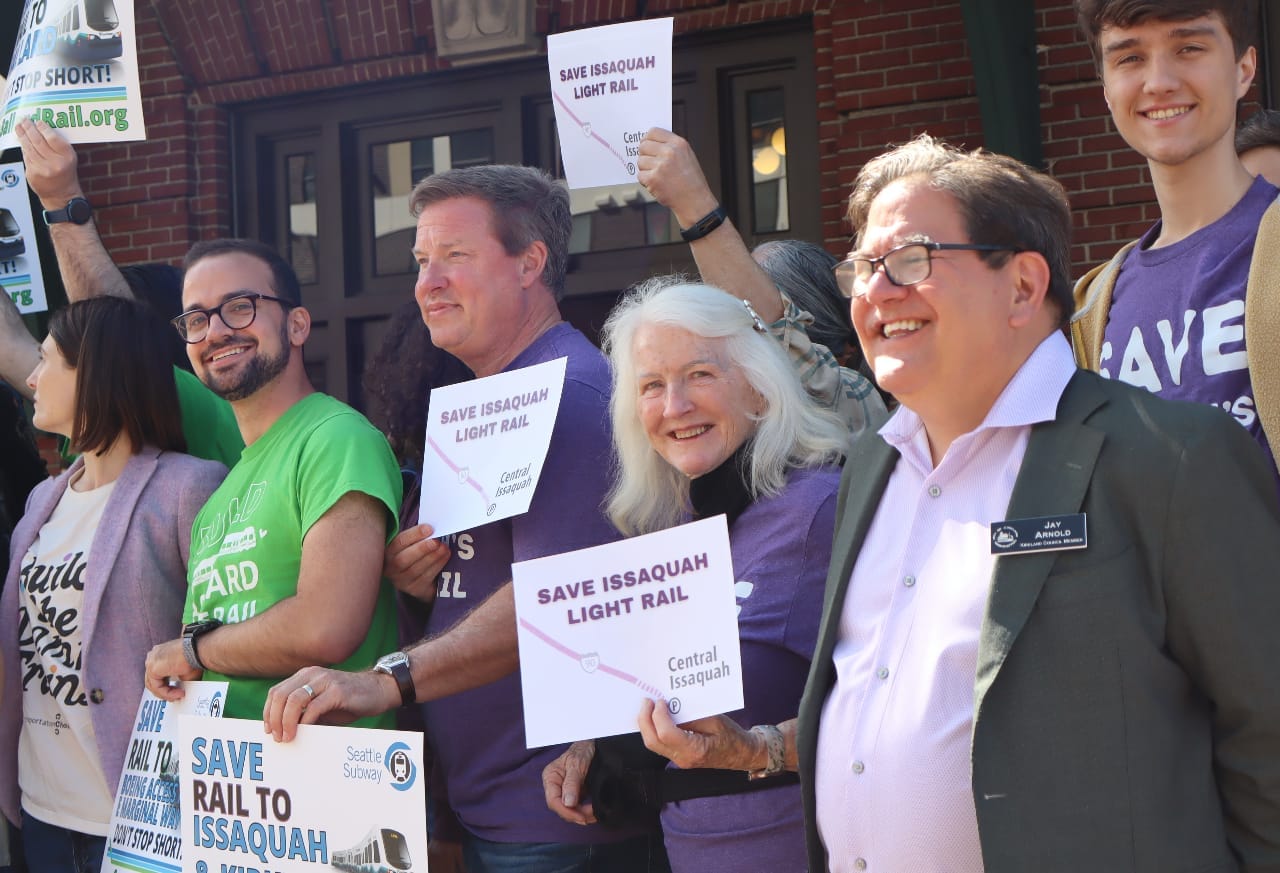
Since taking office in January, Issaquah Mayor Mark Mullet has been highly visible in pursuit of advancing the Eastside's next light rail line, which is the linchpin of the city's plans to turn Central Issaquah into a dense, mixed-use district. In addition to a City-instigated push to get residents to turn out at Sound Transit board meetings – all wearing purple, to match the 4 Line's color on Sound Transit's maps – Mullet has collaborated with Issaquah councilmembers to come up with potential ways to save costs on the project, most of which remain unexplored by the transit agency.
"Originally, the mayor and I were told time and time again that the 4 Line would likely be cut," Andrea Lehner, Issaquah's Deputy City Administrator, told the Council Monday. "We're very happy to say that we're still on the map."
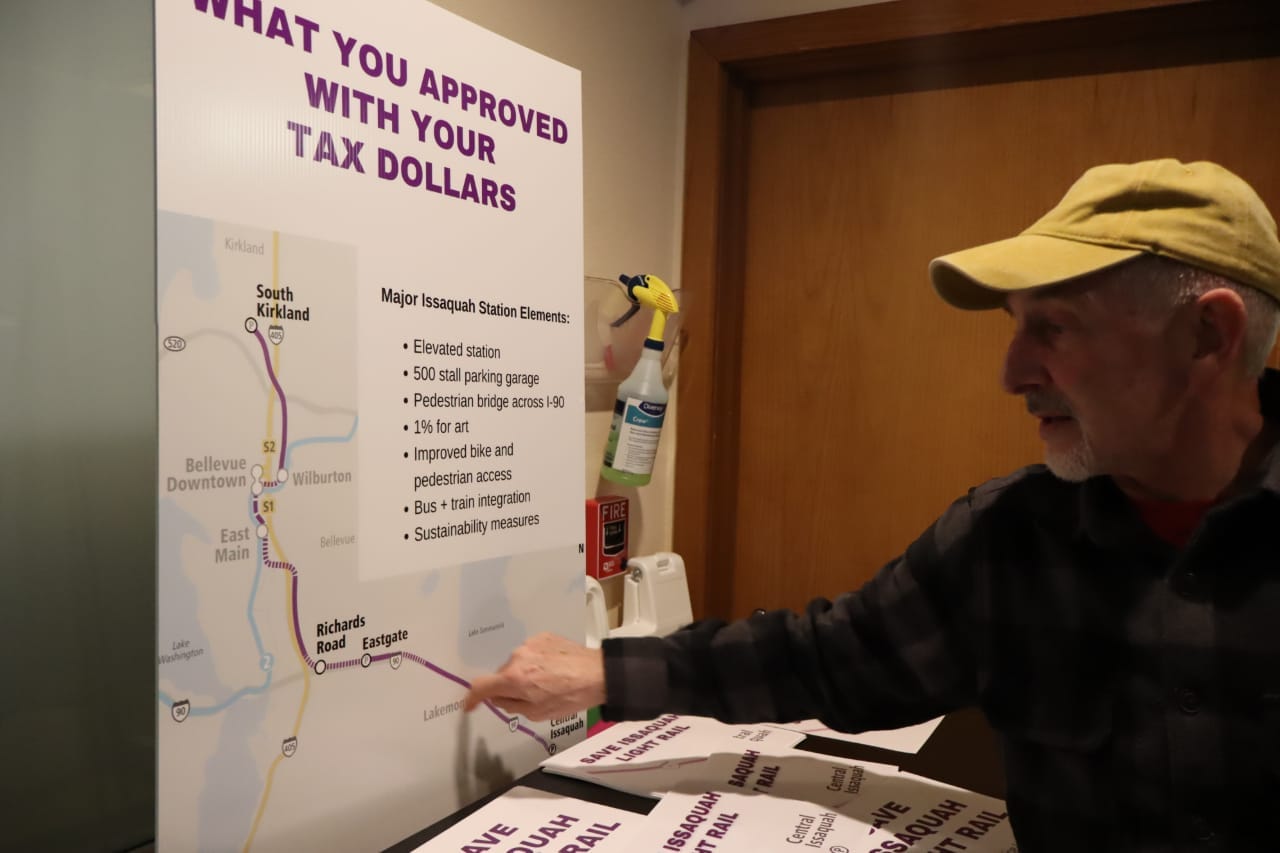
Mullet is pushing for design funding for the 4 Line to be advanced, so that some of those cost-saving ideas can be explored more fully, in the hopes of potentially persuading voters to sign off on raising Sound Transit's debt limit and accelerating project timelines. Ultimately, that approach could benefit more than just the 4 Line, with the other Sound Transit 3 lines further along in development.
"I think the regional leadership that Mayor Mullet has shown has really changed the conversation," said Kelly Jiang, Issaquah's Deputy Council President. "In the past with Sound Transit, sometimes people start squabbling over, oh, my project is the most important for X,Y,Z reason. I think setting the bar at like: let's figure out how can we all build all the trains? How can we get costs down as the whole system, and how can we as a city really be a partner and show leadership on that? I think that really has been changing the conversation."
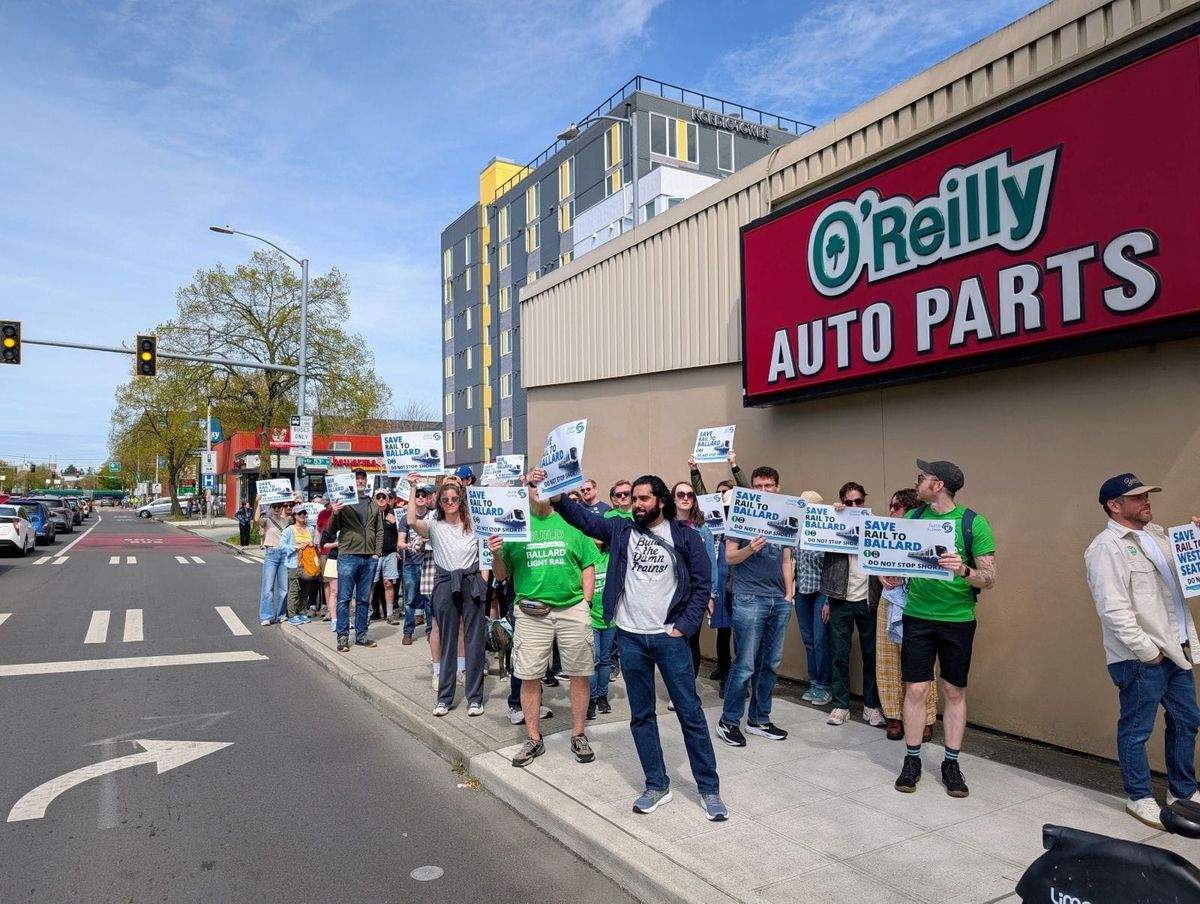
Transit advocates in Seattle are urging the Sound Transit board to reject Chair Dave Somers' "Affordable ST3" plan, which keeps half of Ballard Link and long-promised 1 Line infill stations in limbo. Even if the agency provides firmer timelines, winning on all fronts to avert project delays appears an uphill battle given limited funds.
The advocacy path for Issaquah, meanwhile, appears clearer. But even with a confirmed opening date, city leaders aren't sitting back and calling it good.
"I fully believe that the 4 line would not be on that map right now if not for all of your hard work that went into this," Councilmember Paul Adair said. "We got it on the map, and now we need to work to get it sooner. So, [I] want to do all the work we can do. I really appreciate this resolution. And now, looking at what are the steps now to get it before 2050, because I think that's possible, and I think that's our next job."
"Cannot agree more," Mullet replied. "2039, here we come."
 Doug Trumm
 Ryan Packer