At a media event Wednesday, local leaders plugged expanded transit options for Seattle's World Cup matches this summer and shared their goal for 80% of fans to arrive without a personal vehicle. Transit is expected to carry a heavy load, and officials touted the immense transit options available near Lumen Field, which will be referred to Seattle Stadium for FIFA purposes.
Seattle Stadium will host six FIFA World Cup 2026 matches, which are scheduled for June 15, June 19, June 24, June 26, July 1 and July 6. Organizers have announced four official Seattle fan celebration sites at Pacific Place, Seattle Center, Victory Hall, and Waterfront Park and expect hundreds of thousands of fans to visit the region to attend matches and associated events throughout the region.
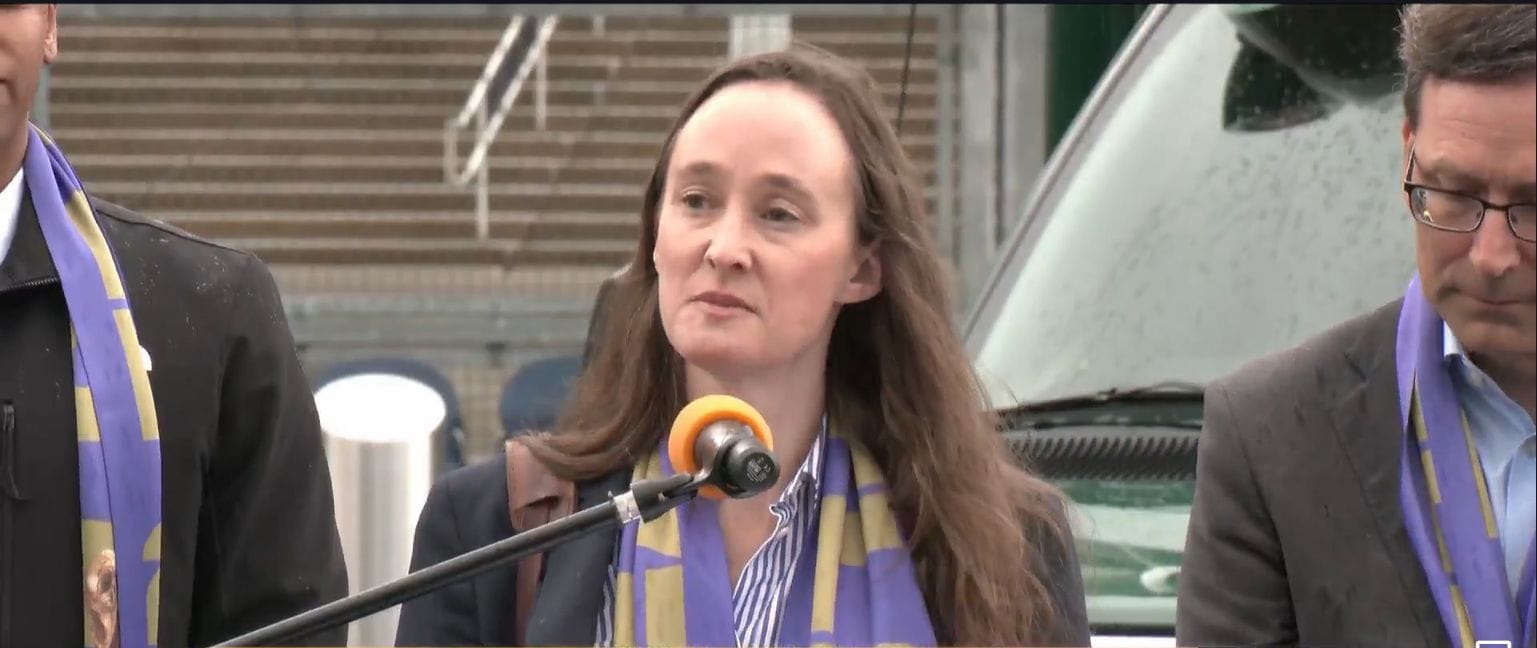
Seattle Mayor Katie Wilson noted hosting these international games was a huge chance for Seattle to show off its improving network of transit and bike and pedestrian facilities, hinting they could treat it as a springboard toward further upgrades and collaboration across agencies.
"This tournament is a huge opportunity for Seattle, and I think it's also a chance to show people what kind of city we want to be moving forward," Wilson said. "A city where transit is easy to use, where walking and biking feel safe and connected, where you can move between neighborhoods without needing to drive everywhere, where public transportation is not a backup plan, but the first choice, because it is the easiest option. That matters to me personally, and I think this summer gives us a chance to show what's possible when the whole regional transportation system is working together, because we are not preparing for this alone."
Governor Bob Ferguson touted the economic benefits of hosting the World Cup, but stopped short of a direct plug for fans to ride transit, leaving that to others.
"It's gonna be great for our economy," Ferguson said. "We're expecting $846 million in economic impact, including $593 million in spending at local businesses. It is not easy to be chosen to host a World Cup match, and that is an understatement. The competition is intense. Over 40 cities competed for this. We prevailed. We're one of only 11 cities in the entire United States having the privilege and opportunity to host an event like this. That is a credit to all the folks who worked so hard. It's a credit to our state and to our city."
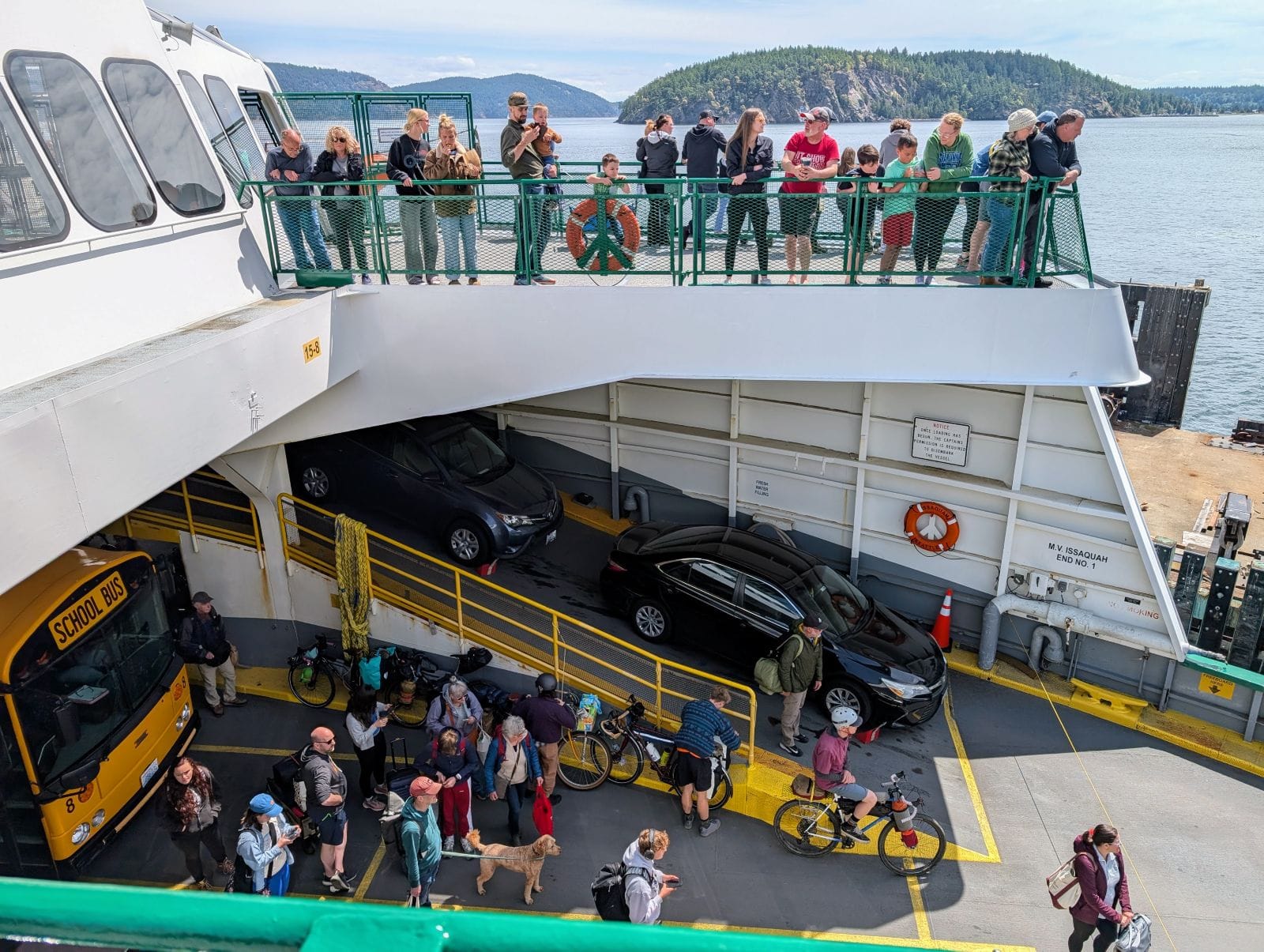
Ferguson did tout that Washington State Ferries (WSF) was fully geared up, after a period of reduced capacity due to low staffing and vessel repairs. WSF has 20 of 21 vessels available for service, and two will be on standby to fill in as needed, he said, noting that extra ferry crews will be staged at the Eagle Harbor Maintenance Facility for rapid deployment if a vessel goes out of service.
Ferguson also flagged that Revive I-5 maintenance would pause for five weeks around the games, mentioning he frequently drives on I-5 and knows firsthand the pain commuters have experienced during this long-deferred maintenance work.
King County Executive Girmay Zahilay joined other speakers in thanking transit workers and other staffers for the work they've been doing preparing for the World Cup. King County Metro has added extra runs on bus and water taxi service, in addition to a few new routes near events.
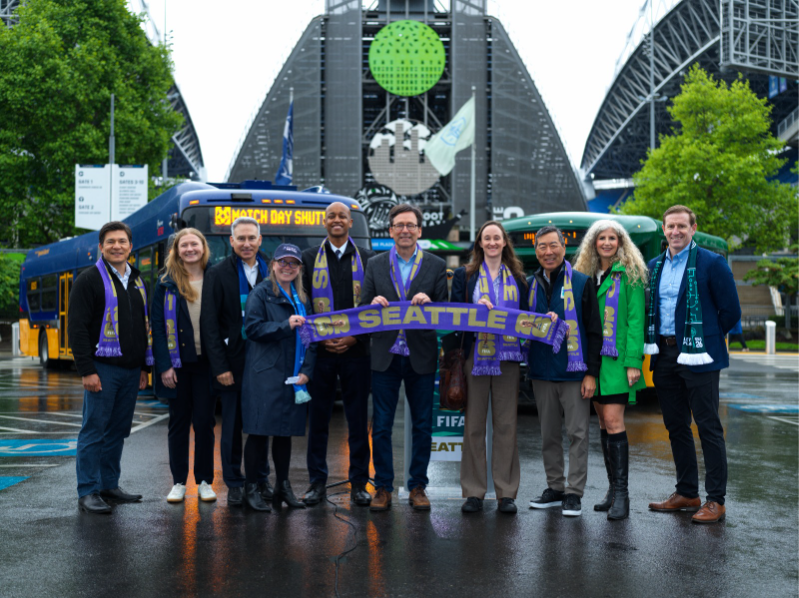
"To say the least, our transit systems are busy but prepared to take on the demand we are ready," Zahilay said. "One of our greatest assets as a host city is that our stadium sits in the heart of our city and our diverse transit systems, light rail, bus, ferry, bike or simply by foot. There are many ways to get to our stadium and explore the surrounding downtown Seattle neighborhoods without a car."
Special services during World Cup
Beginning May 21 through Labor Day, King County Metro will operate a "Waterfront Shuttle" connecting Seattle Center, Waterfront Park, Pioneer Square, Seattle Stadium, and the Chinatown-International District. The waterfront shuttle will provide free and easy connections to official Seattle fan celebrations planned at Seattle Center, Waterfront Park, and Victory Hall.
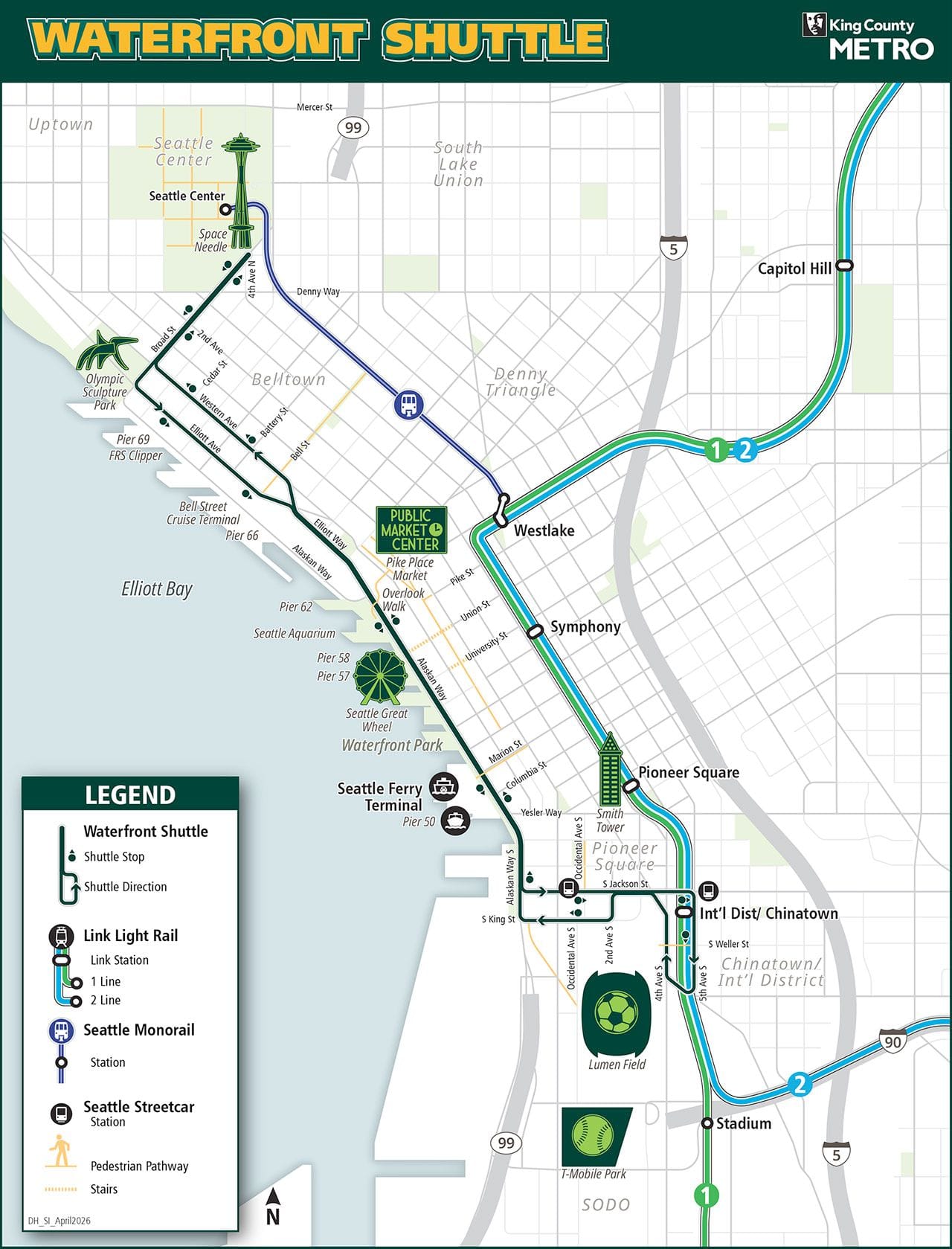
In addition, on each of Seattle's six match days, Metro will operate a match day shuttle, which will run between Seattle Center and Seattle Stadium, primarily on Third Avenue. Service starts three hours before kickoff, increases to a bus every three minutes in the hour before the match, and continues for three hours after the final whistle. After the match, buses will depart using a load-and-go model, organizers said.
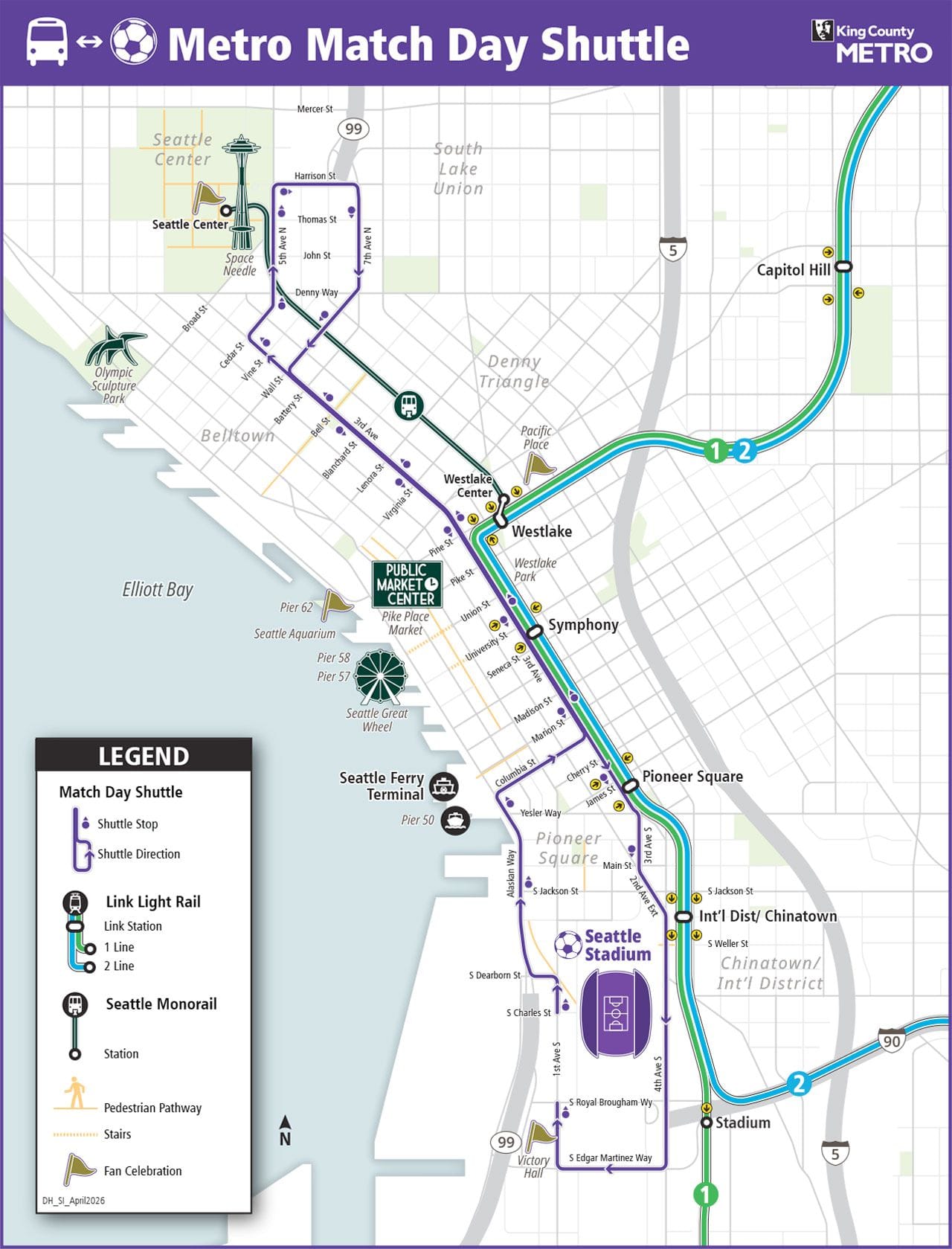
On match days, riders will see more Metro bus trips on busy routes, standby buses to help with crowding, more water taxi trips, and a boost in Metro Flex on-demand service. "Access Paratransit shuttles also will be available for riders whose disability may prevent them from riding buses and trains," SeattleFWC26 noted. "Metro’s SEA 26 Soccer web page serves as a hub for travelers who want to create travel plans and review special shuttle maps."
When Pioneer Square traffic closures are in effect on match days, Metro will relocate buses that typically serve King Street Station to 5th Avenue S and S Weller Street, and the Seattle Streetcar's First Hill Line will not serve the Pioneer Square stop, terminating instead at the Chinatown International District stop at 5th Avenue South and South Jackson Street.
Organizers say shared bikes and scooters will be directed to designated parking areas near the stadium, and devices operating within the pedestrian zone will be automatically slowed to 8 mph (13 km/h). The Seattle Department of Transportation (SDOT) says it has worked with micromobility providers to ensure that shared bikes and scooters are available for thousands of arriving to and departing from each match by that mode.
Transit is hospitality
Wilson said cities should really think of transit as a key part of hospitality, akin to a welcome mat for visitors.
"We want this city to feel welcoming, connected and easy to navigate, and I really do believe that transportation is part of hospitality," Wilson said. "Good transit makes cities feel more open, more connected and more accessible. It helps people to actually experience the city, instead of sitting in traffic trying to get across it."
Zahilay hammered home the point that expecting to drive through downtown on match days would not be the wisest decision. He noted taking transit is easier than ever in the Puget Sound region thanks to options to pay with a phone using Apple or Google wallet and a new three-day transit pass option ($18) for the busy summer games season.
"Simple tap to pay is now a feature of King County Metro for visitors and residents," Zahilay said. "Our message is simple, leave the driving to us next month and all summer long, this is going to be an incredible summer in King County, not just for visitors, but for the people who live, work and go to school here. Plan ahead, take transit, leave the car at home, and let's get ready to welcome the world to the greatest region, the Pacific Northwest."
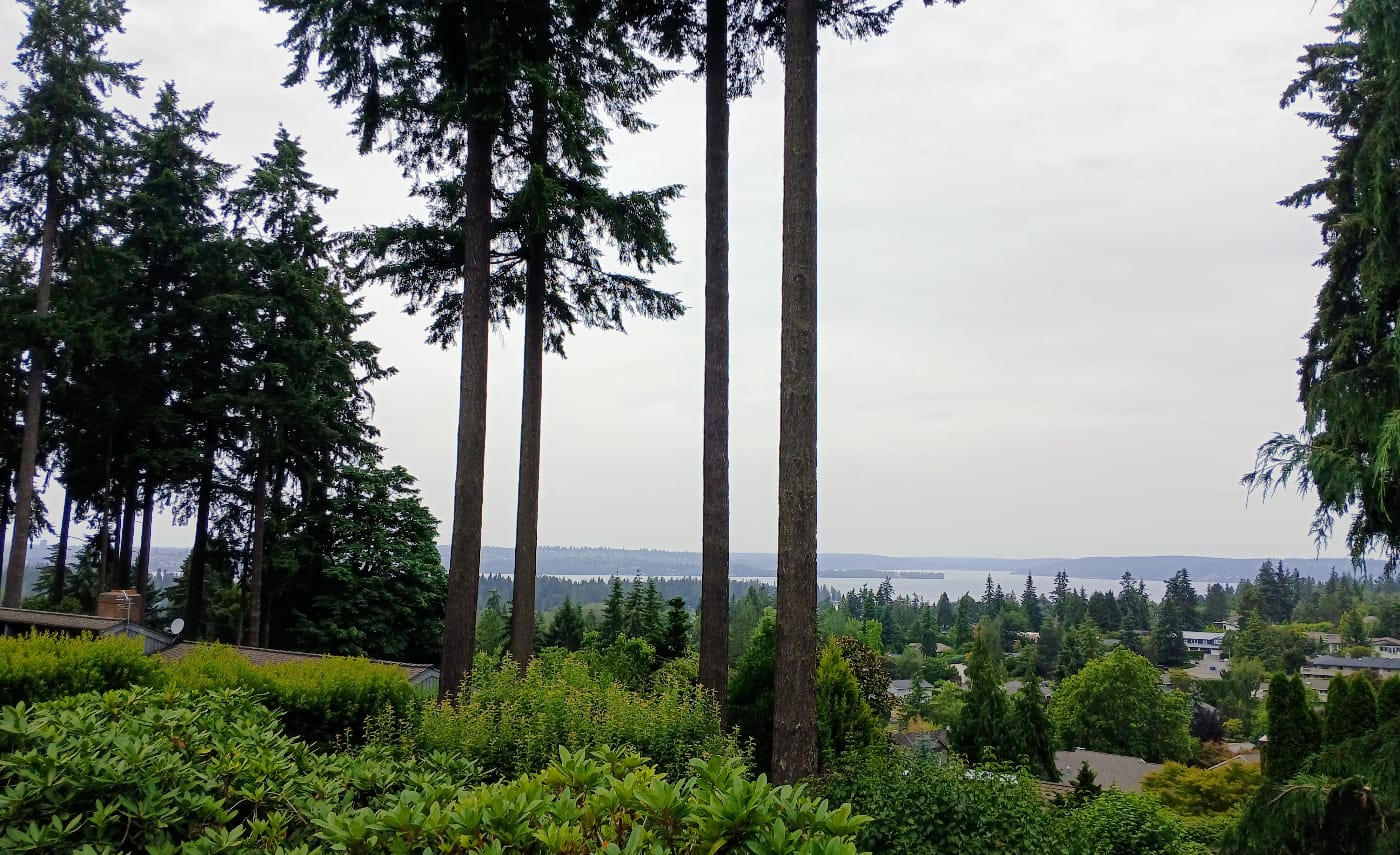
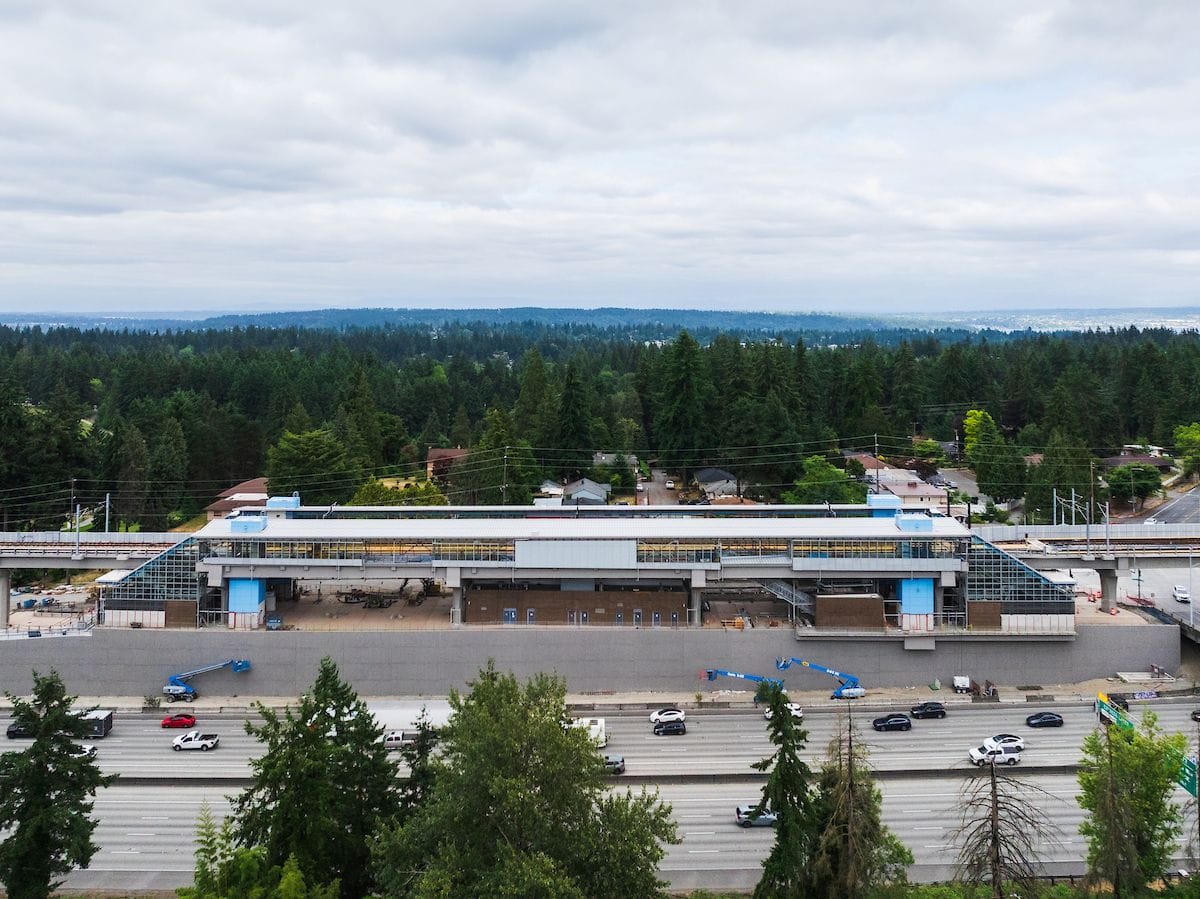
Sound Transit CEO Dow Constantine gave a shout out to the scenic Mount Rainier (née Tahoma) views when crossing Lake Washington by 2 Line light rail – at least on a clear enough day.
“Hosting these matches is an opportunity to showcase our expanded, regional transit system and the iconic Crosslake Connection views to the world," Constantine said. “Through increased Link light rail frequencies, special Sounder service and additional personnel in and around our stations, we stand ready to help soccer fans travel to and from matches and elsewhere throughout the region during their visit.”
Kitsap Transit will extend its Bremerton Fast Ferry and Port Orchard Foot Ferry service until midnight. Officials are also pledging to operate night bus service on key fixed routes serving hotel areas throughout Kitsap County.
When to disembark trains
Constantine noted light rail riders headed to World Cup festivities would be wise to get off at the first station near the stadium district, rather than contributing to station congestion farther up.
"So here's a critical point, folks: this is the most connected place anywhere in this part of the country," Constantine said. "From the north, we're going to encourage you to use Pioneer Square Station, which is right here. If you're coming from the east, we're going to encourage you to use the International District Chinatown Station, which is right here. If you're coming from the south, we're going to encourage you to use the Stadium Station, which is right over here. All of these give you ready access to Seattle Stadium and to all the festivities around the matches. We'll also be activating some of our stations before and during the games. You can expect live music, food vendors and activities."
Organizers broke this travel advice down into the follow bullet points:
Before the match (best stations to arrive)
- Heading South: Lynnwood City Center to Symphony (1 Line / 2 Line): Exit at Pioneer Square Station.
- Heading North: SODO to Federal Way (1 Line): Exit at Stadium Station.
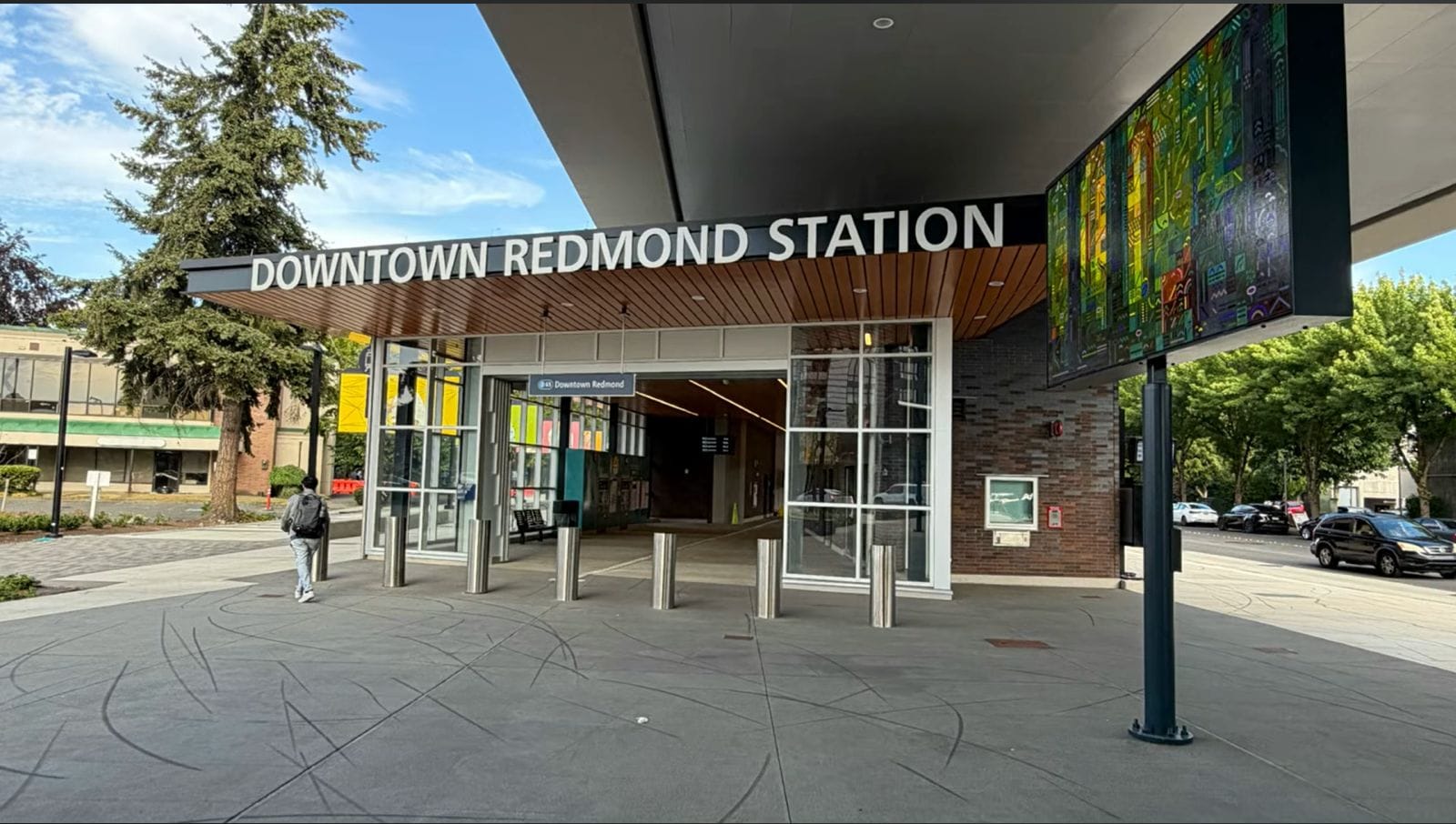
- Heading West: Judkins Park to Downtown Redmond (2 Line): Exit at International District/Chinatown Station.
After the match (best stations to depart)
- Heading North: Lynnwood City Center to Symphony (1 Line / 2 Line): Go to Pioneer Square Station.
- Heading South: SODO to Federal Way (1 Line): Go to Stadium Station.
- Heading East: Judkins Park to Downtown Redmond (2 Line): Go to International District/Chinatown Station.
- Staying in Downtown Seattle: Take the King County Metro Waterfront Shuttle or Match Day Shuttle.
Prepare for road closures and congestion
Due to heightened security measures, increased crowds, and game-day activities near the stadiums, no publicly available parking will be available in the North Lot or Event Center Parking Garage at Seattle Stadium. On match days, ridehailing services pick-up and drop-off will be geofenced away from Seattle Stadium to reduce congestion and improve safety near the pedestrian zone, organizers said. Designated ridehailing zones will be available in Pioneer Square, the Chinatown-International District, and SoDo, with signage and volunteers helping direct fans to them.
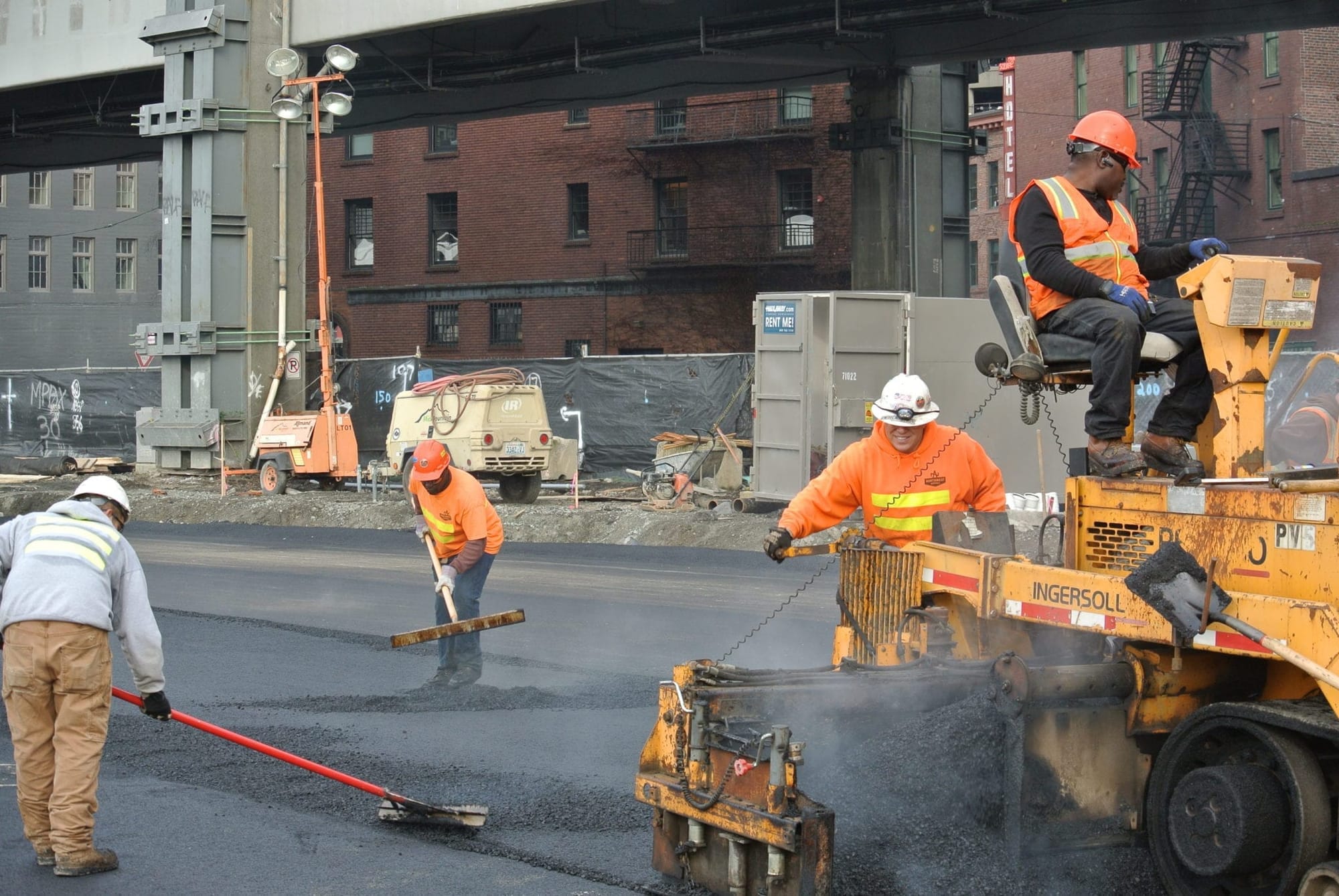
To help keep streets and sidewalks clear in high-traffic areas, SDOT has implemented a construction pause in the tournament footprint. The pause runs from June 8 through July 7, and contractors are required to clear equipment and materials from SDOT-managed public spaces by June 7, organizer said.
Wilson echoed a broader advisory to take transit if possible and allow for extra time traversing downtown all summer, with the World Cup far from the only major event planned and traffic congestion likely to be a recurring issue.
"And for residents, this is also why we are encouraging people to know before you go, Seattle is going to be busy this summer. There will be street closures, large crowds and major events happening across downtown. So planning ahead, checking your route and taking transit whenever possible is going to make a big difference."
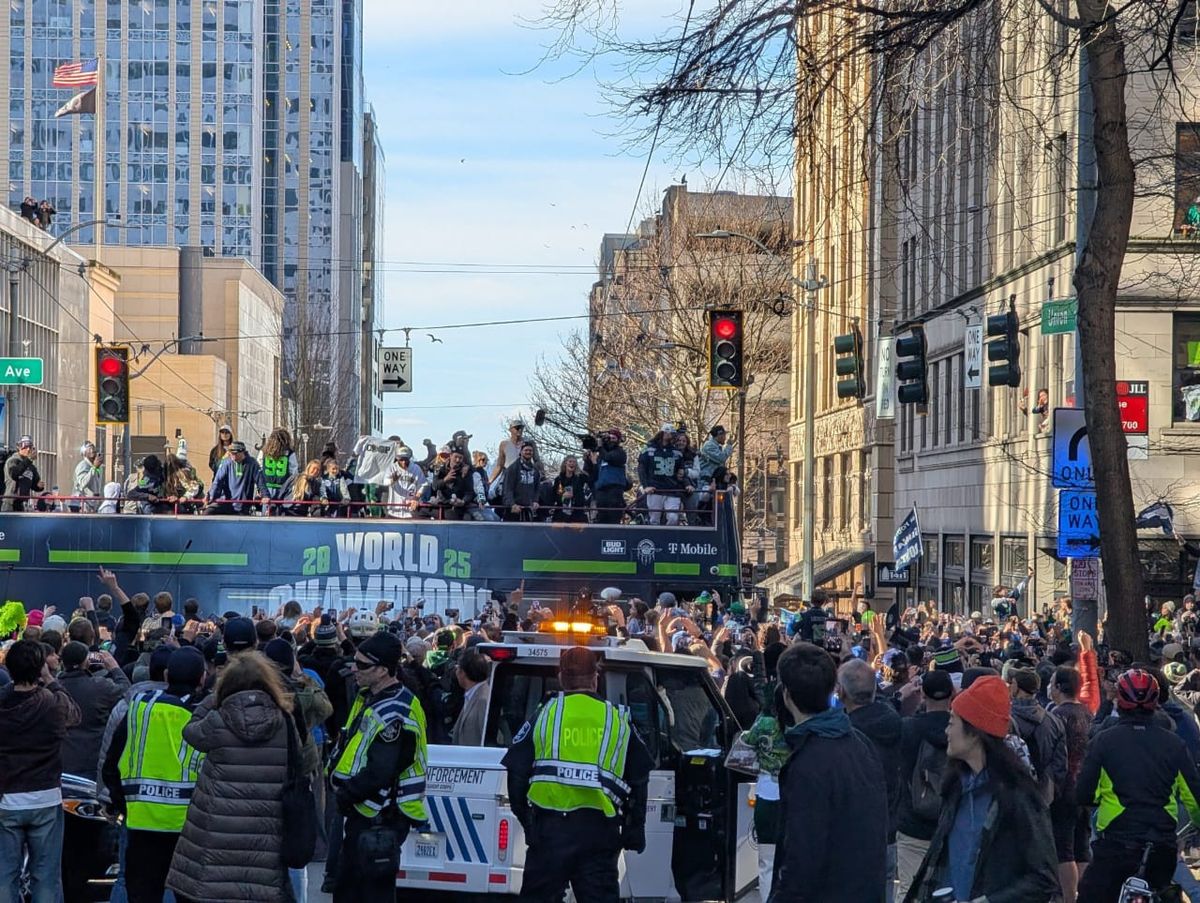
With a recent trial run on a huge transit demand day for the Seattle Superbowl Victory Parade in February, transit officials said they feel confident they are ready to handle World Cup crowds and whatever else this summer throws at them.
For more information
- Fans are invited to join the Official Fan Info WhatsApp Channel for Seattle to receive real-time updates, travel guidance, and matchday information curated by FIFA and Host City before and during the tournament.
- Match day transportation plans: Seattlefwc26.org/transportation.
- Sound Transit’s match day service, rider tips and service alerts: soundtransit.org/soccertournament.
- King County Metro: https://kingcounty.gov/en/dept/metro/rider-tools/sea26-soccer/.
- City of Seattle preparations: FIFA World Cup 2026 web page and Center City Bike Network.
- Kitsap Transit’s match day service: kitsaptransit.com/sea26.
- ORCA transit fares: https://info.myorca.com/seattle-soccer-2026/.
- Lime’s shared biking and scooter services: https://www.li.me.
- Ferries: Stay in the loop with Washington State Ferry service and make select vehicle reservations now.
 Doug Trumm