We urban planning and transit enthusiasts tend not to think of the street in terms of narrative. Most of the literature we digest on these favorite subjects of ours – the opening of a new train line, the behind-the-scenes of a housing development, the political importance of this or that measure and its effects – is in the form of articles or video essays, which have the luxury of being instantly producible, with up-to-the-minute observations and (ideally) journalism’s commitment to a minimum of editorializing. We think of journalism as the primary method of which to conceive of the street.
What happens when we expand beyond that?
A 300-page book which took five years to write might seem an odd fit for the above landscape, especially a book that can’t be called journalism, even if it is nonfiction. But I think humans ultimately conceive of everything in terms of narrative.
We think of our days and our projects and our entire lives as stories, with arcs, in which we (of course) are the protagonist. We wish for happy endings, or at least edifying ones, and if we don’t get them we tell ourselves the story isn’t over yet. We are linear, time-based creatures, and in the same way we search for a story when watching one of the time-based art forms, even when there may not be one there at all (like dance), we frame how we think about our lives using the rules of narrative.
I think stories are the most powerful way to communicate. Paul Currington says opinions divide people; stories bring them together. In our (dis)information age, facts, or assertions masquerading as facts, have shown themselves to have limited value in changing minds.
If your family member is prejudiced, they won’t come around to your perspective when you dump data in their lap explaining how racism or sexism are shortsighted. They’ll come around because of primary experience happening in the one story they do care about, their own, the story of their life, as they get to know their coworker who’s from somewhere far away, or their friend’s child, who lives by different rules. The human element.
I didn’t write either of my books to change people’s minds. I wrote them to share a world I find interesting and underrepresented in the world of literature. I wrote them because there was so much life happening in this “lowbrow” space of unglamorous liminal life, so dense with incident and color and laughter and sorrow, and so few artists were transposing it to the “highbrow” space of probing literary reflection, of the word as art form.
I know there are others like me, but maybe too many of our great authors stay inside their offices, and too many of our best bus drivers don’t study comparative literature. Can I help it if I have interests and passions which have nothing to do with each other??
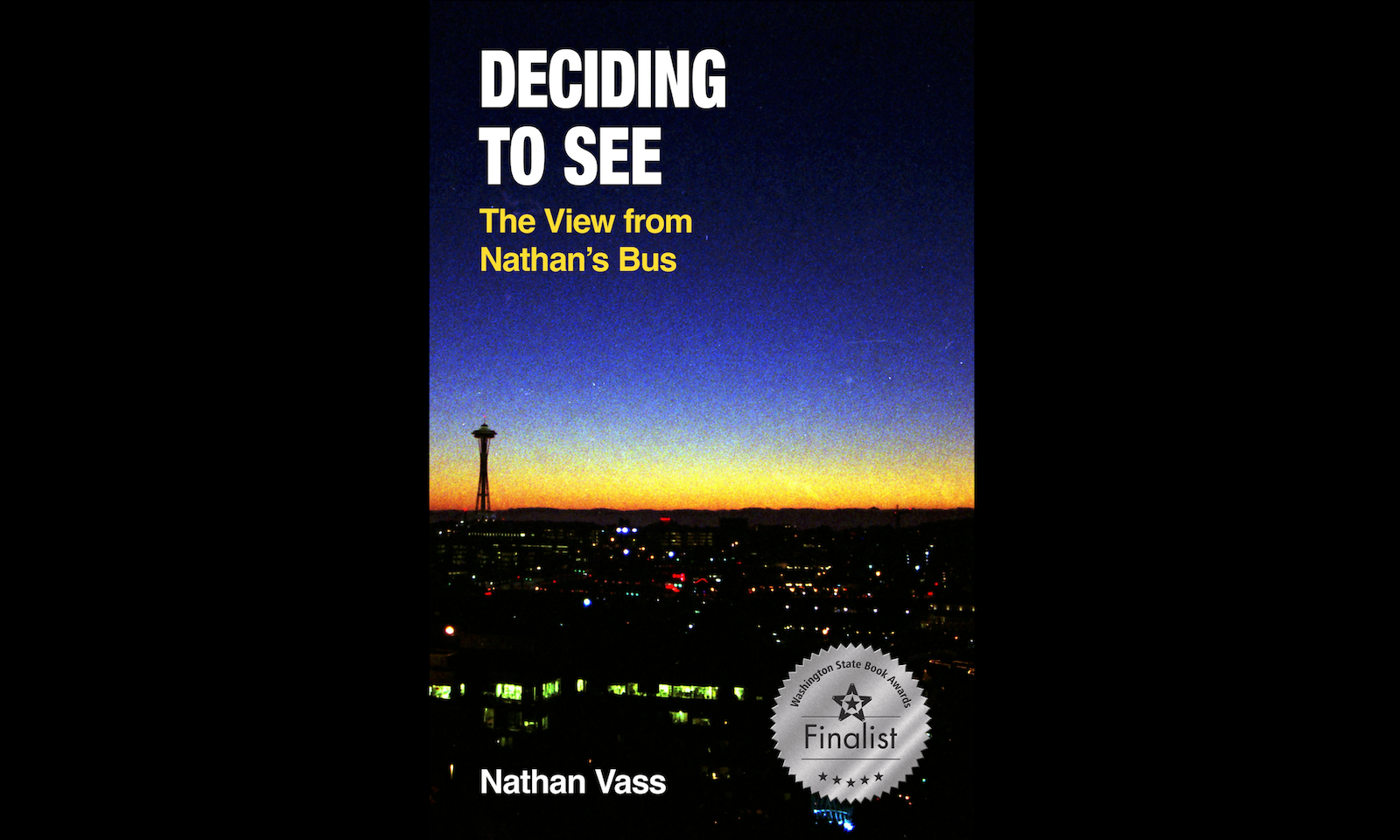
We know the power of stories, and we know the joy of sharing bus stories, which we humans will never stop telling each other, not as long as there’s transit in our lives. I’m frankly floored by the success my latest book continues to have – continuously bestselling in our city for over a year now, taught as a textbook at Seattle U, and now a Finalist for the 2026 Washington State Book Awards, alongside Rebecca Brown (Eep eep! I can die happy now) and others… all of this is thanks to you readers and enthusiasts, especially transit enthusiasts.
The Urbanist's readers are my ideal audience: those of us interested in living as an urban collective, curious to see how the world of the street looks when viewed through the lens of art and narrative, searching for how we can live in the same forward direction, part of the same common project.
The same story.
More press and interviews about the book here. Buy the book anywhere books are sold, including our own Elliott Bay Books, where I recently signed all copies :)
Essay more specifically about getting the state book award nomination from the Washington Center for the Book here.