Everywhere in King County, tens of thousands earn poverty-level wages in stores, restaurants, hotels, healthcare facilities, and as janitors, landscapers, and more. But those in King County’s Eastside cities earn even less. On October 6, Kirkland will be the first Eastside city to consider changing that.
With no city minimum wage ordinance, Kirkland’s workers — like others in Eastside cities — are stuck with Washington’s floor of $17.13 per hour instead of the much higher wage floors in Seattle, unincorporated King County, the cities of SeaTac, Tukwila, Burien, Renton, and even Everett. These vary, but range to $3 to $4.50 per hour more.
Kirkland needs to fill in the gap. Raising the wage floor can be the difference between working one or two jobs; paying rent or living in a car; eating or skipping meals; and forgoing medical care or prescriptions.
Despite this wage disparity, it costs far more to live on the Eastside. Kirkland rents run hundreds of dollars above Seattle’s or Renton’s. Most low-wage workers can’t compete for housing in a city with median household incomes over $150,000 and instead commute. Though Kirkland has been making real efforts with zoning, funding, and creative policies to provide more affordable housing, raising the wage floor is a necessary step to reduce the housing affordability gap. Homelessness in wealthy areas is largely driven by wages that can’t cover rent.
On October 6, Kirkland will be the first city on the Eastside to consider supporting the essential workers who serve the community by raising the minimum wage. In April, Councilmembers Amy Falcone and John Tymczyszyn moved a request to the City Manager to prepare a study of the minimum wage and suggest action options. The vote was 6 to 1.
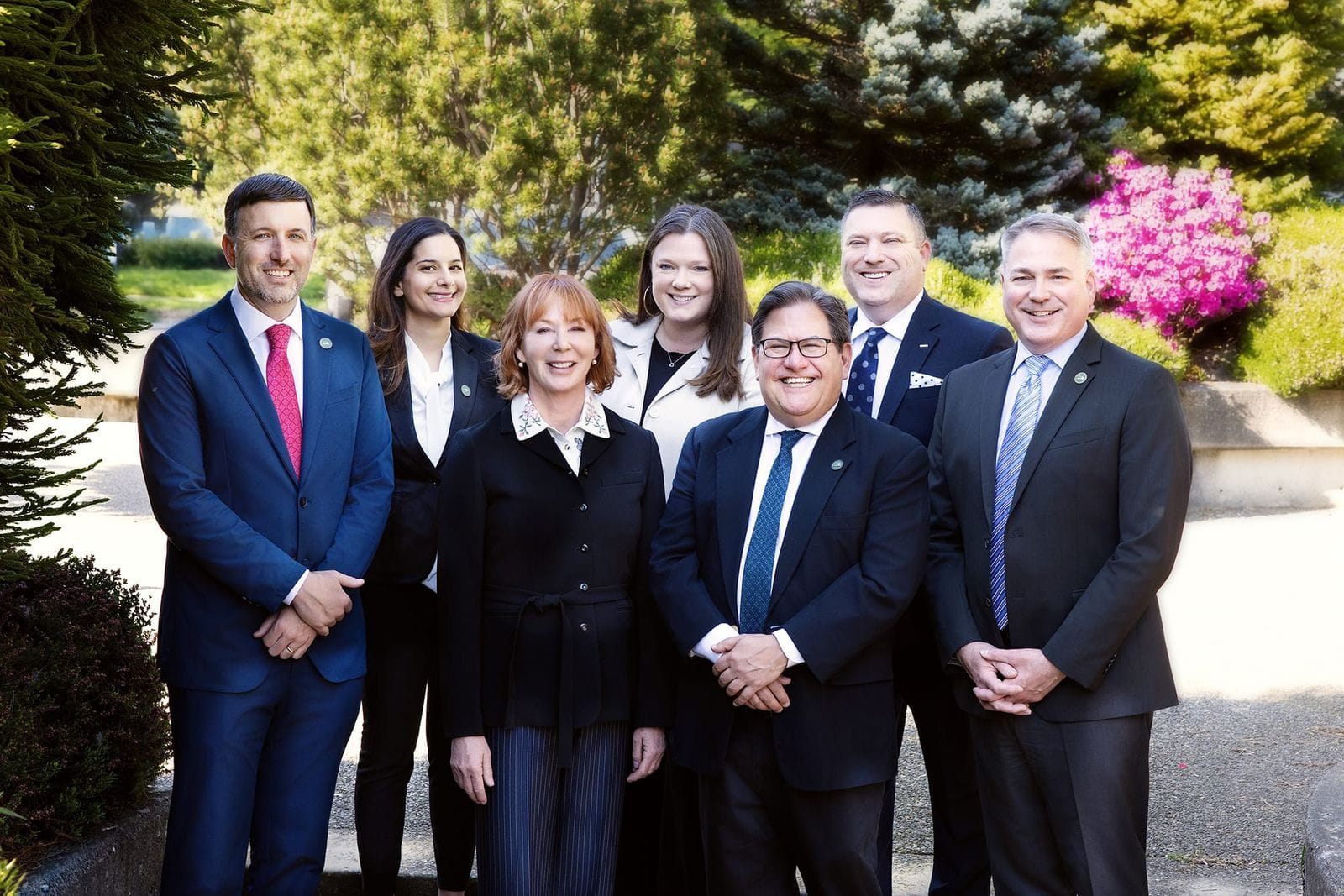
The lone “no,” Jon Pascal, separately had requested a “competitiveness study to support Kirkland’s economic development goals.” The two studies were merged and will be released along with the City Manager’s options for action on Friday, Oct 2, just days before the Council meeting.
Councilmembers Falcone, Tymczyszyn, Neal Black, Jay Arnold, and Shilpa Prem all committed to raising the wage floor to the Seattle or King County levels when they ran for office. Their decisions on October 6 will be the first opportunity to demonstrate those commitments and their support for Kirkland’s essential workers.
Kirkland should adopt the minimum wage that King County applied in unincorporated areas where it has jurisdiction. The King County Council ordinance passed 6-2 in May 2024 with every Democrat’s vote, including the Eastside’s Sarah Perry and Claudia Balducci, both easily re-elected. Katie Wilson who led that campaign is now Seattle’s Mayor. Councilmember Girmay Zahilay, who championed it, has moved up to King County Executive, and is doubling down on its popularity by creating a new Office of Labor Standards.
Raising the minimum wage is a central pillar of the Democratic Party. Even Kirkland’s opposition candidates supported a local equivalent to King County’s in the last election! It’s hugely popular.
Kirkland should join King County’s wage floor phase-in. It gives small businesses (15 or fewer employees and annual gross revenue under $2 million) a multiyear runway – a $0.50c annual increase (plus inflation) until they reach parity in 2031. Small businesses are not exempted because their employees pay the same prices as others and have to compete for housing too. In Seattle, at $4 per hour higher than Kirkland, new restaurants keep opening, and predictions of closure, business flight, and unemployment have again proven wrong.
Raising the wage floor doesn't just help workers at or near the minimum. It has a ripple effect, lifting wages for those making several dollars above the new floor too. If Kirkland moves forward with an ordinance matching King County’s, other Eastside and Northshore cities become more likely to follow, improving life for tens of thousands.
There has never been a better time to act. The cost of food, gas, heat, healthcare, and all necessities has grown even more out of reach for low-income families. The affordability crisis has become the nation’s top public concern and is driving the Democratic Party’s effort to win back working class voters. The crisis also creates support for raising wages.
There is even greater urgency for the immigrants who make up a substantial share of the low-wage workforce. New immigration rules and ICE’s terror have already destabilized household incomes for many. And starting October 1, the GOP’s “Big Beautiful Bill” cuts begin stripping Washington State Medicaid (Apple Health) from entire categories of legal immigrants. In blue cities, public revulsion over these policies is fueling support for local action. Can Kirkland call itself a "Welcoming City” while failing to act on behalf of the essential workers and immigrants who live or work there?
Finally, the framing of the forthcoming merged study likely pits raising poverty level wages against Kirkland’s economic vitality. Reality has consistently proven this to be a false dichotomy. We’re old enough to remember the “studies” and predictions of calamity when Seattle considered its minimum in 2014. They were false. We would still be awaiting child labor protections, collective bargaining rights, Social Security, Medicare, and Medicaid if similar fearmongering had been heeded by elected officials. Seattleite Nick Hanauer’s recent article in The Atlantic shreds this framing.
Kirkland’s City Council has the opportunity to ease the burden of poverty for thousands of hardworking people. They should embrace it.