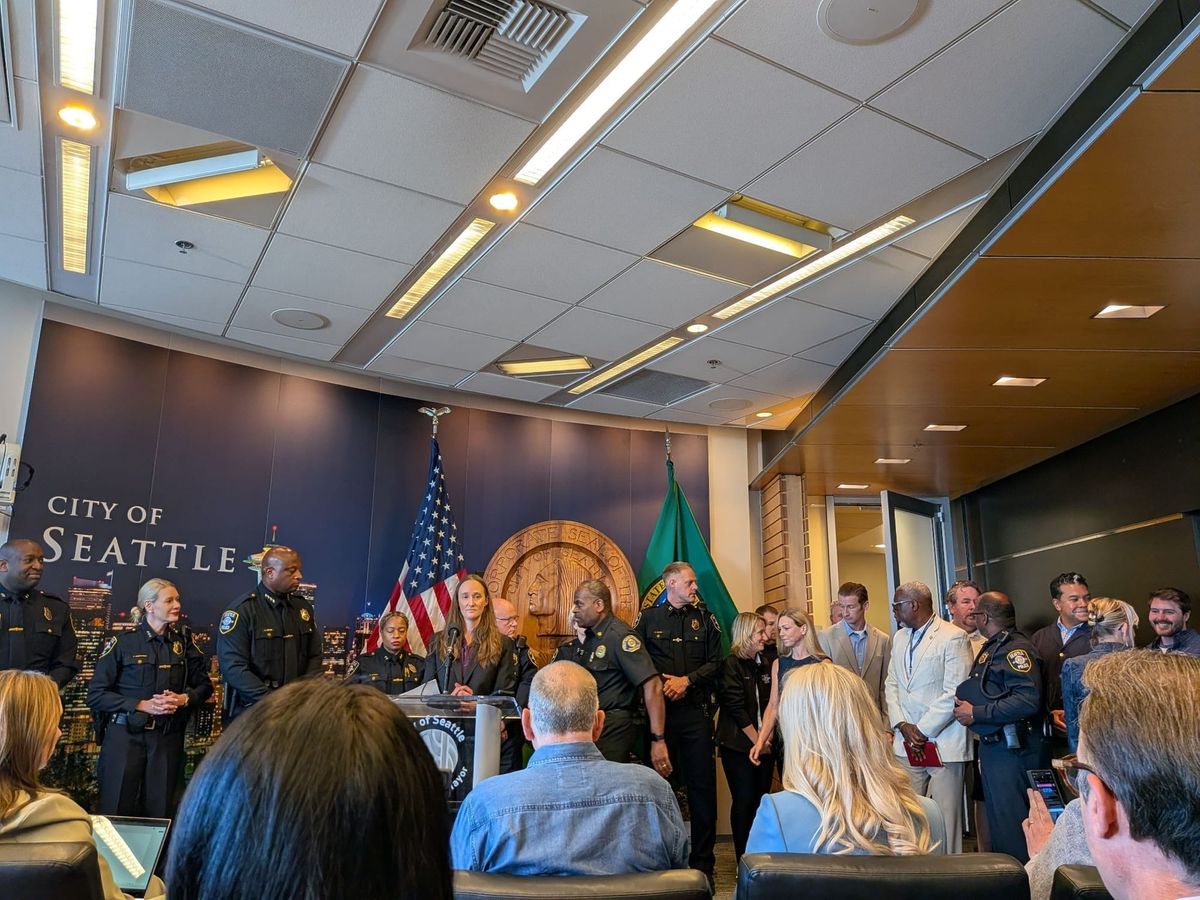
I am losing my mind consuming the local news coverage of the Seattle Center shooting and its aftermath.
I want to be clear right at the top, that I believe the job of the media, of journalism, is to hold those in power accountable. And if local broadcast and legacy media want to focus on holding our progressive city leaders to account, on legitimate concerns – crucially, in a way balanced with how they cover business-focused “moderate” politicians – I will welcome them with open arms.
But KIRO and KOMO’s coverage of Mayor Katie Wilson’s office in general, and after the Bite of Seattle shooting in particular, is something they need to be held accountable for.
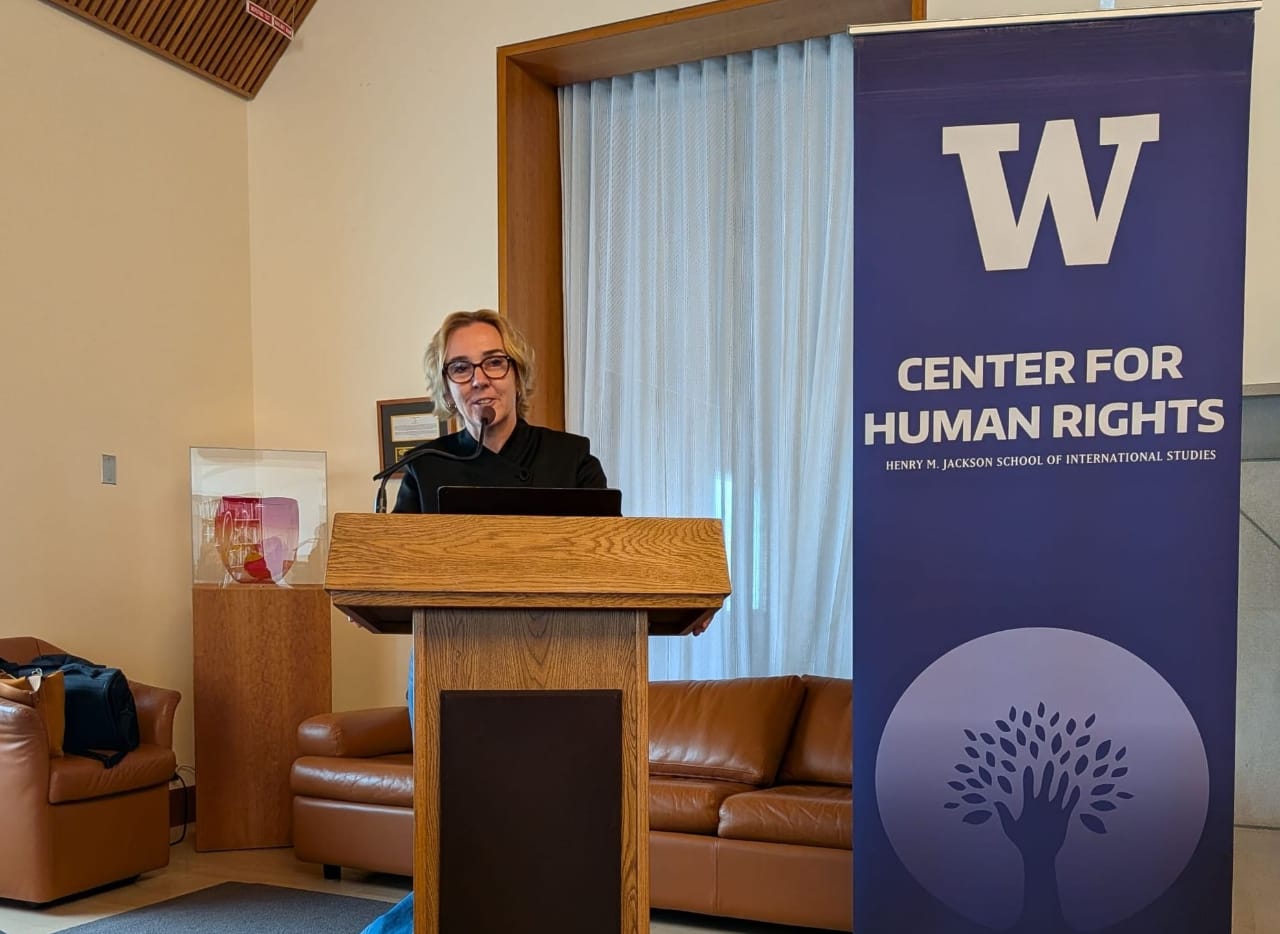
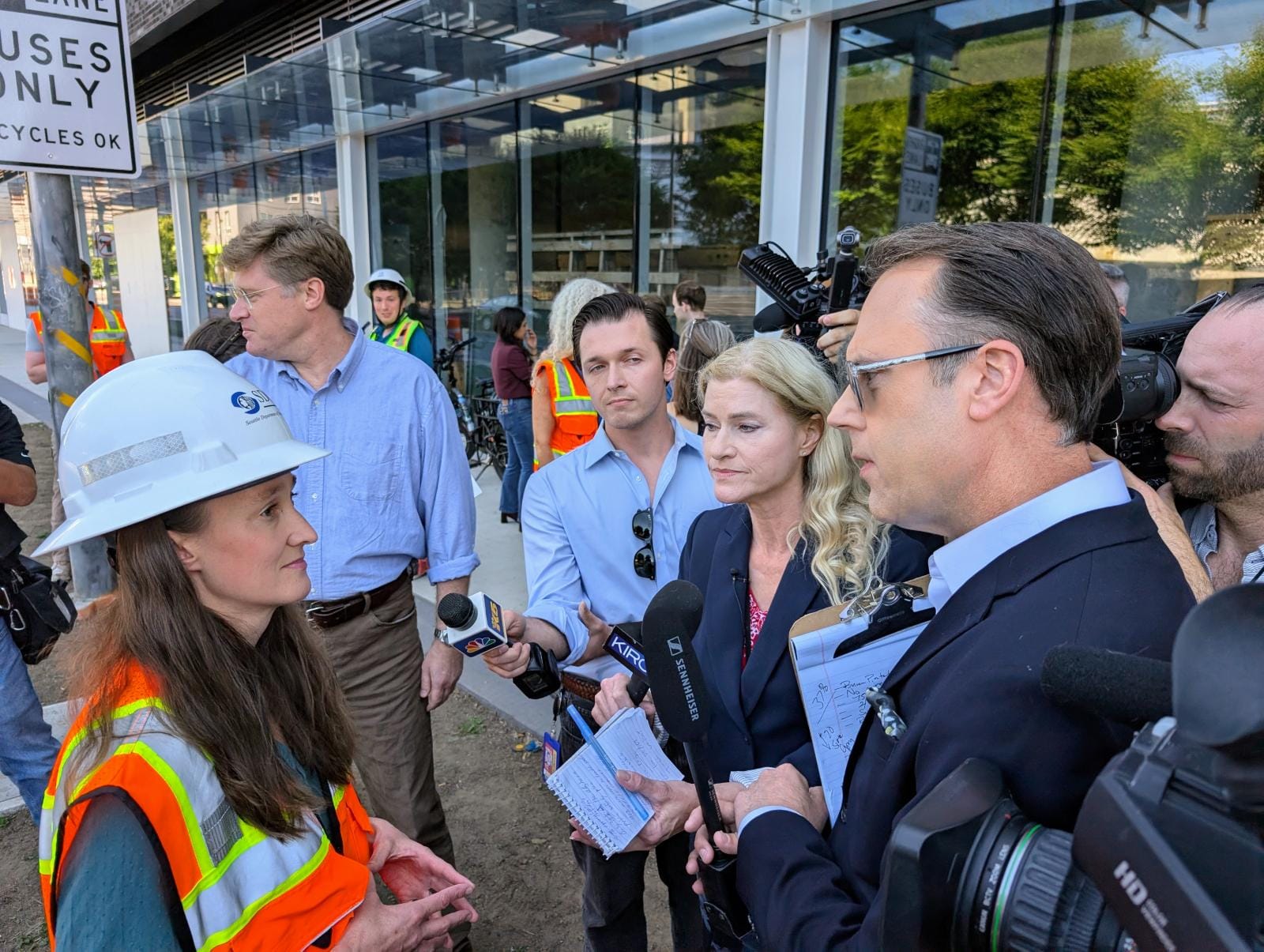
On Monday, KIRO's newly installed news director, Jennifer Dahl, sat on a panel at Scenius Social billed as a conversation about art and Seattle's creative community. Twice, she turned the conversation toward Mayor Wilson and the communication failure after the Seattle Center shooting, a failure the mayor has already admitted.
Dahl warned that it could "happen again," invoking a mass shooting in Oregon.
Nothing sharpens a narrative quite like fear.
And I’m loath to admit it, but the failure was real.
However, Wilson has apologized. She asked the city's independent Inspector General to reconstruct what happened, figure out why it happened, and recommend how to prevent it from happening again.
I know that is something we rarely see from political leaders, so I can understand why a lay person may not know how to identify it. But professional journalists should know: that’s what accountability looks like.
Accountability is not turning one mistake into an albatross and hanging it around a woman's neck until Election Day.
Three people died at Seattle Center. A two-year-old was wounded. Families are grieving. Workers who tried to save lives are carrying images I imagine they would give anything to forget.
And somehow the great political question emerging from all of this has become: Why wasn't the mayor standing behind a microphone sooner?
Think about how strange that is.

Had the press conference happened exactly on time, three people would still be dead. The failure was in communicating about the response, not the response itself. Those are different things. Turning them into the same thing is not journalism happening naturally. It is an editorial choice. Then Dahl suggested the city should "turn on the Flock cameras."
Except, Seattle doesn't have Flock cameras. It has CCTV operated by the vendor Axon. Further, I am confused as to what Dahl imagines surveillance cameras could have done, as there were police officers standing roughly four paces from the shooters at Bite of Seattle.
How could a camera have stopped what armed police officers standing feet away could not?
This is how consent gets manufactured. Not through some smoky-room conspiracy where editors decide what you're allowed to believe. It's much more ordinary than that.
They decide what matters. Three people are killed, and yet the delayed press conference becomes the story. A delay of a few hours, confusion, questions about who was in charge, repeated again and again, until a single detail hardens into a verdict: City Hall is dysfunctional.
After that, the story begins feeding itself. A disagreement between SPD and the mayor becomes more evidence. A few councilmembers sharply criticize her and now there are "growing questions about her leadership." Then somebody commissions a poll asking voters whether they're worried about her leadership, and suddenly the media is reporting a public perception it helped manufacture.
Every individual fact can be true while the story constructed from them is bullshit.
Because a mayor arriving late to a podium is television.
The slow, boring, desperately important work of preventing the next shooting, youth programs, housing, coordination, intervention, mental health care, and the unglamorous labor of keeping people alive, isn't.
Our housing crisis did not begin in January. Homelessness did not begin in January. Public safety problems did not begin in January. Neither did government communication failures.
I remember 2020, after Lorenzo Anderson was shot during CHOP, when Seattle Fire waited nearby while police and fire struggled to coordinate their response. Mayor Jenny Durkan privately called what happened "foreseeable and avoidable" and ordered her chiefs to make sure it didn't happen again.
I don't mention that to excuse Wilson's mistake. Trust me, I have plenty of criticisms of my own for Seattle’s mayor. I mention it because history did not begin the morning Katie Wilson became mayor.
If communication breakdowns after deadly violence happened under previous administrations, then somebody should explain why this failure proves something uniquely rotten about this one.
Otherwise we're not applying a standard, but constructing one.
If one listens to local news lately and you'd think somebody handed Katie Wilson the keys to a perfectly functioning Seattle and she totaled it pulling out of the parking lot.
Take Starbucks. Recent coverage has asked whether layoffs at the company prove Seattle has become hostile to business. Except Starbucks cut roughly 2,000 corporate jobs across two rounds in 2025, before Wilson was mayor, as part of a turnaround strategy that began the previous September and sought billions in cost reductions.
That is a multinational corporation following its own restructuring plan.
It is not eight months of Katie Wilson's mayoralty somehow reaching backward through time.
Since we're suddenly so worried about Seattle's "business climate," when exactly do we get a nightly segment about the climate for workers?
You know, the people wondering whether they can pay rent. Buy groceries. Afford childcare. Keep living in the city where they work. Why does their anxiety always seem to be less newsworthy than a shareholder's?
The same thing happened with the recall petition filed by a married couple who also happened to have voted for her opponent last November. Every responsible outlet acknowledged it has little chance of surviving judicial review. In fact, the couple rescinded their recall filing this week, as the effort ran into the buzzsaw of a skeptical judge at its first hearing. But politically, it doesn't have to survive. It just has to consume oxygen.
That's how a housing affordability press conference becomes a press conference about the recall, while universal school meals, junk-fee protections and restrictions on surveillance-based dynamic grocery pricing struggle for the same attention.
And then there's public safety.
Councilmember Bob Kettle held his own public safety press conference just before the mayor signed a set of executive orders accelerating Vision Zero. Seattle had 27 traffic deaths in 2025, including 18 pedestrians, compared with 37 homicides. Different causes. Similar human stakes.
Yet one produces weeks of breathless coverage while the other mostly produces passing mention and sad little roadside memorials we drive past on the way to work. Why?
Yes, Katie Wilson has made mistakes.
That makes her human. It does not automatically make her uniquely incompetent. There has never been a flawless executive leader, anywhere. Certainly not in Seattle. And I have never seen the broadcast news concoct such a grandiose story around mayoral incompetence, despite far more deserving examples.
So it’s time to start asking questions of the people asking the questions.
Why does the business owner get the microphone while the worker disappears?
Why is the person demanding more cameras treated as an authority on safety while the person who will be watched by those cameras gets called an activist?
Why does a poll about the mayor's popularity become instant news when everyone knows a similar poll from a left-leaning organization would be treated as advocacy?
And when someone tells you businesses are fleeing Seattle because of this mayor, ask the most annoying and useful question in journalism: Which policy, specifically?
Then wait. Because sometimes the silence after a question tells you everything.
I have very little faith left in KIRO or KOMO to become something different from what they've shown themselves to be. Their focus seems less on the complicated truth of this city than on a familiar story: surveillance equals safety, business deserves unquestioning deference, and progressive government must prove its competence every morning before breakfast.
And you don't take my word for it. Watch the pattern.
But I still have faith in the people watching.
We are capable of criticizing a mayor when she deserves it, and she does and will again, without pretending every mistake is Watergate. We can hold two thoughts in our heads at the same time. We can remember what happened before January. We can ask what facts disappeared between the reporting and the broadcast.
And we should. Because there is a political fight happening underneath all of this. If Wilson succeeds, the progressive project in Seattle gets a chance to prove itself. If she fails, plenty of people will be waiting to tell us what they always tell people who ask for something better: See? You tried. Now be realistic.
I've heard versions of that word my whole life. And too often "realism" is simply what comfortable people call a world where somebody else keeps paying the price.
So open your eyes.
Look at what this mayor actually does. Criticize what deserves criticism. Praise what works. Look at the policies. Look at who benefits. Look at who pays. And then look just as carefully at the story you're being told about all of it.
Ask yourself: Is this actually what I think? Or have I heard it so many times that it has begun to sound like my own voice? The press has power. But, so do we. And ours is still ours to protect.
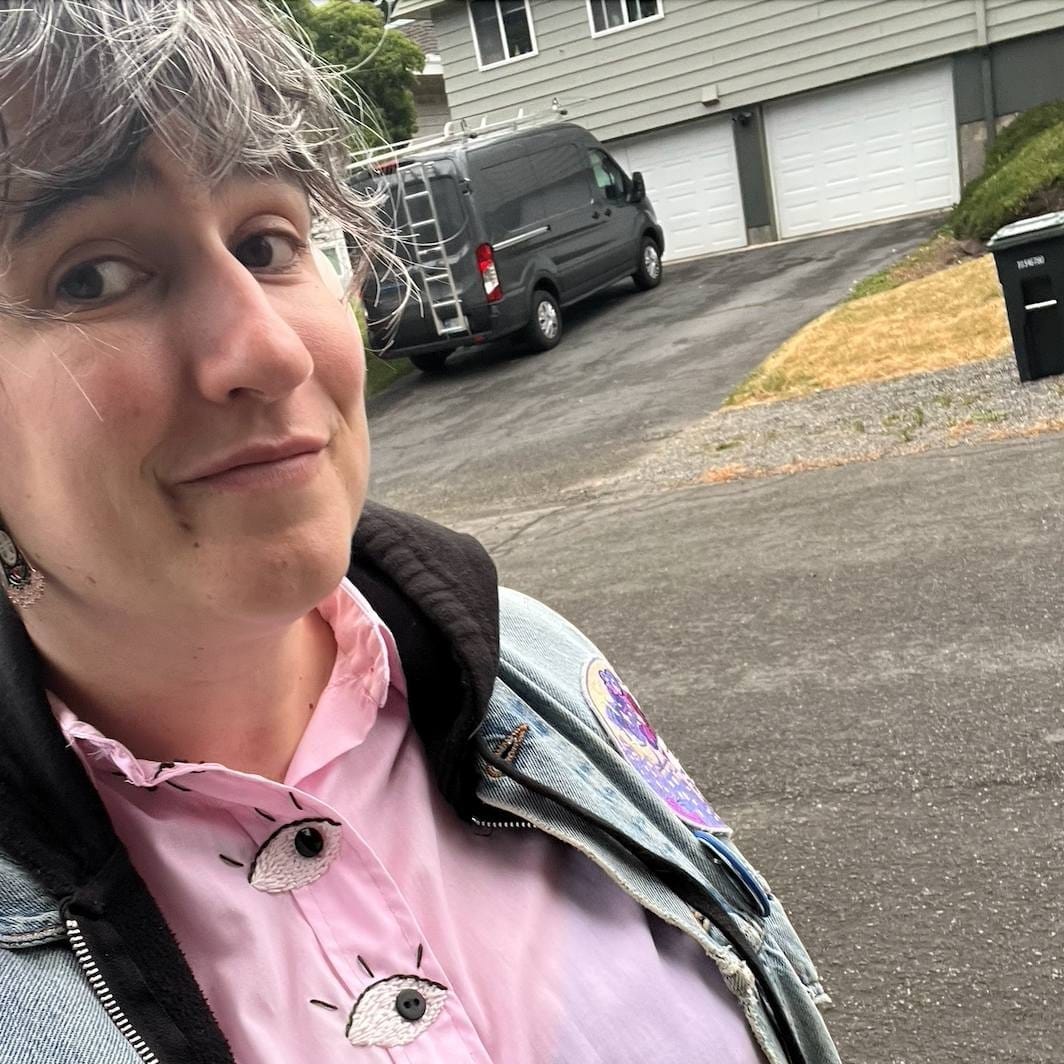
Maggie Block (they/them) has been a voter in King County for over 11 years. During that time they have been an activist, a librarian, a writer, an auntie, an indie publisher, and a few other things. They are most passionate about community building, fostering whimsy, and championing stories we haven’t heard enough. Maggie has a background in community organizing, with a particular focus on queer prisoner support. Maggie’s first creative focus was theater, and once upon a time they got a BFA in playwriting.
 Doug Trumm
 Amy Sundberg