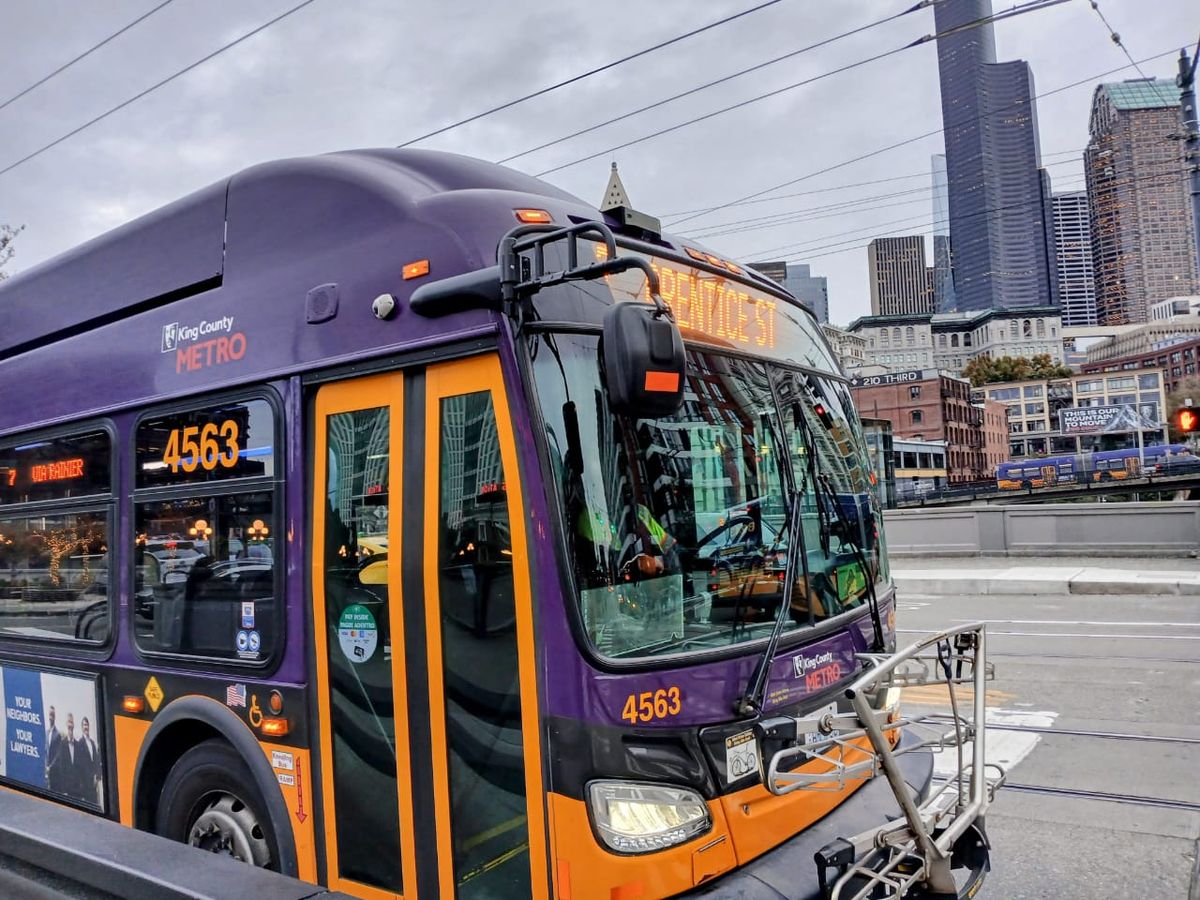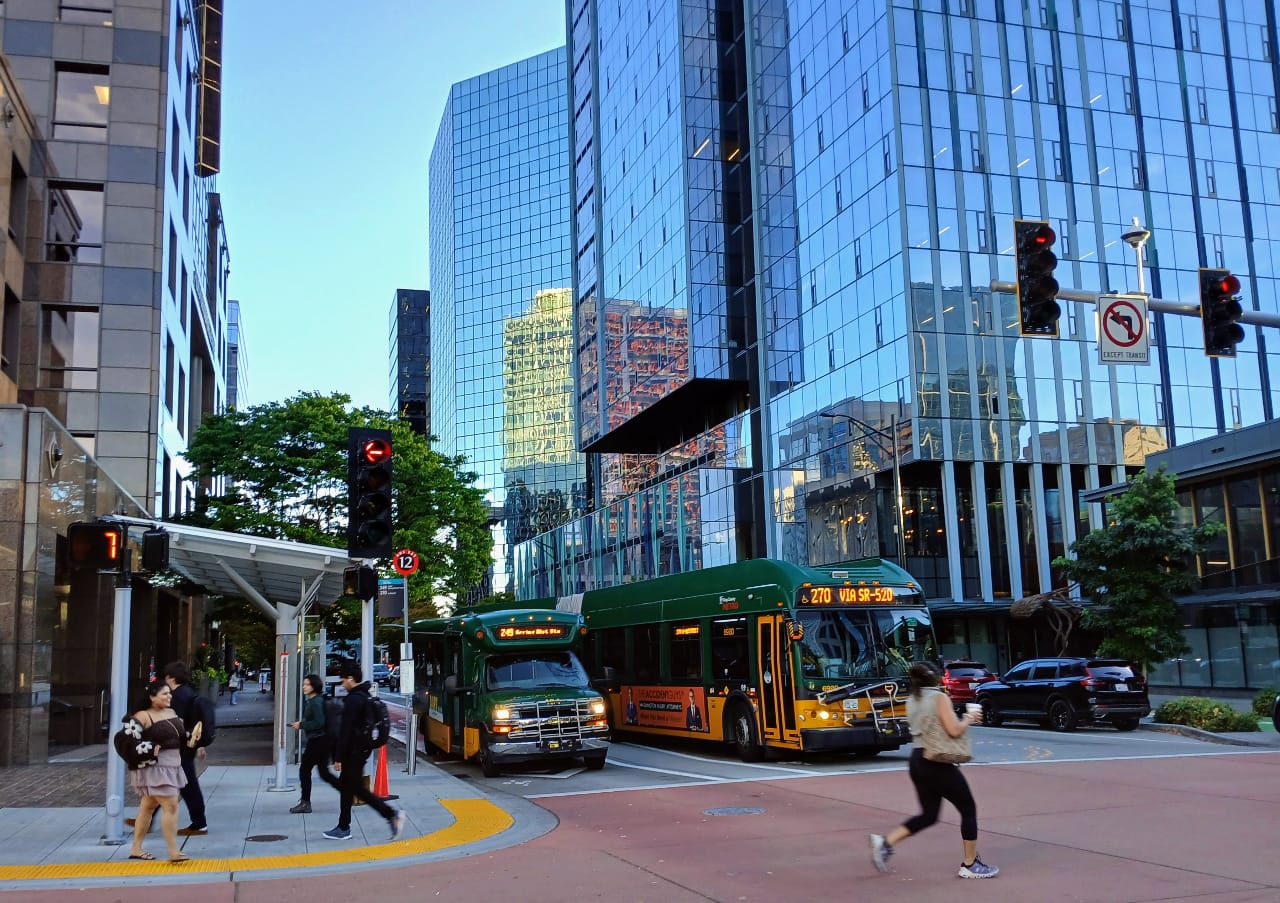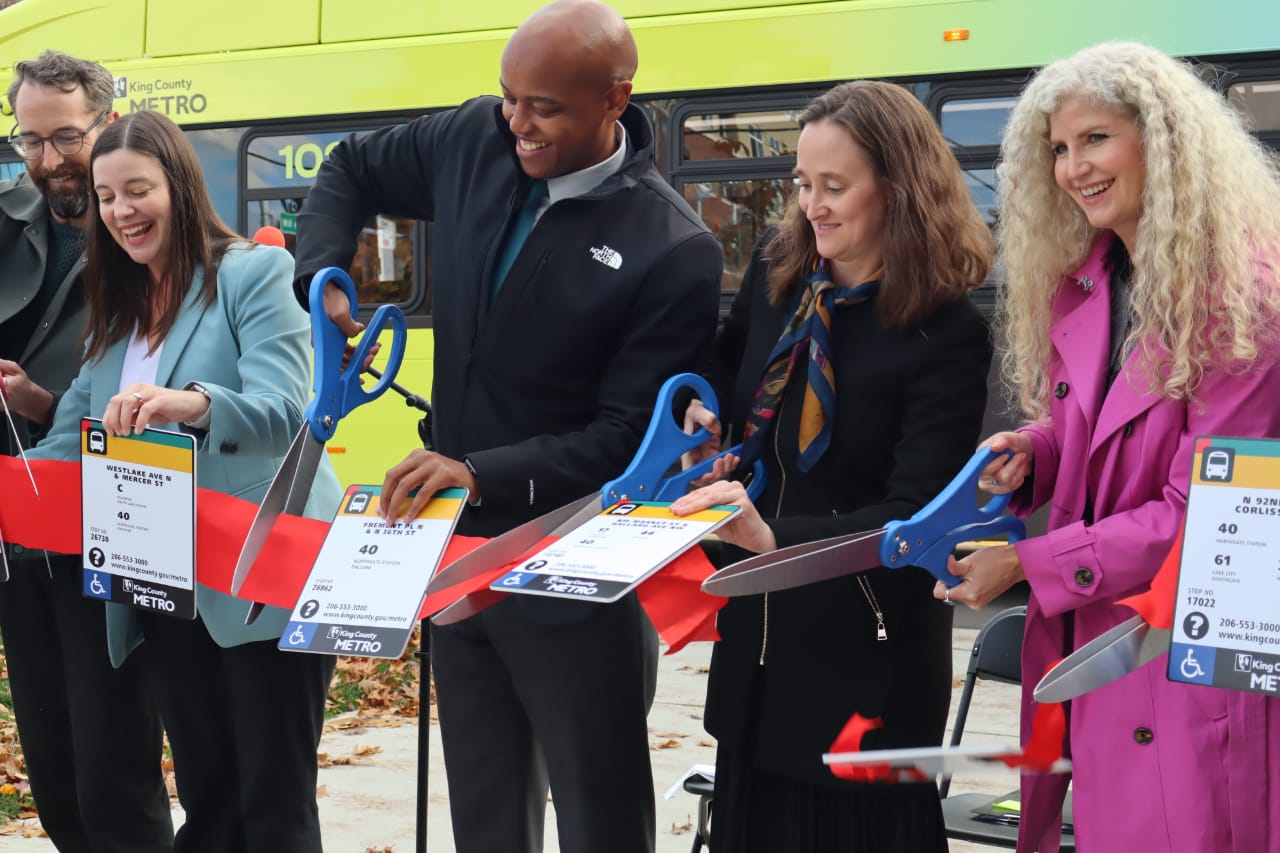
Seattle and King County officials cut the ribbon on a suite of upgrades to Metro's workhorse Route 40 on Thursday – transit speed, reliability, and access improvements that have been in the works for the better part of a decade. The changes benefit around 9,000 daily transit riders traveling between Downtown Seattle, Fremont, Ballard, Crown Hill, and Northgate, but several key elements had faced significant opposition from business owners along the route.
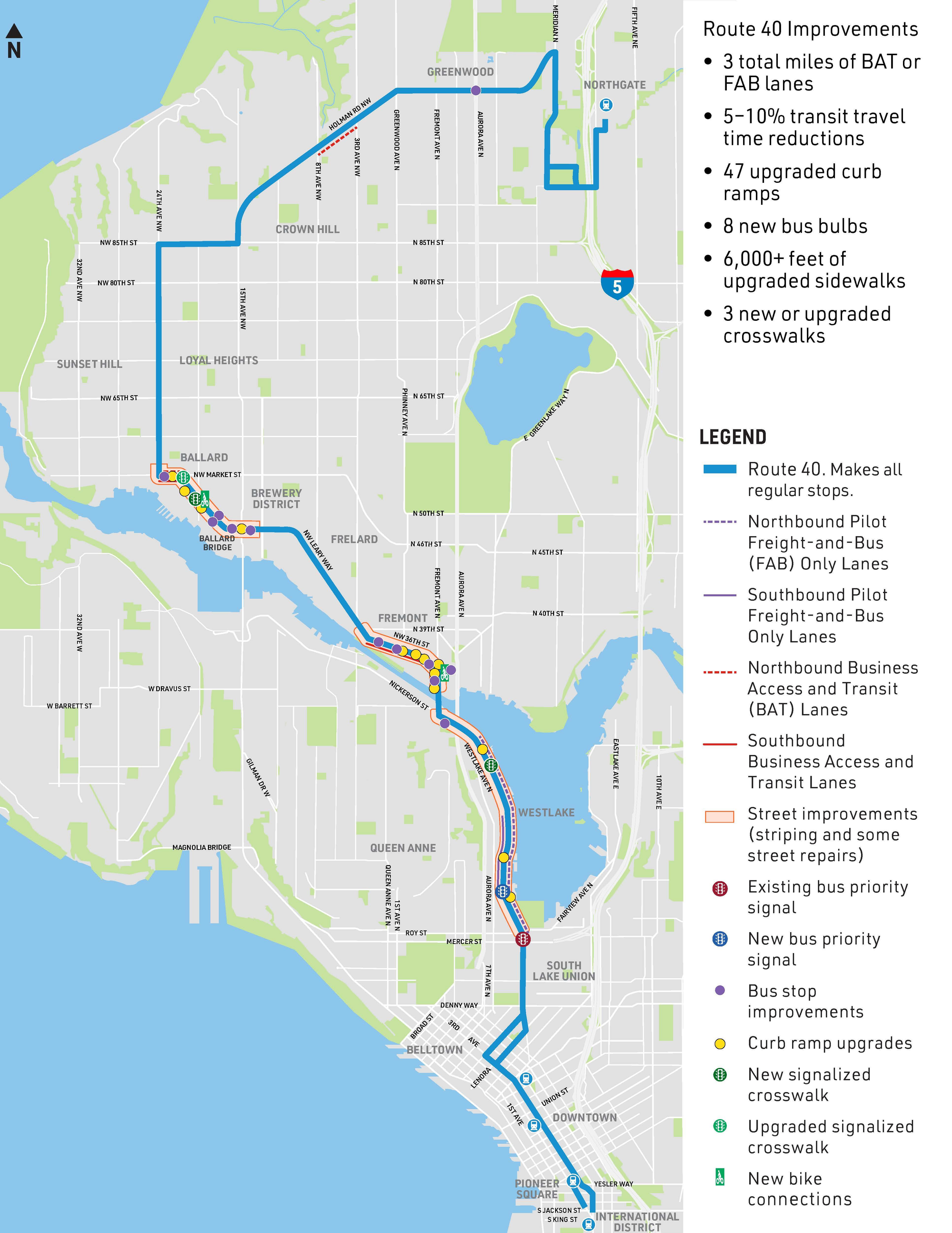
Upgrades include three miles of business access and transit (BAT) lanes, targeted at some of the 40's biggest pinch points including stretches through the heart of Ballard, on either side of the Fremont Bridge, and along Westlake Avenue N. Sixteen bus stops were upgraded and more than 6,000 feet of new sidewalks were installed, with new crosswalks and curb ramps up and down the corridor.
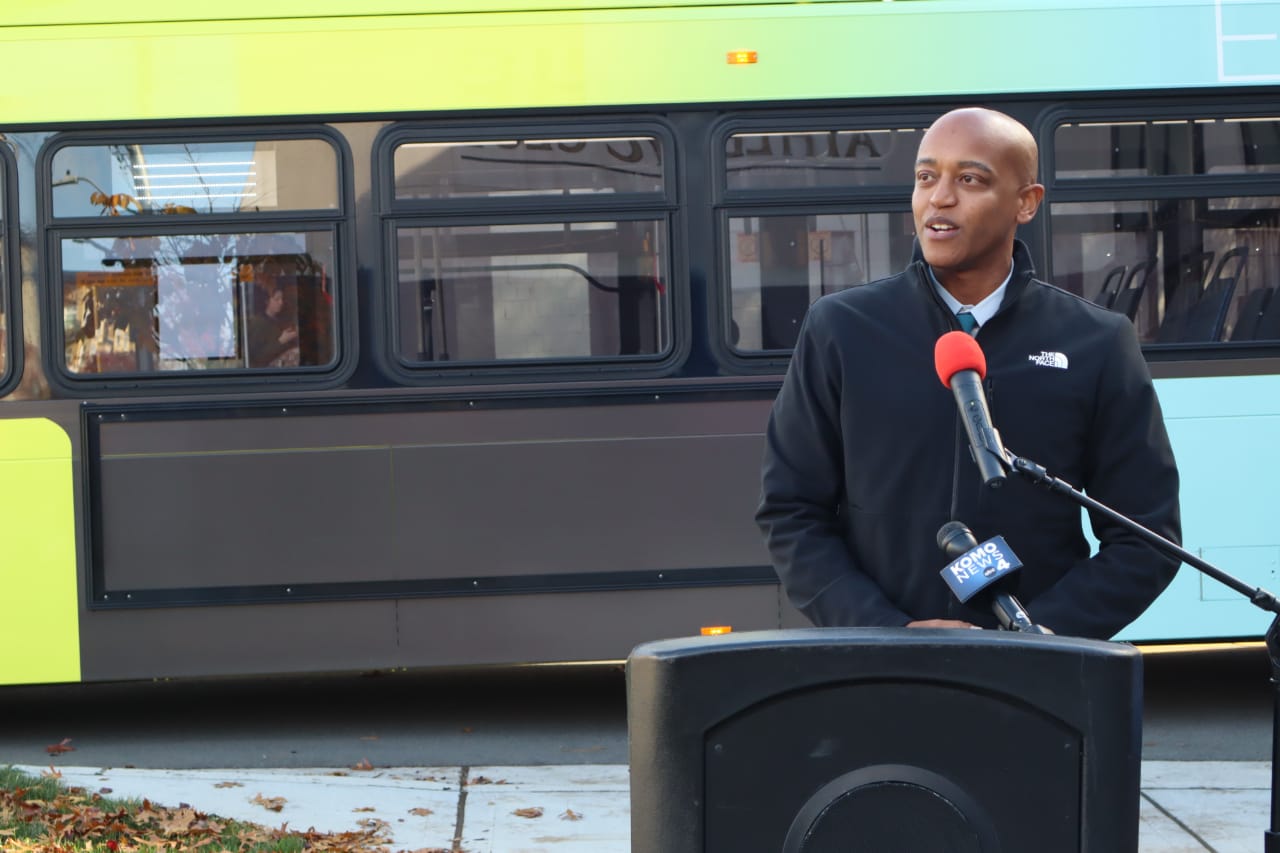
"One of the busiest routes in King County – top five actually – has become faster, safer, and easier to use," King County Executive Girmay Zahilay said Thursday. "And for our riders, that means getting a little bit of time back and having a ride that they can count on. This is definitely worth celebrating and sharing gratitude with all of the teams who had so much to do with these improvements, as well as the community members who advocated for this."
Utility work that was able to happen at the same time as construction, including the replacement of 200 feet of water main, stretched out the implementation timeline, as did planning delays and budgetary turmoil. Backers of the 2015 Move Seattle Levy (which funded the project) had hoped to open the Route 40 upgrades as a RapidRide line in 2023, but ultimately scaled back the plan and abandoned the RapidRide branding in 2018 due to a budget crunch and worse federal transit funding outlook under the Trump administration 1.0.
Dedicated road space for buses is what drew the most organized opposition, which continued through the start of construction. In 2021, The Urbanist first reported pushback on the project's initial design coming from Eugene Wasserman, President of the North Seattle Industrial Association.
Wasserman has long been involved in the fight over completing the Missing Link of the Burke-Gilman Trail along Shilshole Way NW through Ballard and was one of the main opponents of the 2015 Levy to Move Seattle, which funded about 30% of the annual budget of the Seattle Department of Transportation (SDOT). In opposing the Route 40 project, he cited potential impacts on routes used by freight trucks due to reallocating street space.
"It appears to the Maritime/Industrial community that SDOT is willing to sacrifice the viability of maritime/industrial businesses and their employees so that Amazon workers can get to their offices 5 minutes earlier," Wasserman wrote at the time. "Removing the number of traffic lanes the project does will have a substantial impact on our maritime/industrial businesses and will assist in the increasing gentrification of our industrial area."
While that opposition was initially confined to the freight community, it quickly expanded, with business groups in Fremont and Ballard also raising concerns. A 2023 letter signed by Pete Hanning, the head of the Fremont Chamber of Commerce and Mike Stewart, head of the Ballard Alliance, framed the project as out-of-date, citing a reduction in ridership on the Route 40 compared to pre-pandemic levels. Today, the Route 40 is one of the most popular routes in the Metro network, seeing only slightly less usage than the nearby D Line.
"SDOT did not conduct a thorough existing conditions study to identify the specific areas where improvements are needed, let alone the consequences that will result with respect to side-street congestion and overloaded vehicle queues, reliable movement of freight, and increased idling that will result in excessive carbon emissions," the 2023 letter stated.
Two separate traffic analysis studies were conducted on the changes, in response to the issues raised by project opponents and amplified by former Seattle City Council President Sara Nelson. Nelson came out against the bus lanes in 2023 and threatened to kill the transit project through the council budget process in 2024. In 2025, Nelson lost her reelection bid by 25 points to progressive nonprofit leader Dionne Foster.
Business opposition continued into 2025, as some design changes were made to respond to community concerns. SDOT relocated a bus stop location in Fremont and redesigned a new crosswalk at Westlake Avenue N and Halladay Street to reduce impacts on a nearby business. Most notably, the City of Seattle committed to piloting a new concept for the city, a freight-and-bus (FAB) lane along Westlake Avenue N to potentially mitigate some impacts to truck traffic.
Despite those changes, signs reading "Route 40 Plan: We Can Do Better" kept popping up along the route as the project was getting ready to start construction, as organized opposition continued.
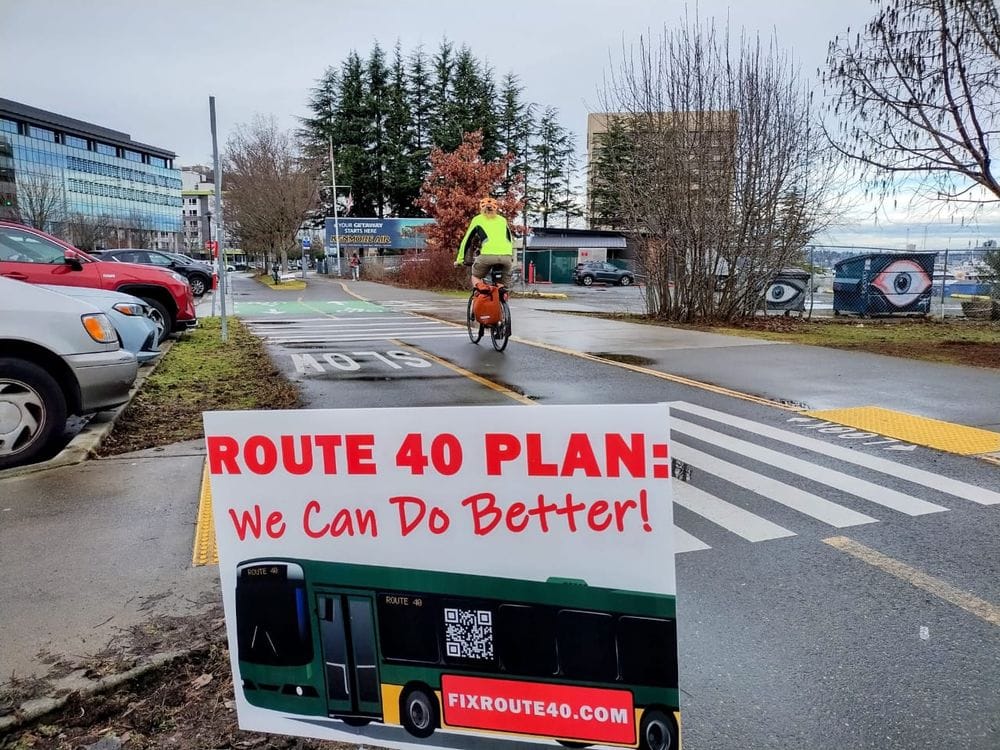
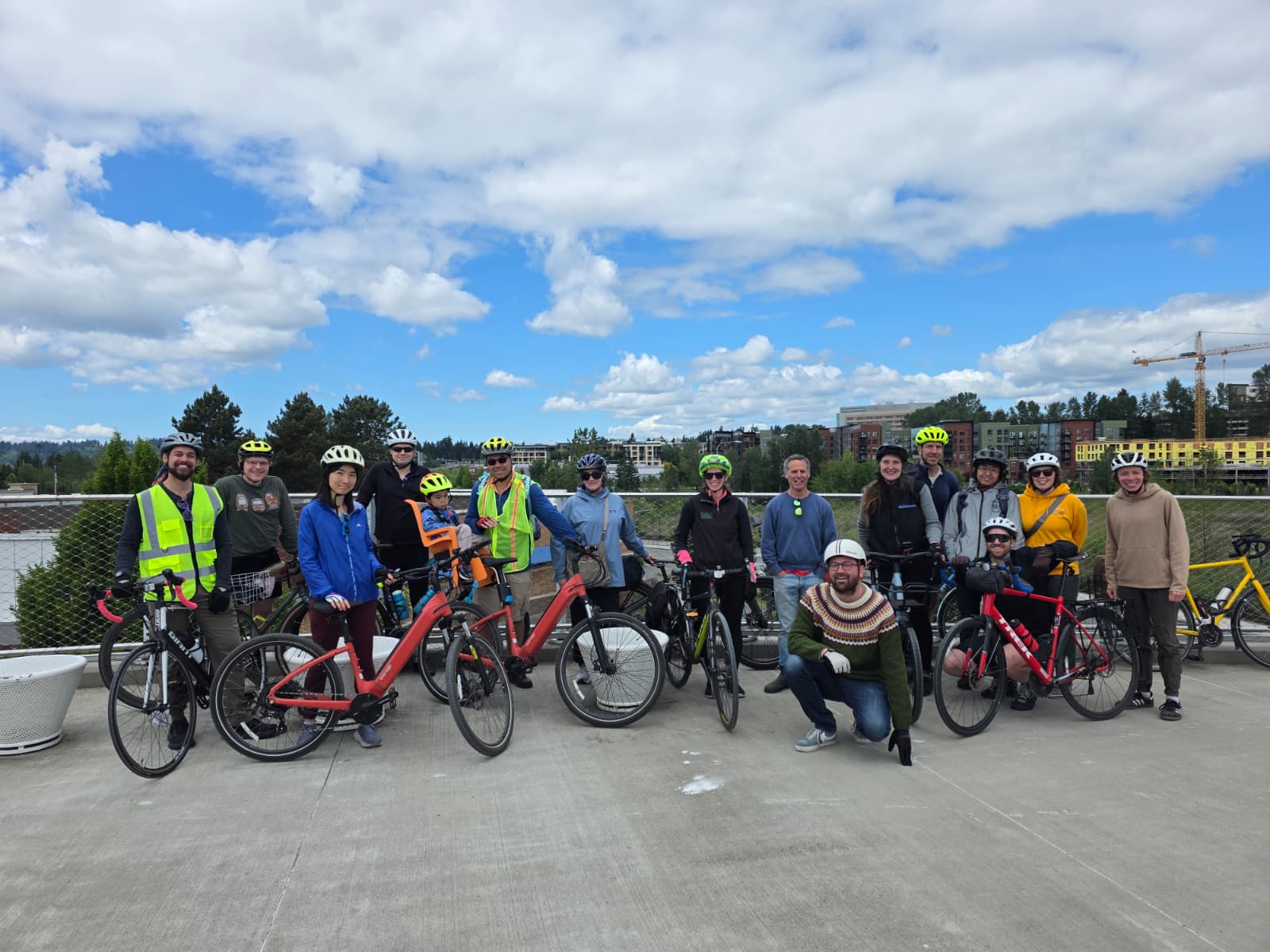
Throughout its planning and construction, the project received significant support from multimodal transportation advocates, specifically Ballard Fremont Green Streets (BFG), previously known as Ballard-Fremont Greenways. An email campaign started by the group attempted to counter the opposition, a tactic that certainly helped the Route 40 upgrades to arrive at their ribbon cutting largely unscathed.
Seattle Mayor Katie Wilson, who had been involved in the fight over upgrading the Route 40 as head of the Transit Rider's Union before being elected to lead the city, clearly took joy in being able to mark the occasion.
"These kinds of meaningful improvements matter as they make a difference in the everyday lives of residents of our city, and that is why I've also directed us SDOT to continue this trend to keep making our existing bus routes better at the same time as we launch new ones," Wilson said. "And so, really looking forward to continuing that work."
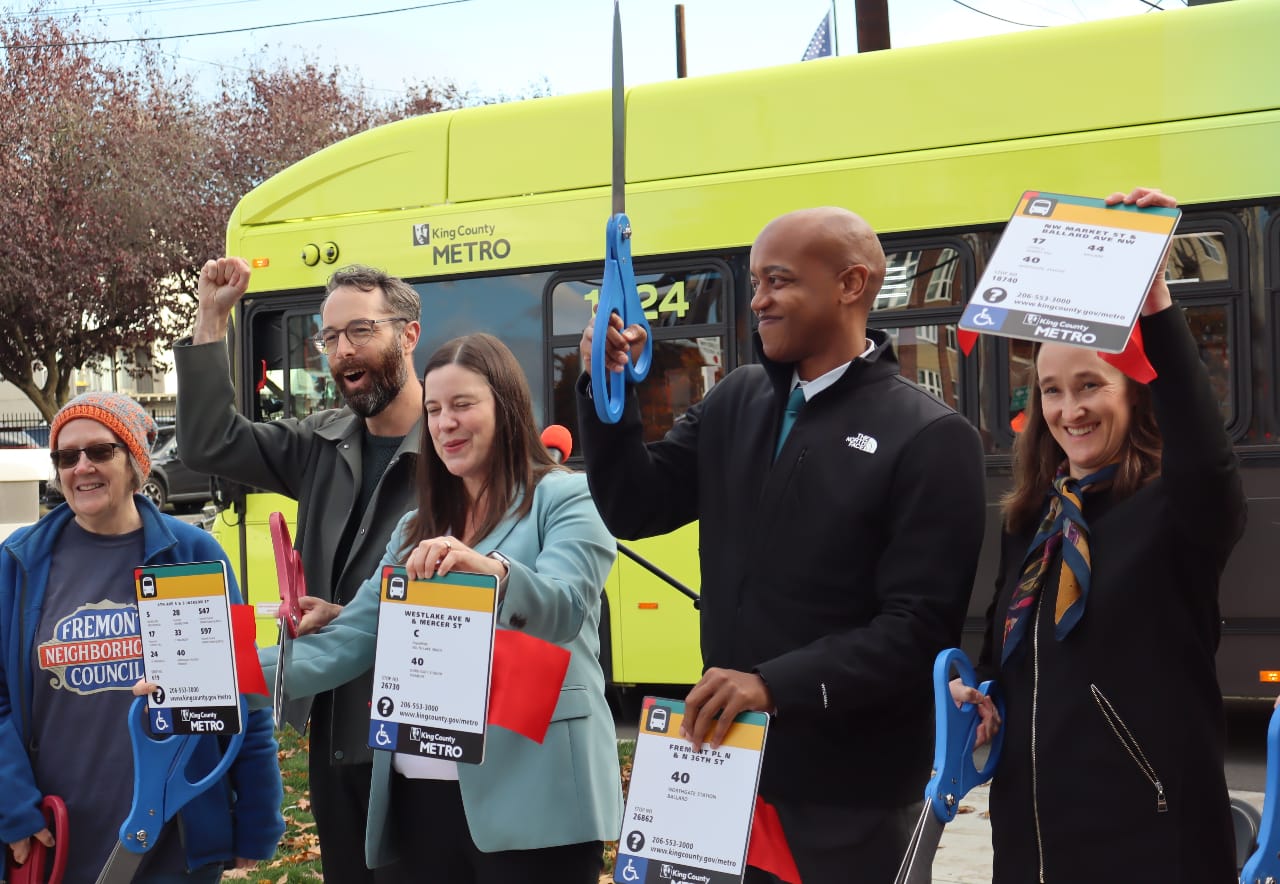
Zahilay told the crowd Thursday that initial data from Metro on the upgrades shows a 11% improvement in travel time for the Route 40 between Fremont and Ballard, which translates to 90 seconds saved on every bus trip, on average.
"Many of my neighbors and my friends rely on the 40 to work, to visit friends and family, to go to big events, to go shopping," Jason Weill, an advocate with Ballard Fremont Green Streets, said. "One BFG member told me that she commutes using the 40, and she used to deal with long delays, sitting through the bus [waiting] through multiple light cycles. But now the cars that used to block the lane have made way for busses."
But the improvements to the public realm extend beyond benefits to the bus riders themselves, with Lydia Heard of the Fremont Neighborhood Council noting that creating transit lanes has turned Fremont into a more walkable neighborhood.
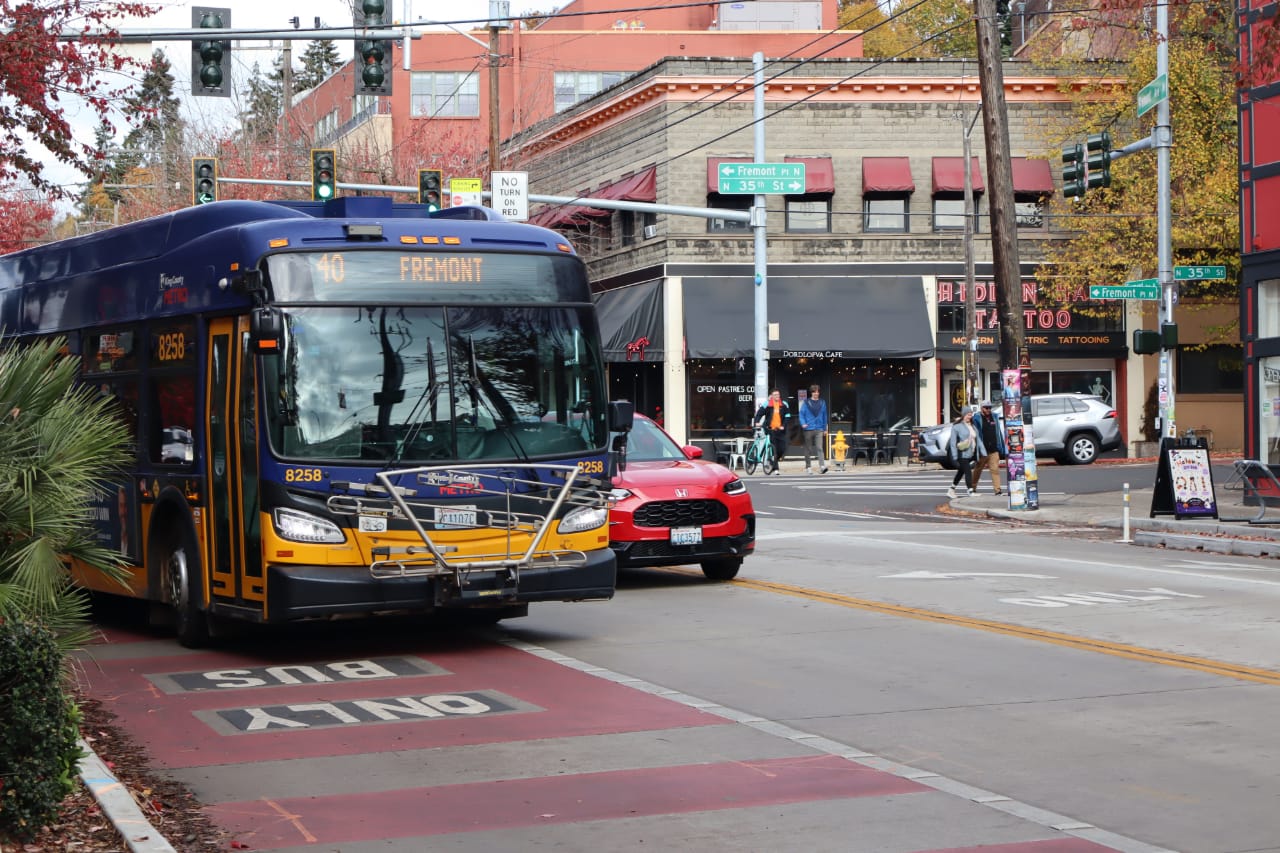
"The reconfiguration of 35th at Fremont Place has a calming effect and transforms that corner into a more welcoming public space," Heard said. "But perhaps the biggest transformation is where the dedicated bus lane reduced [N] 36th to one general travel lane in each direction. This stretch of street, lined with popular businesses and often teeming with foot traffic, feels quieter and calmer most of the day. It is a much more enjoyable walking experience, and it is easier to cross the street. I think this is what we want for our community."
 Ryan Packer
 Ryan Packer