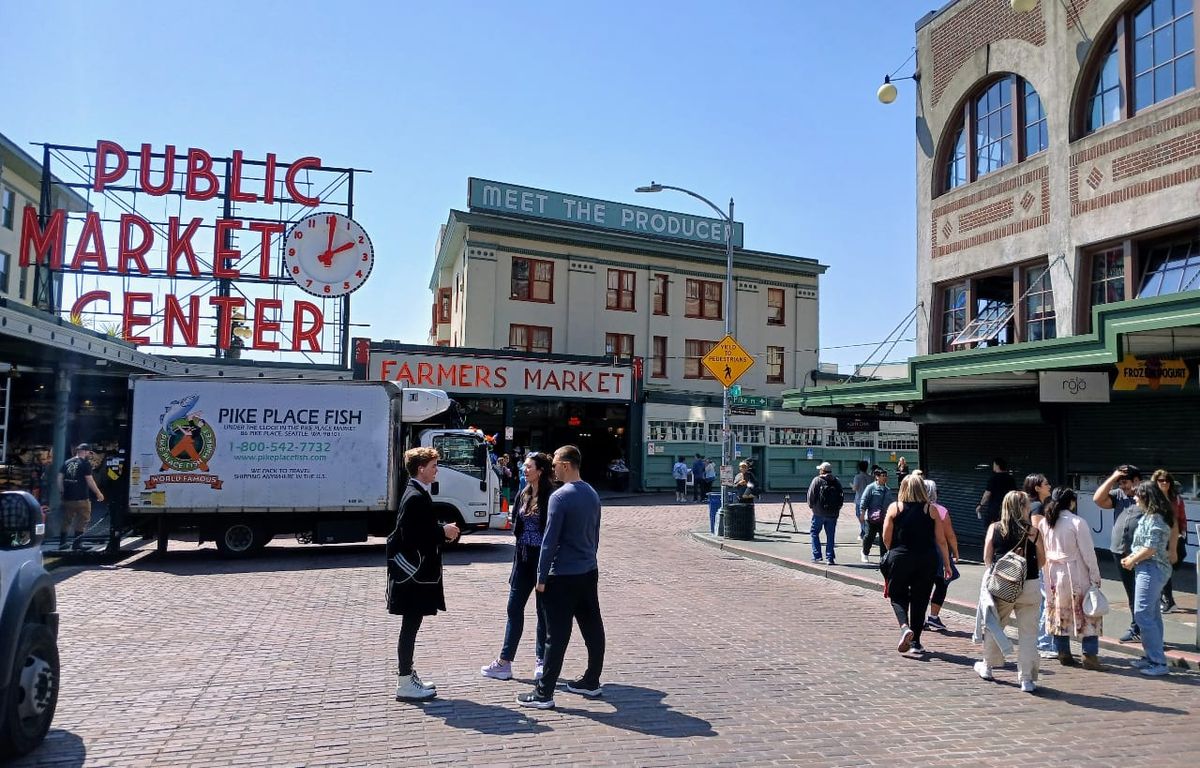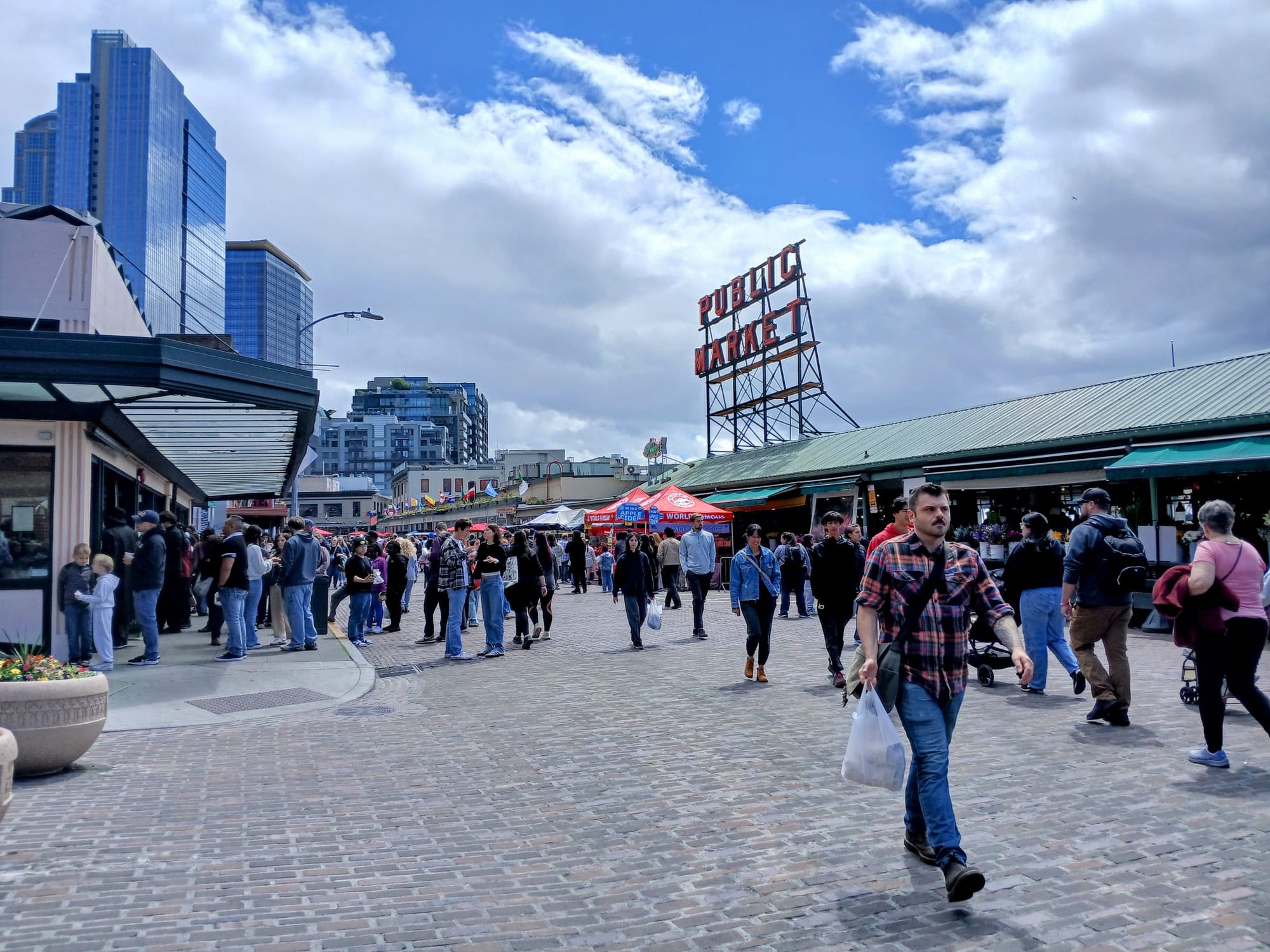
Seattle is buzzing these days thanks to increased activity from the FIFA Men's World Cup, with pedestrian-oriented places across downtown and the broader city seeing major influxes of crowds. With new vehicle-deterring barriers now in place along Pike Place Market on match days, weekends and for major events, the Market has been a major magnet for locals and out-of-towners alike.
The pedestrian pilot in effect on Pike Place right now will shape decisions around what comes next, ahead of a deadline to approve permanent regulations this fall. But as Market advocates, business owners, and city officials all start to forge some sort of consensus about the long-term future of vehicle access through the 119-year-old market, a prominent Market group is throwing cold water on recent sales data within the historic district.
The Urbanist reported in late April on the news from the Pike Place Public Development Authority (PDA) showing commercial tenant sales within the Market shooting up by 6.5% in 2025 compared to the prior year, with restaurant sales seeing a 10.2% jump during the Market's busiest season between May and September. The news was seen by many as vindication, proof that pedestrianization isn't harming Market businesses – quite the opposite.
But Friends of the Market, an advocacy group that's been in existence since 1964, had a different take. The group has long opposed Pike Place pedestrianization efforts, and appears to be mounting a last stand as the pilot program turns in early results that appear strong to most observers.
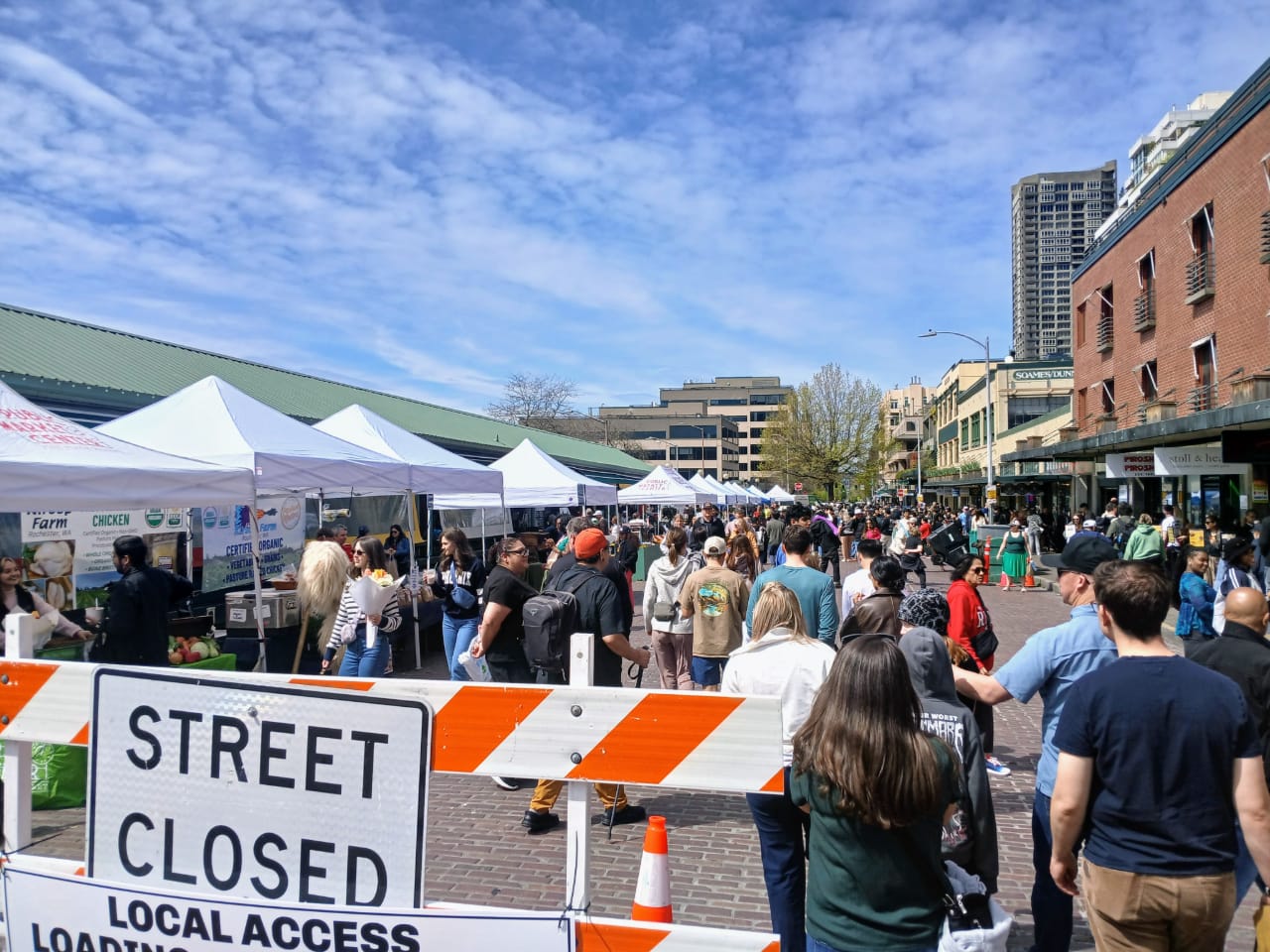
Of all the groups in the crowded Market advocacy ecosystem, Friends of the Market (FoM) might be the one most dedicated to maintaining the status quo. Earlier this spring, FoM members including President Heather Pihl pushed against plans for a pilot "Sip and Stroll" zone that would allow Market visitors to carry alcoholic beverages from select businesses around parts of the district, despite direct advocacy in support of the move from a small cadre of Market business owners.
"At first glance, everything looks fine; but digging a little deeper reveals some worrisome trends," FoM board member Christine Vaughn wrote in the organization's monthly newsletter earlier this month.
"While total sales were up 8.3% for the May to September period, sales for the entire year were up only 6.5%. The implication is that while the closure of Pike Place may have been good for drawing tourists, it decreased the patronage by locals," Vaughn continued. "The long-term attraction of the Pike Place Market derives from its authenticity as a working market, and while increasing tourist business may mask decay of that heart for a while, eventually if the Market loses its function as a working market for local people, it will lose its attraction to tourists, or become a sterile tourist trap like Faneuil Hall in Boston."
Vaughn points to sales data at Market produce vendors, with same-store sales down 5.7% for the year. But produce sales at all vendors, including ones without sales data in 2024, were up 8.1%.
Any data backing up the idea that locals are staying away from the Market is not just thin, it appears non-existent. The Market saw more visitors in 2025 than in 2024 no matter how far away from the district those visitors live – with visits from folks who live 3-5 miles away up the most, by 8.8%.
"So yes, those new visitors may have grabbed a pastry to munch on as they wandered Pike Place—but they didn’t buy their broccoli for dinner," Vaughn writes.
Broccoli worries aside, produce sales amount to just 1.8% of the dollars that change hands at the Market annually, with the market for meat and fish more than five times as large. Sales in the category for pastries, meanwhile, which also includes other types of takeout food, were 15 times larger than produce sales in 2025. That dynamic isn't something caused by the pedestrian pilot, it's a simple fact of today's Pike Place.
Despite Vaughn's paternalistic worries that pedestrianization might be scaring away locals, a 2021 public poll found Seattleites overwhelmingly (81%) favor pedestrianizing Pike Place. In contrast to the more conservative FoM, Market vendors appear open to the idea of pedestrianizing the street, based on the results of a 2023 survey.
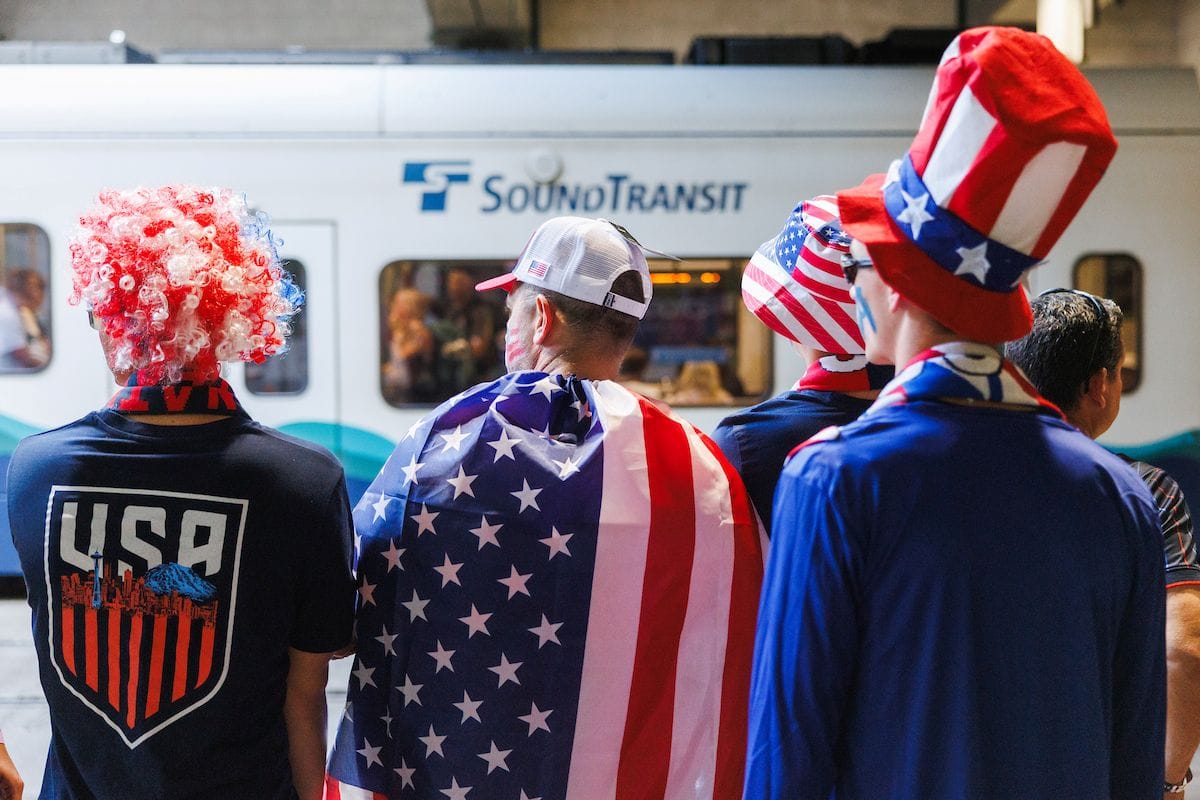
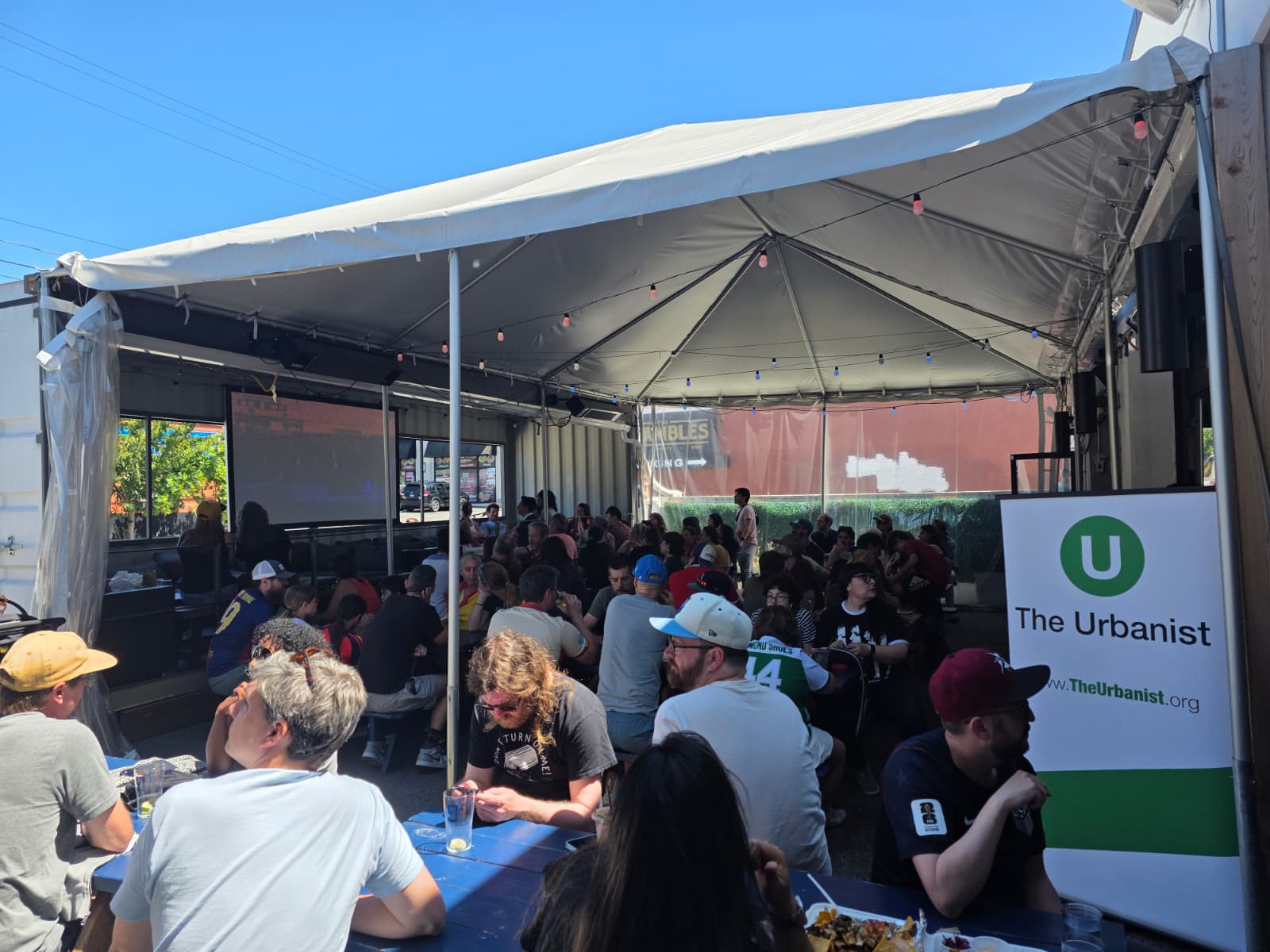
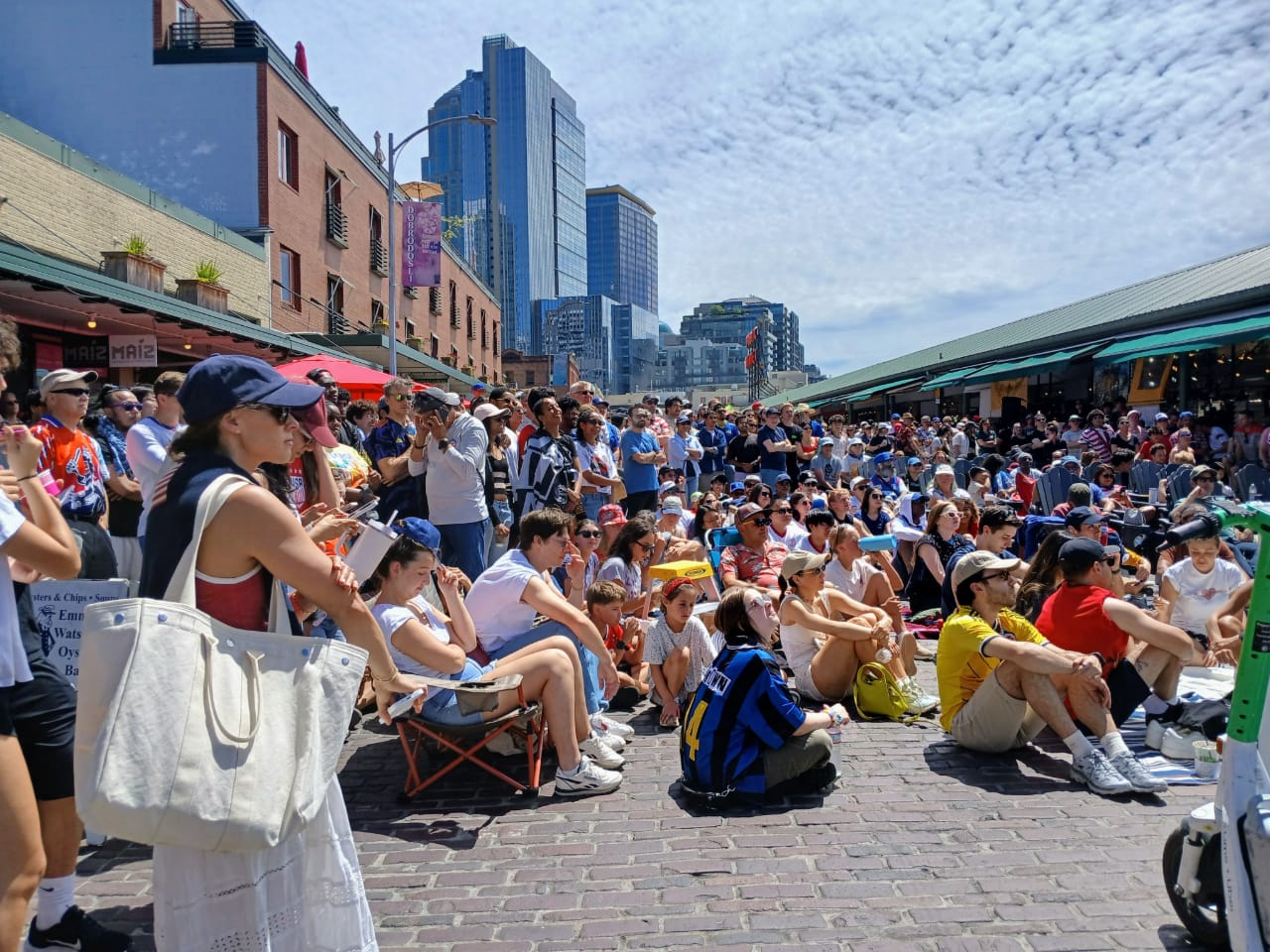
The PDA, under the leadership of its new CEO and President Rachel Ligtenberg, clearly isn't shying away from trying out different operational models at the Market. On June 19, Pike Place became a viewing area for the U.S. vs Australia face off in the World Cup, with visitors crowding around a screen near Starbucks.
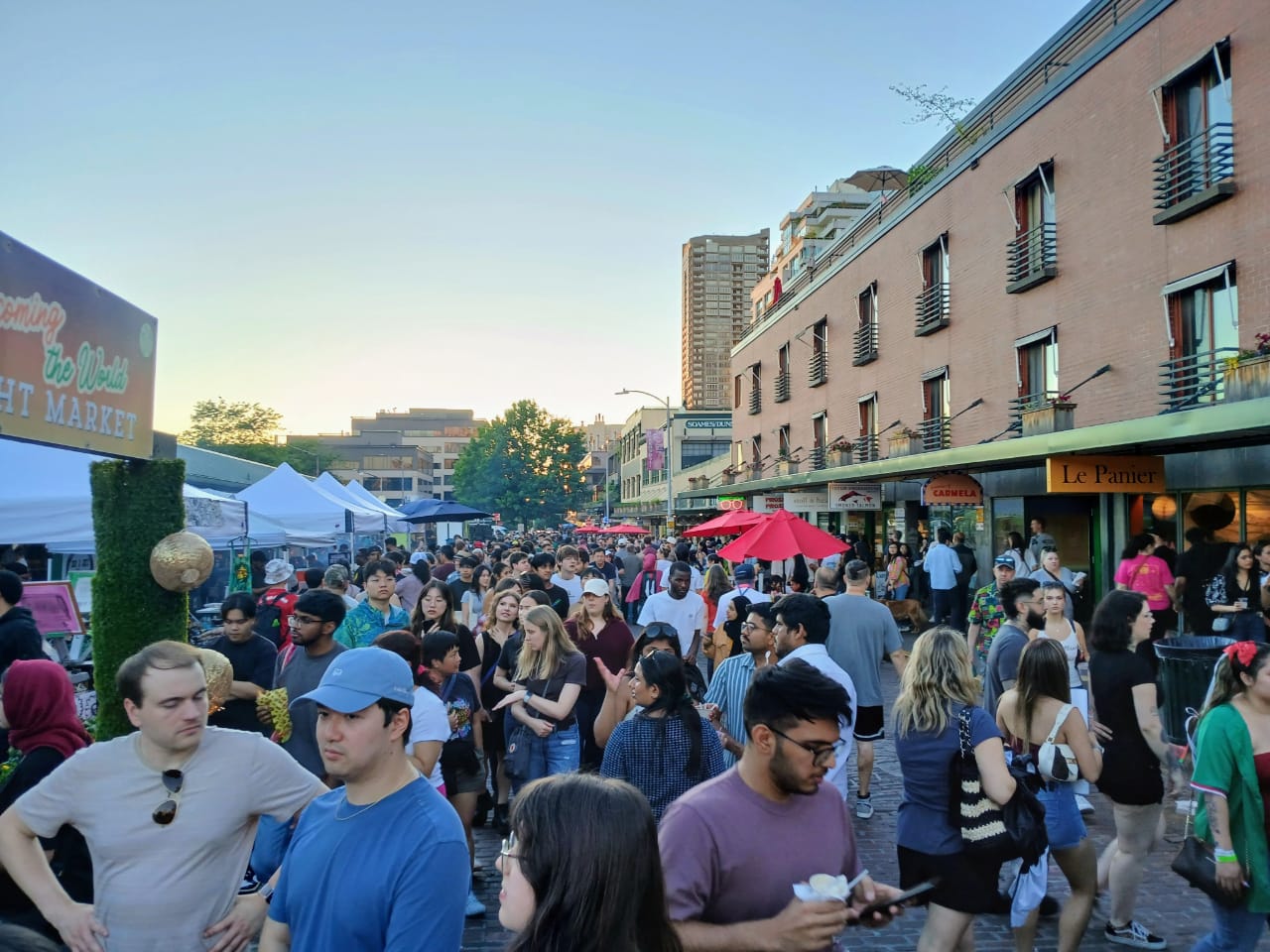
The night before that match, the Market hosted a Welcoming the World Night Market that saw many businesses stay open until 10pm and crowds pack every corner of the historic district. Normally, the Market's main merchant building closes at 7pm and farmstands and craft vendors are typically shut down by 5pm.
Starting in July, the Market will stay open late on the fourth Friday of the month for Downtown Art Walk.
In response to a dynamic economic environment, the Market's leadership is adapting. Additional changes are being made to help businesses as things evolve. This summer, the PDA is partnering with Seattle Messenger Cooperative to offer free deliveries "off-Pike" during pedestrian closure times.
Nonetheless, Vaughn insists over and over again that the data is painting a "clear" picture (confirming her prior assumptions), when arguably the early data is pointing in the opposite direction.
"It is clear that key parts of the Market are damaged by the loss of parking," Vaughn writes, with little data to back up that claim. "Clearly, the impact of street closure on the Market’s traditional grocery sales must be weighed carefully when considering what happens with the street after the summer is over."
The Seattle Department of Transportation has a public survey about vehicle barriers at Pike Place up through June 30, to help inform future decisions about vehicle access.
As Seattle collectively decides the future of one of its most important civic spaces is, all of the impacts are set to be weighed. Advocacy groups will stake their positions, business owners will weigh in, and some type of compromise will likely be reached. But in deciding that future, maintaining clarity will be key, and so far the idea that the sales trends at the Market paint a worrisome picture of a working market in decline isn't backed up by the data.
 Ryan Packer
 Ryan Packer