The National Weather Service recognizes four meteorological seasons, and "Smoke" is not one of them. The sickly orange haze over Washington State skies this week isn't an act of nature or a fact of the climate. It's a policy decision. There's a difference:
One is something that happens to us; the other is something we do to ourselves.
And we could stop when we want.
In 2025, my first year in office as a Washington State Representative from the 43rd Legislative District, a Democrat-controlled state government ratified a budget that slashed our state's Wildfire Response account by $60 million – a cut of 50%. In response, I worked with Rep. Larry Springer, Public Lands Commissioner Dave Upthegrove, and the Department of Natural Resources to write, prime sponsor, and see through to final passage House Bill 2089, the Wildfire Alleviation Support Act which will restore much of this funding in the coming years.
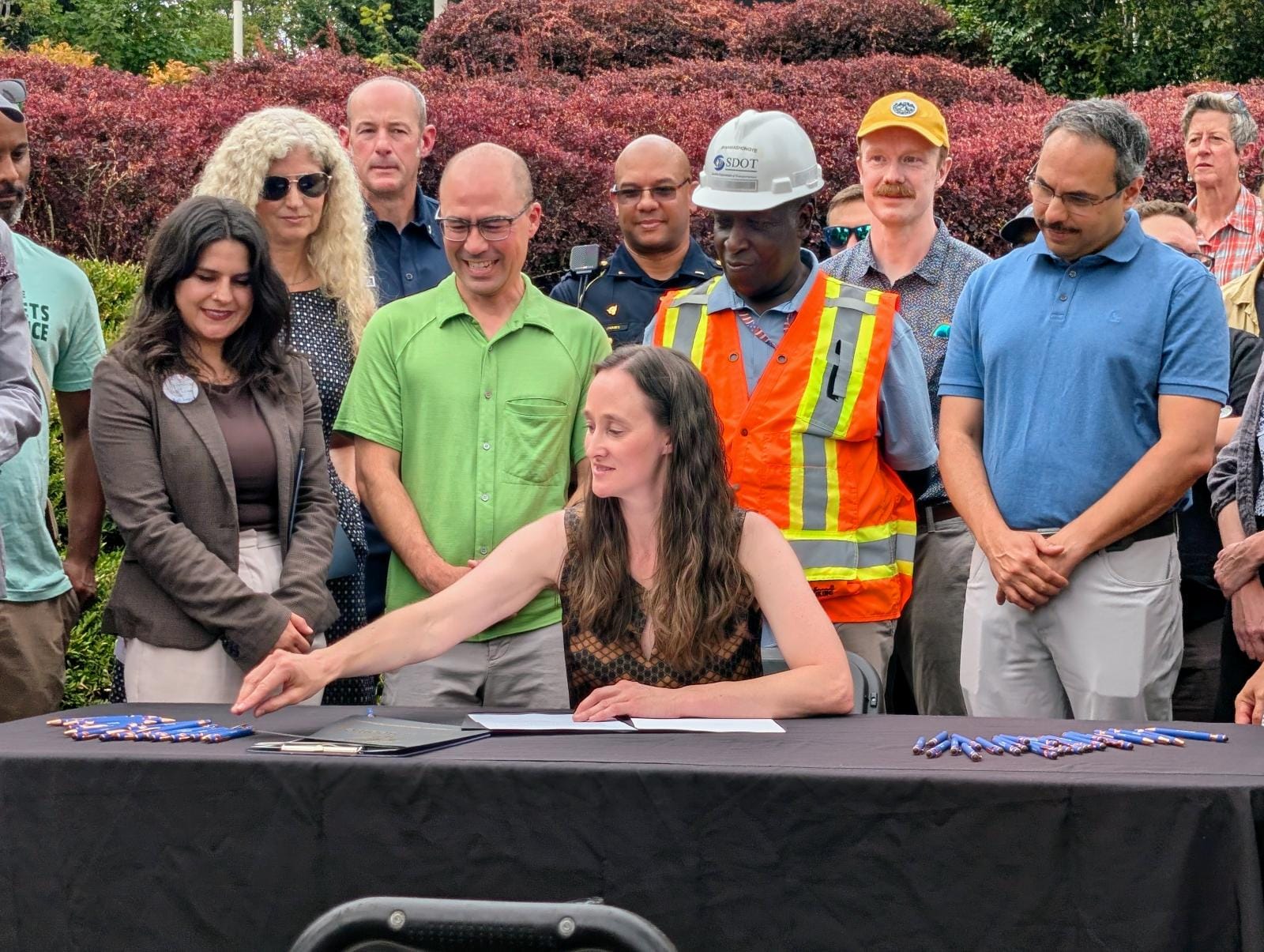
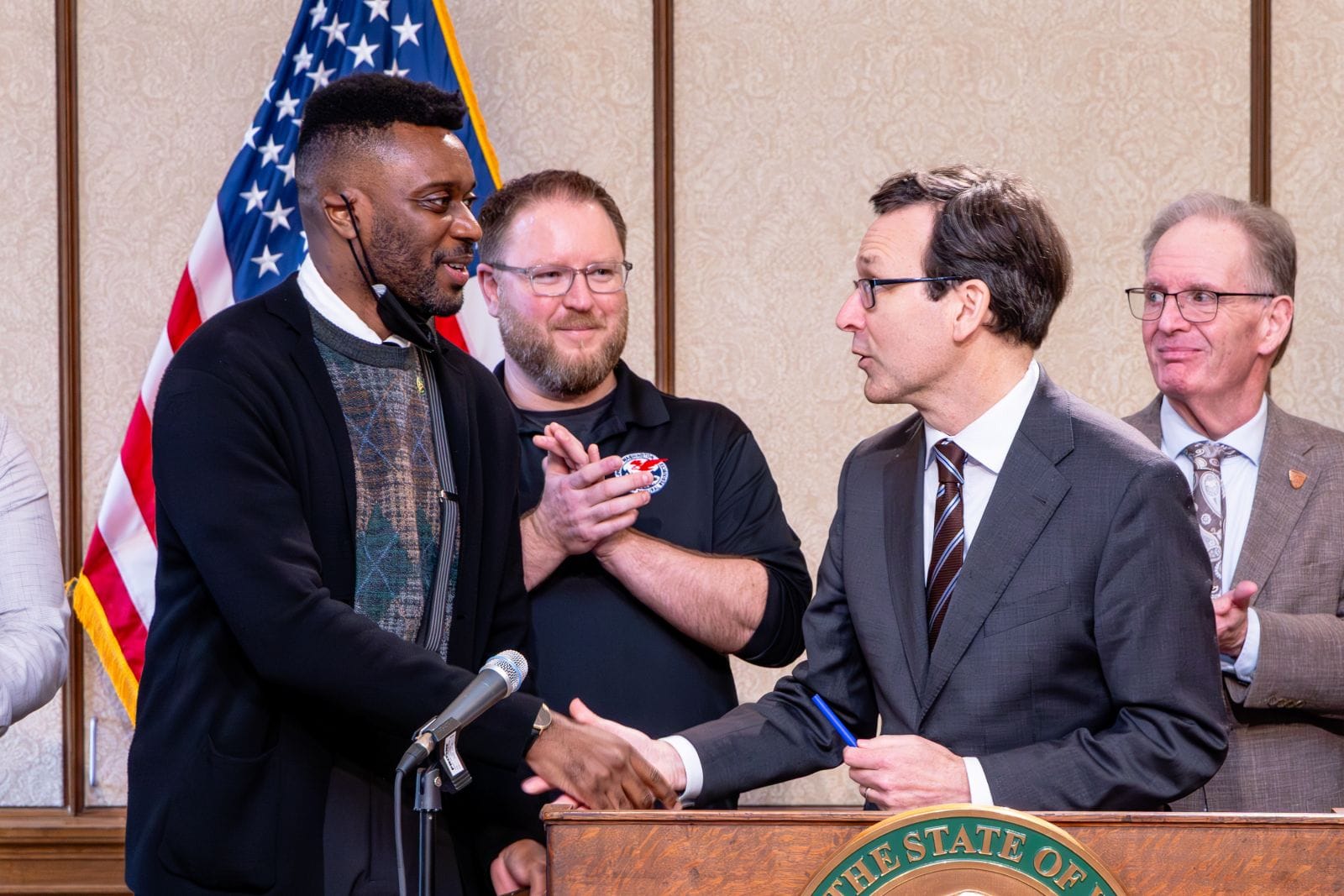
Because this legislation addressed a defining existential challenge of our time, shaking Governor Bob Ferguson's hand after he signed HB 2089 into law was one of my proudest days as a state lawmaker.
But much more work needs to be done to keep Washingtonians safe from forest fires. And we can only do it if we take seriously the notion that we – not the federal government, not the cosmos – are responsible for our own civic health.
The Wildfire Alleviation Support Act was a simple bill, premised on the idea that those most responsible for causing forest fires and making them worse ought to be the ones who pay for putting them out. HB 2089 closed a tax break utilized by data-center centric financial firms like Rocket Mortgage; it steered the resulting revenue to the state account that funds wildfire mitigation in Washington. But my office has already heard from the Department of Natural Resources that many more resources will be needed to combat the increasing scale and devastation of forest fires in our state.
The original 2021 legislation which created Washington’s wildfire response account calls for an annual investment of $60 million. That figure doesn’t begin to tackle the total economic impact of climate change – the private insurance payouts, health impacts, and property damage resulting from wildfires that we’ve grown accustomed to hazarding every year.
We can hope and trust and pray that wildfire alleviation support is a priority for the State Legislature; but in 2025 we saw that no program is safe from austerity budgeting – even a program that keeps Washingtonians safe from the worst impacts of climate change.
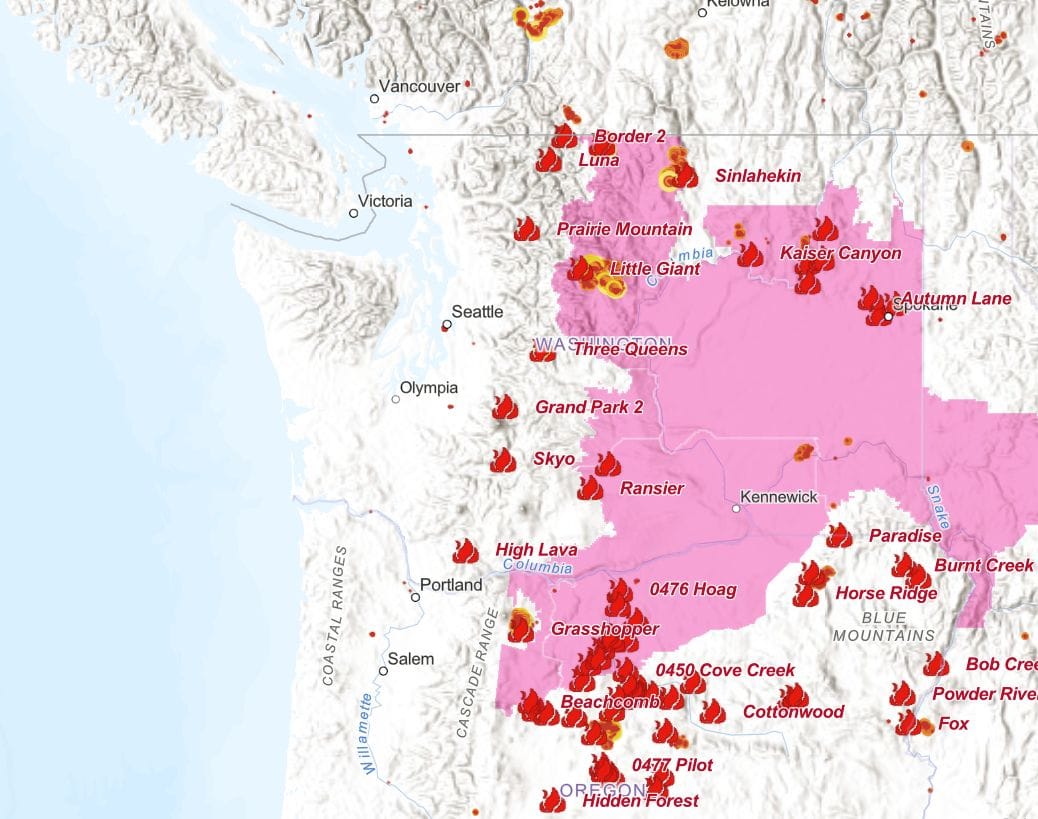
That's why this summer, I've begun working with the "Make Polluters Pay" campaign to make behemoth fossil fuel companies support Washington's efforts to prevent and put out wildfires. I've also engaged legislative policy staff to draft a bill that would direct revenue from a tax on high-frequency algorithmic stock trades to provide a permanent source of funding for our state's Wildfire Response account, protecting it from future budget cuts. I should hope that many of my earnest colleagues in state government who have posted on social media in support of the people of Eastern Washington during so-called "Smoke Season" will also join the effort to prevent this kind of damage from happening again.
In Olympia, I've often been asked: "Why should a lawmaker from a hyper-urban district like the 43rd take up the issue of wildfire alleviation?” Well, oxygen is not a partisan issue. Though every single House Republican voted against the Wildfire Alleviation Support Act earlier this year, I knew that the bill would benefit the people of their districts anyway. Last year, the Bear Gulch blaze in Rep. Travis Couture's 35th Legislative District drifted due east, directly over the 43rd.
For climate conscious state lawmakers – a category that should include all of us – there are almost as many places to point fingers as there are smoke particles in the air. Past generations grew a public dependence on fossil fuels and unsustainable lifestyles. The Trump Administration recently reduced the U.S. Forest Service budget by 25%. A difficult budgetary "climate" (we really ought to stop using that descriptor; budgets aren’t the weather) resulted in cuts to programs we all depend on. True as these excuses may ring to some, they don't elide a fact that should motivate us all:
We’re responsible for our own happiness, civic and otherwise.
For the sake of the only environment we have, the time is now to overcome the hurdle of learned helplessness.
 Doug Trumm