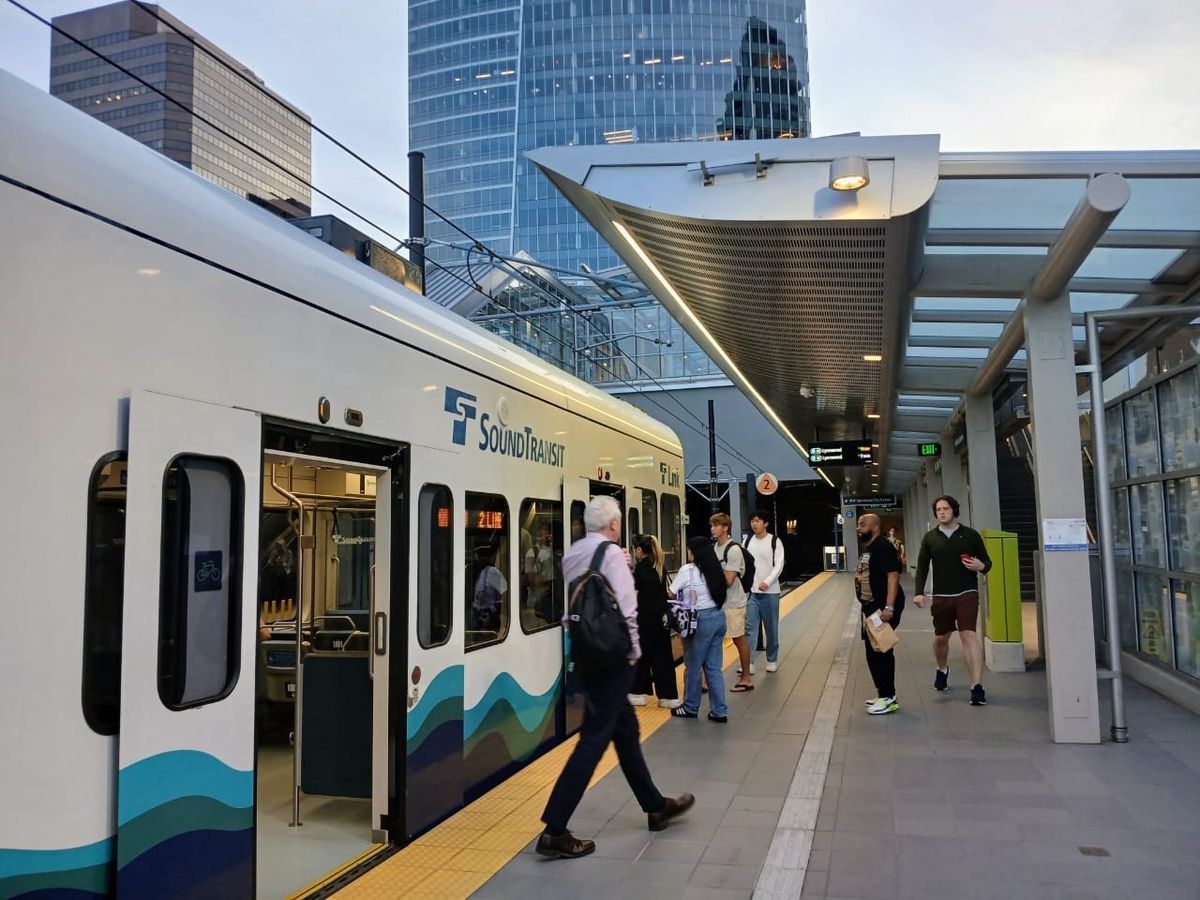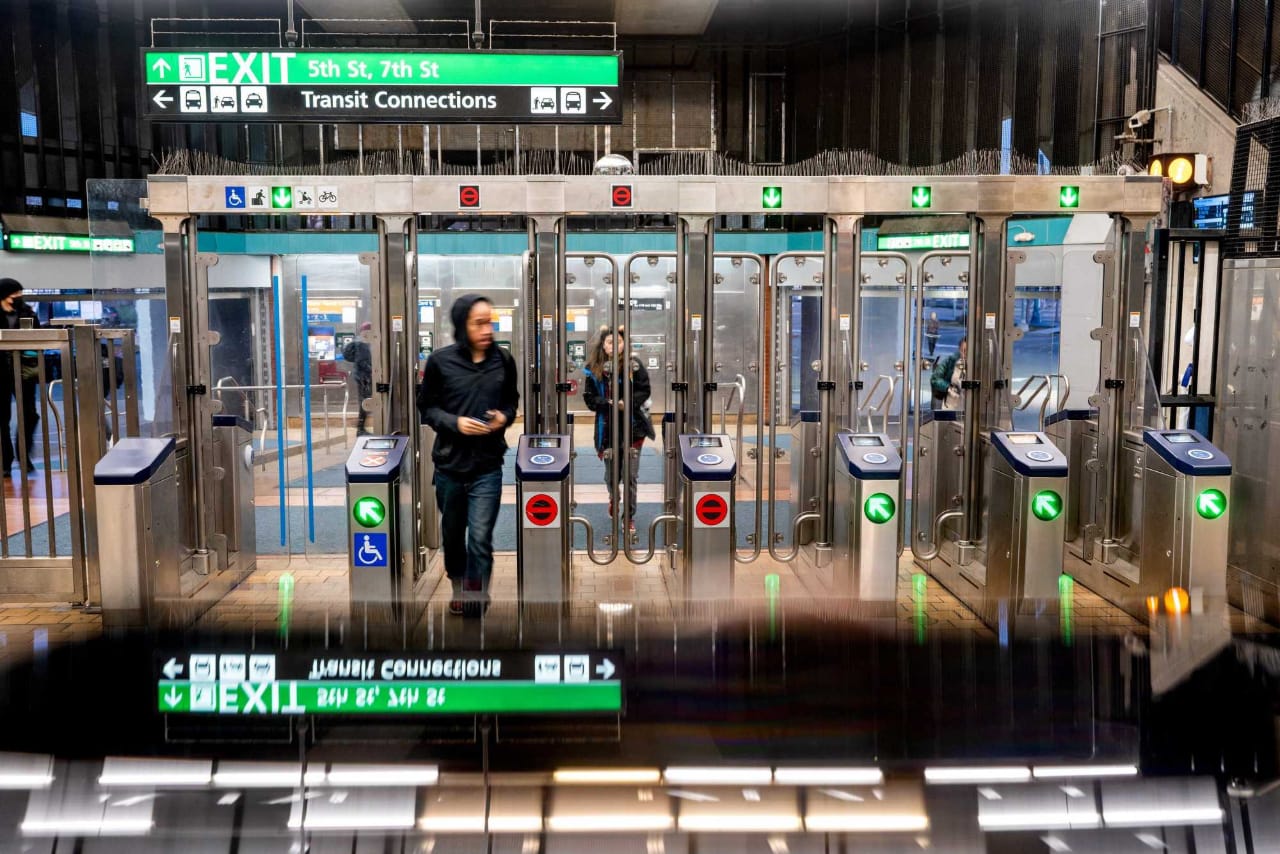
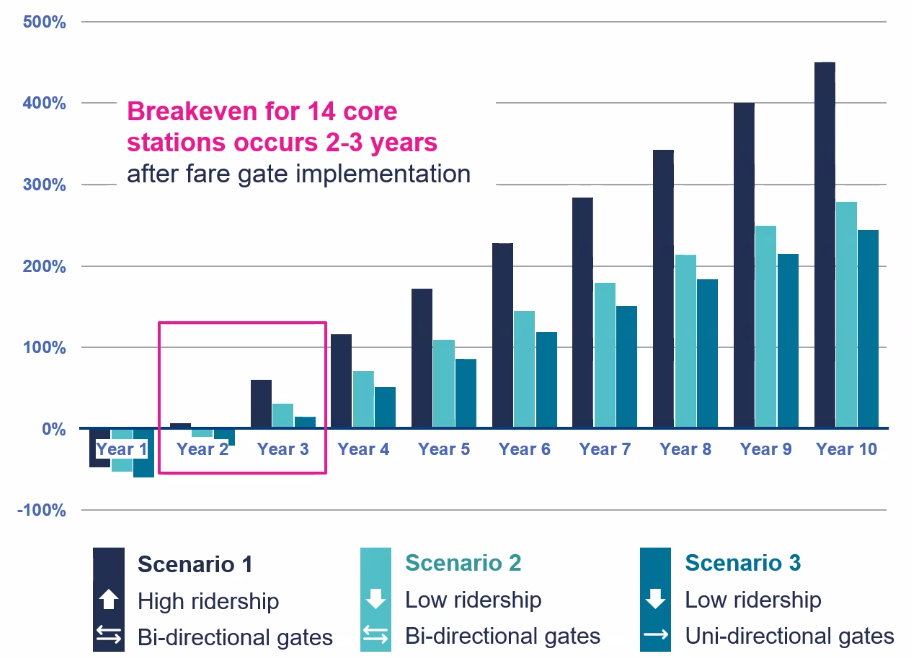
The Sound Transit board's Rider Experience Committee unanimously approved a motion Thursday that would create a program to retrofit Link light rail stations with fare gates, a move intended to bolster fare revenue, reduce vandalism, and increase safety on train platforms. The agency is eying 14 initial stations for gates, with high-ridership stations in Downtown Seattle and at the ends of lines expected to be able to pay back the implementation costs within two to three years.
If approved by the full board later this month, Sound Transit will spend $6 million next year developing the full scope of implementation work for fare gates, with a future board vote allocating actual construction dollars. The total cost of implementing gates across these 14 stations is expected to be $87 million. Thursday's motion also directs staff to redesign Sound Transit 3 stations to accommodate gates, an undertaking with unspecified costs given that many of those stations have been in planning for many years.
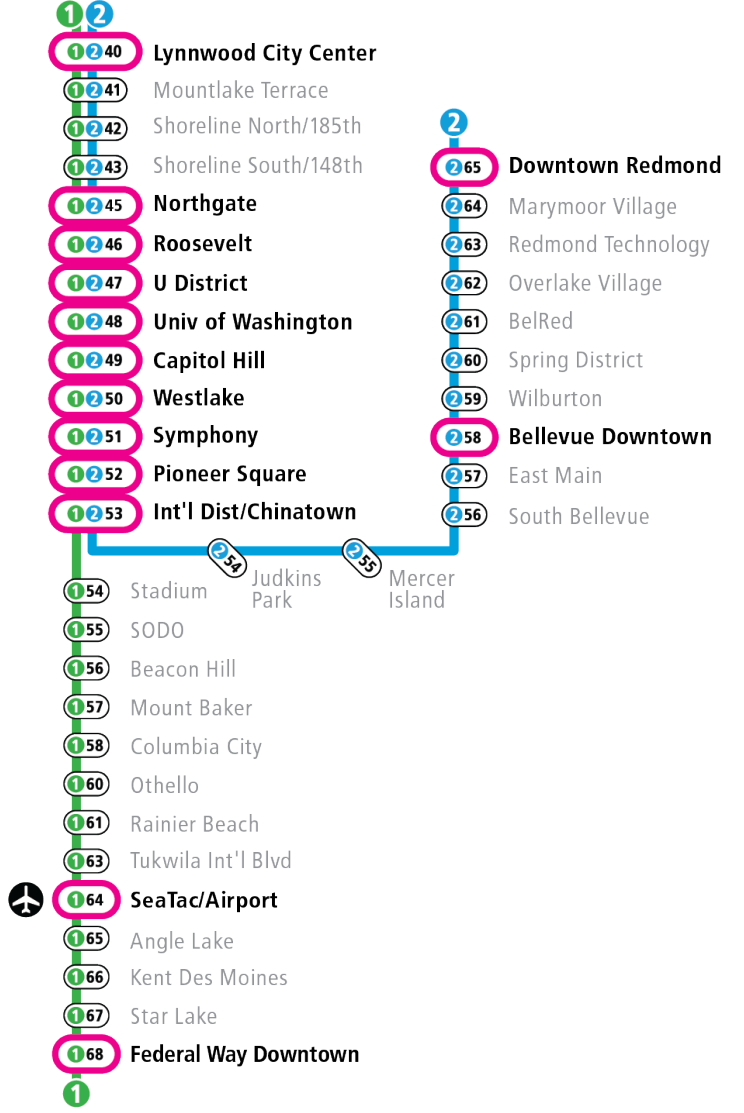
While the fare gate program is being framed as a pilot, existing stations beyond this initial 14 are much less likely to be retrofitted, especially given specific constraints at many of those stations. At-grade stations, including those in SoDo and along MLK Jr Way S, would be more challenging to retrofit to handle gates, given the need to also harden access to the tracks to avoid fare evaders walking on them. Furthermore, if Sound Transit implements bidirectional fare gates as agency staff are proposing, which require riders to tap to enter stations and to exit them, implementing gates at lower ridership stations will be much less of a priority.
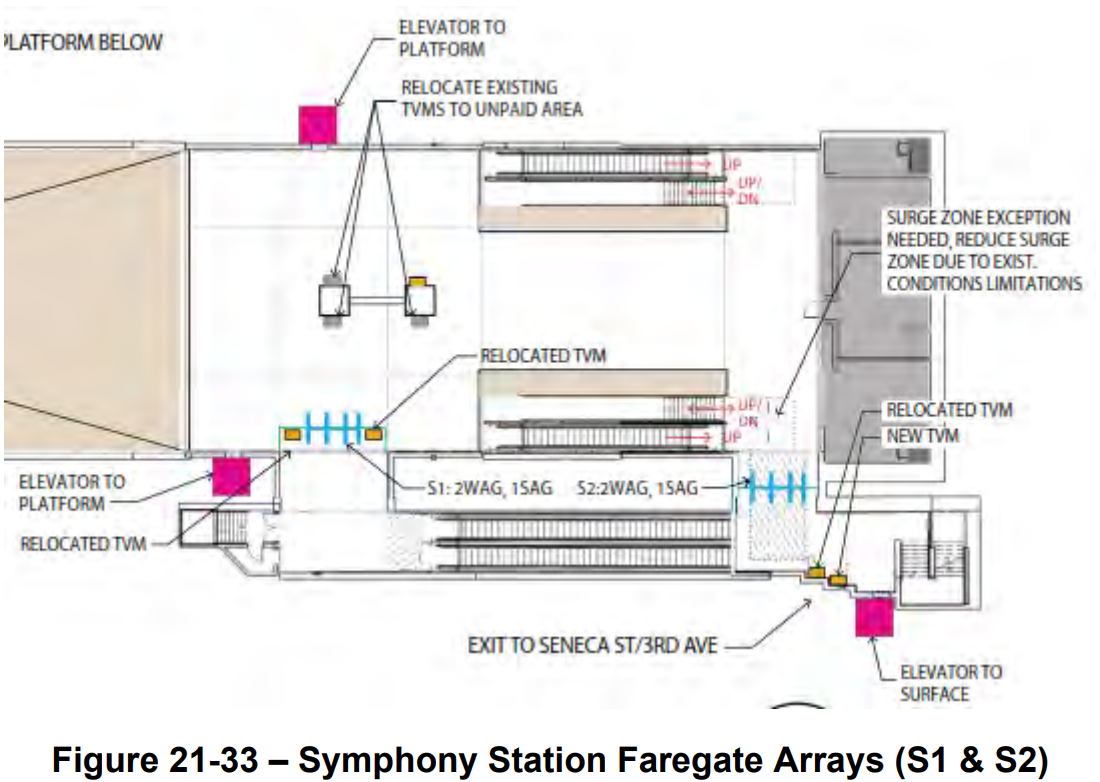
Many questions remain unanswered when it comes to how Sound Transit will actually implement a fare gate program, including for riders under 18 years of age who currently do not have to present any fare media thanks to the statewide Youth Ride Free program. Implementing gates will also require a reworking of the fare tickets currently available at Sound Transit stations.
"Currently, our tickets have words and aren't machine-readable, and there are potential solutions, including QR codes or maybe a variety of other approaches," Brian de Place, Sound Transit's executive director of security and fare evasion, told board members. "We've heard loud and clear that we need to provide easy and automated ways to get fare media into the hands of youth. So part of that effort here will be to identify partnership opportunities for youth fare distribution, and we're already working internally to ensure we're appropriately resourcing this work."
Adding or retrofitting fare gates has become something of a trend across major North American transit agencies in recent years, partially in response to increased fare evasion in the wake of the Covid-19 pandemic. In addition to increasing revenue, hardening station entries with gates has been credited with decreasing security incidents and vandalism in numerous cities.
Last year, when 50 stations across California's BART system were fully retrofitted with more robust gates, agency officials touted 961 fewer hours spent on corrective maintenance across those stations in the first six months. On the LA Metro, stations with gates were associated with a 69% drop in vandalism and safety incidents, according to officials with that agency.
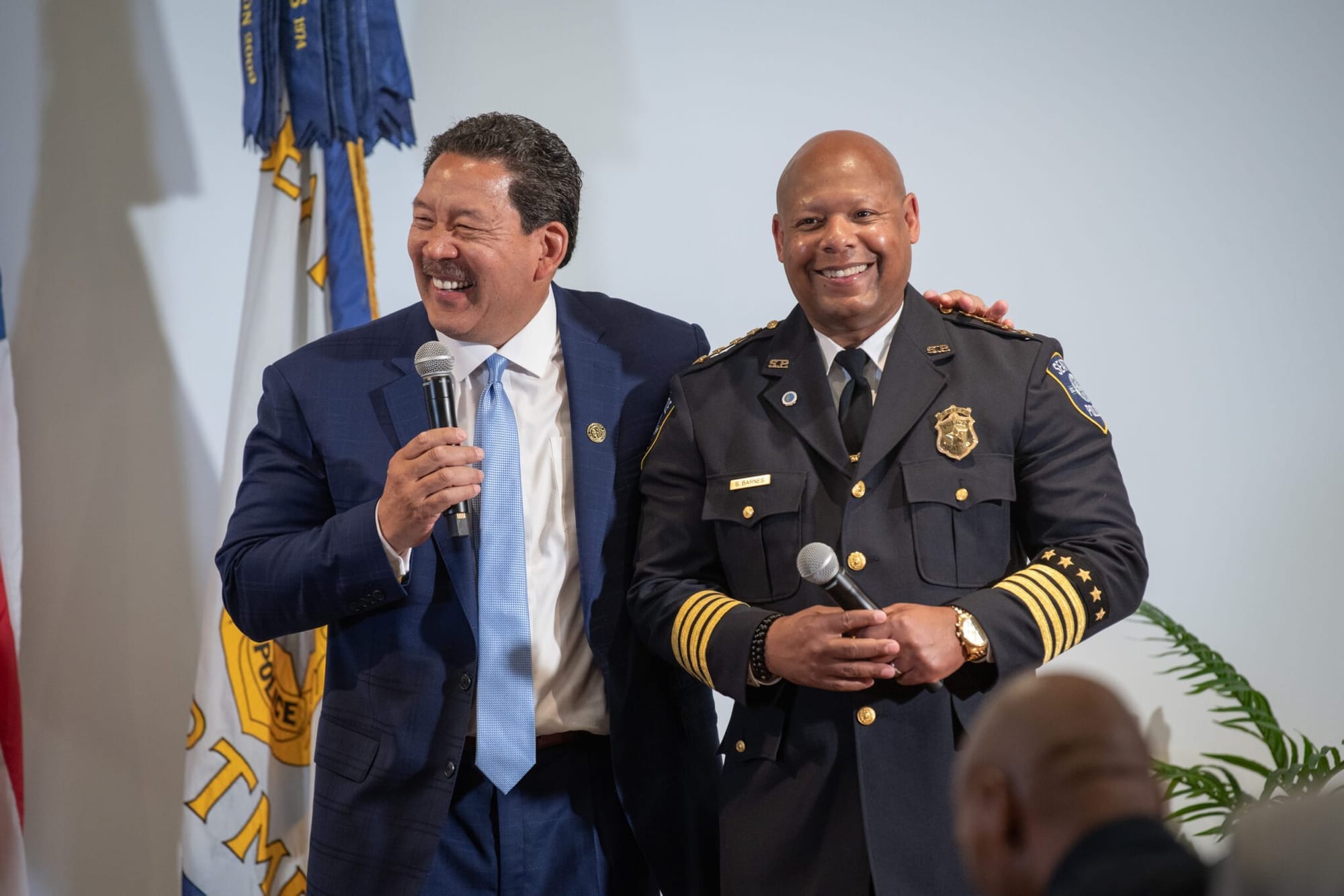
This month's decision was repeatedly framed as preliminary, with King County Councilmember Claudia Balducci pressing on a need to see clear performance metrics coming from Sound Transit staff when it comes to final approval of any fare gate program.
"I really, really am serious about wanting to see what the measurements are going to be by which we judge [the] success of this program. What are the baseline rates of compliance at these stations and at all the stations, not just the ones where we are implementing pilot fare gates? What do we expect in terms of improvements, both with fare compliance and maybe other types of issues? Like, set the baseline for the things we are going to track, so that we know whether we're succeeding or not," Balducci said. "This is not just a thing that we're doing because it looks good and makes people feel good that we're doing something, but instead we actually have the goals that we're trying to achieve, and we know whether we're achieving them."
Other board members, including Seattle Mayor Katie Wilson – who doesn't sit on the Rider Experience Committee – have also raised questions around gates, with Wilson questioning staff in June around efforts to increase participation in the ORCA Lift low-income fare program. While ORCA Lift enrollment across the region has been higher than in other peer cities with subsidized pass programs, cities like Philadelphia have seen greater success with automatic enrollment programs.
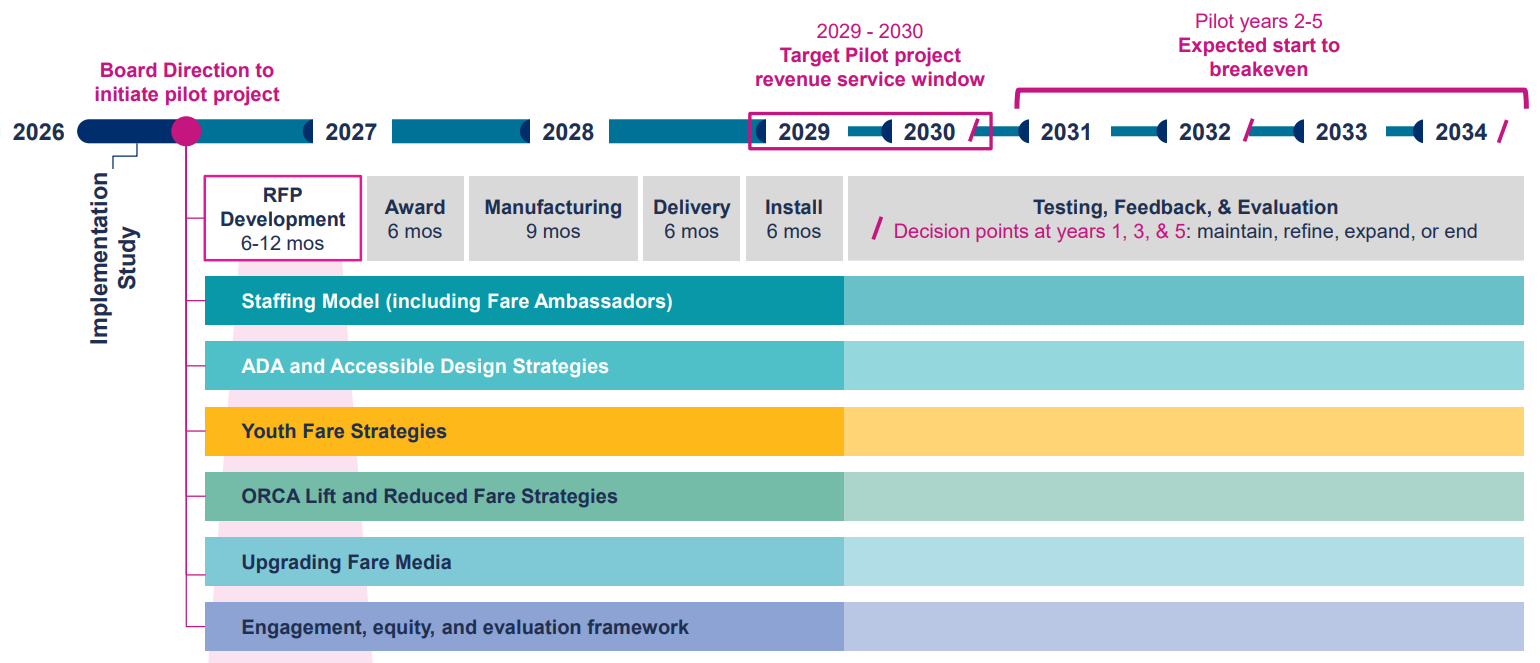
Barring any hiccups, Sound Transit expects to be able to install gates across the 14 stations by 2029 or 2030, with the board facing future decision points around whether to maintain the gates, refine their operation, or expand the program. For now, however, there's very little skepticism on the board about moving forward with some type of fare gate program.
 Ryan Packer
 Doug Trumm