A Washington congressman is finding himself at the heart of one of the first major fights unfolding ahead of January's Democratic takeover in Congress, with billions of dollars in federal transportation funding on the line.
Among the many leadership positions about to change hands in Washington, the next chair of the House's Transportation and Infrastructure committee is very likely to be Rick Larsen. And Larsen, who represents Washington's 2nd Congressional District including Bellingham, Everett, and the San Juan Islands, is facing pressure from advocates to rethink plans to advance a transportation funding package he negotiated with Congressional Republicans earlier this year, known as the "BUILD America 250 Act."
The BUILD Act was rolled out in May, as a replacement for the expiring, Biden-era Investment in Infrastructure and Jobs Act (IIJA). At the time, Larsen touted the bill as investing $580 billion in "job-creating infrastructure," highlighting elements like a boost in federal funding for ferries.
But as the Bipartisan Policy Center noted at the time, the guaranteed funding levels in the bill would represent a decrease in federal support for public transit compared to the IIJA while at the same time boosting spending on highways.
Analysis from the Georgetown Climate Center concluded that full enactment of the BUILD Act would spike carbon emissions annually by 14 to 22 million metric tons, and lead to more than 1,000 additional road deaths due to a pivot away from safety infrastructure.
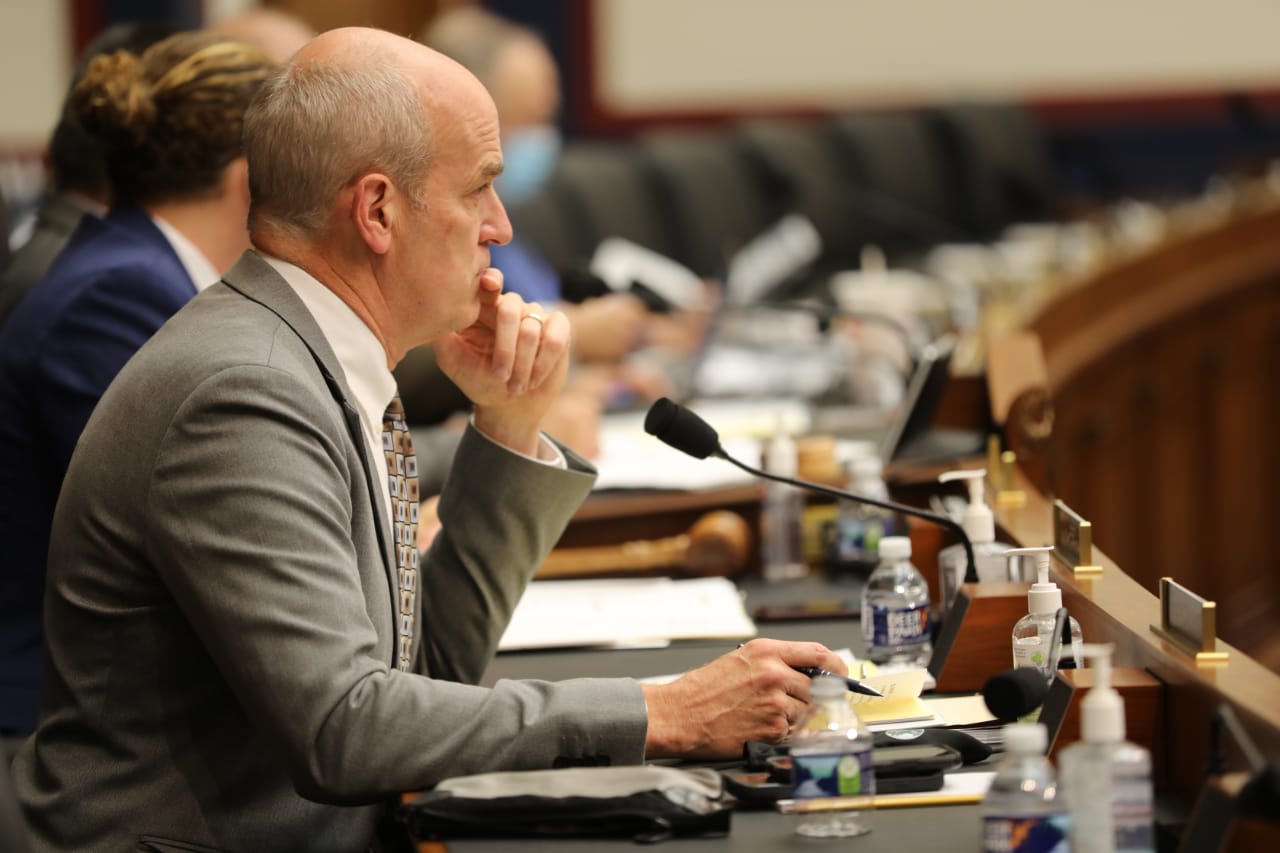
So the news that Larsen was planning to use the BUILD Act as the template for the next federal transportation package, in the wake of the largest electoral victory for Democrats since the 1970s was met with widespread alarm among those who follow federal transportation policy.
"We are not starting from scratch. We just don’t have the time to start from scratch, the capacity to start from scratch,” Larsen said in an interview with POLITICO earlier this month. "We have a good bill to start with."
Larsen added that committee members would likely insert additional items "that the Democrats would be more supportive of" while they "move some things around underneath the top line."
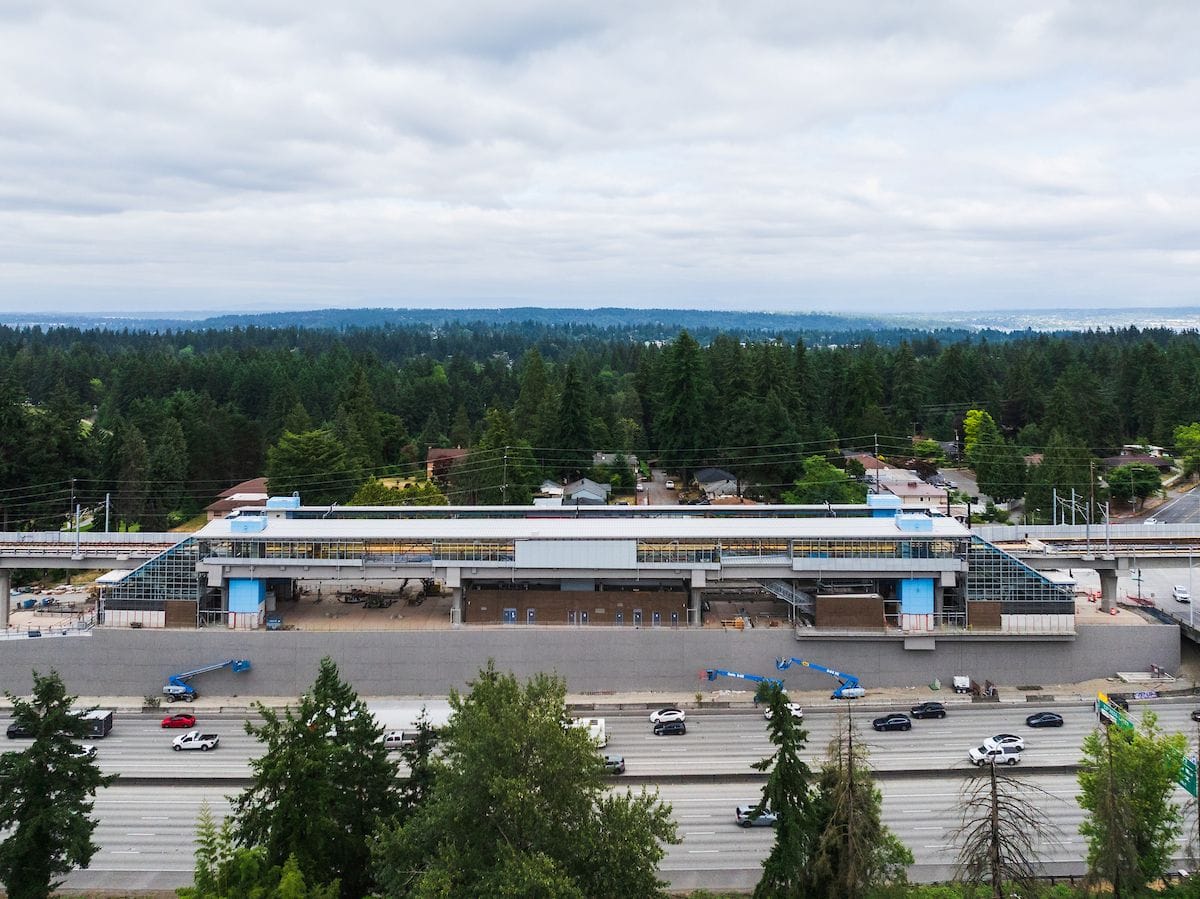
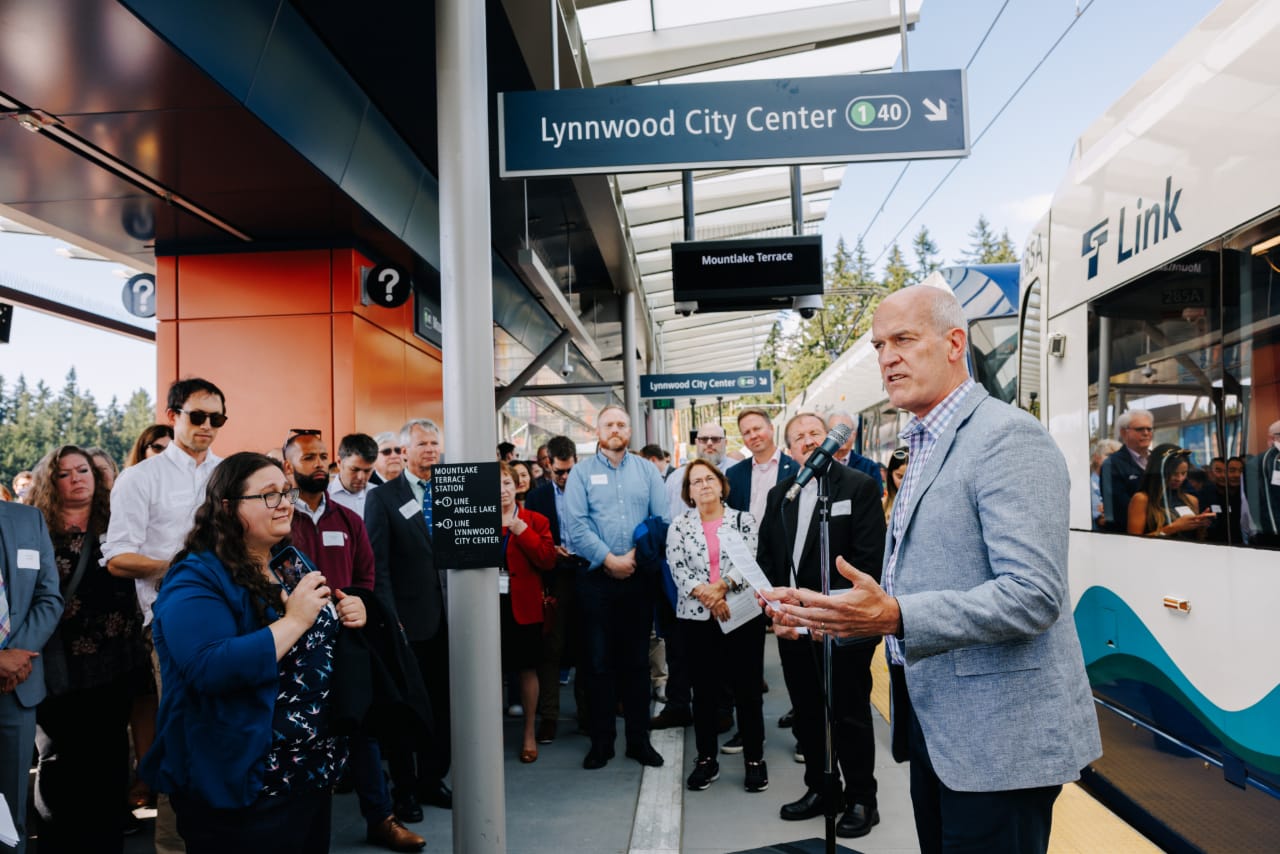
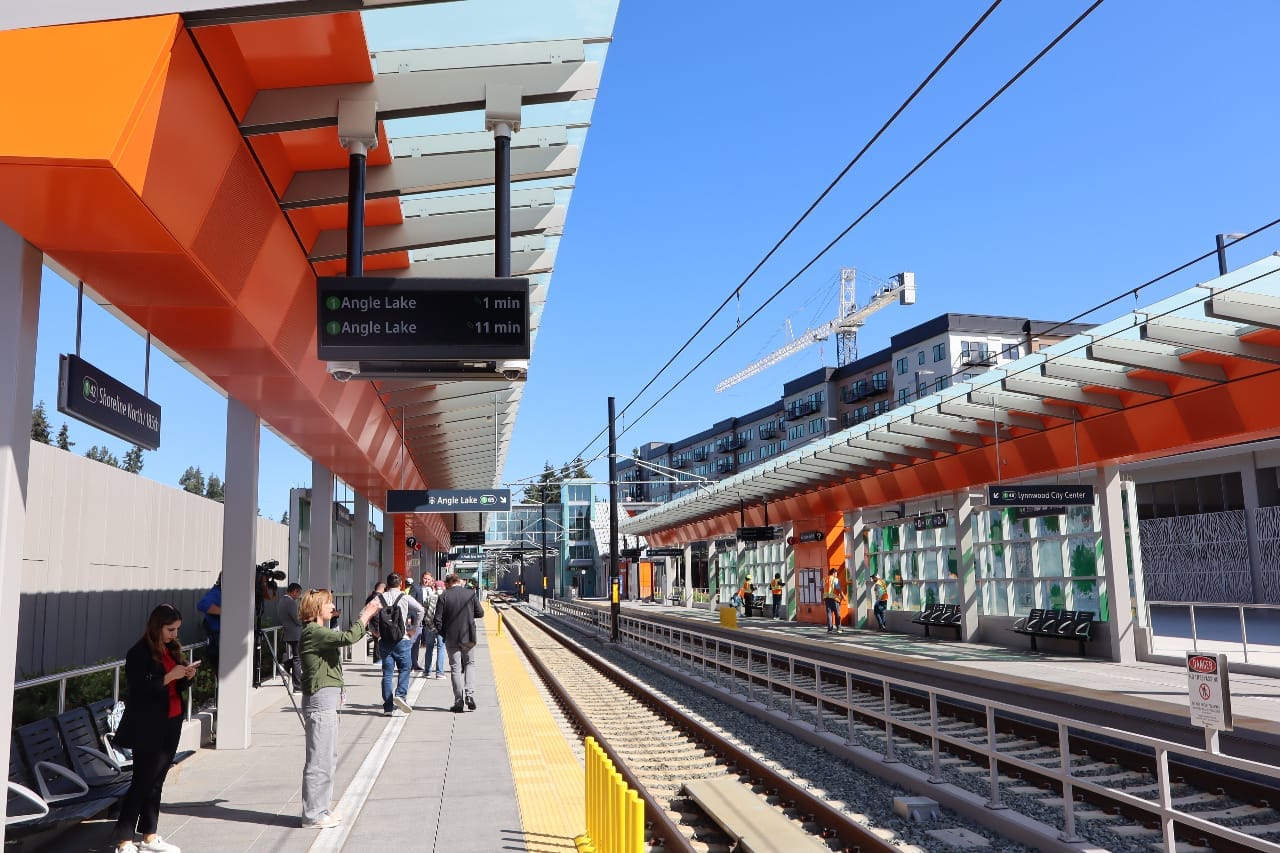
Larsen has a reputation for being pro-transit, regularly appearing at Sound Transit ribbon cuttings and referencing his past efforts to secure $1.8 billion in federal funding for Lynnwood Link in 2018. But with transportation funding not likely to get a significant amount of national attention compared to other issues tackled by a newly Democratic Congress, there are no assurances that the flaws in the BUILD America 250 Act are going to be fixed.
Transportation advocacy organizations have been pushing Larsen to fully ditch the BUILD Act, framing the recycling of the bill as a generational mistake.
"Incoming House leaders should not advance a bill that was produced with the help of so many members of Congress who just got sent home by their voters. And on the flip side, the huge influx of new members who were just sent to Washington should get their chance to craft a different approach to transportation—a new Congress should mean a new sheet of paper," Transportation for America's Steve Davis wrote in a blog post on November 6. "The dynamics have certainly changed. A better deal can be had. Congress should bury the BUILD Act and start over fresh."
An action alert to push Larsen has already generated more than 16,000 letters on the issue.
"The BUILD America 250 Act would commit the country to another five years of traffic, pollution, and expensive car dependence while leaving public transit systems without the funding they desperately need," that action alert from National Campaign for Justice noted.
The IIJA expired on September 30, with Congress approving a stopgap spending bill that slashed transit and rail spending that extended that deadline to December 11. Another extension is all but certain,
While future levels of transit spending remain an open question, Larsen will also be tasked with managing the fact that the Trump administration has been refusing to spend the transit funding that's already been approved. In a letter sent earlier this month to Office of Management and Budget Director Russell Vought and the Acting Director of the Federal Transit Administration (FTA), Larsen joined with Senators Patty Murray and Elizabeth Warren to call out "holding infrastructure dollars hostage," per a press release.
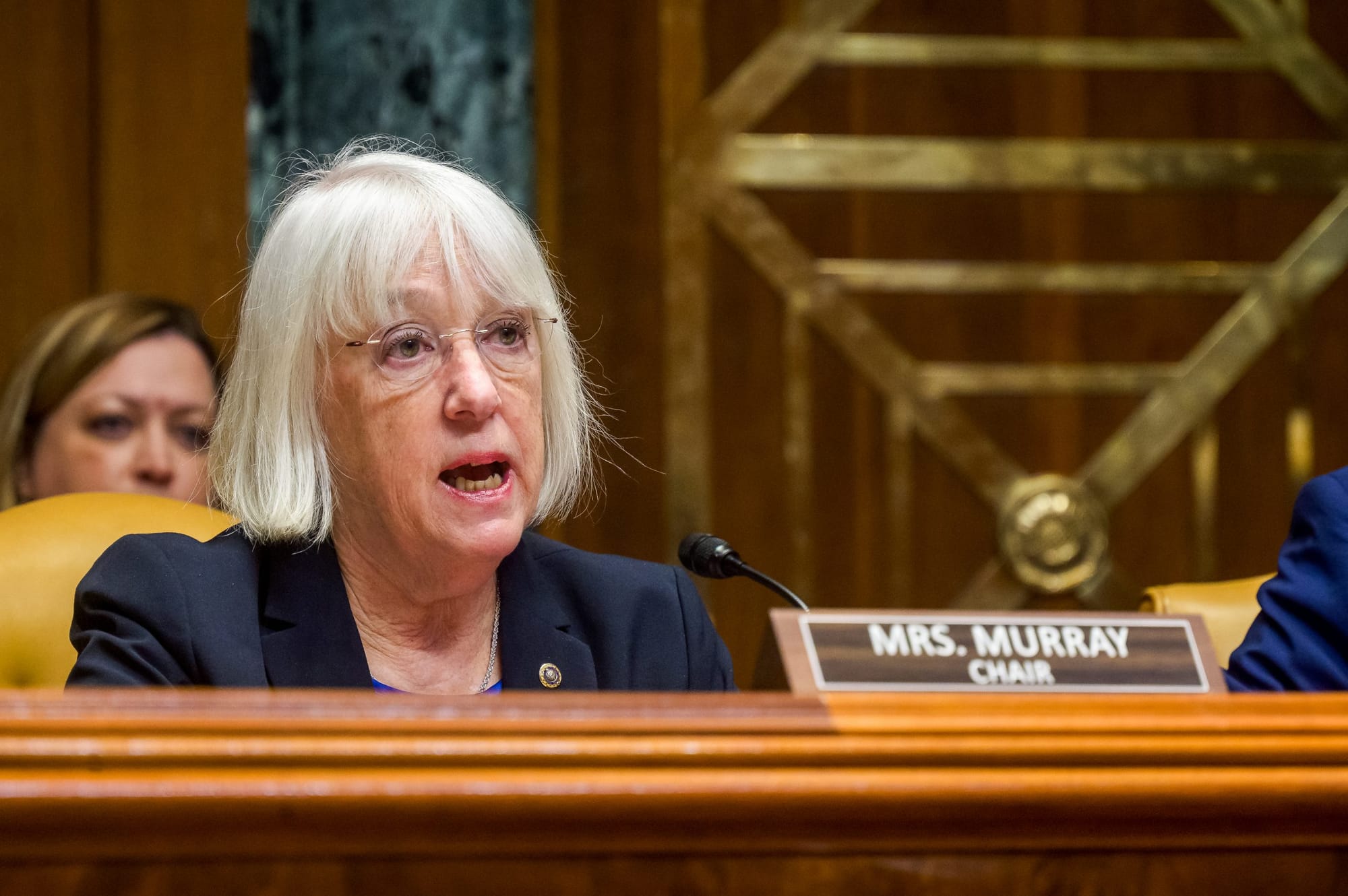
Murray is set to take the gavel in the powerful Senate Appropriations committee, putting her in the driver's seat on future federal transportation spending as well.
"[W]e have watched for months as FTA and OMB have stonewalled the progress of worthy transit projects," the letter stated. "Your agencies have neglected for a year to advance the Boston Green Line Transformation project and the Los Angeles Southeast Gateway Line to the [Capital Investment Grant] Engineering phase under current program rules that were adopted in November of 2025 – without any justification or explanation for the delay."
While no Seattle-area transit projects were referenced in the letter, Sound Transit is counting on FTA dollars as it moves toward construction on the West Seattle and Tacoma Dome Link Extension projects, with a failure to secure those grants likely having cascading impacts on a financially strained system expansion plan that already took a big hit earlier this year. Meanwhile, the Draft Environmental Impact Statement (DEIS) for the Ballard Link Extension has been held up by federal review for over a year, only now being released on December 11.
For its part, King County Metro announced this summer it was no longer seeking federal funding for its RapidRide R Line enhanced bus project, preferring to go it alone. Officials framed defederalizing funding as speeding up project delivery given the run around the FTA has given many transit projects. Metro is still counting on federal funding for its RapidRide K Line, which will run between Kirkland's Totem Lake and Eastgate in Bellevue.
The federal threats to transit funding don't stop there. Earlier this fall, FTA advanced a rule change that would revamp eligibility criteria on one of its biggest transit grant programs, making it harder for projects to qualify – and apply retroactively to projects already in the pipeline. If implemented, that would scale back federal transit funding even further, shifting costs back onto transit agencies that aren't prepared to shoulder the burden.
“The new guidance is a part of the Trump administration’s systematic campaign to reduce or eliminate funding for new transit projects,” Yonah Freemark, principal research associate at the Urban Institute, told Streetsblog. “It’s basically a crisis for transit agencies.”
Washington's congressional delegation, including Larsen and Murray, is set to be put in a prime position to be able to help confront that crisis, but it remains to be seen whether that's going to be enough to resist a full-out federal assault on sustainable transportation options including public transit.
 Doug Trumm
 Ryan Packer